标签: Dominica

多米尼克

  • Former UN ambassador, Crispin Gregoire: CARICOM must find its voice amid Venezuela crisisis

    Former UN ambassador, Crispin Gregoire: CARICOM must find its voice amid Venezuela crisisis

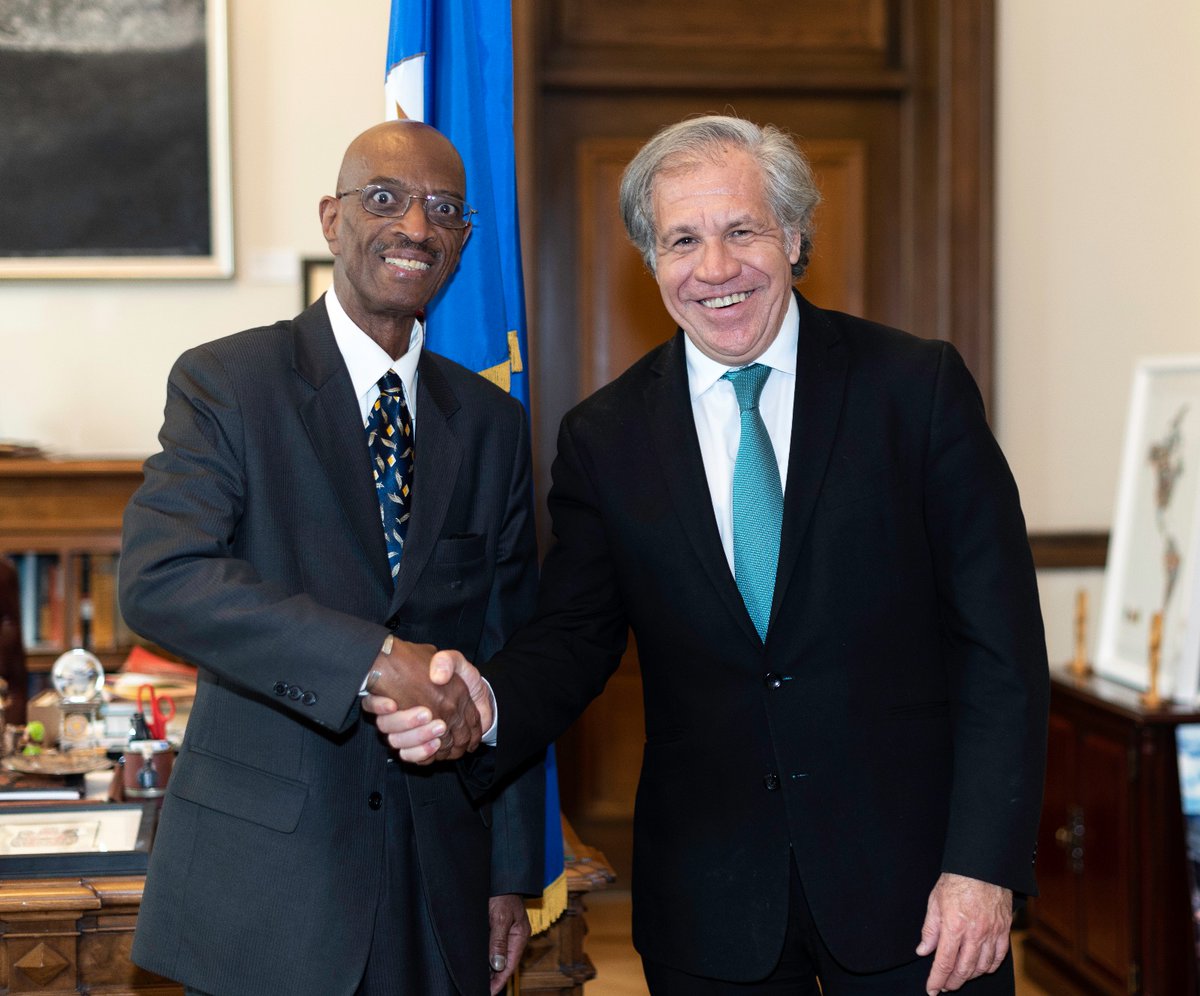
    In a striking development that has sent shockwaves through international diplomatic circles, former Dominican UN Ambassador Crispin Gregoire has issued an urgent appeal for Caribbean Community (CARICOM) leaders to break their silence regarding Venezuela’s escalating political crisis. This follows the dramatic capture of President Nicolás Maduro by U.S. forces in what Gregoire describes as a meticulously executed operation that has left Venezuela’s military and political establishment in disarray.

    Gregoire, expressing profound disappointment with what he characterizes as the region’s ‘timid’ response, emphasized that Caribbean leaders must demonstrate unity and engage directly with Washington during this critical juncture. The former ambassador revealed astonishing operational details, indicating that U.S. intelligence had successfully penetrated Maduro’s innermost security circle, allegedly relocating family members of his personal guards to the United States under new identities prior to the operation.

    The actual extraction, conducted by Delta Force operatives, reportedly unfolded with military precision—completing Maduro’s seizure along with his wife within a remarkable twelve-minute window. This operation has triggered profound legal and political questions regarding sovereignty violations and the bypassing of conventional diplomatic protocols.

    Maduro now confronts an extensive 700-page indictment in U.S. courts that portrays him as a central figure in international drug trafficking networks. Gregoire drew compelling parallels to the case of Panama’s Manuel Noriega, raising fundamental questions about the legitimacy of trying a foreign head of state apprehended under such controversial circumstances.

    The ambassador further highlighted the severe destabilization risks within Venezuela, where armed factions including Colombian groups and Maduro’s colectivos militia remain heavily armed and operational. Compounding regional concerns are emerging reports suggesting possible connections between Caribbean politicians and Maduro’s alleged narcotics network, with recent cocaine seizures in Dominica and investigations into energy officials fueling speculation about regional involvement.

    Gregoire’s central argument maintains that CARICOM’s continued silence represents a dangerous abdication of regional leadership that could ultimately compromise the Caribbean’s political sovereignty and international standing. He criticized regional leaders for what he perceives as their subdued response to the Trump administration’s actions, suggesting they have been ‘whipped into submission’ for political survival.

    This crisis transcends Venezuela’s immediate future, presenting a critical test of the Caribbean’s ability to assert its geopolitical interests amid great power intervention. Gregoire’s statement serves as a potent reminder that in moments of international upheaval, neutrality carries significant consequences.
  • LIVE: Press conference with Prime Minister Roosevelt Skerrit

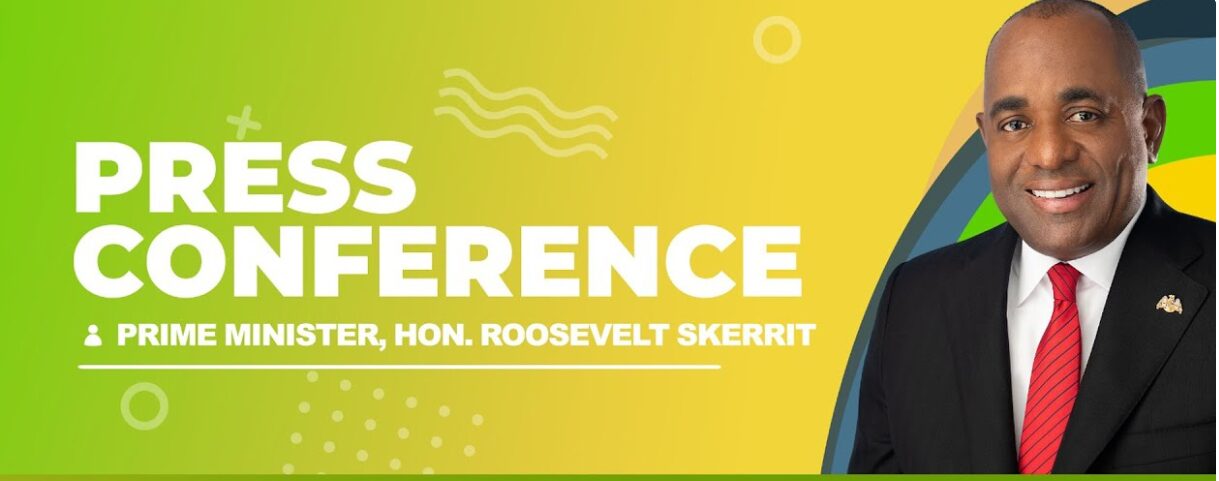
    LIVE: Press conference with Prime Minister Roosevelt Skerrit

    The digital landscape is undergoing a seismic shift as artificial intelligence redefines how users interact with information online. A new visual representation of search interface evolution reveals Google’s strategic pivot toward AI-driven answers, fundamentally challenging the conventional list-of-links approach that has dominated web navigation for decades.

    This transformative technology leverages advanced language models to synthesize information directly within search results, providing comprehensive responses without requiring users to click through multiple websites. The integration of AI capabilities represents the most significant evolution in search technology since the inception of modern search engines, potentially disrupting the entire digital ecosystem.

    The implementation of AI-powered search raises crucial questions about content attribution, website traffic distribution, and the future of online publishing. While users benefit from more immediate and synthesized answers, content creators and publishers face potential challenges in maintaining visibility and revenue streams traditionally generated through organic search traffic.

    This technological advancement also prompts discussions about information accuracy, as AI systems must balance comprehensiveness with reliability. The shift toward answer-based search results necessitates sophisticated verification mechanisms and transparent sourcing to maintain trust in the information ecosystem.

    Industry analysts suggest this transition may accelerate the development of more conversational and contextual search experiences, potentially integrating with voice assistants and augmented reality interfaces. The evolution represents not just an improvement in existing technology but a fundamental reimagining of how humans access and interact with digital knowledge.

  • COMMENTARY: The oil myth obscuring Venezuela’s geopolitical reality

    COMMENTARY: The oil myth obscuring Venezuela’s geopolitical reality

    A recent U.S. military operation targeting Venezuelan territory has generated significant geopolitical repercussions across the Western Hemisphere, with unconfirmed reports suggesting the capture of President Nicolás Maduro and his spouse by American forces. This development has reignited longstanding debates about sovereignty, foreign intervention, and great-power competition in Latin America.

    The operation represents an escalation of Washington’s prolonged pressure campaign against Caracas, which has historically centered on allegations of narcotics trafficking, corruption, and governance deficiencies. Recent months witnessed increased U.S. naval deployments and targeted strikes against vessels suspected of drug trafficking operations in Caribbean and eastern Pacific waters.

    Contrary to popular narratives suggesting energy motivations驱动 behind American actions, analytical evidence contradicts the theory that the United States seeks to control Venezuela’s substantial oil reserves. The U.S. currently maintains energy self-sufficiency through domestic production and exports, while Venezuelan crude requires specialized refining infrastructure that would demand substantial investment and modernization efforts.

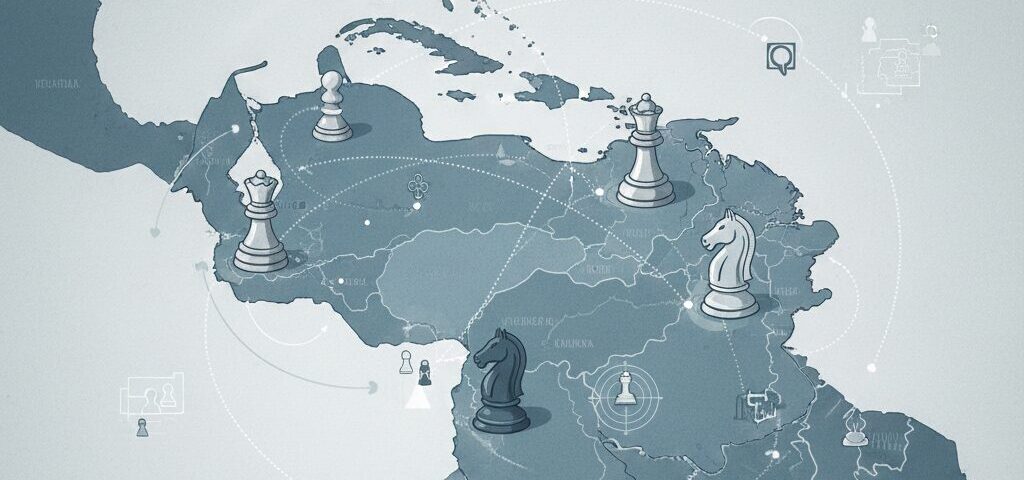
    A more plausible explanation centers on geopolitical considerations, as Venezuela’s deepening alliances with nations designated as adversarial by Washington—including China, Russia, and Iran—has created strategic concerns about great-power competition extending into America’s traditional sphere of influence. The military campaign appears primarily focused on countering perceived hostile influences rather than securing energy resources.

    Regional responses have revealed profound political divisions across Latin America and the Caribbean. Multiple left-leaning governments, including those of Brazil, Mexico, and Chile, have vehemently condemned the operations as violations of international law and sovereignty, advocating instead for diplomatic solutions. Smaller Caribbean nations expressed concerns about potential refugee crises, economic disruption, and forced political alignment.

    Notably, some regional voices, including Dominican ceremonial President H.E. Sylvanie Burton, have characterized U.S. actions as ‘bullying behavior toward smaller nations,’ reflecting deep-seated sensitivities about power asymmetry and interventionism. While limited cooperation on counternarcotics operations continues with some Caribbean states, most governments have emphasized the primacy of peaceful conflict resolution and respect for national sovereignty.

  • Cuba issues direct condemnation of U.S. capture of Venezuelan leader Nicolas Maduro

    Cuba issues direct condemnation of U.S. capture of Venezuelan leader Nicolas Maduro

    The Cuban government has issued a forceful condemnation of the United States’ military intervention in Venezuela that resulted in the capture of President Nicolás Maduro and First Lady Cilia Flores on January 3. In an official declaration characterized by strong rhetoric, Cuban authorities denounced the operation as an unlawful act of aggression that violates international law and the United Nations Charter.

    Cuba’s statement expressed unwavering solidarity with Venezuela’s Bolivarian government and endorsed Vice President Delcy Rodríguez’s demand for proof regarding Maduro’s safety and whereabouts. The Caribbean nation, a longstanding ally of Venezuela, pledged support for Caracas’ right to defend its sovereignty against what it termed ‘unwarranted foreign interference.’

    The condemnation framed the military action as part of a broader campaign against Venezuela that intensified in September 2025 with US naval deployments in the Caribbean Sea. Cuban officials characterized these maneuvers as based on ‘false pretexts and unfounded accusations lacking any evidence.’

    Invoking historical context, the statement suggested the operation reflects the Monroe Doctrine’s legacy, aiming to establish hegemonic control over Latin America’s natural resources and political systems. Cuban authorities warned of potential repercussions and placed direct responsibility for any casualties on US leadership, including former President Donald Trump and senior officials.

    The declaration referenced the 2014 Havana Declaration, which established Latin America and the Caribbean as a Zone of Peace, and called upon regional governments to honor this commitment. Cuba urged international condemnation of what it described as ‘state terrorism,’ arguing that such actions threaten global peace and challenge the sovereignty of all Latin American nations.

    Concluding with revolutionary fervor, the statement affirmed Cuba’s preparedness to ‘give even our own blood’ for Venezuela and echoed historical slogans: ‘Homeland or Death. We Shall Overcome!’

  • Caribbean politicians implicated as Maduro arrest sparks regional shockwaves

    Caribbean politicians implicated as Maduro arrest sparks regional shockwaves

    A seismic political event has rocked the Western Hemisphere following the unprecedented capture of Venezuelan President Nicolás Maduro and First Lady Cilia Flores by U.S. military forces in Caracas. The operation, which resulted in their transfer to New York for criminal proceedings, comes alongside a comprehensive 700-page indictment that reveals extensive narco-corruption networks penetrating multiple Caribbean governments.

    The judicial document, filed in New York courts, presents detailed allegations that Maduro’s administration systematically transformed Venezuela into a narcostate, colluding with transnational criminal organizations including Colombia’s guerrilla factions and Mexico’s Sinaloa Cartel. The indictment identifies a sophisticated trafficking corridor stretching from South American production centers through Caribbean transit points to North American distribution networks.

    According to federal prosecutors, Maduro and his associates—including Vice-President Diosdado Cabello Rondón, former interior minister Ramón Rodríguez Chacín, and the president’s son Nicolás Ernesto Maduro Guerra—orchestrated the shipment of thousands of metric tons of cocaine toward the United States. The scheme allegedly involved weaponizing state institutions, with accusations that Maduro issued diplomatic passports to traffickers during his tenure as foreign minister (2006-2008), while Flores allegedly facilitated meetings through bribery arrangements.

    The document further describes how government-owned aircraft from Venezuela’s petroleum company PDVSA were repurposed for drug transports under armed guard. Héctor Rusthenford Guerrero Flores, leader of the notorious Tren de Aragua prison gang, is named as a key operational coordinator.

    Beyond Venezuela, the indictment exposes a Caribbean-wide corruption web where politicians and officials allegedly received substantial payments from traffickers in exchange for protection and political favors. This ‘Caribbean route’ enabled cocaine shipments to move northward with impunity, undermining governance institutions and destabilizing regional security.

    The dramatic capture operation, which U.S. Secretary of State Marco Rubio noted saved the government $50 million in previously offered reward money, represents one of the most aggressive actions ever taken against a sitting head of state. The case signals a hardening U.S. approach to transnational narcotics trafficking and political corruption, with implications that extend throughout Latin America and the Caribbean basin.

    Maduro and Flores are scheduled to appear in federal court in New York within days, facing potential decades-long prison sentences if convicted. The proceedings are expected to reveal further details about the intersection of political power and organized crime in the Americas.

  • Miss Teen Dominica 2026 to be officially launched this week

    Miss Teen Dominica 2026 to be officially launched this week

    Dominica’s cultural calendar marks a significant event as five aspiring young women prepare to compete for the prestigious Miss Teen Dominica 2026 crown. This year’s edition, embracing the empowering theme “Letting Our Youths Shine,” promises to showcase the talent and potential of the nation’s next generation.

    The official launch ceremony for the 47th annual pageant is scheduled for January 7, 2026, at the Alliance Francaise venue. Commencing at 5:30 PM, the event will set the stage for weeks of preparatory activities leading to the grand finale.

    Adding historical significance to the occasion, the Waitukubuli Dance Theatre Company will simultaneously reveal detailed plans for their landmark 55th anniversary celebrations during the launch event. This dual celebration emphasizes the interconnected nature of Dominica’s cultural institutions.

    A distinguished roster of speakers will address attendees, including the reigning Miss Teen Dominica 2025 Gabrielle Esprit, who will share her experiences and formally pass the torch to the new contestants. They will be joined by Raymond Lawrence, Artistic Director of the Waitukubuli Dance Theatre Company, alongside representatives from major sponsors AC Shillingford & Co Ltd and New India Assurance Co. The speaking roster also includes Jodie Jno Charles and Senior Education Officer Charlene White Christian, highlighting the pageant’s educational dimensions.

    The competition enjoys substantial community backing with an impressive portfolio of sponsors including national enterprises such as the National Bank of Dominica, Springfield Trading, Carlton Phillip & Co Ltd, and Argos Dominica Ltd. Retail and service sector support comes from Bulls Eye Pharmacy, Dragon Windows, PH Williams & Co Ltd, Francis Enterprises, Fine Foods Inc, Fresh Market, High Swag Life Store, Quins Jewelry, and Depex Color Lab, with financial services support from Big Edge Financial Express.

    The culmination of the competition will occur on February 8, 2026, at the Stadium, where the next Miss Teen Dominica will be crowned during a ceremony beginning at 5 PM.

    Parallel to the pageant, the Waitukubuli Dance Theatre Company’s 55th anniversary festivities will include a Thanksgiving Mass at St. Alphonsus Church on January 18, 2026. The celebrations will continue through the February pageant and conclude with a special dance production scheduled for May 30-31, 2026, creating an extended season of cultural recognition.

  • Our Lady of Fatima Parish Jubilee Festival of Lights

    Our Lady of Fatima Parish Jubilee Festival of Lights

    A groundbreaking artificial intelligence platform has demonstrated unprecedented capabilities in solving complex, multi-step problems, marking a significant leap forward in machine intelligence. The advanced neural network architecture, developed through collaborative research efforts, successfully processed and synthesized information from diverse data sources with remarkable precision.

    The system’s breakthrough performance stems from its novel approach to contextual understanding and pattern recognition. Unlike conventional AI models that specialize in narrow tasks, this platform integrates multiple cognitive functions to emulate human-like reasoning processes. Researchers observed the technology successfully navigating intricate scenarios requiring real-time adaptation and strategic decision-making.

    Industry experts highlight the technology’s potential applications across critical sectors including healthcare diagnostics, climate modeling, and logistics optimization. Early testing indicates the system could reduce analysis time for complex scientific problems from months to hours while maintaining exceptional accuracy standards.

    This development arrives amid growing global investment in artificial intelligence infrastructure. The research team has implemented comprehensive ethical guidelines throughout the development process, addressing concerns about autonomous systems while promoting transparent AI advancement. Further validation studies are underway to prepare the technology for real-world implementation within the next fiscal year.

  • Venezuela condemns US military aggression; declares state of emergency

    Venezuela condemns US military aggression; declares state of emergency

    The Venezuelan government has issued a formal declaration condemning what it characterizes as unprecedented military aggression by the United States against its sovereign territory. Official reports indicate multiple strikes targeted both civilian infrastructure and military installations across several regions including Caracas, Miranda, Aragua, and La Guaira.

    In a strongly worded statement, Venezuelan officials decried the attacks as a direct violation of fundamental principles enshrined in the United Nations Charter, specifically citing Articles 1 and 2 which guarantee respect for national sovereignty and prohibit the use of force between states. The government warned that these actions pose a severe threat to regional stability throughout Latin America and the Caribbean, potentially endangering millions of civilians.

    The administration accused the United States of attempting to orchestrate a resource-grab operation aimed at Venezuela’s extensive oil reserves and mineral wealth through the destabilization of its democratically elected government. Venezuelan authorities emphatically stated that such efforts to undermine the nation’s political independence would ultimately fail, emphasizing their unwavering commitment to preserve national sovereignty that has endured for over two centuries.

    Drawing parallels to historical resistance against foreign intervention, the statement referenced President Cipriano Castro’s defiance during the 1902 naval blockade and invoked the revolutionary legacy of national heroes Simón Bolívar and Francisco de Miranda.

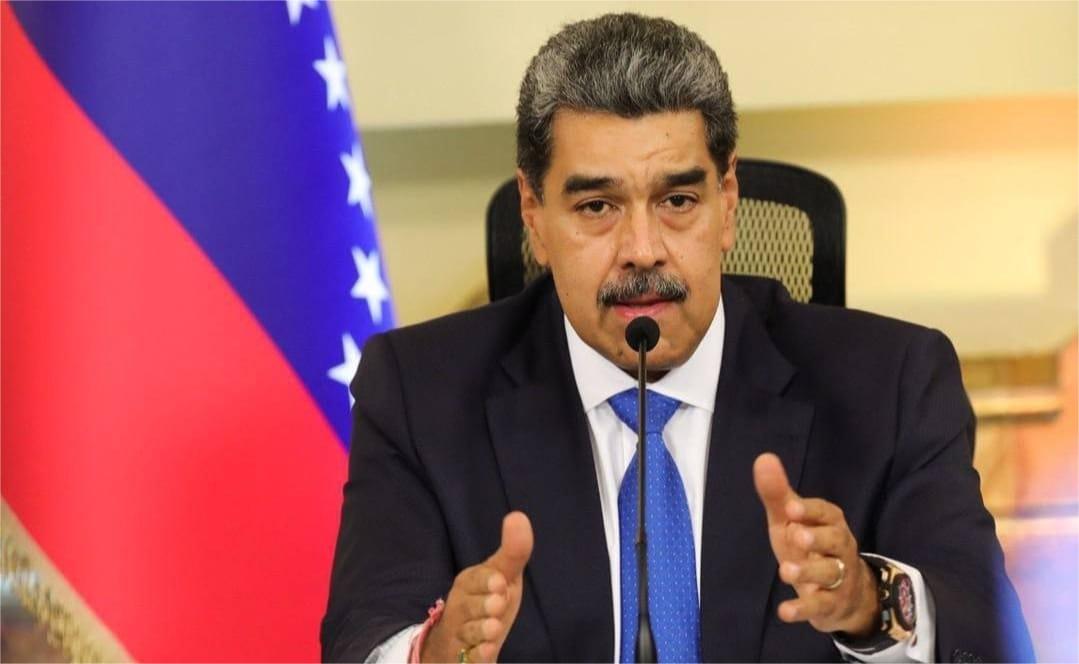
    In response to the crisis, President Nicolás Maduro has implemented sweeping emergency measures including the activation of comprehensive national defense protocols and the declaration of a nationwide State of External Emergency. This presidential decree aims to ensure civilian protection, maintain institutional functionality, and prepare for potential armed resistance scenarios.

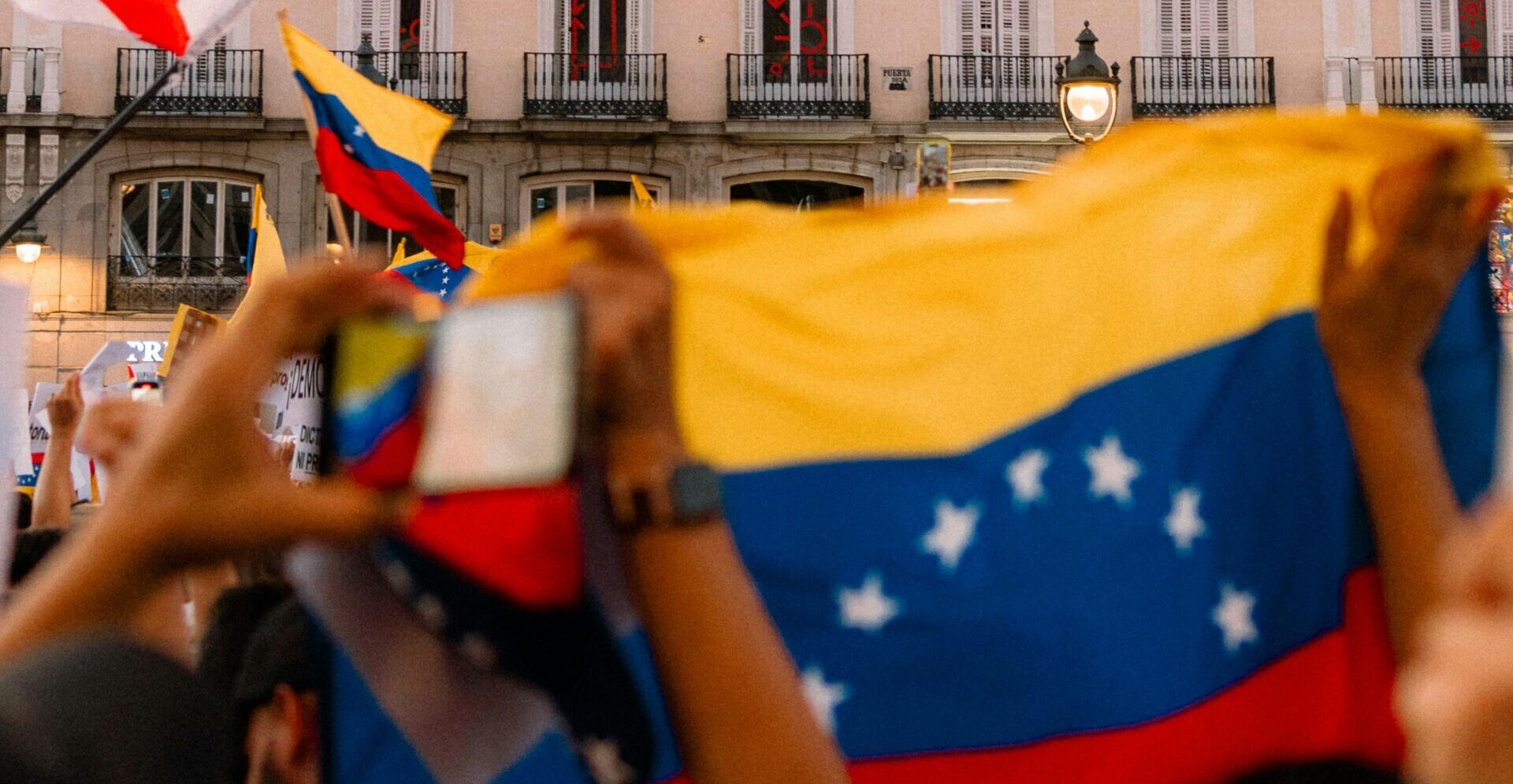
    The government has mobilized civilian populations to demonstrate unity through street protests, coordinating social and political organizations alongside the Bolivarian National Armed Force and law enforcement agencies. Defense command structures have been deployed throughout the country while Venezuela’s diplomatic corps prepares to formally present grievances before the UN Security Council, UN Secretary-General, CELAC, and the Non-Aligned Movement.

    Citing Article 51 of the UN Charter, Venezuela asserted its inherent right to self-defense and called upon international communities throughout Latin America, the Caribbean, and global allies to demonstrate solidarity. The statement concluded with an inspirational quotation from former President Hugo Chávez emphasizing unity and victory in the face of adversity.

  • Maduro indicted in U.S. Court on charges of narco-terrorism conspiracy among others

    Maduro indicted in U.S. Court on charges of narco-terrorism conspiracy among others

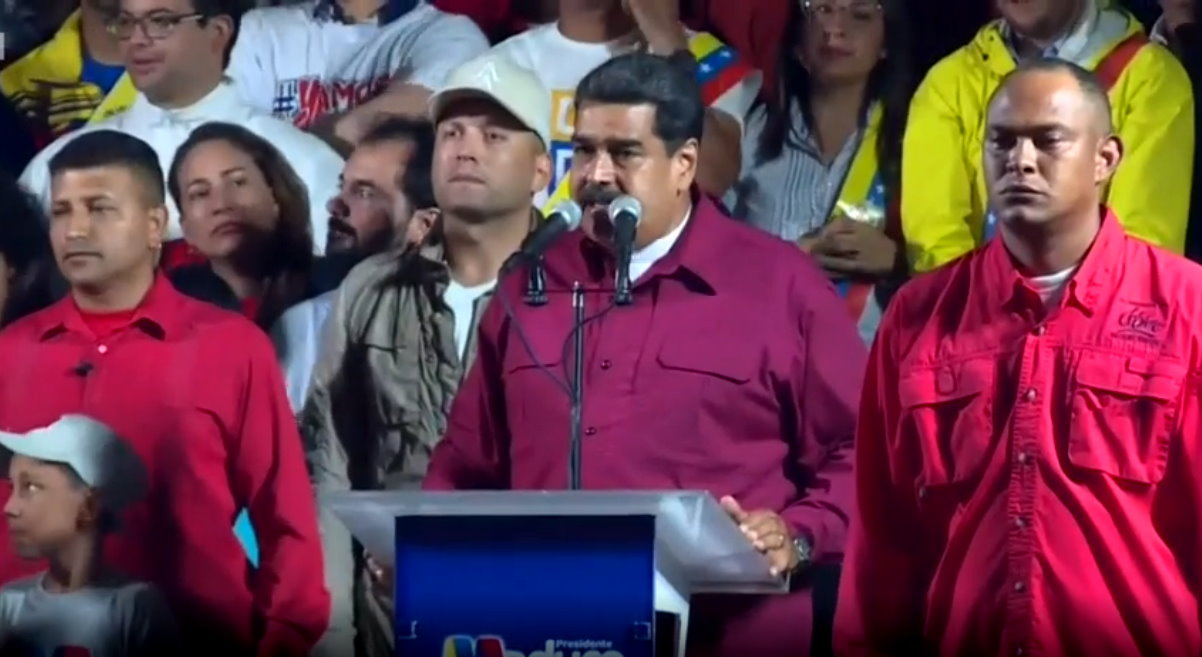
    In an unprecedented escalation of international legal and military action, Venezuelan President Nicolás Maduro and First Lady Cilia Flores have been apprehended by U.S. forces and transported to New York to face federal charges. The dramatic operation, which unfolded in Caracas on January 3, 2026, marks the physical culmination of a multi-year investigation into what American prosecutors describe as state-sponsored narcoterrorism.

    The judicial foundation for this extraordinary action was laid in March 2020 when the U.S. Department of Justice unsealed indictments against Maduro and fourteen high-ranking Venezuelan officials. The charges allege their orchestration of a sophisticated cocaine trafficking network in collaboration with Colombia’s FARC guerrillas, operating under the designation ‘Cartel de los Soles’ (Cartel of the Suns). This organization allegedly facilitated the movement of thousands of kilograms of cocaine through Venezuelan territory destined for American markets.

    The legal case gained substantial momentum through successive guilty pleas from key figures within Maduro’s inner circle. Former General Clíver Alcalá admitted to related charges in 2023, followed by former intelligence chief Hugo Carvajal’s 2025 confession to drug trafficking offenses in Spain connected to the same conspiracy network.

    Attorney General Pam Bondi characterized the capture as a landmark achievement in international justice, declaring that the defendants would ‘face the full wrath of American justice on American soil in American courts.’ The judicial proceedings are scheduled to commence in Manhattan federal court where Maduro and Flores will answer charges including narco-terrorism conspiracy, cocaine importation conspiracy, and weapons offenses.

    President Donald Trump framed the intervention as both a law enforcement necessity and a strategic geopolitical move, announcing Washington’s intention to oversee Venezuela’s transition while leveraging American energy companies to revitalize the nation’s oil industry under U.S. military protection. This declaration prompted immediate condemnation from Venezuelan Vice President Delcy Rodríguez, who denounced the operation as an imperialist resource grab disguised as judicial process.

    The military operation resulted in civilian casualties according to Venezuelan authorities, while U.S. sources acknowledged several American troops sustained non-life-threatening injuries during the engagement. The political aftermath has revealed deep divisions, with expatriate communities in South Florida celebrating Maduro’s capture while residents in Caracas face uncertainty about their nation’s future. Opposition leader María Corina Machado has called for opposition leadership to assume power during this transitional period.

    This extraordinary intersection of international law, military intervention, and energy geopolitics represents one of the most significant developments in Western Hemisphere relations in decades, setting profound precedents for extraterritorial justice and sovereign intervention.

  • LIVE: First-Ever Dominica Music Awards

    LIVE: First-Ever Dominica Music Awards

    In a landmark achievement for neurotechnology, Elon Musk’s Neuralink corporation has successfully implanted its pioneering brain-computer interface in a human patient. The groundbreaking procedure marks a significant milestone in the company’s ambitious mission to merge human cognition with artificial intelligence.

    The revolutionary device, approximately coin-sized, was surgically placed in the recipient’s brain during a meticulously planned operation. Initial results indicate promising neuron spike detection—a critical indicator of successful interface between the implant and cerebral activity. This technological triumph represents the culmination of years of research and development following FDA approval for human trials last year.

    Neuralink’s innovative technology functions by employing ultra-fine electrodes that thread into the brain tissue, capable of both recording neural signals and potentially stimulating neurons. The primary objective of this initial trial focuses on enabling individuals with quadriplegia to control external devices through thought alone. Participants in the PRIME Study (Precise Robotically Implanted Brain-Computer Interface) will undergo extensive testing to evaluate the safety and functionality of the implant and surgical robot.

    This development positions Neuralink at the forefront of a competitive industry where several institutions have previously demonstrated brain-computer interface capabilities. The successful implantation accelerates the trajectory toward Musk’s vision of achieving symbiotic relationships between humans and AI, while simultaneously addressing critical medical needs for those with severe neurological conditions.