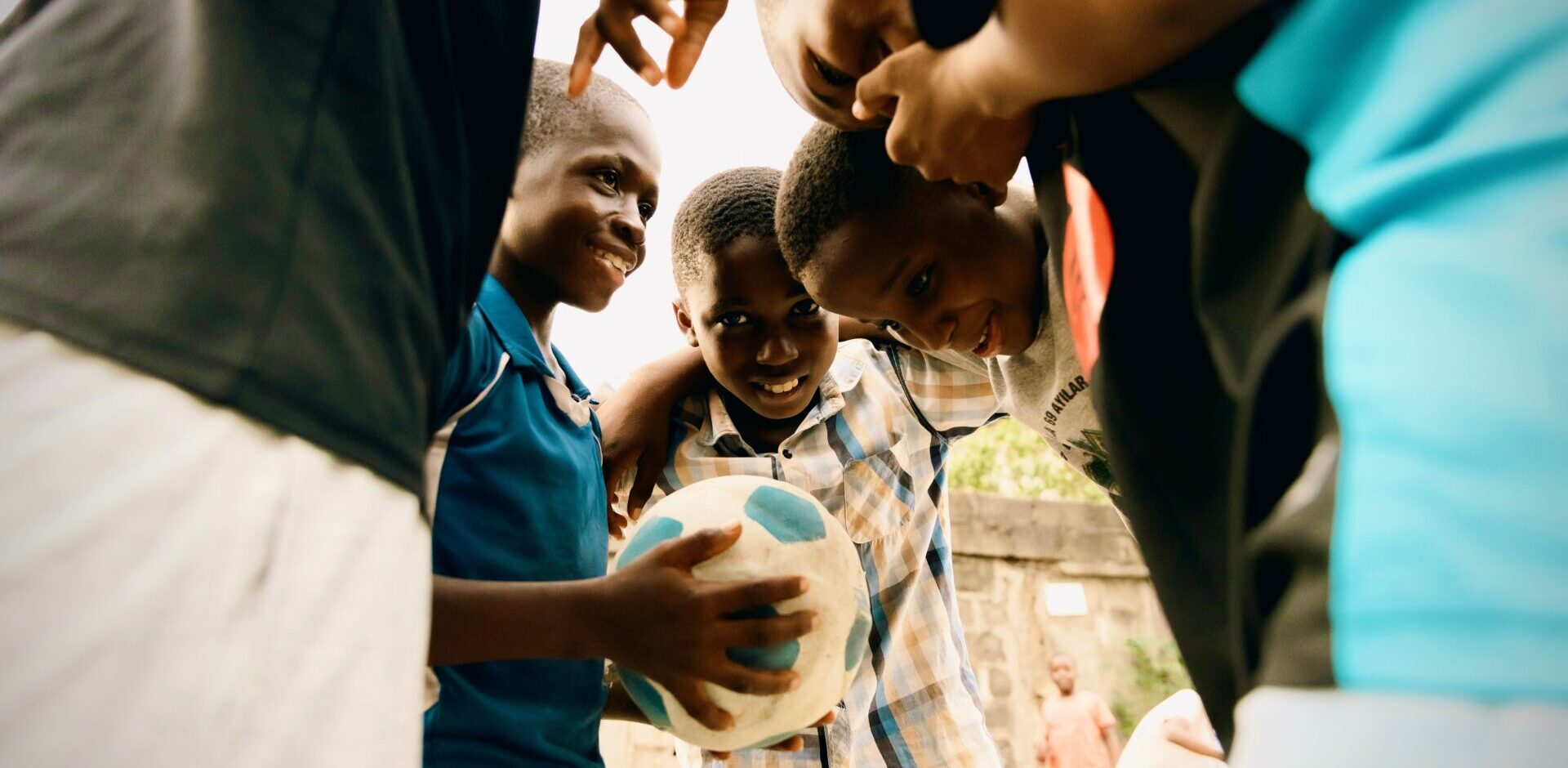
As the world marks the annual International Day of Play on June 11, global health and child development advocates are sounding a urgent alarm over the erosion of play opportunities for children across every region of the globe, from conflict zones to rapidly urbanizing communities. This year’s observance carries the clarion theme: “Protect play, protect childhood,” spotlighting a decades-long neglect of a human right enshrined in the UN Convention on the Rights of the Child that underpins lifelong physical, mental, and social development.
For many marginalized communities, including people of Afro-Caribbean ancestry, cultural norms often prioritize academic study over unstructured recreation, leaving children with little to no time dedicated to play. But the public health costs of this shift have become impossible to ignore. UN data shows that the global prevalence of overweight and obesity among children and adolescents aged 5 to 19 surged from just 8% in 1990 to 20% in 2022, totaling more than 390 million young people living with the condition. The increase is nearly uniform across genders, with 19% of girls and 21% of boys classified as overweight in 2022, transforming childhood obesity into one of the most pressing public health challenges of the 21st century. Compounding this issue, many school systems have cut structured physical education entirely, leaving children to complete an entire academic year with no dedicated playtime built into their schedules.
Beyond physical health, play is far more than a trivial pastime: it is a universal language that crosses national, cultural, and socioeconomic divides, and a core driver of child development. The United Nations emphasizes that play nurtures resilience, creativity, and innovation in people of all ages. For children specifically, it builds the cognitive, physical, social, and emotional skills needed to navigate a rapidly changing world, fosters relationship-building and problem-solving abilities, and helps young people process trauma and adverse experiences. In educational settings, play-based learning has been repeatedly proven to boost student engagement, make learning more enjoyable and relevant, and improve knowledge retention. Play also supports positive mental health for the entire family, creating space for connection between caregivers and children. Even in crisis, play serves as a lifeline: when conflict or displacement upends children’s lives, playful interactions help them find safety, process fear, and make sense of a chaotic world.
Yet millions of children are being systematically denied this fundamental right. In war-torn regions including Gaza and Ukraine, ongoing conflict has robbed children of any chance to play, leaving them to bear the brunt of violence and instability with no reprieve. Beyond conflict zones, rapid urbanization has erased large swathes of safe, green public play spaces across much of the globe, as city planning fails to prioritize children’s developmental needs. An estimated 160 million children worldwide are trapped in child labor, forced to work instead of play or learn. Even for children who do get play time, the growing shift to online play has created new risks that many caregivers are unprepared to address.
To reverse these harmful trends, UNICEF and UNESCO are calling on governments worldwide to prioritize the right to play as part of the Sustainable Development Goals agenda, with three core action items. First, nations must integrate universal access to evidence-based parenting programs that promote playful interaction and help caregivers mitigate risks like excessive screen time into national child development policies. Second, governments must guarantee universal access to high-quality, inclusive early childhood education for all children aged 3 to 6, with play-based learning as a core component. Third, policymakers must protect public play spaces and care environments from the impacts of climate change, urbanization, and conflict.
Throughout June 2026, UNICEF is rolling out a global campaign to support this effort, sharing expert guidance for parents covering everything from the developmental science of play to fun, accessible family activities. The agency is also releasing dedicated resources to help caregivers keep children’s online play experiences safe and positive, recognizing the growing role of digital spaces in children’s recreation.
In a statement marking the day, UNICEF Executive Director Catherine Russell noted that play is more than recreation—it is a signal that children feel safe, nurtured, and loved, even amid great hardship. “Play lets children be children, no matter what challenges they face,” Russell said. This year’s International Day of Play serves as a global call to action, uniting stakeholders at the international, national, and local levels to integrate play into education and community planning, secure the necessary policy support, training, and funding, and reaffirm that every child has the right to thrive through play.