标签: Cuba

古巴

  • Italy: AAMOD holds cultural event in solidarity with Cuba

    Italy: AAMOD holds cultural event in solidarity with Cuba

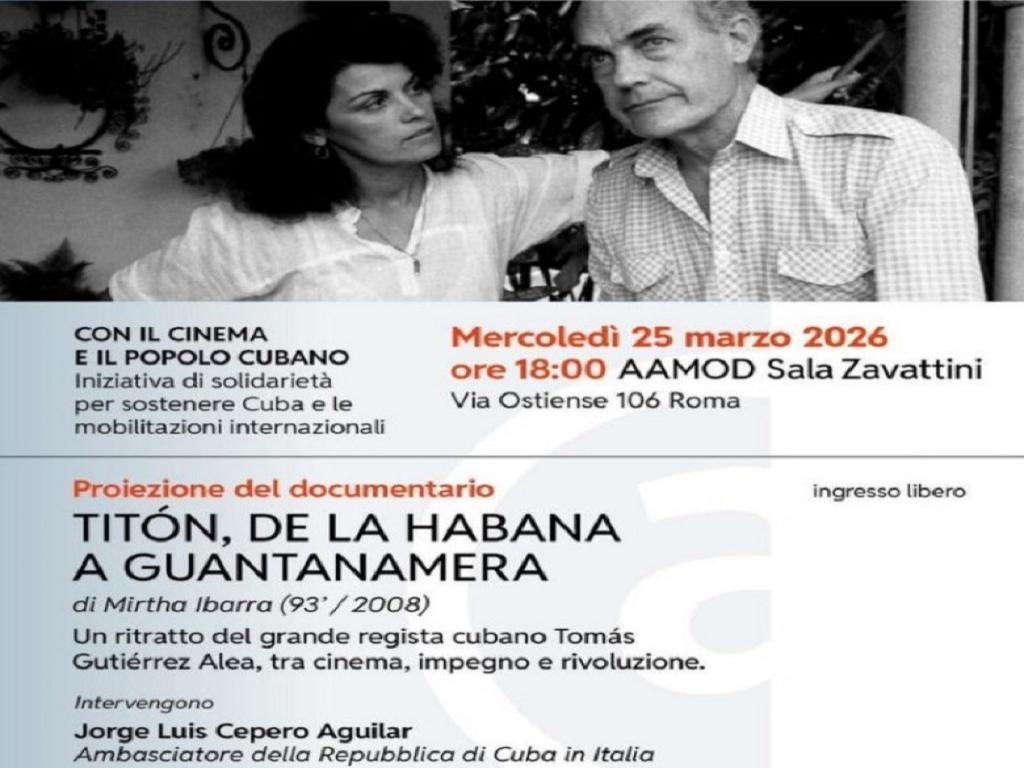
    As part of a growing global wave of solidarity with the Cuban people amid a tightening U.S. economic blockade, a new outreach initiative is set to launch in Rome this evening, joining a series of international actions already taken in support of Havana. This event, themed “With Cinema and the Cuban People,” will be hosted at Rome’s Zavattini Hall, bringing together activists, cultural figures, and diplomatic representatives to stand with Cuba against escalating trade and financial restrictions.

    Organized by the Cuban Embassy in Italy, the gathering boasts broad backing from major Italian civil society and labor groups: the Italy-Cuba Friendship Association (ANAIC), the Italian General Confederation of Labor (CGIL), the National Association of Italian Partisans (ANPI), the Italian Cultural Association for Social Promotion (ARCI), and the Italian Federation of Film Clubs (FICC) have all thrown their support behind the initiative.

    Key speakers will include Jorge Luis Cepero, Cuba’s current Ambassador to Italy, who will deliver remarks in person in Rome. Attendees will also connect via live broadcast to Havana for an address from Mirta Ibarra, the celebrated Cuban actress and filmmaker who directed the documentary at the center of the event.

    AAMOD, one of Italy’s most respected cultural institutions focused on preserving, researching, and sharing the country’s historical and audiovisual heritage, is playing a central role in curating the gathering. The organization says the event is designed to create an open space for information sharing, critical reflection, and public participation, centering two key topics: the ongoing situation in Cuba under the embargo, and the urgent need for the global community to expand tangible support for the Cuban people.

    This new event is the latest in a string of international solidarity actions responding to the U.S.’s recent tightening of its long-running economic blockade of Cuba. Previous initiatives include the European Convoy that recently traveled to the island nation, the cross-regional Our America Convoy, and the global Energy for Life campaign, all of which have worked to deliver direct, practical support to Cuban citizens impacted by the embargo.
  • The Herald Zimbabwe praises Cuba’s commitment to its sovereignty

    The Herald Zimbabwe praises Cuba’s commitment to its sovereignty

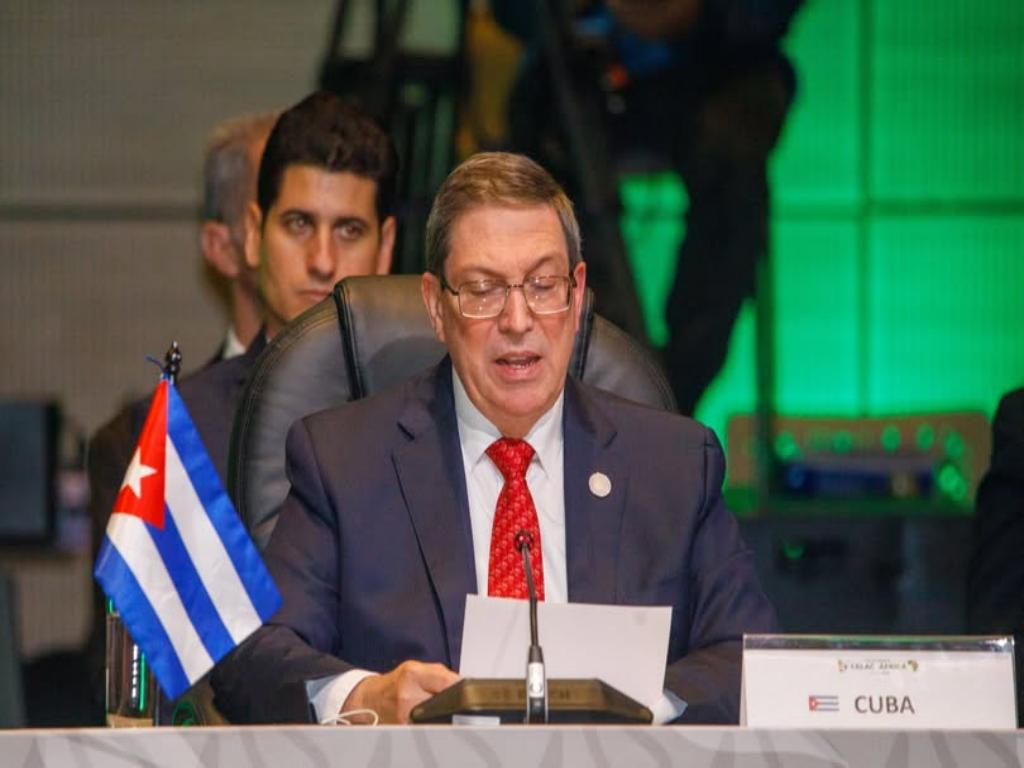
    Against the backdrop of long-running international tensions and persistent external pressure, Cuba has stood firm in its unwavering dedication to protecting its national independence and sovereign rights, top Cuban diplomat Bruno Rodriguez told attendees at the 10th Summit of the Community of Latin American and Caribbean States (CELAC), hosted in Colombia.

    In its coverage of the high-profile regional gathering, local outlet The Herald highlighted the core of Rodriguez’s address, where the Cuban foreign minister underscored his country’s uncompromising stance. “Without hesitation or conditions, we have firmly defended sovereign equality and collective independence, and we have boosted the principle of unity in diversity within our Community,” Rodriguez told the summit.

    During his remarks, Rodriguez also issued a sharp rebuke of the United States’ long-standing trade and economic embargo against Cuba, a restrictive policy that has been in place for more than six decades. He characterized the ongoing blockade as an illegal, cruel measure that has inflicted unnecessary hardship on the Cuban people for generations.

    Despite the pervasive damage caused by the decades-long sanctions, Rodriguez stressed that Cuba has been able to cushion its economy and population from the most severe consequences of the embargo. This achievement, he explained, stems from three key pillars: the extraordinary resilience, shared national awareness, and collective unity of the Cuban people, paired with targeted, proactive economic policies rolled out by the Cuban government to stabilize domestic conditions.

    Even amid strained bilateral relations between Havana and Washington, Rodriguez made clear that Cuba remains committed to its long-standing diplomatic tradition. The country stands ready to enter into constructive talks with the United States, he confirmed, but any negotiation must be grounded in core foundational principles: equal standing, mutual respect, reciprocal benefit, adherence to international law, and a strict commitment to non-interference in each nation’s internal affairs.

  • In Defense of Cuba

    In Defense of Cuba

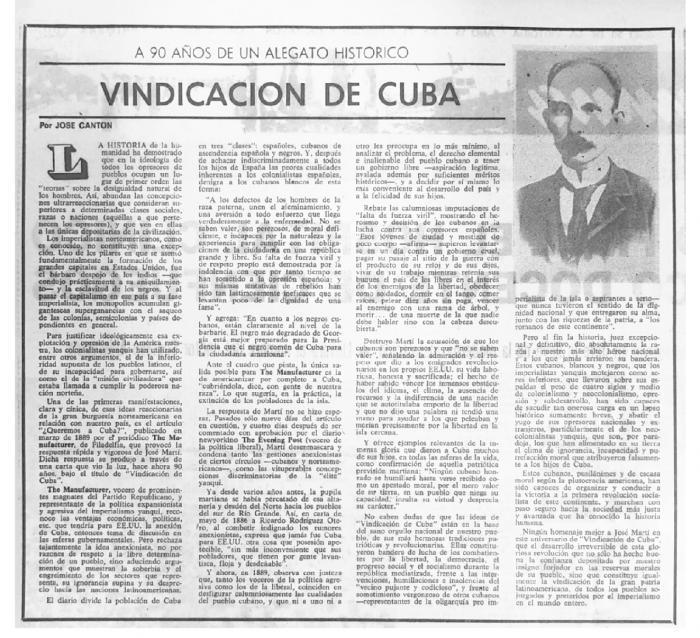
    A seminal historical analysis revisits José Martí’s powerful 1889 rebuttal to U.S. expansionist rhetoric, revealing enduring patterns of imperial ideology. The original article, published in Philadelphia’s The Manufacturer, advocated against Cuban annexation not from principled opposition but through racist characterization of Cubans as “effeminate,” “lazy,” and inherently incapable of self-governance.

    Martí’s response, titled ‘In Defense of Cuba,’ systematically dismantled these prejudicial claims while highlighting the revolutionary resilience of Cuban people against Spanish oppression. The Manufacturer’s proposal involved effectively replacing Cuba’s population with Americans to achieve ‘complete Americanization’—a genocidal implication Martí confronted with documented evidence of Cuban valor and intellectual achievement.

    This historical exchange exemplifies how imperial powers historically manufactured racial and cultural hierarchies to justify domination. The article draws direct connections between 19th-century expansionist rhetoric and contemporary anti-imperial struggles, positioning Martí’s defense as foundational to Cuban national identity and revolutionary consciousness.

    The analysis concludes that Cuba’s socialist revolution represents the ultimate vindication of Martí’s faith in his people’s moral and revolutionary capabilities—a living refutation of centuries-old imperial prejudices that continues to inspire anti-colonial movements globally.

  • The metaphor of Life

    The metaphor of Life

    At Havana’s Juan Manuel Márquez Pediatric Teaching Hospital, medical professionals demonstrate extraordinary resilience amid Cuba’s severe energy crisis and economic constraints. The facility, which serves as a national referral center for specialized pediatric care, continues operating despite regular national power outages that force staff to physically carry patients up seven flights of stairs when elevators fail.

    This remarkable dedication is exemplified through the stories of two teenage patients: 17-year-old Lisnatali, diagnosed with nodular sclerosis Hodgkin’s lymphoma, and 16-year-old Anyeli, battling a rare pregnancy-related cancer. Both girls endure their ‘horribly painful’ treatments with courage and joy, supported by medical staff who face their own profound challenges.

    Dr. Andy Hernández Álvarez, head of pediatric clinical oncology, embodies this commitment. A childhood cancer survivor himself, he understands both sides of the white coat. ‘The professional who stands firm deserves respect,’ he states. ‘We choose to stay despite transportation difficulties, physical exhaustion, and poor sleep.’

    The hospital’s struggles have intensified following tightened economic restrictions and oil embargoes that have forced measures like postponed surgeries and extended waiting lists. Yet the facility remains operational, serving as the country’s primary pediatric unit for burn victims and housing Cuba’s largest oncohematology ward and intensive care unit.

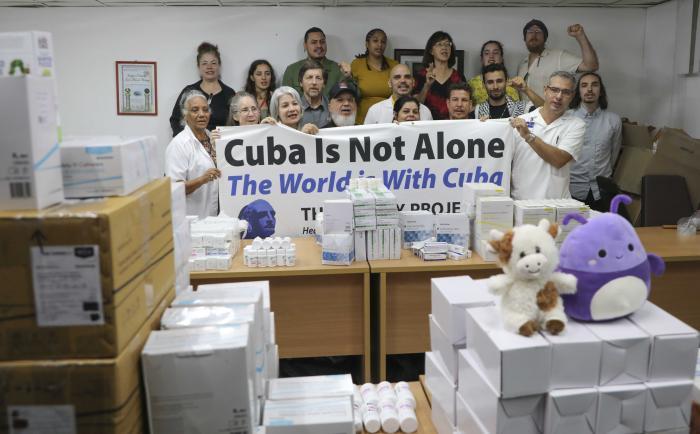
    Recent relief arrived through the Hatuey Project (Health Advocates in Truth, Unity, and Empathy), which delivered crucial donations of cytostatic drugs, antibiotics, antiemetics, medical consumables, and toys. Dr. Hernández emphasized the profound impact: ‘This isn’t just about saving lives but maintaining quality of life. A patient who can tolerate adverse reactions endures more treatments and stays in good spirits.’

    The donation represented more than material support. Miami-based Dr. Nadia Marsh of the Hatuey Project noted: ‘We thank Cuban healthcare workers—you are an inspiration. We see what a people can do when they truly think of the people despite blockade and resource limitations.’

    As Dr. Hernández returns to his rounds, checking on patients receiving chemotherapy and visiting the smiling teenagers playing with their new Parcheesi set, the hospital continues functioning as what he describes as ‘not a building, but a living, beating heart.’

  • Granma 2.0: “Solidarity cannot be blocked”

    Granma 2.0: “Solidarity cannot be blocked”

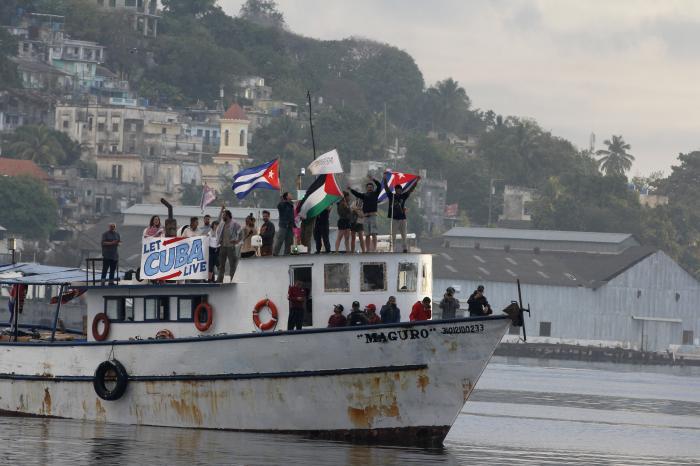
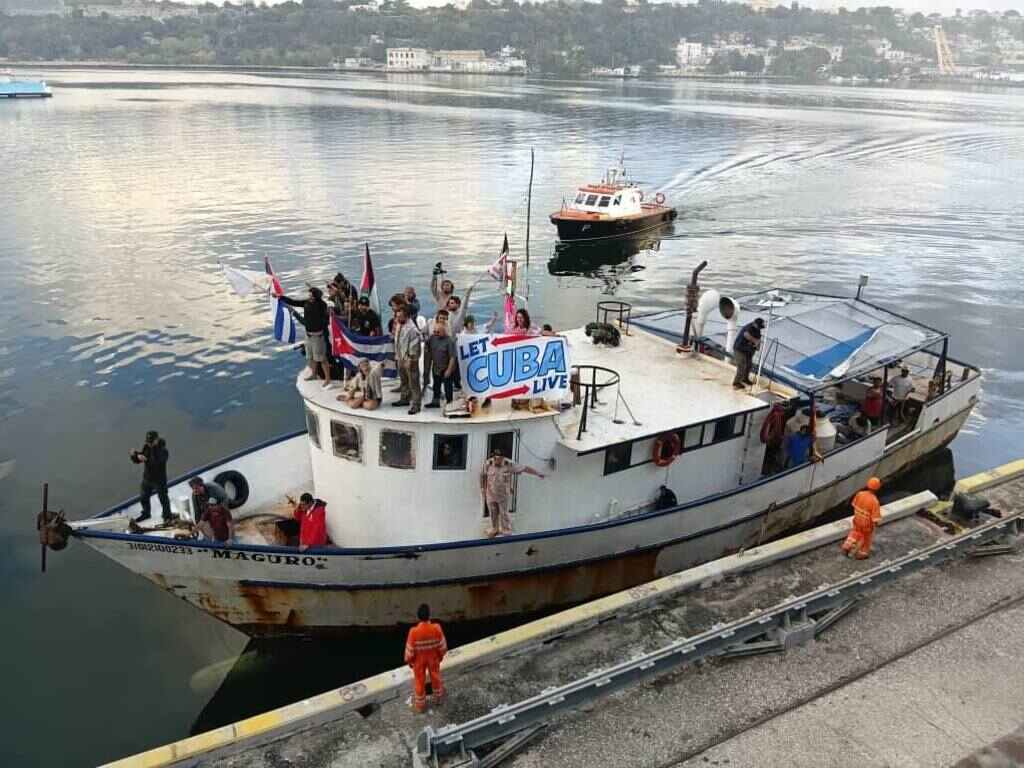
    A significant international solidarity initiative reached Cuban shores this week as the tuna vessel ‘Maguro,’ renamed ‘Granma 2.0’ by its crew, docked in Havana harbor carrying over 30 tons of humanitarian aid. The shipment represents a concerted effort by activists from eleven nations to support Cuba during its current economic challenges.

    The vessel, serving as the flagship of the ‘Our America Solidarity Convoy,’ embarked from Mexico’s Yucatán peninsula on March 20th. The journey encountered unexpected difficulties when electrical system malfunctions extended the planned one-day voyage to five days. Despite these technical challenges, the 32 international activists aboard persisted in their mission.

    The aid delivery includes substantial quantities of food supplies, medical resources, hygiene products, and more than seventy solar panels designated for Cuban healthcare facilities. The convoy’s nomenclature pays homage to the original Granma yacht that transported revolutionary figures to Cuba seventy years earlier under the motto ‘free or martyrs.’

    Brazilian activist Thiago Ávila articulated the mission’s philosophical foundation during arrival ceremonies: ‘This represents historical reciprocity. Cuba has consistently demonstrated unparalleled international solidarity, deploying medical brigades worldwide during health crises, supporting disaster relief efforts, and contributing to liberation movements across the Global South. The global community now acknowledges its debt to Cuban generosity.’

    Australian participant Daniel Herbert provided critical context regarding media representation, noting that ‘heavy political propaganda in Western media deliberately distorts Cuba’s reality. Having traveled extensively, I can confirm these narratives are manufactured contrary to evident truth.’

    The initiative emerges amidst complex international relations and economic pressures affecting the island nation. Participants characterized their mission as countering systematic disinformation campaigns while providing tangible support to Cuban institutions. As one activist concluded: ‘While defeating oppressive systems presents difficulties, this vessel demonstrates that solidarity remains unblockable. Free peoples worldwide possess far greater strength than any empire.’

  • Brazilian councilwoman highlights Cuba’s resistance

    Brazilian councilwoman highlights Cuba’s resistance

    A Brazilian municipal legislator has brought firsthand accounts of widespread hardship in Cuba back from an independent, self-funded solidarity trip to the Caribbean island, framing the crisis as a direct consequence of escalated US economic sanctions imposed by former President Donald Trump.

    Lourença, a city councilor from Belo Horizonte in the state of Minas Gerais and a member of Brazil’s Socialism and Freedom Party, traveled to Cuba outside of her official legislative duties to join an international collective of solidarity activists. During her visit, she documented conditions on the island for her followers on social media platform X, revealing that the delegation delivered critical donated supplies including sanitary towels and prescription medications to local communities.

    In her posts, Lourença painted a stark picture of daily life under the tightened US blockade, which has been in place in various forms for more than 60 years. She reported widespread shortages of essential pharmaceuticals, uncollected garbage piling up in urban streets, and widespread school absences among children whose families cannot cope with current economic conditions. Most alarmingly, she warned that neonatal intensive care units across the country’s public hospital system are at imminent risk of shutting down, endangering the lives of newborns and new mothers.

    Lourença tied this acute crisis directly to policy actions taken by Trump, who in January 29 of his term issued an executive order that labeled Cuba an “unusual and extraordinary threat” to US national security. The order authorized harsh new tariffs on any third country that sells or ships oil to the island, cutting off almost all of Cuba’s access to global energy supplies. As a result of this policy, Lourença reported that the island is plagued by widespread, prolonged blackouts, a development she called a deliberate component of what she frames as Trump’s authoritarian agenda for Latin America: rolling back progressive gains and erasing revolutionary symbolic movements that shape the modern history of many regional nations. “Donald Trump’s silent war is leading Cuba to collapse,” she wrote in one post.

    She emphasized that almost all medications currently reaching Cuban patients arrive only through international donation, a reality that underscores the urgent need for cross-border anti-imperialist organizing and regional solidarity. “The anti-imperialist struggle and Latin American solidarity have never been more important,” she added.

    Even amid the overwhelming economic hardship, however, Lourença highlighted the resilience of the Cuban population, noting that despite daily struggles, “the brave Cuban people continue to resist, praying, dancing and aware of their strength.” She added that during her trip, she encountered extraordinary warmth and determination among the communities she met, moments of beauty that reinforced her faith in collective regional power. “The situation is difficult, but I am also seeing beautiful things and meeting wonderful people, which keeps me believing in our strength,” she wrote.

    Lourença’s trip comes as a growing global movement of solidarity has emerged in response to the tightened sanctions. One major initiative, the Convoy Nuestra América, brought hundreds of activists and donated supplies from across the world to Havana starting last week, part of a broader wave of international mobilization to support the Cuban people amid the deepening crisis.

  • Granma 2 ship arrives in Cuba with solidarity from Mexico

    Granma 2 ship arrives in Cuba with solidarity from Mexico

    In a striking show of grassroots cross-border solidarity, the first ship of an international civil society-led aid convoy has docked in Cuba, carrying tonnes of desperately needed assistance collected by grassroots organizations across the globe. The vessel, originally named Maguro but rebranded *Granma 2* by participating activists to honor the historic boat that brought the Cuban Revolution to power, holds 32 passengers hailing from a wide range of nationalities. Onboard, the cargo consists primarily of life-sustaining goods that directly address gaps created by long-standing international sanctions: staple foodstuffs, critical medical supplies, pharmaceutical products, and renewable energy infrastructure including solar panels.

    Leading the expedition is Thiago de Ávila, a prominent activist and social media influencer who has rallied broad public support for the mission. In remarks following the vessel’s arrival, Ávila made clear that the convoy would not yield to diplomatic or economic pressure from the United States, which has maintained sweeping sanctions on Cuba for decades. He emphasized that the mission stands in defense of fundamental global rights: the right to peace and self-determination for all peoples targeted by U.S. foreign policy, including Cubans, Venezuelans, Brazilians, Palestinians, Iranians, Yemenis, and all other communities facing Washington’s pressure. “The Cuban people have an inalienable right to live in peace,” Ávila stated, explaining that this principle is what drove the global grassroots mobilization behind the convoy.

    The *Granma 2* was welcomed at Havana Bay’s Cruise Terminal by local Cuban authorities and members of Convoy Nuestra América, a coordinating group that had previously arrived in the country by air to prepare for the convoy’s landing. Organizers confirmed that this first arrival is just the opening phase of the solidarity initiative, with additional aid-carrying vessels expected to dock in Cuba in the coming weeks as part of the ongoing convoy movement.

  • Costa Rica’s CBYLO challenges reduction of ties with Cuba

    Costa Rica’s CBYLO challenges reduction of ties with Cuba

    A leading Costa Rican civil society organization has issued a sharp rebuke of the Costa Rican government’s recent decision targeting Cuba, labeling the move a diplomatically unjustified action that directly violates long-held international principles of cooperative engagement, sovereign equality and non-interference in the internal affairs of other states. The organization’s formal statement, first published by local Costa Rican publication Surcos magazine, makes clear that the group stands unwavering in solidarity with both the Cuban government and the Cuban people.

    The statement stresses that the Costa Rican government’s policy choice has dealt a significant blow to decades of friendly bilateral ties between the two Latin American nations, eroding deep historical connections that have bound their populations together for generations. Members of the organization, identified as CBYLO, frame this latest decision as part of a growing pattern of actions that run counter to both the principle of national self-determination and core democratic standards that the region has long championed.

    Surcos’ publication of the statement highlights the deep shared history between Costa Rica and Cuba, pointing to iconic 19th-century Cuban independence leaders Antonio Maceo and Jose Marti, both of whom spent time in Costa Rica during their struggles for Cuban sovereignty. These shared historical moments, the statement notes, are foundational to the cross-border bonds that unite the two peoples.

    Beyond rejecting the government’s decision, the organization categorizes the measure as a deliberate hostile act directed at the ordinary Cuban people. The statement extends explicit solidarity to the diplomatic team stationed at the Cuban Embassy in San José, reaffirming the organization’s long-standing support for the Caribbean island nation.

    To conclude, the statement calls for renewed unity across all Latin American peoples, joining the global call for an immediate end to the decades-long United States trade and economic blockade against Cuba, as well as all other unilateral coercive measures that inflict widespread harm on the Cuban population.

  • Russia renews solidarity with Cuba amid US threats

    Russia renews solidarity with Cuba amid US threats

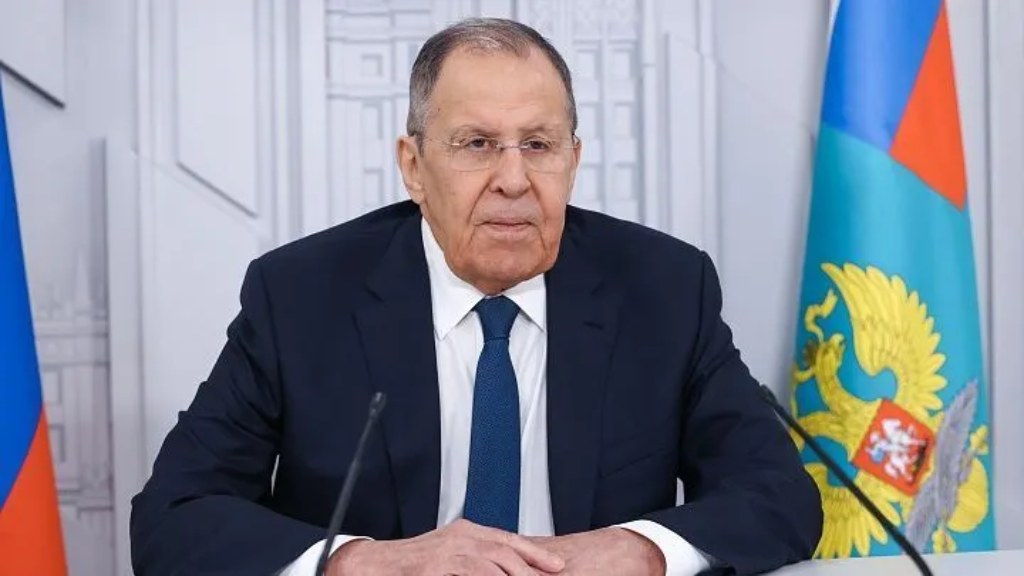
    During a public diplomacy event hosted by the Alexander Gorchakov Fund on Tuesday, Russian Foreign Minister Sergey Lavrov made a clear statement of unity with Cuba, emphasizing Moscow’s unwavering recognition of the Caribbean nation’s right to pursue a sovereign development path independent of external interference.

    Beyond articulating solidarity, Lavrov openly voiced deep concern over the sharp intensification of coercive pressure that the United States has brought to bear against Cuba in recent weeks. He stressed that Russia would not step back from its long-standing partnership with Havana, confirming that Moscow would maintain its support through multiple channels, with a particular focus on delivering critical humanitarian assistance to the Cuban people. “We will continue to provide assistance and support, including material and humanitarian aid,” Lavrov reiterated in his remarks.

    The escalating standoff traces back to January 29, when former US President Donald Trump announced a full oil blockade against Cuba. The action was justified by the Trump administration on unsubstantiated claims that Cuba posed an alleged threat to US national security in the domain of nuclear affairs. In a further escalation of the campaign against Havana, Trump has issued global threats to impose punitive tariffs on any country that moves forward with oil shipments to the island nation, extending the reach of Washington’s pressure campaign beyond its own borders.

  • Cuba celebrates 34th anniversary of diplomatic ties with Turkmenistan

    Cuba celebrates 34th anniversary of diplomatic ties with Turkmenistan

    The foreign ministry of the Caribbean island nation Cuba has publicly restated its unwavering commitment to advancing constructive bilateral relations with the Central Asian state of Turkmenistan, delivering the message in an official post on the social media platform X.

    The diplomatic partnership between the two countries dates back more than three decades, to March 23, 1992. That milestone came just months after Turkmenistan declared its full independence following the dissolution of the Soviet Union, where it had previously existed as one of the union’s 15 constituent republics.

    In the decades since formal ties were established, the relationship between Cuba and Turkmenistan has been defined by mutual friendship and collaborative action. Core pillars of the partnership include consistent reciprocal support in multilateral international forums, and ongoing work to strengthen both political and economic connections between the two nations.

    Despite the significant geographical distance separating the Caribbean and Central Asian countries, their bilateral bond remains rooted in fraternity, solidarity and a shared, clear ambition to expand collaborative work, particularly in multilateral and economic domains.

    Most recently, in December of last year, Serdar Berdimuhamedow, President of Turkmenistan, extended formal messages of congratulations to Cuban President Miguel Díaz-Canel to mark Cuba’s national holiday and ring in the new year. In his correspondence, Berdimuhamedow also extended warm wishes of lasting peace, steady progress and widespread prosperity to the Cuban people.