标签: Cuba

古巴

  • The blockade limits the full performance of the Cuban economy

    The blockade limits the full performance of the Cuban economy

    Cuban Foreign Minister Bruno Rodríguez Parrilla has launched a vehement condemnation against the United States, accusing the nation of escalating its long-standing economic pressure into what he describes as a “fierce blockade” against Cuban fuel supplies. The diplomatic offensive was delivered via the minister’s official Twitter account, accompanied by visual evidence of the post.

    In his social media statement, Rodríguez Parrilla characterized the US economic campaign against Cuba as a sustained 67-year war designed to systematically cripple the nation’s development. The Foreign Minister detailed how these measures intentionally restrict Cuba’s operational capabilities, damage economic foundations, impede productive growth, eliminate revenue streams, and block access to international markets and technological advancements.

    Rodríguez Parrilla further articulated that such “asymmetric, abusive, and ruthless aggression” represents disproportionate action against a government that US critics frequently label as incompetent. The Minister turned this criticism on its head, suggesting instead that the intensity of the economic assault demonstrates Washington’s recognition of Havana’s resilient governance structures.

    The Cuban diplomat concluded his statement with a striking assertion: the very persistence and severity of US economic measures acknowledge the strength and viability of Cuba’s socialist system. He maintained that America resorts to such brutal tactics precisely because of Cuba’s proven commitment to social justice principles and international solidarity, which continues to withstand decades of external pressure.
  • Medical Brigade returns to Cuba following Jamaica’s decision to end cooperation

    Medical Brigade returns to Cuba following Jamaica’s decision to end cooperation

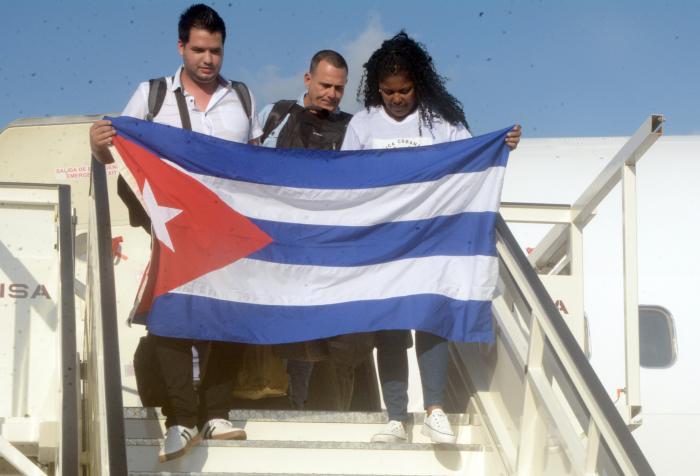
    In a significant diplomatic development, Jamaica has abruptly terminated its long-standing health cooperation agreement with Cuba, resulting in the complete withdrawal of Cuban medical personnel from the Caribbean nation. The decision, confirmed by Jamaican authorities on March 4th, directly responds to sustained pressure from the United States government.

    The repatriation process concluded Thursday as the final members of the Cuban medical brigade arrived at José Martí International Airport in Havana. The returning professionals were greeted by high-ranking Cuban officials including Deputy Prime Minister Eduardo Martínez Díaz, Public Health Minister José Angel Portal Miranda, and other health sector leaders.

    First Deputy Minister of Public Health Tania Margarita Cruz Hernández delivered an emotional welcome address, praising the medical professionals for their service. “The humble will not forget that you were the first to reach places where no doctor had ever gone before,” she stated, emphasizing that Jamaica’s decision deprives its citizens of essential healthcare services from a nation with which Cuba shares deep bonds of friendship.

    The terminated program represented one of Cuba’s most successful international cooperation initiatives. Over the past three decades, more than 4,700 Cuban medical professionals have served in Jamaica, delivering extraordinary results including treatment for over 8.1 million patients, performance of 74,302 surgical procedures, assistance with 7,170 births, and the saving of more than 90,000 lives.

    Additionally, through the Operation Miracle program active since 2010, nearly 25,000 Jamaicans had their vision restored or improved. The Cuban Foreign Ministry characterized Jamaica’s decision as unilateral and regrettable, noting that it interrupts decades of fruitful collaboration between the two nations.

  • Exemplary fighters and human beings

    Exemplary fighters and human beings

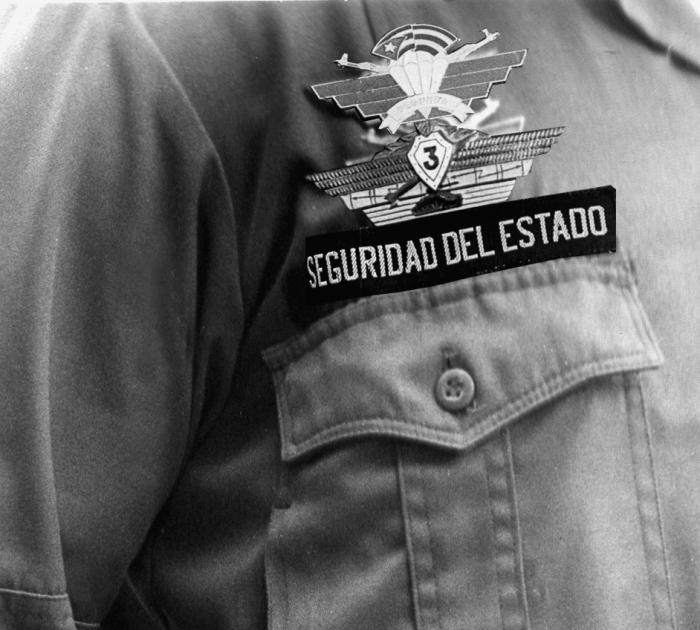
    Cuban President Miguel Díaz-Canel Bermúdez and Prime Minister Manuel Marrero Cruz have issued formal commendations to the nation’s State Security Forces, marking the institution’s 67th founding anniversary. The leadership recognition occurred on Thursday with both officials emphasizing the organization’s critical role in national defense.

    President Díaz-Canel, who also serves as First Secretary of the Communist Party’s Central Committee, expressed his admiration through social media platform X, stating: ‘I embrace our brave fighters of the State Security Organs, to whom we owe so much, for their defense of the homeland, almost always anonymous and risky.’ His message specifically acknowledged founders, leaders, officers, and personnel whose ‘heroic missions are part of the epic legend of the Cuban Revolution.’

    Simultaneously, Prime Minister Marrero Cruz, representing both the Cuban government and himself as a Political Bureau member, delivered a formal letter of congratulations. The communication praised security personnel for their ‘patriotism, bravery, dedication, sacrifice, and devotion’ in fulfilling what he characterized as honorable duties. The Prime Minister particularly highlighted how contemporary security challenges are being met with courage and commitment, noting that personnel ‘defend the legacy of the Commander-in-Chief in the year of his centennial.’

    The recognition extended to emphasizing the enduring influence of Army General Raúl Castro Ruz, whose teachings reportedly continue to shape the exemplary conduct of security forces. Marrero Cruz underscored that these values remain evident in both the professional and personal lives of security personnel, whom he described as ‘always standing with the people.’ The anniversary celebration reinforces the institutional importance of state security apparatus within Cuba’s revolutionary framework.

  • Facing the energy blockade: alternatives for sustainability

    Facing the energy blockade: alternatives for sustainability

    Cuba’s energy sector is navigating its most critical challenge in decades as the United States intensifies its six-decade economic embargo, creating unprecedented fuel shortages that have paralyzed power generation and forced nationwide energy rationing.

    According to First Deputy Minister of Energy and Mines Argelio Jesús Abad Vigoa, the country has been unable to receive contracted fuel shipments for over three months due to what officials term an ‘energy blockade.’ This has resulted in approximately 1,400 megawatts of power generation capacity remaining idle—including 1,100 MW in distributed generation and 330 MW at Mariel and Moa facilities—primarily due to crude oil shortages.

    The current energy mix relies heavily on domestic crude oil at thermoelectric plants, associated gas from oil wells, and renewable sources. This precarious combination has led to prolonged and disruptive power outages across the nation.

    Despite these challenges, Cuba has achieved modest progress in domestic production. The Cuban Petroleum Union reversed its production decline in 2025, reaching its highest output in seven years. New wells have shown promising results, increasing crude oil and natural gas production capacity.

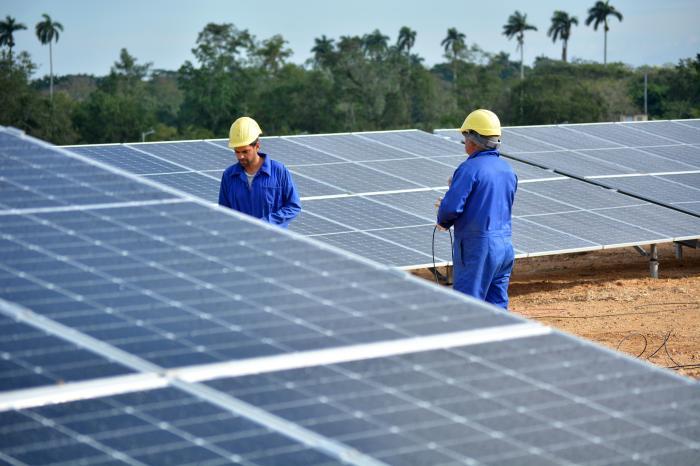
    Significant investments in renewable energy include the completion of 52 solar photovoltaic parks providing over 1,000 MWp, generating up to 38% of daytime energy consumption. More than 10,000 solar systems have been installed for essential workers, with additional deployments for isolated communities and critical services.

    The industrial sector is undergoing structural transformation toward financial self-sufficiency and energy autonomy. Minister of Industry Eloy Álvarez Martínez reported six approved self-financing schemes allowing business groups to retain foreign currency earnings for operational needs. The sector has strengthened its 27 foreign-capital enterprises and developed internal alliances that facilitate raw material procurement.

    The water resources sector faces parallel challenges, with only 33% of the country’s 3,300 pumping stations utilizing solar or gravity-fed alternatives. National Institute of Water Resources President Antonio Rodríguez Rodríguez outlined plans to prioritize 480 critical stations serving large populations, while deploying electric vehicles and charging infrastructure to reduce fuel dependency.

    Ongoing infrastructure projects include 29 kilometers of new water supply systems and 3 kilometers of sanitation infrastructure expected to benefit 189,000 residents, though implementation remains contingent on fuel availability.

  • Solutions Cuba: A Space for Perseverance

    Solutions Cuba: A Space for Perseverance

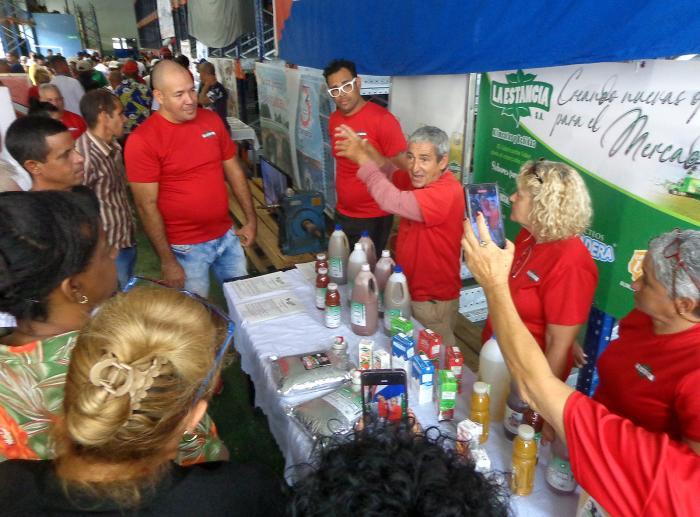
    In the face of mounting economic constraints and resource limitations, Cuban communities are demonstrating remarkable resilience through grassroots innovation. The province of Sancti Spíritus has launched a decentralized series of 22 local exhibitions under the Expo Soluciones Cuba initiative, showcasing homegrown solutions to pressing production and service challenges.

    The program commenced at La Estancia Foods and Beverages, a facility renowned for processing fruits and vegetables into jams and juices. Unlike previous centralized formats, this year’s fourth edition will unfold across multiple municipalities including Cabaiguán, Yaguajay, and Jatibonico—a strategic response to fuel shortages and energy constraints.

    Ana Isa González Farfán, provincial head of the National Association of Innovators and Rationalizers (ANIR), emphasized the participatory nature of these events. “We’re creating spaces for collective learning where women, retirees, farmers, and various social segments can contribute and exchange practical experiences,” she noted.

    Notable innovations include a manually-operated mixer fabricated from repurposed metal sheets at La Estancia, enabling continued production of popular desserts despite equipment shortages. Similarly, the Matisha company has developed product lines utilizing previously discarded waste materials.

    Upcoming sector-specific gatherings will address challenges in healthcare (April 9 at Camilo Cienfuegos Hospital) and communications. The exhibitions reveal a pattern of adaptive creativity emerging precisely where material resources are most scarce—evidence that necessity remains the mother of invention even under severe economic pressure.

  • Inclusive and Global Artificial Intelligence

    Inclusive and Global Artificial Intelligence

    New Delhi recently hosted the landmark AI Impact Summit India 2026, convening from February 16-20 as a pivotal international forum addressing artificial intelligence’s global implications. The summit assembled government officials, technology experts, and multilateral organization representatives to critically examine how AI is reshaping technological and economic paradigms worldwide.

    Central to the discussions was the urgent need to ensure AI’s transformative potential benefits all humanity rather than concentrating advantages in traditionally dominant regions. The gathering specifically amplified perspectives from Global South nations, highlighting concerns about the widening technological divide between developed and developing economies.

    Cuba’s Communications Minister Mayra Arevich Marín emerged as a prominent voice, articulating the challenges facing developing nations. While acknowledging AI’s enormous potential for innovation and social progress, Minister Arevich highlighted profound disparities in investment, adoption, and implementation capabilities. She emphasized that many Southern nations lack adequate computational infrastructure and energy resources while simultaneously contending with AI models trained on data that fails to reflect their socioeconomic, cultural, and environmental realities.

    The Cuban minister advocated for establishing open, compatible, and non-discriminatory international standards alongside strengthened South-South cooperation. She specifically cited Cuba’s collaboration with India as exemplary of the partnerships needed to build shared technological capabilities and reduce existing asymmetries.

    Minister Arevich also reiterated Cuba’s firm rejection of AI applications for criminal or terrorist purposes, including their use for interfering in sovereign states’ internal affairs through historical manipulation or other means.

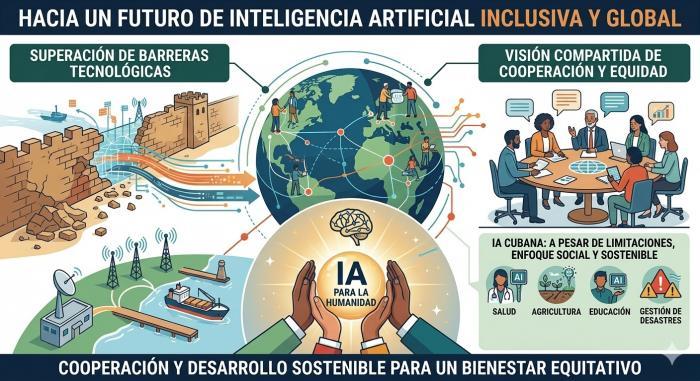
    Despite significant constraints, Cuba has pursued structured AI development through its 2024-approved National Artificial Intelligence Strategy. This framework promotes AI applications across strategic economic and service sectors, with current projects spanning healthcare, agriculture, education, and disaster management—all prioritizing social benefit and sustainable development.

    Minister Arevich notably highlighted how the United States’ economic embargo creates substantial obstacles to Cuba’s digital advancement, restricting access to essential technologies, platforms, and energy resources required for robust AI infrastructure.

    The summit concluded with a collective commitment to ensuring AI development translates into universal well-being, with technological opportunities equitably distributed across all global regions.

  • When solidarity finds a home in Cuba

    When solidarity finds a home in Cuba

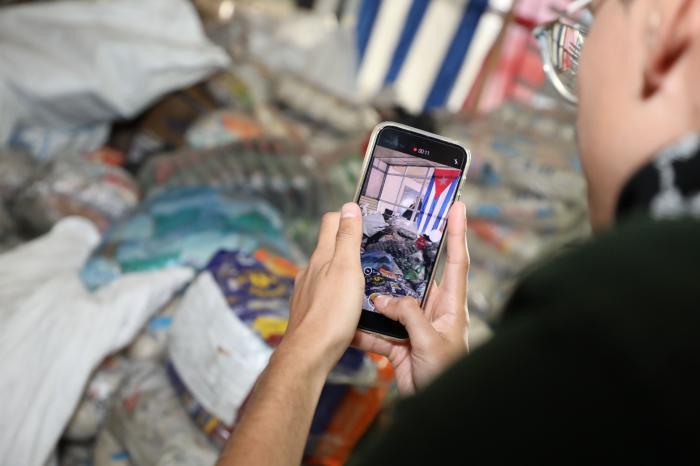
    In a powerful demonstration of global solidarity, the humanitarian vessel Granma 2.0 has successfully delivered 14 tons of medical supplies to Havana’s William Soler Pediatric Cardiology Center. The mission, organized by international activists, represents a significant effort to counter the devastating impacts of the U.S. economic blockade on Cuba’s healthcare system.

    Among the organizers was Nicole León Avilés, an Ecuadorian communist activist who previously participated in the blocked Gaza-bound Global Sumud Flotilla. For León, this successful delivery to Cuba transformed previous humanitarian frustration into what she described as “an act of justice and a breath of fresh air.”

    Dr. Eugenio Selman Housein-Sosa, director of the cardiology center, emphasized the critical nature of the donation, explaining how the U.S. blockade creates daily obstacles in obtaining essential medical equipment and supplies for treating children with heart conditions. “When it comes to purchasing any equipment needed to care for critically ill patients,” he stated, “the Cuban healthcare system faces a dilemma, a tragedy.”

    The international crew, which included activists from Australia and Latin America, personally funded their journey and collected the donations through grassroots efforts. Dr. Selman highlighted the special significance of aid originating from “the sweat, care, and hearts of people who want to help” rather than institutional sources.

    Australian activist Daniel Herbert articulated the mission’s philosophical foundation: “We have always known Cuba as a country that has defended the right to health for all. The rights to health, to medicine, to the basics, to life—these should never be used by politicians.”

    The ship’s name, Granma 2.0, deliberately echoes the historical vessel that carried Fidel Castro’s revolutionary forces in 1956, symbolizing continued resistance against adversity. The delivered supplies, now stored in the hospital’s warehouses, will enable life-saving surgeries and provide crucial medical support for Cuban children, while the mission itself stands as testament to the reciprocity of international solidarity.

  • Díaz-Canel Receives Panama’s Foreign Minister

    Díaz-Canel Receives Panama’s Foreign Minister

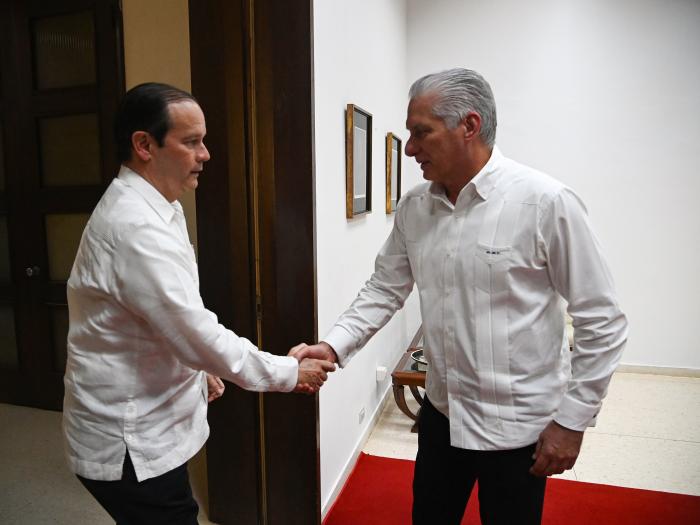
    In a significant diplomatic engagement at Havana’s Palace of the Revolution, Cuban President Miguel Díaz-Canel Bermúdez hosted Panama’s Foreign Minister Javier Eduardo Martínez-Acha Vásquez this Wednesday, marking a pivotal moment in bilateral relations between the two Latin American nations.

    The high-level meeting, attended by Cuban Foreign Minister Bruno Rodríguez Parrilla, centered on strengthening economic cooperation and addressing regional political matters. President Díaz-Canel expressed profound gratitude for Panama’s consistent support of the annual United Nations resolution condemning the U.S. economic, commercial, and financial embargo against Cuba—a longstanding point of contention in international diplomacy.

    During the cordial exchange, the Cuban leader emphasized the untapped potential for enhanced trade relations, acknowledging that while current economic exchanges remain modest, both nations possess substantial opportunities for expanded commercial engagement. The discussions reflected mutual interest in developing more robust economic partnerships across various sectors.

    Foreign Minister Martínez-Acha, currently on an official working visit to Cuba, conveyed appreciation for the warm reception and logistical support extended by Cuban authorities. The Panamanian delegation included Ambassador Edwin Abel Pitty Madrid, presidential advisor Marcos Caisuutti, and foreign ministry advisor Adolfo Ahumada.

    The bilateral talks extended beyond economic matters to address pressing regional and international issues, with both parties characterizing the development of Cuba-Panama relations as progressing positively. Notably, the Panamanian diplomat’s itinerary included meetings with detained Panamanian citizens accused of crimes against Cuba’s constitutional order—a sensitive matter highlighting the complex nature of international legal and diplomatic relations.

    This diplomatic engagement represents continuing efforts by Caribbean and Latin American nations to foster regional solidarity despite external political pressures and economic challenges.

  • Former Rector of Costa Rican University decries ties drop with Cuba

    Former Rector of Costa Rican University decries ties drop with Cuba

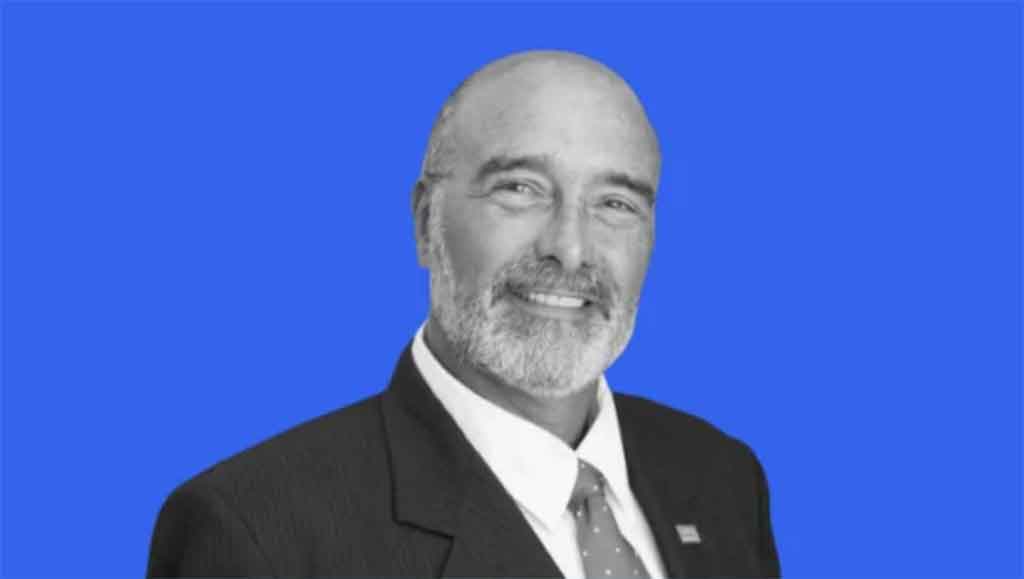
    A former Costa Rican legislator and university rector has publicly denounced a unilateral decision made by the country’s outgoing executive branch, arguing the move comes at a particularly tense moment marked by growing threats of United States interference against Cuba’s people and ruling government.

    In a formal statement released to the public — which he endorsed both in his public capacity and as a private Costa Rican citizen — the ex-lawmaker pointed out that the outgoing administration’s stance, announced shortly after the country’s February 1 general elections, directly contradicts longstanding core traditions of pacifism and international solidarity that define the Costa Rican national identity.

    He stressed that there is no plausible justification for the executive branch’s action, which he says lays bare the current government’s subservient posture to U.S. interests. The decision, he argues, reflects the arrogance of foreign powers seeking to undermine the inherent sovereignty of the Cuban people and their government.

    Former legislator Salom, the author of the statement, further contextualized the critique by recalling the long history of diplomatic ties between the two Latin American nations, which were first established back in 1907. Across that more than 11-decade relationship, Salom emphasized, the Cuban government has never taken a single action that could warrant the punitive decision communicated recently by Costa Rica’s Ministry of Foreign Affairs.

    The statement closes with a clear appeal directed both to the Cuban people and government, and to fellow Costa Rican citizens: Salom expressed his earnest hope that the nation’s incoming democratic leadership will reverse what he frames as an irrational, servile act by the current outgoing administration.

    Costa Rica’s February 1 elections brought a historic result, with former government minister Laura Fernández voted in as the country’s next president. Fernández is set to be inaugurated on August 8, and will become only the second woman to hold the nation’s highest office, following former president Laura Chinchilla who served in the role earlier this century.

  • Mexican President Defends the Work of Cuban Medical Brigades

    Mexican President Defends the Work of Cuban Medical Brigades

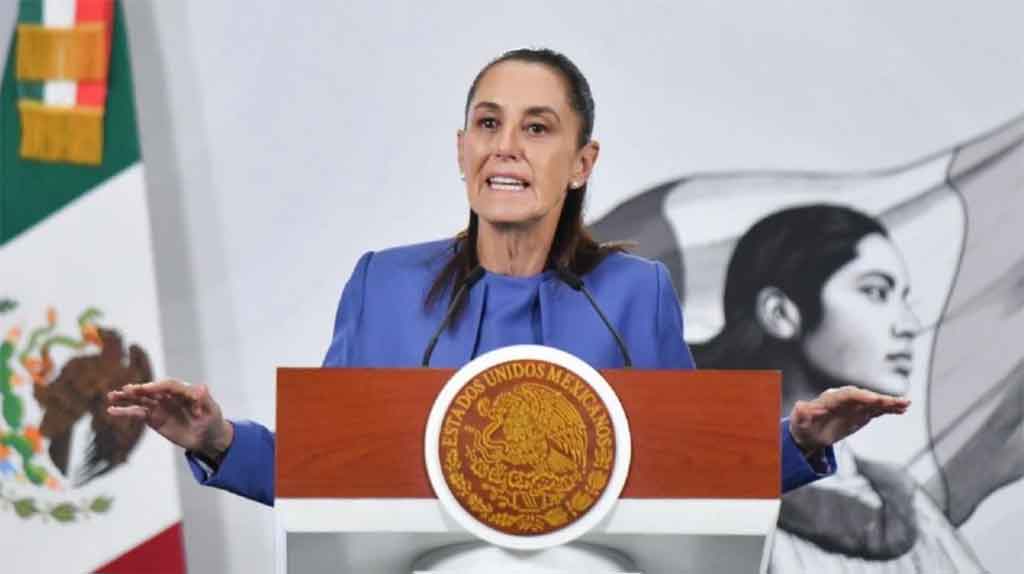
    Against a backdrop of mounting U.S. pressure on Latin American nations to cut off medical collaboration with Cuba, Mexico’s executive leader has reaffirmed that the bilateral agreement between Mexico and Cuba delivers substantial mutual benefits, calling the arrangement particularly valuable for Mexico.

    Recounting Cuba’s critical support during one of Mexico’s darkest public health crises, the head of government emphasized that Cuban medical personnel stepped up to assist Mexico at the height of the COVID-19 pandemic, working under extraordinarily challenging conditions. Today, these medical professionals remain deployed across multiple regions of Mexico, and the leader confirmed that all contractual payments owed to them are honored in full.

    Beyond emergency pandemic support, the executive highlighted the longstanding and cutting-edge medical advancements Cuba has developed, noting that Mexico has already procured the Cuban-developed Abdala COVID-19 vaccine. The countries have also partnered on a specialized treatment program for diabetic foot ulcers, centered on the Cuban biologic medication Heberprot-P.

    According to the leader, Mexico plans to expand the network of specialized diabetic foot clinics offering this treatment, which provides a life-changing alternative to amputation for patients with advanced diabetes who have reached the stage of severe tissue damage that would typically require surgical removal of a limb.

    As the United States has intensified its decades-long economic blockade against Cuba, Mexico has continued to send material aid to the island nation, a policy the Mexican leader defended as an expression of the country’s long-held commitment to Mexican Humanism. “We lend a hand to those who suffer,” the leader said, framing the aid as a moral obligation rather than a political gesture.

    The executive also issued a firm rebuke of Washington’s blockade, particularly the widely criticized oil embargo that the U.S. frames as a measured policy. Mexico will always stand firm in defending two core principles, the leader emphasized: the right of the Cuban people to independently choose their own leaders, determine their system of governance and economic structure, and exercise full sovereignty over their national affairs, as well as Cuba’s inherent right to engage in international trade with all nations.