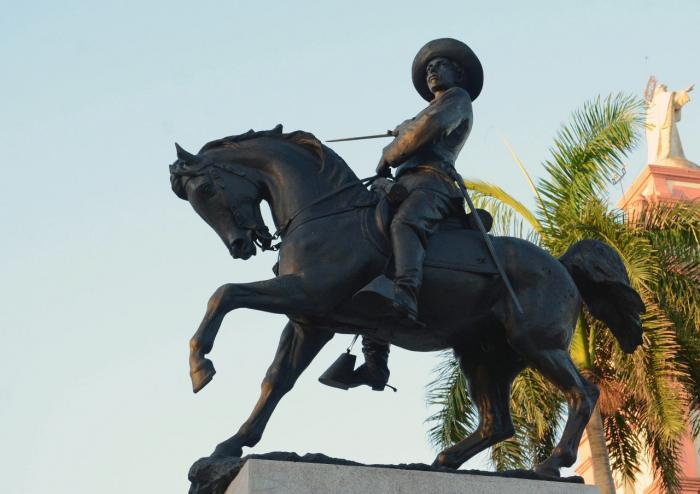
Some historical dates are etched permanently into the collective consciousness of a nation, and May 11 stands as one such milestone for Cuba. On this day in 1873, at just 31 years old, Cuban independence leader Ignacio Agramonte fell in battle — but 153 years later, Cubans, especially residents of his home province of Camagüey, insist he never truly stopped riding forward for his country.
Looking back at Agramonte’s extraordinary choice in his young adulthood remains striking even in 2026. At 26, this newly married lawyer born into a privileged wealthy family walked away from every comfort and security life had given him to join a risky, uncertain war for Cuban independence. Many would have labeled his choice reckless, even foolish. But Agramonte held unshakable clarity about the moment he lived in: he knew his country needed him, and he stepped forward to confront the Spanish colonial empire of the era without hesitation.
Agramonte’s legacy extends far beyond his reputation as a fearless military commander. Over his five years of fighting, he participated in more than 100 battles, but he was also a gifted thinker, lawyer, and committed constitutionalist. He drafted the first Constitution of the Republic in Arms, and he defended the abolition of slavery with the same fierce determination that led his charges against Spanish colonial forces. Even amid the chaos of war, he remained a devoted husband, writing tender, heartfelt letters to his wife Amalia that still move readers today: “Only for you, always for you.” For Agramonte, his commitment to his country never erased his love for his family — it was the foundation of his fight.
For the people of Camagüey, Agramonte’s influence is woven into the identity of the region itself. To say one is from Camagüey is not just to state a place of birth; it is to embrace a set of values shaped by Agramonte’s example: honesty, dedication to education, and unpretentious courage. Today, that legacy is not locked away as a dusty museum relic or a static bronze monument. Instead, it acts as a mirror held up to modern Cuban youth, and it reflects Agramonte’s spirit in every young person working to move the country forward amid ongoing challenges, including decades of U.S. economic blockade.
The bronze equestrian statue of Agramonte that stands in Camagüey’s central park, sword raised and gaze fixed forward, is more than a memorial. It is a symbol of the legacy that lives on in contemporary Cubans: the students who show up to learn, the creators who build new opportunities, the workers who show up for their communities day after day. Agramonte does not demand modern Cubans follow his path to the battlefield; he calls on them to refuse indifference to injustice, and to fight today’s battles with intelligence and the same unwavering commitment he embodied 153 years ago.
As Cubans mark this anniversary, they see Agramonte not as a figure of the past, but as a guardian of the present, and a blueprint for the future. Every time a resident of Camagüey walks past the statue and looks up, they see more than cold bronze: they see a young man who answered his country’s call without hesitation, and that same spirit lives on in every young Cuban who carries that legacy forward. As long as there are young Cubans with pride in their hearts, the strength to persist, and the tenderness to care for their communities, the Major will never have fallen. He continues to ride across the plains of his home island, leading the way forward.