
In a joint enforcement operation just days ahead of the 2026 conch fishing season opening, Belizean fisheries authorities, alongside the Belize Coast Guard and Belize Audubon Society, have seized 1,086 illegally harvested conch from a storage facility on Sandbore Caye, located within the protected Lighthouse Reef Atoll Marine Reserve. The contraband, packed into two large iceboxes, was discovered during a routine proactive patrol on September 29, 2026 – a mere 48 hours before the legal fishing season was set to begin on October 1. One individual has already been charged with possession of conch during the mandated closed season, in violation of the country’s Fisheries Resources Act. The identity of the accused has not been released to the public as the case moves through the judicial system. To support long-term conservation of Belize’s vulnerable conch populations, the national government enforces a strict closed season every year, running from July 1 through September 30. This three-month moratorium is designed to allow conch stocks to reproduce and replenish their numbers, reversing decades of overfishing that have threatened the ecologically and economically important species across the Caribbean. During the closed period, all activities involving conch – including harvesting, purchase, sale, and personal possession – are classified as illegal under Belizean law. Beyond the direct harm to marine ecosystem health and biodiversity that illegal poaching causes, the Belize Fisheries Department emphasized that violations of the closed season rule also create unfairness for law-abiding small-scale fisherfolk across the country. These legitimate operators rely on healthy conch populations for their livelihoods, and sacrifice three months of income each year to help sustain the fishery for future generations. Poaching that occurs right before the season opens undercuts these compliant fishermen, eroding the shared benefits of the conservation framework that all stakeholders depend on. The Lighthouse Reef Atoll Marine Reserve, home to the famous Blue Hole natural landmark, is one of Belize’s most tightly protected marine areas, established to safeguard critical coral reef habitat and commercially important fish and invertebrate populations. Authorities say they will continue ramping up joint patrols in protected zones throughout the open conch season to deter further illegal activity and protect the nation’s marine natural resources.
标签: Belize
伯利兹
-

Two Dead in Separate Crashes
Communities across central Belize are grappling with grief following two unrelated deadly traffic accidents that occurred on October 3, 2026, claiming the lives of two men in the Cayo and Stann Creek Districts respectively.
The first fatal incident unfolded just after 4 p.m. Friday along the Hummingbird Highway, in close proximity to Belmopan’s La Cabana Bar. Chad Anton Borland, a 28-year-old described by loved ones as a wonderful young man, lost his life when the black Mazda he was traveling in veered off the roadway while heading from the Belmopan roundabout toward the community of Armenia. First responders arriving at the scene found the vehicle 150 feet off the highway, heavily damaged in dense roadside brush, with Borland lying on the ground. He was immediately transported by emergency personnel to the Western Regional Hospital, where medical teams were unable to save him and later pronounced him dead.
In addition to Borland, 28-year-old Jeffrey Perez was also injured in the crash, sustaining wounds to the back of his head. As of the initial reporting, no further updates on Perez’s condition have been released, and police continue to piece together the full sequence of events that led to the vehicle leaving the highway.
In a separate tragedy unfolding along the Coastal Road hours later, a second motorist lost his life in a collision between a small sport utility vehicle and a heavy-duty cargo truck. Ramzi Asaad, a father whose age has not been released in initial reports, was traveling from Belize City en route to Dangriga when the fatal crash occurred. Photographs from the accident scene show both vehicles positioned at the crash site, though details on the cause of the collision and any additional injuries have not yet been disclosed by authorities.
Local law enforcement has not yet announced any additional findings from ongoing investigations into both crashes, and families have begun the process of mourning their losses as community members extend condolences to those affected.
-
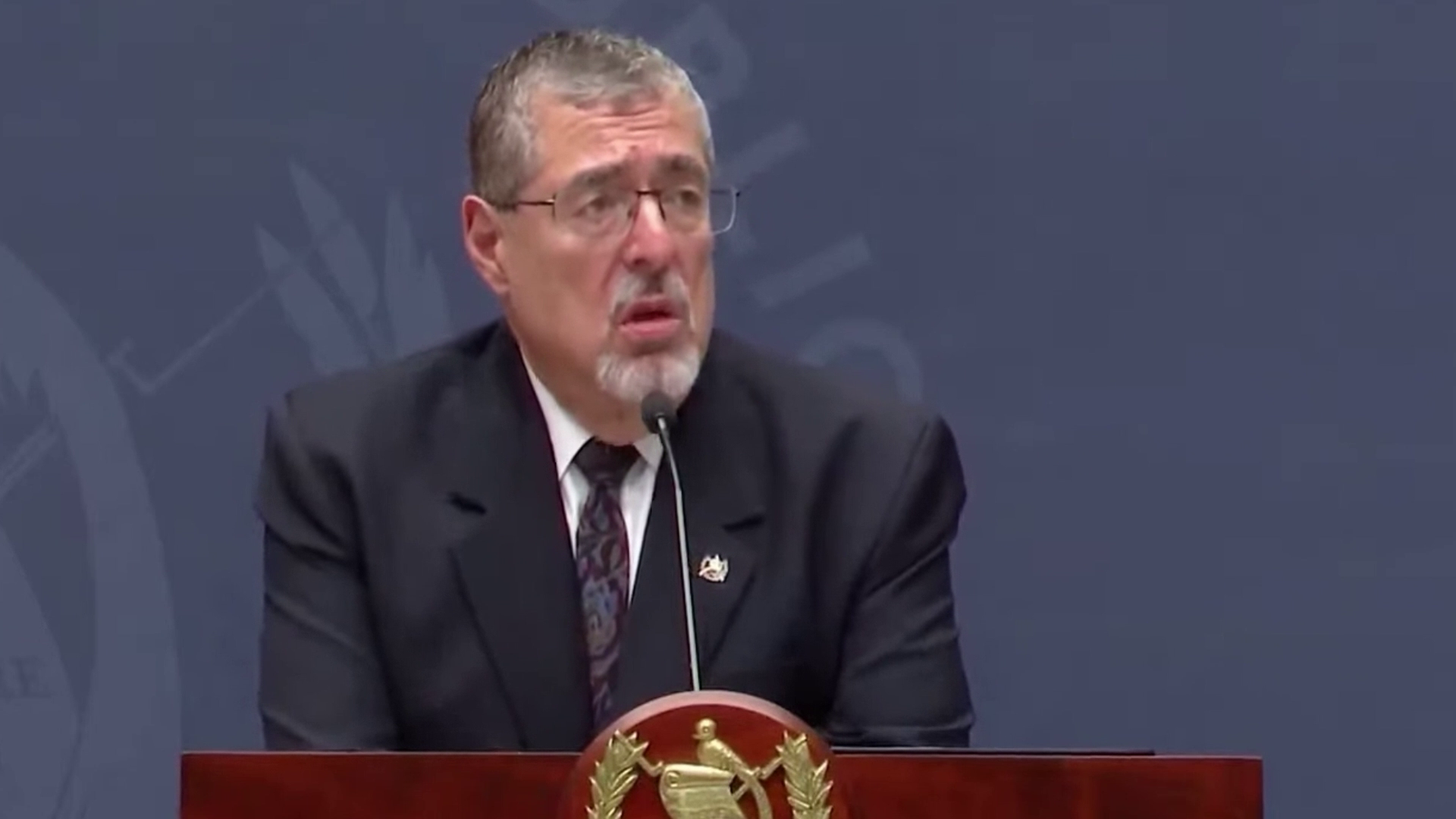
PM Briceño Challenges President Arévalo’s Aircraft Denial
A cross-border diplomatic standoff between Belize and Guatemala has erupted over an alleged unauthorized military airspace incursion, with top leaders from both nations trading contradictory claims ahead of a planned Organization of American States (OAS) review. The dispute centers on whether a Guatemalan military aircraft entered Belizean airspace in late September 2026, a claim that Guatemalan President Bernardo Arévalo has flatly denied.
Belizean Prime Minister John Briceño is pushing back firmly against Arévalo’s denial, confirming that his country holds verifiable tracking data that confirms the incursion took place. Briceño announced that Belize will formally present this evidence to the OAS during an upcoming meeting to resolve the regional dispute.
Arévalo has attempted to cast doubt on the incursion claim by pointing out that the initial alert was raised by a teenage amateur aviation spotter, framing the report as an unsubstantiated observation from an inexperienced source. But Briceño rejected this framing, noting that Belize’s official government tracking systems independently detected the incursion, and that regional partner nations have already been briefed on the full details of the incident.
In an on-the-record interview with local reporters, Briceño questioned Arévalo’s denial, pointing out that the evidence of the incursion is clear and conclusive. “What do you expect him to say? Obviously, he was caught. We have the information and we’re able to move on that. We’re still looking forward to the meeting at the OAS where we are going to present all the information,” Briceño told reporters. “He tried to dismiss this as just an amateur, somebody that’s an amateur following flight logs. We don’t rely on that alone. We have all of the information to complete the track and everything. So we’re sticking to our point.”
When asked if he had directly contacted President Arévalo since the incident came to light, Briceño confirmed that no direct communication had yet occurred between the two leaders. Responding to questions about an alleged apology from Arévalo to Briceño’s wife, Rosanna Briceño, the prime minister clarified that Arévalo had only expressed concern about the incident and reaffirmed his commitment to maintaining positive bilateral ties between the two neighboring nations.
Briceño emphasized that the longstanding constructive relationship between Belize and Guatemala remains intact, noting that such incidents typically stem from missteps by military units rather than a deliberate breakdown in diplomatic relations. “We’ve always had a good relationship. We all understand that from time to time it’s the military that creates some of these problems,” he said.
Briceño also addressed a minor discrepancy in the public reporting of the incident date, explaining that the earlier mismatch between the September 23 and September 24 dates was simply an administrative mix-up, not a sign of conflicting information.
This report is adapted from a transcribed broadcast of local evening television news, which had previously translated Kriol language remarks to English for public dissemination.
-

Military Flight Coincides With Offshore Wet Drop
A bitter cross-border diplomatic dispute has erupted between Central American neighbors Belize and Guatemala after Belizean authorities confirmed evidence of an unauthorized Guatemalan military aircraft incursion into Belizean airspace, an incident that coincided with an illegal offshore narcotics drop off Belize’s coast.
The clash of narratives between the two nations could not be starker: Guatemala has flatly denied any military flight entered Belizean territory, but Belize’s top domestic security official says cutting-edge tracking technology leaves no room for doubt over the incursion.
Julius Espat, Belize’s Minister of Home Affairs, reaffirmed the government’s unwavering position in an on-record interview with local media, confirming that all collected tracking data has been shared with Belizean authorities and key international partners. What has elevated suspicions around the flight is its direct timing: Espat confirmed the military overflight occurred the very same day that an illegal “wet drop”—a smuggling tactic where contraband is dumped into coastal waters for later retrieval by smuggling crews—took place in the area.
The link between the two events has reignited longstanding concerns over transnational drug trafficking running through Central America’s Caribbean coast. When asked directly about the confluence of the incursion and the narcotics drop, Espat acknowledged the clear connection between the events, noting that contraband cocaine is already circulating in the region from the incident.
“We just need to look at it closely. We know it happened,” Espat stated. He emphasized that the tracking evidence, which was first picked up by young technology users before being confirmed by official defense sources, has been corroborated repeatedly, pushing back against claims that dismiss the incursion as unsubstantiated.
“Sometimes people try to underestimate and belittle the technology that youths have access to. Well now we’re in the AI reality and you have to respect those [tools] because they’re being confirmed,” Espat added. He confirmed that Belize’s Defense CEO has formally validated the tracking data, and the nation’s foreign ministry is now escalating the issue through diplomatic channels.
While Guatemala continues to deny any military aircraft entered Belizean airspace, Espat noted that multiple stakeholders hold the corroborating data: Belizean officials, North American counter-narcotics partners, and other Central American regional partners all have copies of the flight tracking records.
Espat stressed that Belize will work closely with its North American partners to address the persistent threat of transnational drug trafficking through the region. While he acknowledged that eliminating illicit smuggling entirely is an unrealistic goal, he noted that current cross-border cooperation is already yielding results and can be strengthened further to reduce drug trafficking activity.
This report is adapted from a verbatim transcript of an evening television news broadcast, with Kriol language dialogue preserved via standardized spelling conventions.
-

Can Cooperation Continue Despite Guatemala Tensions?
In the wake of an alleged military airspace incursion that has stoked fresh diplomatic friction between Belize and Guatemala, the recent visit of Special Envoy Rossana Briceño to Guatemala for a regional gathering has ignited widespread debate over the appropriateness of the trip and the diplomatic signal it sends. The core question dominating political discourse in Belize now is whether formal bilateral cooperation can persist amid the rising bilateral tensions.
Against this backdrop, Belize’s Cabinet Minister Julius Espat recently shared his nuanced take on the situation and the long-standing, complex relationship between the two neighboring Central American nations. Having resided in Guatemala for six years, Espat emphasized that the bonds between ordinary citizens of Belize and Guatemala run as deep as family ties, despite the political tensions that frequently surface between the two governments.
Espat explained that the political instrumentalization of the long-running territorial dispute between the two nations is not a new development, but rather a historical dynamic. He noted that Guatemala faces unique domestic constraints on formally recognizing Belize’s sovereignty: the territorial claim over Belize is enshrined in Guatemala’s constitution, a precedent that has had dramatic consequences for past leaders who attempted to alter the status quo. The last Guatemalan president who moved to recognize Belize was ousted in a coup just days after taking that step, Espat recalled. This mirrors a similar situation with neighboring Honduras, which retains a constitutional claim over the Sapodilla Cayes, he added.
“For both Guatemala and Honduras, resolving these territorial claims through a formal settlement is a necessary step to remove these assertions from their national constitutions,” Espat explained, adding that this context is often poorly understood outside the region. On the question of the timing of Briceño’s visit, which coincided with the fallout from the reported airspace incursion, Espat declined to comment, deferring to Belize’s Ministry of Foreign Affairs and Prime Minister John Briceño to address questions about the trip.
Both Prime Minister Briceño and Special Envoy Briceño have already publicly defended the decision to proceed with the visit, framing it as an essential effort to guarantee that Belize retains a seat at the table and its interests are represented during critical regional negotiations. This report is a transcript of a televised evening news broadcast, with Kriol-language remarks transcribed using a standardized spelling system for publication.
-
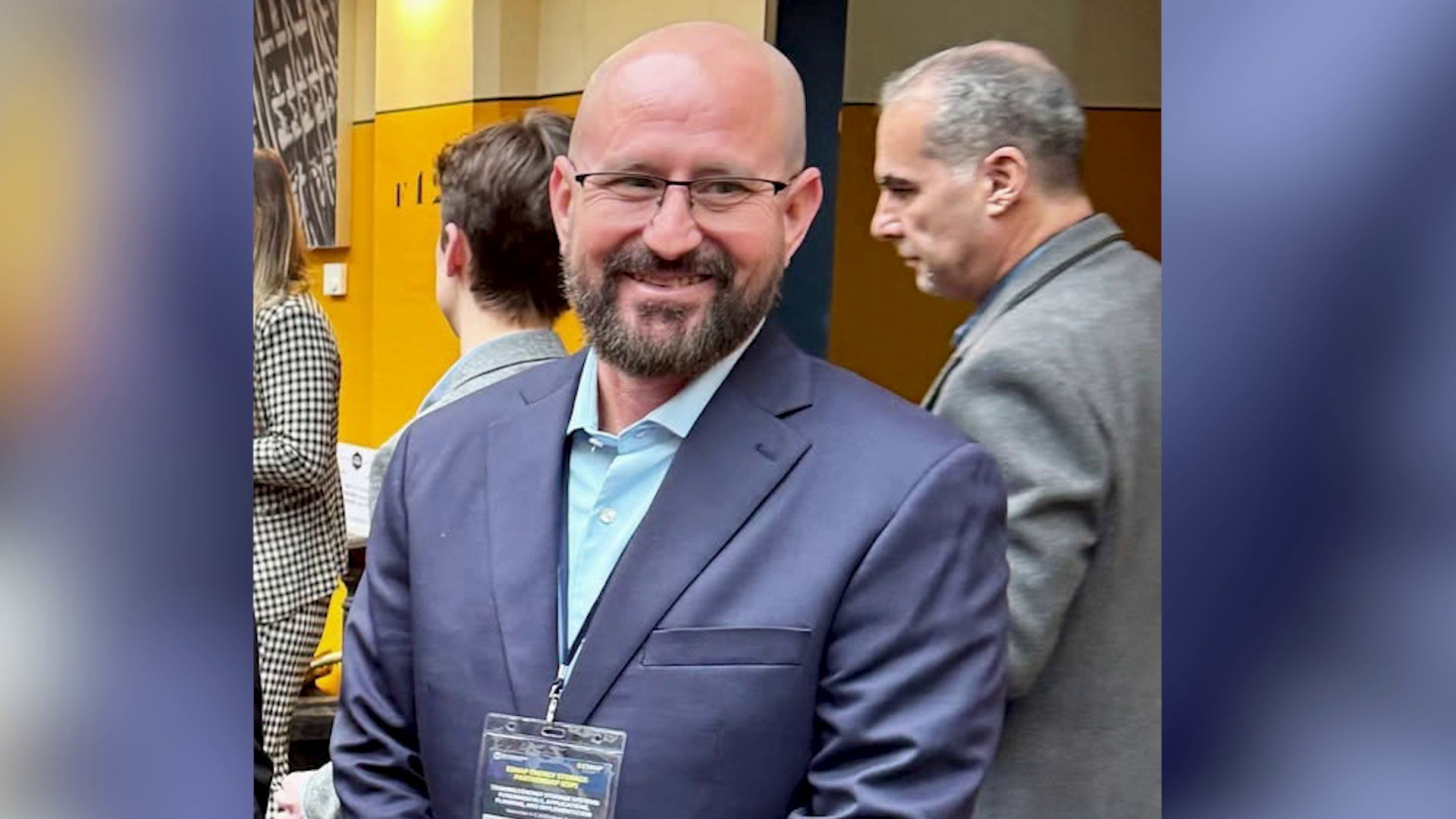
PSU Blasts Guerrero’s Costly Compensation Package
A public controversy has erupted over the generous compensation package awarded to Rey Guerrero, the reappointed Director of Procurement in Belize, after the nation’s Public Service Union (PSU) openly criticized the payout as unjustifiably excessive. The row, which broke into public view on October 2, 2026, has drawn a direct defense from Prime Minister John Briceño, who argues that the high pay matches the extraordinary responsibility and expertise the role demands.
Guerrero’s position puts him in charge of overseeing a portfolio of internationally financed development projects worth more than $300 million in U.S. currency, Briceño explained. These projects operate under strict regulatory frameworks set by major international financial institutions (IFIs) including the Inter-American Development Bank (IDB) and the World Bank, with zero room for procedural error. Any misstep in procurement compliance, the prime minister stressed, would put hundreds of millions in critical development funding at severe risk, making the role far more impactful than its formal title indicates.
Beyond managing the central execution unit for these projects, Guerrero also leads the government’s core procurement division—meaning he carries double the typical workload of a senior public servant, Briceño added. The prime minister pushed back on criticism by noting that Guerrero is not the only senior official with this compensation structure; similar high-pay appointments exist in the Ministry of Education and the Ministry of Human Development (MIDH), with one official in those departments actually receiving a larger paycheck than Guerrero.
When questioned by reporter Shane Williams, who noted that Guerrero’s compensation even exceeds the prime minister’s own salary, Briceño stood firm on the government’s decision. He emphasized that attracting and retaining qualified, experienced professionals capable of meeting IFIs’ stringent requirements is non-negotiable for the country’s development progress. Without skilled leadership to uphold the strict procurement standards demanded by global funders, Briceño argued, Belize would be unable to access the critical financing it needs to advance public projects and grow the economy.
The PSU has not yet released a further response to the prime minister’s defense, but the debate highlights ongoing tensions over public sector pay scales and the balance between competitive compensation for specialized roles and public accountability for government spending.
-
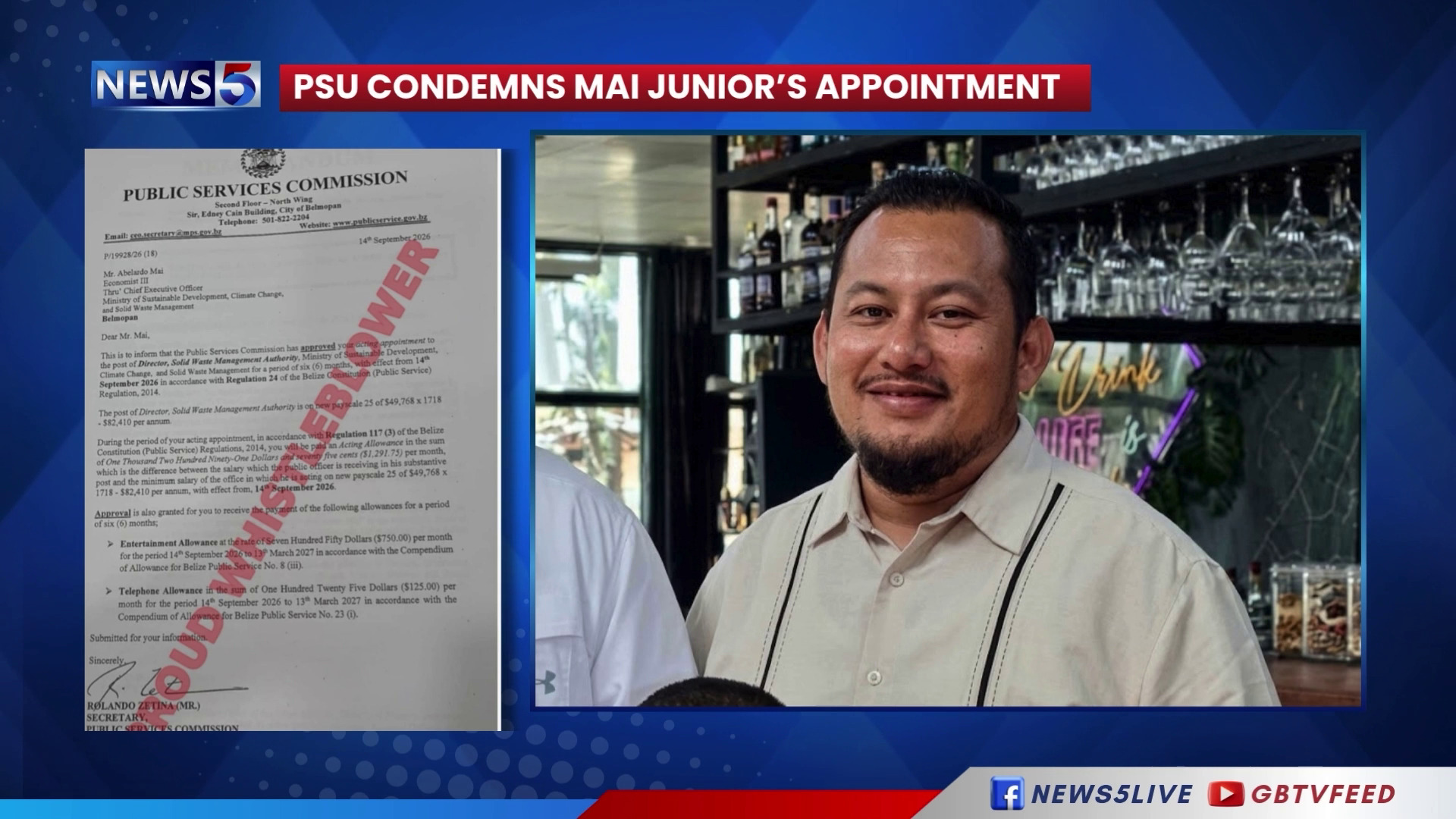
PM Says Mai Jr. Brings Management Skill to Solid Waste Management
A political controversy has erupted in Belize over a senior public sector appointment, with Prime Minister John Briceño pushing back against sharp criticism from the country’s Public Service Union over the selection of Abelardo Mai Jr. as acting director of the Belize Solid Waste Management Authority. The six-month temporary appointment, announced in October 2026, has drawn pushback from the union, which argues that the junior economist was promoted over long-tenured public servants with decades of cumulative on-the-job experience in the sector.
Briceño has rejected the union’s claims of nepotism, centering his defense on Mai’s professional qualifications rather than his family connections to a former government minister. In public comments responding to the criticism, the prime minister emphasized that the troubled solid waste agency has long grappled with persistent management failures, requiring a leader with formal business training rather than just technical expertise. Over recent years, the agency has seen at least three different leaders depart the top role, Briceño explained, noting that many prior technically focused heads lacked the core operational and organizational management skills needed to turn the agency around. He also revealed that one former leader was even the subject of an ongoing investigation over allegations of contract forgery, underscoring the depth of the agency’s ongoing governance challenges.
According to Briceño, Mai brings exactly the skill set the agency needs right now. Mai holds a Master of Business Administration from a Florida-based university, and has already built professional experience working within Belize’s Ministry of Economic Transformation, giving him first-hand insight into how government operations function. This combination of formal managerial training and existing public sector experience, Briceño argued, makes Mai uniquely suited to stabilize the troubled agency during the six-month acting term.
The prime minister also pushed back against the union’s framing of the appointment as a politically motivated favor. He questioned the fairness of barring Mai from the temporary role solely due to his family ties and political connections, noting that the core question should be whether the candidate has the required qualifications—something Briceño confirms Mai does. In a broader rebuke of the union’s response, Briceño added that he would prefer the Public Service Union operate as a collaborative partner in government reform efforts, rather than defaulting to confrontation over every personnel decision.
This report is adapted from a transcribed broadcast evening newscast.
-
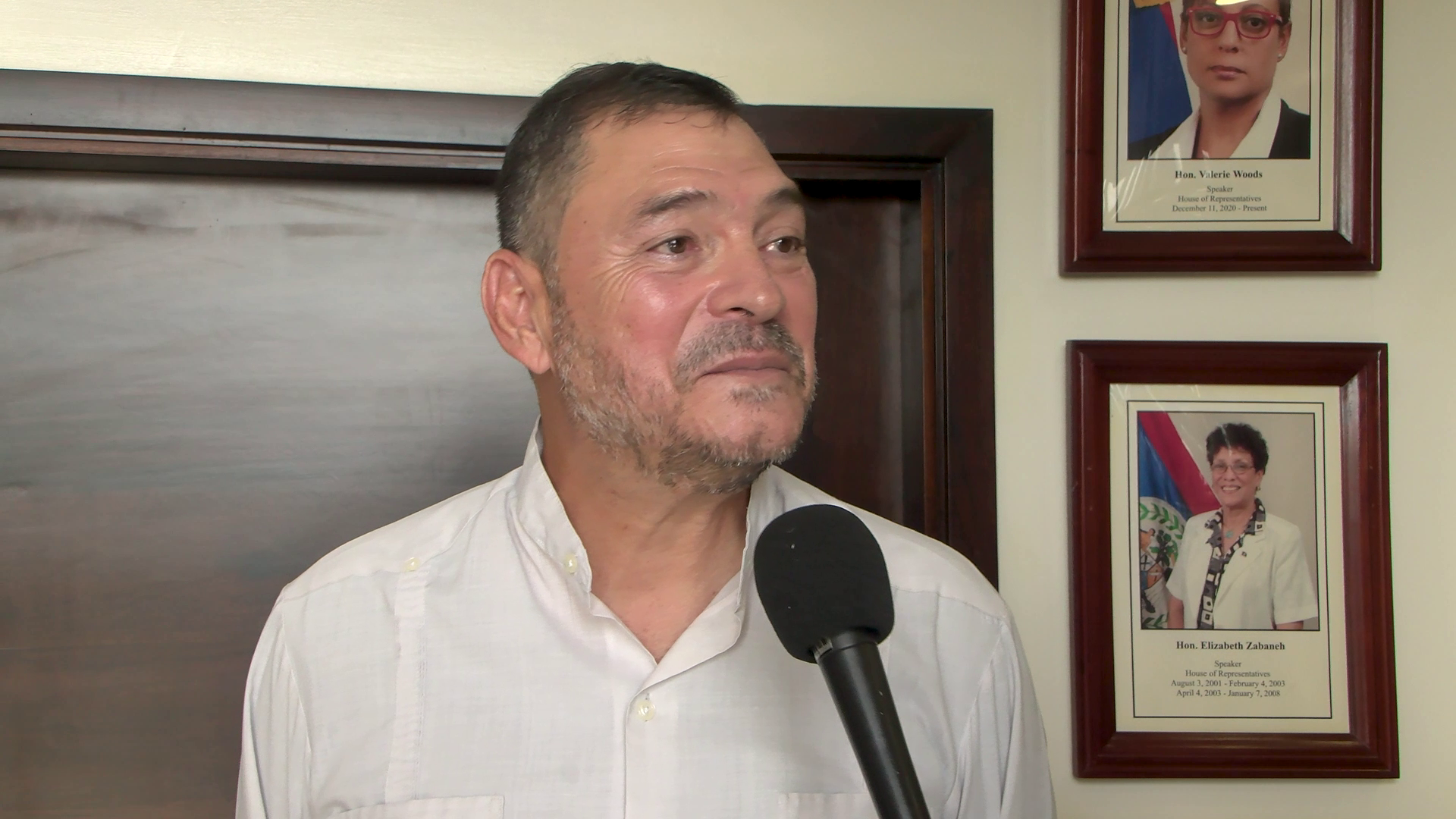
PM Briceño: Julius Espat Is the Home Affairs Minister
Belizean Prime Minister John Briceño has publicly clarified the status of Julius Espat’s role in the Home Affairs Ministry, pushing back against Espat’s claims that his appointment remains in an uncertain transitional state. In comments made ahead of a House of Representatives meeting on October 2, 2026, Briceño emphasized that Espat is serving as the full, official Home Affairs Minister—not in an acting capacity. Still, the prime minister confirmed he will delay a final long-term leadership decision for the portfolio pending a pending audit report from the country’s Auditor General.
The appointment reshuffle follows three months of Espat stepping into the role amid a high-profile procurement controversy that sidelined former minister Oscar Mira. Since the ruling People’s United Party (PUP) took control of government in 2020, the Home Affairs portfolio has been held by Kareem Musa, then Oscar Mira, before Espat stepped in to cover Mira’s leave. The high-stakes ministry, which oversees the national police force, is widely viewed as one of the most demanding and contentious roles in government, with many politicians avoiding permanent assignment to it.
For his part, Espat says he is ready to retain the role permanently if asked by the prime minister, but he has not hidden his confusion over the ambiguous framing of his appointment so far. In an interview, he noted that the unconfirmed status left him feeling in political limbo, even as he has embraced the day-to-day work of leading the ministry.
Espat’s three months in the role have already reshaped his perspective on public safety and law enforcement in Belize. He says the experience has given him a firsthand look at both the dedication and frustrations of rank-and-file Belizean police officers. “I’ve met really good Belizean police officers. I’ve also met frustrated Belizean police officers,” Espat explained. “It was a good learning experience, and we need to appreciate the people that are there to defend us. Just like politicians, they are beaten up sometimes unnecessarily, and not all the time they are perfect. But with what I have learned, there is hope. I’ve seen that once you give them the respect that they deserve, you can demand the discipline and the service that they are capable of doing.”
When pressed on why he is willing to take on the portfolio permanently, given its reputation as a political headache, Espat dismissed the framing. “No, no headache. That is work. A lot of men no like work. That’s the only difference,” he said.
Espat confirmed he has already communicated his stance to Briceño: he accepted the temporary assignment when the prime minister needed support, and he remains willing to continue in the role permanently if called on, but he will not push for the position. “I accepted what he offered at the time when it was not even on the table… I did it because he’s my Prime Minister and he needed help, and I offered to help,” Espat said. “I’ve mentioned to him if he needs my help, I am willing, but I’m not begging. So he has to decide.”
Briceño, who just returned from an out-of-office period that included high-level diplomatic engagements with Taiwan’s foreign minister, said the timing of his final decision is tied to the completion of the Auditor General’s audit. He pushed back against calls for an immediate announcement, arguing that as prime minister, he is entitled to take the time needed to make a thoughtful decision. “It’s not a matter of me being pressured or being given a timeline when to answer,” Briceño said. “I think I, as the Prime Minister, should be given an opportunity to make decision when I believe is the right time. I was hoping that we’d be able to get a report from the Auditor General on what are her findings and what if there’s any recommendations we can do. Haven’t gotten it as yet. Maybe sometime next week I’ll probably need to try to find out if we’ll be able to [get the report] or if she needs a lot more time. Maybe I may have to make a decision maybe more sooner than later.”
-
PM Refuses to Respond to Espat’s “Wrong Information” Remarks
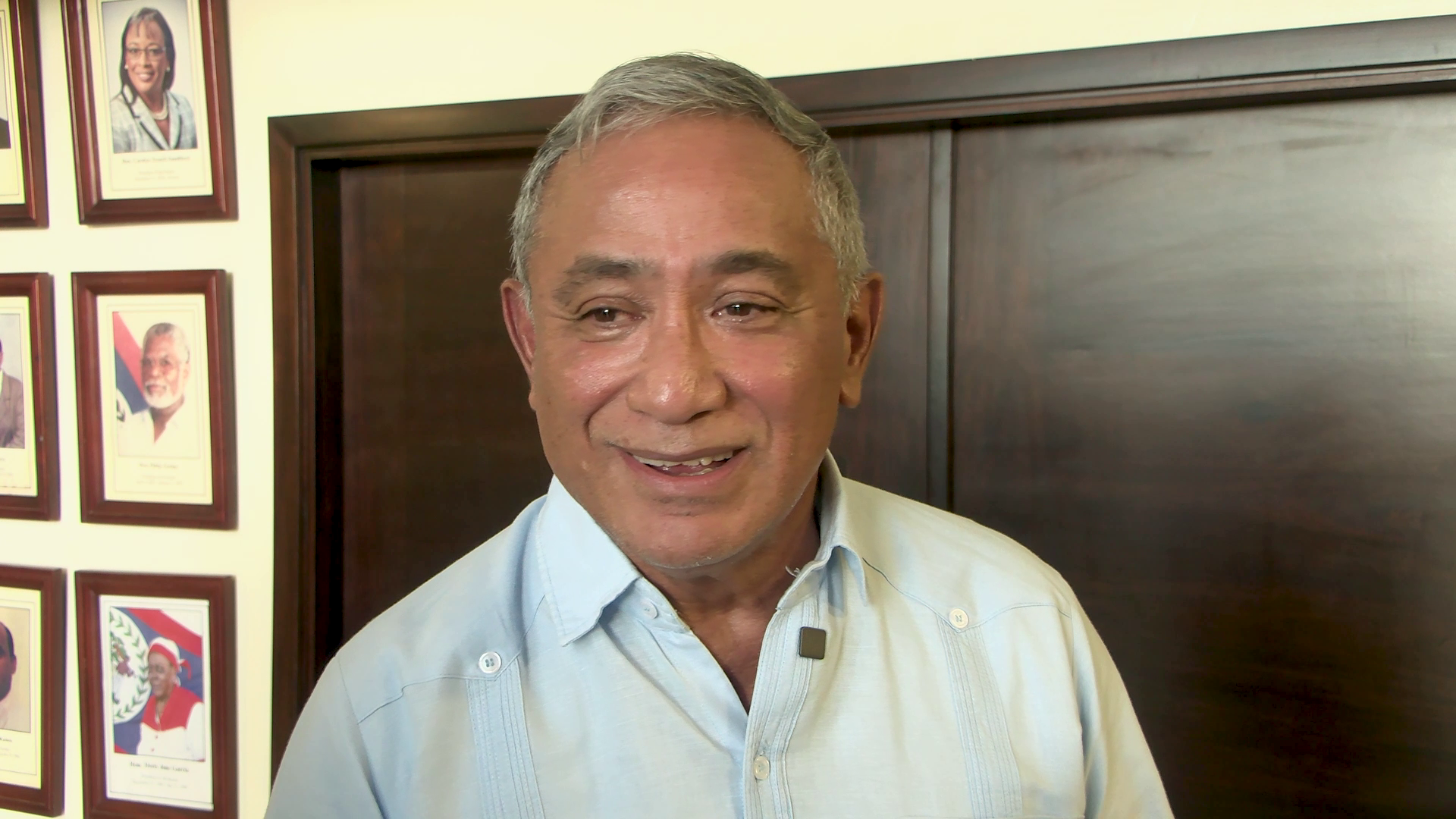
In a press encounter dated October 2, 2026, a growing political controversy has emerged involving Belize Prime Minister John Briceño and senior politician Julius Espat, centered on allegations that Briceño misrepresented Espat’s public remarks about social justice.
Espat has publicly alleged that the Prime Minister issued a public reprimand against him after he rejected what Espat has labeled as wrong, misleading information that was incorrectly attributed to his comments on the social justice policy agenda. The dispute stems from commentary Briceño made that Espat argues misrepresents his actual stance on the issue.
When political correspondents directly confronted Briceño with questions asking whether he had mischaracterized Espat’s position, or if he had misspoken after receiving bad intelligence about the lawmaker’s views, the Prime Minister chose not to address the allegations directly.
Reporters also followed up by referencing comments Espat made during an appearance on the Love FM morning talk show, where Espat stated that the pair had privately resolved the immediate disagreement, and acknowledged that political figures can occasionally be passed inaccurate information that leads to misstatement. When pressed to confirm whether this sequence of events was accurate, and whether he had indeed misrepresented Espat due to bad information, Briceño held his ground.
“I think that’s best left unanswered. Just let’s leave that as it is. Thank you very much,” Briceño told reporters, closing off further discussion of the intra-party dispute.
This report is a verbatim transcript of an evening television news broadcast, with all Creole language contributions translated and transcribed using a standardized spelling system for accessibility.
-
Espat Says No Kumbaya in Cabinet but That’s Good
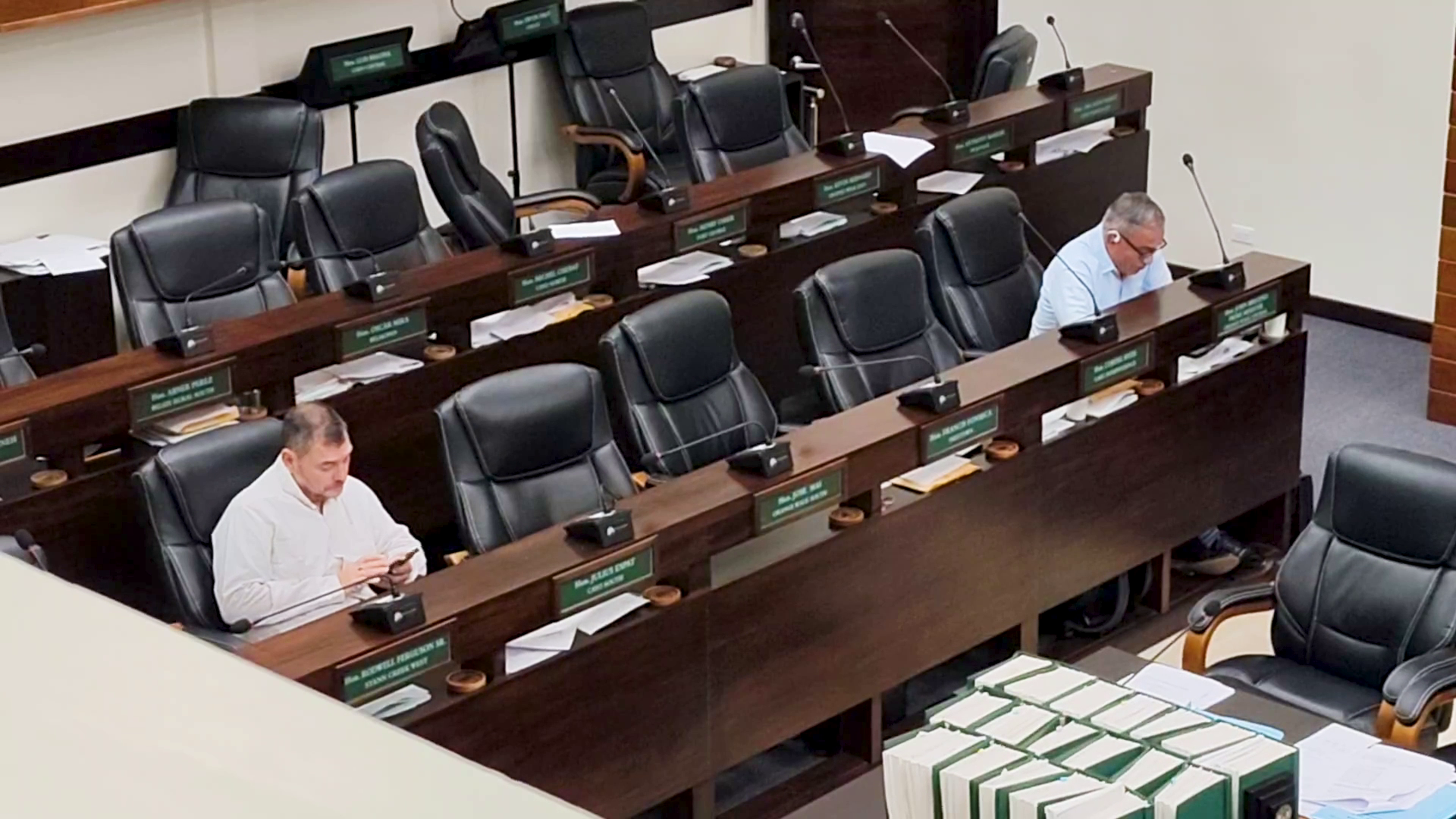
In recent weeks, open disagreements between members of the national cabinet have broken into public discourse, triggering widespread speculation over the stability of the ruling government and the level of internal unity among its top decision-makers. The tensions came to a head after the Prime Minister issued a public rebuke of Home Affairs Minister Julius Espat, followed by what multiple political observers have characterized as coordinated critical pushback against Espat from factions within the ruling party. In a new interview with local media, Espat addressed lingering questions about unresolved resentment between him and the Prime Minister, pushing back against narratives that the government is teetering into crisis.
Espat explained that the conflict has already been resolved through direct, private conversation between the two leaders. “He’s the boss. He was emotional. He reacted to something that was informed to him erroneously,” Espat said of the Prime Minister’s public rebuke. “My interview had nothing to do with what he said. And I spoke to him afterwards, and I showed him the evidence that what I said was nothing like that and he accepted it and we move on. It’s not a problem.”
When interviewer Shane Williams pressed Espat on whether there is now full harmony across the entire cabinet, Espat offered an unorthodox take on what makes for effective governance, arguing that universal agreement is far from a positive sign for the country.
“As much as it can be [well]. Cabinet being too well is not good for the country. You always have to have issues and differences and opinions and so that you can come up with good decisions,” Espat explained. “If it’s a kumbaya then it won’t work. Then everybody starts believing that everything is great, and that’s not reality. So we’re good.”
This report is adapted from a transcribed segment of a local evening television news broadcast, originally published online on October 2, 2026.