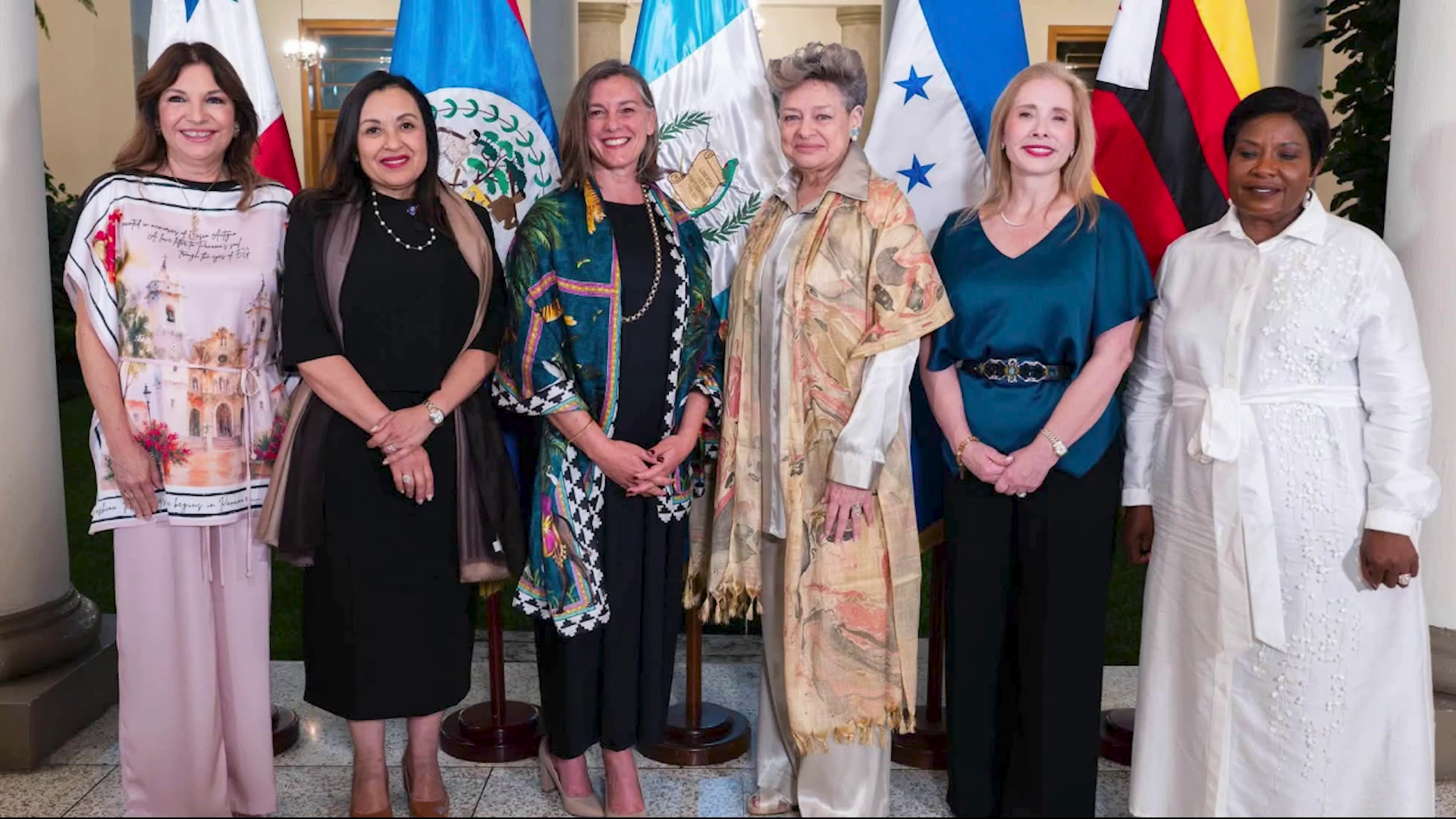
In the wake of an alleged military airspace incursion that has stoked fresh diplomatic friction between Belize and Guatemala, the recent visit of Special Envoy Rossana Briceño to Guatemala for a regional gathering has ignited widespread debate over the appropriateness of the trip and the diplomatic signal it sends. The core question dominating political discourse in Belize now is whether formal bilateral cooperation can persist amid the rising bilateral tensions.
Against this backdrop, Belize’s Cabinet Minister Julius Espat recently shared his nuanced take on the situation and the long-standing, complex relationship between the two neighboring Central American nations. Having resided in Guatemala for six years, Espat emphasized that the bonds between ordinary citizens of Belize and Guatemala run as deep as family ties, despite the political tensions that frequently surface between the two governments.
Espat explained that the political instrumentalization of the long-running territorial dispute between the two nations is not a new development, but rather a historical dynamic. He noted that Guatemala faces unique domestic constraints on formally recognizing Belize’s sovereignty: the territorial claim over Belize is enshrined in Guatemala’s constitution, a precedent that has had dramatic consequences for past leaders who attempted to alter the status quo. The last Guatemalan president who moved to recognize Belize was ousted in a coup just days after taking that step, Espat recalled. This mirrors a similar situation with neighboring Honduras, which retains a constitutional claim over the Sapodilla Cayes, he added.
“For both Guatemala and Honduras, resolving these territorial claims through a formal settlement is a necessary step to remove these assertions from their national constitutions,” Espat explained, adding that this context is often poorly understood outside the region. On the question of the timing of Briceño’s visit, which coincided with the fallout from the reported airspace incursion, Espat declined to comment, deferring to Belize’s Ministry of Foreign Affairs and Prime Minister John Briceño to address questions about the trip.
Both Prime Minister Briceño and Special Envoy Briceño have already publicly defended the decision to proceed with the visit, framing it as an essential effort to guarantee that Belize retains a seat at the table and its interests are represented during critical regional negotiations. This report is a transcript of a televised evening news broadcast, with Kriol-language remarks transcribed using a standardized spelling system for publication.