标签: Belize

伯利兹

  • Economists Applaud Belize’s Fiscal Turnaround

    Economists Applaud Belize’s Fiscal Turnaround

    Belize has engineered one of the most impressive financial recoveries in recent regional history, transforming from a debt-burdened nation to an emerging model of fiscal responsibility. In a dramatic reversal, the country has slashed its debt-to-GDP ratio from approximately 130% in 2020 to around 65% today—cutting its relative debt burden in half within just six years.

    Esteemed economist Dr. Phillip Castillo highlights that this achievement places Belize comfortably within the sustainable threshold recognized by global financial institutions. “The size of the debt is not by itself a problem,” Dr. Castillo explains. “The critical metric is the percentage of debt relative to GDP. At approximately 60%, we now fall within the range international financial agencies regard as acceptable.”

    The nation’s remarkable turnaround has been significantly accelerated by innovative financial instruments, particularly the groundbreaking Blue Bonds initiative. These specialized bonds have provided strategic debt relief while simultaneously funding critical marine conservation efforts, creating a dual benefit for both the economy and environment.

    Concurrent with its debt reduction success, the Belizean government has launched an ambitious public investment campaign targeting education, healthcare, and infrastructure modernization. This comprehensive spending strategy represents one of the most substantial domestic investment pushes in recent years, with officials describing these upgrades as fundamental prerequisites for sustainable long-term growth.

    Dr. Castillo emphasizes the interconnected nature of these developments: “A healthy and educated population is inherently more productive. Government involvement in education and healthcare at all levels is essential, provided that spending remains efficient and meaningful.” The economist also praised recent infrastructure improvements, noting dramatically reduced travel times between major population centers thanks to road network enhancements.

    Beyond transportation, Dr. Castillo stresses the importance of holistic infrastructure development encompassing utilities, water systems, and sanitation facilities. The government’s coordinated approach—balancing fiscal responsibility with strategic investment—appears to be creating a foundation for sustained economic growth built on human capital development and modernized national systems.


  • Belizean Lawmakers Join Global Parliamentary Seminar

    Belizean Lawmakers Join Global Parliamentary Seminar

    A high-level delegation from Belize has concluded an intensive week of parliamentary development training in London, marking a significant step toward institutional strengthening. The delegation, comprising Minister of State Marconi Leal Jr., Senator Sheena Pitts, and Parliamentary Officer Manuel Grant, participated in the 74th iteration of the esteemed Westminster Seminar alongside fellow Commonwealth parliamentarians.

    The program provided an immersive deep-dive into the foundational pillars of democratic governance. Core curriculum modules focused on enhancing legislative transparency, refining oversight mechanisms, understanding parliamentary privilege, and implementing robust codes of conduct for elected officials.

    Beyond the seminar rooms, the delegation engaged in high-level diplomatic and observational activities. Senator Pitts represented the nation at the Commonwealth Day Flag Raising Ceremony at Westminster Abbey, where she delivered a formal reading from ‘The House of the Commonwealth.’ The delegation also gained firsthand experience of British parliamentary procedure by observing the dynamic Prime Minister’s Questions session in the House of Commons.

    A field visit to the Liverpool Riverside constituency offered practical insights into local governance, featuring substantive dialogues with local council members and community leaders. The seminar’s agenda also addressed contemporary challenges facing modern legislatures, including strategies for effective leadership, public communication, integrating gender-sensitive practices, ensuring parliamentarian safety, and the evolving role of artificial intelligence in legislative functions.

    Parliamentary Officer Manuel Grant contributed to the knowledge exchange by presenting Belize’s advancements in the digital transformation of its parliamentary operations, showcasing the country’s progress to an international audience.

  • Opposition Stands with Cuba: “Don’t Abandon Our Friends”

    Opposition Stands with Cuba: “Don’t Abandon Our Friends”

    Belize finds itself at a critical diplomatic crossroads as the future of its Cuban Medical Brigade program hangs in the balance. The government has confirmed engaging in what it describes as “delicate negotiations” amid mounting pressure from the United States to terminate the long-standing medical cooperation agreement.

    Opposition Leader Tracy Panton has taken a firm stance against potential capitulation to external demands, delivering a powerful defense of Belize-Cuba relations. In a recent address, Panton emphasized Cuba’s historical significance as one of the first nations to support Belize’s independence and its consistent assistance during times of national crisis.

    The Cuban Medical Brigade represents a vital component of Belize’s healthcare infrastructure, particularly in rural areas where local medical professionals remain in short supply. Panton highlighted the brigade’s critical role in manning remote health clinics and facilities, questioning how Belize would fill this healthcare void if the program were terminated.

    “The notion that we would abandon our principles and sovereignty to appease policy demands from what I consider a bully nation is profoundly disturbing,” Panton stated, directly referencing US pressure tactics. She challenged the Briceño administration to maintain this partnership as a matter of national principle, sovereignty, and longstanding friendship.

    This development occurs against a regional backdrop where several nations have already discontinued similar medical cooperation programs with Cuba to avoid potential repercussions from the United States. As negotiations continue, Belize must weigh its critical healthcare needs against intensifying geopolitical pressures, making this one of the most significant foreign policy decisions in recent years.

  • A New Wave of Self‑Care Sweeps Belize

    A New Wave of Self‑Care Sweeps Belize

    BELIZE CITY – Amidst accelerating global pace, Belize is witnessing a profound cultural transformation as citizens increasingly prioritize holistic wellness over mere illness treatment. This paradigm shift toward intentional self-care practices is redefining how Belizeans approach quality of life, with establishments like Sea-Shelz spa emerging as sanctuaries for mental and physical rejuvenation.

    Shelby Musa, founder of Sea-Shelz, identified a critical gap in Belize’s healthcare landscape: the neglect of preventive wellness. “When overwhelmed by life’s demands, Belizeans need safe spaces to recenter themselves,” Musa explains. Her facility addresses this through scientifically-backed treatments combining traditional relaxation techniques with modern dermatological technology.

    The wellness experience incorporates multi-sensory therapies including aromatherapy, hydro facials utilizing peptide-infused serums, and targeted massage treatments. These procedures employ medical-grade equipment for deep pore cleansing while simultaneously delivering anti-aging compounds through advanced dermal infusion technology.

    Musa emphasizes the philosophical foundation of this movement: “Wellness represents an intentional journey toward wholeness. If health measures your current state, wellness constitutes the continuous practice of maintaining equilibrium.” This perspective challenges the longstanding perception that self-care constitutes indulgence rather than necessity.

    Clinical massage therapy forms another cornerstone of this approach. Contrary to popular belief, these treatments extend beyond luxury services to address physiological connections between muscle tension and stress-related conditions. “Cephalalgia often manifests from cervical tension,” notes Musa. “Our adaptable sessions—from 15-minute targeted relief to comprehensive treatments—address immediate needs while promoting long-term wellness.

    The emerging consensus among healthcare professionals suggests that Belize’s wellness movement reflects broader global recognition that self-preservation enables fuller life engagement. As preventive care gains institutional validation, facilities like Sea-Shelz are pioneering a new healthcare model that harmonizes traditional relaxation practices with evidence-based therapeutic interventions.

  • Belizean Abroad Aims to Boost Mental‑Health Care

    Belizean Abroad Aims to Boost Mental‑Health Care

    Ron Blake, a Belizean mental health professional residing in England, is spearheading an ambitious initiative to address Belize’s escalating mental health crisis through the establishment of a specialized residential care facility. Having relocated to the UK in 2018, Blake has developed his expertise as a Mental Health Support Officer, observing from abroad the increasing frequency of mental health emergencies and public incidents in his native country.

    Blake’s proposed solution involves creating Monz & RBS Care, a residential home designed to provide 24-hour structured support for individuals facing acute mental health challenges. His vision is informed by firsthand experience with the UK’s mental health system, where he has witnessed patients previously deemed incapable of community reintegration achieve stability and successful recovery through consistent care plans and robust support systems.

    Beyond immediate care provision, Blake’s initiative includes a significant educational component aimed at combating the stigma surrounding mental health conditions in Belize, where awareness and understanding remain developing areas. As a trained Mental Health First Aider working with a business partner, Blake emphasizes dual objectives of direct care provision and community education.

    The project currently faces its most significant hurdle: securing government collaboration. Blake has formally reached out to the Belizean government requesting support, particularly regarding land allocation for facility construction, but awaits an official response. His proposal represents a transnational effort to translate international mental healthcare expertise into tangible solutions for Belize’s specific needs, potentially creating a new model for mental health infrastructure in the country.

  • Cities of Tomorrow: Taipei Hosts Global Smart City Expo

    Cities of Tomorrow: Taipei Hosts Global Smart City Expo

    Taipei has transformed into a global innovation hub this week as it hosts the concurrent Smart City Summit & Expo 2026 and Net Zero City Expo, attracting thousands of urban planners, technologists, and government officials from 174 cities across 53 nations. The event demonstrates how artificial intelligence is evolving from conceptual technology to practical urban infrastructure that could redefine municipal management worldwide.

    The exhibition floor buzzes with cutting-edge demonstrations: autonomous traffic management systems that prevent congestion before it forms, drone swarms monitoring construction sites in real-time, and predictive emergency response networks that dispatch services before incidents are reported. These technologies represent a fundamental shift toward cities that continuously calculate, respond, and adapt to their inhabitants’ needs.

    Albert Lee, spokesperson for SCSE 2026, emphasized the strategic vision: “We’re positioning Taipei as the capital of the future, where AI and technological development are central to urban planning. This year we’ve particularly focused on demonstrating how municipal governments can integrate AI development into their operations.”

    Among the international delegations exploring these innovations, Belize’s presence stands out. Belmopan Mayor Pablo Cawich, attending as a special invitee of Taipei Mayor Chiang Wan-an, returned for his second year seeking implementable solutions. “My previous visit enabled me to initiate new systems we’re now pushing in Belmopan,” Cawich noted. “I’m here to identify additional technologies that could benefit our municipalities.”

    The expo highlights both high-cost infrastructure projects and accessible technologies like generative AI that developing nations could implement relatively affordably. Lee specifically addressed Belize’s potential participation: “If the Belize government is interested in our practices, we welcome collaboration and knowledge transfer.”

    Despite the technological promise, implementation challenges remain. Mayor Cawich acknowledged that infrastructure readiness, digital system development, and public acceptance represent significant hurdles: “The country is ready; it’s people who resist change. We must demonstrate benefits and maintain hope that citizens will embrace these systems as we move forward.”

    Over the four-day event, more than seventy forums will explore the intersection of artificial intelligence and sustainable urban development, positioning Taipei as both demonstration site and international partner in the global smart city movement.

  • Turneffe Upgrades Aim to Protect Reef and Visitors

    Turneffe Upgrades Aim to Protect Reef and Visitors

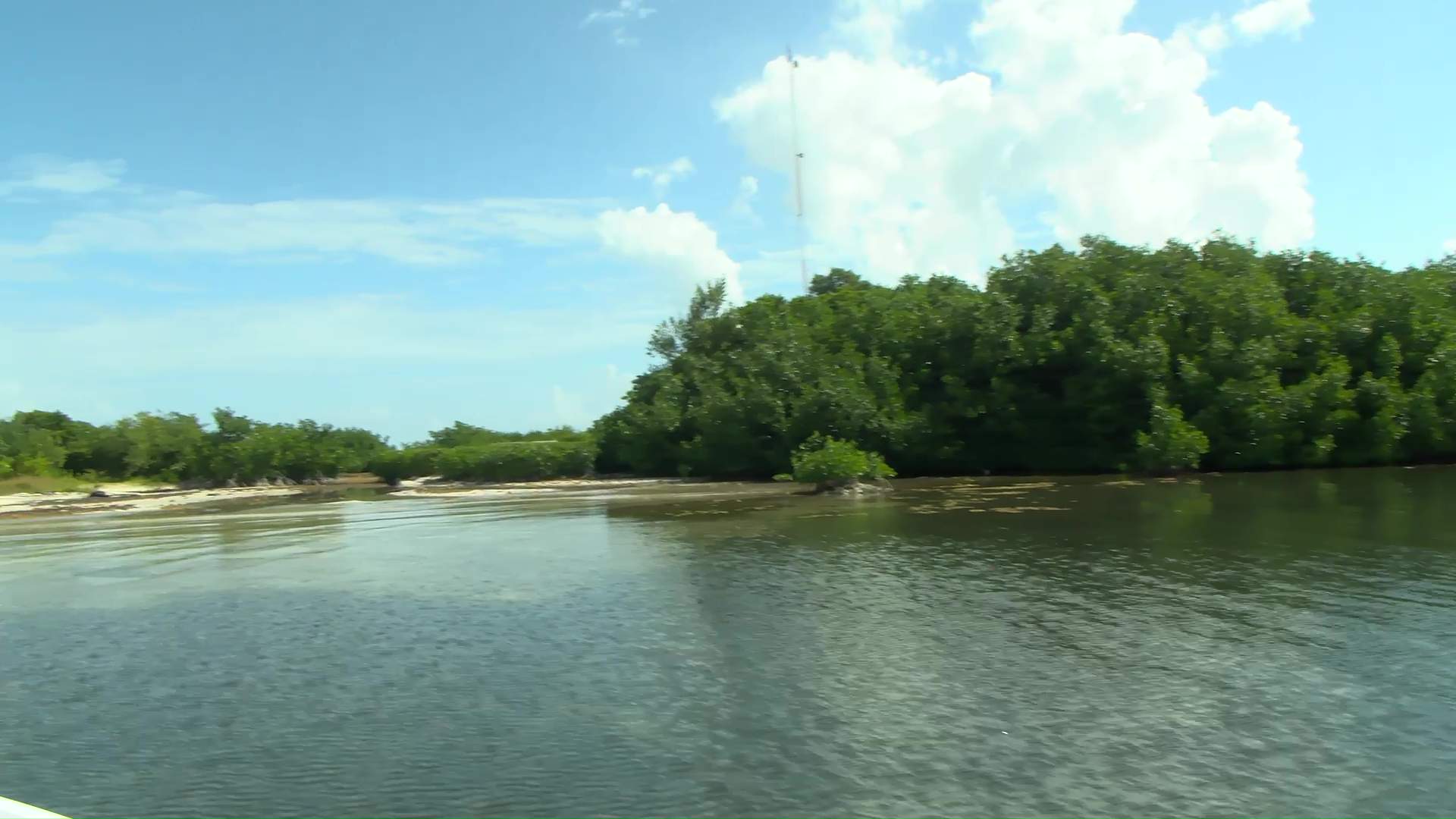
    Belize is embarking on a transformative initiative to enhance both conservation efforts and visitor experiences at the Turneffe Atoll Marine Reserve, the Western Hemisphere’s largest and most ecologically diverse coral atoll. Located just twenty miles east of Belize City, this marine treasure is receiving strategic upgrades through the Tourism Enhancement in Protected Areas Program (TEPA), a collaborative effort between government agencies and conservation organizations.

    The comprehensive improvement plan targets three key sites within the reserve: Mauger Caye, Calabash Caye, and Caye Bokel. Infrastructure developments include constructing new piers for safer access, modernizing visitor facilities, and establishing educational centers that will serve dual purposes. These centers will both educate tourists about the atoll’s fragile ecosystem and provide operational bases for rangers conducting conservation work.

    Valdemar Andrade, Executive Director of Turneffe Atoll Sustainability Association (TASA), emphasized the program’s financial sustainability objectives: “These essential funds represent a strategic investment toward generating independent revenue streams. We’re enhancing tourism facilities to better engage both international and local visitors with our natural resources while ensuring long-term conservation funding.”

    The initiative adopts a holistic approach where tourism directly supports environmental protection. Hubert Gillett, Financial Sustainability Manager at TASA, explained the circular benefits: “Enhanced visitor experiences create opportunities for conservation education and voluntary donations, which subsequently fund critical enforcement operations, adaptive management programs, and ongoing educational outreach.”

    Government officials including Abil Castaneda, Executive Director of Protected Areas Conservation Trust (PACT), have conducted firsthand assessments of the development plans. Castaneda noted: “This progressive organization has developed not just a marine conservation model, but an integrated economic system where environmental protection and sustainable tourism mutually reinforce each other.”

    The Turneffe project is being positioned as a potential blueprint for other marine protected areas globally. Darcy Correa, Tourism Officer with the Ministry of Tourism, described it as “a model for sustainable tourism that successfully balances environmental protection with visitor experience.”

    Beyond international tourism, the program specifically encourages Belizean citizens to visit and appreciate their natural heritage. Saul Cruz, Director of the National Biodiversity Office, urged local engagement: “These are our natural assets that people worldwide travel to see. Belizeans should experience these sites responsibly, becoming ambassadors who appreciate and promote the vital work of our protection managers.”

  • New Agreement Aims to Boost Belize’s Workforce

    New Agreement Aims to Boost Belize’s Workforce

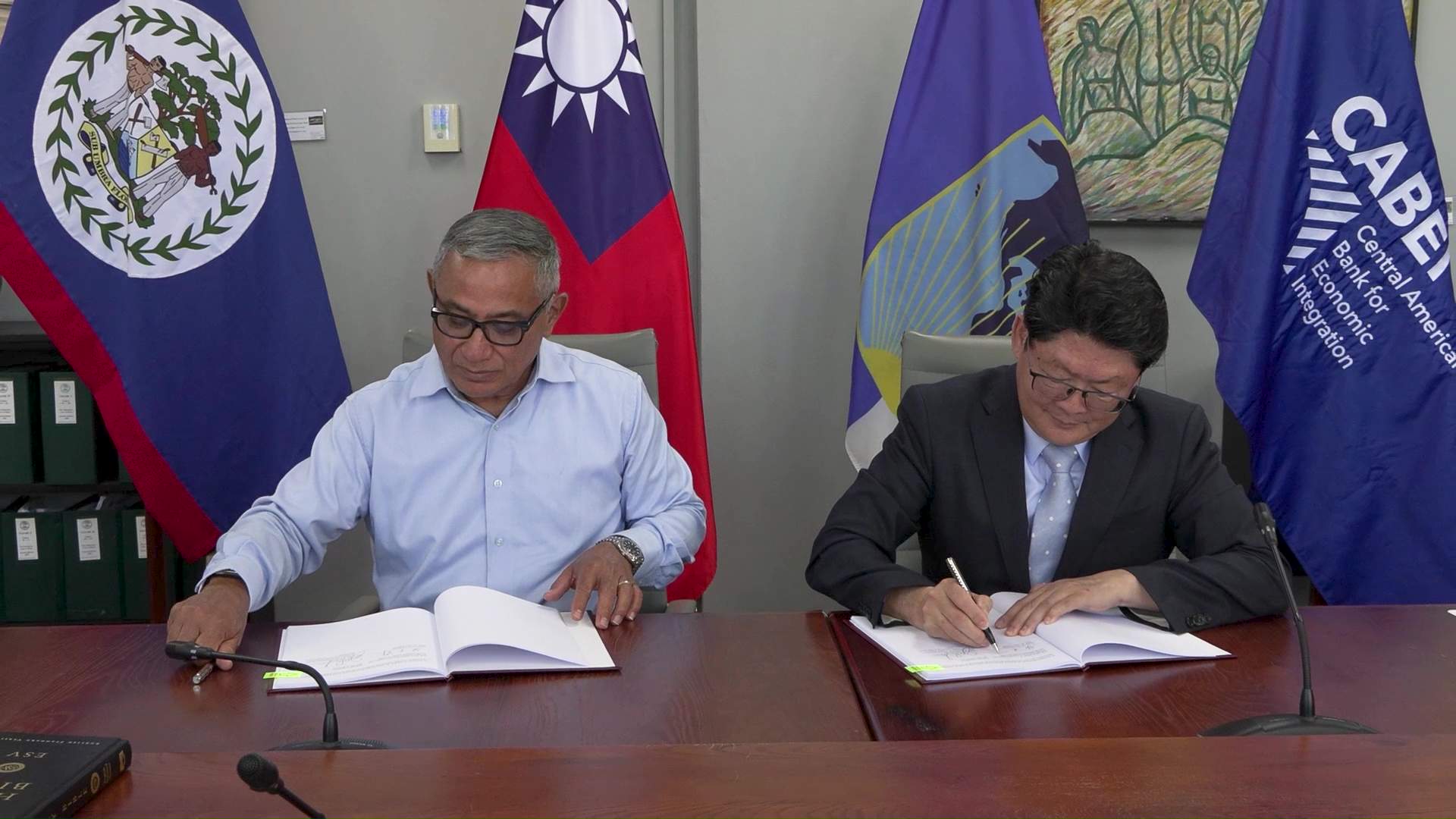
    The Government of Belize has embarked on a dual-pronged development strategy through the signing of two significant loan agreements on Monday. Prime Minister John Briceño’s administration formalized a coordination agreement with the Inter-American Development Bank (IDB) specifically designed to enhance national workforce capabilities and labor market participation.

    The cornerstone workforce initiative targets the comprehensive modernization of Belize’s employment services infrastructure. Funded through IDB financing, the program aims to elevate workforce employability by equipping Belizean citizens with contemporary skillsets demanded by the current economic landscape. This human capital development project runs parallel to a separate transportation infrastructure loan earmarked for the expansion and upgrade of the critical Philip Goldson Highway.

    Prime Minister Briceño characterized both signings as reflective of his government’s integrated development philosophy. “These two initiatives reflect our government’s commitment to strengthening both the physical and the human infrastructure for our country,” Briceño stated during the signing ceremony in Cabinet. He emphasized that national development necessitates not only modern connective infrastructure like roads but also a “productive and empowered workforce.”

    The highway project focuses on one of Belize’s most vital transportation arteries. The Philip Goldson Highway serves as the primary northern corridor, connecting Belize City to northern districts and onward to Mexico. This infrastructure supports daily transit for thousands of citizens while functioning as a crucial conduit for tourism and agricultural commerce, directly contributing to economic growth through enhanced mobility and logistics.

  • YWCA Celebrates Milestone with Stories of Success

    YWCA Celebrates Milestone with Stories of Success

    The Young Women’s Christian Association (YWCA) of Belize commemorated seven decades of transformative service to women and girls with a special open house event at its Belize City headquarters on March 17, 2026. Rather than merely celebrating the institutional milestone, the organization showcased tangible success stories from its educational and vocational programs.

    The anniversary event featured powerful testimonials from program beneficiaries, including Ms. Maryam, a graduate of the YWCA’s health program. The association simultaneously issued an urgent appeal for community support to resurrect several critical initiatives that have been suspended due to financial constraints.

    Vice President Bernadette Ellis highlighted the organization’s profound legacy, noting that women literally laid the foundation bricks of their headquarters building. “We have impacted, going way back,” Ellis stated. “We are very proud of where we are and the impact.”

    The suspended health program specifically targeted early school leavers—young women who had dropped out of the education system—preparing them to reenter academic environments. The program has produced remarkable outcomes, including master’s and doctorate degree holders, successful entrepreneurs, and qualified teachers who progressed through the YWCA’s preschool and health initiatives.

    Ellis emphasized the program’s critical importance while acknowledging its current hiatus: “Right now the program is not on for this semester, but we are hoping and praying that this year we can raise enough funds to carry that program, because it is needed, something that is very important.”

    The organization has directed potential supporters to its website and social media platforms for contribution opportunities, seeking to reactivate these vital services that have demonstrated measurable success in advancing women’s education and professional development in Belize.

  • ‘A Thinking City’: Taiwan’s Vision for AI-Powered City Life

    ‘A Thinking City’: Taiwan’s Vision for AI-Powered City Life

    Taipei has become the global epicenter for urban innovation as the 2026 Smart City Summit & Expo (SCSE) showcases groundbreaking artificial intelligence systems transforming urban management. The event, attracting representatives from 174 cities across 53 nations, demonstrates how AI is evolving from supportive technology to the central nervous system of modern municipalities.

    At the heart of the exposition stands the AI City Pavilion, featuring the world’s first integrated ‘Sovereign AI’ architecture developed by Taiwanese tech leaders ASUS and Foxconn. This five-layer digital infrastructure creates autonomous urban intelligence capable of processing city-specific data without international transmission. The system represents a paradigm shift toward municipalities that actively think, respond, and adapt to challenges in real-time.

    Parallel to the AI focus, the Net Zero City Expo highlights mandatory climate initiatives now being implemented across Taiwan’s transport, energy, and urban planning sectors. The integration of digital twins, 5G networks, and real-time environmental monitoring demonstrates how cities can simultaneously advance technological capability while pursuing sustainability goals.

    The summit emphasizes practical deployment over theoretical concepts, showcasing operational robotics including quadruped mechanical hounds and gliding drones designed for disaster response. These systems perform atmospheric monitoring and chemical detection at emergency sites, while firefighting robots assess dangerous conditions before human intervention.

    Transportation innovation moves beyond electrification to intelligent mobility, with AI-optimized bus routes and predictive algorithms serving even rural areas. For disaster-prone regions, the technology offers transformative potential through AI-powered drones that map catastrophe zones and predict flood risks within seconds.

    International delegations, including representatives from Belize, are exploring how these technologies might address their unique urban challenges. Belmopan Mayor Pablo Cawich acknowledged both the promise and implementation hurdles, noting that while resistance to change exists, the potential benefits justify pursuing smart city adaptations.

    The exposition continues through the week, demonstrating how AI and sustainability initiatives can collaboratively create more resilient, efficient, and responsive urban environments worldwide.