标签: Belize

伯利兹

  • Caribbean Turns to IP as New Engine for Economic Growth

    Caribbean Turns to IP as New Engine for Economic Growth

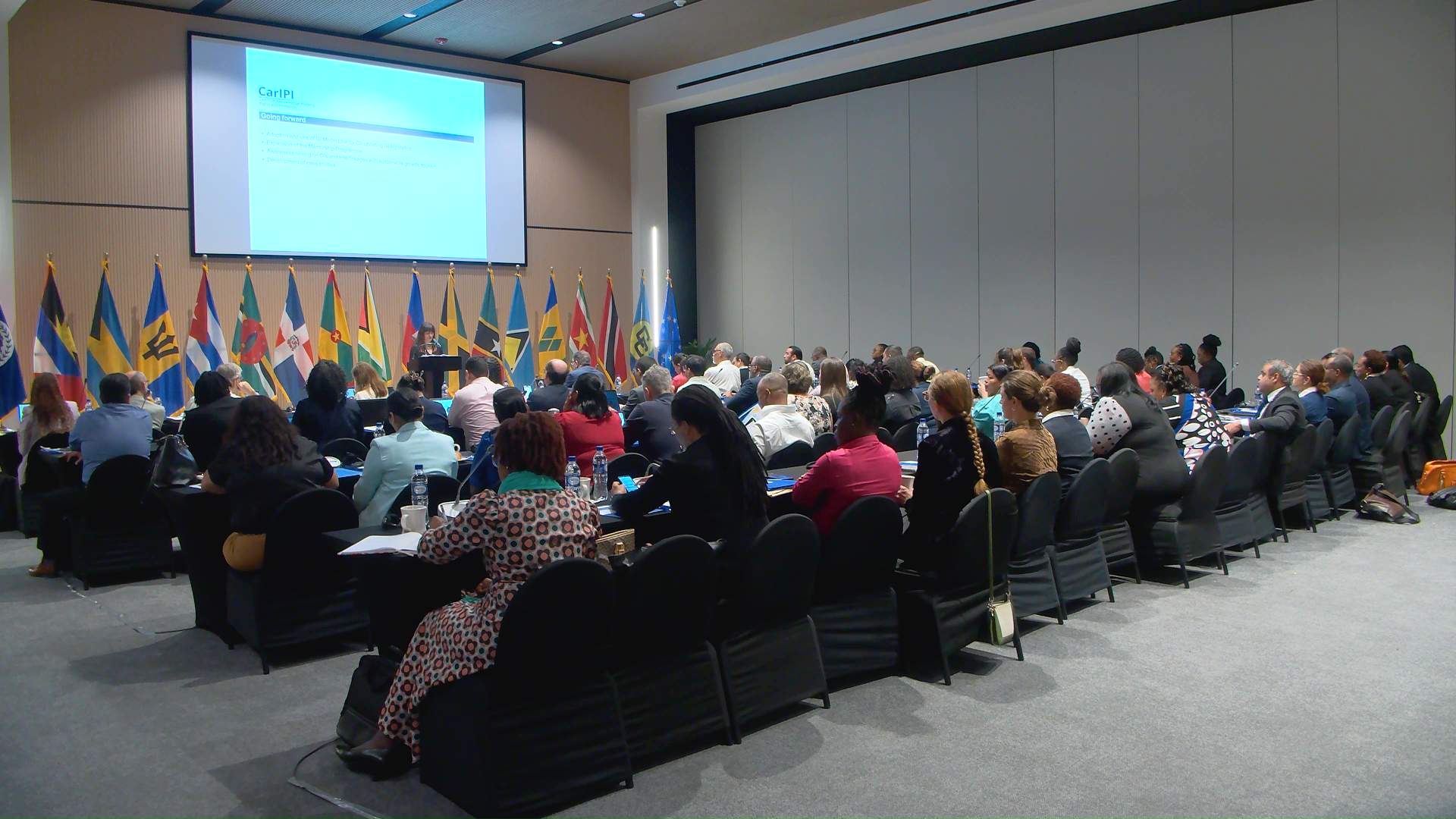
    Belize has emerged as the focal point for a transformative Caribbean economic initiative this week, hosting regional leaders and European Union officials for the launch of the second phase of the groundbreaking CarIPI project. This strategic gathering marks a significant shift in economic development strategy, with participants exploring how enhanced intellectual property frameworks can catalyze regional prosperity.

    The comprehensive three-day workshop, building upon a four-year initial phase that commenced in 2019, represents a concerted effort to modernize and harmonize intellectual property systems across CARIFORUM nations. According to Kay King, Deputy Registrar of BELIPO, the current phase commenced in April 2025 and will extend through a forty-eight month implementation period.

    Central to the initiative is the introduction of a Geographical Indication mentorship program, providing Belizean producers with unprecedented networking opportunities and specialized knowledge about GI protections. This development coincides with Belize’s anticipated passage of its Geographical Indication Bill, which is currently awaiting Cabinet approval to become formal legislation.

    The final day of proceedings focused on international intellectual property integration, particularly examining the practical implementation of key treaties including the Madrid System for international trademark registration, the Lisbon Agreement for appellations of origin, and the Hague Agreement governing industrial design protection.

    Beyond legal frameworks, the project addresses tangible economic benefits by establishing protective mechanisms for culturally significant products such as Saint Lucia’s distinctive rum production and Trinidad and Tobago’s iconic steelpan instruments. This approach transforms traditional cultural assets into legally protected economic commodities with enhanced global market potential.

    The regional consensus indicates that intellectual property reform represents far more than bureaucratic procedure—it constitutes a fundamental restructuring of economic strategy that empowers local entrepreneurs, safeguards cultural heritage, and creates sustainable revenue streams through formalized recognition of Caribbean innovation and creativity.


  • Thea Answers Corozal Civic Center Critics

    Thea Answers Corozal Civic Center Critics

    COROZAL — A contentious debate has erupted regarding the state of the Corozal Civic Center, with local residents expressing outrage over its deteriorating condition barely a year after a substantial $115,000 renovation project. The facility’s apparent decline has prompted serious questions about the effectiveness and value of the recent repairs.

    Area Representative Thea Garcia-Ramirez has mounted a vigorous defense against mounting criticism. She contends that critics fail to appreciate the severely dilapidated condition her administration inherited from previous leadership. According to Garcia-Ramirez, the building required comprehensive structural rehabilitation far beyond superficial improvements.

    The funding structure itself reveals a collaborative effort: $100,000 originated from Belize Water Services (BWS) while the remaining $15,000 was raised through community initiatives including traditional food sales and raffle events organized by concerned Corozalenos.

    Detailing the extensive work completed, Garcia-Ramirez explained that the project addressed critical structural issues including rusted support beams that required sandblasting, replacement, and repainting. The renovation encompassed complete interior and exterior painting, plumbing system overhauls, and bathroom refurbishments alongside roof repairs.

    “When the fundamental structure of a building is compromised, $115,000 represents merely a drop in the bucket,” Garcia-Ramirez stated. “This allocation couldn’t possibly deliver a brand new facility. While the results aren’t perfect, they represent the optimal outcome achievable within our constrained resources.”

    The official emphasized her commitment to maintaining operations through whatever means available until comprehensive reconstruction becomes feasible, rejecting suggestions that no action should have been taken without sufficient funds for complete replacement.

  • Taiwan Expo Highlights Real‑World Smart Solutions

    Taiwan Expo Highlights Real‑World Smart Solutions

    TAIPEI, TAIWAN – March 18, 2026 – The Smart City Expo and Summit in Taipei has emerged as a groundbreaking showcase of practical artificial intelligence applications transforming urban environments. Beyond futuristic architecture, the event demonstrates how intelligent systems are revolutionizing critical sectors including healthcare, emergency response, and food service.

    Healthcare innovation takes center stage with Eirbot, an autonomous nursing assistant designed to optimize medical workflows. The robotic system streamlines post-operative care by scanning patient wristband barcodes and delivering specialized medical packages directly to bedsides. “This technology fundamentally reimagines nursing efficiency,” explained Jian Lee, a medical researcher exhibiting at the event. “By handling routine logistical tasks, Eirbot enables healthcare professionals to focus their expertise where it matters most – direct patient care during critical moments.”

    Firefighter safety receives a technological overhaul with MSA’s Smart Firefighting system. This advanced gear integrates real-time oxygen monitoring and location tracking, transmitting vital data directly to command centers. Unlike traditional breathing apparatus, the digital system provides precise gas level information and personnel tracking capabilities. “Commanders gain unprecedented situational awareness,” stated an MSA representative identified as River. “While currently deployed primarily in the United States, the subscription-based service offers global adaptability for emergency response teams worldwide.”

    The expo highlights AI’s penetration into daily life through culinary innovation. A fully automated ramen preparation system demonstrates robotic food craftsmanship, with mechanical arms precisely cooking noodles for exactly 90 seconds before adding customized toppings. Meanwhile, fragrance personalization reaches new heights with an AI perfume consultant that analyzes individual preferences through conversational interfaces to generate bespoke scent formulations.

    Startup innovations include instant digital art generation from photographs and advanced quadruped robots employing Sim-to-Real technology. These robotic dogs master locomotion through virtual environment training before operating in physical spaces, specializing in environmental vector inspections for industrial applications.

    The technologies displayed at Taipei’s premier smart city event collectively illustrate a fundamental shift toward integrated AI solutions that enhance human capabilities across professional and personal domains.

  • Mother Seeks Truth After Son Dies in Shooting

    Mother Seeks Truth After Son Dies in Shooting

    A community in Camalote Village is grappling with uncertainty following the tragic death of Andy Suazo, a young man fatally wounded in a shooting incident under mysterious circumstances. The event occurred while Suazo was socializing with a friend on a local property, where a firearm discharged and struck him in the upper torso. Despite being rushed to medical facilities, Suazo succumbed to his injuries.

    Law enforcement authorities have launched a comprehensive investigation to determine whether the shooting resulted from accidental discharge or self-inflicted action. The absence of clear answers has compounded the grief of those closest to the victim.

    At the heart of this tragedy stands Andrea Azueda, Suazo’s mother, who raised him primarily as a single parent since becoming a mother at age fifteen through a high-risk pregnancy. She remembers her son as a humble and intellectually gifted individual with profound musical talents—a young artist who composed original songs, including one that poetically documented their life journey together.

    Azueda recounts spending quality family time with her son during what would become their final hours together, completely unaware of the impending tragedy. Rather than demanding punitive justice, she emphasizes her desperate need for closure and transparency. “All I want is the truth,” she stated. “I want answers… If it was an accident, if it was self-inflicted, whatever. Because a dead man tells no tale.”

    The bereaved mother has made a heartfelt public appeal for anyone present during the incident to come forward with information that might provide clarity regarding her son’s untimely death.

  • What’s Killing the Fish Near San Estevan?

    What’s Killing the Fish Near San Estevan?

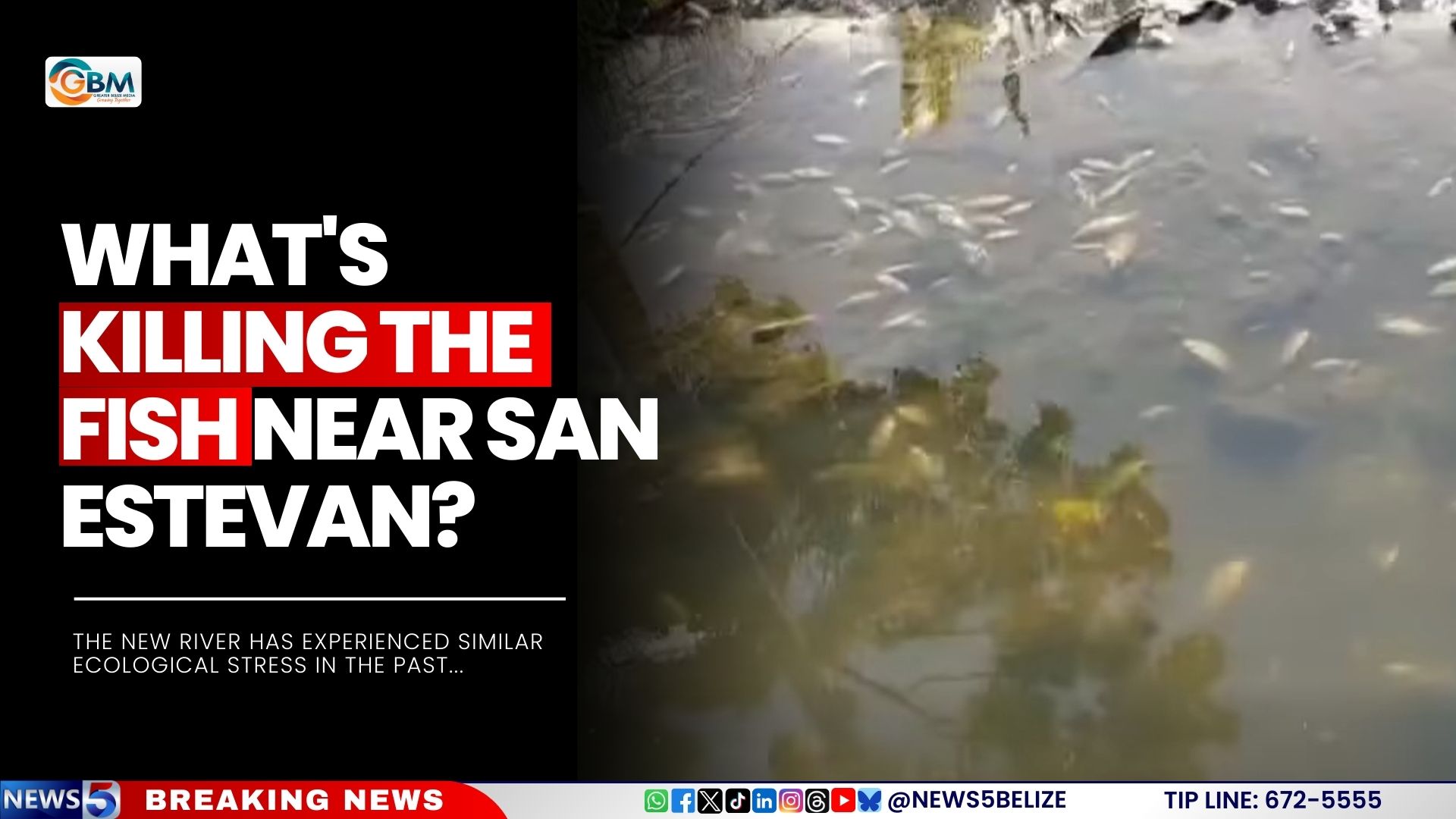
    Environmental authorities in Belize are investigating a significant aquatic mortality event along the New River following reports of dead fish near San Estevan Village in the Orange Walk District. Anthony Mai, Chief Environmental Officer, confirmed that the Department of Environment (DOE) initiated immediate water quality monitoring after receiving alerts about the ecological incident.

    Scientific analysis revealed critically low dissolved oxygen levels throughout multiple river sections from the Toll Bridge to San Estevan, creating lethal conditions for aquatic organisms. The investigation further identified elevated chlorophyll-a concentrations at various depths, indicating an active algal bloom phenomenon.

    According to environmental experts, these blooms typically result from excessive nutrient concentrations—particularly nitrates and phosphates—in the water system. Mai explained the biological sequence: ‘Algal proliferation consumes available oxygen, creating an anoxic state that suffocates marine life. This explains the mortality pattern we’re observing.’

    The New River’s geographical characteristics exacerbate its vulnerability to such events. With minimal elevation gradient and slow flow dynamics, the waterway experiences limited natural oxygenation. Additionally, tidal influences from coastal regions introduce saltwater intrusion, further destabilizing the delicate freshwater ecosystem.

    Historical data indicates this represents a recurring environmental challenge, with similar events documented biennially. The most severe incident occurred in 2019 when extreme eutrophication caused substantial degradation of aquatic habitat quality. Environmental officials continue monitoring the situation while evaluating potential mitigation strategies to address the river’s chronic ecological vulnerabilities.

  • Women Mean Business: BCCI Forum Focuses on Financing Growth

    Women Mean Business: BCCI Forum Focuses on Financing Growth

    The Belize Chamber of Commerce and Industry (BCCI), in collaboration with the Development Finance Corporation (DFC), convened its Fourth Annual Women’s Empowerment Forum in Belize City on March 18, 2026. This significant gathering united entrepreneurs, corporate executives, policy architects, and development partners from across the nation under the thematic banner “From Survival to Scale: Financing Women for Growth.

    The forum’s primary objective centered on dismantling financial barriers and amplifying the economic engagement of Belizean women in the commercial sector. The comprehensive agenda featured expert-led panel discussions addressing crucial topics including the formalization of women-owned enterprises, enhancement of financial accessibility, promotion of workplace inclusivity, implementation of harassment prevention protocols, and utilization of digital innovation for business expansion.

    Kim Aikman, Chief Executive Officer of BCCI, emphasized the event’s evolution into a vital ecosystem for resource distribution, stating: “This initiative has matured into an essential platform that equips women with critical tools, professional networks, and financial conduits necessary for business scaling and economic influence enhancement. Women’s empowerment transcends social advocacy—it represents an economic necessity.”

    A pivotal component of the forum was the Women’s $1,000 Grant Competition, where eight finalists presented their business models based on narrative strength, funding strategies, and fiscal performance. Micro-enterprises Oma Organix and My Cielo Blue emerged victorious, securing grant funding recognition for their demonstrated innovation capabilities and growth trajectory.

  • Sony Flags 135,000 AI Deepfake Songs Impersonating Top Artists

    Sony Flags 135,000 AI Deepfake Songs Impersonating Top Artists

    Sony Music Entertainment has initiated a massive crackdown on AI-generated music fraud, identifying and requesting removal of over 135,000 counterfeit songs from streaming platforms. The sophisticated deepfake operation specifically targeted the label’s most prominent artists, including Beyoncé, Harry Styles, Queen, Bad Bunny, Miley Cyrus, and Mark Ronson.

    According to Dennis Kooker, President of Sony’s Global Digital Business, these AI-generated forgeries are inflicting “direct commercial harm to legitimate recording artists,” particularly during critical album promotion cycles. Kooker emphasized that in severe instances, these fabrications “potentially damage a release campaign or tarnish the artist’s reputation.”

    The scale of the problem has escalated dramatically, with Sony reporting identification of approximately 60,000 fraudulent tracks just since March 2025. Company executives acknowledge that the 135,000 songs flagged likely represent only a fraction of the total AI-generated counterfeits circulating across music streaming services.

    This revelation emerged during the London launch of the International Federation of the Phonographic Industry’s (IFPI) Global Music Report. While the industry celebrated an 11th consecutive year of growth with global recorded music revenues reaching $31.7 billion (a 6.4% increase driven primarily by paid streaming subscriptions), executives voiced serious concerns about emerging threats.

    IFPI CEO Victoria Oakley highlighted the urgent need for enhanced protective measures, stating: “The challenge of identifying and labelling AI material is absolutely the next critical challenge.” Industry leaders are advocating for advanced detection tools capable of identifying and tagging AI-generated content at the point of upload to streaming platforms.

  • Belize Takes the Lead as Caribbean Pushes to Turn Creativity into Cash

    Belize Takes the Lead as Caribbean Pushes to Turn Creativity into Cash

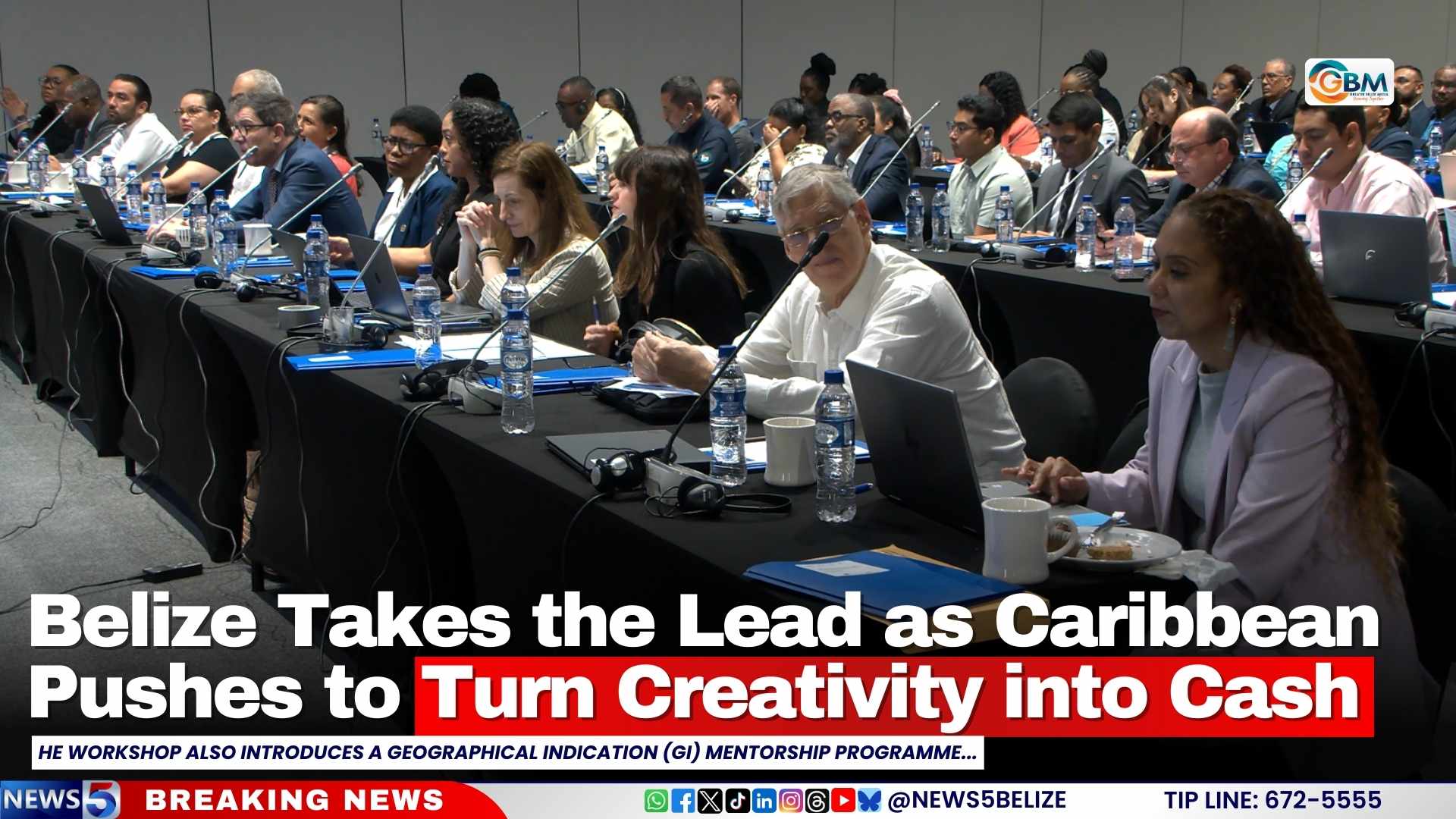
    Belize has emerged as the focal point for a groundbreaking regional initiative as Caribbean leaders and European Union officials convened this week to launch the ambitious second phase of the CarIPI Project. This strategic partnership seeks to revolutionize intellectual property systems across CARIFORUM member states, transforming creative assets into sustainable economic engines.

    During the three-day high-level workshop, policymakers, legal specialists, and producers are collaborating to develop modernized and harmonized intellectual property frameworks. These enhanced systems are designed to elevate Caribbean products in global markets while converting cultural treasures into tangible economic opportunities.

    Kay King, Deputy Registrar at the Belize Intellectual Property Office (BELIPO), provided critical insights into the project’s timeline and objectives. “This initiative fundamentally aims to support CARIFORUM nations in modernizing and synchronizing their intellectual property infrastructure,” King stated. “The inaugural phase commenced in 2019 and spanned four years. This subsequent phase was initiated in April 2025 and will continue through a forty-eight-month implementation period.”

    A cornerstone of the workshop involves the introduction of an innovative Geographical Indication (GI) mentorship program. This specialized initiative will equip Belizean producers with advanced knowledge and practical skills to effectively leverage GI protections for their unique products.

    “Belizean producers will gain exceptional networking opportunities and deepened understanding of Geographical Indication frameworks,” King emphasized. “We have prepared a draft Geographical Indication Bill awaiting Cabinet approval for formal legislation. This will establish geographical indication as a legally protected intellectual property right within Belize’s jurisdiction.”

    Geographical Indications provide legal recognition and protection for products possessing distinctive qualities inherently linked to their specific geographic origins. Regionally, this mechanism has already proven successful for items including Saint Lucia rum and steelpan instruments, which have achieved international recognition while simultaneously preserving cultural heritage and enhancing export viability.

    The workshop’s concluding sessions will address comprehensive international intellectual property frameworks and multilateral treaties ratified by Belize, including the Madrid System for international trademark registration, the Lisbon Agreement for appellations of origin, and the Hague Agreement governing international design protection.

  • Costa Rica Rejects Cuban Government, Orders Embassy Closure

    Costa Rica Rejects Cuban Government, Orders Embassy Closure

    In a dramatic foreign policy reversal, Costa Rican President Rodrigo Chaves declared on March 18, 2026 that his government would cease recognizing Cuba’s communist regime and immediately close the Cuban embassy in San José. The announcement came during a public event attended by the U.S. ambassador, signaling a clear alignment with Washington’s hardline approach toward Havana.

    President Chaves justified the decision by citing what he described as systemic ‘mistreatment, repression, and undignified conditions’ endured by the Cuban people. This diplomatic rupture follows similar actions taken by Ecuador earlier this month, which expelled Cuban Ambassador Basilio Gutierrez and declared diplomatic staff persona non grata.

    The move occurs against the backdrop of intensified U.S. pressure on Cuba under the Trump administration. Recent weeks have seen widespread blackouts and fuel shortages across the island nation, affecting critical services from healthcare to municipal waste collection. Some Cuban residents have resorted to alternative energy sources, including solar panels, to cope with the deteriorating infrastructure.

    The diplomatic shift has sparked regional discussions about foreign policy alignment. While Belize’s Prime Minister John Briceño described ongoing negotiations as ‘delicate,’ Opposition Leader Tracy Panton emphasized Cuba’s historical support for Belize’s independence and healthcare system, warning that rural clinics depend heavily on Cuban medical personnel.

  • “The Truth is Simple: Girls are Incredible Problem Solvers”

    “The Truth is Simple: Girls are Incredible Problem Solvers”

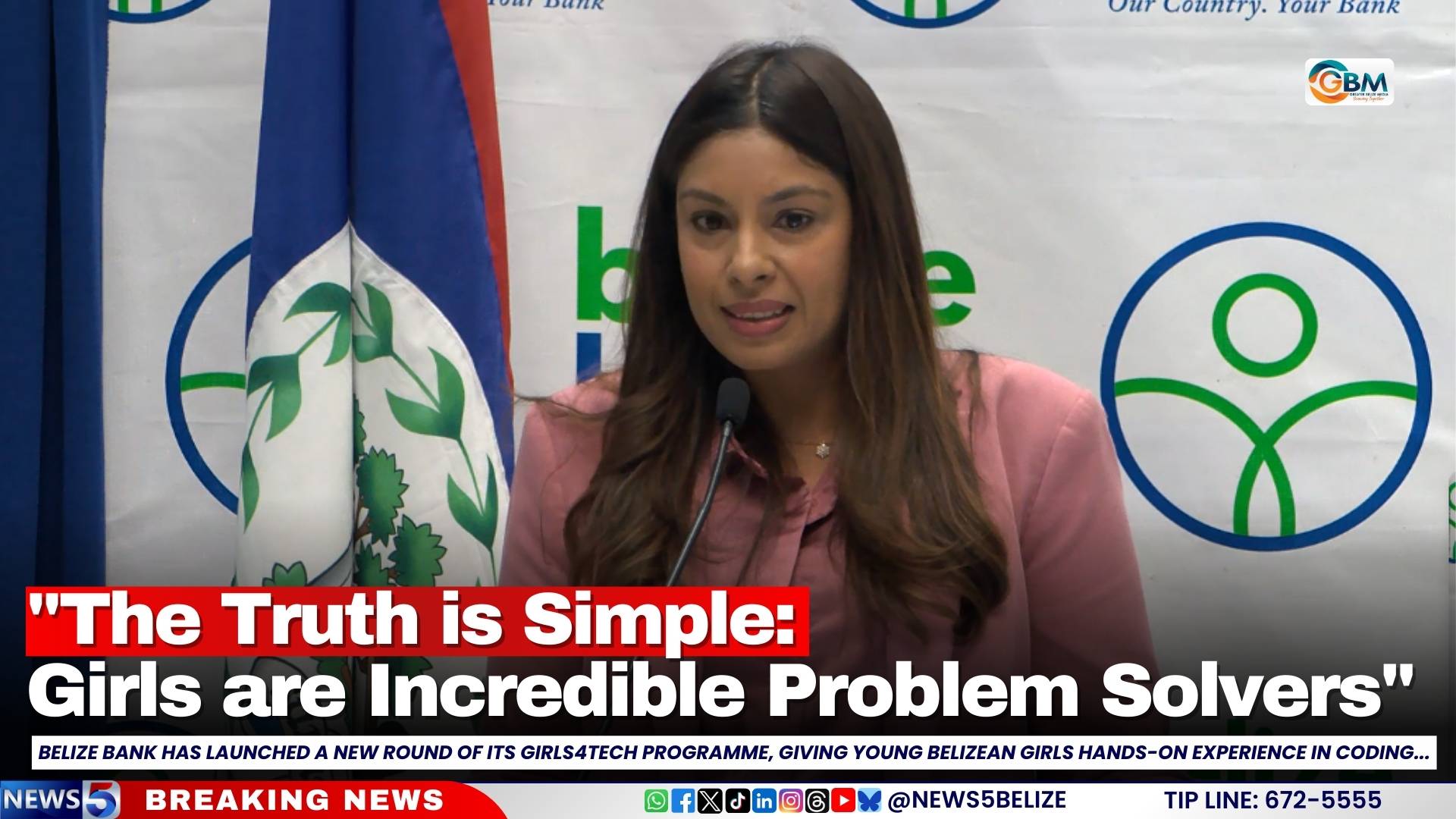
    In a significant move to address gender disparities in technology, Belize Bank has unveiled the latest iteration of its Girls4Tech program, providing hands-on training in coding, digital security, and analytical problem-solving for young female students across Belize. This Mastercard-supported initiative has now expanded its reach to approximately 300 participants nationwide, marking a substantial commitment to fostering female representation in STEM fields.

    The program emerges against the backdrop of persistent underrepresentation of women throughout Caribbean technological sectors. Girls4Tech was specifically conceived to dismantle these barriers and create equitable opportunities for female participation in digital innovation.

    At the official launch ceremony, Chief Banking Officer Monica Daryanani Urbina delivered a powerful address challenging entrenched stereotypes about gender and technology. ‘The fundamental truth remains undeniable: young women possess extraordinary problem-solving capabilities,’ Urbina asserted. ‘They demonstrate remarkable creativity, innovation, and consistently pose the critical questions that spark transformative ideas.’

    Urbina further observed that many participants already exhibit innate innovative thinking through their engagement with puzzles, applications, and computer systems—activities that form the foundational mindset for technological proficiency. She emphasized technology’s central role in modern development, stating, ‘Technology transcends being merely an organizational department; it represents the core engine of innovation, the primary driver of progress, and among our most potent tools for empowerment in the contemporary world.’

    In her concluding remarks, Urbina addressed the psychological barriers that frequently deter women from pursuing technical careers, offering an empowering perspective: ‘Every existing barrier presents an opportunity to dismantle it.’ The program represents a strategic investment in building a more inclusive technological landscape while equipping young women with essential digital skills for future professional success.