标签: Belize

伯利兹

  • Another Belize City Shooting; Residents Run as Bullets Fly

    Another Belize City Shooting; Residents Run as Bullets Fly

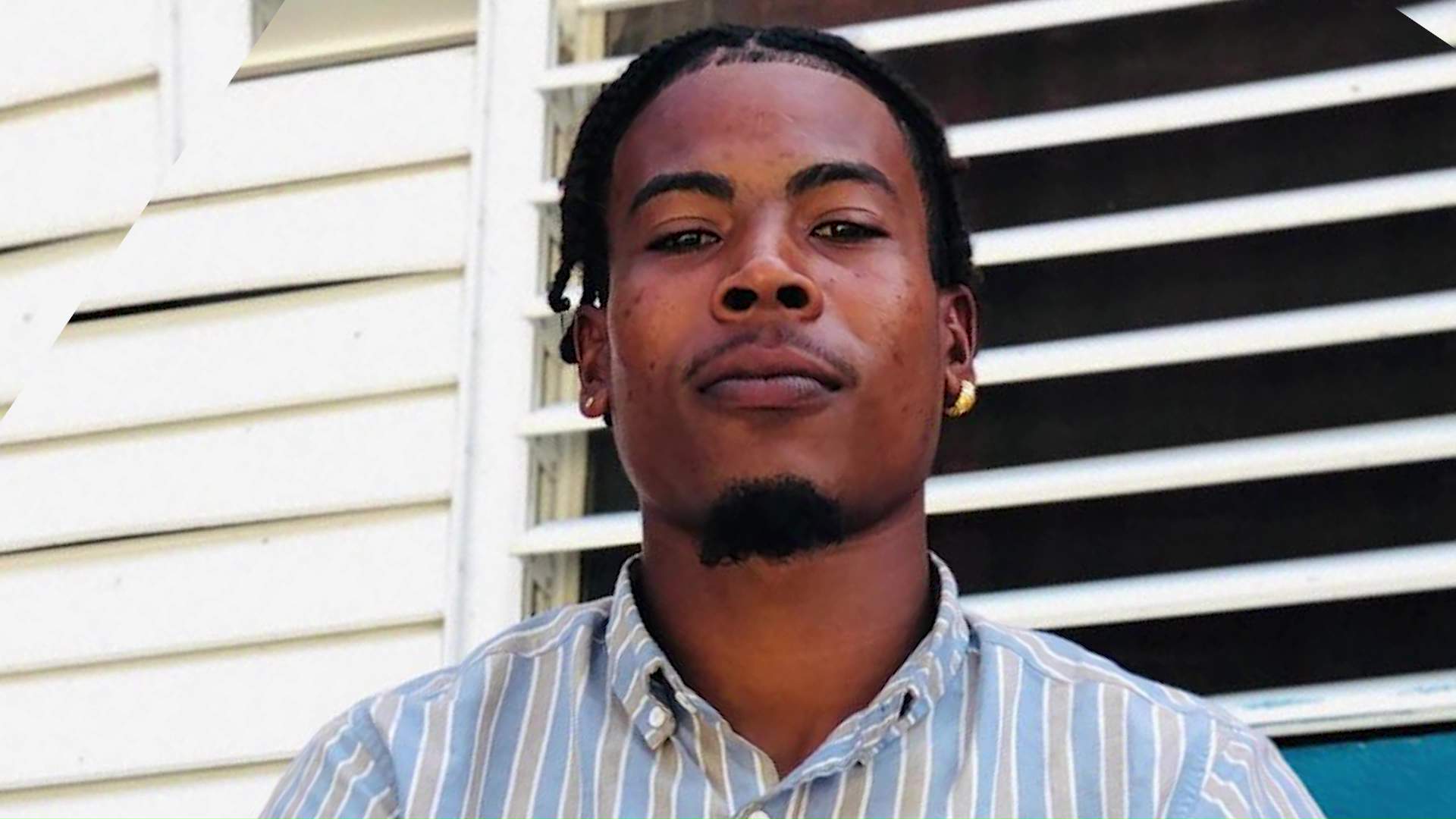
    BELIZE CITY – A violent shooting incident disrupted the Sunday evening tranquility in a residential neighborhood of Belize City, leaving a 24-year-old culinary professional wounded and prompting urgent police response. The episode unfolded on Faber’s Road Extension in close proximity to Grace Primary School, triggering panic among residents as sustained gunfire erupted approximately at 6:45 PM on March 15, 2026.

    Eyewitness accounts describe a harrowing scene where multiple assailants aboard motorcycles initiated a barrage of gunfire, discharging more than a dozen rounds. The targeted individual reportedly returned fire during the exchange. The violence culminated with Eric Mahler, a local cook, sustaining gunshot injuries and requiring emergency medical transport to the Karl Heusner Memorial Hospital (K.H.M.H.).

    Notably, the shooting occurred merely hundreds of yards from an active police precinct, raising questions about public safety mechanisms. Assistant Superintendent of Police Stacy Smith, serving as Staff Officer, confirmed the immediate launch of a comprehensive investigation. Law enforcement personnel documented the crime scene, collecting ballistic evidence including numerous expended shells.

    ASP Smith disclosed that investigators have obtained critical surveillance footage from the vicinity, currently undergoing meticulous analysis to identify perpetrators. While confirming Mahler’s non-fatal injuries, police authorities declined to specify whether the victim participated in the exchange or if legally armed civilians responded to the attack.

    The incident has generated substantial community apprehension, with residents expressing concerns about potential retaliatory violence given the alleged proximity between feuding parties. Police officials have committed to providing subsequent updates to media outlets as the active investigation progresses.

  • Catamaran Death Update: Harman Dead from Fall

    Catamaran Death Update: Harman Dead from Fall

    Belizean authorities have concluded their investigation into the death of Canadian sailor Thomas David Harman, determining the 72-year-old died from injuries sustained in a fall aboard his catamaran. The incident, which left the vessel adrift in Caribbean waters, has been classified as accidental pending further review by Canadian officials.

    According to Acting Superintendent Stacy Smith, Staff Officer for the Belize Police Department, the post-mortem examination revealed Harman succumbed to “multiple blunt force traumatic injuries due to a fall from height.” The investigation suggests the experienced sailor may have fallen from the boat’s mast or rigging while underway.

    Belizean forensic teams processed the scene and collected evidentiary materials before transferring jurisdiction to Canadian authorities. ASP Smith emphasized that while no foul play is currently suspected, the comprehensive evidence package enables Canadian investigators to pursue additional lines of inquiry should they deem necessary.

    The maritime mystery began when Harman’s unmanned catamaran was discovered drifting off the Belizean coast. Local authorities conducted the initial investigation as the vessel was found within Belize’s territorial waters, though standard maritime procedures delegate further investigation to the victim’s flag state or country of citizenship.

    Canadian officials will now review the evidence to determine whether to close the case as accidental or initiate a criminal investigation. The Royal Canadian Mounted Police have acknowledged receipt of the case files but haven’t yet announced their next steps.

  • 3-Year-Old Wanders from Home, Found Drowned a Mile Away

    3-Year-Old Wanders from Home, Found Drowned a Mile Away

    A devastating incident in Punta Gorda has culminated in urgent public safety appeals from law enforcement authorities following the drowning death of three-year-old Asher Mejia. The tragedy unfolded on March 16 when the toddler apparently wandered from his residence unnoticed, eventually being discovered in coastal waters near St. Peter Claver School approximately one mile from his home.

    According to official statements from Punta Gorda Police Staff Officer Assistant Superintendent Stacy Smith, emergency responders transported the child to medical facilities where he was subsequently pronounced deceased. Preliminary investigations indicate that around 11 a.m., family members initially believed Asher had accompanied siblings to a nearby store. His disappearance was only recognized when the siblings returned without him, triggering intensive but ultimately futile search efforts.

    This heartbreaking event represents the third such incident within approximately fourteen months, following previous drowning fatalities involving six-year-old King Shakel Wade in South Creek Canal during 2024 and six-year-old Gabriel Orellano, whose solitary movements were captured on surveillance footage before his discovery in waters behind Hangar in February 2025.

    Law enforcement officials emphasize the alarming pattern and are advocating for enhanced community vigilance. ASP Smith highlighted that Asher’s considerable distance from home suggested extended unsupervised travel through public areas, creating multiple opportunities for intervention by observant citizens. While investigative materials have been forwarded to the Director of Public Prosecutions for potential legal review, police stress that broader societal responsibility exists beyond parental supervision alone.

    With Easter approaches increasing children’s presence in residential areas, authorities are imploring citizens to actively safeguard unsupervised minors encountered in public spaces, particularly very young children or those with diverse abilities who may require additional protection.

  • Belize Prepares Bid to Bring Joseph Budna Home

    Belize Prepares Bid to Bring Joseph Budna Home

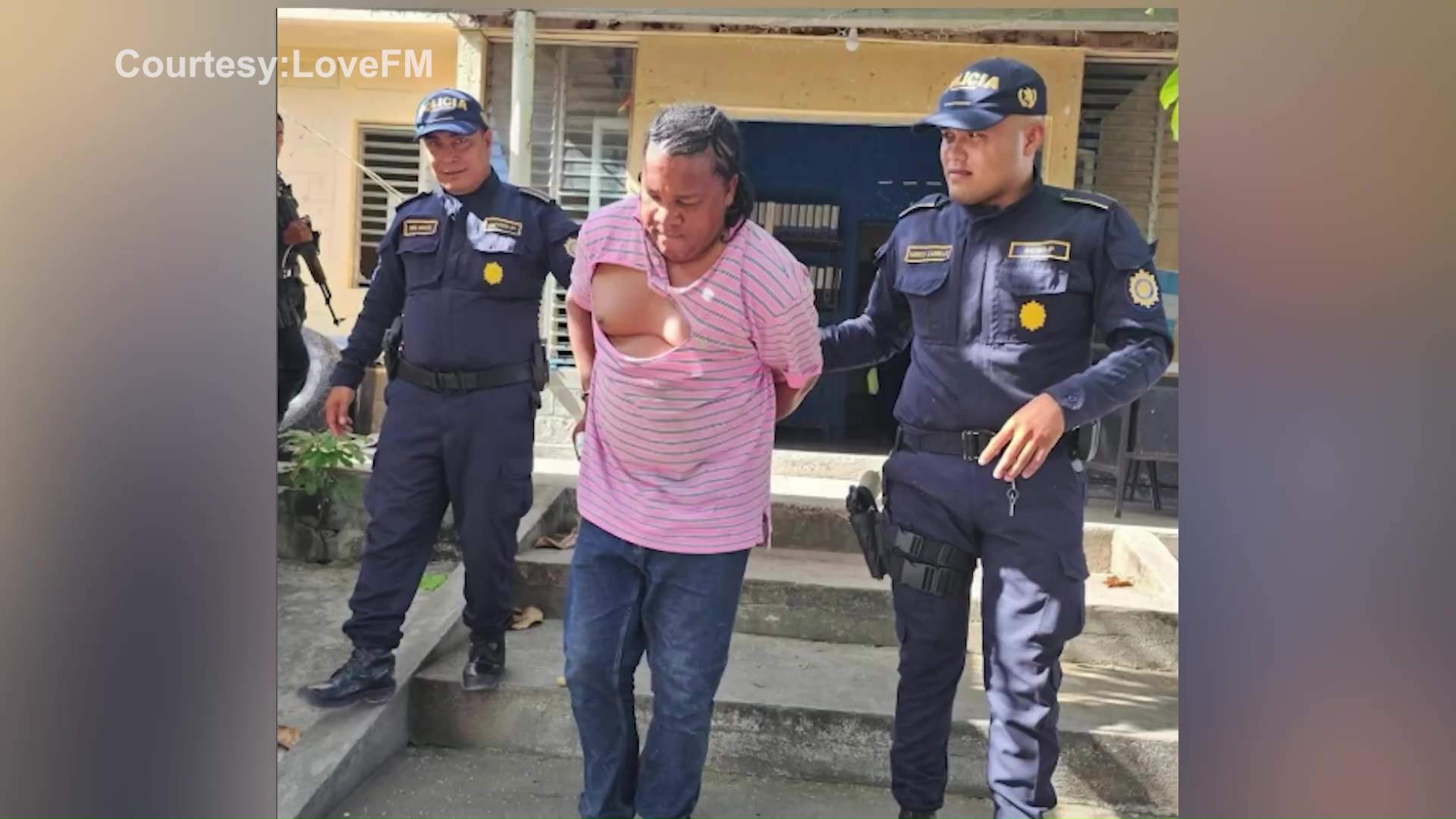
    The Central American nation of Belize has reignited diplomatic efforts concerning the Joseph Budna case, marking a significant development in cross-border judicial cooperation. Prime Minister John Briceño’s administration is preparing to formally request Guatemala transfer Budna—currently detained in a Guatemalan prison since his controversial abduction and handover at Arenal in August—to complete his sentence on Belizean soil.

    This initiative represents the first major update in months regarding Budna’s situation, which had previously raised substantial concerns about transnational law enforcement protocols. Prime Minister Briceño confirmed his government will present the matter to Cabinet for ministerial discussion, seeking to establish a government-to-government agreement mirroring existing prisoner exchange arrangements Belize maintains with Mexico.

    “We do that with Mexico from time to time, prisoner exchanges, and the agreement is that they have to spend the time in jail,” stated Briceño. “I don’t know how many years he has left in his case over there, so if he has ten more years, for instance, we’ll give assurances to the government of Guatemala that he will spend the time in jail here. So it’s to bring him back.”

    The potential transfer hinges on Belize providing formal assurances regarding Budna’s continued incarceration, ensuring no reduction in his sentencing would occur through the jurisdictional transfer. This diplomatic maneuver places the matter squarely back within the government’s purview, potentially setting precedents for future cross-border judicial cooperation in the region.

  • Infrastructure Development Loses to GOB’s Ballooning Payroll

    Infrastructure Development Loses to GOB’s Ballooning Payroll

    A pressing fiscal crisis is emerging in Belize as the nation’s budget faces severe structural imbalances. Economic experts are raising alarms that escalating government expenditures on wages, salaries, and pension benefits are systematically diverting crucial funding from essential infrastructure projects.

    Prominent economist Dr. Phillip Castillo has identified a dangerous trend where recurrent spending—primarily consisting of compensation for public officers—now dominates the national budget. This pattern creates a significant constraint on capital investments necessary for long-term development, including schools, healthcare facilities, and transportation networks.

    Current data reveals the alarming scale of this imbalance: approximately sixty percent of Belize’s budget, equivalent to forty-five cents of every collected dollar, is allocated to recurrent expenditures. Dr. Castillo characterizes this situation as fundamentally unsustainable, noting that successive administrations have recognized the problem yet failed to implement effective solutions.

    The economic challenge is further compounded by recent compensation increases for public officers, including a four percent salary adjustment scheduled for this year, building upon the four-and-a-half percent increase implemented in 2025.

    Dr. Castillo emphasizes that while public officers deserve fair compensation, the current trajectory requires urgent systemic reform. He advocates for a collaborative approach involving government, unions, and stakeholders to develop sustainable solutions, particularly through transitioning to a contributory pension system. The economist also recommends revitalizing dormant committees focused on revenue enhancement and cost-saving measures to expand the overall fiscal capacity without sacrificing essential public investments.

  • Lemonal on Edge Again as Anri’s Return Alarms Village

    Lemonal on Edge Again as Anri’s Return Alarms Village

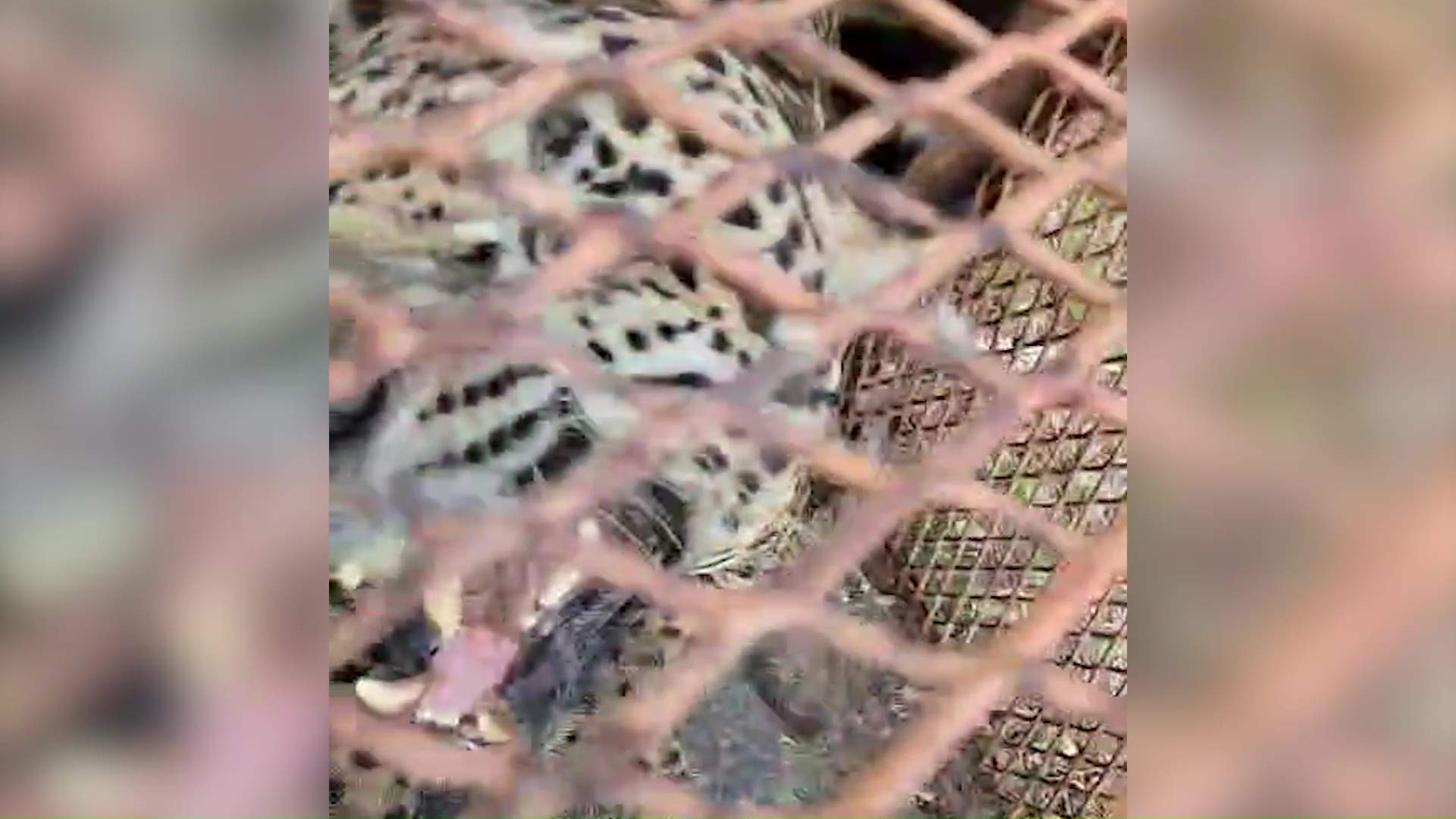
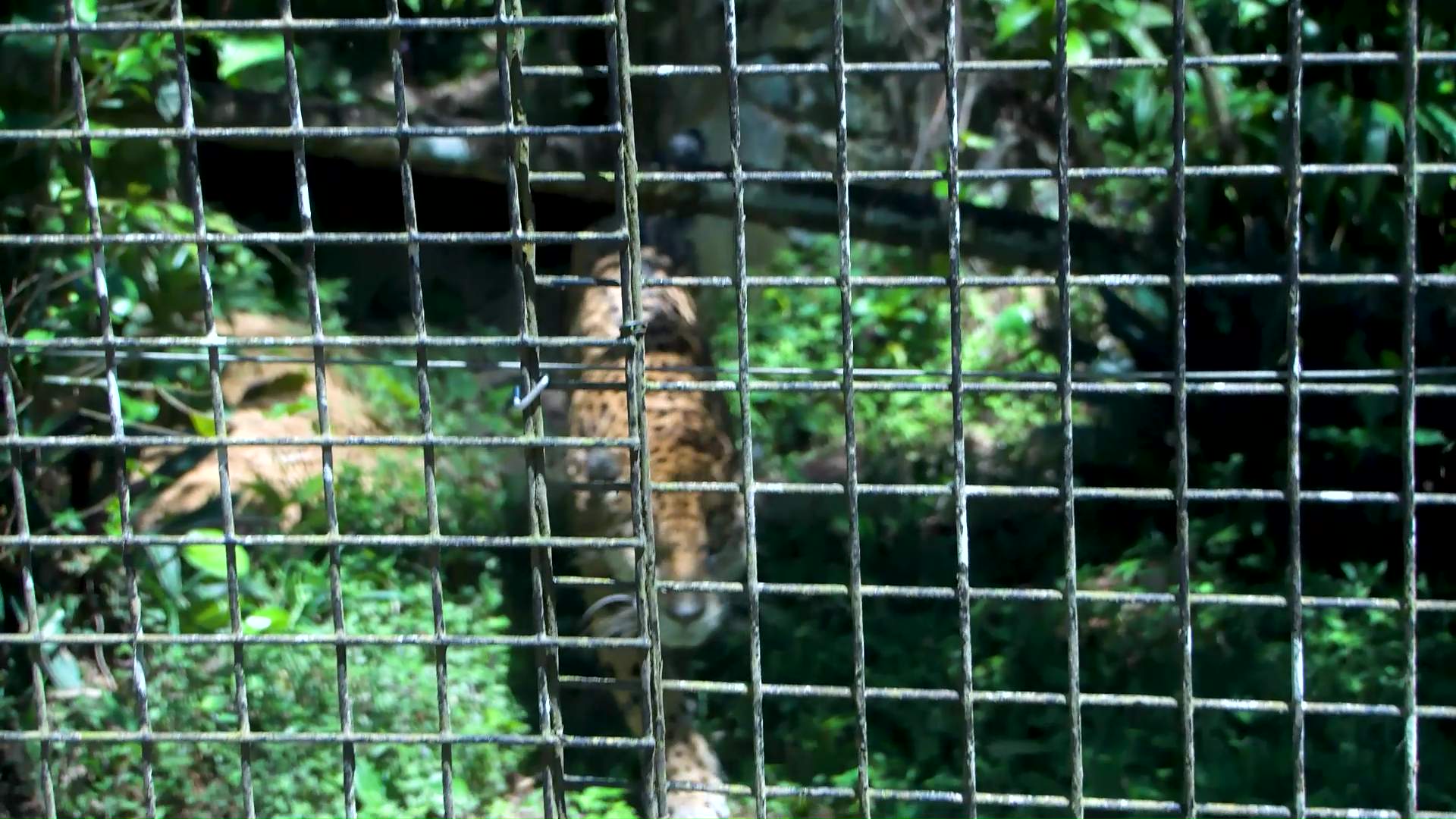
    The remote community of Lemonal finds itself at the center of a recurring wildlife conflict as Anri, a notoriously problematic jaguar, has been captured for the second time. Forest Department officials confirmed the recapture operation following renewed complaints from villagers about livestock predation.

    Acting Chief Forest Officer John Pinelo provided critical context about the animal’s history. “Anri was originally captured in the Hope Creek area, which inspired its name,” Pinelo explained. “We initially relocated and collared the jaguar to monitor its movements in uninhabited territory.”

    The department’s tracking efforts revealed the big cat’s astonishing mobility, with jaguars capable of traveling up to thirty miles daily across their extensive territories. Despite relocation efforts, Anri found its way back to the Lemonal area, prompting renewed community concerns.

    Last week, wildlife authorities implemented a strategic capture operation using baited cages, successfully apprehending the elusive predator. Subsequent veterinary examination uncovered significant health issues: a severe screwworm infestation and a recently broken canine tooth.

    These medical complications present substantial challenges for potential rehabilitation. “All indications suggest that rerelease into the wild would be extremely difficult,” Pinelo stated. The Forest Department now considers permanent institutional placement, likely within a zoo facility, as the most viable alternative for the compromised predator.

    The situation highlights the complex balance between wildlife conservation and community safety in regions where human and animal territories increasingly overlap.

  • No Clear Plan for Belize’s Conflict Jaguars

    No Clear Plan for Belize’s Conflict Jaguars

    A critical breakdown in Belize’s wildlife management system is placing both communities and endangered jaguars at increasing risk. The recent recapture of Anri, a conflict jaguar in Lemonal village, has exposed dangerous gaps in official response protocols after the Belize Zoo suspended its two-decade-old Human-Jaguar Conflict program.

    The absence of coordinated authority leaves rural families vulnerable to livestock predation while conservationists warn of escalating jaguar killings. Residents report confusion over emergency contacts when big cats approach human settlements, creating potentially dangerous standoffs.

    Historical context reveals the severity of the situation: before the zoo’s intervention program began in the early 2000s, Belizeans killed approximately fifty jaguars annually. The program successfully rehabilitated over thirty conflict jaguars through specialized facilities including behavior modification enclosures and a fully equipped animal clinic.

    Notable success stories include Edgar Hill, an eighteen-year-old jaguar relocated from southern Belize in 2013 after preying on pets near homes. Despite losing an eye to glaucoma, he now serves as an educational ambassador. Similarly, Ben—another eighteen-year-old jaguar—was completely rehabilitated after arriving with gunshot wounds and mobility issues.

    The current impasse stems from administrative complications. The Forest Department maintains a memorandum of understanding with Corozal Sustainable Future Initiatives for jaguar capture, but has not renewed its agreement with the Belize Zoo despite their proven expertise.

    Acting Chief Forest Officer John Pinelo acknowledges the challenges: “We cannot think what the animal will do. It is not an exact science and that is why we keep adjusting.” Meanwhile, Belize Zoo Managing Director Dr. Celso Poot emphasizes their significant investments in community outreach and specialized facilities currently sitting idle.

    The situation represents a critical conservation crossroads for Belize’s national animal, with neither wildlife officials nor community members having clear protocols for human-jaguar coexistence.

  • Monkey River Finally Sees Action After Years of Erosion

    Monkey River Finally Sees Action After Years of Erosion

    After decades of watching their shoreline steadily vanish into the Caribbean Sea, the residents of Monkey River Village in southern Belize are witnessing their first significant government-led intervention against catastrophic erosion. The $300,000 emergency shoreline project, initiated on February 9th, represents a critical response to a community that has already lost homes, property, and even parts of its burial ground to advancing waters.

    Prime Minister John Briceño expressed profound personal and governmental urgency regarding the situation, stating, ‘If we do not do anything as a government, this village is going to disappear.’ He described the emotional impact of seeing cemetery plots submerged underwater, acknowledging both anger and despair that previous administrations had failed to act.

    The current strategy employs a natural-materials approach designed for rapid implementation. Initial work involves installing bollards at the river mouth to dissipate wave energy, followed by urgent measures to protect the vulnerable cemetery from further underwater erosion. Contractor Albert Loewen explained the hydrological challenges, noting that sediment buildup has altered the river’s natural flow patterns, complicating stabilization efforts.

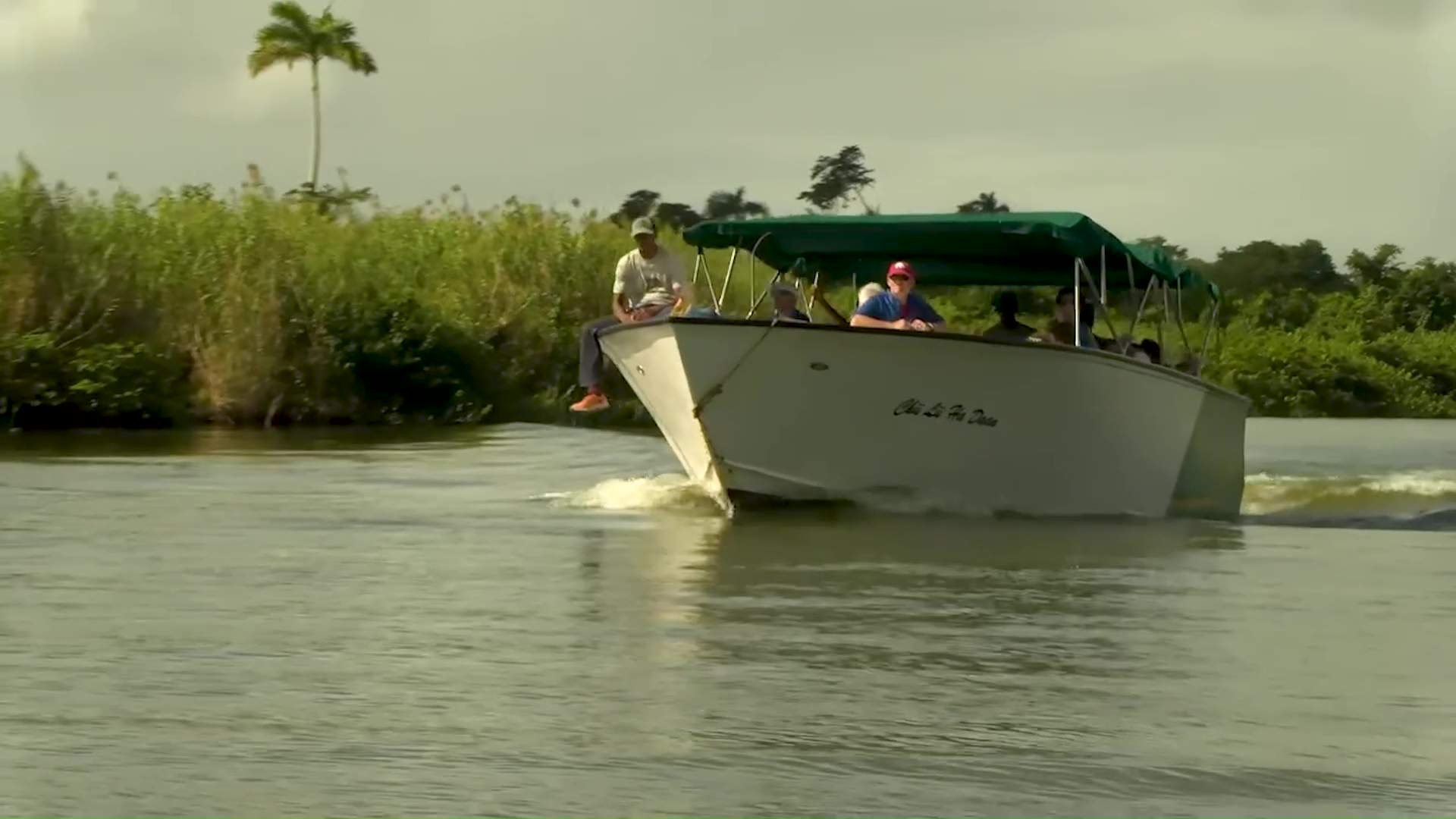
    Beyond the immediate physical threat, the erosion crisis has severely impacted the local economy. Fast-moving tourist boats have exacerbated bank degradation while simultaneously churning the river into mud, crippling the traditional fishing and guiding industries that residents depend on for livelihoods.

    Community leaders like Chairlady Eloydia Cuevas emphasize that the preservation effort transcends environmental concerns, touching on fundamental aspects of culture, economy, and identity. The project represents not just infrastructure work but the preservation of a way of life.

    Government officials frame the intervention as a collaborative model. Valentino Shal, CEO of the Ministry of Rural Development, emphasized that sustainable transformation requires coordinated efforts across multiple ministries and full community participation. The project aims to both reduce immediate danger and establish foundations for a community-led conservation economy that balances ecological protection with economic vitality.

  • WWF Celebrates Builders Who Protect Mangroves

    WWF Celebrates Builders Who Protect Mangroves

    In an innovative approach to coastal preservation, Belizean developers and community leaders are demonstrating that construction and conservation can coexist harmoniously. The World Wildlife Fund (WWF) recently honored these pioneers at their 2025 Mangrove Friendly Development Challenge ceremony, recognizing property owners, resorts, and community organizations that have embraced sustainable building practices.

    Nadia Bood, WWF’s Senior Program Officer, emphasized the critical importance of this paradigm shift, noting that approximately 70% of Belize’s mangrove ecosystems exist on privately held land. This geographical reality places the future of these vital natural defenses squarely in the hands of individual landowners and developers.

    Contrary to conventional development approaches that prioritize clearance and concrete construction, the award-winning projects showcase how integrating mangroves into architectural landscapes creates both aesthetic appeal and functional environmental benefits. Bood highlighted the superior resilience of natural mangrove barriers compared to artificial seawalls, which frequently succumb to cracking or catastrophic failure during severe weather events.

    “These projects prove that landowners don’t face a binary choice between development and conservation,” Bood stated. “By working with nature rather than against it, they’re creating beautiful, functional spaces that simultaneously protect Belize’s coastline and biodiversity.”

    The celebrated initiatives range from luxury eco-resorts that incorporate mangrove waterways into their design to community centers built on stilts that preserve the underlying ecosystem. This growing movement represents a significant advancement in sustainable coastal management, offering a replicable model for other tropical nations facing similar environmental challenges.

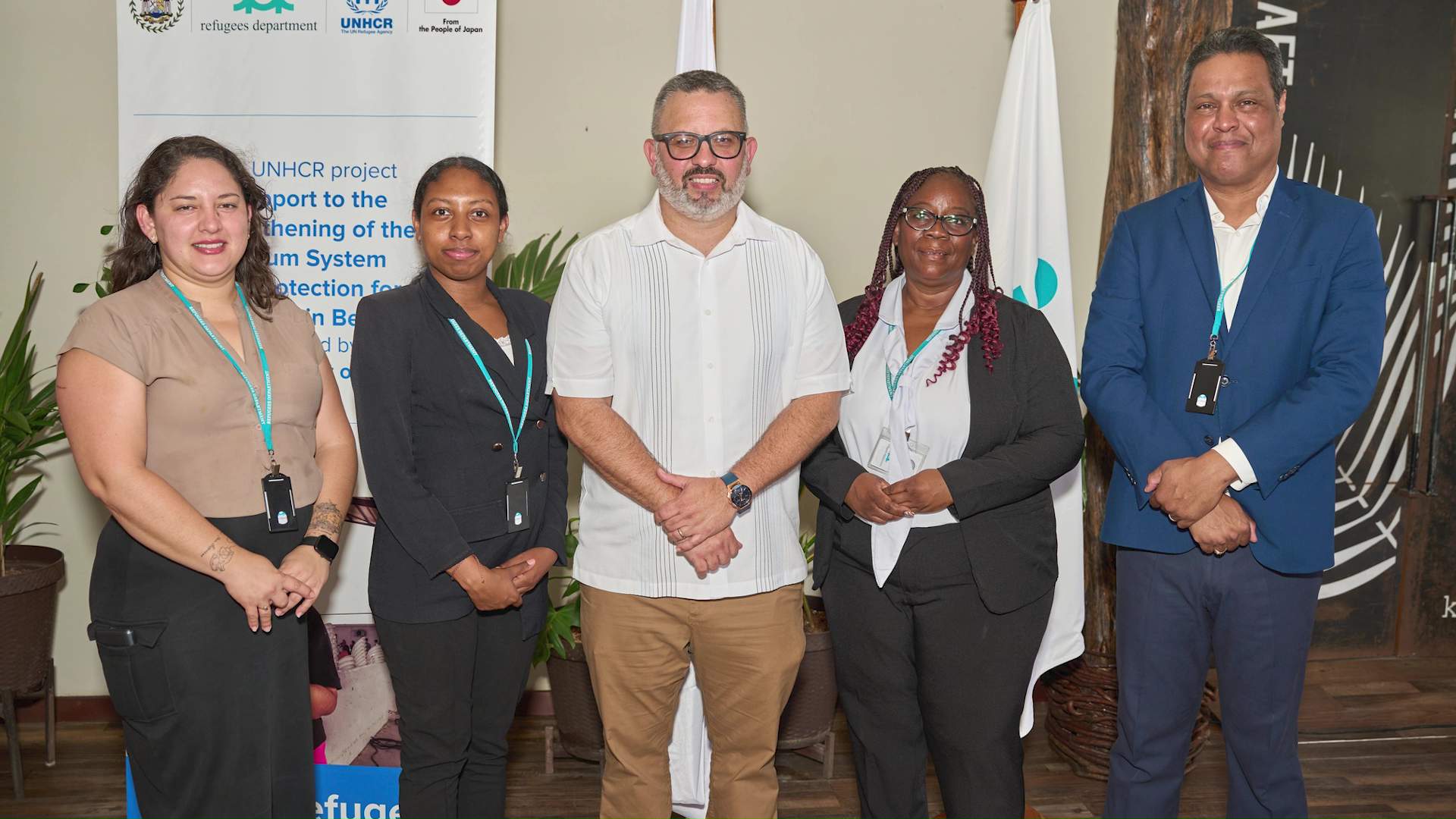
  • Belize, UNHCR, Japan Team Up to Modernize Asylum Services

    Belize, UNHCR, Japan Team Up to Modernize Asylum Services

    In a significant move to enhance refugee protection capabilities, Belize has entered a multilateral partnership with the United Nations High Commissioner for Refugees (UNHCR) and the Japanese government to digitally transform its national asylum services. Announced on March 16, 2026, this collaborative initiative injects over $600,000 in funding from Japan’s foreign aid program to revolutionize administrative procedures for asylum seekers.

    The comprehensive technological upgrade will implement advanced digital platforms to manage the entire asylum case lifecycle—from initial registration through final processing. This modernization effort addresses critical needs for improved data security, accelerated case resolution timelines, and enhanced capacity to respond to increasing global displacement patterns. The digital transformation represents Belize’s commitment to international protection standards while optimizing resource allocation during periods of heightened migration pressure.

    This tripartite cooperation demonstrates how middle-income nations can leverage international partnerships to build more resilient humanitarian infrastructure. The project aligns with UNHCR’s global strategy to promote digital identity solutions and efficient case management systems in host countries worldwide. Japanese Ambassador Hiroshi Watanabe emphasized that the investment reflects Japan’s ongoing commitment to supporting sustainable development and human security initiatives across Latin America and the Caribbean region.

    The technological implementation will include biometric data collection, cloud-based case tracking, and secure digital archiving systems that maintain strict confidentiality protocols while improving interoperability with international refugee databases. Belizean immigration officials will receive specialized training to operate the new systems effectively, ensuring both technical proficiency and adherence to international refugee law standards.