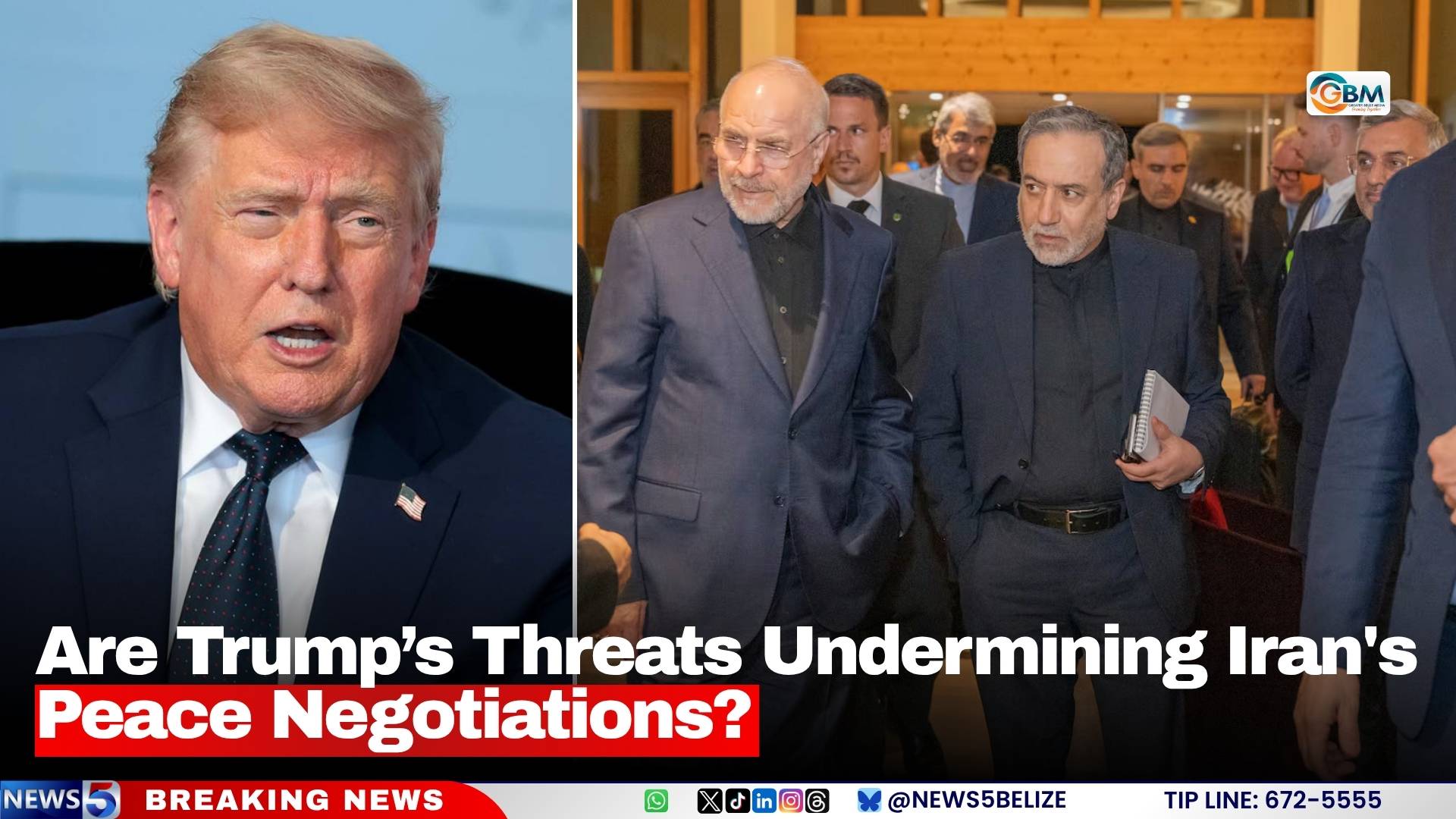
In a high-stakes round of bilateral negotiations held in Switzerland that wrapped up on June 22, 2026, the United States and Iran have reached a tentative breakthrough: a shared roadmap to finalize a comprehensive peace agreement within the next 60 days. But the 18-hour marathon talks were far from smooth, as aggressive public comments from former president Donald Trump injected sharp tension into the process, with Tehran threatening to abandon negotiations entirely if such threats continue.
The drama unfolded after Trump took to his social media platform Truth Social to issue a stark warning to Iran, claiming the U.S. would strike the country “very hard” unless it halted its support for armed proxies operating in Lebanon. In a subsequent interview with Fox News, Trump doubled down on his bellicose language, saying he would “blow the hell out of Iran” if the country moved to shut down the Strait of Hormuz, the critical global oil chokepoint that carries nearly a fifth of the world’s daily oil consumption.
Iran’s Foreign Ministry responded quickly to the remarks, issuing a clear caution that ongoing direct negotiations would be terminated immediately if Washington continued to issue such threats. The standoff put the U.S. negotiating delegation, led by Vice President JD Vance, in the position of having to defend Trump’s comments. Vance pushed back against criticism, framing Trump’s words as a proportional response to what he described as inflammatory “trash talk” coming from Iranian officials.
Despite the public flare-up, Vance emphasized that the talks delivered tangible, meaningful progress toward a final agreement. “We laid a very good foundation for a successful final deal… We haven’t built the house, but we’ve laid a successful foundation,” Vance told reporters following the conclusion of negotiations.
The talks centered on four core priority issues that have defined U.S.-Iran tensions for decades: Iran’s controversial nuclear program, the rolling back of crippling U.S. economic sanctions, regional security cooperation, and a path to end the ongoing armed conflict in Lebanon. Beyond the broad 60-day roadmap, negotiators announced multiple concrete outcomes from the round of talks. Most notably, both sides agreed to establish a new High-Level Committee tasked with overseeing the ongoing negotiation process and guiding lower-level technical discussions over the next two months. They also agreed to set up dedicated direct communication channels designed to prevent miscommunication and ensure the continuous, unobstructed operation of the Strait of Hormuz. Additionally, Iranian negotiators reportedly committed to allowing International Atomic Energy Agency (IAEA) inspectors to return to the country to resume monitoring of Iran’s nuclear activities, a key long-standing demand from the international community.
The fragile progress comes amid continued uncertainty over the impact of Trump’s repeated public threats on the negotiation timeline. Analysts have cautioned that external inflammatory rhetoric could erode the limited trust built between the two delegations, potentially derailing the most ambitious diplomatic effort between Washington and Tehran in years.