标签: Belize

伯利兹

  • Economist Calls for CARICOM Unity on US Surcharge Move

    Economist Calls for CARICOM Unity on US Surcharge Move

    As the United States gears up to implement a 10 percent import surcharge via World Trade Organization (WTO) channels, a prominent Belizean economist is sounding the alarm over the disproportionate harm this measure could inflict on small, trade-dependent economies across the Caribbean, calling for coordinated collective action from the Caribbean Community (CARICOM) bloc.

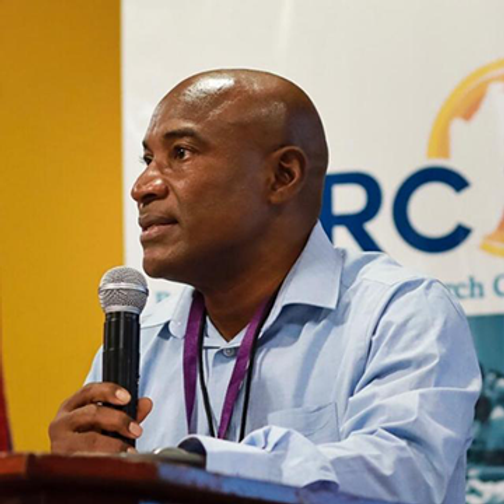
    Dr. Phillip Castillo, a local economic expert, has pushed back against the core justification the US has offered for the new tariff: addressing persistent balance-of-payments deficits. Castillo argues that this rationale falls apart when considering the unparalleled global dominance of the US dollar, which puts Washington in a unique position to avoid the kinds of balance-of-payment crises that plague smaller nations. In an exclusive interview with The Reporter, he broke down the specific risks for Belize, noting that the Central American nation already runs a substantial trade deficit with the United States — importing far more American goods than it is able to export to the large North American market.

    For Belize, whose export volume to the US is already limited, the new 10 percent surcharge would act as yet another prohibitive trade barrier, further squeezing domestic producers’ access to American consumers and worsening the country’s already lopsided trade balance. Beyond the immediate impact on Belize, Castillo emphasizes that the moment underscores a long-running need for stronger regional coordination among CARICOM member states. Small individual Caribbean nations lack the economic clout to negotiate effectively with major global powers like the United States, but a unified CARICOM bloc would carry far more leverage to push back against harmful trade measures, he explained.

    Castillo also questioned the broader credibility of the US’s decision to seek WTO approval for the surcharge, pointing out that Washington has a recent history of imposing unilateral tariffs on dozens of countries without going through the WTO’s multilateral dispute and approval process. The current formal application to the global trade body, he suggested, looks less like a commitment to multilateral process and more like an attempt to retroactively grant international legitimacy to a trade policy that fits a pattern of unilateral American action.

    The US formally notified the WTO of its plan to impose the 10 percent surcharge earlier this year, invoking Section 122 of the 1974 US Trade Act to back its claim that the measure is necessary to correct balance-of-payments imbalances. WTO members are scheduled to begin formal consultations with Washington on the proposal in the coming weeks, a process Castillo says is not without opportunity for small economies. Even with the odds stacked against them, the multilateral consultation process creates a formal space for smaller nations to collectively air their opposition and potentially shift American trade policy before the surcharge is implemented, he noted.

    Still, Castillo warned that if the US moves forward with the measure despite global pushback, the global trading system will face deeper disruptions, with the worst fallout falling on vulnerable small economies like Belize that lack the economic size and diversification to absorb external trade shocks. The proposed surcharge comes at a particularly fragile moment for the global economy, which is already grappling with skyrocketing oil prices tied to escalating geopolitical tensions between the US, Israel and Iran, as well as lingering unresolved tariff disputes and persistent supply chain disruptions that have left global growth already teetering.

  • Church Leaders Push Removal of Belmopan Billboard

    Church Leaders Push Removal of Belmopan Billboard

    A heated public debate has broken out in Belmopan, Belize, after a prominent alcohol advertisement placed at one of the capital’s busiest intersections drew fierce backlash from church leaders and local residents, who argue the ad objectifies women and exacerbates existing public health and safety crises tied to substance abuse in the country.

    The center of the controversy is a large outdoor billboard located near Belmopan’s main traffic light, a high-traffic spot visited daily by hundreds of commuters and family groups. The advertisement features well-known Trinidadian musician Nailah Blackman holding an alcoholic beverage, and has split public opinion across religious, business and digital communities, touching on sensitive questions of public decency, advertising regulation, and the bounds of free expression.

    Leading the charge for the billboard’s immediate removal is Pastor Louis Wade, a Church Senator and owner of local media outlet PLUS TV Belize. One of the most vocal critics of the ad, Wade argues that the content crosses lines of accepted community standards and public morality, creating a clear justification for intervention by national political leaders and Belmopan’s municipal government.

    Wade contends that the ad further normalizes the sexualization of women in public spaces, and accused the brand behind the campaign of predatory, aggressive alcohol marketing that also normalizes harmful alcohol and marijuana culture. He went a step further, connecting the problematic imagery to the nation’s broader, long-running social challenges, including high rates of domestic violence, sexual abuse and assault, and widespread alcohol dependency.

    “Belize already fights an uphill battle against social harms stemming from substance abuse,” Wade explained, noting that the billboard’s prominent location, visible to every person entering and moving through the capital, makes its presence particularly inappropriate. He added that the ad offends the core values and sensibilities of what he called “respectable Belizeans.”

    The first public objection to the advertisement was actually raised by another faith leader, Pastor Adam Klausing, who shared his concerns in a viral social media post that amassed tens of thousands of interactions and brought the controversy to national attention. In his post, Klausing questioned whether the imagery was appropriate for the main public entryway to Belize’s capital city, especially given that the area is regularly used by families with children.

  • Ministry of Health and Wellness Receives ICT Equipment to Strengthen Maternal and Child Health Services

    Ministry of Health and Wellness Receives ICT Equipment to Strengthen Maternal and Child Health Services

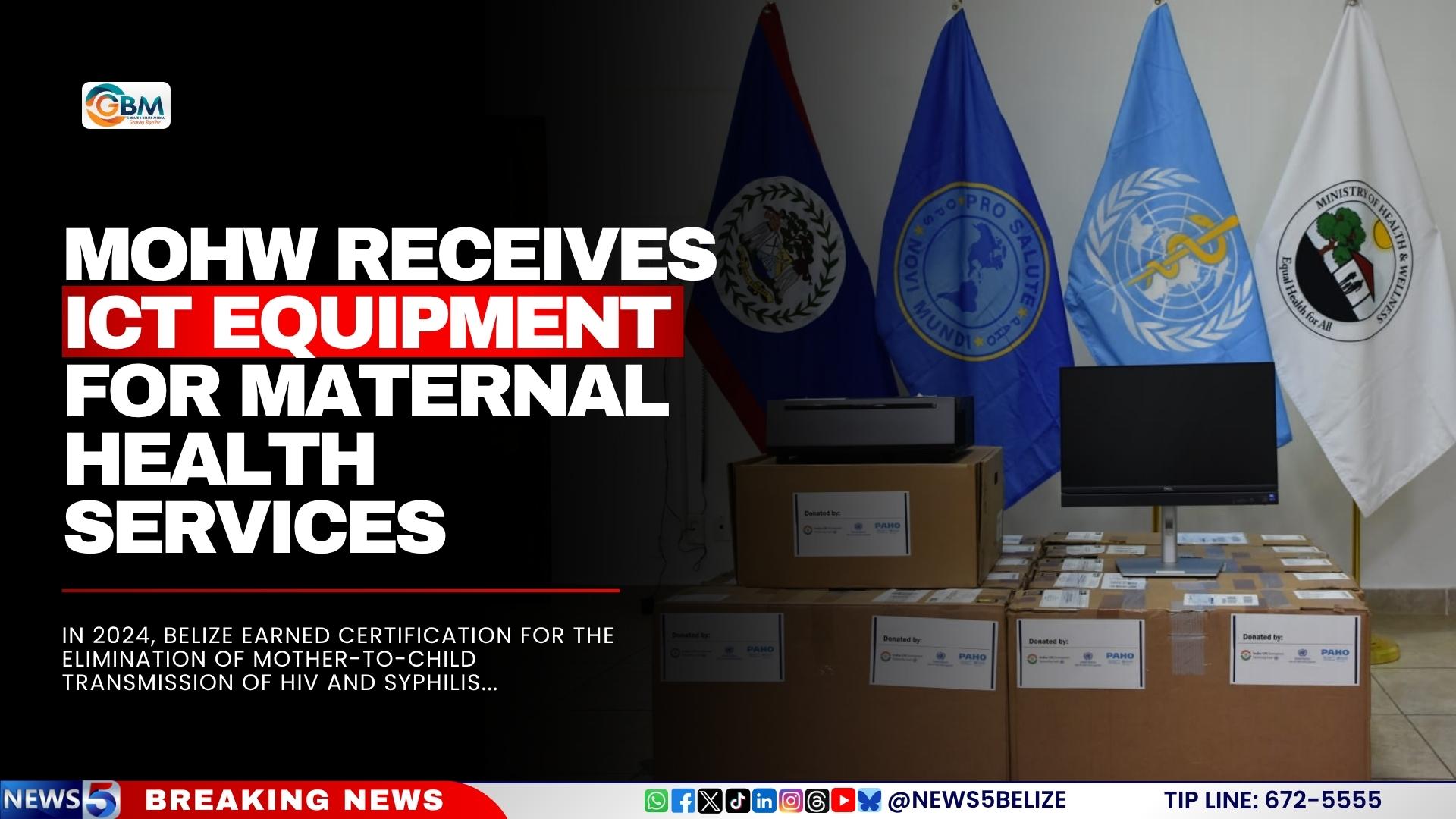
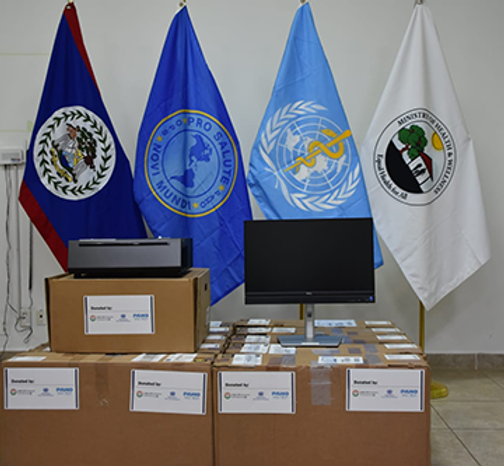
    Belize’s Ministry of Health and Wellness has taken a key step forward in upgrading its national maternal and child health systems, after receiving a donation of critical information and communications technology (ICT) infrastructure through a multi-partner international development project. The handover, held as part of the initiative ‘Strengthening the EMTCT Strategy with Maternal and Child Health Services,’ included 10 fully integrated all-in-one desktop computers and a high-resolution video projector, tools designed to address longstanding gaps in digital health capacity across the country’s public health network.

    The project draws financial support from the India-UN Development Partnership Fund, administered through the United Nations Office for South-South Cooperation, with on-the-ground implementation led by the Pan American Health Organization/World Health Organization (PAHO/WHO). This collaborative effort aligns with broader global goals to expand equitable access to quality healthcare in low- and middle-income nations, leveraging South-South cooperation to share resources and expertise between developing economies.

    PAHO officials outlined that the new ICT equipment will transform core public health functions in Belize, from streamlining patient data management and strengthening infectious disease surveillance to improving laboratory workflow coordination and enhancing cross-team communication among frontline healthcare workers. These upgrades are expected to cut down administrative delays, reduce diagnostic wait times, and enable faster, more responsive care for expectant mothers and children across every region of the country.

    Beyond general health service improvements, the initiative directly supports regional and national efforts to eliminate the vertical (mother-to-child) transmission of four high-burden infectious diseases: HIV, syphilis, hepatitis B, and Chagas disease across the Caribbean. For Belize specifically, the donation will allow public health authorities to build on existing progress made in preventing mother-to-child transmission of these conditions, while strengthening the overall capacity of the country’s national public health system.

    During the official handover ceremony, stakeholders from Belize’s government, PAHO/WHO, and UN bodies emphasized that cross-sector, international partnerships remain the cornerstone of advancing public health outcomes for vulnerable populations. The event highlighted how targeted investment in digital health infrastructure can create lasting, systemic improvements that protect the health of mothers and children, who are among the most at-risk groups in any national healthcare system.

  • Belize Moves Early to Help Farmers Ahead of Drought

    Belize Moves Early to Help Farmers Ahead of Drought

    As climate forecasts point to a heightened risk of severe drought later this year, the government of Belize has moved ahead of the curve to activate a comprehensive support plan for agricultural producers across the country’s most vulnerable regions.

    Developed over nearly two years of collaborative work between the Belizean Ministry of Agriculture, Food Security and New Growth Industries, the National Meteorological Service, and the United Nations World Food Programme (WFP), the initiative introduces a first-of-its-kind Anticipatory Action system for the country. The framework was greenlit after long-range weather projections confirmed a high probability of below-average rainfall across Belize in the coming months.

    The core of the program delivers advance cash assistance to smallholder and commercial farmers operating in Orange Walk, Corozal, and Cayo — the three regions identified as facing the greatest drought risk. With this flexible funding, producers can invest upfront in drought adaptation tools: reinforced water storage infrastructure, climate-resilient seed varieties, and expanded irrigation equipment that will help them preserve crops through extended dry periods. Government officials emphasize that this pre-emptive investment is designed to lock in crop protection and cut avoidable production losses before drought conditions even set in.

    The proactive approach comes as climate scientists warn that El Niño conditions, which typically bring drier-than-average weather to much of Central America, are on track to develop by July. Northern and western Belize, the regions that host the bulk of the country’s small-scale agricultural operations, are particularly exposed, as most local farming systems rely entirely on natural rainfall rather than established irrigation networks.

    For WFP Representative Brian Bogart, the shift from post-disaster response to pre-emptive action marks a critical evolution in climate risk management. “Acting before a crisis hits doesn’t just protect farmers’ harvests — it safeguards their livelihoods and cuts the long-term public cost of emergency disaster response,” Bogart explained. “When farmers are able to keep their crops healthy and their incomes stable, entire communities avoid the cascading impacts of drought that can last for years after dry conditions end.”

    In recent years, Belize has seen a steady increase in the frequency and intensity of extreme climate events including prolonged droughts, a trend that has placed growing economic pressure on the agricultural sector — one of the country’s largest employers and export earners. Belizean authorities frame the new Anticipatory Action system as a foundational step toward more proactive climate planning, designed to build long-term resilience for the rural communities that are most vulnerable to shifting weather patterns.

    The entire initiative has been made possible through financial and technical support from a coalition of international development partners, including the governments of Canada, Ireland, and the United States, along with the European Union. This international backing has allowed Belize to build out the data infrastructure and delivery systems needed to turn early climate warnings into tangible action for at-risk producers.

    As the country prepares for the potential dry spell, officials stress that this pre-emptive model sets a new standard for climate adaptation across small island and developing states. By acting early, Belize aims not only to reduce immediate drought damage and protect rural livelihoods, but also to strengthen the nation’s overall capacity to face growing climate challenges in the decades ahead.

  • Meet Gabi: The World’s First Robot Buddhist Monk

    Meet Gabi: The World’s First Robot Buddhist Monk

    In a groundbreaking intersection of artificial intelligence and religious tradition, a 4-foot-3-inch humanoid robot named Gabi has made global history as the world’s first machine to be formally ordained as a Buddhist monk. The unprecedented ordination ceremony took place Wednesday at Jogye Temple, located in the heart of Seoul, South Korea, just two weeks ahead of the widely celebrated Buddha’s Birthday on May 24.

    Dressed meticulously for the sacred occasion, Gabi was outfitted in traditional ceremonial grey and brown monastic robes, adorned with a wooden beaded rosary, and fitted with flesh-colored gloves to honor the solemnity of the ritual. When the key moment of the ordination arrived, the robot executed pre-programmed sacred gestures flawlessly: it folded its mechanical limbs into the traditional prayer position, performed a respectful bow to the senior monks officiating the service, and recited its monastic vows aloud before the gathered congregation.

    Witnesses to the event shared that when a leading monk posed the core ordination question — “Will you devote yourself to the holy Buddha?” — Gabi responded immediately and clearly, stating without hesitation, “Yes, I will devote myself.” Following the formal completion of the vows, Gabi was officially welcomed into the monastic community of Jogye Temple.

    Moving forward, the newly ordained robotic monk will take on ceremonial responsibilities during the upcoming Buddha’s Birthday festivities. Organizers confirmed that Gabi will lead community chanting processions and serve in an honorary monastic role throughout the multi-day celebration. The historic milestone has sparked widespread conversation about the evolving role of technology in religious and cultural spaces, as faith communities around the world explore how digital innovation can be integrated into traditional spiritual practices.

  • Belize Completes WTO Trade Review in Geneva

    Belize Completes WTO Trade Review in Geneva

    GENEVA, May 7 — The small Central American nation of Belize has formally concluded its fourth Trade Policy Review at the World Trade Organization’s Geneva headquarters, wrapping up two days of multilateral discussions that highlighted the country’s post-crisis progress and ongoing reform goals.

    The periodic review, a core WTO mechanism designed to examine member states’ trade frameworks, assessed every dimension of Belize’s current trade strategy, from regulatory overhauls to targeted initiatives aimed at driving inclusive economic expansion and drawing foreign direct investment. Throughout the review process, fellow WTO member nations delivered widespread positive feedback for Belize’s remarkable economic resilience in the wake of two major disruptive events: the global COVID-19 pandemic and Hurricane Lisa, a powerful storm that caused widespread infrastructural and economic damage across the country in 2022. Despite the overlapping shocks, members noted that Belize has maintained consistent gross domestic product growth and stayed on track with its long-term development agenda.

    Much of the praise centered on Belize’s active push to modernize its national trade ecosystem through a series of business-friendly regulatory reforms. A key flagship initiative highlighted during the review is the ongoing development of a unified Trade and Investment Electronic Single Window, a digital platform that will consolidate all cross-border trade documentation and approval processes into a single online portal. Once fully operational, the system is projected to cut down processing times for imports and exports significantly, reduce administrative overhead for domestic and international businesses operating in Belize, and improve the country’s competitiveness in global markets.

    WTO members also highlighted Belize’s forward-looking work to build out emerging high-growth economic sectors, specifically its digital economy and sustainable blue economy focused on ocean-related industries. The country’s groundbreaking Blue Bond initiative, which mobilizes private and public capital for marine conservation and sustainable coastal development, was singled out as a model for small island developing states. Members also recognized inclusive digital skills programs that have already trained more than 1,000 Belizean women, expanding economic participation and closing gender gaps in the growing tech sector.

    The review also included constructive discussions around areas for further improvement. WTO members encouraged Belize to address backlogs in required technical trade reporting and continue investing in capacity building for its national trade institutions to strengthen regulatory implementation. In response, Belize’s delegation openly acknowledged existing delays and reaffirmed the government’s unwavering commitment to boosting policy transparency, aligning its regulatory framework with international standards, and fully meeting all of its obligations as a WTO member.

    For Belize, a country heavily reliant on tourism, agricultural exports, and cross-border trade, the outcome of the fourth review paves the way for continued reform that can support sustained, inclusive growth in the coming years.

  • MoHW Receives ICT Equipment for Maternal Health Services

    MoHW Receives ICT Equipment for Maternal Health Services

    On May 7, 2026, Belize’s Ministry of Health and Wellness took delivery of a new suite of information and communication technology (ICT) equipment, delivered to upgrade maternal and child health services across the small Caribbean nation. This donation is a core component of a regional public health initiative titled “Strengthening the EMTCT Strategy within Maternal and Child Health Services”, which targets the complete elimination of mother-to-child transmission (EMTCT) of four major infectious diseases: HIV, syphilis, hepatitis B, and Chagas disease across the Caribbean region.

    As part of the multinational project, Belize received 10 desktop computers and one high-resolution video projector. These tools are designed to upgrade three critical pillars of the country’s public health system: data management, cross-agency disease surveillance, and laboratory coordination. Local health authorities emphasize that the new infrastructure will directly empower frontline healthcare workers, enabling them to deliver more efficient, time-sensitive care to expecting mothers and newborn children across the country.

    The cross-regional initiative is financed through the India-UN Development Partnership Fund, managed by the United Nations Office for South-South Cooperation, with on-the-ground implementation led by the Pan American Health Organization (PAHO), which also serves as the WHO’s regional office for the Americas.

    Belize has already established itself as a regional leader in EMTCT efforts. In 2024, the country earned official international certification for eliminating mother-to-child transmission of both HIV and syphilis, joining neighboring Caribbean nations Jamaica and St. Vincent and the Grenadines in achieving this landmark public health milestone.

    The broader project supports 15 Caribbean countries overall, with three core priorities: strengthening national leadership for maternal and child health, upgrading laboratory diagnostic capacity, and enhancing regional disease surveillance networks. PAHO officials note that reliable diagnostic testing and robust, interconnected health information systems are non-negotiable prerequisites to hitting collective elimination targets across the region.

    This investment comes as public health experts across the Americas raise growing concerns over a sustained rise in congenital syphilis cases. PAHO data confirms that reported cases rose sharply between 2016 and 2022, underscoring the urgent need for expanded monitoring and prevention infrastructure across the region.

    For Belize, the new ICT equipment will enable real-time data collection and continuous monitoring of maternal health outcomes, allowing the country to maintain its hard-won progress in EMTCT elimination. It will also set a regional benchmark for other Caribbean nations working toward their own official EMTCT certification. Looking ahead, PAHO’s broader 2030 agenda for the Americas aims to eliminate more than 30 communicable diseases and their related public health conditions across the region by the end of the decade.

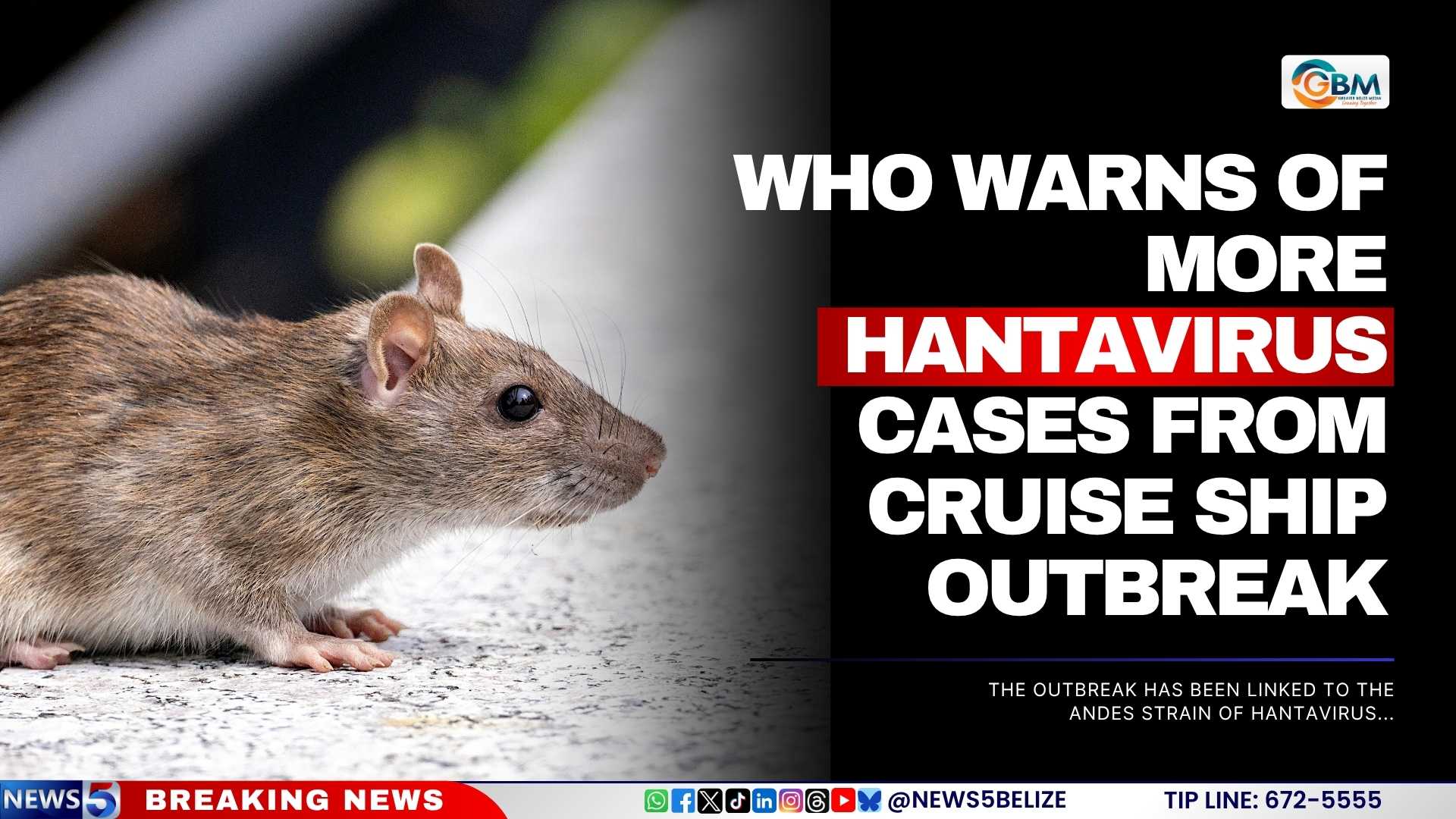
  • WHO Warns of More Hantavirus Cases From Cruise Ship Outbreak

    WHO Warns of More Hantavirus Cases From Cruise Ship Outbreak

    Three fatalities have been recorded and dozens of nations have activated public health protocols following a hantavirus outbreak linked to the expedition cruise vessel MV Hondius, prompting the World Health Organization (WHO) to warn of additional confirmed cases in the coming days. The incident, which has drawn unwelcome comparisons to the uncoordinated early spread of the COVID-19 pandemic, unfolded after passengers disembarked the ship before health officials detected the outbreak, allowing potentially exposed travelers to disperse across the globe.

    As of May 7, 2026, three people – a Dutch couple and one German national – have died from the virus, after the ship embarked on its voyage from Argentina last month. On Thursday, the WHO officially confirmed five active hantavirus cases, with a formal advisory forecasting more diagnoses as contact tracing efforts expand. In a balancing move to avoid widespread public panic, global health leaders have stressed that the current risk profile differs sharply from the COVID-19 pandemic.
    The WHO emphasized that there is currently no evidence of sustained, human-to-human widespread transmission, and the agency does not expect the outbreak to escalate into a large-scale global epidemic. “We are working with relevant countries to support international contact tracing, to ensure that those potentially exposed are monitored and that any further disease spread is limited,” a WHO spokesperson said in a statement.

    Genetic sequencing has linked the outbreak to the Andes strain of hantavirus, a pathogen that is far less transmissible between people than SARS-CoV-2, the virus that causes COVID-19. Investigators currently believe the initial infections did not originate on the cruise ship itself. Instead, they trace the first exposure to an off-vessel bird-watching excursion that took passengers through wetlands and natural areas across Argentina, Chile, and Uruguay – regions home to rodent populations known to carry the Andes hantavirus strain.

    At present, potentially exposed and monitored passengers are spread across 26 countries, with major concentrations found in the Netherlands, South Africa, Switzerland, the United Kingdom, the United States, and Singapore. Of the original passenger complement, 146 people remain on board the MV Hondius, which is scheduled to dock in Tenerife, Spain this Sunday. Once the vessel clears port health inspections, the remaining passengers will be repatriated to their home countries via chartered flights.

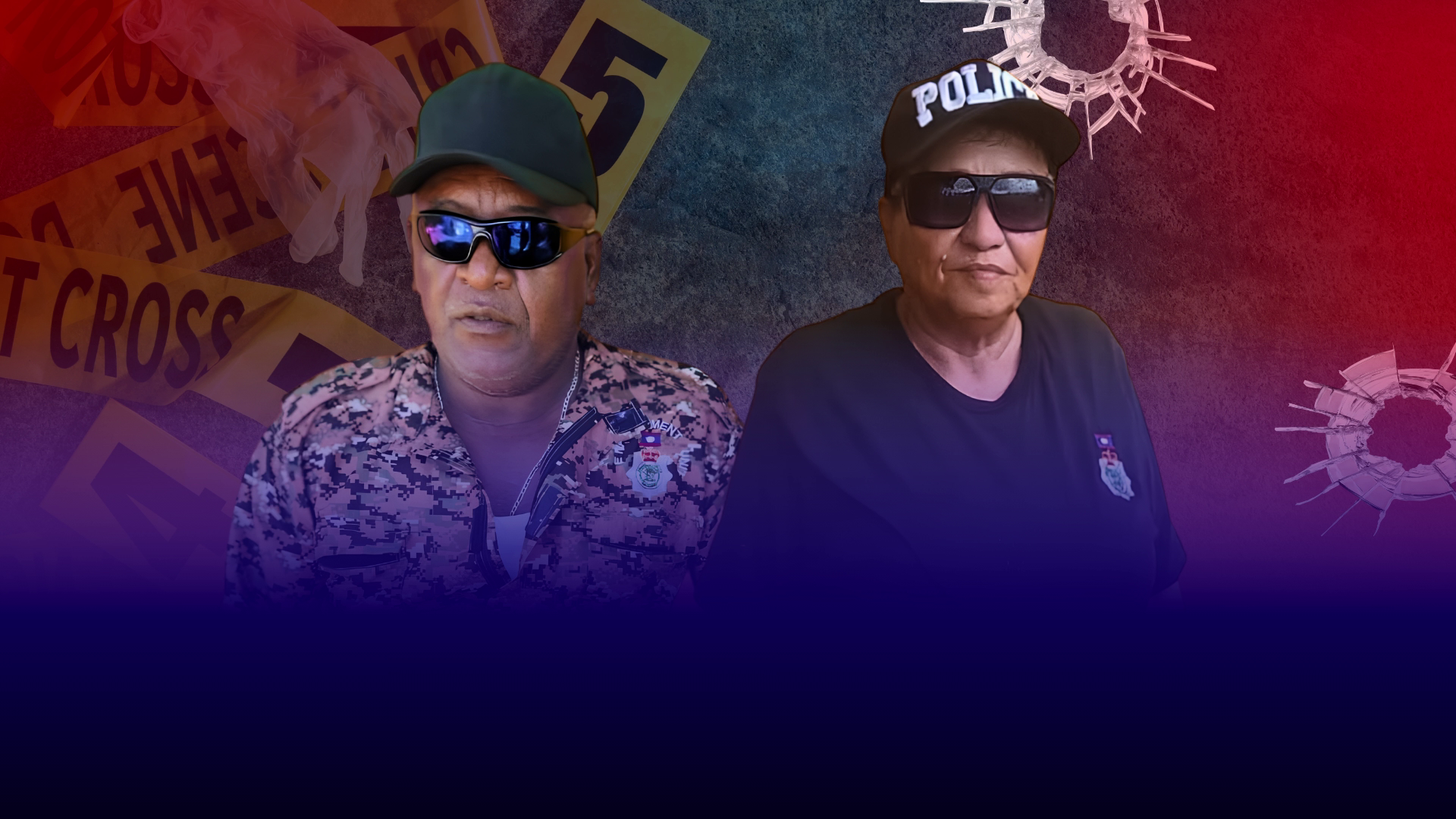
  • Who Targeted Two Special Constables in Deadly San Ignacio Shooting?

    Who Targeted Two Special Constables in Deadly San Ignacio Shooting?

    On the morning of May 6, 2026, a brazen, premeditated attack shattered the quiet of San Ignacio, a town in Belize’s Cayo District, leaving two veteran special constables dead and sending shockwaves through the close-knit local community. Law enforcement officials have confirmed that officers Manuel Smith and Fidencia Osgaya were ambushed and killed in an execution-style killing shortly after sunrise, as they headed home following an overnight 12-hour shift patrolling the San Ignacio and Santa Elena Market.

    According to Kenroy White, the pair’s direct supervisor who returned to work from vacation just that day, the officers were let off their shift a few minutes earlier than usual to accommodate a pre-planned town board retreat and the San Ignacio-Santa Elena municipal council’s annual sports day, an event employees had been anticipating for weeks. White explained that unlike their usual routine – which ended with casual coffee, lighthearted jokes, and check-ins with local vendors before heading home – the pair rushed straight to their vehicle to leave, with Osgaya only pausing briefly to hand over her shift key before departing.

    Just a few hundred yards from the market, near Faith Nazarene Primary School and close to San Ignacio’s town hall, the attack unfolded. Assistant Superintendent Stacy Smith, a staff officer with the local police force, told reporters that security footage collected from the area confirms the two officers were followed by two suspects riding a motorcycle. When Smith, who was driving, pulled onto Hospital Street, one of the suspects pulled out a firearm and opened fire, striking both officers multiple times. Smith lost control of the vehicle immediately after being hit, causing the car to roll backward down the adjacent hill before crashing into the entrance gate of a nearby property.

    The tragedy has left the tight community reeling. The doors of the San Ignacio-Santa Elena town hall are now draped with a black mourning wreath, and Mayor Earl Trapp canceled the planned sports day and sent all municipal employees home for the day, overwhelmed by the collective grief.

    Mayor Trapp, who counted Smith as a close personal friend of more than 30 years, remembered Smith as a beloved community figure and passionate football enthusiast who served as a father figure and mentor to countless local young people. Osgaya, who leaves behind three children, had served the Cayo District community for more than five years and was honored as Cayo’s Woman of the Year in 2016. Speaking through overwhelming grief, Beatrice Rowland, Osgaya’s daughter, described her mother as a loving, hardworking, and caring person who made friends with everyone she met. White, who worked closely with the pair, shared that he is still unable to process the sudden loss, saying the sight of their usual market post continues to leave him heartbroken and unable to focus on his work.

    Local law enforcement has launched a full investigation into the attack, working to identify the perpetrators and determine why the two officers were specifically targeted. Members of the San Ignacio community are organizing a candlelight vigil to honor Smith and Osgaya, scheduled for Thursday evening near the Macal River, and the town council is cooperating fully with police to help secure justice for the officers’ families and the community they served.

  • Baptist’s SUV Gunned Down, Investigators Suspect Internal Dispute

    Baptist’s SUV Gunned Down, Investigators Suspect Internal Dispute

    A brazen targeted shooting along Belize’s Philip Goldson Highway has left two local men hospitalized, with law enforcement officials linking the attack to an internal community dispute and successfully preventing an immediate follow-up act of retaliation, according to official police statements released this week.

    The incident unfolded on the afternoon of May 5, 2026, when 37-year-old Hubert Baptist and 24-year-old Eric Frazer, both residents of Belize City, were traveling from Ladyville toward Belize City in their Nissan Rogue SUV. As the pair crossed the bridge near the 4.5-mile marker, they were confronted by multiple individuals riding in a gray Chevrolet Equinox. One of the passengers in the Equinox opened fire on Baptist and Frazer’s vehicle, unleashing a barrage of gunshots that forced the SUV to flip off the roadway.

    First responders and police were alerted to the shooting at approximately 3:20 p.m., and officers arriving at the scene found the damaged Nissan Rogue off the main road, its body riddled with clear bullet holes. Both Baptist and Frazer were pulled from the wreckage and rushed to a local hospital for treatment. Authorities confirmed Wednesday that the two men are fortunate to have survived the attack, and both are currently listed in stable condition.

    Unlike random highway violence that occasionally plagues regional routes, lead investigating officer Assistant Superintendent of Police Stacy Smith confirmed in an official briefing that early evidence points to a pre-planned attack tied to internal tensions. “From the information we have so far, it is connected to some internal rift in that area, being the area known as Backa-Land,” Smith stated in a briefing that aired on local evening television, the transcript of which forms the basis of this report.

    Investigators are currently working through obtained security video footage from the area surrounding the shooting, which Smith says has already helped clarify potential suspects and the sequence of events leading up to the attack. Police have not yet announced any arrests in connection with the May 5 shooting, and the active investigation remains ongoing.

    In a notable development that came less than 24 hours after the initial shooting, authorities confirmed they have already disrupted planned follow-up violence. Smith told reporters that Belize police moved quickly to intercept a vehicle Wednesday night that was linked to a planned retaliatory attack tied to the shooting, successfully stopping further bloodshed before it could begin.

    Beyond immediate law enforcement operations to prevent escalating violence, the Belize Police Department has partnered with local social organizations and the Leadership Intervention Unit to address the root of community tensions in Backa-Land. Smith emphasized that sustaining public safety requires more than just police action, noting that collective responsibility across the community is critical to reducing cycles of retaliatory violence.

    “What I will say is that we have met as a department and we have strategized how we can enhance what is on the ground. Our operations have yielded some success,” Smith said. “The department and the government’s response to incidents of such is not solely police related in terms of operations. It is also intervention related. And certainly, the Leadership Intervention Union and other social partners are being engaged to see how we can address this situation from a double partnership response. But as I continue to emphasize that citizen security is not only from a policing standpoint. It takes everybody to play a role.”