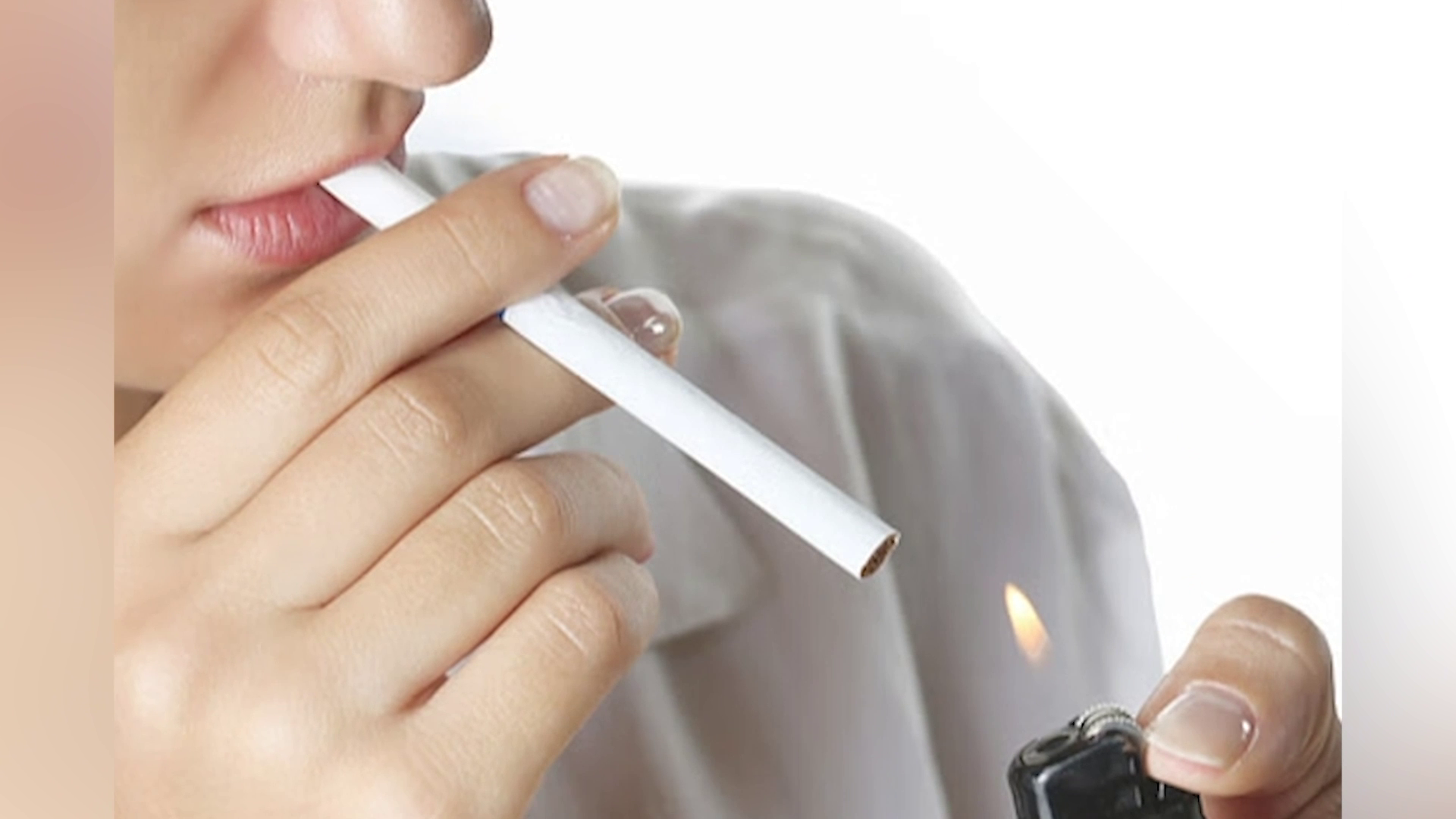
By 2026, Belize is moving forward with landmark public health legislation that could reshape how tobacco is used across the country’s public spaces, bringing in sweeping new protections for non-smokers against the dangers of secondhand smoke. The ambitious Tobacco Control Bill, which received its first debate in Belize’s House of Representatives on August 1, is aimed at safeguarding both current and future generations from the well-documented health risks linked to tobacco consumption and passive smoke exposure.
According to Health and Wellness Minister Kevin Bernard, the proposed policy rests on three core evidence-based pillars that align with global gold-standard public health practices. First, the bill seeks to create 100% smoke-free environments across all public spaces. Second, it enforces a total ban on all forms of tobacco advertising, promotion and industry sponsorship of public events. Third, it requires that tobacco product packaging carry clear, truthful warnings that fully disclose the life-threatening health hazards of tobacco use. Bernard emphasized that these measures are not untested innovations for Belize; they have been widely implemented across the globe, with rigorous data confirming their effectiveness in cutting smoking rates, reducing non-smokers’ exposure to toxic secondhand smoke, and preventing thousands of preventable deaths annually.
The proposed regulatory framework outlines specific restricted smoking zones to expand protections: outdoor public spaces including parks, playgrounds, amusement parks, sports stadiums, historic heritage sites, and dining and drinking service areas will all be designated non-smoking. Additionally, smoking is prohibited within 8 meters of any building window and within 5 meters of any outdoor public space entrance. Beyond smoke-free policies, the bill mandates strict age verification processes for all tobacco purchases, and formalizes a ban on selling tobacco products to anyone under the age of 18 – a provision that has earned cross-party backing.
While the opposition has expressed full support for the underage sales ban, it has raised key procedural and economic concerns about the proposed legislation. Opposition Leader Tracy Panton questioned whether the government had completed sufficient consultation with local businesses that would be affected by the new rules, pointing to unanswered questions about the economic impact of new compliance requirements on small and medium enterprises. Panton also called for a clear, adequate transition period to allow businesses to adjust to the new regulations, noting that meaningful compliance can only be achieved if rules are practical, rather than inherently punitive.
As the bill moves forward through the legislative process, it represents a major step for Belize in aligning its national public health policy with global best practices for tobacco control, with the ultimate goal of reducing preventable tobacco-related illness and death across the country.