Nearly half a year of public and legislative debate has culminated in a pivotal step for Belize’s criminal justice reform, as a bill to open the country’s National Sex Offenders Registry to public access has advanced to floor debate in the nation’s National Assembly.
The Criminal Code Amendment Bill, which would codify the public registry framework, underwent its second reading in the House of Representatives on Friday, August 3, 2026, and earned widespread backing from across the legislative chamber. Despite this broad consensus on the core goal of increasing public transparency and community safety, leading opposition figures have pushed for greater accountability around the supporting systems needed to make the new law effective.
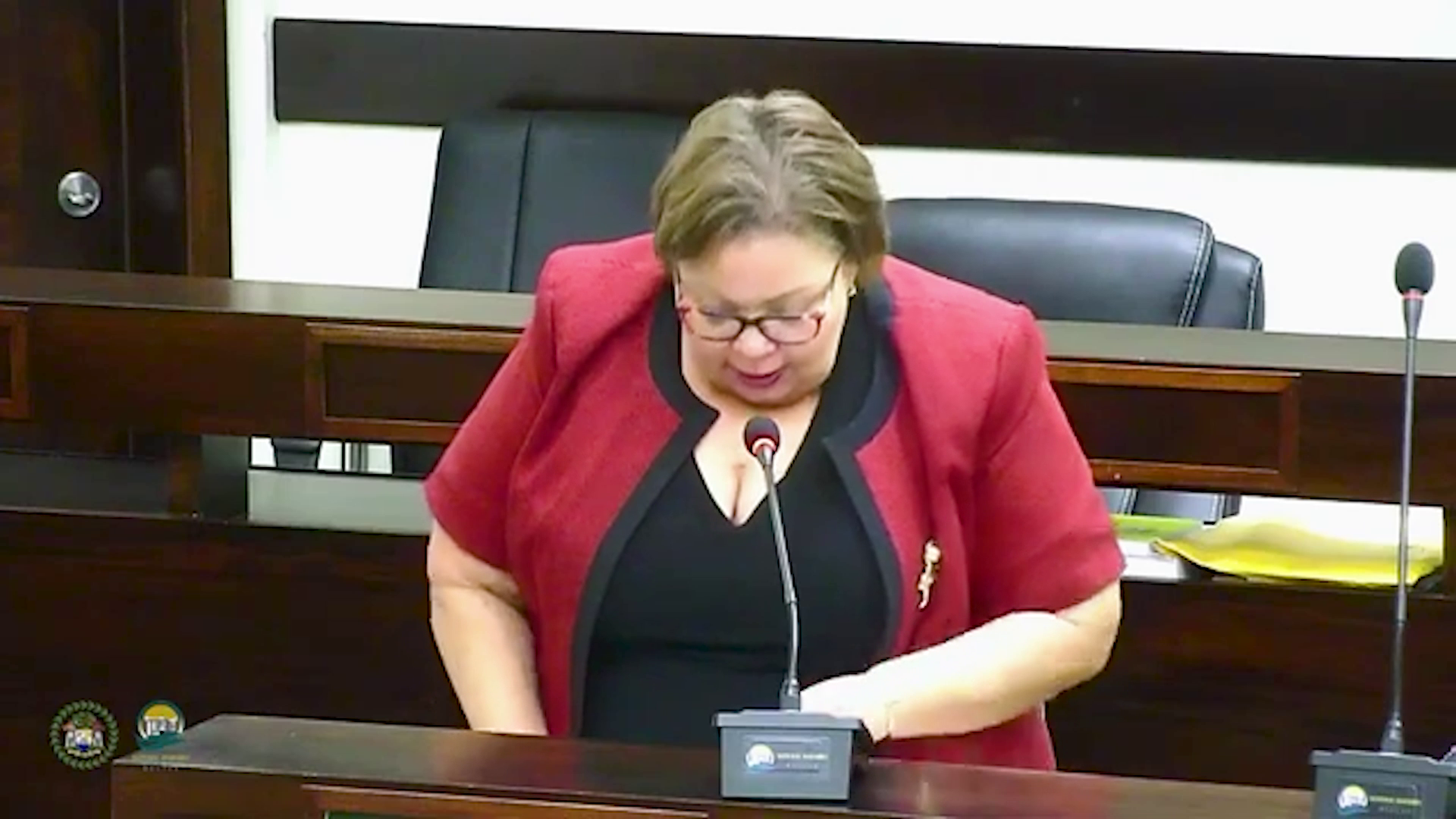
Opposition Leader Tracy Panton emphasized that the debate over the registry must not end with approving public access. In remarks to the House, Panton confirmed that the opposition bloc would support the legislation, but pressed the ruling government to confirm that sufficient resources and infrastructure are in place to serve victims, who stand as the primary beneficiaries of the reform.
Panton outlined a range of unaddressed needs, including a sufficiently trained corps of investigators, upgraded forensic testing capacity, expanded and fully funded victim support services, dedicated counseling staff, safe emergency shelters for survivors, sustained DNA testing capabilities, and specialized prosecutors trained to handle sexual offense cases. She noted that without these critical supporting structures, a standalone law amounts to little more than an unenforceable policy suggestion.
“Laws without having the level of support necessary for operationalizing and protecting the primary beneficiaries of this act is really a mere suggestion,” Panton told the chamber, echoing concerns raised by fellow legislator representing Orange Walk East.
Foreign Affairs Minister Francis Fonseca, responding to Panton’s remarks, acknowledged the validity of her concerns. He confirmed that multiple government ministries and a wide range of stakeholders have been involved in crafting the bill from its earliest stages, and all parties have recognized the urgent need for supporting infrastructure to give the law tangible impact.
“She is absolutely right, the resources, support infrastructure is important to giving teeth, meaning to these bills,” Fonseca said. “I know that there are a number of ministries that have been engaged in this work, in putting this bill together, a great number of stake holders and I think everybody has recognized that point and pledged their support to making sure we don’t only have the legislation in place but also to provide the supporting infrastructure.”
Beyond legislative circles, the proposed amendment has also garnered broad approval from members of the Belizean public, who have repeatedly called for greater transparency around sex offender residency and conviction data to protect local communities. The bill now moves forward in the legislative process, with commitments from all parties to address implementation gaps before it takes effect.