标签: Belize

伯利兹

  • Social Workers Examine Lasting Effects of Colonialism

    Social Workers Examine Lasting Effects of Colonialism

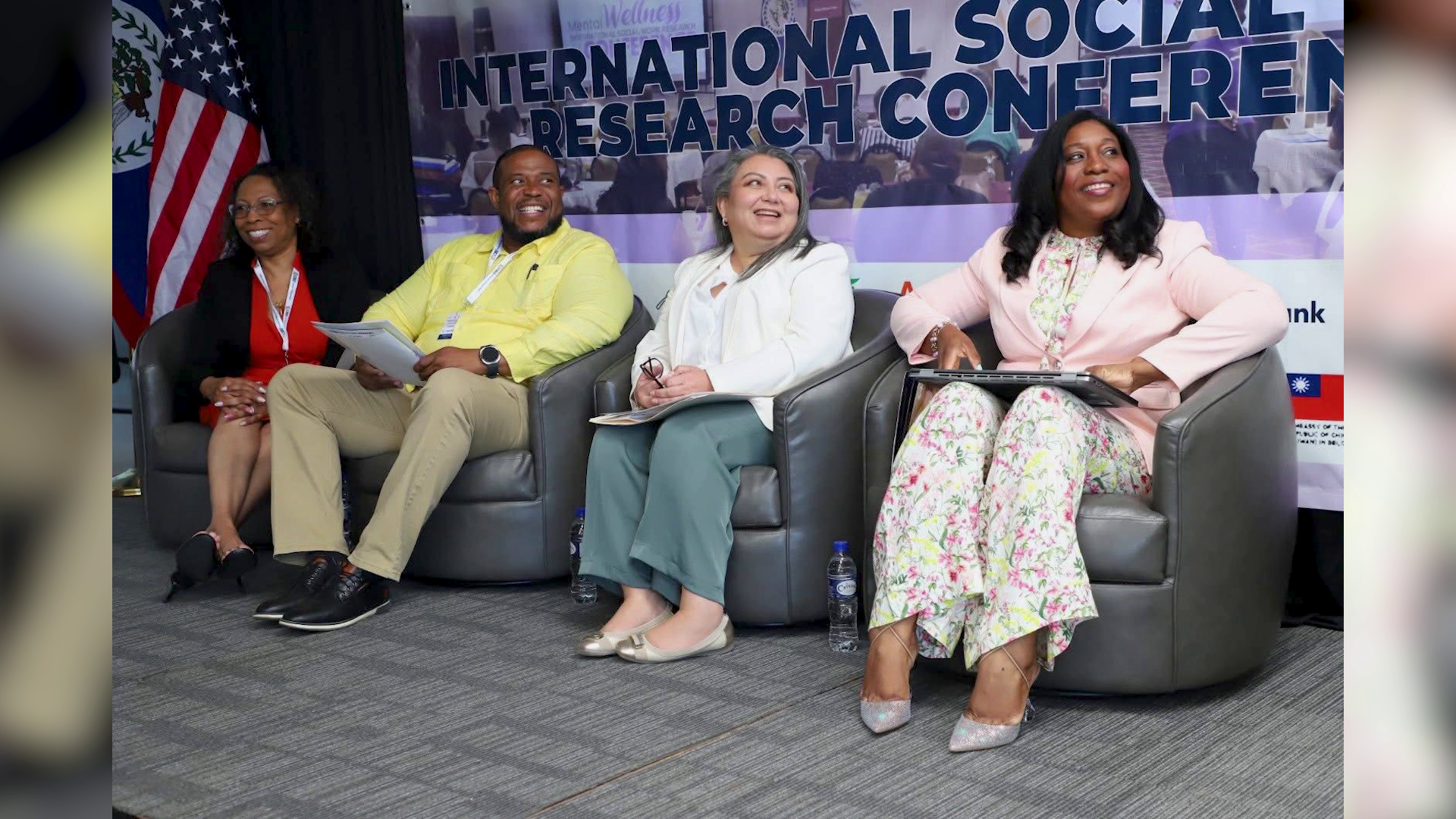
    Opening this week at the University of Belize’s Faculty of Health Sciences, the 2026 International Social Work Research Conference has drawn global attention to the intergenerational scars of colonialism that continue to shape mental health and social outcomes across Caribbean communities. Co-hosted by three academic institutions — the University of Belize, Galen University, and California Baptist University — the five-day gathering convenes a diverse cross-section of stakeholders: practicing social workers, academic researchers, graduate and undergraduate students, and grassroots mental health advocates, all united by a shared goal of unpacking historical harm and advancing inclusive healing practices.

    Central to conference discussions is the urgent question of how unaddressed colonial exploitation, displacement, and cultural erasure have created cycles of generational trauma that persist in Belize and the broader Caribbean region decades, even centuries, after formal colonial rule ended. Attendees are not only documenting the widespread impact of this trauma on community well-being, but also collaborating to design culturally responsive care models that center indigenous and local knowledge systems, rather than relying on one-size-fits-all frameworks imported from high-income Western nations. Organizers and participants alike share a core vision: to leverage evidence-based research and community-centered social work to build more equitable, healthy, and self-determined societies across the region.

    Despite this momentum, attendees acknowledge a major systemic barrier remains: many national and regional development stakeholders still frame mental health as a secondary, low-priority issue, rather than a foundational pillar of sustainable national growth for Belize. Conference organizers hope that the collective findings and conversations from the event will help shift public and policy discourse, making the case that addressing historical trauma and expanding access to mental health care is critical to unlocking long-term social and economic progress for Belize’s communities.
  • A Rare Break for Belize City’s Overworked Nurses

    A Rare Break for Belize City’s Overworked Nurses

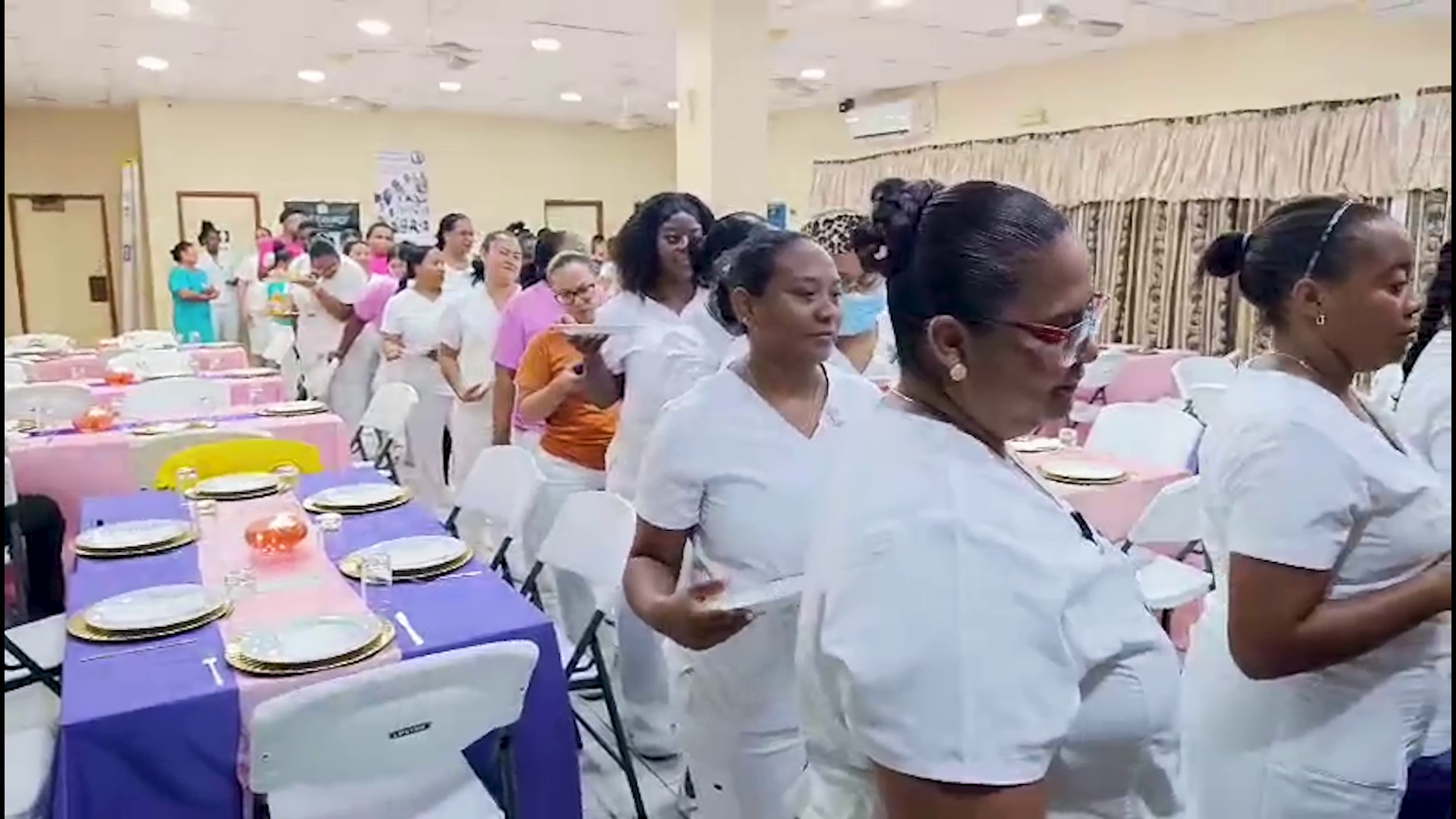
    Nurses form the invisible backbone of global healthcare systems, working grueling, high-stakes shifts to prioritize patient care above their own basic needs. For countless nursing professionals across Belize, long stretches of nonstop clinical work often mean skipping meals, ignoring burnout symptoms, and setting aside personal wellness to keep wards running smoothly. In a rare, intentional gesture of recognition, Belize’s Fort George Hotel and Spa stepped forward on May 7, 2026, to host a free appreciation breakfast for clinical staff at Karl Heusner Memorial Hospital, offering overworked nurses a precious moment to step away from workplace pressure and recharge.

    Far more than a free meal, the event created a space that nurses almost never access during a standard workday: unhurried time to connect with colleagues, breathe, and feel seen for their relentless contributions. Shauna Arnold, Marketing Executive at Fort George Hotel and Spa, opened the gathering by centering the 2026 event theme: “Our Nurses, Our Future, Empowered Nurses Save Lives.” Arnold emphasized that this phrase is far more than a superficial slogan—it is a core truth that underscores the foundational role nurses play in every healthcare system.

    Addressing the attending nurses directly, Arnold highlighted the irreplaceable work they carry out daily: “You are the constant in moments of uncertainty. You are the steady hands in times of crisis, the compassionate voices that bring comfort, and the skilled professionals who ensure that care is not only delivered, but delivered with dignity.” Every shift, every patient interaction, and every critical call nurses make shapes patient outcomes, restores shattered hope, and saves countless lives on a daily basis, she added.
    Arnold went on to stress that nurse empowerment is not an optional add-on to healthcare policy—it is an absolute necessity. True empowerment for nursing professionals means consistent access to up-to-date training, adequate clinical tools, institutional trust, and ongoing support that allows them to act decisively and confidently in high-pressure scenarios. When nurses feel empowered and supported, Arnold argued, entire healthcare systems grow stronger, patient health outcomes improve, and whole communities reap the benefits. “Simply put, when you are supported, all of us benefit,” she told the gathered crowd.

    The event comes amid a growing global and local movement to address crippling nurse burnout, a widespread crisis that has pushed healthcare leaders and community organizations to prioritize nurse wellbeing as much as the care they deliver to patients. For too long, industry norms have expected nurses to sacrifice their own health to serve others, but shifting attitudes are now highlighting that supporting nurses’ personal needs is a critical step toward sustaining a functional, compassionate healthcare system. This small community gesture in Belize City offers one model for how local organizations can step in to recognize and uplift the nursing professionals that keep communities healthy.

  • From Sierra Leone to Soulful Belonging in Belize

    From Sierra Leone to Soulful Belonging in Belize

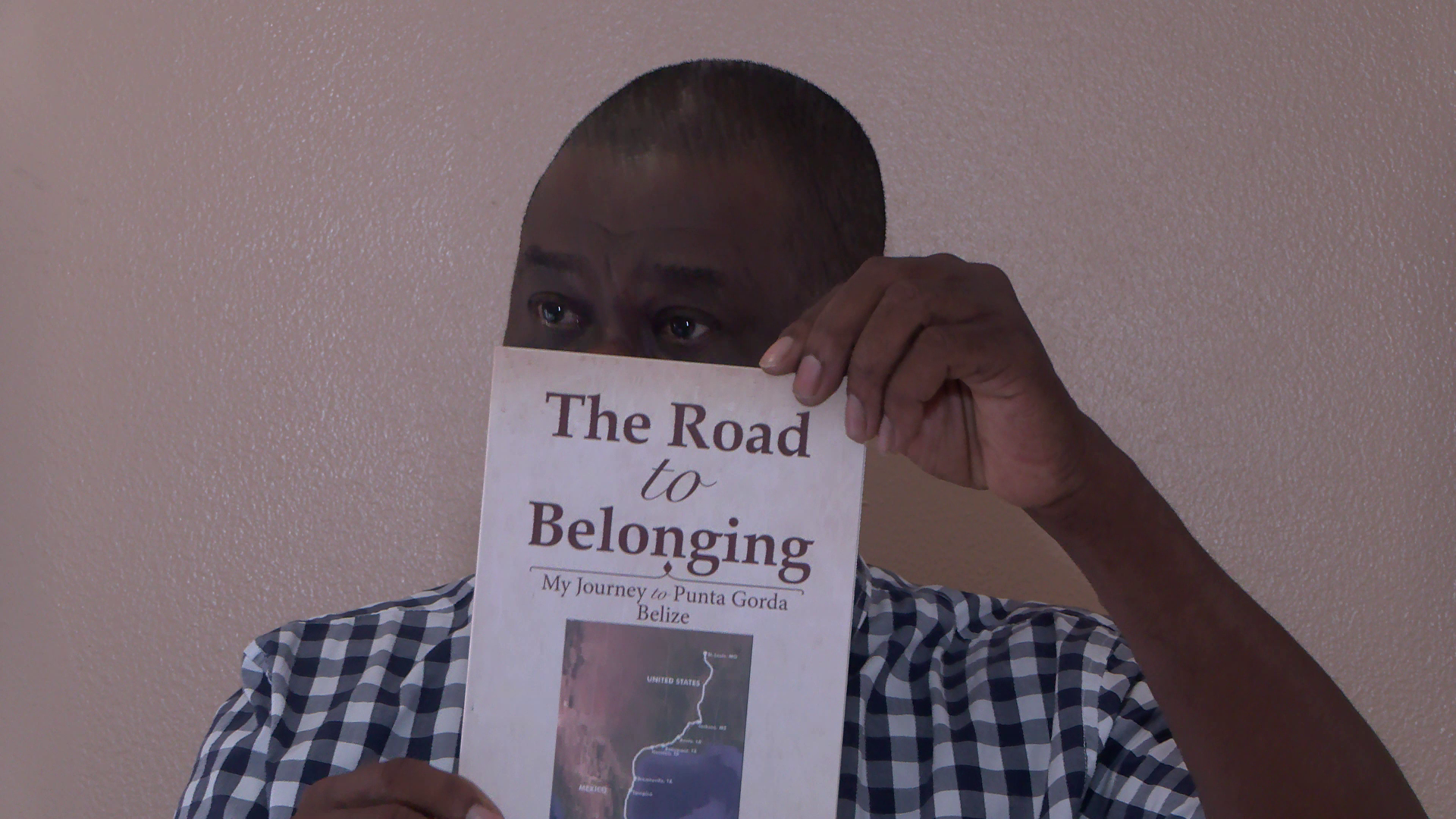
    For author Francis Mandewah, a life spent chasing opportunity after escaping hardship in war-ravaged Sierra Leone would ultimately lead him to a place he never expected to call home: Punta Gorda, a quiet coastal town on Belize’s southern edge. In his newly released memoir *The Road to Belonging: My Journey to Punta Gorda Belize*, Mandewah unpacks eight years of building connection, embracing culture, and discovering the unexpected spiritual kinship that turned a retirement destination into the sense of belonging he spent a lifetime searching for.

    Mandewah’s path to Belize began decades earlier, shaped by a fateful encounter that changed the trajectory of his life. Born into deep poverty in Sierra Leone, a country fractured by civil conflict and dominated by large-scale diamond mining, Mandewah met Thomas Johnson, a white American pilot who worked transporting diamond shipments for the mining industry. Johnson, a devout Christian, saw potential in the young Mandewah and extended a life-changing opportunity: he covered the cost of his education, enrolled him in a Catholic boarding school, and later brought him to the United States to build a new life. When Mandewah reached retirement, he made the deliberate choice to leave the U.S. and settle in Punta Gorda, a choice rooted in a surprising intuitive connection.

    “What drew me to Punta Gorda was the deep alignment between the local community and my African roots,” Mandewah explained in an exclusive interview with News Five. “I felt a kinship there that I couldn’t shake.” That connection was immediately affirmed when he met Leila Vernon, widely known as the Queen of Bruk Down, one of three iconic Belizean women whose kindness and acceptance are central to his story. When Mandewah introduced himself as a native of Sierra Leone’s capital Freetown, Vernon’s response was instant and warm: “You are welcome home. We have a connection between Belize and Sierra Leone — in fact, we have a major street right here in Punta Gorda called Freetown Road.” That greeting, Mandewah says, was the first of many moments that cemented his place in the community, as Vernon and the other two women welcomed him as one of their own family.

    The book weaves together intimate personal anecdotes, observations of Belizean coastal culture, and reflections on what it means to find belonging long after leaving one’s country of birth. What began as a simple plan to retire in a quiet, culturally connected corner of the world became a transformative journey that reshaped Mandewah’s understanding of home, forever changed by the deep bonds he formed with the people of Punta Gorda. This report is adapted from a televised newscast transcript published by News Five.

  • SSB Reviews Plan That Could Change Your Pay Cheque Deductions

    SSB Reviews Plan That Could Change Your Pay Cheque Deductions

    Scheduled for implementation discussion by 2026, a fundamental restructuring of Belize’s social security contribution system is moving forward, with the Social Security Board (SSB) currently refining a landmark proposal that would reshape how workers’ payroll deductions are calculated. The reform effort comes after months of extensive nationwide outreach that gathered input from government representatives, labor unions, business owners, and working people across the country, representing more than 1,000 individual stakeholders.

    For decades, Belize has relied on a rigid wage-band framework that divides workers into 13 distinct contribution tiers based on their earnings brackets. This long-standing system is now targeted for replacement under the SSB’s proposal, which would shift to a proportional income-based calculation structure. Board officials argue that the update would streamline administrative processes, create a more transparent deduction system, and boost overall operational efficiency for both the agency and contributing employers.

    One of the most consequential proposed updates addresses the contribution floor — the minimum earnings base used to calculate Social Security deductions. This figure has not been adjusted since 2001, remaining stuck at $55, and the proposal would raise it to $130 to align with decades of wage growth and economic change in Belize.

    According to SSB Chief Executive Officer Jerome Palma, early public feedback has already shaped the trajectory of the reform, leading the board to walk back an initial plan for a universal one-size-fits-all flat contribution model. During consultations, lower-income workers and advocacy groups raised consistent concerns that a single flat rate would disproportionately increase payroll deductions for the lowest earning cohorts, leaving them with a higher proportional burden than they face under the current system.

    After compiling and analyzing feedback from the first round of engagement, the board confirmed that there is broad public support for a multi-tiered proportional system that would apply different rules to lower, middle, and higher income groups to ensure fairness across earnings levels. The SSB will now revise the draft proposal to incorporate this input, with plans to launch a second round of public consultations later this year to gather additional feedback before finalizing any changes.

  • SSB Reveals Record $130 Million Investment

    SSB Reveals Record $130 Million Investment

    In a landmark announcement for Belize’s social security system, the Social Security Board (SSB) has disclosed that it has deployed a record-breaking $130 million in new investments since the start of 2026 – the largest single-year capital allocation in the institution’s history.

    Every employed Belizean contributes regularly to the national Social Security program, which provides critical social safety net benefits including retirement pensions, disability support, and medical assistance to eligible citizens. This latest investment update answers long-standing public interest about how the program’s accumulated funds are managed and deployed to generate long-term returns.

    According to SSB officials, the majority of this year’s new investment has been allocated to shares and bonds issued by Hydro Belize, the national energy provider that supplies 100 percent of the power generated for Belize Electricity Limited (BEL), the country’s main electricity distributor.

    Leo Vasquez, SSB’s General Manager of Finance and Investment, broke down the tangible benefits of this strategic allocation for the program. Vasquez noted that the equity portion of the Hydro Belize holdings alone is projected to deliver approximately $4 million in annual dividend income to the Social Security fund. This consistent passive income will strengthen the program’s financial position and support its ability to pay out future benefits to contributors.

    With this latest round of investments, the total value of SSB’s holdings in domestic Belizean markets now reaches $654 million. Looking ahead, institution leaders have identified expansion into international markets as the next strategic priority to diversify the fund’s portfolio and reduce exposure to domestic market volatility.

    More in-depth reporting on this historic investment, including additional details about portfolio allocation and long-term strategic plans, will be broadcast during News 5 Live’s 6 o’clock prime time segment this evening.

  • Belize, UN Map Out Country’s Development Future

    Belize, UN Map Out Country’s Development Future

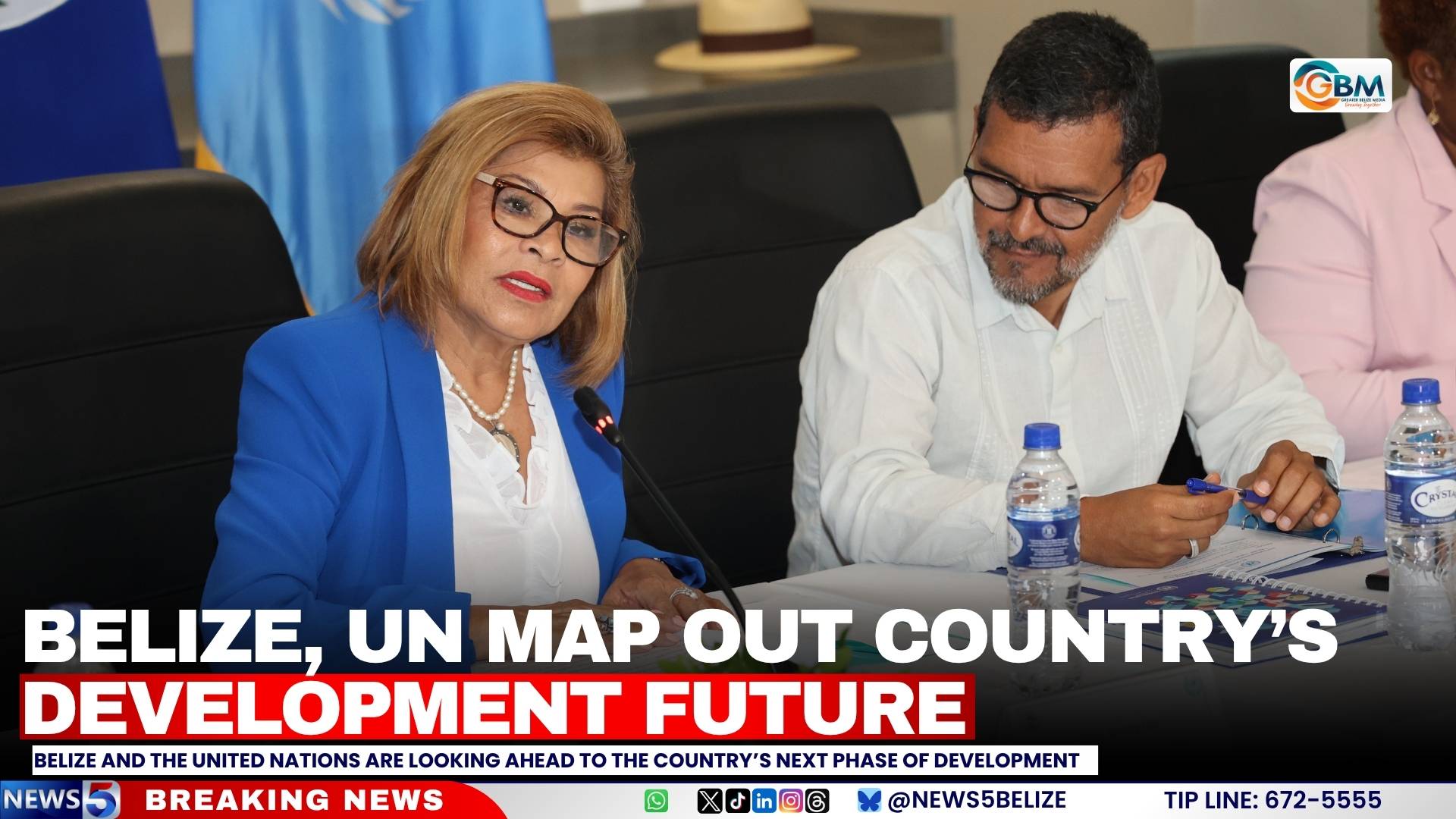
    On May 7, 2026, senior representatives from the Government of Belize and the United Nations Country Team convened in Belmopan, the nation’s capital, for the 7th Joint National Steering Committee Meeting to lay the groundwork for Belize’s long-term development trajectory.

    The high-level gathering brought together chief executive officers, top-ranking government officials, and leaders of UN agency operations in the region to carry out two core tasks: first, a comprehensive review of progress delivered under the existing UN-Belize cooperation framework, and second, early collaborative planning for the next five-year development cycle spanning 2027 to 2031.

    Central to the day’s deliberations was Plan Belize 2.0, the Belizean government’s medium-term national development blueprint that sets strategic priorities through 2030. Attendees also explored ways to refine UN support structures to better align with Belize’s national objectives across key priority areas, including inclusive sustainable growth, cross-sector coordination, and broad-based economic advancement.

    Amalia Mai, Chief Executive Officer of Belize’s Ministry of Foreign Affairs and Foreign Trade, emphasized the enduring value of the bilateral partnership. She noted that the UN has long played an indispensable role in Belize’s development journey, providing critical technical expertise, facilitating constructive policy dialogue, and supporting the mobilization of financial and human resources to advance the country’s development agenda.

    Raul Salazar, the United Nations Resident Coordinator for Belize, echoed Mai’s remarks while underscoring a key priority for the next cooperation cycle. He stressed that all UN-backed initiatives must continue to deliver tangible, measurable outcomes that directly improve quality of life for ordinary Belizean citizens.

    As the meeting concluded, both sides issued a joint reaffirmation of their shared commitment to continued collaborative action. The partnership will focus not only on advancing Belize’s nationally defined development goals but also on progressing the global Sustainable Development Goals that frame international development cooperation for all member states.

  • ‘There Are Some Things a Machine Just Cannot Replace’

    ‘There Are Some Things a Machine Just Cannot Replace’

    As Belize City steadily advances its transition toward a fully digital, modernized public bus system, city officials have made a clear commitment to preserving one core on-board feature that technology cannot replicate: human conductors. For daily commuters across the capital, the most beloved part of traveling on the city’s new fleet of electric buses is not the on-board WiFi connectivity or convenient device charging ports that come with the upgraded service. What riders value most, many say, is the warm, familiar greeting and welcoming smile that meets them when they step onto the bus.

    In an interview outlining the city’s public transit strategy, Erin Garnett, Director of Communications for the Belize City Council, explained that the human role on buses fills critical gaps that even the most advanced automated fare and boarding systems cannot match. Conductors fulfill a range of hands-on, compassionate duties that go far beyond collecting payments: they assist elderly commuters with boarding safely, offer one-on-one support to passengers with disabilities, help manage crowd control and maintain order during peak rush hour travel, and accept cash fares for the large share of riders who have not yet adapted to cashless payment systems.

    “There Are Some Things a Machine Just Cannot Replace,” Garnett emphasized, noting that automated systems cannot offer the gentle physical assistance a disabled passenger needs to get settled, or check in on a rider who may be having a difficult day. These small, human acts of care add immeasurable value to the public transit experience, especially for vulnerable populations that rely on buses for daily travel.

    While the Belize City Council does have a long-term goal of reaching a fully digital bus system, leaders stress that the shift will be gradual, paced to match the needs of the city’s diverse ridership. Many commuters, particularly older residents, still prefer to pay with cash and feel more comfortable having a human staff member on board to address any concerns that arise during their trip. To meet these needs, conductors will remain a fixture on Belize City’s buses for the foreseeable future.

    Local media outlet News 5 has announced that it will air an in-depth interview tonight on its 6 o’clock *News 5 Live* broadcast featuring Bernalita Lewis, one of Belize City’s most well-known conductors who has become a reassuring, familiar face for thousands of daily riders. The segment will explore Lewis’s personal story and the impact of her work that keeps commuters returning to the city’s buses with confidence.

  • Belize, Louisiana Guard Mark 30 Years of Partnership

    Belize, Louisiana Guard Mark 30 Years of Partnership

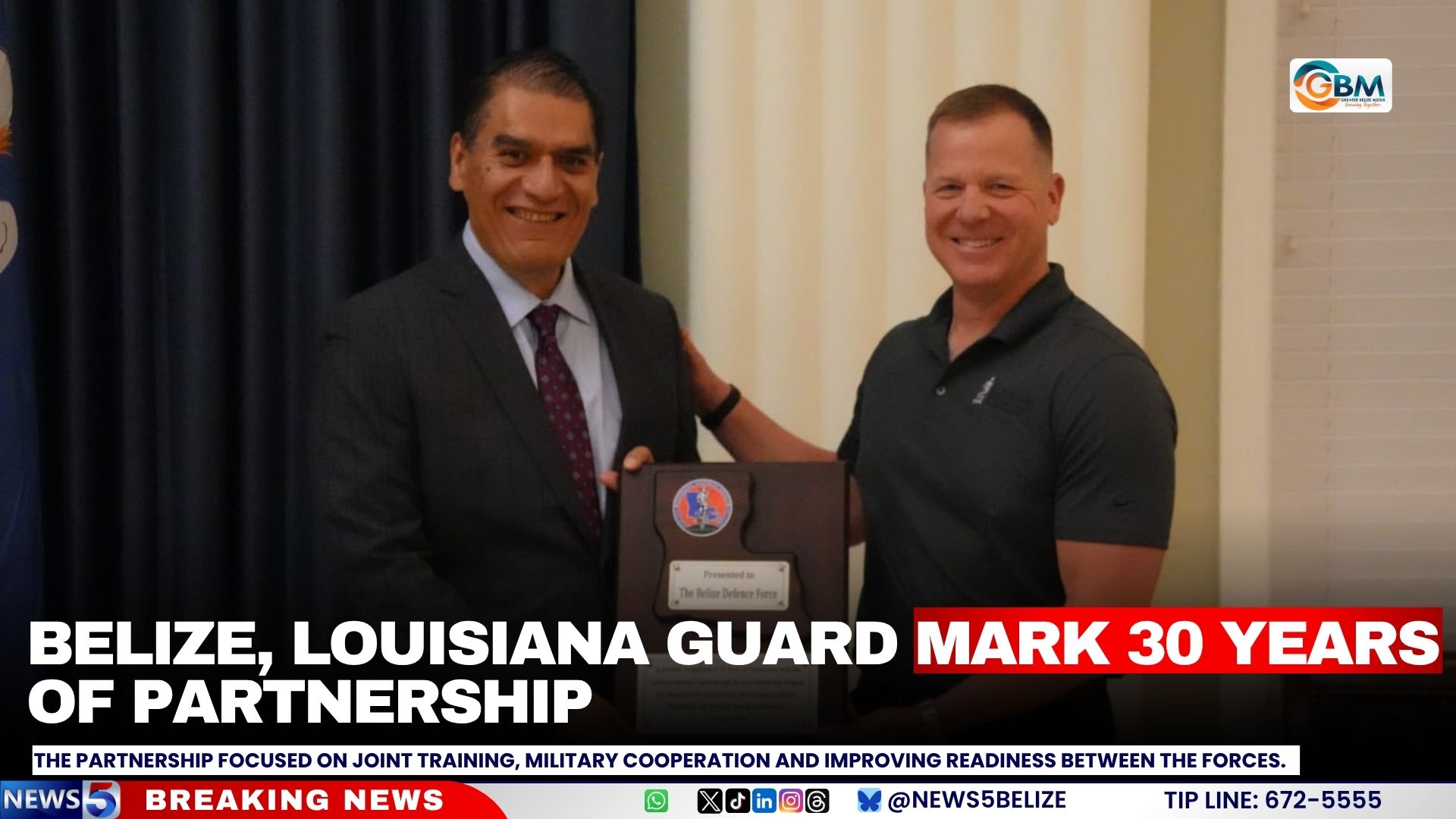
    Three decades of collaborative security work between Belize’s national defense bodies and the U.S. Louisiana National Guard has hit a landmark milestone, with leaders from both sides gathering last month in New Orleans to honor 30 years of shared strategic cooperation. In April 2026, senior government and military delegates from Belize traveled to Louisiana to mark the anniversary of a partnership first established in 1996 through the U.S. National Guard’s State Partnership Program.

    The anniversary gathering brought together top leadership from both Belize and the United States, creating space to reflect on 30 years of joint progress and outline plans for future collaboration. From its launch, the core mission of the partnership has centered on coordinated tactical training, cross-force military cooperation, and enhancing operational readiness for both Belize’s Defence Force and Coast Guard. Over the 30-year timeline, the scope of the collaboration has expanded far beyond its initial military training focus, growing to encompass joint work in homeland security coordination, cross-border humanitarian aid deployment, and standardized disaster response preparedness.

    During their visit to New Orleans, Belizean delegates took part in a packed schedule of official strategic meetings, professional knowledge exchanges, and guided tours of key regional operational sites. One of the most anticipated stops on the itinerary was a visit to the National WWII Museum, where delegates explored the history of global collective security efforts. The centerpiece of the anniversary celebration was the official commemoration ceremony held at Jackson Barracks, the historic headquarters of the Louisiana National Guard. At the ceremony, leaders from both sides shared reflections on three decades of mutual trust, aligned security priorities, and people-to-people connections forged through joint training and field operations.

    Officials from both nations have emphasized the outsized impact of this 30-year partnership on regional stability in Central America and the Caribbean. Both Belizean and U.S. leadership reiterated that the ongoing collaboration remains a core pillar of bilateral security relations, creating tangible benefits for citizens of both countries and contributing to a more secure regional environment. Looking ahead, leaders have confirmed plans to deepen collaboration in emerging security areas, including climate-driven disaster response and transnational threat mitigation, building on the strong foundation laid over the past three decades.

  • $4 Million USD to Save Dangriga’s Shrinking Beach

    $4 Million USD to Save Dangriga’s Shrinking Beach

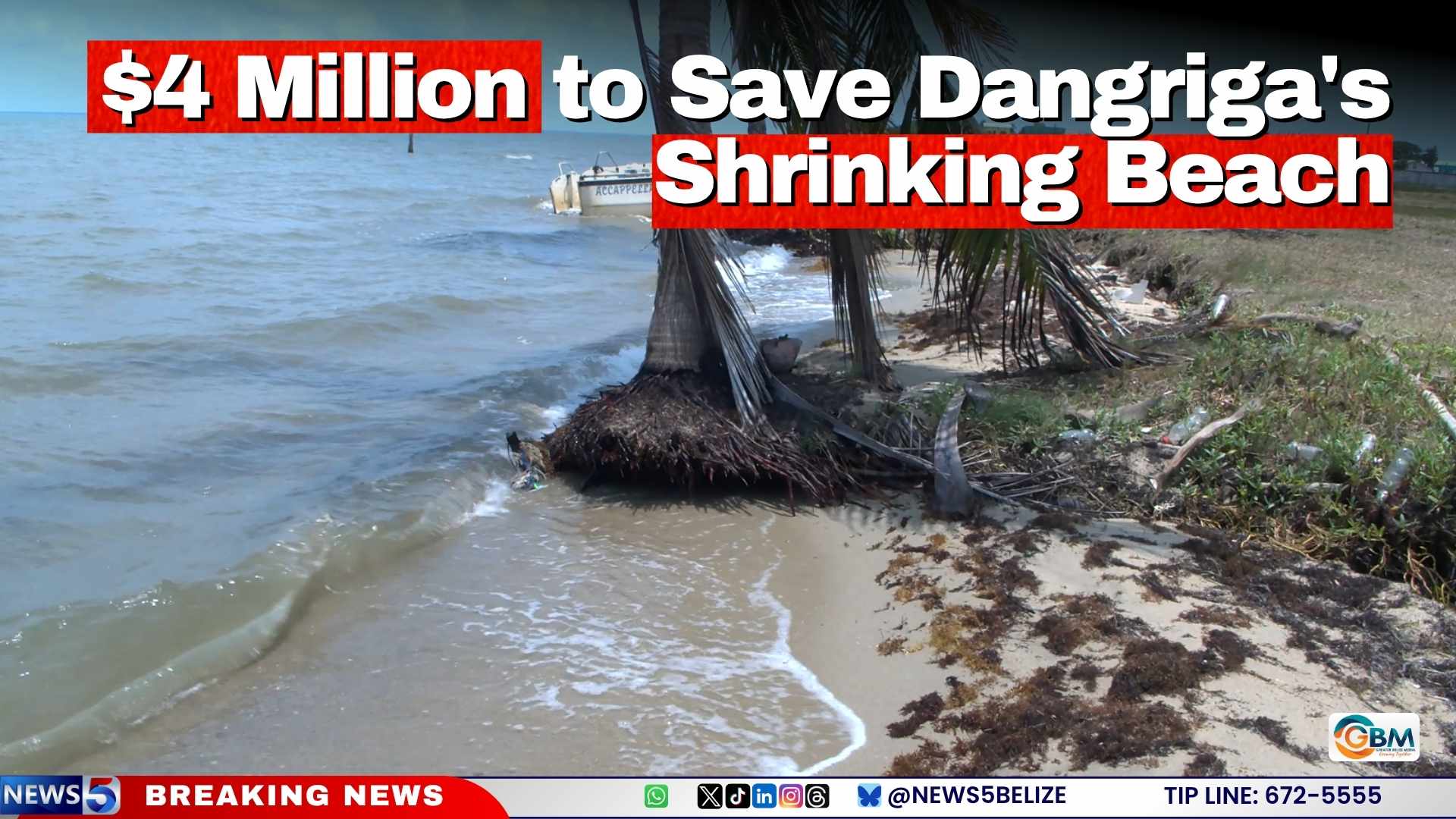
    For years, residents of Dangriga, Belize have stood by as rising seas and persistent coastal erosion have steadily gnawed away at their beloved local coastline, with chunks of the once-sprawling beach vanishing into the ocean year after year. Now, a transformative $4 million USD restoration initiative is kicking off to halt this damaging trend before the beach is lost entirely for future generations.

    Officially launched this week, the broad coastal resilience project targets 27 coastal communities across Belize that are already grappling with the tangible impacts of anthropogenic climate change, from extreme storm surges to chronic shoreline retreat. In Dangriga, all project focus is centered on the town’s vulnerable northern shoreline, the area hit hardest by erosion in recent decades.

    For long-time local resident Melvin Diego, the slow disappearance of the beach is a deeply personal loss. The stretch of sand that once served as his regular outdoor training space has shrunk dramatically, eaten away incrementally by rising sea levels and relentless coastal erosion. “Dangriga is a place where there is a lot of breeze and the sea comes drastically hard. So it worries me that we are not going to have any beach ten years, twenty-five years from now for our children,” Diego shared, voicing a concern shared by many long-time local residents who rely on the shore for recreation, cultural connection, and economic activity centered on tourism and fishing.

    Eli Romero, climate finance manager at the Protected Areas Conservation Trust (PACT), explained that preliminary geological surveys have revealed a key detail that makes restoration feasible: the sand eroded from Dangriga’s shoreline has not been swept out to the open ocean permanently, but instead settled in offshore deposits directly in front of the town. The core of the restoration project will center on dredging these offshore sand deposits and redistributing the sediment back onto the eroding shore, rebuilding the beach to its historic width and resilience.

    The ambitious initiative is supported by a partnership of three key stakeholders: the Protected Areas Conservation Trust, the global Adaptation Fund, and the Government of Belize, combining international climate finance, local conservation expertise, and national government support to deliver tangible climate adaptation action for vulnerable coastal communities. A follow-up on-site report from News 5 will air later this week, giving audiences an up-close look at the eroding shoreline and introducing a local activist who has spent decades cleaning and advocating for the protection of Dangriga’s coastline.

  • $4 Million to Save Dangriga’s Shrinking Beach

    $4 Million to Save Dangriga’s Shrinking Beach

    For years, residents of Dangriga have watched in alarm as rising sea levels and persistent coastal erosion steadily gnaw away at their beloved shoreline. But this week, a transformative $4 million coastal conservation initiative has officially kicked off, bringing urgent intervention to save the disappearing beach before it is lost forever.

    The multi-community climate adaptation program, which targets 27 coastal settlements across Belize already grappling with the tangible impacts of a changing climate, has centered its immediate efforts on Dangriga’s vulnerable northern coastline. For generations, this stretch of sand has been a central part of local life – from casual recreation to daily exercise – but decades of relentless tidal action have steadily reduced its size.

    Local resident Melvin Diego shared his deep concern over the shoreline’s gradual disappearance, a spot he once frequented regularly for personal training. “Dangriga is a place where there is a lot of breeze and the sea comes drastically hard. So it worries me that we are not going to have any beach ten years, twenty-five years from now for our children,” Diego explained, echoing the fears of many long-time residents who have watched the beach shrink incrementally over time.

    Eli Romero, climate finance manager at the Protected Areas Conservation Trust (PACT), outlined the science behind the restoration strategy. Preliminary geological surveys have confirmed that the sand eroded from Dangriga’s shoreline has not been washed out to sea permanently; instead, it has accumulated offshore, directly in front of the town. The project’s core intervention will involve dredging this accumulated sand and redistributing it back onto the original beach to rebuild the shoreline.

    The ambitious restoration effort is a collaborative partnership between three key stakeholders: the Adaptation Fund, the Protected Areas Conservation Trust, and the Government of Belize, bringing together climate finance, local conservation expertise, and governmental support to address a pressing climate adaptation challenge. Local news outlet News 5 has announced it will air an in-depth on-location report from Dangriga in its upcoming broadcast, featuring interviews with a long-time local conservation advocate who has cleaned and protected the shoreline for decades, alongside exclusive footage of the eroding coastline ahead of restoration work.