
As Caribbean cricket works to rebuild its once-storied legacy and reignite local passion for the game, the upcoming home series against Sri Lanka carries far more weight than just win-loss statistics for Cricket West Indies. Anthony Davis, chairman of Cricket West Indies’ international selection committee, framed the six-match white-ball tour as a critical turning point for the region’s cricket, centered on rebuilding the national program and mending the frayed bond between the team and its supporters.\n\nSpeaking at the official series launch hosted at Courts Constant Spring in Jamaica on Thursday, Davis shared his vision for the tournament with the Jamaica Observer, outlining goals that extend beyond the scoreboard. “We want to revive cricket, we want to get people coming back to Sabina Park, and we want to motivate youngsters to play cricket,” Davis said. “So in all, this series means to promote cricket a little and get back to the days when the Park was full watching cricket.”\n\nKicking off June 3 and running through June 14 at Kingston’s iconic Sabina Park, the tour will see the West Indies men’s national team welcome Sri Lanka for three One Day Internationals followed by three Twenty20 Internationals. The ODIs are scheduled for June 3, 6 and 8, with the T20I leg set to take place on June 11, 13 and 14.\n\nWhile the series doubles as key preparation for West Indies’ 2028 T20 World Cup qualification campaign, Davis emphasized that rebuilding community connections remains a top priority. The committee chairman noted that the home field advantage is expected to give the determined West Indies squad an extra edge heading into the matches. “We are working towards our qualification for the T20 World Cup. I am expecting a good performance because I believe the players are all determined and everybody is motivated to perform well at home. Usually, when you are playing at home, you get that little extra push to perform at your best,” Davis added.\n\nLooking ahead to the back-to-back limited-overs formats, Davis said the team’s leadership is prioritizing consistent effort and competitive performance over any specific outcome. “We are looking forward to consistency in performance and everybody doing the best they can. We are confident that whatever the results are, our players would have done the best they can under whatever circumstances,” Davis said.
标签: Barbados
巴巴多斯
-
Holder-Edghill set for training stint
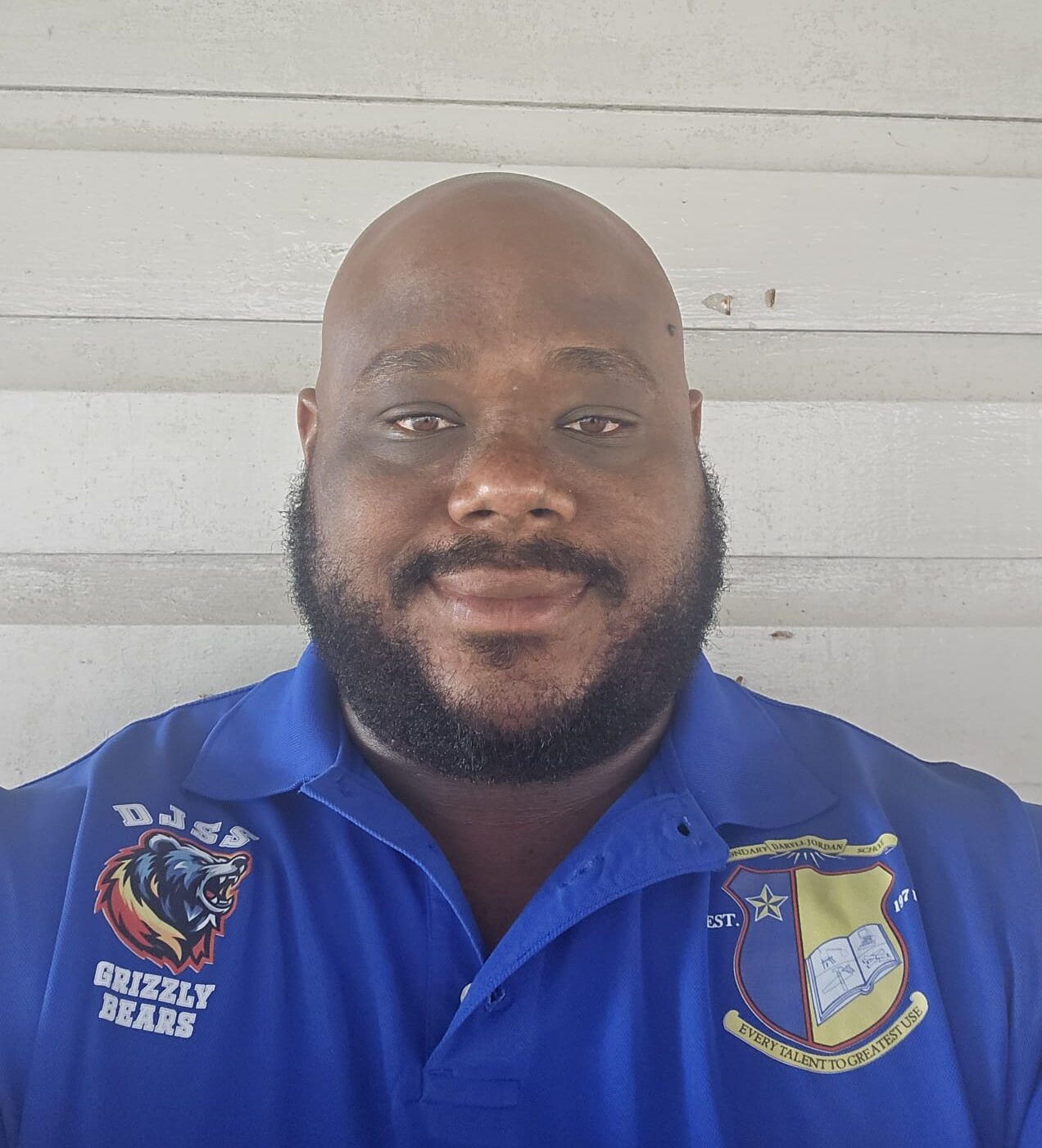
A well-rounded Barbadian sports educator has set off for Montreal, Canada, to begin the in-person phase of an advanced elite coach training program, marking a key step in his mission to grow triathlon across the Caribbean island nation. Kemar Holder-Edghill, who currently works as a physical education teacher at Daryll Jordan Secondary School and also holds coaching roles for rugby and track and field programs, left Barbados on Friday for the year-long professional development initiative. The program is structured in two parts: the online foundational segment, which Holder-Edghill has already completed successfully, and the hands-on in-person training that will take place over the coming months in Montreal. Holder-Edghill shared that the decision to pursue the training came as local participation in triathlon has climbed steadily in recent years, creating a growing need for more highly qualified coaching expertise on the island. He first learned of the fully funded training opportunity through Dr. Garth McIntyre, president of the Barbados Federation of Island Triathletes. When the Barbados Olympic Association circulated the call for applications, McIntyre reached out directly to Holder-Edghill to invite him to apply. The application process required candidates to submit a personal statement outlining their suitability for the scholarship and complete a formal interview. Holder-Edill credited his experience across multiple developing sports in Barbados as the key advantage that helped him stand out among other applicants. After completing the program, Holder-Edghill’s core goal is to drive sustainable growth for triathlon in Barbados, building on the current momentum to attract more consistent new participation and raise the competitive standard of local athletes. The scholarship and training program is administered by Olympic Solidarity, and is run by PAISAC, an international coach training institution with hubs in Montreal and Lausanne. The organization specializes in delivering advanced coach education programs for National Olympic Committee-affiliated coaches from developing regions across the Caribbean, Africa, Asia and South America, with all costs covered by the Olympic Solidarity Coach Scholarship Program. Holder-Edghill joins a roster of past scholarship recipients from Barbados, including Jarad Murray and Althea Belgrave, who have all gone on to apply their advanced training to develop sport across the island.
-
Abergower, UWI in strategic partnership to drive innovation and economic growth
After more than 12 months of ongoing negotiations and collaborative planning, United Kingdom-based digital solutions provider Abergower Ltd. has formalized a strategic partnership with The University of the West Indies (The UWI) through a signed Memorandum of Understanding (MOU). The agreement is set to accelerate system-wide digital upgrades across all UWI campuses, while nurturing a new generation of student innovators prepared for the modern digital workforce.
With Abergower’s regional headquarters already based in Bridgetown, Barbados, the partnership was built through more than a year of sustained discussion to align both parties’ strategic goals. The core of the MOU establishes a formal collaborative framework centered on three key pillars: digitally enhanced teaching and learning, industry-aligned research, and inclusive innovation across the university system.
Under the terms of the agreement, the two partners will collaborate to expand research and development initiatives that directly address pressing real-world needs of the digital sector. They will also jointly explore pathways for commercializing new research outcomes and facilitating streamlined technology transfer from academic labs to industry. A central focus of the work will be upskilling students through co-developed education and training programs designed to produce talent equipped for the evolving digital economy.
The partnership is fully integrated with The UWI’s flagship OneUWI Digital Transformation Programme, a university-wide initiative aimed at modernizing infrastructure and operations across all campuses. Beyond upgrading the university’s own digital capacity, the collaboration is expected to advance Barbados’ national goal of positioning itself as a leading innovation and knowledge-based economy hub for the Caribbean region.
The MOU was finalized and formally signed by Professor Winston Moore, Deputy Principal of The UWI Cave Hill Campus, and Robin Prior, Chief Executive Officer of Abergower Ltd. Both academic and industry leaders were key to shaping the collaborative framework, which prioritizes cross-sector knowledge sharing, mutual growth, and long-term value creation for all stakeholders.
In comments following the signing, Prior emphasized the transformative potential of bridging the gap between private sector expertise and academic insight. “This agreement represents a powerful alignment between industry and academia. Together we are creating a foundation for innovation that will not only benefit our organisations but also contribute to the long-term prosperity of Barbados,” Prior said.
Professor Moore echoed this sentiment, highlighting the partnership’s alignment with The UWI’s core mission of translating academic excellence into tangible public and economic benefit. “This partnership reflects our commitment to applying academic excellence to real-world challenges. By working closely with Abergower Ltd, we can accelerate innovation and deliver tangible benefits for our students, our partners and our country,” Moore noted.
The MOU is structured to provide a flexible yet organized foundation for long-term collaboration, allowing the scope of work to adapt and expand as new opportunities emerge in the fast-changing digital sector. Both institutions have reaffirmed their commitment to delivering measurable, meaningful outcomes that benefit students, the regional tech ecosystem, and Barbados’ broader economy.
-

Hamilton dismisses retirement talk, confirms long-term Ferrari commitment
Ahead of this weekend’s Canadian Grand Prix in Montreal, seven-time Formula One world champion Lewis Hamilton has forcefully pushed back against growing speculation that he is poised to announce his retirement from the sport, confirming that his contract with Ferrari keeps him competing through the 2027 season and signaling he has no plans to step away from the grid any time soon.
Hamilton, the most decorated driver in F1 history who turned 41 earlier this year and will turn 42 in January 2026, made the remarks to reporters at Circuit Gilles Villeneuve, the same track where he claimed his maiden Grand Prix victory all the way back in his 2007 debut season with McLaren. Since his high-profile move from Mercedes to Ferrari at the start of the 2025 season, the British driver has yet to cross the finish line first for the iconic Italian squad – a dry spell that has fueled endless outsider discussion about when he might call time on his legendary career.
Addressing those rumors directly at Thursday’s pre-race press conference, Hamilton made his stance unambiguous. “I’m still under contract so everything’s 100 per cent clear to me,” he said. “I’m still focused, I’m still motivated. I still love what I do with all my heart and I’m going to be here for quite some time, so get used to it. There are a lot of people that are trying to retire me and that’s not even in my thoughts.”
As the sport’s all-time leader in both race wins (105) and pole positions (104), Hamilton has redefined what success looks like for a modern F1 driver. But in Montreal, the 41-year-old explained that his personal definition of achievement has shifted far beyond the trophy cabinet and record books that made him a global name. His most recent race victory came at the 2024 Belgian Grand Prix, but Hamilton says he no longer measures his progress purely by results.
“From the outside world results are what people call success, but I think internally, for me, it’s just progress,” he explained. “If you’re progressing, then you’re succeeding. I don’t really put a lot of pressure on. I’ve always said I’m really grateful for the records and those sorts of things, but they’re not things I ever think of.”
Beyond addressing retirement speculation, Hamilton also opened up about a strategic adjustment he has made for this weekend’s race in Canada: he has opted to skip pre-event simulator work at Ferrari’s Maranello headquarters, a step away from the standard preparation routine most drivers follow ahead of every Grand Prix. Hamilton noted he made the same call ahead of this year’s Chinese Grand Prix, where he claimed his first podium finish for Ferrari with a third-place result – his strongest performance of the 2025 season to date.
He explained that simulator data often does not align with actual on-track conditions, forcing drivers to unlearn the setup adjustments they settled on in the virtual environment ahead of arriving at the circuit. “You find a setup (in the simulator) that you’re comfortable with, you get to the track and everything’s opposite. So then you’re undoing the things you’ve learned,” he said. “So it’s kind of hit and miss. I just decided, for this one, I’m just going to sit it out and focus more on the data.”
-
KPMG Global head of healthcare highlights digital opportunities for Barbados
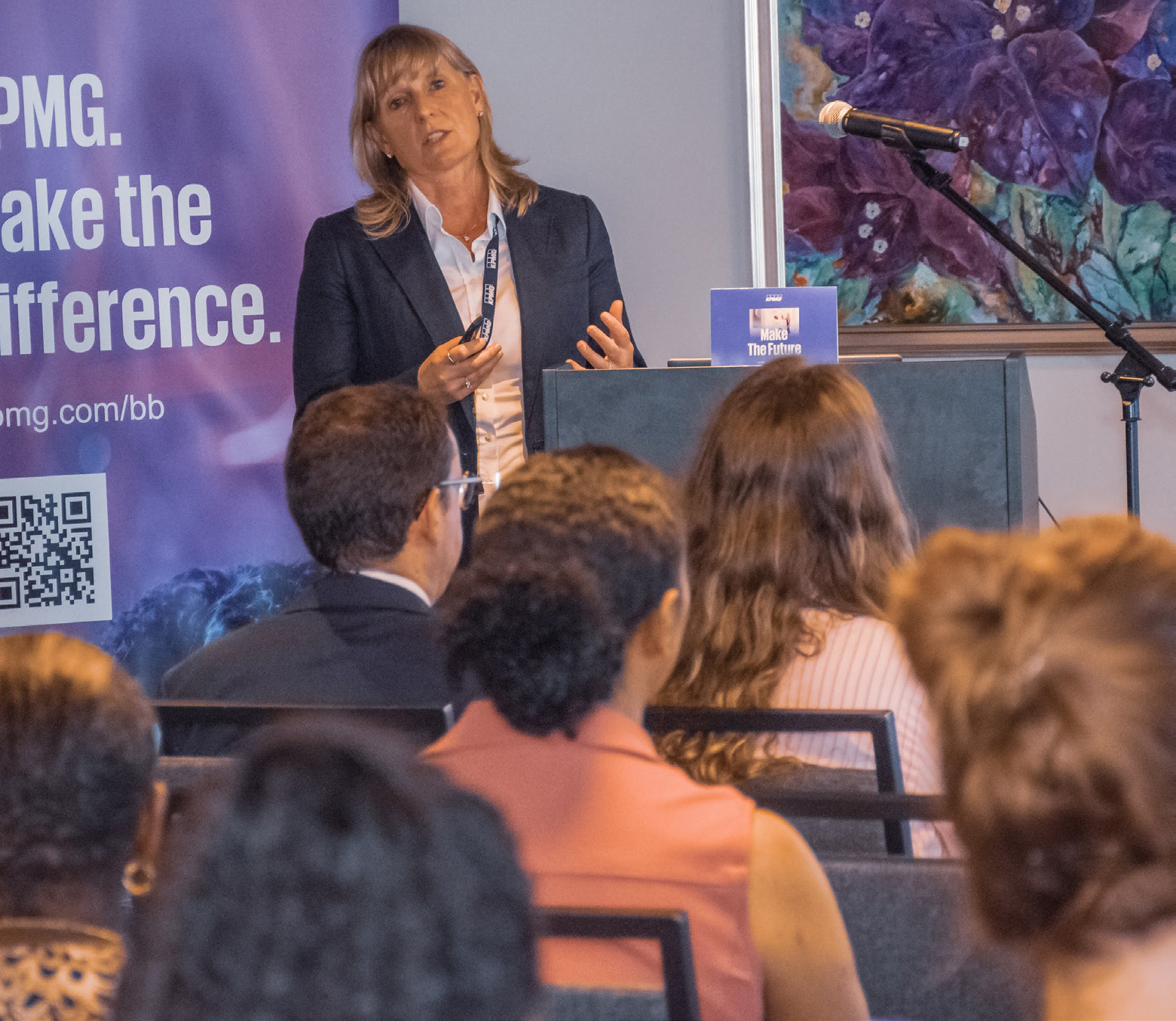
Barbados is emerging as a potential regional trailblazer in integrated digital healthcare, following a high-level visit last week from KPMG’s global healthcare leadership that brought together cross-sector stakeholders to map a collaborative path forward for the sector. Beccy Fenton, KPMG’s Global Head of Healthcare, traveled to Bridgetown to hold targeted discussions with policymakers, academic researchers, and public and private healthcare leaders, centered on unlocking the full potential of digital health innovations across Caribbean island nations.
Fenton’s visit was hosted by KPMG Barbados and the firm’s specialized Global Centre of Excellence for Island Healthcare, a unique hub led by Dr. Edward Fitzgerald, Head of KPMG Islands Group Healthcare and Life Sciences. The center was designed to aggregate global insights and best practices from island healthcare systems around the world, creating space for cross-stakeholder networking and knowledge exchange — a core priority that framed all activities during Fenton’s trip.
A central public engagement of the visit was Fenton’s keynote address at the University of the West Indies Digital Health Symposium, which carried the theme “From Innovation to Impact: Advancing Digital Health in the Caribbean.” In her remarks, Fenton challenged attendees to move beyond the fragmented, isolated digital health projects that currently characterize much of the region’s progress. Instead, she pushed for the development of fully governed, interoperable, data-centric systems that can turn existing investment into tangible gains in care access, cross-provider coordination, and patient health outcomes.
“Barbados has a once-in-a-generation opportunity to build a more connected, resilient, and patient-first health system through intentional digital transformation,” Fenton told attendees. “The urgent priority right now is to move past the basic digitization of paper records that is the current status quo, and build integrated, interoperable systems that work across the entire continuum of care. These systems will expand access to care, reduce burdens on frontline clinicians, and deliver better results for patients. With strong cross-sector collaboration, clear governance frameworks, and a sustained focus on building public trust, Barbados is perfectly positioned to set a regional example for digital health adoption.”
Alongside the symposium, KPMG’s island healthcare team led a hands-on workshop focused on one of the region’s most persistent operational challenges: reducing the rate of missed outpatient appointments. Using a fictional but contextually realistic case study, participants mapped existing clinic appointment workflows, identified targeted digital interventions that could cut no-show rates, and prioritized solutions that are both financially realistic and scalable across small island health systems.
Workshop attendees represented a broad cross-section of the digital health ecosystem, including frontline clinicians, health system managers, digital health practitioners, policymakers, and implementation partners. Their collaborative problem-solving during the event underscored the core principle that multidisciplinary cooperation is non-negotiable for solving common systemic health challenges.
Later in the week, Dr. Fitzgerald hosted an evening reception attended by senior Barbados Ministry of Health officials, academic leaders, public and private health provider representatives, and delegates from the Pan American Health Organization (PAHO). In remarks at the reception, Fitzgerald emphasized that any successful effort to scale digital health strategies must be rooted in three core foundations: digital inclusion, widespread health literacy, and public trust. These must be paired with strong privacy protections, transparent governance, and clear patient consent frameworks, he noted, to ensure communities feel confident that their personal health data remains secure.
“By learning from the experiences of other island jurisdictions, we can adopt strategies that have already proven successful, and avoid costly missteps and fragmented system development that holds back progress,” Fitzgerald explained. “With the right foundational frameworks in place, Barbados can quickly build secure, integrated systems that eliminate redundant care, cut administrative burdens for providers and patients, and improve overall patient outcomes. The potential gains for the country are enormous: beyond addressing the growing burden of chronic disease, robust digital health can help build a healthier, happier, and more productive population for generations.”
Closing out the week of engagements, Christopher Brome, Office Managing Partner for KPMG in Barbados and the Eastern Caribbean, emphasized the tangible quality-of-life benefits that well-implemented digital health strategies can deliver to ordinary Barbadians. “Thoughtfully rolled out digital healthcare can bring care closer to home for so many people in our country,” Brome said. “The ability to consult a clinician remotely, cut down on time spent traveling and waiting for appointments, and access continuous support through tools like remote patient monitoring can have a transformative positive impact on the lives of people across our community. We are excited to continue the important conversations we started last week as we work toward this shared goal.”
-
Update on Scotland District Road Rehabilitation Project
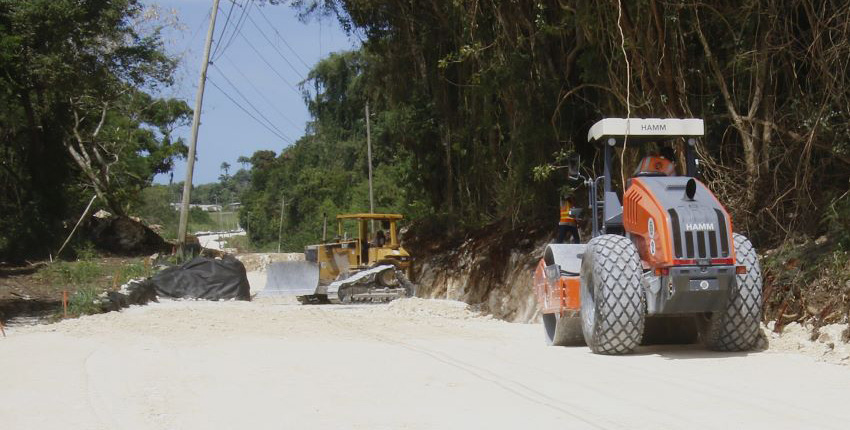
Following 14 months of intensive construction and rehabilitation work, a key rural roadway at Airy Hill Bottom in St Joseph has officially reopened to vehicle and pedestrian traffic, marking a major milestone in a government-led infrastructure upgrade initiative across the region. The completed project forms part of the Ministry of Transport and Works’ (MTW) $230 million Scotland District Road Rehabilitation Programme (SDRRP), delivered in a partnership between main contractor China National Complete Plant Import and Export Corporation (COMPLANT) and local sub-contractor Infra Construction Inc.
Major upgrade works targeting improved road safety and long-term infrastructure resilience on Airy Hill kicked off in early 2023. At the project launch, George Holder, MTW’s official project representative for the SDRRP, outlined the full scope of work for the site, which included full realignment of the road’s path and complete replacement of an aging, failing culvert. Holder explained that the original road layout featured a notoriously dangerous curve that had long been a safety hazard for motorists, while the existing culvert had degraded beyond repair.
“The old culvert could no longer handle peak water flow during heavy rain events, so we are increasing its overall capacity to prevent flooding and future structural damage,” Holder noted of the upgrade.
Beyond the completed Airy Hill Bottom project, Holder provided an updated progress report on other active infrastructure projects across the Scotland District, confirming that three critical bridge structures are currently under active construction: Melvin Hill Bridge in St Joseph, and Dark Hole Bridge and Brucevale Bridge in St Andrew. Both Melvin Hill Bridge and Dark Hole Bridge were forced to close last year after suffering sudden structural failure, making their replacement a top priority for the ministry.
Holder added that the project team initially faced significant access challenges when trying to reach the Dark Hole Bridge site, but those barriers have now been resolved. Construction is proceeding on schedule, with a full completion target set for August 2024.
At the Brucevale Bridge site, the project team is on track to finish all foundation work by the end of June 2024. Once foundations are finalized, crews will move forward to construct the bridge’s superstructure and side abutments, followed by installation of the finished bridge deck. The full Brucevale Bridge replacement project is projected to wrap up in late August to early September 2024, at which point the connecting roadway will reopen to public traffic.
Progress is also advancing on upgrade works along the Ermie Bourne Highway, where multiple aging culverts and structural components are being replaced after decades of wear and erosion. In the Cattlewash section of the highway, paving has already been completed, and construction crews have now moved north to continue upgrades along the stretch leading into Barclays Park.
This report was provided via public notice from the Ministry of Transport and Works.
-
Mas’ wire craft push aims to revive ‘dying art’, create jobs
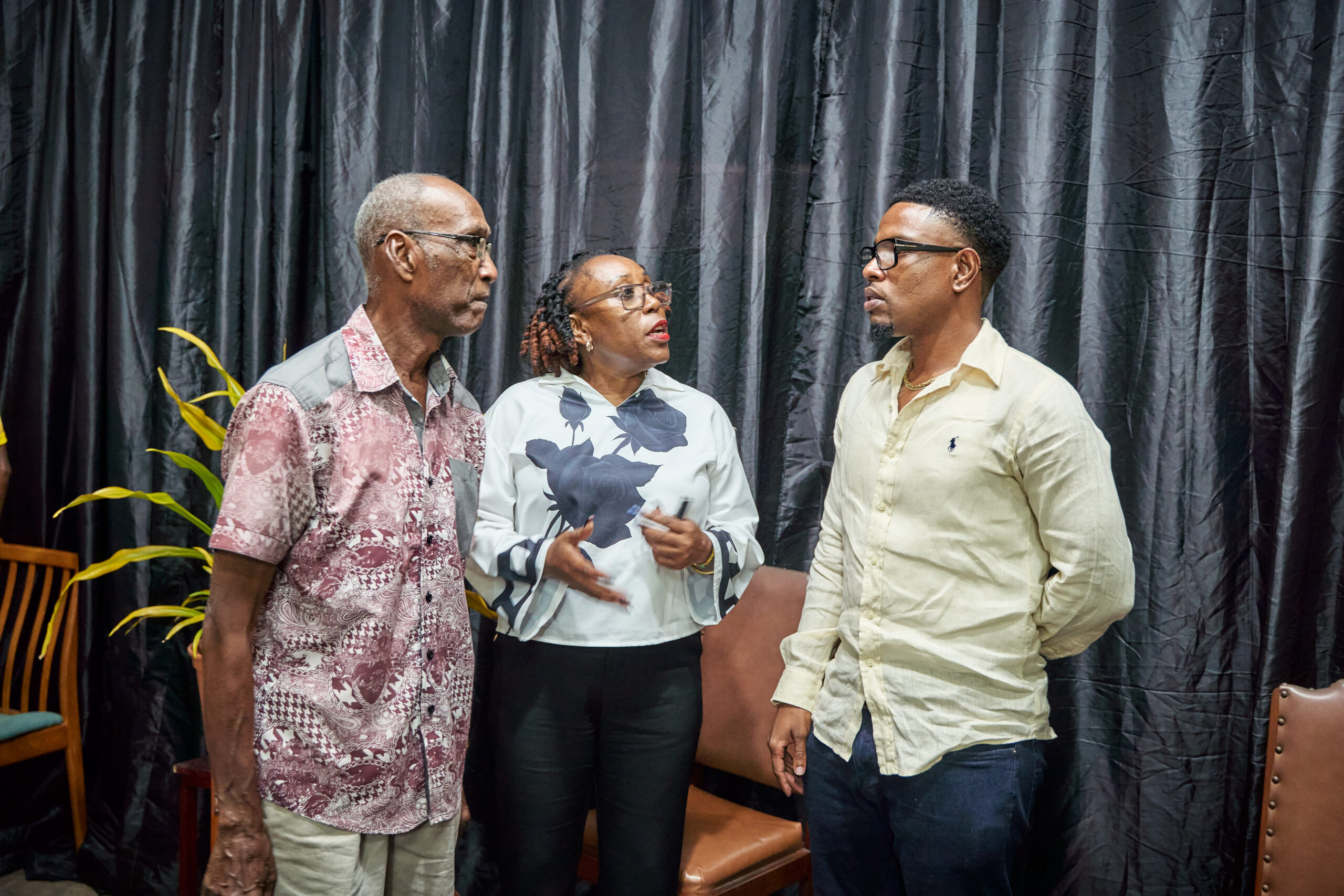
A transformative regional project aimed at breathing new life into the fading traditional craft of masquerade wire bending kicked off Thursday in Barbados, with organizers laying out a clear plan to turn this centuries-old cultural skill into accredited, income-generating livelihoods for creators across the Caribbean’s booming festival sector. The initiative was formally introduced during the Spirit Bond gathering in Bridgetown, with the launch of the Wire Sculpting for Masquerade Workshop, a collaborative effort between the Pinelands Creative Workshop (PCW), the National Cultural Foundation, Caribbean Yard Campus, and the Maria Holder Trust.
Speaking at the launch, PCW Chief Executive Sophia Greaves emphasized that the programme extends far beyond a standard technical training course, framing it as a deliberate multi-pronged effort to protect at-risk cultural heritage, empower local creative communities, and drive intentional growth across the Caribbean’s creative economy. “Today marks a profound milestone as we officially opened this wire bending workshop,” Greaves said. “I don’t see tools and wire and workspaces. I see the living heartbeat of our heritage, the sparks of economic opportunity, and the incredible power of a shared regional vision.”
Greaves explained that the programme is structured to convert existing informal cultural knowledge into long-term, sustainable professional careers, opening multiple pathways for participants. Graduates will be able to launch their own small creative businesses, pursue full-time roles in the regional creative industry, or take on commercial design contracts tied to the Caribbean’s world-famous carnival and festival circuit. “This workshop is about building economic agency,” Greaves said. “We are investing in your talent so that you can turn heritage into sustainable livelihoods.”
A core component of the initiative is the push to formalize the craft through international-standard professional accreditation. Greaves revealed that PCW is already in active discussions with Caribbean Yard Campus to develop official Caribbean Vocational Qualification (CVQ) pathways for all participants, a move that will formalize skills that have long been passed down informally through community networks. “We are actively moving towards cementing these traditional skills into formal qualifications,” she said. “This will ensure that the skills you hone in community spaces are recognised globally, giving you formal accredited certification as professional artisans and cultural practitioners.”
Val Jerry, the lead workshop facilitator, noted that as carnival costume design evolves to incorporate new synthetic materials and align with modern trends, preserving the foundational techniques of traditional wire bending has become increasingly urgent. He described the craft as a “dying art,” pushing back against the idea that newer materials can fully replace the structural benefits wire frameworks bring to large, elaborate masquerade costumes. “We know carnival is changing. It has always changed from the beginning and it will keep changing,” Jerry said. “But you have to draw the line somewhere. There’s no excuse for vulgarity.”
He went on to highlight the unique structural advantages of hand-bent wire, noting that the material can hold rigid angles that modern alternatives like fiberglass cannot replicate. “Wire is probably the only material that could give you a 45-degree angle and not move. You can’t do that with fiberglass,” he explained. “So we look to see the strong points and we incorporate this into costume building.” Jerry added that the workshop is not focused on freezing the craft in the past, but rather on adapting traditional wire bending techniques to fit the evolving needs of modern Caribbean carnival design, balancing heritage preservation with contemporary creative demands.
-
Fiscal council re-established to strengthen public purse oversight
Against a backdrop of escalating global economic volatility and years of ongoing fiscal reform after a major debt restructuring, the Government of Barbados has formally re-established an independent Fiscal Council, a move designed to embed greater transparency and accountability into the country’s long-term debt reduction strategy, the Ministry of Finance announced Thursday.
The newly reconstituted five-member body, which draws together cross-sector expertise from economics, finance, banking, and organized labor both within Barbados and across the international community, carries a clear, public-focused mandate: to verify the credibility of the economic and financial projections that form the foundation of the national budget, assess whether the government is meeting its legally and politically binding fiscal responsibility commitments, and track emerging long-term fiscal risks ranging from underperformance at state-owned enterprises to unplanned contingent liabilities and climate-related financial exposures. To keep the public fully informed, the council will publish independent annual evaluations of four key government documents: the national Fiscal Framework, the Mid-Year fiscal review, the Pre-Election Economic and Fiscal Update, and the annual national budget. All reports will be made freely accessible to any Barbadian citizen who wishes to review them, the ministry confirmed.
“The council’s only job is to examine the evidence and report its findings transparently to the people of Barbados,” the ministry stated in its official announcement.
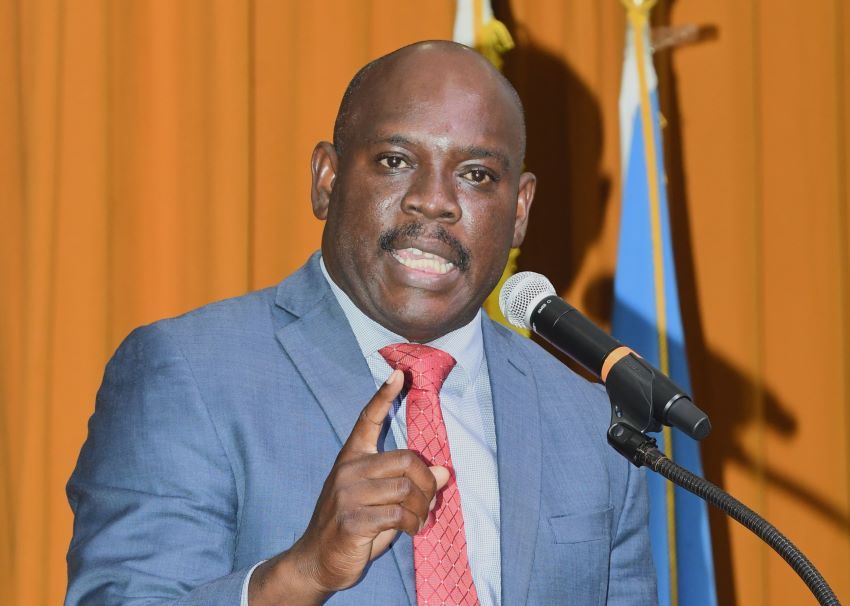
Leadership of the new council includes Ismail Momoniat, former acting director general of South Africa’s National Treasury, who will serve as chairman, and Winston Moore, a professor of economics and deputy principal at the University of the West Indies Cave Hill Campus, who takes on the role of deputy chairman. The remaining council members are Nlandu Mamingi, emeritus professor of economics; Donna Wellington, chief country management officer at CIBC Caribbean; and Cedric Murrell OBE, a veteran labor relations consultant and former president of the Congress of Trade Unions and Staff Associations (CTUSAB). The council has already convened its first meeting, formalized its operating mandate, and begun its core work, according to the government statement.
The Fiscal Council was first launched in May 2023 as a core component of Barbados’ International Monetary Fund (IMF)-backed economic reform program, which was launched after the country completed a sweeping debt restructuring process to pull its public finances back from unsustainable levels. This reconstitution comes as the Mia Mottley administration works to sustain investor confidence and fiscal stability while navigating persistent global economic headwinds and working toward long-term debt reduction targets set under the ongoing reform initiative.
Barbados entered the IMF’s Extended Fund Facility program in October 2018, when its public debt had surged to roughly 160% of the country’s gross domestic product (GDP). By June 2024, concerted reform efforts had cut that ratio to 117% of GDP, with projections showing the downward trend continuing and a long-term target of reducing debt to 60% of GDP by 2035.
A defining feature of the new council is its full operational independence from government, the finance ministry emphasized: the body is non-statutory, not controlled by any executive branch ministry, and does not answer to political leaders. This autonomy is critical to its ability to deliver unbiased assessments, officials noted.
Finance Minister Ryan Straughn framed the reconstituted council as a critical accountability mechanism at a moment of ongoing global economic instability. “Good governance is not just about making the right decisions, it is about being willing to be held accountable for them,” Straughn said. “No government gets everything right. Governing a small island nation in the middle of a turbulent global economy is serious work. What matters is that there are credible, independent people watching, ready to say so when we fall short and to confirm it when we do not. When they say we have fallen short, we listen, we adjust, and we act. That is how good governance actually works in practice.”
Straughn also paid tribute to former council chairman Alejandro Werner, the former head of the IMF’s Western Hemisphere Department, who led the body during its initial setup phase. “Alejandro never treated this as a ceremonial role,” Straughn said. “He asked hard questions, he pushed for rigour, and he left the council in better shape than he found it.”
The work of the Fiscal Council aligns with broader international recognition of Barbados’ commitment to sound fiscal management. A 2024 report from the United States Department of the Treasury, which evaluated IMF lending programs to Barbados and Suriname, noted the council was established to “further demonstrate commitment to sound fiscal management” and added that the body will hold the government accountable for transparent implementation of a fiscal strategy focused on cutting public expenditure, reforming state-owned enterprises, and embedding the Medium-Term Fiscal Strategy into permanent institutional practice.
With the reconstitution complete, the Fiscal Council of Barbados is now fully operational, the government confirmed.
-
Veteran lawyer backs ‘McKenzie friend’ services amid bar association dispute
A heated public debate over the role of unlicensed legal supporters known as “McKenzie friends” has gripped Barbados, after the Barbados Bar Association (BBA) issued a rare public warning naming three community and political figures it says are not authorized to offer legal services. The BBA specifically called out Winston Clarke, Colin Roach and Quincy Jones, alerting residents that none of the three have been formally called to the island’s bar and are not entered on the official roll of licensed practicing attorneys. But the BBA’s public notice has sparked sharp pushback from senior legal figures and community leaders, who argue these unlicensed advisers fill a critical gap for low-income Barbadians locked out of the formal legal system.
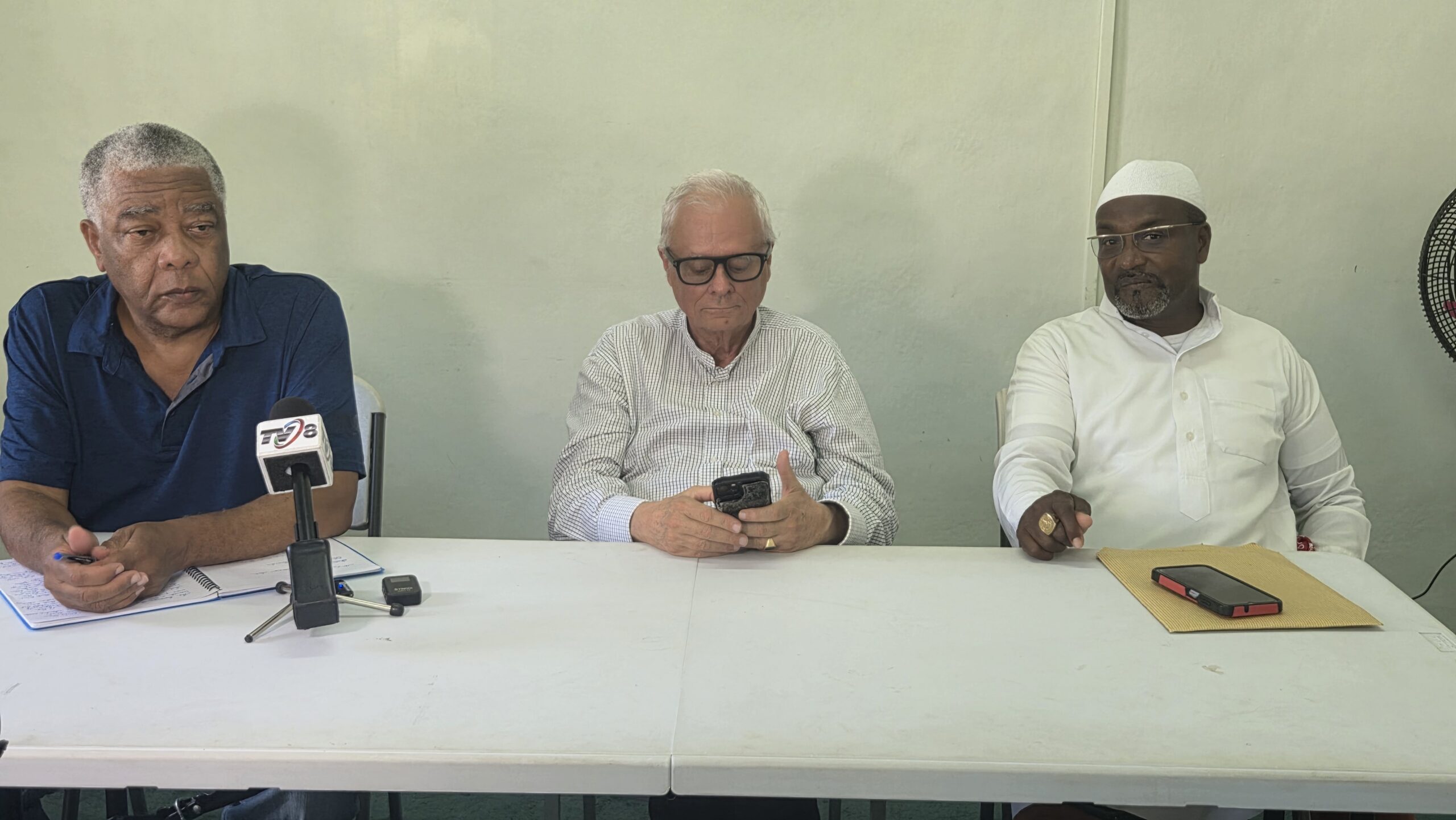
Leading the criticism is Alair Shepherd, one of the island’s most prominent senior constitutional counsels, who came forward to defend the work of the named McKenzie friends. In a press briefing held Thursday at the Belleville office of the Unity Workers’ Union (UWU), Shepherd argued that the services these practitioners provide are both lawful and desperately needed. “I just thought somebody from the Bar needed to say to the public that they are filling a badly needed void,” Shepherd told reporters. He emphasized that the work of McKenzie friends is not illegal under common law, and that at least one local court has explicitly endorsed their right to assist self-represented litigants, specifically allowing Clarke to speak on a client’s behalf in a past proceeding that ultimately ended in a successful outcome for the litigant.
The concept of a McKenzie friend traces its roots to the 1970 English Court of Appeal case *McKenzie v McKenzie*, which established that self-represented litigants have a formal right to receive non-lawyer support and guidance during court proceedings. This principle has been widely adopted across Commonwealth common law jurisdictions, including Barbados, though specifics on allowed activities are left to the discretion of individual trial judges. Under the established framework, it is well within a judge’s power to permit a McKenzie friend to address the court directly, a long-standing precedent that the BBA’s notice failed to acknowledge, Shepherd said.
Shepherd labeled the BBA’s public naming of the three practitioners “unfortunate”, arguing that the publication of their names in a public warning created the misleading implication that their work was inherently unlawful, when it is actually protected by established common law. For his part, Clarke – one of the three named in the notice – said the BBA failed to extend him even the basic courtesy of an opportunity to respond to prior complaints before going public with the warning. He told reporters that after a complaint was filed over his assistance to a self-represented litigant, BBA leaders never reached out to him for comment, instead publishing his name directly in local newspaper notices.
Clarke, who has long made clear to all clients that he is not a licensed attorney, said the warning has already caused severe harm to his livelihood, with many community members now incorrectly believing he was misrepresenting himself as a lawyer and pulling away from his services. “Quite a few people have reached out to me saying that from reading that they believed that I was purporting to be an attorney and that they shouldn’t take advice from me about anything,” Clarke said. “I am very upset about this and the way it was done because they should have reached out to me.” He added that he intends to bring the matter before the courts, and will continue providing assistance to low-income residents who cannot afford the cost of a licensed attorney.
The BBA’s move has also drawn criticism from Caswell Franklyn, leader of the Unity Workers’ Union and a former senator, who has himself provided informal legal guidance to community members for years. Franklyn threw his full support behind Clarke and the other named practitioners, noting that systemic gaps in access to justice leave low-income Barbadians with few affordable options for legal support. “The problem is if you are poor and cannot afford a lawyer you suffer in Barbados and as Mr Shepherd said, Winston and others are providing a need,” Franklyn said. “Almost on a weekly basis I have to see people who do not have the wherewithal to go to a lawyer and I have sent them to Winston.” The debate has shone a bright spotlight on longstanding unmet demand for affordable legal assistance across the island, with advocates pushing for clearer formal recognition of the role McKenzie friends play in expanding access to justice.
-
DLP links rising violence to lack of youth engagement
As violent crime continues its upward trajectory across the Caribbean island nation of Barbados, the main opposition Democratic Labour Party (DLP) is pressing the ruling government to revive targeted youth engagement initiatives, warning that disenfranchised young men are increasingly vulnerable to recruitment by criminal gangs and drawn into violent activity. The urgent call comes in the wake of a recent assault on a foreign tourist near popular Carlisle Bay, carried out by a group of young males, that left the visitor hospitalized and raised fresh alarms about crime spreading to key tourism areas.
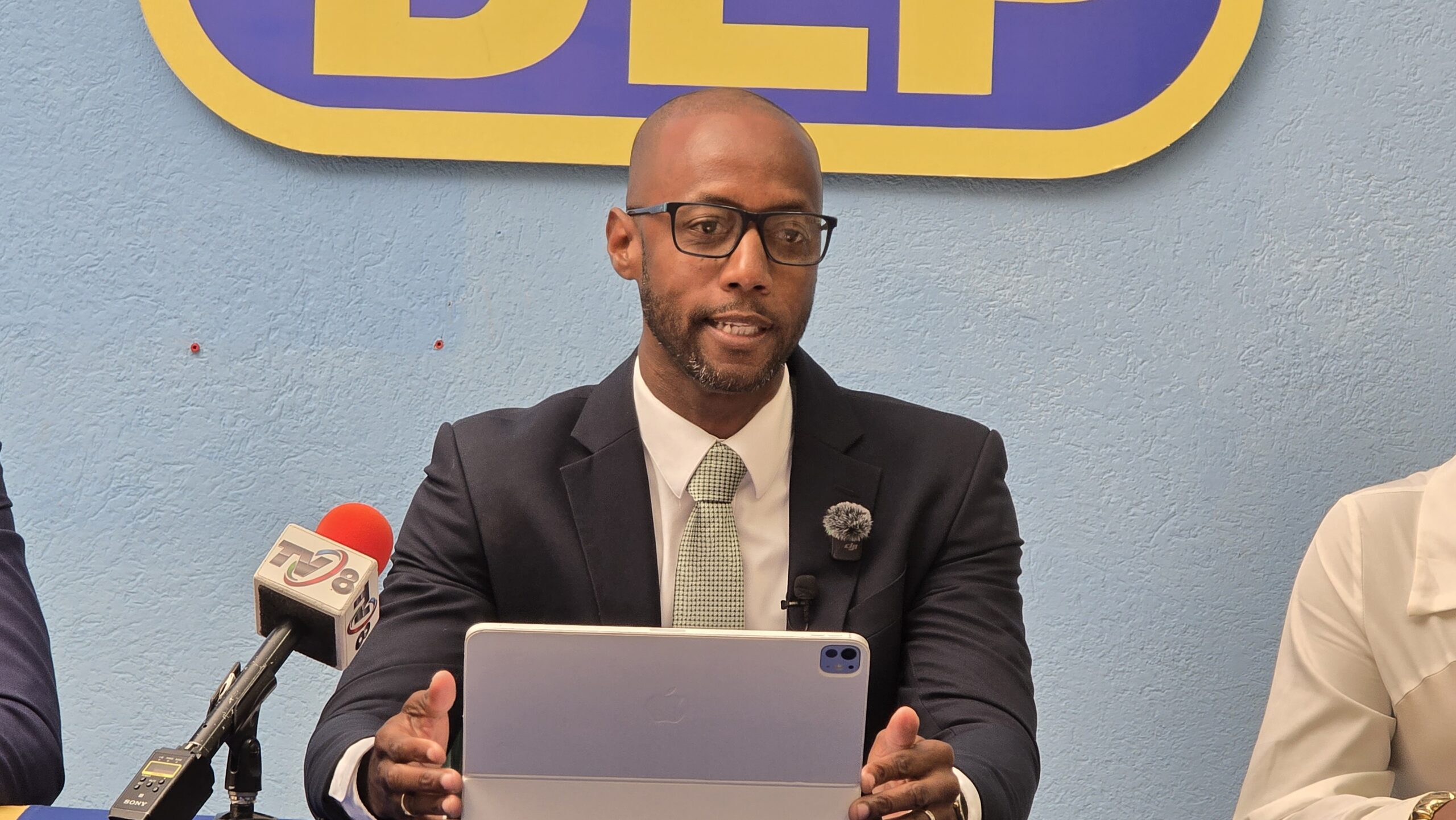
Speaking at a DLP headquarters press briefing Thursday, Senator Ryan Walters, chair of the party’s shadow spokesperson cabinet, outlined growing risks as the academic year draws to a close. With no structured summer activities in place for thousands of out-of-school teens, Walters warned that idle time will leave many 16 to 18-year-old young men with little positive outlet for their energy. Left with no organized programming, many will gather on neighborhood blocks, where they face heightened exposure to recruitment by gangs and groups engaged in harmful, illegal activity, he argued. “Government intervention is critical to reverse this trend,” Walters stressed.
He added that the dual gaps of eliminated national summer programs and restricted access to public community and recreational facilities have exacerbated the island’s crime crisis. The DLP has proposed reviving two proven successful initiatives: the Barbados Defence Force (BDF) sports program, which draws young men into structured athletic activity and keeps them engaged away from criminal circles, and a revamped Advanced Youth Corps that expands opportunities for positive community participation. Walters noted that the country has not hosted full-scale national summer programs for at least two years, a gap that stirred widespread public frustration last year, and remains unaddressed by the current administration.
Beyond the absence of seasonal programming, Walters pointed to systemic barriers to recreational access that push young people toward idle activity. During a recent community visit two weeks prior to the press conference, local residents told him that public recreational courts shut off their outdoor lighting as early as 6 or 7 p.m. each evening. This means even young people who want to play basketball or road tennis — two extremely popular pastimes for Barbadian youth — are locked out of safe, structured activity after work or school, leaving them with no positive alternative to gathering on neighborhood streets.
Walters emphasized that violent crime is no longer confined to a small set of high-risk neighborhoods, but has become a pervasive threat across the entire country. “This reality is closer to home than ever before, and our communities are under direct threat,” he said. The island has seen repeated shooting incidents in residential areas dense with young families, including Deacons Farm and The Pine, and even violent attacks within close proximity to local nursery schools, he added. Citing seven years of consistent crime data, Walters noted that the island has posted near-record high murder rates in recent years: 49 murders were recorded in 2024, followed by 48 in 2025. As of mid-2026, the country has already seen 22 homicides, putting the island on pace to average one murder per week for the full year. In total, more than 240 young men have been murdered across Barbados over the past seven years, Walters confirmed.
DLP’s tourism and international transport spokesperson Rasheed Belgrave added a separate layer of concern, noting that violent crime is now spilling over into the island’s top tourism zones, threatening Barbados’ decades-long brand as a safe, welcoming tropical destination for international visitors. Belgrave pointed to a string of high-profile violent incidents in prime tourism and entertainment districts over recent months: a fatal stabbing on First Street in Holetown, St. James; a triple homicide at Thunder Bay, also in St. James; and a fatal shooting during the popular annual Oistins Fish Festival, a major draw for both tourists and local residents. “These tragic events have planted fear in spaces that are supposed to be safe and welcoming for everyone,” Belgrave said.
Beyond the immediate damage to public safety, Belgrave warned that persistent violent crime in tourism hubs will have severe cascading impacts on Barbados’ economy, which relies heavily on tourism and hospitality as its primary source of employment and foreign revenue. “These incidents do not just harm our national reputation as a peaceful destination, they undermine the hard work of thousands of law-abiding Barbadians who depend on tourism for their livelihoods,” he explained. If the current wave of violence goes unaddressed, Belgrave warned, it will eventually lead to declining visitor arrivals, eroded public confidence in public safety, and reduced patronage for tourism-linked businesses from both international visitors and local residents. The economic ripple effect would hit every sector tied to tourism, from large hotels and fine dining restaurants to taxi providers, street vendors, local attractions and small hospitality businesses across the island.
The opposition’s joint call puts new pressure on the ruling administration to respond to rising crime rates and address the underlying socioeconomic drivers of violent gang activity, particularly among unemployed and out-of-school youth.