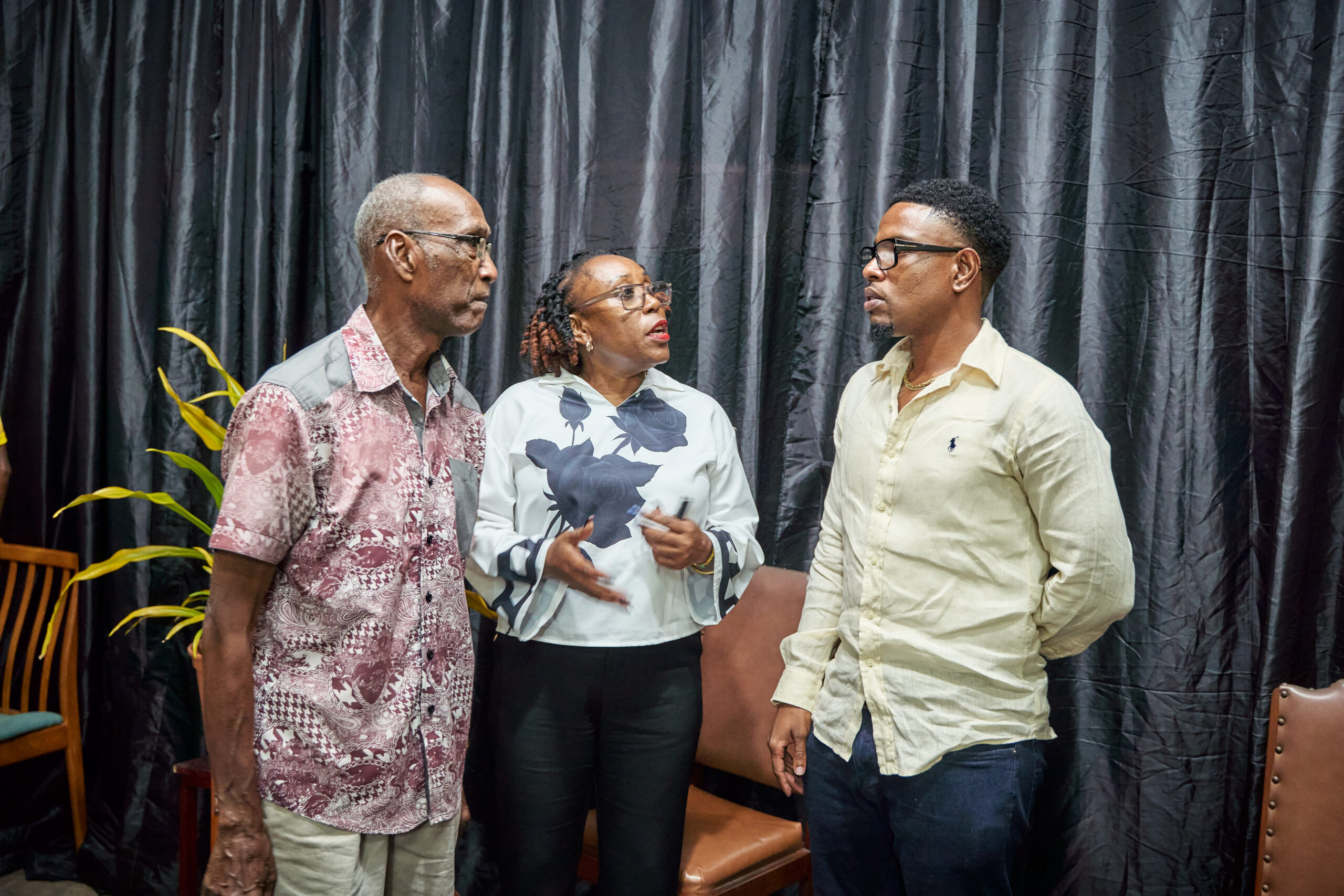
A transformative regional project aimed at breathing new life into the fading traditional craft of masquerade wire bending kicked off Thursday in Barbados, with organizers laying out a clear plan to turn this centuries-old cultural skill into accredited, income-generating livelihoods for creators across the Caribbean’s booming festival sector. The initiative was formally introduced during the Spirit Bond gathering in Bridgetown, with the launch of the Wire Sculpting for Masquerade Workshop, a collaborative effort between the Pinelands Creative Workshop (PCW), the National Cultural Foundation, Caribbean Yard Campus, and the Maria Holder Trust.
Speaking at the launch, PCW Chief Executive Sophia Greaves emphasized that the programme extends far beyond a standard technical training course, framing it as a deliberate multi-pronged effort to protect at-risk cultural heritage, empower local creative communities, and drive intentional growth across the Caribbean’s creative economy. “Today marks a profound milestone as we officially opened this wire bending workshop,” Greaves said. “I don’t see tools and wire and workspaces. I see the living heartbeat of our heritage, the sparks of economic opportunity, and the incredible power of a shared regional vision.”
Greaves explained that the programme is structured to convert existing informal cultural knowledge into long-term, sustainable professional careers, opening multiple pathways for participants. Graduates will be able to launch their own small creative businesses, pursue full-time roles in the regional creative industry, or take on commercial design contracts tied to the Caribbean’s world-famous carnival and festival circuit. “This workshop is about building economic agency,” Greaves said. “We are investing in your talent so that you can turn heritage into sustainable livelihoods.”
A core component of the initiative is the push to formalize the craft through international-standard professional accreditation. Greaves revealed that PCW is already in active discussions with Caribbean Yard Campus to develop official Caribbean Vocational Qualification (CVQ) pathways for all participants, a move that will formalize skills that have long been passed down informally through community networks. “We are actively moving towards cementing these traditional skills into formal qualifications,” she said. “This will ensure that the skills you hone in community spaces are recognised globally, giving you formal accredited certification as professional artisans and cultural practitioners.”
Val Jerry, the lead workshop facilitator, noted that as carnival costume design evolves to incorporate new synthetic materials and align with modern trends, preserving the foundational techniques of traditional wire bending has become increasingly urgent. He described the craft as a “dying art,” pushing back against the idea that newer materials can fully replace the structural benefits wire frameworks bring to large, elaborate masquerade costumes. “We know carnival is changing. It has always changed from the beginning and it will keep changing,” Jerry said. “But you have to draw the line somewhere. There’s no excuse for vulgarity.”
He went on to highlight the unique structural advantages of hand-bent wire, noting that the material can hold rigid angles that modern alternatives like fiberglass cannot replicate. “Wire is probably the only material that could give you a 45-degree angle and not move. You can’t do that with fiberglass,” he explained. “So we look to see the strong points and we incorporate this into costume building.” Jerry added that the workshop is not focused on freezing the craft in the past, but rather on adapting traditional wire bending techniques to fit the evolving needs of modern Caribbean carnival design, balancing heritage preservation with contemporary creative demands.