标签: Barbados

巴巴多斯

  • BEC renews push for single Labour Code

    BEC renews push for single Labour Code

    After the Barbados House of Assembly passed the landmark Protection of Wages Bill, the Barbados Employers Confederation (BEC) has reactivated a years-long campaign to consolidate the country’s scattered labour regulations into a single, comprehensive Labour Code.

    This renewed appeal comes as employer groups across the island conduct a line-by-line review of the newly passed wage protection legislation, with the BEC arguing that a unified code would streamline the island’s entire labour governance framework by removing the burden of cross-referencing dozens of disconnected laws.

    BEC Executive Director Sheena Mayers-Granville shared details of the organization’s ongoing push in an interview with Barbados TODAY, confirming that the confederation has advocated for a consolidated Labour Code for no less than five years.

    “What we are calling for is one overarching, comprehensive Labour Code that eliminates the need to jump between multiple separate pieces of legislation every time we address a labour issue,” Mayers-Granville explained. “Right now, no such unified code exists. We have been actively collaborating with government stakeholders on this proposal, and we are eager to see tangible progress on this initiative in the near term.”

    Mayers-Granville added that the confederation has already completed a full, detailed feasibility study mapping out exactly how the unified Labour Code would operate, and has formally submitted its finalized recommendations to both national government leaders and private sector industry representatives.

    The proposed single code would replace more than a dozen existing standalone labour laws, covering everything from paid holiday entitlements and minimum wage standards to wage protection regulations, the Shops Act, labour contracting rules, employment anti-discrimination policies, and workplace sexual harassment prevention guidelines, according to Mayers-Granville.

    She emphasized that consolidating all these separate regulatory measures into one cohesive document would make it far simpler for both employers and workers to understand their legal rights and responsibilities, removing the confusion that comes from navigating dozens of overlapping and disconnected acts.

    “Currently, we have to reference between 15 and 20 different pieces of legislation to cover all labour-related matters. Our proposal would do away with that fragmentation. Instead of dozens of disconnected laws, we would have 11 structured subsections within one single piece of legislation that covers the full scope of national labour law,” Mayers-Granville noted. “Every issue, from wage payment protocols to employment separation procedures to anti-discrimination protections, would be fully encompassed in this one document.”

    Crucially, the push for a unified code has broad, cross-stakeholder support: trade unions across Barbados also back the proposal, Mayers-Granville confirmed. The confederation remains optimistic that the government will move forward with the proposal in the coming months, after years of collaborative advocacy.
  • BEC begins employer education drive ahead of wage bill rollout

    BEC begins employer education drive ahead of wage bill rollout

    As Barbados moves closer to approving the long-awaited Protection of Wages Bill, the Barbados Employers Confederation (BEC) has launched a large-scale outreach campaign to prepare local business owners for the upcoming regulatory changes to wage management practices.

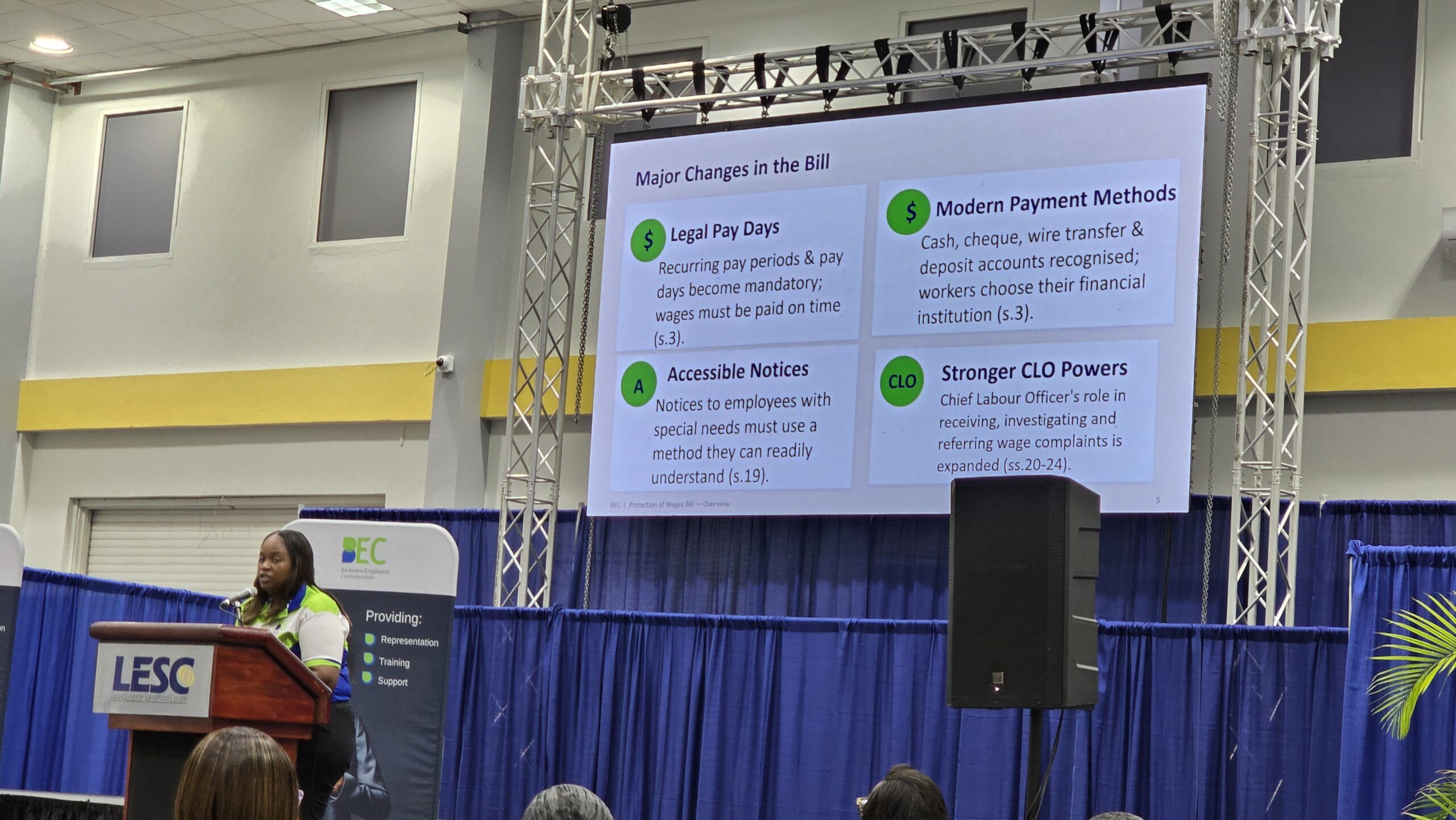
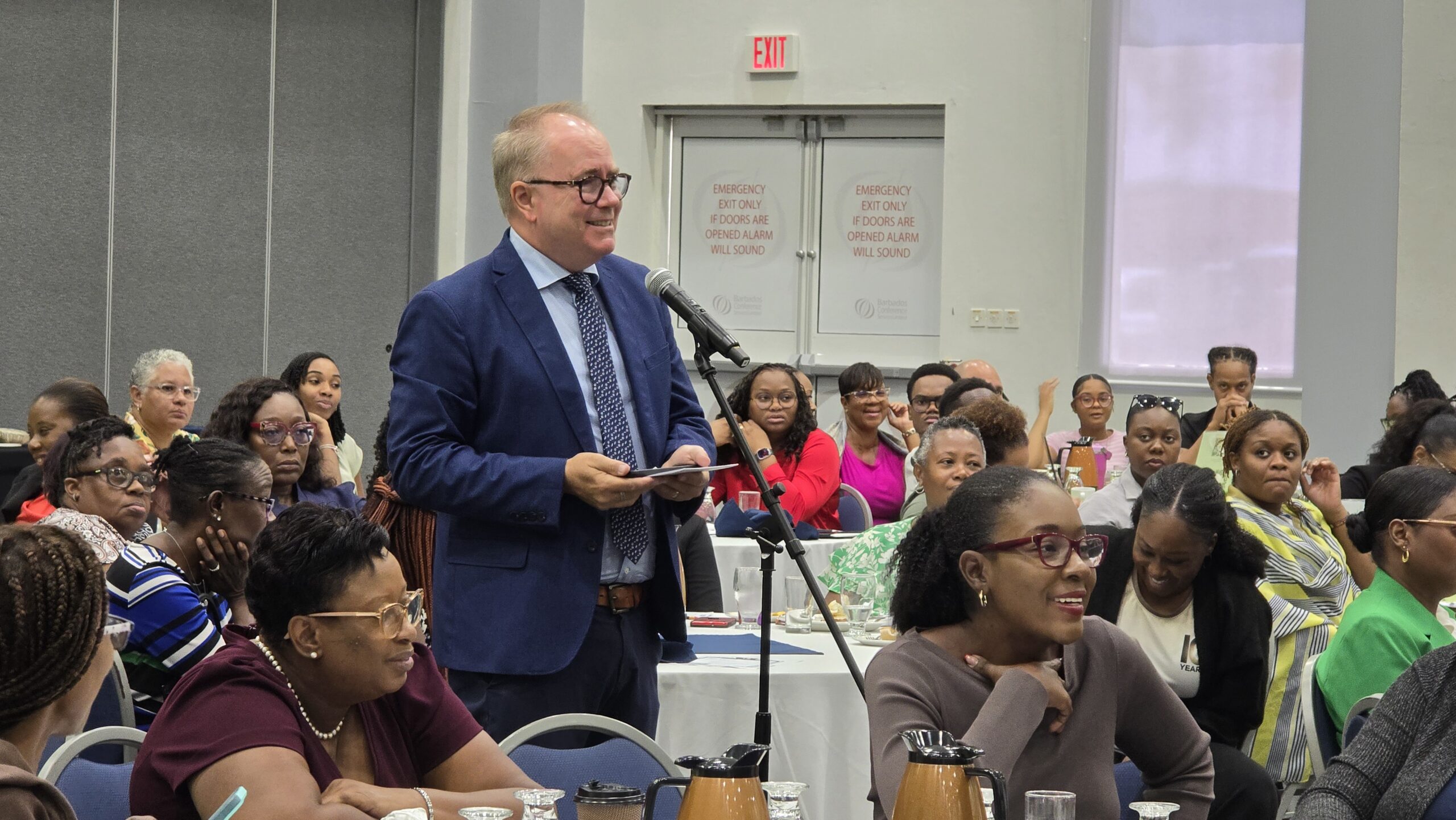
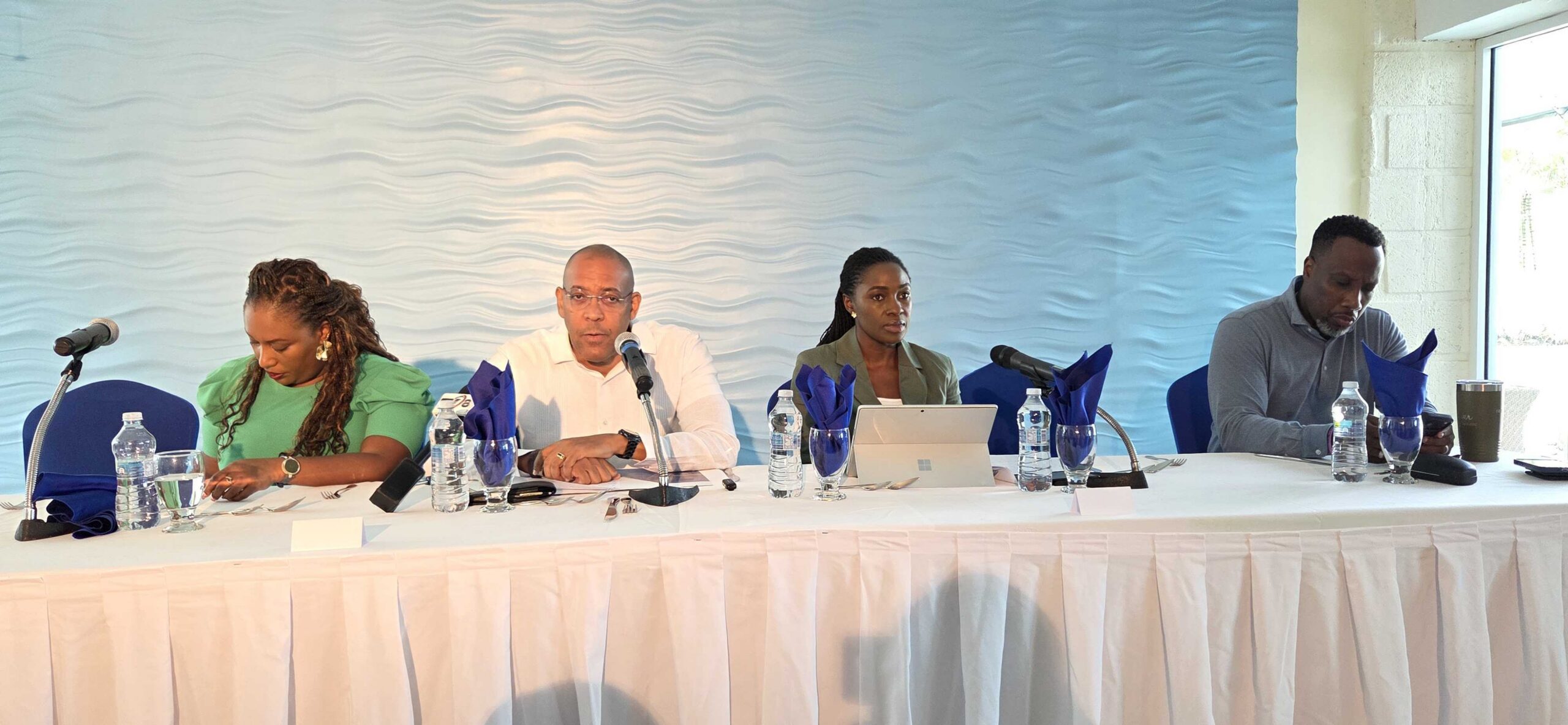
    The first of BEC’s public education events was held Thursday at the Lloyd Erskine Sandiford Centre, designed to walk employers through the fine print of the new legislation and help them align existing payroll operations with the upcoming legal requirements. Speaking to attendees at the session, BEC Executive Director Sheena Mayers-Granville explained that the event was structured to give employers an open forum to clarify uncertainties and map out their new obligations under the law.

    With parliamentary debate on the bill wrapping up earlier this month, this information session marks the organization’s first public effort to sensitize the business community to the Bill’s provisions. “This is our chance to help employers start reviewing the terms of the legislation now, so they can implement any necessary changes to their operations long before the law goes into effect to stay compliant,” Mayers-Granville noted.

    The Protection of Wages Bill introduces sweeping new regulatory standards for wage payments, authorized deductions, and pay cycles – three core areas of payroll management that BEC emphasizes will require close attention from employers once the law is enacted. Previously, most of these processes were governed exclusively by individual employment contracts negotiated between employers and workers, but the new framework will bring standardized, government-mandated regulation to these areas for the first time.

    “Before, there was no formal regulation of pay cycles; those terms were left entirely to the employment contract. Now, the new legislation will set clear rules for pay cycles, and we’ve also been walking employers through what the new rules mean for wage deductions,” Mayers-Granville explained.

    One of the most common points of confusion for participating employers has been the one-third cap on wage deductions, a provision that already exists under the outdated 1950s-era wage legislation but has long been plagued by inconsistent application. Mayers-Granville pointed out that for decades, employers and financial institutions alike have debated whether the cap applies to gross or net earnings, and how the rule should be implemented for court-ordered or worker-requested deductions for major financial commitments like mortgages and car loans.

    Unlike the vague existing rules, the new Protection of Wages Bill includes explicit, detailed guidance on how to apply the one-third deduction cap, eliminating the ambiguity that has created compliance risks for employers for generations. Moving forward, BEC will maintain its ongoing support for local businesses through the transition period.

    Mayers-Granville confirmed that BEC will continue rolling out educational resources, detailed guidance, and personalized advice for member businesses over the coming months, with regular updates to help employers prepare before the law comes into force. The organization acknowledges that the shift to the new regulatory framework will require a period of adjustment for local businesses, and BEC has committed to standing by employers throughout the transition to answer questions, resolve uncertainties, and ensure all businesses can adapt smoothly to the new compliance requirements.

  • Beneficial ownership register to ‘meet global transparency standards’

    Beneficial ownership register to ‘meet global transparency standards’

    Barbados is entering a critical phase of regulatory reform as it implements a landmark beneficial ownership disclosure regime, a policy shift that will determine the island nation’s compliance with international anti-money laundering and counter-terrorism financing standards. Government officials have issued clear warnings that widespread failure to comply with the new rules could open Barbados to crippling international financial sanctions and lasting harm to its reputation as a trusted global financial jurisdiction.

    The new framework, a joint initiative between the Ministry of Energy, Business Development and Commerce and national business development agency Business Barbados, creates a centralized, securely encrypted public repository that records the identity of the ultimate human individuals who own or control corporate entities registered across the country. Unlike historical corporate registries that only list legal entities, this new system cuts through layered shell company structures to name the real parties that profit from or control business activity in Barbados.

    Speaking at a press breakfast briefing, Sangene Watkins Diang, Director of the Business Compliance Division at the Ministry, outlined that the regulatory architecture was built through a strategic collaboration with Business Barbados, the country’s official corporate registration body. “As the first point of contact for all new businesses entering Barbados’ formal economy, Business Barbados is truly the cradle of the island’s incorporated commercial activity,” Watkins Diang explained. “Their contribution to this initiative went far beyond basic stakeholder outreach: they brought on-the-ground practical insight, decades of operational expertise, and a shared commitment to building a system that is both robustly effective and accessible for businesses of all sizes.”

    Wainelle Alleyne-Jones, Head of business facilitation and advisory services at Business Barbados, joined government officials to emphasize the agency’s commitment to supporting businesses through the transition to the new rules. Under the landmark legislation, any individual that holds at least 20 percent of a company’s shares, voting rights, or partnership interests, or holds the power to veto board decisions, is required to be formally registered as a beneficial owner.

    The regulatory reform comes after the Beneficial Ownership Bill was passed by Barbados’ House of Assembly, bringing the jurisdiction one step closer to full alignment with global anti-financial crime standards set by the Financial Action Task Force (FATF) and the Caribbean Financial Action Task Force (CFATF). The bill is now scheduled for a final vote in the Senate before receiving presidential assent from President Jeffrey Bostic to become law.

    International financial oversight bodies now judge jurisdictions not only by whether they have passed matching legislation on paper, but by whether they can demonstrate that the new rules are operational and effective in practice, local authorities noted. The new framework is specifically designed to block complex, opaque corporate structures from being exploited by criminal actors for money laundering, terror financing, drug trafficking, and the proliferation of illegal weapons, Watkins Diang confirmed. With a verified central database in place, law enforcement and authorized regulatory bodies can quickly confirm the identity of ultimate corporate controllers when responding to legitimate domestic or international investigation requests.

    To reduce barriers to compliance for smaller business operators, the legislation establishes a dedicated Business Compliance Team focused exclusively on supporting micro, small, and medium-sized enterprises, which are legally categorized as domestic threshold enterprises. Recognizing that small businesses often face limited administrative capacity and tight budget constraints, the specialized team will actively support owners in reviewing, correcting, and filing their required beneficial ownership documentation without passing on excessive legal costs, Watkins Diang explained.

    Officials have moved to address concerns over data privacy, stressing that the centralized beneficial ownership database is strictly protected and access is limited only to authorized parties. Access is restricted to approved regulatory bodies, law enforcement agencies, parties acting under a valid court order, or official requests made under international treaties. This structure ensures that sensitive proprietary commercial information remains fully protected from public disclosure or access by commercial competitors.

    The Barbadian government faces a hard deadline of June next year to prove the operational effectiveness of the new framework to international peer review panels. Officials emphasized that full compliance across all sectors of the national business community is non-negotiable to avoid severe penalties, including widespread de-risking by large global financial institutions and the potential loss of critical correspondent banking relationships that underpin the island’s international trade and financial activity.

    Barbados has already worked successfully to remove itself from international financial grey lists through a series of recent legislative and diplomatic reforms, and government officials have reiterated that every registered company on the island, regardless of its size or revenue, shares responsibility for protecting the national economy from reputational damage. Watkins Diang made a direct appeal to local media and business support organizations to help spread awareness of the new requirements across every corner of the island’s business community.

    “I urge you, the media, to help us get this message out to every company in Barbados: compliance is not optional,” she said. “We also need your help to help business owners understand what the beneficial ownership register is designed to do: boost national corporate transparency, and ultimately protect Barbados’ standing in the global economy.”

  • Sir Garry Sobers forever ‘not out’

    Sir Garry Sobers forever ‘not out’

    On a momentous day marked by reflection and celebration of a legendary legacy, thousands gathered at Bridgetown’s iconic Kensington Oval for a two-and-a-half-hour state funeral to honor Sir Garfield St Auburn Sobers, Barbados’ beloved National Hero widely hailed as the greatest all-rounder in cricket history. The ceremony brought together heads of state, cultural icons, global cricket leaders, and ordinary fans alike, all united in paying final respects to a figure who transformed global cricket and inspired generations across the Caribbean and the world.

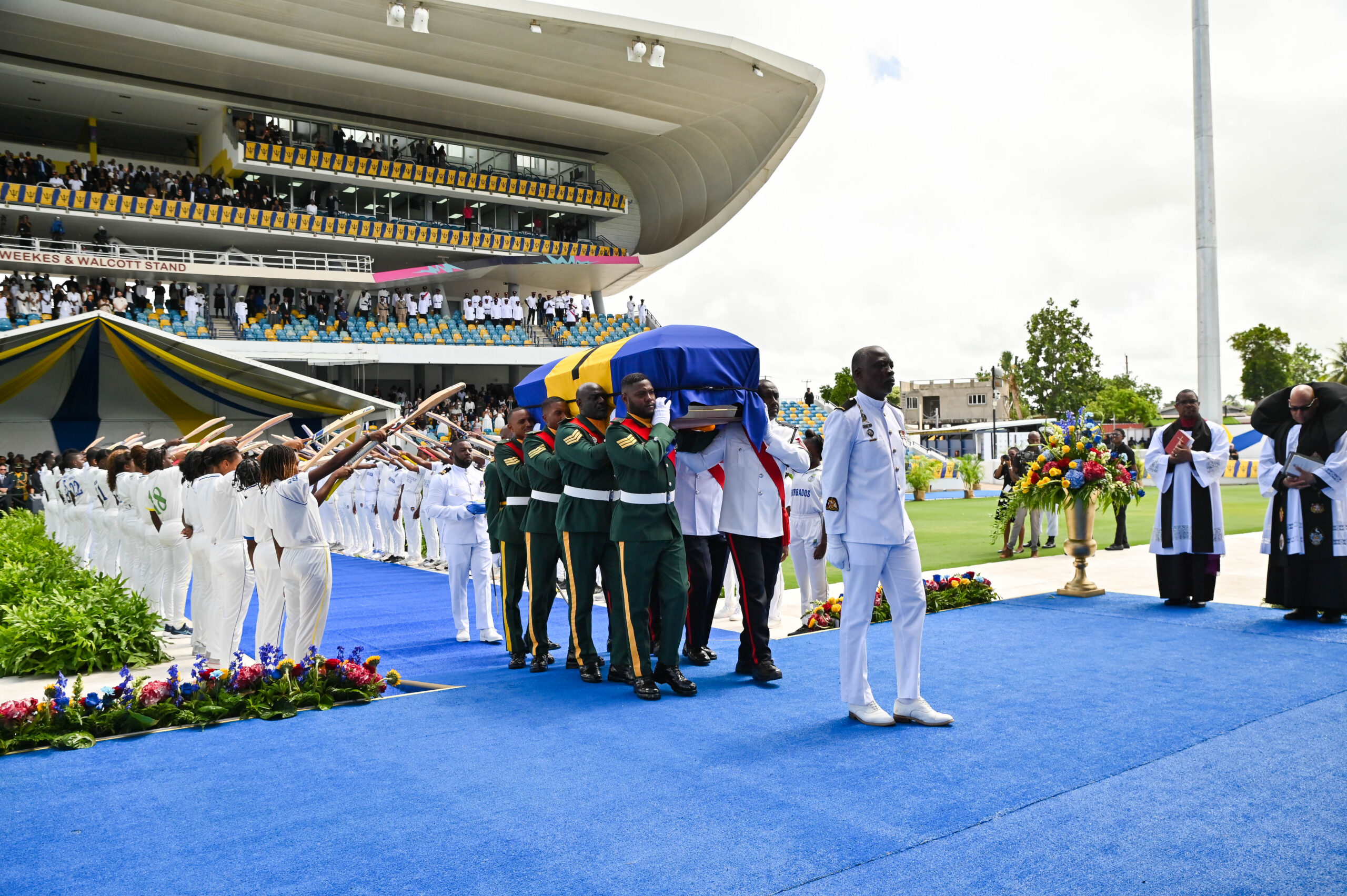
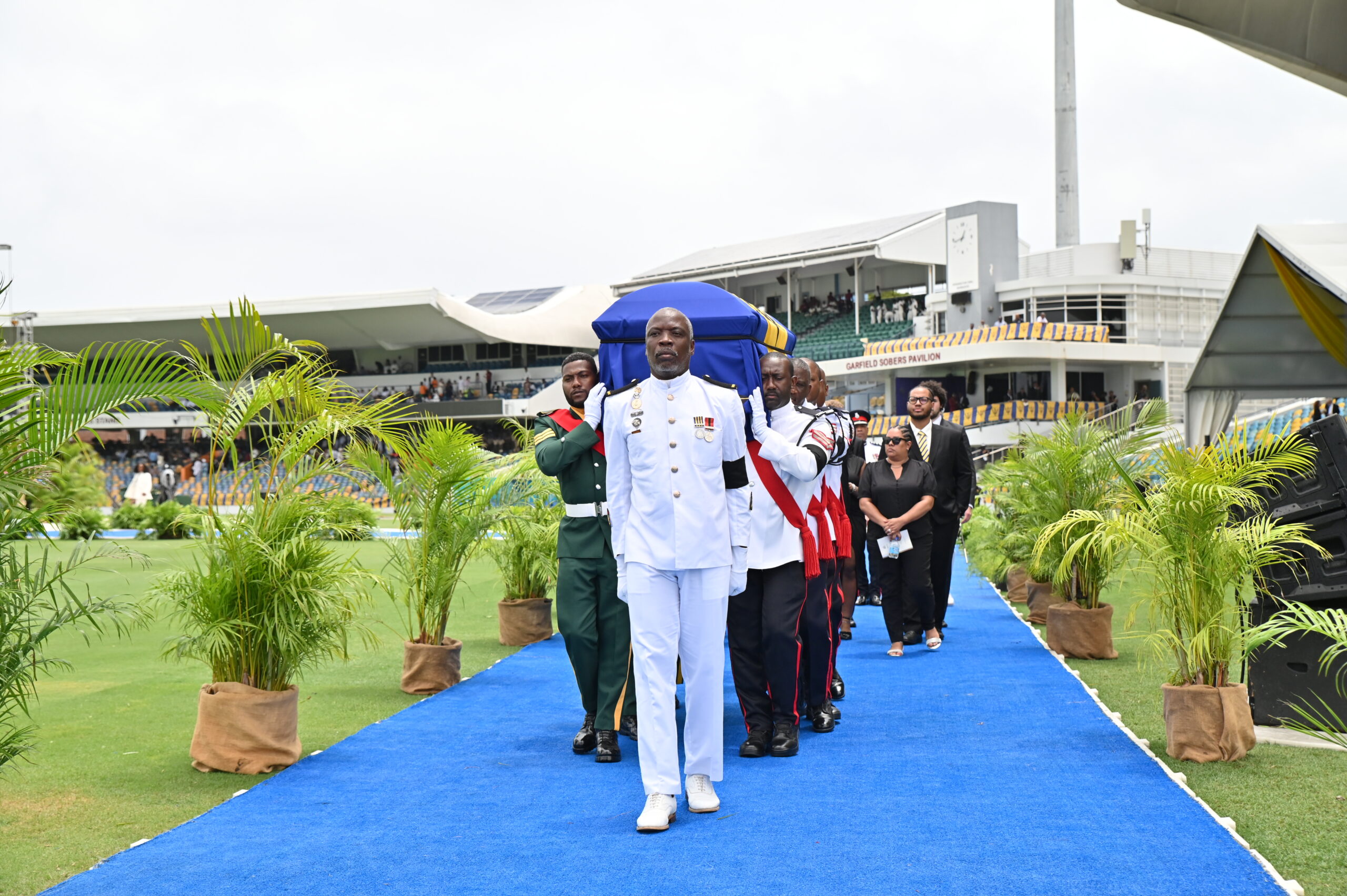
    Sir Garry Sobers first captured global attention in 1958 at just 21 years old, when he set a new world record for the highest individual score in first-class cricket, cementing his place as a household name across the Commonwealth and beyond. When the procession arrived at Kensington Oval after moving from Barbados’ Parliament building, the casket — draped in the national flag of Barbados — was carried through an honor guard of cricket representatives, who paid tribute by holding up cricket bats in a symbolic farewell. As the casket was placed on the catafalque, the packed stands fell completely silent for a two-minute period of mourning, with thousands of fans filling the Worrell, Weekes and Walcott Stand and the Greenidge and Haynes Stand watching the ceremony on large screens to witness the island’s final goodbye.

    Dignitaries in attendance included Barbados President Jeffrey Bostic, Prime Minister Mia Mottley, CARICOM Chairman and Saint Lucia Prime Minister Philip Pierre, Chief Justice Leslie Haynes, and fellow Barbadian National Hero Robyn Rihanna Fenty, alongside delegations from regional and international cricket organizations.

    Reverend Canon Guy Hewitt delivered a personal message of condolence from King Charles III, who had met Sir Garry on multiple occasions over the decades. “History is distinguished with sporting champions whose records have widely commanded respect across generations. There have been few, far fewer however whose name alone brings a smile to peoples faces across Barbados, the Caribbean and the entire Commonwealth. Sir Garfield Sobers belongs very firmly in the latter category,” the message read. “I send deepest sympathies to Sir Garry’s family as they come to terms with this great loss.”

    In his funeral sermon, Canon Hewitt encouraged attendees to emulate the values that defined Sir Garry’s life: a relentless commitment to excellence paired with extraordinary humility, and a strength of character that allowed him to overcome every obstacle he faced. Quoting the late legend, he noted: “Sir Garry said ‘People call me a genius, but I achieved what I did because I worked hard’. We do not know how strong we are until we face up to life’s challenges.” Canon Hewitt pointed out that modern society often prioritizes fame and personal gain over service, but Sir Garry embodied the truth that “The higher one rises, the more they are called to serve.” Closing his reflection, he declared that even though Sir Garry’s life “innings” ended just short of his 90th birthday, he remains “not out” forever in the hearts of millions.

    Extending national condolences to Sir Garry’s surviving children — Matthew, Daniel, and Genevieve — and all his extended family, Canon Hewitt shared a Hebrew proverb to offer comfort: “Say not in grief that he is no more, but in thankfulness that he was.”

    The service blended formal tributes with vibrant cultural celebration of Sir Garry’s life and connection to Barbadian heritage. Renowned spoken-word artist Winston Farrell performed a moving original poem titled Last Stroll to the Wicket, followed by a series of musical performances from leading Caribbean artists. Cultural Ambassador Anthony “The Mighty Gabby” Carter drew loud applause for his powerful performance of his original composition Well Done, while Biggie Irie performed Sparrow’s Who is the Greatest Cricketer on Earth, Adrian Clarke performed Garry Sobers’, and Nikita moved the crowd with a rendition of Rally Round the West Indies. The ceremony closed with Stephen Brathwaite’s soulful performance of Time to Say Goodbye (Con Te Partiro). Following the service, President Bostic laid a formal wreath at Sir Garry’s gravesite, marking the final act of national respect for a figure who forever changed global sport.

  • Youth honour Sir Garfield Sobers

    Youth honour Sir Garfield Sobers

    On a solemn Wednesday in Bridgetown, thousands of mourners packed into the iconic Kensington Oval cricket ground, with young Barbadians making up a striking share of the crowd, all gathered to bid a final national farewell to beloved National Hero Sir Garfield Sobers. Among the sea of people paying respects were student groups from across the island, who came not just to offer condolences to Sir Garfield’s family, but to celebrate the indelible legacy that continues to shape Barbadian culture and sport today.

    Delegations from Springer Memorial Secondary School were among the first groups to arrive, with each student sharing deeply personal reasons for wanting to take part in the historic state funeral. For 16-year-old student Miracle Little, the opportunity to represent her school at the ceremony carried far more meaning than simply marking the passing of a famous athlete. “I think it was important to come here today… to represent the school as well as to express condolences for the family of Sir Garry,” she explained, noting that Sir Garfield’s impact stretched far beyond the boundary ropes of the cricket pitch.

    Her classmate Latara Bovell echoed that sentiment, emphasizing the legend’s foundational role in putting Barbadian cricket on the global map. “He was our national hero,” Bovell said. “If it wasn’t for him, I don’t think nobody would really be playing cricket or would even know Barbados as a place that plays cricket.” Accompanied by their teachers and parents, the Springer Memorial students joined the procession into the stadium, where stands that have hosted some of cricket’s most legendary matches filled with people from every walk of Barbadian life.

    One of the youngest attendees at the service was Nathaniel Nicholls, a student from Bay Primary School – an institution with a unique, personal connection to Sir Garfield. The cricket icon began his formal education at Bay Street Boys’ School, the predecessor to modern Bay Primary, and even honed his first cricket skills on the school’s playing fields as a child. For Nicholls, being selected to represent his school at the funeral was a point of immense pride. After taking part in the ceremony, he said he felt “happy and special” to be part of the national tribute.

    During his time at Kensington Oval, Nicholls got the chance to meet some of Barbados’ most prominent public figures, including the only living National Hero, global pop superstar Rihanna, and Prime Minister Mia Mottley. He also caught a glimpse of President Jeffrey Bostic during the proceedings. When told of Bay Primary’s historic link to Sir Garfield, Nicholls said simply: “It makes me feel like I’m a cricketer.”

    The state funeral brought together a cross-section of Barbadian society, from senior government officials and international dignitaries to Sir Garfield’s extended family, former cricket teammates, and ordinary residents who had grown up inspired by his achievements. Widely regarded as one of the greatest cricket players of all time, Sir Garfield Sobers transformed the sport and turned global attention to Barbados’ deep cricketing roots, earning the status of National Hero for his contributions to the country’s global identity. For the young people who turned out in force Wednesday, his memory will remain a guiding inspiration for generations to come.

  • A hero’s rest

    A hero’s rest

    The Caribbean nation of Barbados came to a reverent standstill on Wednesday to lay to rest its beloved national hero, cricket icon Sir Garfield Sobers, at Coral Ridge Memorial Gardens. The state funeral, held with full military honours, drew a cross-section of attendees including immediate family, regional heads of government, global cricket royalty, and senior state officials, all gathering to honor the life and legacy of the man widely regarded as the greatest cricketer in the sport’s history.

    Heavy, coordinated security measures were implemented across the surrounding area ahead of the ceremony, with all public access blocked from the Coral Ridge roundabout leading to the cemetery entrance. Uniformed police officers occupied strategic positions along the entire funeral procession route, forming a formal guard of honour that stood rigid at attention as the ceremonial cortege approached the burial grounds.

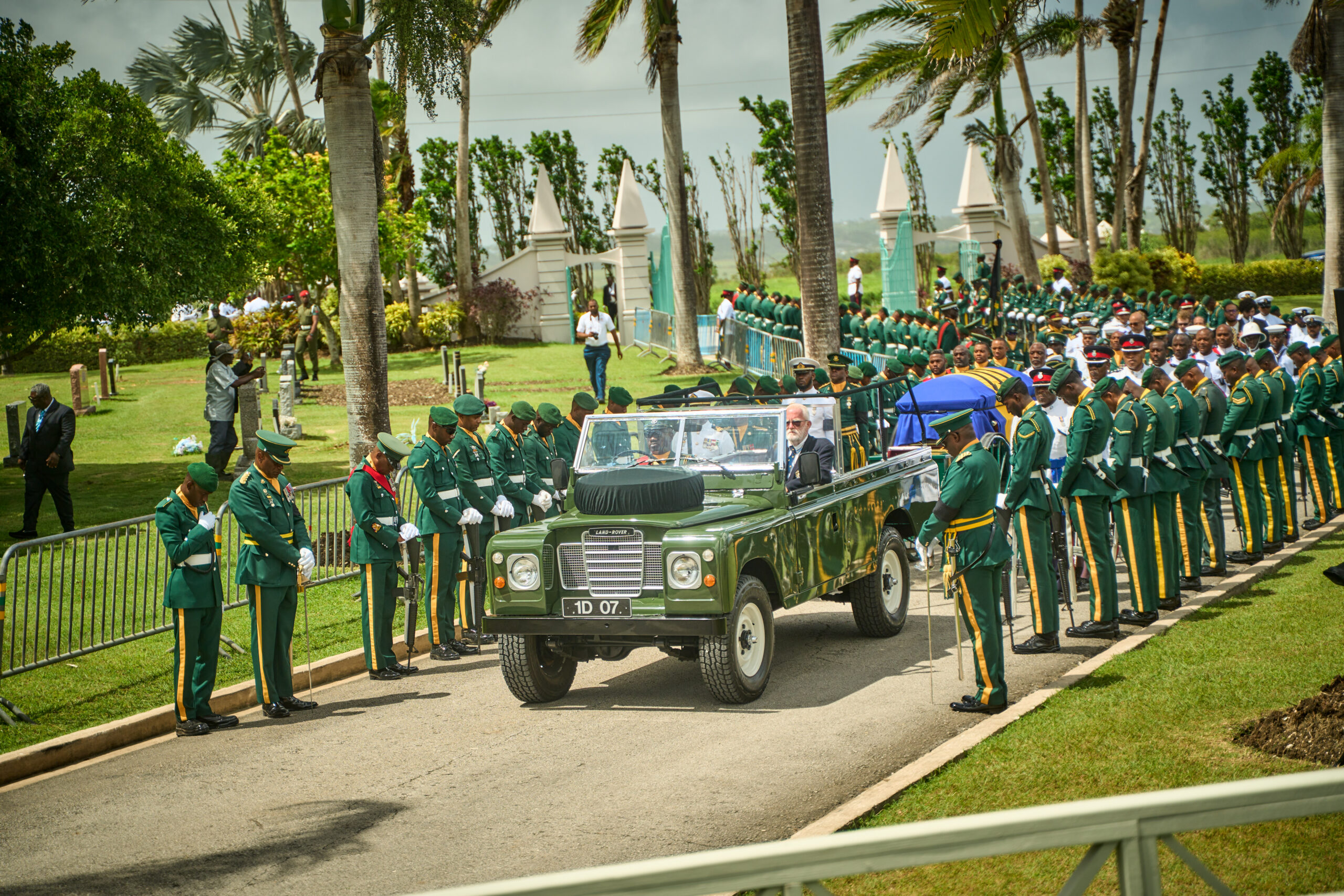
    Shortly after 1 p.m., a polished gun carriage painted in the signature green of the Barbados Defence Force made its slow, deliberate way toward the memorial site. The deep, steady thrum of drums from the combined Massed Band of the Barbados Police Service and Defence Force rolled across the quiet landscape, announcing the arrival of the Bayland native who carved his name into global cricket history as an undisputed, unrivaled legend of the game.

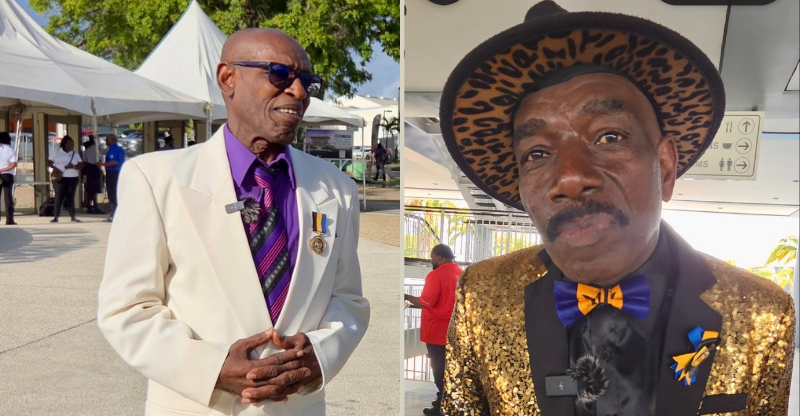
    Most of those gathered outside the cemetery gates were credentialed media crews from regional and international outlets, waiting to capture the historic final moments of the procession carrying Sir Garfield’s casket. Among the small number of local residents in attendance was one man who shared a decades-old personal connection to the cricketer, saying he felt compelled to attend to offer one last salute to a man he remembered as consistently humble and warm to members of the public. Speaking to local outlet Barbados TODAY, he recalled a 1970s photograph of himself shaking hands with Sir Garfield, noting that “He touched so many lives, and I wanted to be here to pay my respects one last time.”

    In a moving display of state tradition, uniformed members of Barbados’ armed forces lined the main driveway of the memorial gardens, standing in solemn formation to salute as the gun carriage carried the casket toward its final resting place. The service drew a distinguished guest list that included foreign dignitaries, senior government leaders, and national cultural icons, all of whom took part in a formal wreath-laying ceremony at the gravesite.

    Sir Garfield’s son Daniel Sobers was the first to place flowers on the casket. He was followed by Robyn Rihanna Fenty, Barbados’ only living National Hero, who joined President Jeffrey Bostic, Prime Minister Mia Mottley, Chief Justice Leslie Haynes, Chief of Staff Brigadier Carlos Lovell, and Police Commissioner Sonia Boyce to lay official memorial wreaths.

    The regional and global importance of the occasion was highlighted by the attendance of senior international figures, including CARICOM Chairman and Saint Lucia Prime Minister Philip J. Pierre, and former Trinidad and Tobago Prime Minister Dr. Keith Rowley, a long-time close supporter of Sir Garfield. Cricket West Indies President Dr. Kishore Shallow and members of the international diplomatic corps also joined the wreath-laying.

    Many of Sir Garfield’s fellow cricketing legends were also in attendance to bid farewell to their iconic peer, including Sir Wes Hall, Sir Andy Roberts, Sir Curtly Ambrose, and Sir Vivian Richards.

    In a symbolic tradition at Barbadian state funerals, a senior army officer presented the carefully folded national flag of Barbados to Sir Garfield’s son Matthew Sobers. As the casket was slowly lowered into the ground, a ceremonial 19-gun salute echoed across the memorial grounds, while Senator the Reverend Canon John Rogers delivered the final religious rites.

    As family, close friends, and dignitaries offered their final goodbyes, the service closed a defining chapter in Barbados’ national history. It united members of the public, regional leaders, and cultural trailblazers in celebrating the extraordinary legacy of a man who reshaped global cricket and cemented Barbados’ reputation on the world stage.

  • Griffith advances to 200m semis

    Griffith advances to 200m semis

    On the third day of competition at the 2014 Glasgow Commonwealth Games, Barbadian track and field and swimming athletes delivered a mixed bag of results, with only one competitor advancing past the preliminary rounds to secure a spot in the next stage of their event.

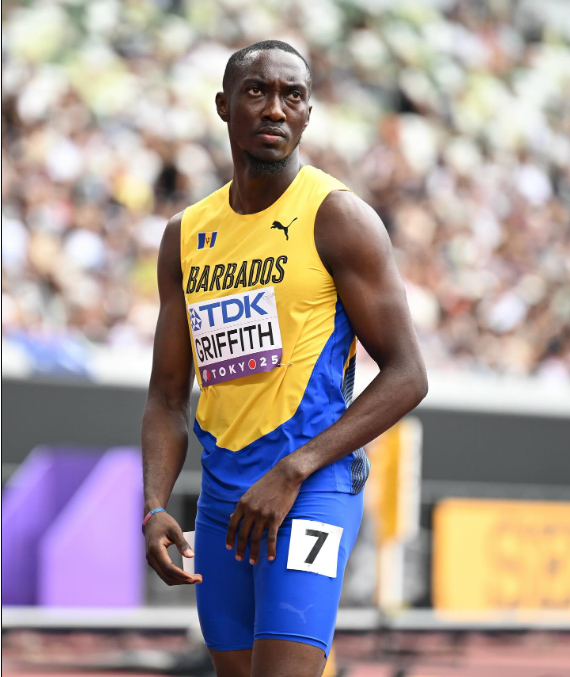
    Barbadian sprinter Kuron Griffith emerged as the day’s bright spot for the nation’s delegation, clocking a solid 20.75 seconds to claim second place in the third preliminary heat of the men’s 200-meter sprint. The strong finish earned him a place in the event’s semi-final round, where he will return to compete for a spot in the final.

    Unfortunately, the success did not extend to the rest of the Barbadian athletes in 200-meter sprint action. In the women’s opening 200m round, sprinter Kelia Bentham crossed the finish line in fifth position within her heat, recording a time of 23.96 seconds. The result was not fast enough to earn her a spot in the next round, ending her 200m campaign early.

    In the men’s 400-meter hurdles, Rasheeme Griffith also saw his Games run cut short. Competing in the first semi-final, he crossed the line in fifth place with a time of 50.08 seconds, falling short of the top finish required to advance to the event’s final.

    In the pool, two Barbadian swimmers saw their competitions come to an end in opening round action. Adara Stoddard competed in the women’s 200-meter breaststroke, finishing fifth in her preliminary heat with a time of 2 minutes and 46.23 seconds, a result that saw her eliminated from contention. Fellow swimmer Jaiya Simmons did not start her 200-meter butterfly heat, withdrawing before the race got underway.

    Over in the weightlifting venue, Barbadian weightlifter Daniel Griffith competed in the final of the men’s 94kg category, ultimately finishing seventh overall in a strong field of international competitors.

    Looking ahead to Thursday’s competition schedule, the focus of the Barbadian delegation will turn to defending women’s 400-meter champion Sada Williams, who will begin her title defense at the semi-final stage on Thursday morning. Williams, who set the current Commonwealth Games record of 49.90 seconds at the 2022 Birmingham Games, enters the tournament as one of the top contenders to retain her gold medal. Alongside Williams, Kuron Griffith will return to the track Thursday to compete in the men’s 200m semi-finals as he aims to book his place in the event’s final.

  • Sobers in ‘66: Feats ‘boosted pre-independence confidence’

    Sobers in ‘66: Feats ‘boosted pre-independence confidence’

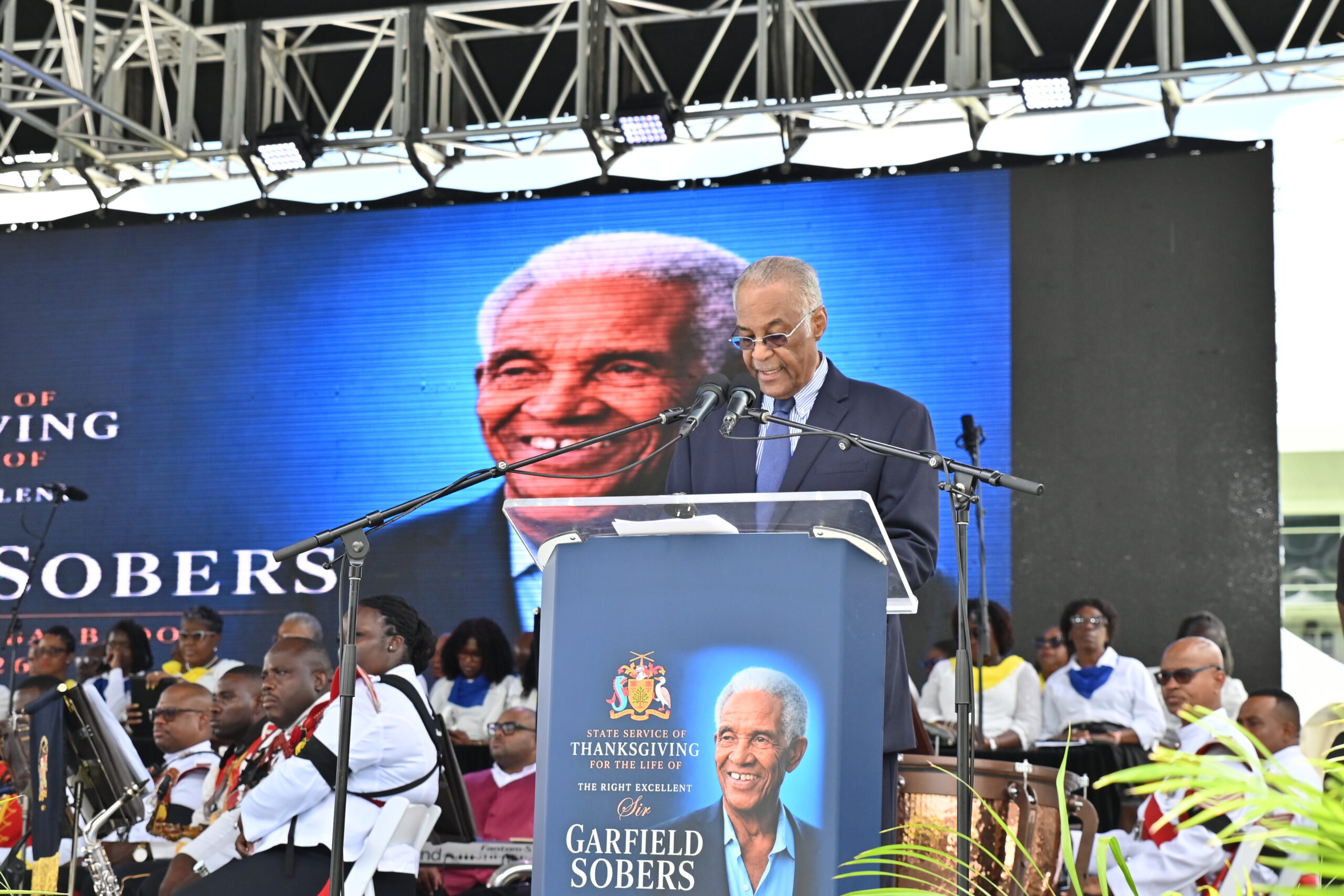
    On Wednesday, hundreds gathered at Barbados’ iconic Kensington Oval to bid a final farewell to national hero and cricket giant Sir Garfield Sobers, whose decades-long career left an indelible mark not just on global cricket, but on the Caribbean’s decolonization journey. In a moving keynote tribute delivered during the state service, former chief justice Sir David Simmonds traced the powerful overlap between Sobers’ historic rise and the region’s push for self-rule, framing the cricketer’s 1966 performances as a defining catalyst for national pride on the cusp of Barbadian independence.

    Simmonds noted that Sobers’ journey from working-class, humble beginnings with limited formal secondary education to the pinnacle of world cricket mirrored the trajectory of Caribbean nations moving away from British colonial rule toward full self-governance. At a moment when Barbados was preparing to stand as an independent nation, many locals questioned whether the small island nation could thrive on the global stage — a doubt that Sobers’ extraordinary display at London’s Lord’s Cricket Ground, the historic “home of cricket”, definitively erased.

    In that landmark 1966 Test series against England, Sobers delivered a statistical masterclass that solidified his legacy: he amassed 722 runs at an average of 103 runs per match, claimed 20 wickets, and secured 10 catches. “Here was a Barbadian at the very home of cricket in the mother country proving to the world as we sought freedom from British rule that we were perfectly capable of managing our affairs and excelling,” Simmonds told the mourners gathered at the ground where Sobers played many of his most iconic matches.

    Simmonds also highlighted how Sobers broke through systemic barriers long before national independence was formalized. Long before Barbados secured its full sovereignty, Sobers shattered the long-standing Test record held by England’s Len Hutton, following in the footsteps of his own idol, fellow West Indian cricketer Everton Weekes. In doing so, he proved that poverty and lack of advanced formal education were not insurmountable obstacles to achieving world-class excellence. By the time Sobers claimed that historic record, the governments of Barbados, Jamaica, Trinidad and Tobago had already secured full internal self-governance, and the region’s people were already walking the path to full decolonization — just as Sobers was walking his own path from a talented small-island player to the greatest cricketer the world had ever seen.

    Beyond his on-field achievements, Simmonds celebrated Sobers’ ability to bridge political divides across the Caribbean. The legend built and maintained close, respectful friendships with political leaders of all ideological stripes, including former Barbadian prime ministers Errol Barrow and Tom Adams, and former finance minister Sir Richard Haynes. He never allowed partisanship to overshadow the unity his talent and character brought to the region.

    Simmonds emphasized that Sobers’ legacy is rooted not in individual fame, but in collective pride. Throughout his decades in the public eye, the cricketer repeatedly said he never stepped onto the pitch for personal glory — he played for his team, first and foremost. “I must add that as a supreme entertainer, he also played it for us, the people of the West Indies and the fans and supporters,” Simmonds added, as the nation said goodbye to the icon who helped give them the confidence to build an independent future.

  • Sir Garry, humble icon remembered

    Sir Garry, humble icon remembered

    To millions of cricket followers across the globe, Sir Garfield Sobers remains an unparalleled sporting icon: a record-breaking athlete whose name is etched into the history books of the sport, celebrated for his extraordinary on-field statistics and unmatched career achievements. But to the people of his home nation Barbados, Sir Garry — as he was affectionately known — was far more than a global celebrity; he was a neighbor, a mentor, a friend, and one of their own. Long before the official state funeral service kicked off on Wednesday, hundreds of mourners and admirers began streaming through the gates of Kensington Oval, the iconic Bridgetown cricket ground that hosted many of Sobers’ greatest triumphs, to trade personal memories and pay their final respects. Agnes Haynes, a longtime Barbadian resident who never had a close personal connection to Sobers, still recalled the quiet magic that made him stand out even in his home community. She remembered how local cricket fans would spend hours in lively debate, poring over Sobers’ run totals from international tours and arguing over whether any other player in the world could match his skill. What stuck with Haynes most, though, was a chance meeting she had with Sobers after he received his knighthood: she said she was struck by how remarkably ordinary and down-to-earth he remained, even after achieving global fame. For Haynes, the funeral was not a day of grief, but an opportunity to celebrate the extraordinary life of a local legend who never lost his roots. Social media creator Allan Baje, who paid his respects as Sobers lay in state on Tuesday, returned to Kensington Oval on Wednesday to honor his former youth coach. Clad in a custom-tailored suit stitched in Barbados’ national colors, Baje shared his decades-long personal connection to the cricket star. Baje attended Bay Primary School as a child, and recalled Sobers regularly traveling to the school on weekends to coach young local players in cricket. Off the pitch, the pair shared even more ties: Sobers was a passionate horse racing fan who owned a racehorse that Baje’s father cared for, and Baje grew up in the same Bayland neighborhood as the legend. Baje remembered spending casual evenings playing dominoes with Sobers, and spotting him regularly at local practice sessions when the West Indies cricket team played home matches at Wanderers. For Baje, Sobers’ greatest legacy extends far beyond his cricket records: he was a symbol of what it means to rise from humble, small-town beginnings to global stardom, without ever letting success change his character. “He was always humble in his daily life,” Baje said. Veteran Barbadian entertainer Tony “Poser” Grazette was another early arrival at the funeral, who remembered Sobers as a generous, one-of-a-kind friend. “He gave his all like he would take his shirt off his back and give to you,” Grazette said. “He was always very humble and would give you any kind of advice.” Grazette recalled early days entertaining Sobers and fellow West Indies cricket legend Sir Wes Hall at the Island Inn, where he would always make sure the crowd knew the sporting icons were in the house. “I thank God for his life and what he gave to us and the world, and I know he’s resting peacefully,” Grazette said. Like many Barbadians who knew Sobers, Grazette said it is impossible to sum up the full impact the legend had on his home country and the global sporting community in just a few words. “The very best, very best and a very wonderful good person. Always was, always will be, and may he rest in peace,” he said.

  • PM hails Sir Garry as symbol of national pride, possibility

    PM hails Sir Garry as symbol of national pride, possibility

    Barbados gathered this week to lay to rest one of its most beloved and consequential figures, cricket legend and national hero the Right Excellent Sir Garfield Sobers, with tributes pouring in from leaders, athletes and citizens celebrating how his iconic career shaped the country’s identity in the early days of its independence. At the state funeral held to honor the iconic all-rounder, Prime Minister Mia Mottley delivered the official national tribute, framing Sir Garry’s life and unprecedented on-field achievements as a defining force for a newly independent nation breaking free from the constraints of its colonial past.

    Sir Garry’s rise to global cricket stardom coincided directly with Barbados’ transition to independence, a historic alignment that Mottley emphasized has permanently tied the sporting icon to the very birth of the modern Barbadian nation. His extraordinary success on pitches across the world during that pivotal era became an enduring source of national pride, collective confidence, and hopeful ambition for a people forging their own path after centuries of colonial rule.

    “Sir Garry gave us the gift of understanding that even though others may have ruled us for over 300 years, they could not define our greatness, and could not bludgeon our aspirations,” Mottley told the gathered crowd of mourners and dignitaries. “It is a gift to the nation that could not have been greater. I say today as we say farewell to you Sir Garry, this is your final walk from Kensington Oval. This will be our country’s last opportunity to give you that which you became so accustomed to — a standing ovation.”

    Beyond his unmatched sporting record, Mottley highlighted the character that defined Sir Garry off the pitch, noting that his life proved excellence and humility could coexist, inspiring generations of young Barbadians to believe that greatness was within their reach regardless of their background. “We thank you for teaching us that greatness could wear humility, that excellence could still belong to ordinary people. That the dreams of a little boy from the Bayland could become the inheritance of an entire nation,” she said.

    Mottley wove in personal anecdotes of her time playing dominoes with Sir Garry, recalling that even as an intensely competitive opponent, he never strayed from the principles of fairness and good sportsmanship. Those casual games, she said, taught her that fierce competitiveness could share space with radical humility, grace, and a deep commitment to fair play — traits that defined his entire career and public life. She also echoed the words of late calypso artist Emile Straker: “When a man good he good and when a man great, he great,” a line she said perfectly captured the scale of Sir Garry’s impact, which stretched far beyond sport to become a core part of Barbados’ national story.

    The funeral drew a wide range of high-profile attendees, including current and former regional government officials: former Barbadian Prime Minister Freundel Stuart and former Trinidad and Tobago Prime Minister Dr. Keith Rowley were among those in attendance, alongside fellow national hero and global music icon Robyn Rihanna Fenty. Photographs from the service captured the gathering of leadership and cultural icons, who came together to pay their final respects.

    Sir Garry passed away just days short of his 90th birthday, a timing that carried extra symbolic weight for the regional cricket community. Fresh off a victory in the Second Test against Pakistan secured on what would have been Sir Garry’s 90th birthday, the entire West Indies cricket team attended the funeral to honor the man who blazed a trail for and inspired generations of Caribbean cricketers.