Barbados is emerging as a potential regional trailblazer in integrated digital healthcare, following a high-level visit last week from KPMG’s global healthcare leadership that brought together cross-sector stakeholders to map a collaborative path forward for the sector. Beccy Fenton, KPMG’s Global Head of Healthcare, traveled to Bridgetown to hold targeted discussions with policymakers, academic researchers, and public and private healthcare leaders, centered on unlocking the full potential of digital health innovations across Caribbean island nations.
Fenton’s visit was hosted by KPMG Barbados and the firm’s specialized Global Centre of Excellence for Island Healthcare, a unique hub led by Dr. Edward Fitzgerald, Head of KPMG Islands Group Healthcare and Life Sciences. The center was designed to aggregate global insights and best practices from island healthcare systems around the world, creating space for cross-stakeholder networking and knowledge exchange — a core priority that framed all activities during Fenton’s trip.
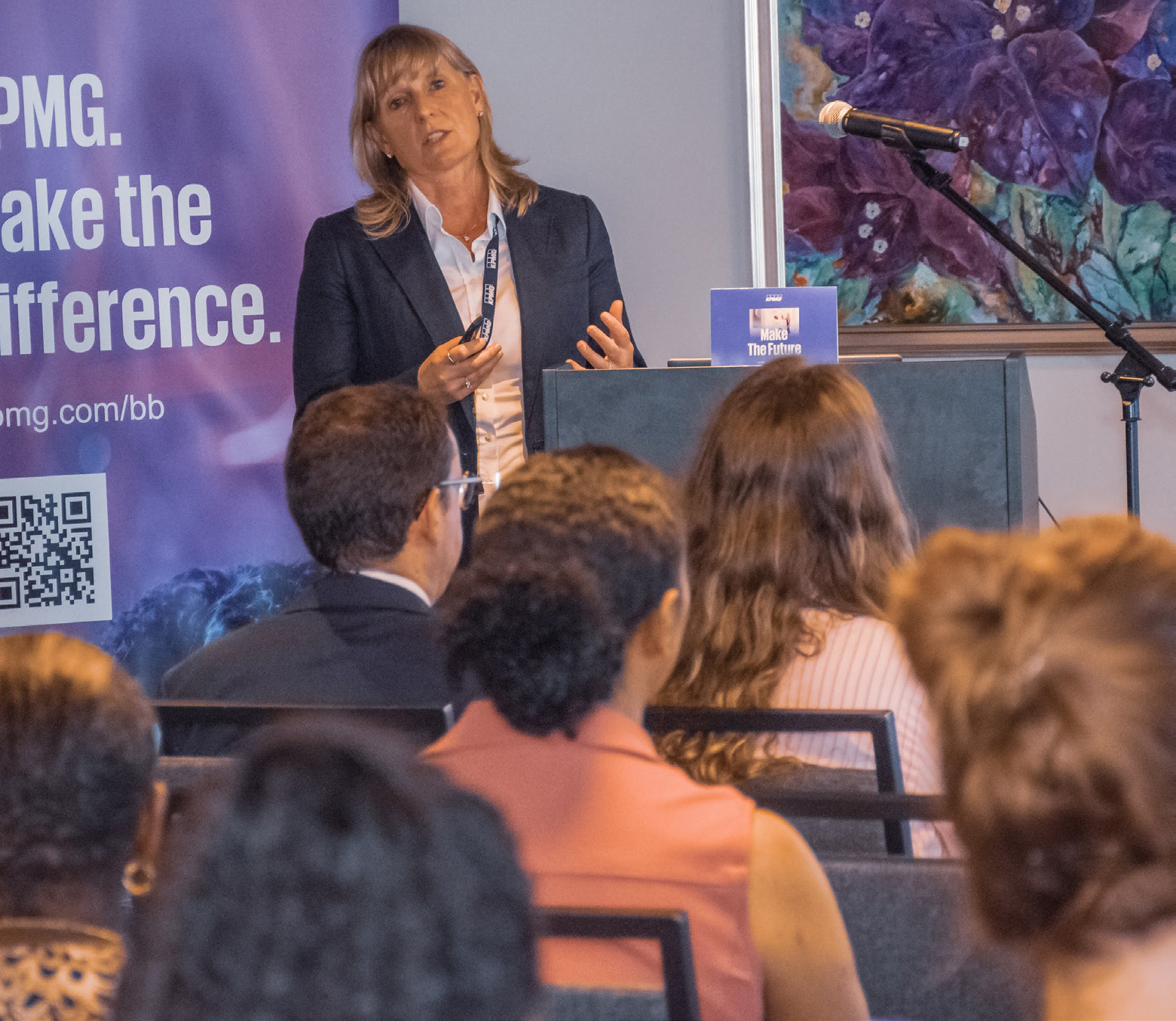
A central public engagement of the visit was Fenton’s keynote address at the University of the West Indies Digital Health Symposium, which carried the theme “From Innovation to Impact: Advancing Digital Health in the Caribbean.” In her remarks, Fenton challenged attendees to move beyond the fragmented, isolated digital health projects that currently characterize much of the region’s progress. Instead, she pushed for the development of fully governed, interoperable, data-centric systems that can turn existing investment into tangible gains in care access, cross-provider coordination, and patient health outcomes.
“Barbados has a once-in-a-generation opportunity to build a more connected, resilient, and patient-first health system through intentional digital transformation,” Fenton told attendees. “The urgent priority right now is to move past the basic digitization of paper records that is the current status quo, and build integrated, interoperable systems that work across the entire continuum of care. These systems will expand access to care, reduce burdens on frontline clinicians, and deliver better results for patients. With strong cross-sector collaboration, clear governance frameworks, and a sustained focus on building public trust, Barbados is perfectly positioned to set a regional example for digital health adoption.”
Alongside the symposium, KPMG’s island healthcare team led a hands-on workshop focused on one of the region’s most persistent operational challenges: reducing the rate of missed outpatient appointments. Using a fictional but contextually realistic case study, participants mapped existing clinic appointment workflows, identified targeted digital interventions that could cut no-show rates, and prioritized solutions that are both financially realistic and scalable across small island health systems.
Workshop attendees represented a broad cross-section of the digital health ecosystem, including frontline clinicians, health system managers, digital health practitioners, policymakers, and implementation partners. Their collaborative problem-solving during the event underscored the core principle that multidisciplinary cooperation is non-negotiable for solving common systemic health challenges.
Later in the week, Dr. Fitzgerald hosted an evening reception attended by senior Barbados Ministry of Health officials, academic leaders, public and private health provider representatives, and delegates from the Pan American Health Organization (PAHO). In remarks at the reception, Fitzgerald emphasized that any successful effort to scale digital health strategies must be rooted in three core foundations: digital inclusion, widespread health literacy, and public trust. These must be paired with strong privacy protections, transparent governance, and clear patient consent frameworks, he noted, to ensure communities feel confident that their personal health data remains secure.
“By learning from the experiences of other island jurisdictions, we can adopt strategies that have already proven successful, and avoid costly missteps and fragmented system development that holds back progress,” Fitzgerald explained. “With the right foundational frameworks in place, Barbados can quickly build secure, integrated systems that eliminate redundant care, cut administrative burdens for providers and patients, and improve overall patient outcomes. The potential gains for the country are enormous: beyond addressing the growing burden of chronic disease, robust digital health can help build a healthier, happier, and more productive population for generations.”
Closing out the week of engagements, Christopher Brome, Office Managing Partner for KPMG in Barbados and the Eastern Caribbean, emphasized the tangible quality-of-life benefits that well-implemented digital health strategies can deliver to ordinary Barbadians. “Thoughtfully rolled out digital healthcare can bring care closer to home for so many people in our country,” Brome said. “The ability to consult a clinician remotely, cut down on time spent traveling and waiting for appointments, and access continuous support through tools like remote patient monitoring can have a transformative positive impact on the lives of people across our community. We are excited to continue the important conversations we started last week as we work toward this shared goal.”