A heated public debate over the role of unlicensed legal supporters known as “McKenzie friends” has gripped Barbados, after the Barbados Bar Association (BBA) issued a rare public warning naming three community and political figures it says are not authorized to offer legal services. The BBA specifically called out Winston Clarke, Colin Roach and Quincy Jones, alerting residents that none of the three have been formally called to the island’s bar and are not entered on the official roll of licensed practicing attorneys. But the BBA’s public notice has sparked sharp pushback from senior legal figures and community leaders, who argue these unlicensed advisers fill a critical gap for low-income Barbadians locked out of the formal legal system.
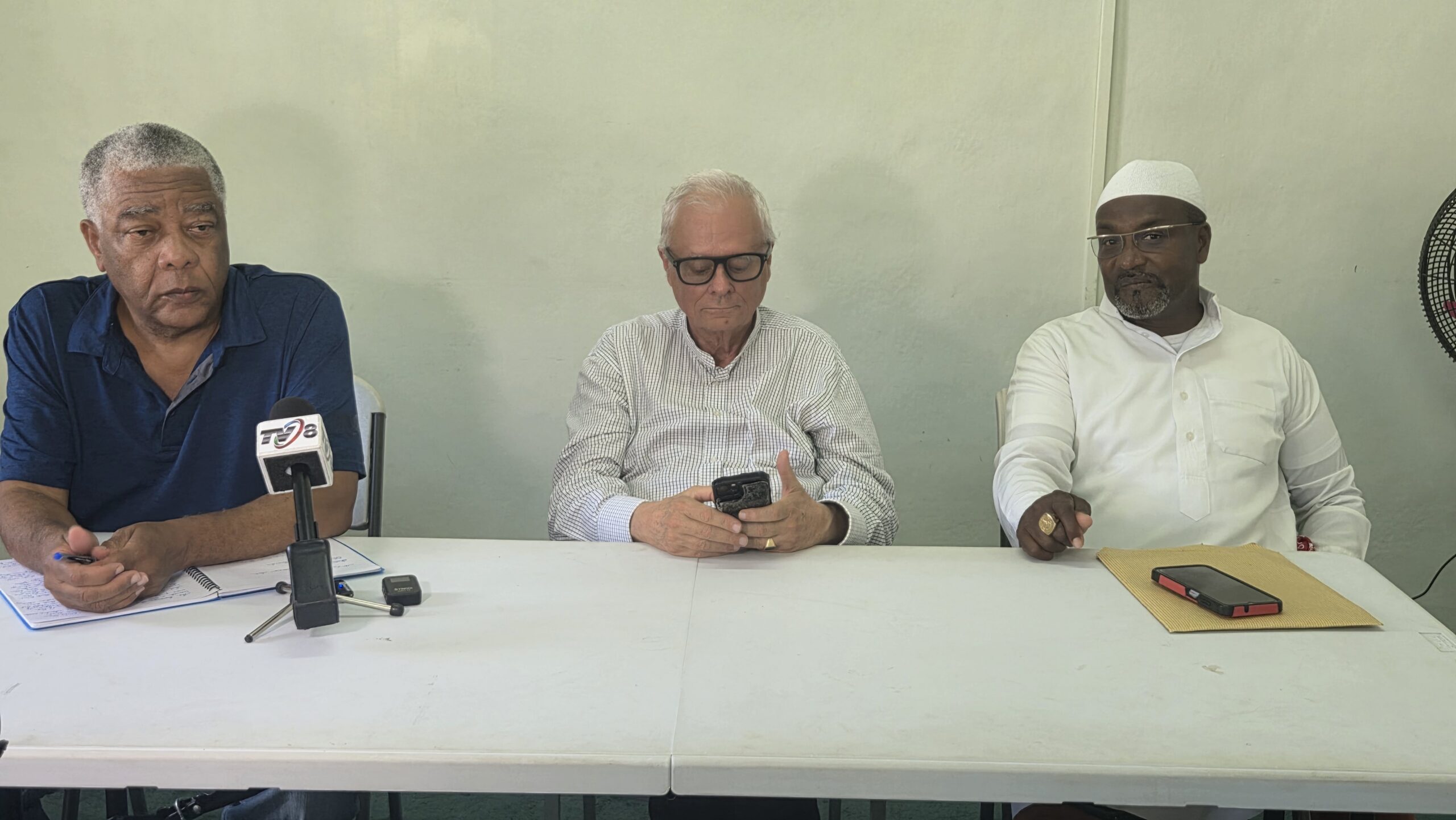
Leading the criticism is Alair Shepherd, one of the island’s most prominent senior constitutional counsels, who came forward to defend the work of the named McKenzie friends. In a press briefing held Thursday at the Belleville office of the Unity Workers’ Union (UWU), Shepherd argued that the services these practitioners provide are both lawful and desperately needed. “I just thought somebody from the Bar needed to say to the public that they are filling a badly needed void,” Shepherd told reporters. He emphasized that the work of McKenzie friends is not illegal under common law, and that at least one local court has explicitly endorsed their right to assist self-represented litigants, specifically allowing Clarke to speak on a client’s behalf in a past proceeding that ultimately ended in a successful outcome for the litigant.
The concept of a McKenzie friend traces its roots to the 1970 English Court of Appeal case *McKenzie v McKenzie*, which established that self-represented litigants have a formal right to receive non-lawyer support and guidance during court proceedings. This principle has been widely adopted across Commonwealth common law jurisdictions, including Barbados, though specifics on allowed activities are left to the discretion of individual trial judges. Under the established framework, it is well within a judge’s power to permit a McKenzie friend to address the court directly, a long-standing precedent that the BBA’s notice failed to acknowledge, Shepherd said.
Shepherd labeled the BBA’s public naming of the three practitioners “unfortunate”, arguing that the publication of their names in a public warning created the misleading implication that their work was inherently unlawful, when it is actually protected by established common law. For his part, Clarke – one of the three named in the notice – said the BBA failed to extend him even the basic courtesy of an opportunity to respond to prior complaints before going public with the warning. He told reporters that after a complaint was filed over his assistance to a self-represented litigant, BBA leaders never reached out to him for comment, instead publishing his name directly in local newspaper notices.
Clarke, who has long made clear to all clients that he is not a licensed attorney, said the warning has already caused severe harm to his livelihood, with many community members now incorrectly believing he was misrepresenting himself as a lawyer and pulling away from his services. “Quite a few people have reached out to me saying that from reading that they believed that I was purporting to be an attorney and that they shouldn’t take advice from me about anything,” Clarke said. “I am very upset about this and the way it was done because they should have reached out to me.” He added that he intends to bring the matter before the courts, and will continue providing assistance to low-income residents who cannot afford the cost of a licensed attorney.
The BBA’s move has also drawn criticism from Caswell Franklyn, leader of the Unity Workers’ Union and a former senator, who has himself provided informal legal guidance to community members for years. Franklyn threw his full support behind Clarke and the other named practitioners, noting that systemic gaps in access to justice leave low-income Barbadians with few affordable options for legal support. “The problem is if you are poor and cannot afford a lawyer you suffer in Barbados and as Mr Shepherd said, Winston and others are providing a need,” Franklyn said. “Almost on a weekly basis I have to see people who do not have the wherewithal to go to a lawyer and I have sent them to Winston.” The debate has shone a bright spotlight on longstanding unmet demand for affordable legal assistance across the island, with advocates pushing for clearer formal recognition of the role McKenzie friends play in expanding access to justice.