标签: Barbados

巴巴多斯

  • Envoy urges diaspora to invest early as credit union roadshow continues

    Envoy urges diaspora to invest early as credit union roadshow continues

    A collaborative government and credit union outreach effort is tapping into the Barbadian diaspora’s potential to drive domestic economic growth, with the island nation’s top diplomat to the U.S. encouraging overseas-based Barbadians to adopt consistent small-scale investing instead of holding out for large lump sums to put into local opportunities.

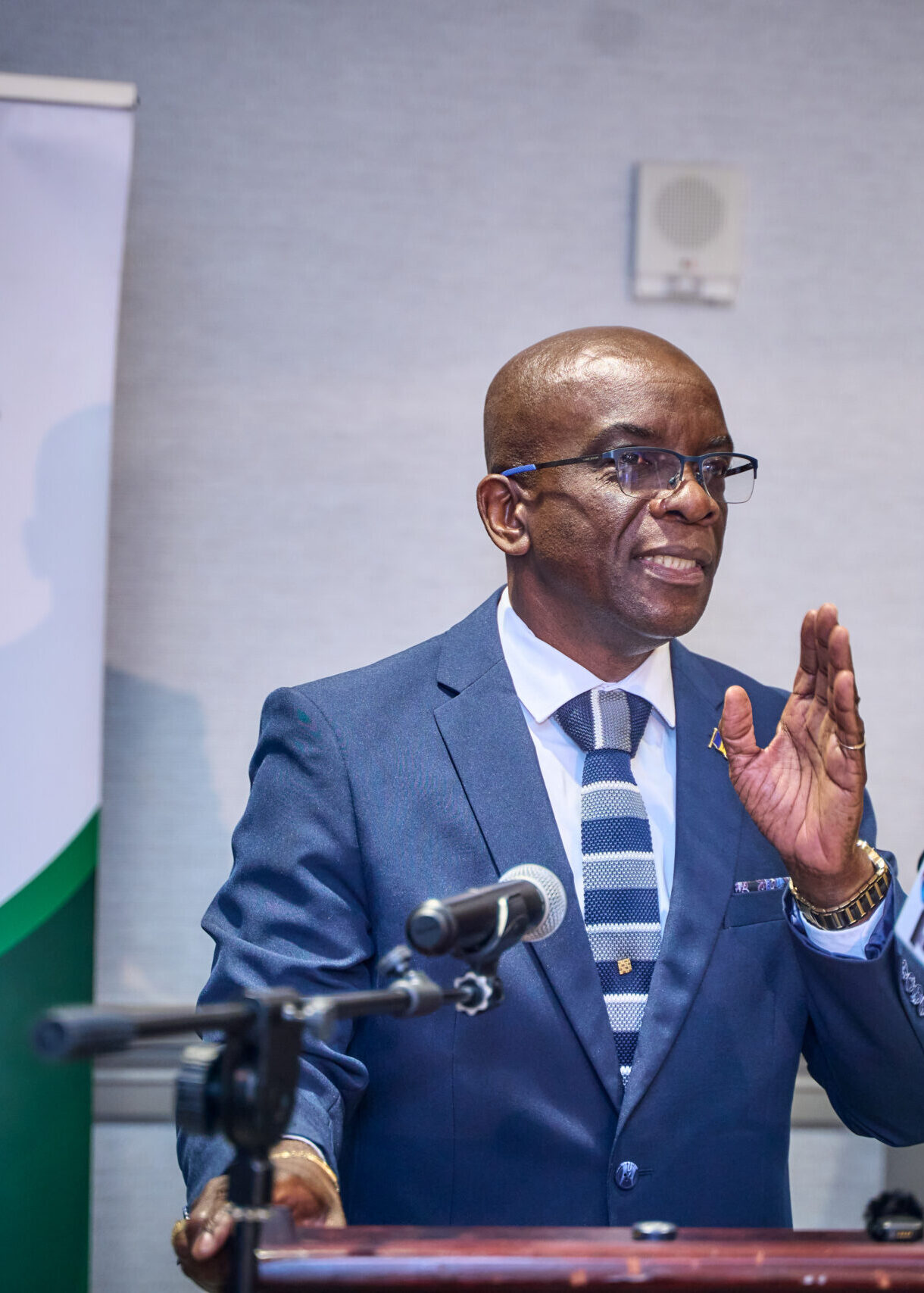
    Speaking at a kickoff event for the five-city roadshow hosted at the Barbados Consulate in New York on Tuesday, Ambassador Vic Fernandes told attendees gathered with representatives of Barbados’ three leading credit union entities that the foundational principle of lasting wealth building is shifting from working to earn money to putting existing capital to work to generate passive returns.

    Organized under the framework of the Mobile Knowledge Hub, the roadshow brings together the Barbados Co-operative and Credit Union League Ltd, Barbados Public Workers’ Co-operative Credit Union Limited, and the City of Bridgetown Credit Union (COB). It will travel across multiple U.S. cities to connect with members of the large Barbadian diaspora, with two core goals: encouraging overseas residents to invest through local Barbadian credit unions, and showcasing affordable home ownership opportunities at COB’s Deantown development located in St Silas, St James.

    For prospective home buyers, the residential project offers entry-level properties priced starting just above $350,000, with COB providing up to 100 percent financing for qualified buyers. Beyond real estate, the roadshow also highlights a range of other investment products offered through the island’s credit union network.

    Drawing from his own decades-long experience as an investor, Fernandes shared how early guidance from a late mentor shaped his approach to wealth building. The former Caribbean Broadcasting Corporation broadcaster and manager recalled advice from Ethelred Knight, a long-time senior accountant at the public media outlet, who encouraged him to start investing with just $500 decades ago. Knight pushed back against the common mindset of waiting to accumulate $10,000 or $15,000 before starting to invest, urging that even small sums should be put to work in solid assets rather than sitting idle.

    “He never put me wrong, and most of those investments I made were solid investments,” Fernandes said of his late mentor. Sharing an example of a successful real estate holding in neighboring Saint Lucia, he noted that patience and small early sacrifices compounded over time to generate consistent passive income. “I just sat back over the years, and every quarter I hear ‘cha-ching, cha-ching’. And I look and I see, ‘Whoa, there’s money coming into the account’,” he explained.

    Beyond personal wealth generation, Fernandes challenged attendees to view their investments as a legacy for future generations of Barbadians. “If we can build and make it better for the next generation, I think we will do ourselves a great favour,” he added.

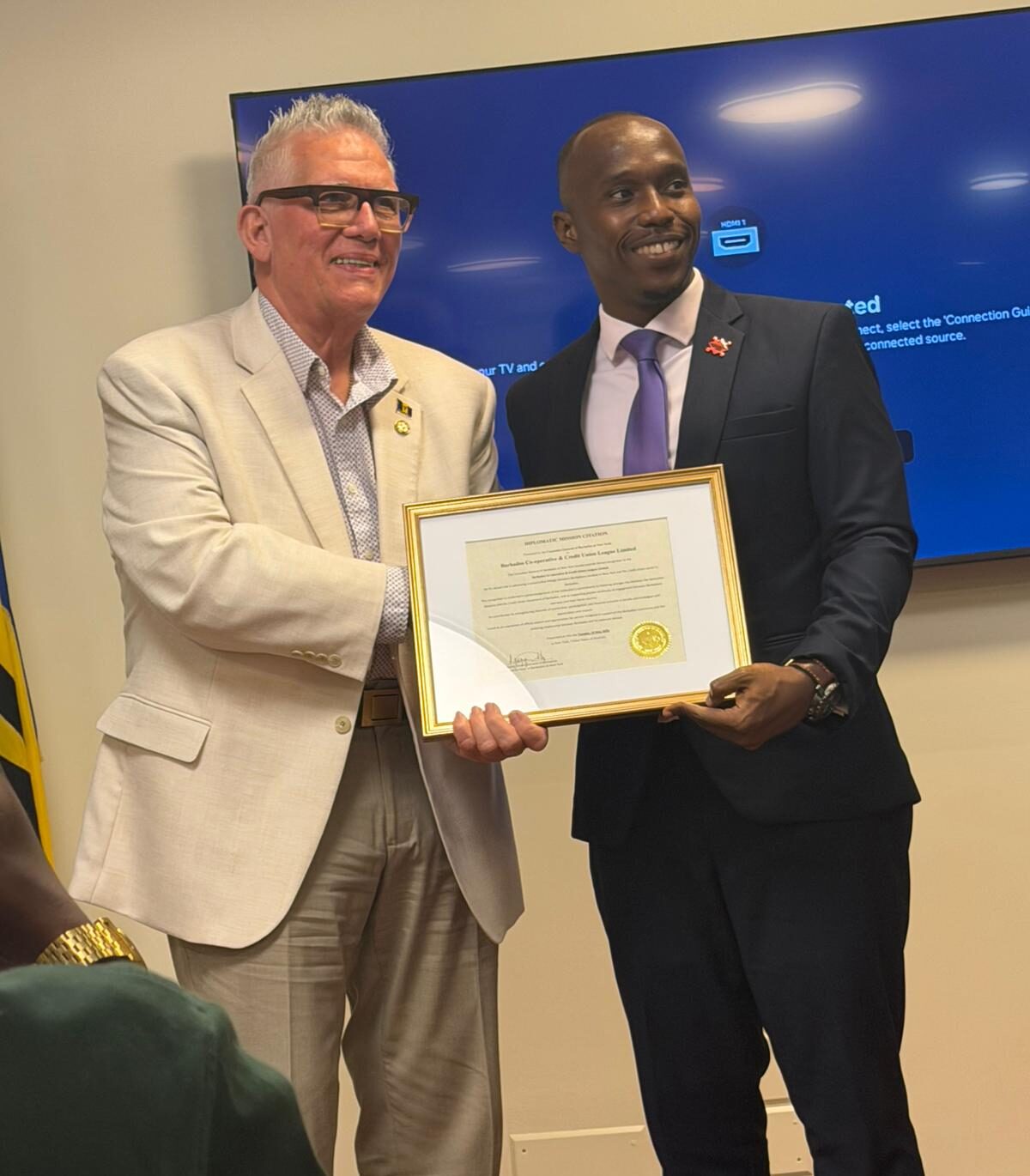
    Following the opening presentations at the New York consulate, ceremonial honors were presented to credit union leadership by Barbados’ Permanent Representative to the United Nations Ambassador Francois Jackman, Ambassador Fernandes, and Deputy Consul General Dr. Lisa Jaggernauth, who organized the cross-country outreach event.

  • Mill disruptions, labour tensions extend difficult sugar season

    Mill disruptions, labour tensions extend difficult sugar season

    Barbados’ Ministry of Agriculture is advancing a second comprehensive restructuring of the country’s sugar cane sector in two years, with core goals centered on boosting crop yields, enhancing product quality, and securing the industry’s long-term economic viability, Agriculture Minister Dr. Shantal Munro-Knight confirmed in a public announcement Thursday.

    The planned strategic “right-sizing” initiative comes amid an unanticipated extension of the current harvesting season, triggered by repeated shutdowns at the Portvale sugar processing facility. While Dr. Munro-Knight noted it remains too premature to definitively state whether the sector will meet its original annual production targets, she emphasized that the government is leveraging this unplanned transition window to lay the groundwork for the industry’s future transformation.

    “I want to reiterate that we have spent considerable time strategically mapping out how to right-size sugar cane production in Barbados,” the minister stated, noting that the careful planning process has been underway for months.

    Following the conclusion of the extended harvest period, the government will convene a major cross-stakeholder forum to launch formal consultations for the restructuring. All discussions at the forum will be rooted in empirical data collected through a series of recent industry-wide assessments, designed to identify key pain points and growth opportunities across the supply chain.

    “Multiple independent and internal studies have been completed to map out current challenges across the sector,” Dr. Munro-Knight explained. “Once this harvest season wraps up, we will bring all relevant parties to the table to hold a deliberate, strategic conversation about the path forward for our sugar cane industry.”

    The core priorities of the upcoming stakeholder consultations will be tackling long-standing production inefficiencies and raising national agricultural standards across the sector. “At the top of our agenda is improving yields, and equally critical, raising the overall quality of our sugar cane crop,” the minister emphasized. “These two factors will define whether our industry can compete successfully in global markets over the long term.”

    Early collaborative action on the restructuring is already underway, Dr. Munro-Knight confirmed. The Barbados Sugar Industry Ltd (BSIL), the leading body representing the country’s traditional sugar cane planters, has already proactively reached out to the ministry to initiate preliminary talks, marking a coordinated joint effort between the public government and private industry stakeholders to modernize the aging sector. “BSIL has contacted me directly to request a meeting to kick off discussions, and we will be scheduling that in the very near term,” the minister said.

    The current harvest disruptions stem from earlier industrial action at the Portvale factory, which first halted grinding operations in mid-March for three full days. Multiple workers represented by the Unity Workers Union (UWU) walked off the job to protest unresolved issues around union recognition and substandard working conditions. While operations resumed after a tentative agreement was reached, intermittent halts have continued in subsequent weeks, driven by a combination of unresolved mechanical failures and lingering labour tensions between union representatives and factory management.

    Local BSIL farmers who supply sugar cane to the Portvale facility have already raised urgent concerns about the cascading effects of repeated shutdowns. Growers have reported significant delays in cane acceptance at the mill, which has disrupted their own harvesting and logistics schedules as the stalemate between the union and factory leadership drags on.

    This upcoming restructuring marks the second major industry shakeup in as many years, and comes just months after a major management transition that reshaped the sector’s operational structure. Since January 15, 2024, all core operations including cultivation, milling, and sales have been managed by two independent cooperatives — Agricultural Business Company Ltd (ABC) and BESCO — following a full transfer of responsibility from the previously state-owned Barbados Agricultural Management Company (BAMC).

  • New onion farmer scores big with first crop

    New onion farmer scores big with first crop

    Against a backdrop of persistent food security challenges and heavy reliance on imported produce across the Caribbean, a first-time onion cultivator in Barbados has delivered an encouraging early win, demonstrating how targeted public agricultural investment can unlock local production potential.

    Shamon O’Garro, founder of Greenhill Family Farms based in St. Lucy, has harvested a remarkably successful maiden crop from just under one acre of farmland, overcoming multiple rookie obstacles and erratic weather conditions that many new growers would struggle to navigate. His success comes directly on the back of a new state-backed post-harvest handling facility launched by the Barbados Agricultural Development and Marketing Corporation (BADMC) in Christ Church, a development built to address long-standing systemic barriers that have crippled local onion production for decades.

    Reflecting on his first four-month growing cycle in an interview with Barbados TODAY, O’Garro expressed surprise at how well his venture turned out, even when factoring in self-inflicted planting errors and industry-wide supply chain disruptions. “My introduction to onion farming has been nothing short of excellence,” he shared. “It came out pretty well, to be honest, especially given all the challenges I faced along the way — I planted the seeds a little too close together, and we dealt with widespread fertilizer shortages. But for a first attempt this year, we did really well.”

    O’Garro’s entry into commercial agriculture was not a random choice: he was driven by a desire to strengthen Barbados’ domestic food economy, inspired by a long-time veteran onion grower who lives next door. “My neighbour, who I really look up to, has grown onions for many years,” he explained. “Seeing the success he’s built, and the respect he’s earned across the farming and market communities, that pushed me to want to be part of this movement, to grow onions right here for Barbados.”

    When asked what the most critical lesson he learned from his first harvest was, O’Garro highlighted the non-technical traits that make a successful smallholder farmer. “Patience. Nothing but patience, and you also have to stay committed,” he said. “So many unexpected things can pop up over the four months it takes to grow an onion crop. You just have to stay steady and patient through it all.”

    For O’Garro, the BADMC’s new facility solves two of the most pressing risks small-scale growers face: post-harvest spoilage and crop loss to theft. “One of my biggest worries when I was growing the onions was leaving them in the field — what if we got hit by theft?” he said. “Now that this facility is here, I don’t have to stress about that anymore. I can just bring my onions here, drop them off, and get them cured properly under controlled conditions.”

    The facility’s long-term impact stretches far beyond providing safe, professional storage for current farmers. BADMC and local agricultural stakeholders expect the infrastructure to create a consistent, dependable supply chain for locally grown onions that will cut the island nation’s dependence on costly imported produce. By cutting post-harvest waste, the facility enables farmers to supply local supermarkets on a steady basis, and in the future, could open doors to selling to larger regional export markets, O’Garro noted.

    Already, O’Garro is planning his next growing cycle and is calling on other current and prospective local farmers to take advantage of this new public resource to expand domestic production. “I want to tell other farmers: get involved. This is really promising,” he urged. “When it’s time for my next harvest, I’ll be first in line to use this amazing new facility in Christ Church.”

  • Opposition Senator Walters denies dismissal from restaurant biz

    Opposition Senator Walters denies dismissal from restaurant biz

    Barbados TODAY has officially confirmed that opposition senator Ryan Walters has ended his professional relationship with Restaurant Associates (Barbados) Ltd, the regional operator of major international fast-food franchises. Walters, a sitting Democratic Labour Party (DLP) representative in Barbados’ Senate, has pushed back strongly against circulating rumors claiming he was dismissed from his post as general manager of the company’s Burger King chain in the country, dismissing the reports as intentionally harmful and malicious. In a statement pushing back on the narrative, the senator stressed that his exit from the role was the result of an amicable, mutual separation between both parties. “It was a voluntary mutual separation. People with a motive would want to interpret that [as a termination]. The malicious people would want to interpret it that way,” Walters said. Background on the regional quick-service restaurant operator shows that Restaurant Associates Limited first took full control of the Burger King franchise in Barbados back in 2013, when it completed a acquisition deal with Williams Industries Inc., which surrendered its license to operate the global fast-food brand in the market. Beyond its Barbados operations, the firm holds franchise rights for a portfolio of popular quick-service brands including Burger King, Popeyes, Little Caesars Pizza and Krispy Kreme across Jamaica and Trinidad as well. A family-owned enterprise with over four decades of industry experience, Restaurant Associates currently operates more than 95 locations across its three Caribbean markets, bringing leading international fast-food concepts to local consumers across the region.

  • Ebola risk to Caribbean still low, says CARPHA

    Ebola risk to Caribbean still low, says CARPHA

    A worsening Ebola outbreak sweeping across central and eastern Africa has triggered urgent action from public health bodies around the globe, with Caribbean regional health officials moving quickly to expand monitoring and border screening—even as they confirmed Thursday that the probability of the virus reaching the island region remains minimal, despite growing international anxiety over the outbreak.

    The World Health Organization (WHO) recently designated the ongoing Ebola outbreak in the Democratic Republic of the Congo (DRC) and Uganda a Public Health Emergency of International Concern (PHEIC), the global body’s highest alert level for cross-border public health threats. In response, the Caribbean Public Health Agency (CARPHA) announced it has activated enhanced monitoring and detection protocols across all its member states to guard against any accidental introduction of the virus.

    CARPHA officials explained that the agency leverages its pre-existing global early warning scanning infrastructure and a interconnected network of surveillance tools to catch potential incursions at the earliest possible stage. The multi-layered system in use includes the Tourism and Health Information System (THiS), the Caribbean Vessel Surveillance System (CVSS), national syndromic monitoring run through the District Health Information System (DHIS), and the Talkwalker social listening platform to track emerging anecdotal reports of unusual illness.

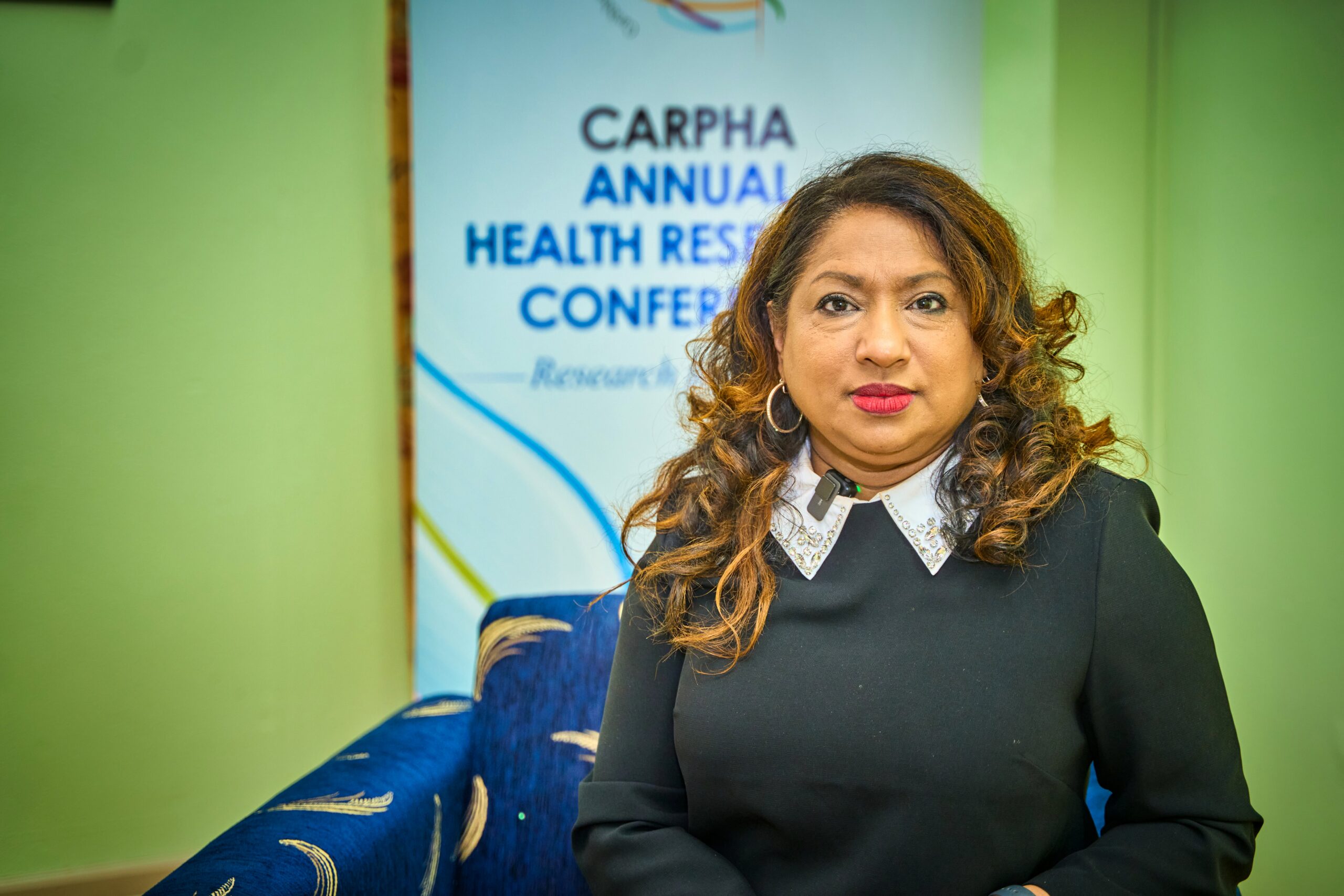
    In a formal statement, CARPHA Executive Director Dr. Lisa Indar emphasized that while the risk of Ebola reaching the Caribbean is currently low, regional nations cannot afford to drop their guard. The Caribbean’s status as one of the world’s top international travel and tourism hubs creates a persistent risk of importation via an infected traveler, she noted. “Despite the low risk, CARPHA is urging its member states to maintain a high state of readiness,” Indar said. “Because the Caribbean is a major global travel hub, the primary way the virus could arrive is through an infected traveler.”

    Indar added that the agency’s integrated surveillance framework delivers a proactive, layered early warning system that equips member states to rapidly detect, verify, and respond to emerging infectious disease threats before they can spread locally. Last Monday, CARPHA took additional action by partnering with the Caribbean Community Implementation Agency for Crime and Security (CARICOM IMPACS) to reactivate an advanced electronic border screening system at all major entry points across the region. The tool is designed to securely flag and review the travel histories of passengers who have recently visited or transited through the affected African countries, while doing so in a way that minimizes avoidable disruptions to regional travel and trade.

    The current outbreak is tied to the Bundibugyo strain of the Ebola virus, a variant that causes severe, often fatal viral hemorrhagic fever. Outbreaks caused by this specific strain are extremely rare; prior to the current event, only two documented outbreaks have ever been recorded: one in Uganda between 2007 and 2008, and a second in the DRC in 2012. A critical challenge of this outbreak, CARPHA noted, is the complete absence of licensed vaccines or targeted, proven treatments for the Bundibugyo strain, which makes early detection and rapid response all the more critical.

    Ebola virus spreads through direct contact with bodily fluids from an infected person who is already showing symptomatic infection, or through contact with materials contaminated with the virus. Symptoms of infection develop between two and 21 days after exposure, and typically include high fever, intense headache, muscle aches, extreme weakness and fatigue, sore throat, vomiting, diarrhea, abdominal pain, and in advanced cases, unexplained bruising or internal or external bleeding.

    CARPHA stressed that the current African outbreak does not meet the clinical definition of a pandemic, as it remains geographically concentrated and has not spread widely across multiple global regions. Even so, the agency acknowledged that the outbreak qualifies as an extraordinary event that demands coordinated, collective international action to contain. CARPHA pledged to continue closely tracking all new developments of the outbreak, and to share regular, transparent updates with all regional public health and government partners.

    As of the most recent update last Saturday, local health authorities in the DRC’s Ituri Province have reported eight laboratory-confirmed cases of Ebola, 246 suspected cases, and 80 suspected deaths tied to the outbreak.

  • ERT set to hear matter between Clarke, Starcom Network

    ERT set to hear matter between Clarke, Starcom Network

    A high-profile employment dispute involving one of Barbados’ most beloved media personalities and veteran calypsonians is set for a formal tribunal ruling after last-ditch conciliation efforts failed. Ronald ‘De Announcer’ Clarke, the former programme director of Starcom Network’s Voice of Barbados, has pursued an unfair dismissal claim against the leading local media company after his termination late last year for alleged serious misconduct.

    Clarke’s legal representative, senior counsel Hal Gollop KC, confirmed to local outlet Barbados TODAY on Thursday that mediated negotiations held through the Barbados Labour Department have hit an insurmountable impasse. Per Clarke’s explicit instruction, the case will now move forward to the Employment Rights Tribunal (ERT) for a binding adjudication. Gollop explained, ‘Attempts at reconciliation broke down. The attempts at mediation by the Labour Department broke down, so we put it to the Tribunal to do what they have to do.’ Gollop added that the legal team is now awaiting next procedural steps from the tribunal.

    When reached for comment on the latest development in the case, Starcom Network general manager Anthony Greene declined to make any public statement.

    The controversy first erupted in November last year, when Starcom Network terminated Clarke’s employment following an internal disciplinary hearing that found him guilty of serious misconduct. The decision sent shockwaves through Barbados’ tight-knit media and calypso communities, where Clarke has been a prominent figure for decades.

    According to Clarke’s termination letter—signed by Noel Wood, CEO of Starcom’s parent company the Nation Group—the misconduct stems from on-air comments Clarke made during a July 16 appearance on the Marcia Weekes Show. The remarks centered on Starcom’s reported opposition to Clarke performing his controversial 2024 hit calypso *National Carol Festival* in the annual Pic-o-de-Crop competition, one of the Caribbean island’s most high-profile calypso events.

    Company officials flagged three of the seven statements Clarke made during the broadcast as violations of Starcom’s internal Policies and Procedures Manual. The termination letter characterized the comments, which were made in a public forum about the company, as false, malicious, and severely damaging to Starcom’s reputation. It noted the remarks were disparaging, undermined the company’s credibility, and constituted a direct attack on Starcom’s business interests. One of the cited contentious comments from Clarke read: ‘We have this fear of addressing what they call the elephant in the room… When you are in an arena, transparency and fact are an expectation of the people that support you, whether they listen to you, whether they spend money with you, whether they work for you. It’s hard to be in a situation where you see that is not being delivered.’

    Shortly after Clarke’s dismissal, Greene released a public statement pushing back against widespread assumptions that the termination was tied to the content of Clarke’s competition calypso. Greene clarified at the time that the separation followed a formal disciplinary process concluded on November 7, conducted in full alignment with the company’s internal protocols and Barbados’ national labor legislation, with legal representation for both parties involved throughout the procedure.

  • Dems: Anti-gangs bill should target networks, financing

    Dems: Anti-gangs bill should target networks, financing

    Barbados’ main opposition Democratic Labour Party (DLP) is pushing for key revisions to the government’s tabled Criminal Gangs (Prevention and Control) Bill, urging lawmakers to strengthen provisions targeting transnational criminal networks, illicit gang financing and the widespread recruitment of vulnerable young people into organized crime.

    While the legislation has not yet moved to a parliamentary debate, shadow attorney general and shadow criminal justice minister Corey Greenidge says the DLP broadly backs the government’s goal of curbing rising gang-related violence, and has already identified several notable strengths in the current draft that address longstanding gaps in the country’s criminal justice framework.

    In a press briefing, Greenidge highlighted that one of the bill’s most significant improvements over previous legislation is its formal recognition of gangs as coordinated organized criminal enterprises, rather than framing criminal activity solely as the action of individual offenders. This structural framing allows prosecutors to target not just low-level street actors, but also the full ecosystem of gang participation: from senior leaders and recruiters to backroom financiers, safe house operators, facilitators that enable gang activity, and individuals who intentionally conceal gang operations.

    Greenidge also praised the bill’s strict provisions aimed at blocking the recruitment of minors, a trend that has driven a sharp rise in youth-related crime across Barbados in recent years. “We are seeing more and more perpetrators of violent crime between the ages of 14 and 16 now,” he noted. “The bill takes a firm, targeted stand against drawing children, adolescents and young men into gang activity, and that is an initiative we fully support.”

    Additional strengths the DLP highlighted include robust witness anonymity and protection frameworks, which complement existing criminal procedure laws to address a major barrier to successful gang prosecutions: community fear of retaliation. “In neighborhood after neighborhood, people hold back information from police because they are scared of violence against themselves or their families,” Greenidge explained. “This bill directly confrontes that fear with strong protections for witnesses.”

    The bill’s modernized approach to evidence was another point of praise. Unlike older laws that require proof of formal gang identifiers such as official names, specific colors or insignia to secure a conviction, the current draft defines a gang by the coordinated nature of criminal activity, rather than formal structure. “Prosecutors don’t need to prove affiliation through signs or hierarchies anymore,” Greenidge said. “If a group of people collaborates to carry out criminal activity, that is enough to classify it as a gang for prosecution. That is a very welcome update for modern law enforcement.”

    Despite these wins, Greenidge argued that the draft legislation is unbalanced, placing too much focus on enforcement and punishment while neglecting the prevention, rehabilitation and systemic changes needed to dismantle gang networks long-term. While the bill includes strong provisions for arrest, detention and lengthy prison sentences, it lacks meaningful focus on proactive prevention, offender rehabilitation, cross-agency intelligence coordination, targeted youth intervention and end-to-end network dismantling. To truly break gang power in Barbados, Greenidge said, the legislation needs to expand into a broader strategic framework that dismantles organizations from top leadership all the way down to local street cells.

    The DLP has outlined three core amendments to address these gaps. First, the party is calling for a reduction in the threshold required to classify a group as a criminal gang. Current draft language requires a minimum of five people to meet the legal definition of a gang, but Greenidge noted that comparable legislation across the Caribbean uses far lower thresholds: Jamaica sets the bar at two people, while Trinidad and Tobago uses three. The DLP is urging the government to lower Barbados’ threshold to three people, to account for the small, tightly coordinated criminal cells that operate widely across the country.

    Second, the DLP is demanding far stronger provisions to target the financial foundations of gang activity. Greenidge pointed out that most young street offenders lack the capital to purchase illegal weapons or bulk drug supplies independently, meaning unseen financiers and organizers pull the strings behind most gang crime. The current bill does not integrate enforcement action with financial disruption in a direct, operational way, he argued, noting that modern organized crime is fundamentally driven by profit. Leading international anti-gang frameworks prioritize economic dismantling as much as imprisonment, and Barbados’ legislation should follow that model.

    Greenidge called for explicit provisions allowing authorities to freeze suspicious bank accounts, trace and confiscate gang assets including vehicles and property, disrupt illicit financial flows, shut down criminal front businesses, and collapse the economic infrastructure that allows gangs to operate. He also proposed mandatory financial investigations for all gang probes, stronger provisions targeting unexplained wealth linked to gang activity, a dedicated national system for tracing gang assets, and mandatory formal coordination between local law enforcement and the national Financial Intelligence Unit to target illicit financial activity.

    Third, the DLP is pushing to require that prevention and rehabilitation programs are formally embedded into the legislation, including structured gang exit programs, youth diversion initiatives and expanded community support systems for at-risk young people. “If a young person ends up recruited into gang violence, that means the state has already failed somewhere upstream – whether in our education system, our social interventions, our community and faith groups, or in creating accessible opportunities for young people to engage positively,” Greenidge said. “A sustainable anti-gang strategy can’t just rely on punishment. It has to include prevention and support to reintegrate young people back into society when they want to leave gang life.”

    Greenidge also added a fourth proposal: a mandatory statutory review mechanism that requires the government to release a public report on the legislation’s impact after three years, including measurable data on conviction rates, acquittal rates, asset seizure totals and overall changes in gang-related crime rates. He noted that many previous crime reduction programs and pieces of legislation have been implemented in recent years without formal public reporting on their effectiveness, and this review mechanism would help address that lack of accountability.

    The push for amendments comes as the bill awaits its first parliamentary debate, with the government yet to announce a timeline for moving the legislation to a vote.

  • Social commentary kaiso ‘gaining ground’ ahead of Crop Over

    Social commentary kaiso ‘gaining ground’ ahead of Crop Over

    As Barbados prepares to kick off its highly anticipated 2026 Crop Over festival, industry insiders report a sustained and enthusiastic wave of interest in social commentary from a new generation of Caribbean performers. This emerging cohort of artists is eager to inject fresh, modern perspectives into iconic genres of calypso and soca, all while honoring the cultural roots that have defined the art forms for decades.

    In an exclusive interview with Barbados TODAY ahead of the festival’s official launch, Randy Eastmond, acting education officer in the Curriculum Section at Barbados’ Ministry of Education Transformation, shared early insights into what is shaping up to be a dynamic 2026 season. Eastmond, who has spent years spearheading music and creative arts initiatives across the island’s primary and secondary schools, noted that this year’s Crop Over has already demonstrated clear signs of a revitalized creative energy driven by young talent.

    “Crop Over 2026 is shaping up to be an incredibly exciting year for Caribbean music, particularly with the influx of new cross-regional music fusions drawing influences from across the Caribbean,” Eastmond explained. He added that the number of young vocalists and instrumentalists stepping forward to participate in the season’s events is far higher than in recent years.

    While he warmly embraces the new stylistic approaches that young artists are bringing to the table, Eastmond stressed that protecting the core identity of calypso and soca remains non-negotiable. “We still have to acknowledge the fact that you have to preserve what is quintessentially soca, calypso, all the genres under the calypso form,” he said. For Eastmond, lyrical depth and quality remain the backbone of the tradition, especially when it comes to exploring the social themes that have long been central to calypso. “The lyrical content is very important to calypso in terms of how we portray the concepts and the themes that we’re writing on,” he noted.

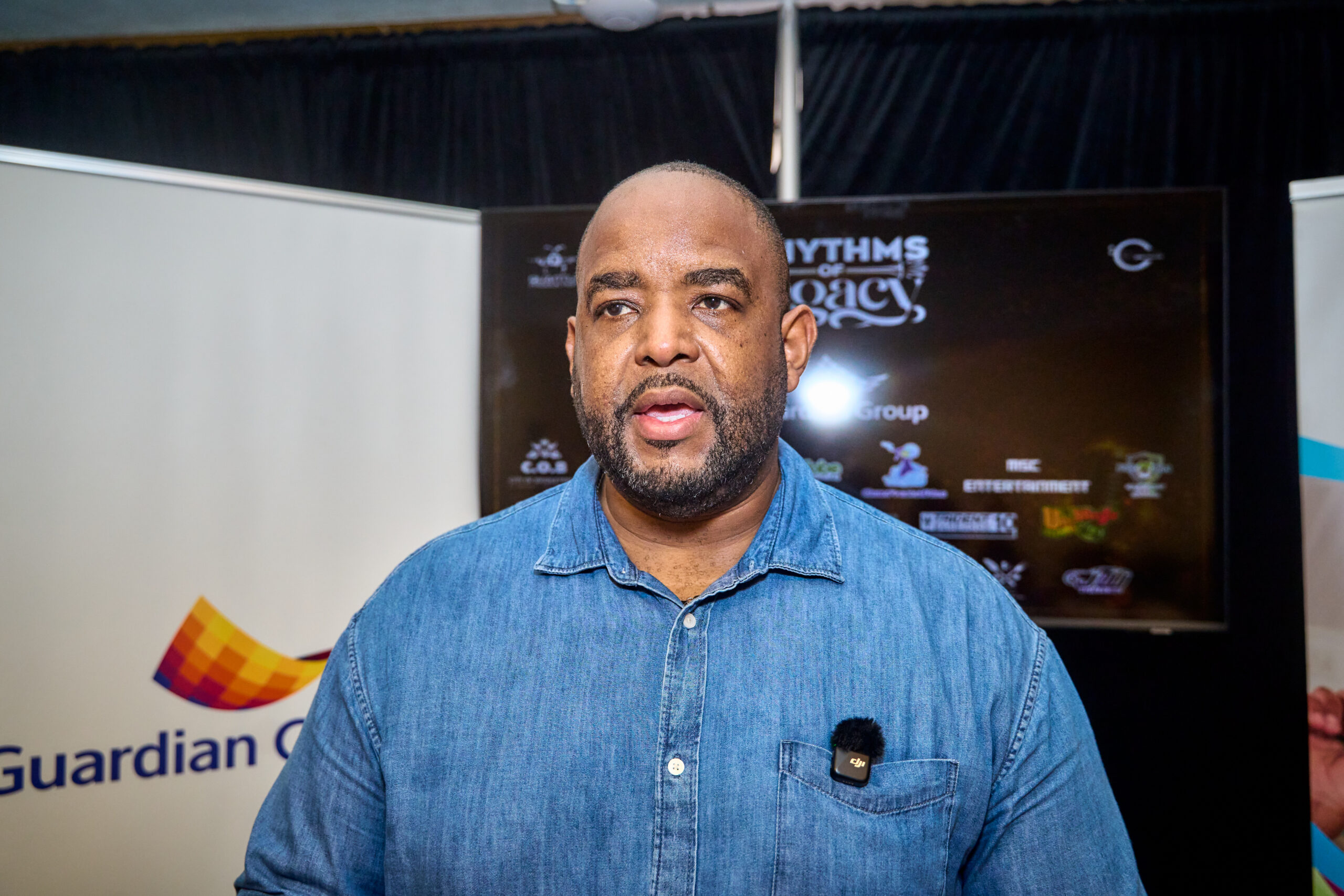
    Eastmond said he has not been surprised by the consistent interest in social commentary among young performers, pointing to his years of working with students that shows young people naturally embrace calypso once they gain hands-on experience with the genre. As the current leader of the Rhythms of Legacy tent, which is specifically designed to support and nurture emerging young calypsonians, Eastmond has seen first-hand how the genre’s focus on storytelling and social critique resonates with young people who had little to no prior exposure to calypso growing up.

    “They’re quite interested simply because of the storytelling and understanding the power of the voice and how they can actually speak to certain societal issues,” he said. This ability to use music as a platform to address pressing community and national issues is what draws many young creators to the tradition, he added.

    Looking ahead to the relaunched Party Monarch competition, Eastmond predicted that the event will see a robust turnout of emerging entertainers competing alongside veteran performers. “Based on the response I’m getting in the studio from the amount of young people who want to have songs to enter the competition, I think we’re gonna have an influx of young persons, along with the veterans,” he said.

    Eastmond noted that sharing the stage with established, experienced artistes offers invaluable learning opportunities for young performers, helping them refine their on-stage performance skills that cannot be developed in a recording studio. “Competition brings a different dynamic to just recording a song,” he explained. “You can record a song that sounds really good, but if you’re not able to deliver it on stage, then that’s another thing.”

    Sharon Carew-White, manager of the iconic CO Williams House of Soca tent, echoed Eastmond’s optimism about the future of social commentary among young Crop Over artists. Carew-White highlighted the tent’s long-running junior monarch programme, which currently receives funding and support from the Barbados Community College and the Sandy Lane Trust, as a critical pipeline for nurturing emerging talent over the years. The programme has consistently proven to be a successful pathway for young entertainers to build their skills and grow within the genres, she said.

    To ensure calypso and soca are preserved for future generations, Carew-White emphasized that keeping younger audiences engaged through accessible, youth-focused competitive spaces is key. She welcomed the return of the Party Monarch competition, framing it as an additional valuable platform that encourages creativity and healthy competition among artists of all ages. “This is another creative opportunity for youngsters, young at heart,” she said, adding that a number of well-known, established performers are also returning to compete in this year’s relaunched event.

    However, Carew-White argued that winning competitors deserve greater regional exposure beyond the bounds of Barbados’ local Crop Over season. “If you become the soca monarch or the power soca monarch, I would like to see this transition then into the next level,” she said, calling for stronger collaborative links between the Barbados competition and major carnival events in neighboring Grenada and Trinidad and Tobago. “I would like to think that bringing back these two competitions brings back an opportunity for further growth for individuals and for the country.”

  • Government launches project to improve food security

    Government launches project to improve food security

    Against a backdrop of rising global food supply volatility and growing climate disruptions to local agriculture, the government of Barbados has officially kicked off a landmark agricultural initiative aimed at strengthening the island’s food security and trimming its crippling national food import bill.

    Developed in partnership with the Barbados Agricultural Development and Marketing Corporation (BADMC), the Onion Escalation Project is the first major rollout of the island’s aggressive strategic crop expansion framework, a national initiative designed to buffer local farming from the erratic impacts of climate change. Under the broader national plan, 16 high-priority strategic crops have been identified to boost domestic yields and improve dietary nutrition for Barbadian citizens.

    At the official launch ceremony held at BADMC’s Fairy Valley, Christ Church headquarters, Minister of Agriculture and Food Security Dr. Shantal Munroe-Knight highlighted the stark gap that currently exists between the island’s domestic onion production and total national consumption. While Barbados notched a small production uptick last year, cultivating 36 acres of land to produce roughly 483 kilograms of onions, the country remains overwhelmingly reliant on imported product to meet demand. “We are importing two million kilograms of onions. That’s what we’re doing,” Munroe-Knight emphasized, underscoring the urgency of expanding local output.

    To close this massive supply gap, the BADMC’s project sets an ambitious phased target to scale onion cultivation to 100 acres over the next two years. At the core of this production expansion goal is the newly commissioned cutting-edge onion drying and chilling facility at the Fairy Valley site, a transformative infrastructure upgrade that upends long-standing barriers to year-round onion production on the island.

    Historically, Barbadian onion farmers have been limited to a narrow planting window between October and November, with harvesting restricted to the February-to-May period. Thanks to the new advanced drying technology, BADMC can now extend the shelf life of locally harvested onions from just a few short weeks to multiple months. “With this new facility for onion drying, it means then that we can expand that onion production, that onion growing period… It means that we could move almost to year-round production under the BADMC crop escalation plan,” Munroe-Knight explained.

    She added that the paired specialized chilling system delivers a level of production security that local farmers have never had access to before. “It gives the farmers assuredness… They will not then incur a lot of the losses that we would have had before because of the wet season and unseasonal rains. Traditional onion storage time would have been just a couple of weeks or so, now, we are looking for storage for months,” she said.

    This extended storage capacity is a game-changing development for consistent local supply, allowing producers to meet consumer demand reliably regardless of seasonal weather shifts, the minister noted. She also pointed out that unseasonable and unpredictable weather, driven by accelerating climate change, has already severely disrupted traditional growing cycles. “The conditions that we had then are extremely challenged now because of climate change. Those of you who would remember, for instance, last November, we had heavy weather… because of those heavy rainfalls just last year, we’d have lost a number of acres for onions. So that climate change challenge is then significantly challenging our onion production,” Munroe-Knight said.

    The new facility also addresses a long-standing point of tension between local onion producers and commercial distributors, who have historically rejected Barbadian-grown onions, claiming they were too moist and spoiled too quickly. “Well, this facility is intended to allow us to deal with that, so we need the cooperation of those distributors as well,” the minister asserted, adding that productive talks are already ongoing with local distributor associations to build buy-in for the initiative.

    “We have a whole-of-country approach to this notion of how we do crop escalation, how we make sure that we can drive down our food import bill and most importantly, make food cheaper for Barbadians… and that requires all of us working together,” she said. Under the program, independent local farmers will be able to bring their harvested onions to the facility for processing and storage, with BADMC holding formal off-take contracts with participating producers to guarantee a market for their crop.

    Infrastructure improvements are being paired with targeted scientific support to strengthen the program’s impact. BADMC is working hand-in-hand with the Ministry of Agriculture’s research division to introduce hardy, climate-resilient onion varieties bred to withstand wet conditions, alongside updated fungicide protocols designed to maximize overall crop yields.

    Dr. Munroe-Knight extended an open invitation to the Barbadian public and the local farming community to join the effort, noting that while the project requires a measure of patience to reach full capacity, the urgent current context of food security demands rapid, strategic action. “I really want to invite Barbadians, want to invite the farming community to walk with us. It will require a level of patience, and I say patience even as the Ministry and BADMC tells me that I’m always telling them to run – because we don’t have the time. The current context requires us to be able to respond immediately, but we intend to take a strategic approach to it… and be very sure that we are able to respond to the challenges in a systematic way,” she said.

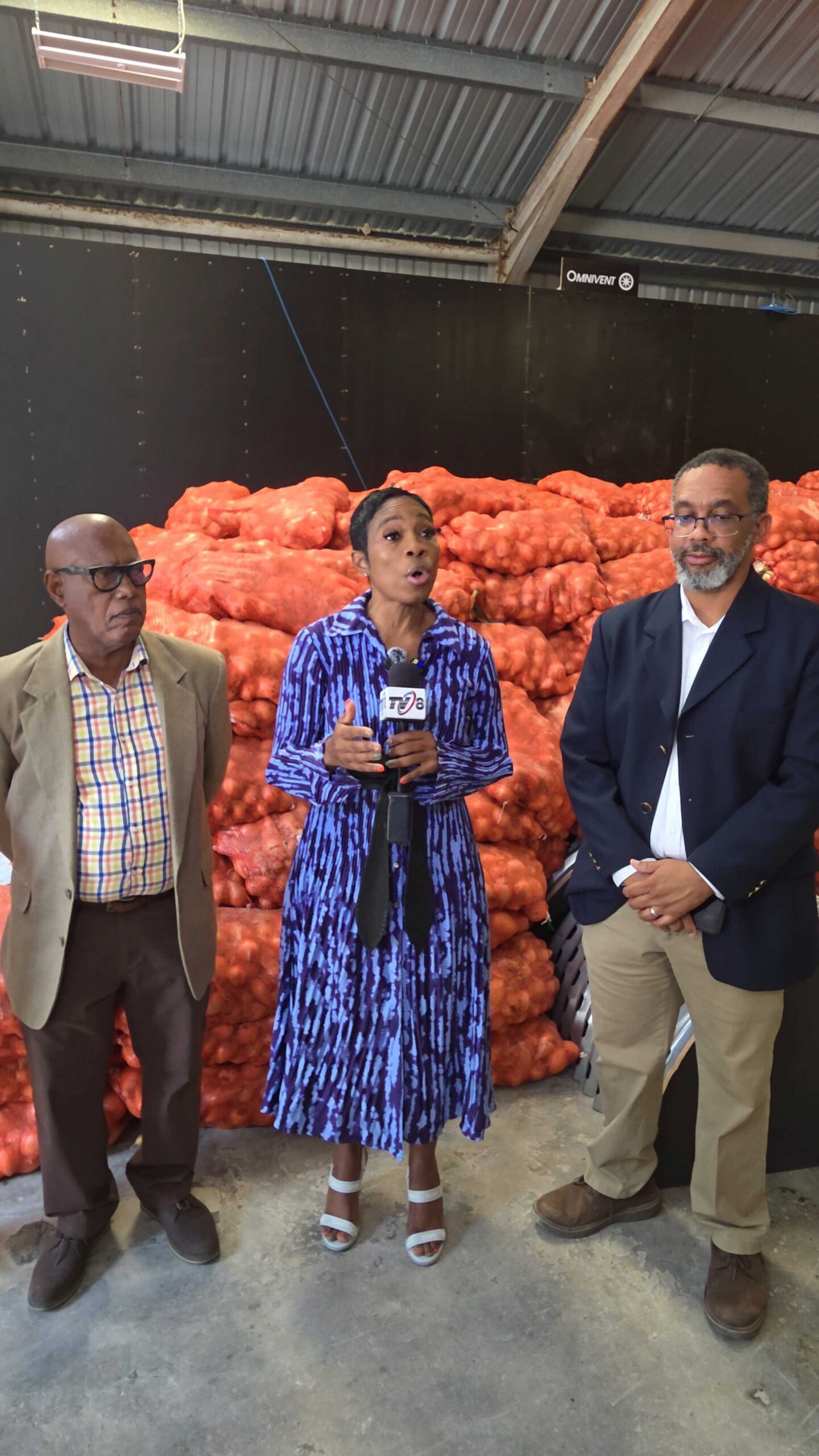
    BADMC Acting Chief Executive Officer Fredrick Inniss noted that the project’s launch marks the end of three years of intensive development work, first initiated by the BADMC board of directors in 2023. Inniss paid tribute to the combined local and international expertise that brought the initiative to fruition, recognizing pioneering agricultural engineer Dr. Winston Harvey, who has collaborated with the ministry on onion production solutions since the 1980s. He also highlighted the critical technical partnership with Omnivent, a Netherlands-based global leader in specialized agricultural storage technology.

    “Drying is one of the key elements of onion harvest. We have for decades been without it, but this ensures that now we actually move to a point where we actually have the capacity not just to grow the onions and send them straight to the supermarket, but if we have enough, we can actually hold them and store them for up to three months,” Inniss explained. He added that the one container-worth of onions displayed at the launch represents just one-tenth of the facility’s total storage capacity.

    Inniss also recognized the hard work of internal BADMC teams, particularly the maintenance and projects units, who worked extended hours through weekends alongside the international technical team to complete the facility construction on schedule.

    Beyond the onion initiative, the Ministry of Agriculture and BADMC have spent the past two months auditing internal processes, mapping available agricultural land banks, expanding agricultural extension services, and systematically addressing ongoing barriers related to soil quality and water access across all 16 targeted strategic crops, which include staple root crops such as sweet potatoes and yams. The entire initiative aligns with the broader Caribbean Community (CARICOM) “25 by 25” regional food security mandate, which sets a goal of cutting the region’s overall food import bill by 25% by 2025.
  • Coaches urged to better communities

    Coaches urged to better communities

    A new initiative to strengthen grassroots cricket development across Barbados kicked off this month at the Wildey Gymnasium, bringing together nearly 30 aspiring community cricket coaches for an intensive two-week certification workshop. Hosted through a collaborative partnership between the Ministry of Sports and Community Empowerment, the Barbados Olympic Association (BOA), and the National Sports Council – which collectively cover all program costs – the training session will run from May 18 to May 29, equipping participants with both technical and soft skills critical for community-focused coaching.

    In his opening address to the cohort, Sports and Community Empowerment Minister Charles Griffith laid out a clear vision for the program, emphasizing that community coaches carry far more responsibility than just teaching cricket techniques: they are positioned to be transformative forces in the lives of young people across the island. Griffith urged attendees to center empathy in their coaching practice, noting that many participants in community sports programs face unforeseen personal or financial hardship off the pitch. “Don’t shout at your charges because you don’t know if someone just left home and came to this programme without eating or what difficulties they experienced prior to coming here,” he told the group.

    Beyond emotional intelligence, Griffith encouraged coaches to commit to continuous professional growth, urging them to adopt international best coaching practices to maintain high standards, regardless of whether they go on to coach locally, regionally, or globally. He stressed that excellence in coaching must always go hand in hand with connection to the communities and young people they serve, reminding the cohort that the program will be updated and expanded over time to remain aligned with evolving community needs.

    A core priority of the initiative, Griffith noted, is unlocking untapped cricket talent across Barbados’ neighborhoods. Instead of waiting for aspiring athletes to seek out coaching opportunities, the minister urged coaches to take a proactive approach to talent identification, starting with primary and secondary schools as key access points for young people. He also emphasized that talent scouting and programming must be fully inclusive of all genders, noting that expanded community coaching is a key tool to drive positive life outcomes for both young men and young women across the country. “It must be unisex in terms of identifying talent for coaching, but do what you have to do at the community level to better Barbados,” Griffith added.

    For participants who successfully complete the full two-week training, the workshop offers formal, recognized accreditation: coaches will earn both the Caribbean Coaching Certification and a specialized training certification from the National Sports Council. The curriculum covers core cricket technical skills, including batting, bowling, catching, fielding, and athlete performance evaluation. To round out the training, specialized sessions are led by external partners: the Barbados Red Cross delivers first aid training, while child safeguarding instruction is facilitated by Maressa Raghobar, a sport and exercise psychology trainee and member of the Chartered Association of Sport and Exercise Sciences.

    The cricket coach workshop is just the first in a planned series of community coaching development programs from the Ministry of Sports and Community Empowerment. Similar initiatives focused on netball, football, basketball, and volleyball are already scheduled to launch in the near future, as the government works to build out a robust network of trained, community-focused coaches across multiple sports to support youth development across Barbados.