标签: Barbados

巴巴多斯

  • Customs flags misuse of business concessions

    Customs flags misuse of business concessions

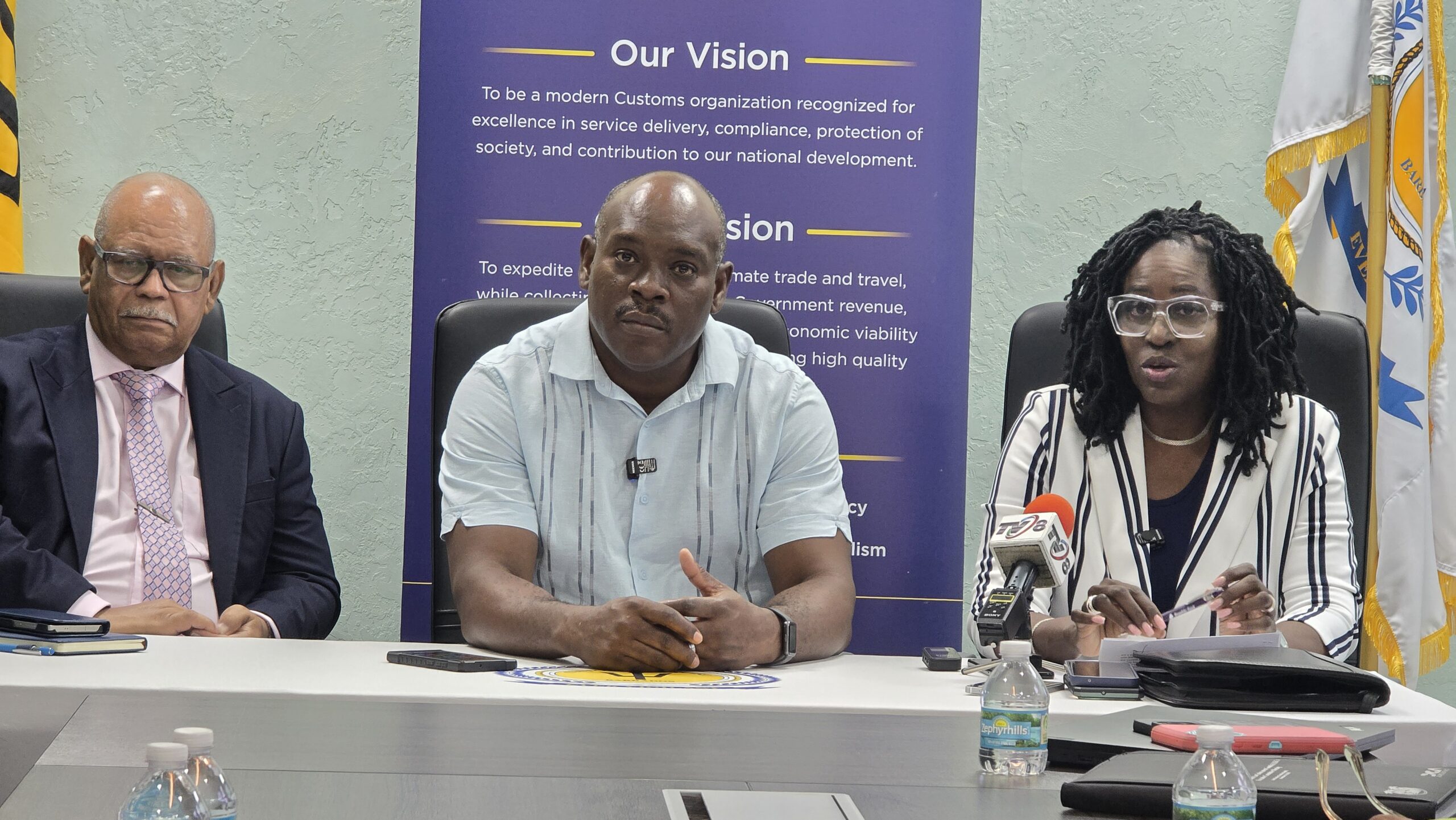
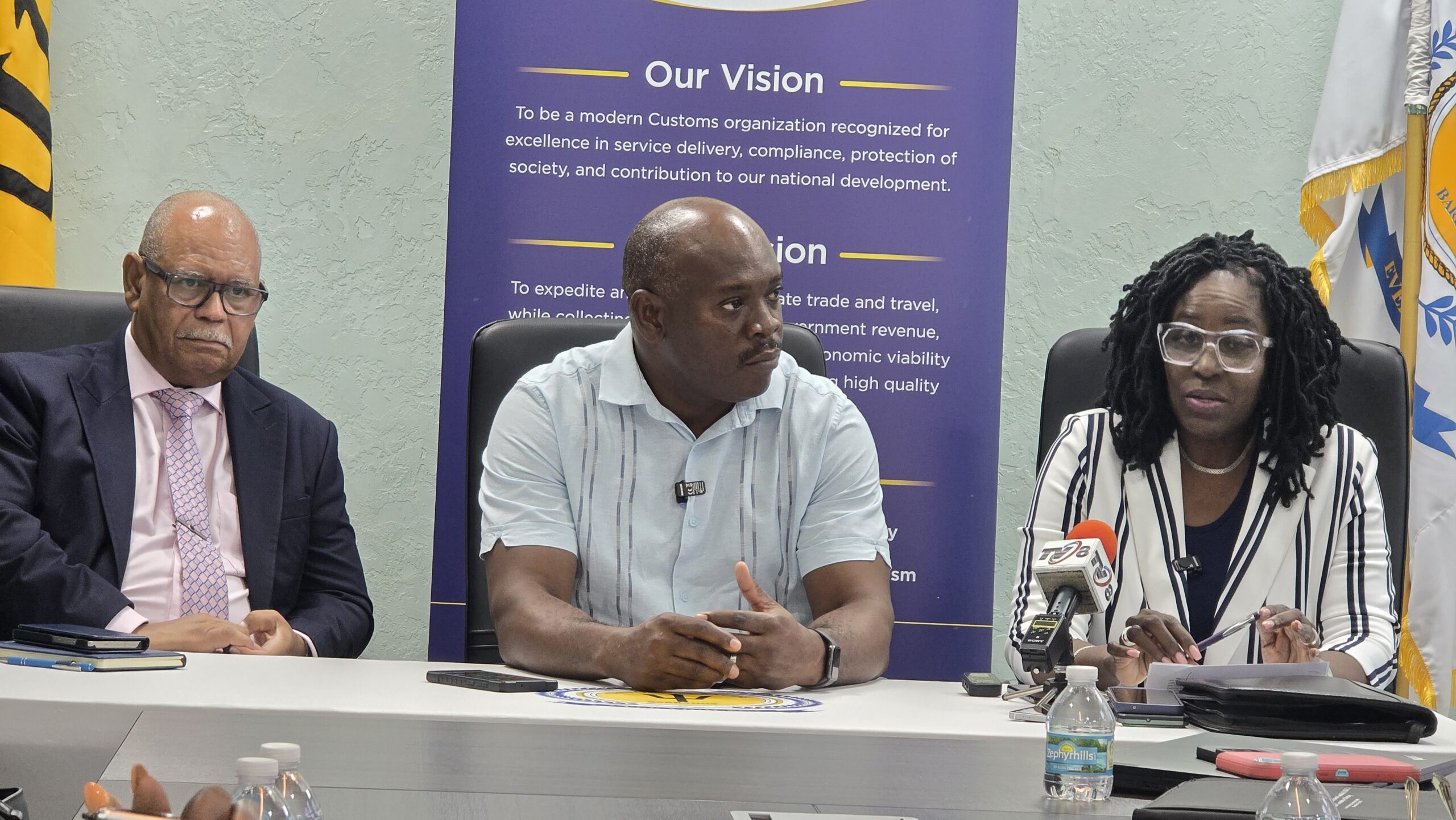
    During a press conference marking the 121st anniversary of Barbados’ Customs and Excise Department, Minister of Finance Ryan Straughn has issued a stark warning to local businesses against submitting fraudulent or inaccurate invoices, outlining the far-reaching harms that non-compliance brings to the island nation’s economy and global standing.

    Straughn opened his remarks by acknowledging longstanding challenges the Customs department faces in verifying invoice accuracy to collect full, lawful duties and taxes. He emphasized that under-invoicing and misreporting create two interconnected harms: it slashes the government’s overall revenue intake, and it creates an unlevel competitive playing field for honest businesses that follow regulatory rules. “When some operators cut corners by hiding accurate transaction details, they gain an illegal cost advantage over competitors that play by the rules,” Straughn explained. “A fair market requires all actors to contribute the same required duties and taxes to the public system.”

    The warning comes as Barbados prepares for a 2027 review by the Financial Action Task Force (FATF), the global standard-setting body for anti-money laundering and counter-terrorist financing rules. Straughn stressed that resolving trade-based compliance gaps is critical to keeping Barbados off of international watchlists that carry damaging economic and reputational consequences. “No gray list, no black list, no watch list of any kind – our goal is to stay off all of them,” he said. The minister announced that the government will ramp up outreach to business stakeholders in coming months to clarify compliance requirements and the stakes of non-compliance for all segments of the public, from small enterprises to individual importers.

    Straughn also highlighted the central role the Customs and Excise Department plays in funding core public services, noting that the agency collects approximately 20% of the Barbadian government’s total annual revenue. That funding supports the country’s free public education system, robust universal public health infrastructure that prevents catastrophic medical debt for citizens, and targeted social safety net programs that support vulnerable communities across the island. “Every dollar of lawful revenue Customs collects directly translates to better services and support for all Barbadians,” he added.

    Outlining the three core compliance risks the department faces, Straughn explained that non-compliance typically falls into three categories: submission of fraudulent valuation information for imported goods, misclassification of items under tariff codes to secure lower duty rates, and delayed or incomplete upfront disclosure that overburdens the department’s post-clearance audit operations. He added that intentional mislabeling also poses severe risks to national security and public health, pointing to examples of illicit controlled substances being smuggled into the country mislabeled as legitimate consumer goods such as vitamins.

    Newly appointed Comptroller of Customs Lynette Padmore also raised concerns about misuse of government-issued import concessions, which are designed to support targeted sectors including manufacturing, tourism investment, and green economy initiatives. Padmore reported that the department has uncovered repeated cases of importers securing concessions for raw materials or manufacturing equipment, only to divert or sell the items for unauthorized uses. “When the government provides financial concessions to support business growth, we expect recipients to uphold their end of the agreement by adhering to the terms of that support,” she said.

    Straughn confirmed that concession volumes have risen sharply in the years following the COVID-19 pandemic, driven largely by tourism infrastructure investment enabled by the Tourism Development Act and rising global construction costs that have increased the total value of concession-eligible imports. He also noted that one of the largest recent concession programs has been incentives for electric and hybrid vehicle imports, launched four years ago to advance the government’s goal of decarbonizing Barbados’ national vehicle fleet. The policy has proven successful: the government’s own transport fleet is now nearly 100% electric, and private adoption has grown dramatically. Straughn announced that the incentive program will end soon, as the government transitions back to standard import rules.

    Acknowledging that the Customs department faces persistent staffing shortages that prevent daily, widespread inspections of all import operations, Straughn emphasized that voluntary compliance and mutual trust are foundational to the agency’s work. To close compliance gaps, the government is developing digital inventory tracking systems to monitor concession-eligible goods across the economy, and is partnering with key industry groups including the Barbados Chamber of Commerce, Small Business Association, and Manufacturers Association to spread awareness of compliance standards and encourage peer accountability among business owners.
  • Caregiver respite on health reform agenda

    Caregiver respite on health reform agenda

    As Barbados undertakes a major overhaul of its mental health and elderly care systems through the $175 million Health Services Resilience Programme, expanding respite care and community support for unpaid family caregivers has emerged as a core policy priority. The commitment was confirmed during a public consultation hosted jointly by the Ministry of Health and Wellness and the Inter-American Development Bank at the Lloyd Erskine Sandiford Centre on Monday evening.

    Responding to concerns raised by Kyla Branch, executive board member of the Barbados Alzheimer’s Association, Acting Chief Medical Officer Dr. Arthur Phillips highlighted that caregiver support is now woven into ongoing discussions across the broader mental health reform agenda, and will be a key topic when stakeholders convene to plan the second phase of the new Geriatric Hospital at Waterford.

    Branch drew policymakers’ attention to the heavy, often unrecognized burden shouldered by informal family caregivers, who provide the vast majority of daily care for people living with dementia and other chronic mental health conditions. She stressed that as Barbados’ population ages, dementia can no longer be sidelined in public health planning, arguing that the neurodegenerative condition must be classified and addressed as a non-communicable disease (NCD) that requires early preventive action, rather than waiting for late-stage specialist intervention.

    “We have to put preventative measures in place,” Branch said during the consultation. “We didn’t focus a lot in terms of NCDs particularly today, but I also want to urge everyone to recognise that dementia is an NCD. We can’t just wait for the specialist intervention.”

    Branch also called for caregiver needs to be integrated into the design of new healthcare infrastructure, noting that most public discussion has centered on construction and clinical outcomes while overlooking the impact of caregiving on family units.

    Dr. Phillips echoed many of Branch’s points, explaining that the overarching goal of the reform is to enable people requiring care to stay in their own homes and familiar communities for as long as medically possible, a model that delivers better outcomes for patients. When people can remain in supported community settings with periodic short-term respite stays for caregivers to rest, that arrangement benefits both patients and their families, he argued.

    “Where people can stay in the community with supports, where they can come into a facility to allow respite, where their family members can have support, that is better for everyone, including for the client,” Phillips said. “Remaining in familiar surroundings could also reduce the likelihood of patients becoming confused or getting worse.”

    He added that caregiver support is not limited to the Roseville Halfway House facility, but is being integrated into the entire community-focused restructuring of Barbados’ mental health system. Dr. Phillips also reaffirmed the government’s broader commitment to expanding care delivery in community and primary care settings, where early intervention can alter disease progression and improve long-term management for chronic conditions.

    Consultant Leisa Perch clarified that caregiver needs are already being incorporated into the environmental and social assessment phase of the Health Services Resilience Programme, extending beyond just recognition of their care work to address practical needs such as ongoing access for family members to their loved ones receiving treatment. These considerations are already shaping the design of new healthcare facilities, the development of emergency protocols, the design of support systems, and the integration of digital health tools into the programme.

    Perch emphasized that the programme’s goal is to center caregivers as core participants in the care process, rather than treating them as afterthoughts. She also noted the critical need to distinguish between paid professional caregivers and the large group of unpaid informal family caregivers, a population that is often overlooked in public health planning. “It is sometimes the… group that we forget,” Perch said.

    Dr. Phillips also confirmed that public health leaders agree with Branch’s framing that dementia prevention and management is tightly linked to broader NCD control efforts, aligning the government’s approach with the call from Alzheimer’s Association leaders.

  • Sandy Crest celebrates two decades of service

    Sandy Crest celebrates two decades of service

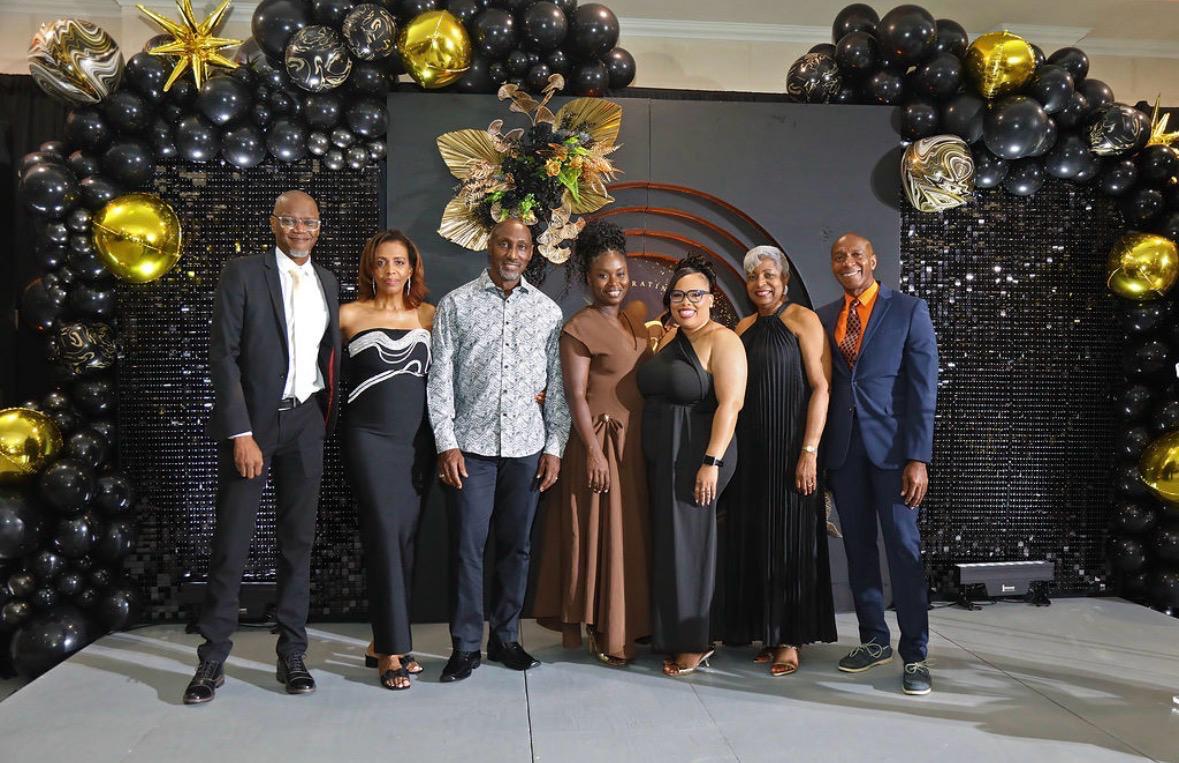
    Twenty years after a handful of passionate medical professionals and entrepreneurs first brainstormed the idea around late-night discussion tables, one of Barbados’ most beloved private healthcare institutions marked a major milestone. On August 23, Sandy Crest Medical Centre hosted a star-studded gala to celebrate its 20th anniversary, bringing together founding stakeholders, current and former staff, leading local healthcare providers, and senior government officials to look back on the facility’s growth, honor the people who built it, and lay out plans for its next chapter.

    Among the guests in attendance was Attorney General Wilfred Abrahams, who brought his wife to the celebration and shared his own unique connection to the facility as a former director of the centre. Managing Director Brian Charles, the emergency physician who co-founded the institution, opened the evening by walking attendees through the facility’s humble origins back in 2004. The idea first took root when a university classmate and fellow doctor approached Charles to ask his professional opinion on building a dedicated private emergency care facility on Barbados’ West Coast – a service that was underserved in the region at the time.

    Charles recounted that he spent countless late evenings working through the details with founding shareholder Alex McDonald, debating the feasibility of the independent venture, working through financial and operational challenges, and ultimately aligning on a vision that would guide the project forward. Once the pair agreed the concept could work, they brought on additional shareholders to launch the initiative. “Our core goal from day one was to build a medical space that paired top-tier clinical skill with sincere human compassion,” Charles explained in his anniversary address. “We wanted every patient who walked through our doors to get timely, expert care, and to leave feeling seen, treated with dignity, and cared for as people, not just cases.” Two decades later, Charles emphasized, that original vision has not shifted – it remains the central mission of every service the centre provides.

    What launched as a small, focused emergency and urgent care clinic has grown far beyond its original scope in 20 years. Today, the centre offers full-spectrum family wellness services to the local community and visitors to the West Coast alike, and it has expanded into medical education and professional development through a dedicated in-house training division. But the anniversary celebration was not centered on service expansion or institutional milestones; instead, it was dedicated entirely to the people who have sustained the centre through two decades.

    Charles paid tribute to every group that contributes to the centre’s daily operation, from founding shareholders and past and present board directors to attending physicians, nursing teams, allied health specialists, administrative staff, reception teams, drivers, janitorial crews, maintenance workers, and security personnel. “Healthcare is a field unlike any other,” he told the crowd. “It requires sharp technical skill, emotional resilience, endless patience, personal sacrifice, and a level of commitment to other people that few other jobs demand. When most people are home asleep in bed, our teams are here caring for patients. When families gather to celebrate holidays, birthdays, and life’s special moments, our staff are at work making sure someone else’s loved one gets the care they need.”

    During the gala, the centre presented special recognition awards to long-serving staff members, with Charles noting that the honors are a small symbolic gesture of the institution’s gratitude for the years of commitment their team has given. “No plaque, no certificate, no gift can ever fully measure the decades of dedication, sacrifice, loyalty, and hard work that our people have poured into this centre,” he said. The evening also included a moment of reflection to honor contributors who are no longer part of the Sandy Crest community – including former employees who have retired, moved on to new opportunities, or passed away. “Their legacy lives on in the high standards they helped us build, in every life they touched during their time here, and in the example they set for every team member who has followed in their footsteps,” Charles said.

    As Sandy Crest enters its third decade of service to the Barbadian community, Charles confirmed that the centre will continue to adapt and evolve to keep pace with advancing medical technology and shifting patient expectations. But no matter how the facility grows, its core focus will remain unchanged: delivering compassionate, high-quality care to every patient that walks through its doors. “This is more than just a medical centre that this team has built,” Charles told attendees in closing. “You have built a trusted institution that has become an indispensable part of Barbados’ national healthcare landscape.”

  • BFA president Harris lauds Benfica football camp in Barbados

    BFA president Harris lauds Benfica football camp in Barbados

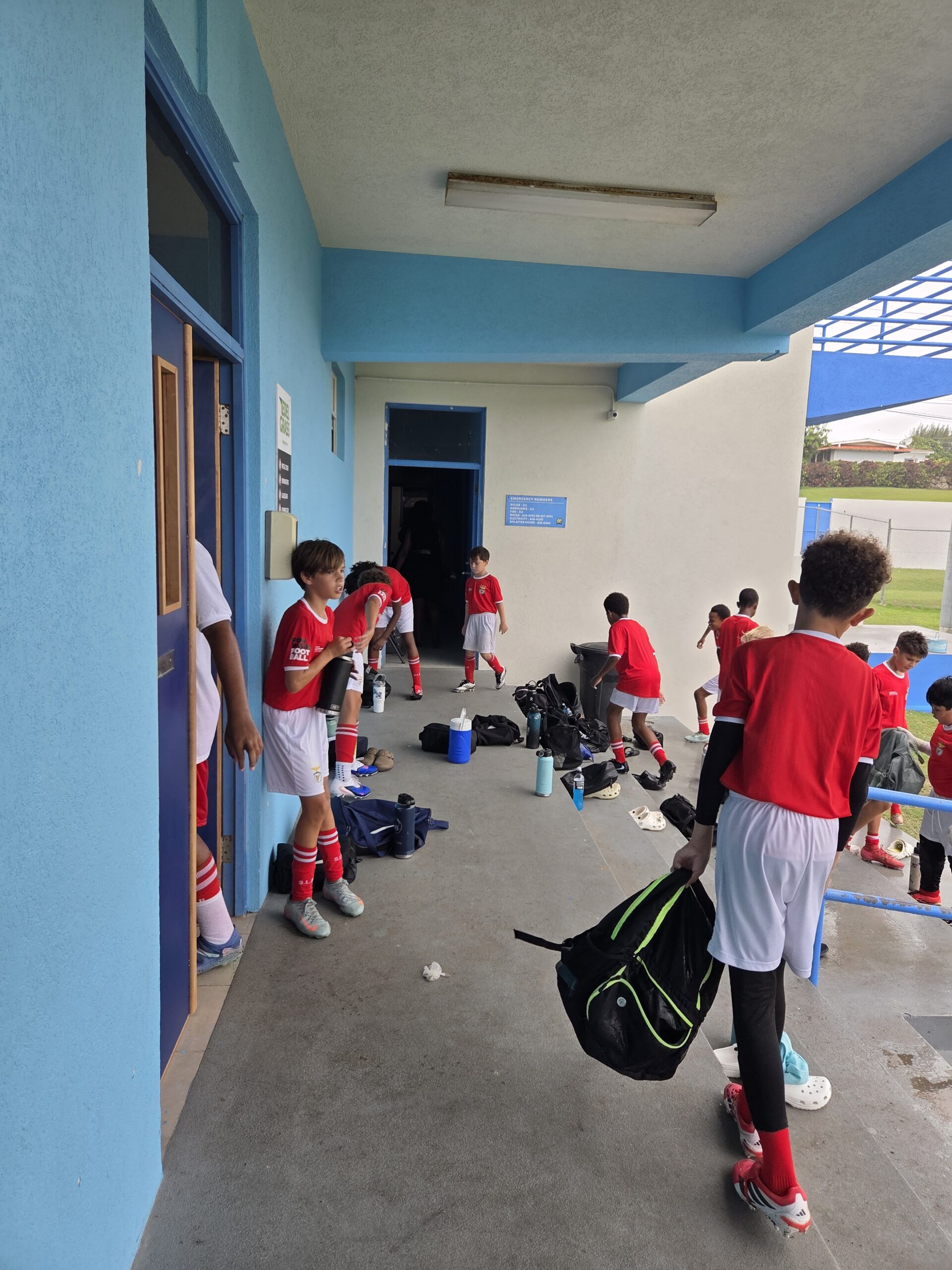
    A groundbreaking new collaboration between one of Europe’s most iconic football clubs and The University of the West Indies (UWI) is set to transform youth football development across the Caribbean, starting with a successful inaugural training camp in Barbados. The six-day residential camp, hosted at the Barbados Football Association (BFA) Technical Centre in Wildey, marked the first major initiative launched after UWI’s Faculty of Sport formalized a strategic partnership with Portugal’s SL Benfica earlier this year.

    Randy Harris, president of the BFA, celebrated the joint initiative as a critical step forward for nurturing young homegrown talent in Barbados. “Our organization is thrilled to facilitate a program aligned so closely with our long-term vision for growing young footballers across the country,” Harris shared during the camp. “It’s incredible to see dozens of boys and girls alike enjoying their time on the pitch while mastering the core fundamentals of the sport. Right now in Barbados, too much focus goes to winning matches at youth levels, when the priority should always be building a strong foundation and understanding of the game first.”

    The project received key public sector backing from the Government of Barbados, which covered full registration fees for 50 talented young players between the ages of 7 and 17. The government support was coordinated across multiple agencies: the Division of Youth and Culture in the Prime Minister’s Office, the Ministry of Sport and Community Empowerment, and Future Sport, a specialized division of national development group Future Barbados. All government-sponsored participants were selected through two existing national frameworks: the BFA’s FIFA Talent Development Scheme and the Barbados Secondary Schools Football League, ensuring the opportunity reached the most promising emerging talent across the island.

    Under the terms of the broader strategic agreement between UWI and SL Benfica, the partnership aims to expand access to high-quality football development, formal coaching education, and international career pathways for young athletes and coaches across the entire Caribbean region. The program will roll out first across UWI’s three main campuses – Cave Hill in Barbados, Mona in Jamaica, and St Augustine in Trinidad and Tobago – with plans for broader regional expansion as the initiative matures.

    Amanda Reifer, Deputy Dean for International Partnerships and Business Development at UWI’s Faculty of Sport, framed the collaboration as a transformative investment in Caribbean youth. “This partnership is about building real, sustainable pathways for our young people and coaching staff, not just talking about development,” Reifer explained. “By combining UWI’s extensive regional reach and deep local connections with SL Benfica’s globally respected expertise in elite football development, we can open doors to world-class training, academic education, and international opportunities that most Caribbean talent would never otherwise access.”

    Reifer also emphasized the importance of public sector collaboration to the initiative’s early success, thanking both the government of Barbados and the BFA for their on-the-ground support. “We are incredibly grateful for the commitment from both the Barbados government and the BFA. Sponsoring 50 young players to attend is a tangible, meaningful investment in the future of Barbadian football, and the BFA’s provision of facilities, equipment and logistical coordination has been absolutely invaluable. This project stands as a clear example of what is possible when government, domestic sport governing bodies, academic institutions and international partners align to create opportunities for the next generation.”

  • Bridgetown Port Taxi Co-op helps students gear up for new term

    Bridgetown Port Taxi Co-op helps students gear up for new term

    After a multi-year pause triggered by the COVID-19 pandemic, a key Barbadian transport cooperative has revived its signature community giving program, rolling out targeted back-to-school support for hundreds of vulnerable primary school students across two parishes.

    The Bridgetown Port Taxi Co-op Society Ltd officially extended its assistance to three institutions this week: St Lawrence Primary in Christ Church, St Mark’s Primary, and St Stephen’s Primary in St Michael. School leaders, including principals and senior teaching staff, accepted the donations on Tuesday on behalf of low-income families preparing for the new academic year. While the organization opted not to release the exact monetary value of the support, co-op president Adrian “Smiley” Bailey framed the initiative as a core expression of the group’s longstanding commitment to lifting local communities.

    Bailey explained that this outreach effort has been a staple of the co-op’s community work for nearly three years, but pandemic-related disruptions forced the group to suspend the program. When planning this year’s restart, the co-op’s board selected the three participating schools, but delegated all decisions about which students would receive aid to school administrators. Bailey noted that school leaders in Barbados have an unmatched understanding of student needs, especially given the scope of the national primary education system: the island counts 64 primary schools serving more than 15,000 young students, leaving no shortage of families struggling to cover back-to-school costs.

    Pointing to the particularly heavy burden placed on households with multiple school-aged children, Bailey called on other private and community organizations across Barbados to step up with similar support. He also pushed back against implicit criticism of parents who took time to enjoy the island’s iconic Crop Over festival in the weeks leading up to the new school term.

    “A year consists of 52 weeks,” Bailey argued. “If some of these parents have parented these children for 52 weeks of the year and they take a chance and enjoy Crop Over when school is around the corner just for two weeks, we have to understand that these are parents who are looking after children for 52 weeks of the year and they need to enjoy themselves at some time.”

    Looking ahead, the co-op plans to continue and expand the program in 2025, with a goal of increasing the number of participating schools from three to as many as ten. Bailey also publicly thanked key partners that made this year’s initiative possible, including the Bridgetown Port authority, local businessman Eddy Abed, and Copacabana. He added that the co-op’s current outreach is also a gesture of gratitude for the critical support the government provided to taxi operators during the height of the COVID-19 pandemic, when global travel shutdowns decimated the island’s taxi industry.

    “If today, on the 25th of August, we can be given back something to assist children in Barbados, this gesture, I hope it can go a very long way,” Bailey said.

    The official donation presentations were attended by St Lawrence Primary Principal Lorraine Gittens, acting St Mark’s Primary Principal Tamara Whittaker-Massiah, and St Stephen’s Primary senior teacher Wendy Archer, who accepted the contributions on behalf of their respective schools. Two elected representatives also participated in the events: Neil Rowe, Member of Parliament for St Michael North West, and Dr Shantal Munro-Knight, MP for Christ Church South and Barbados’ Minister of Agriculture. Both politicians praised the co-op’s work, with Munro-Knight highlighting the special importance of this support in the lead-up to every new school year.

    “We all know that there are certain vulnerable families within our society and therefore again this assistance, I believe, will go a long way in helping them,” she said. Munro-Knight also commended the co-op for choosing to direct its resources toward supporting children, noting that the organization’s current outreach serves as a thoughtful reflection of the government’s pandemic support for taxi operators.

    “You could have done several things with the resources that you are giving back, but the fact that you’ve chosen to do this is important as well, and that you acknowledge the fact that government would have during that COVID period, also provided some assistance, and therefore doing this is just a little bit of that recognition as well,” she added.

  • US$175m health facilities targeted for 2029 opening

    US$175m health facilities targeted for 2029 opening

    Barbados is advancing a transformative $175 million national Health Services Resilience Programme that will deliver four major new and upgraded healthcare infrastructure projects, all scheduled to be fully operational by 2029, senior health officials confirmed during the first public consultation held this week. The event, co-hosted by the Ministry of Health and Wellness and the Inter-American Development Bank at the Lloyd Erskine Sandiford Centre on Monday evening, laid out the full scope of the initiative, which addresses both growing healthcare demand and emerging climate risks facing the island nation.

    The four core infrastructure projects under the programme are a new Geriatric Hospital in Waterford, St Michael; the Roseville Halfway House in St Peter; a major expansion of the island’s primary tertiary care facility, Queen Elizabeth Hospital; and the Odle’s Glenn Senior Village in St George. Beyond physical infrastructure, the initiative also includes a full upgrade of Barbados’ digital health ecosystem, with the rollout of a new integrated health information system designed to streamline access to patient medical records and connect primary, secondary and tertiary healthcare facilities across the country.

    Speaking at the consultation, Permanent Secretary of the Ministry of Health and Wellness Francine Blackman outlined the multi-lateral funding partnership backing the programme, which brings together the Inter-American Development Bank, Caribbean Development Bank, World Bank, and the Development Bank of Latin America and the Caribbean (CAF). Blackman emphasized that the programme is a strategic investment in the long-term development of Barbados’ healthcare system, designed to expand care capacity to meet the evolving needs of the island’s population, with a specific focus on unmet needs in chronic non-communicable disease care, mental health support, disability services, and geriatric care.

    “A core goal of this programme is to make high-quality healthcare more accessible to all local communities, while shifting the system toward a stronger emphasis on prevention, early detection of disease, and uninterrupted continuity of care for patients,” Blackman said. She added that the project is part of a broader national effort to reimagine Barbados’ entire healthcare continuum from primary care through to specialized tertiary treatment, noting that a healthier population will deliver significant spillover economic benefits for the island.

    “If we can build and maintain a healthier population, we will directly boost national productivity, because local businesses will see lower rates of employee absenteeism linked to preventable poor health,” Blackman explained.

    Currently, the entire programme is in the pre-construction planning and design phase, with mandatory environmental and social impact assessments ongoing ahead of the launch of procurement and on-ground project mobilization. Acting Chief Medical Officer Dr Arthur Phillips told attendees that the public consultation phase will run through the third quarter of 2026, after which full implementation will get underway. “We will stand up the dedicated implementation team first, and by the second quarter of 2027, we will move into full implementation, with detailed planning, construction work, and eventually the commissioning of all new facilities,” Phillips said.

    Leisa Perch, a leading consultant on the project, noted that construction activities are scheduled to take place between 2027 and 2028, though individual projects will not all break ground simultaneously due to regulatory and logistical requirements. “There are a number of regulatory and procedural steps we have to complete first, but our target remains to have all four facilities fully operational and open to patients by 2029,” Perch confirmed.

    A key distinguishing feature of the programme is its explicit focus on building climate and disaster resilience into all new and upgraded facilities, a critical priority for small island developing states like Barbados that face growing climate hazards. Perch explained that the environmental impact assessment evaluated a full range of potential risks to the facilities, including hurricane force winds, storm surge, coastal and inland flooding, drought, extreme heat, seismic activity, and seasonal incursions of Saharan dust. Of these risks, hurricane winds, storm surge, coastal flooding, and extreme heat were rated as high-priority risks across all project sites.

    To address these threats, planning includes provisions for backup power systems to ensure care can continue during service disruptions, as well as dedicated infrastructure to guarantee reliable access to clean water and other essential services. Heat-health protocols will be integrated into the design of all elderly care facilities, while upgraded drainage and wastewater systems are being included to boost flood resilience. The assessment also evaluated broader systemic pressures facing the healthcare system, including population ageing, the growing burden of chronic disease, labour compliance risks, digital health cybersecurity vulnerabilities, and the cumulative impact of multiple construction projects across the island. For sites involving rehabilitation of existing buildings, planners are also proactively addressing potential hazards including asbestos, lead paint, mould, and demolition debris.

    A full set of environmental and social management measures will be implemented throughout the project, covering disaster and climate risk reduction, traffic management around construction sites, sustainable waste management, and ongoing engagement with local stakeholders. Perch stressed that public input will not end with the initial consultation round; outreach and feedback mechanisms will be in place throughout the planning, construction, and operational phases of the programme. Proposed engagement methods include community town halls, targeted focus groups, mobile outreach to underserved areas, and quarterly public reporting, with all feedback incorporated into project design and construction adjustments as needed.

    Monday’s inaugural consultation focused specifically on the Roseville Halfway House project, with four additional public consultations scheduled over the next two weeks to cover the remaining initiatives. Multiple government agencies are collaborating on the broader programme: the Ministry of Economic Affairs’ Project Execution Unit is supporting overall delivery, the Ministry of People Empowerment will lead collaboration on the Odle’s Glenn Senior Village, and the Ministry of Education will partner to strengthen the national school nutrition programme as part of the initiative’s public health focus.

  • St Lucy water relief extended as filtration project delayed

    St Lucy water relief extended as filtration project delayed

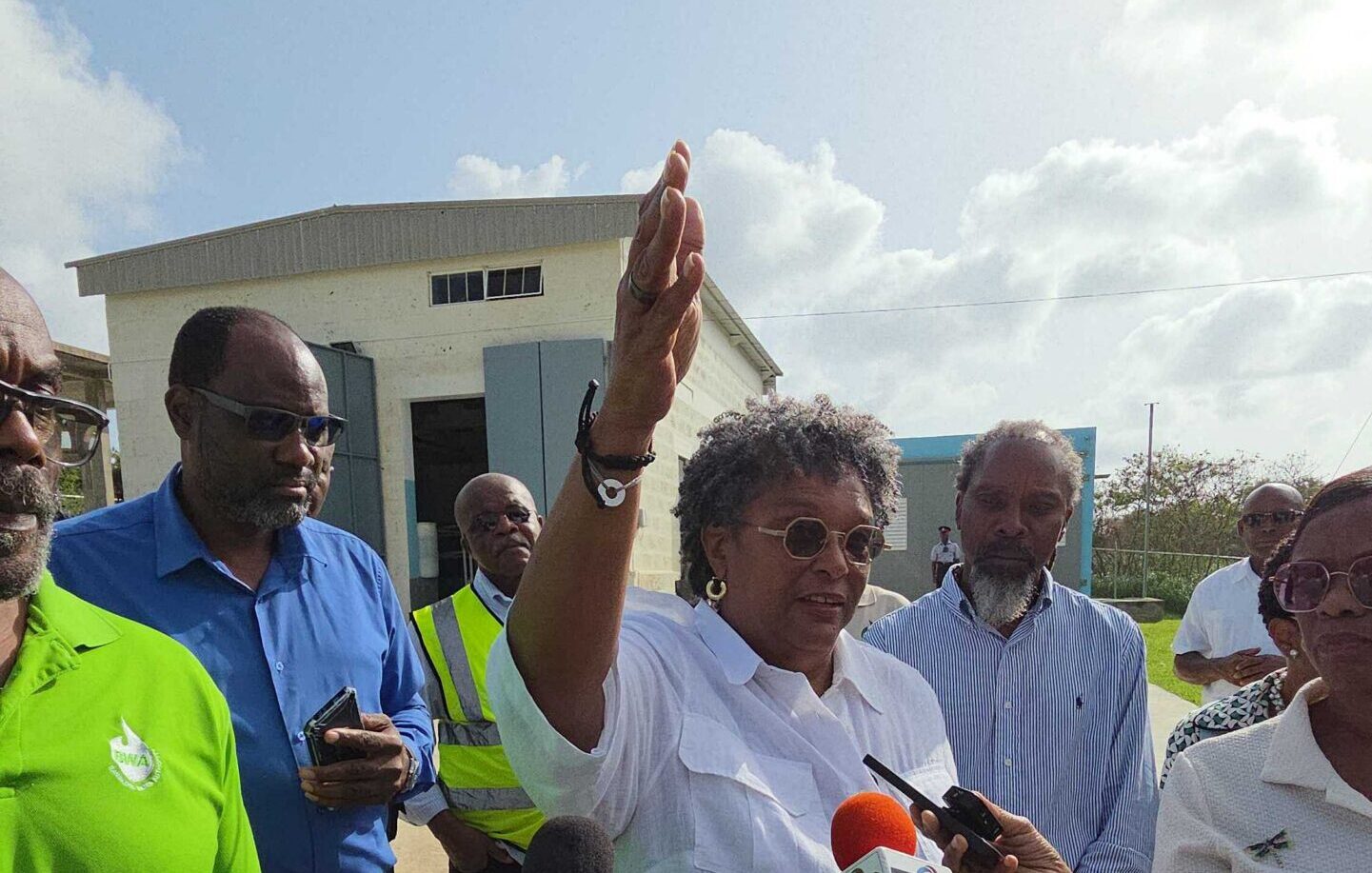
    Barbados’ government has formally announced an extension of basic water rate relief for residents of the northern parish of St. Lucy, responding to unexpected production holdups and global supply chain disruptions that have pushed back the completion of a critical water infrastructure upgrade. The relief program, which was originally scheduled to conclude in September, will remain in place until a new permanent water filtration system is fully installed and operational at the Barbados Water Authority’s (BWA) Alleynedale treatment facility, Prime Minister Mia Mottley confirmed during an on-site project update Tuesday.

    The multi-phase upgrade project was launched to resolve longstanding issues of water discoloration across St. Lucy, and it has already delivered major progress, according to BWA engineering leadership. The core component of the initiative – the replacement of more than 42 kilometers of aging water mains across the parish – has been fully completed. Charles Leslie, BWA’s director of engineering, noted that crews worked around the clock in many areas to finish the mains replacement in just one year, a milestone that has already improved water quality for the vast majority of local households. The old corroded mains were a primary contributor to the discoloration that plagued the area’s water supply for years.

    However, the project’s final and most transformative component – the installation of a new plant-side filtration system – has hit significant snags. Initially, BWA engineers installed a cartridge-based filtration system after preliminary testing, but the technology failed to deliver the crystal-clear water quality the project targeted. To correct this, the authority sourced an alternative, more effective filtration system from a manufacturing firm based in California, United States. That new system is being built as a containerized unit, but global supply chain bottlenecks have delayed its delivery to the island.

    Prime Minister Mottley explained that two key factors have shifted the project timeline: production capacity constraints at the U.S.-based manufacturer and widespread disruptions to global shipping. Two of the five containers holding the filtration system are now expected to arrive in Barbados in September, with the remaining three scheduled to arrive by the end of October. Mottley specifically named two high-profile global disruptions as contributing factors: ongoing shipping chaos in the Red Sea and reduced transit capacity through the Panama Canal, both of which have rippled through supply chains worldwide in recent months. The project also hit a local setback when site geotechnical challenges forced engineers to relocate the plant’s foundation to a stable rock outcrop less than 200 meters from the original planned site. This adjustment was made to keep the project within its approved budget, Mottley added.

    While the original project roadmap targeted completion by the end of February, Mottley said she has directed BWA to accelerate construction work once the filtration components arrive, with a new goal of full completion before the end of December. To uphold the government’s commitment to St. Lucy residents who have endured ongoing water quality issues, the prime minister confirmed that the finance ministry has formally reversed its original plan to end basic water rate relief in September. The relief will remain in effect until the new filtration system is fully installed and operational.

    “It is not yet where we want it, but it is significantly better than it was,” Mottley said of the project’s current status. She emphasized that the government would keep its promise to residents, noting: “a deal is a deal is a deal.” The prime minister also called for public patience, noting that many of the factors delaying the project are outside of the government’s control. “I want citizens to understand that there are some things that are within our control and there are some things that are simply not within our control,” she said. “Where those things are outside of our control and they are legitimately impacting what we are doing here, we will share as we are doing today, but we will also keep our faith with you with respect to asking you to bear with us.”

    Even with the delays, Mottley stressed that water conditions have already improved dramatically for most St. Lucy residents, and the extended rate relief ensures that residents will not face additional costs while the final upgrades are put in place.

  • BWA: Discoloured St Lucy water safe to drink

    BWA: Discoloured St Lucy water safe to drink

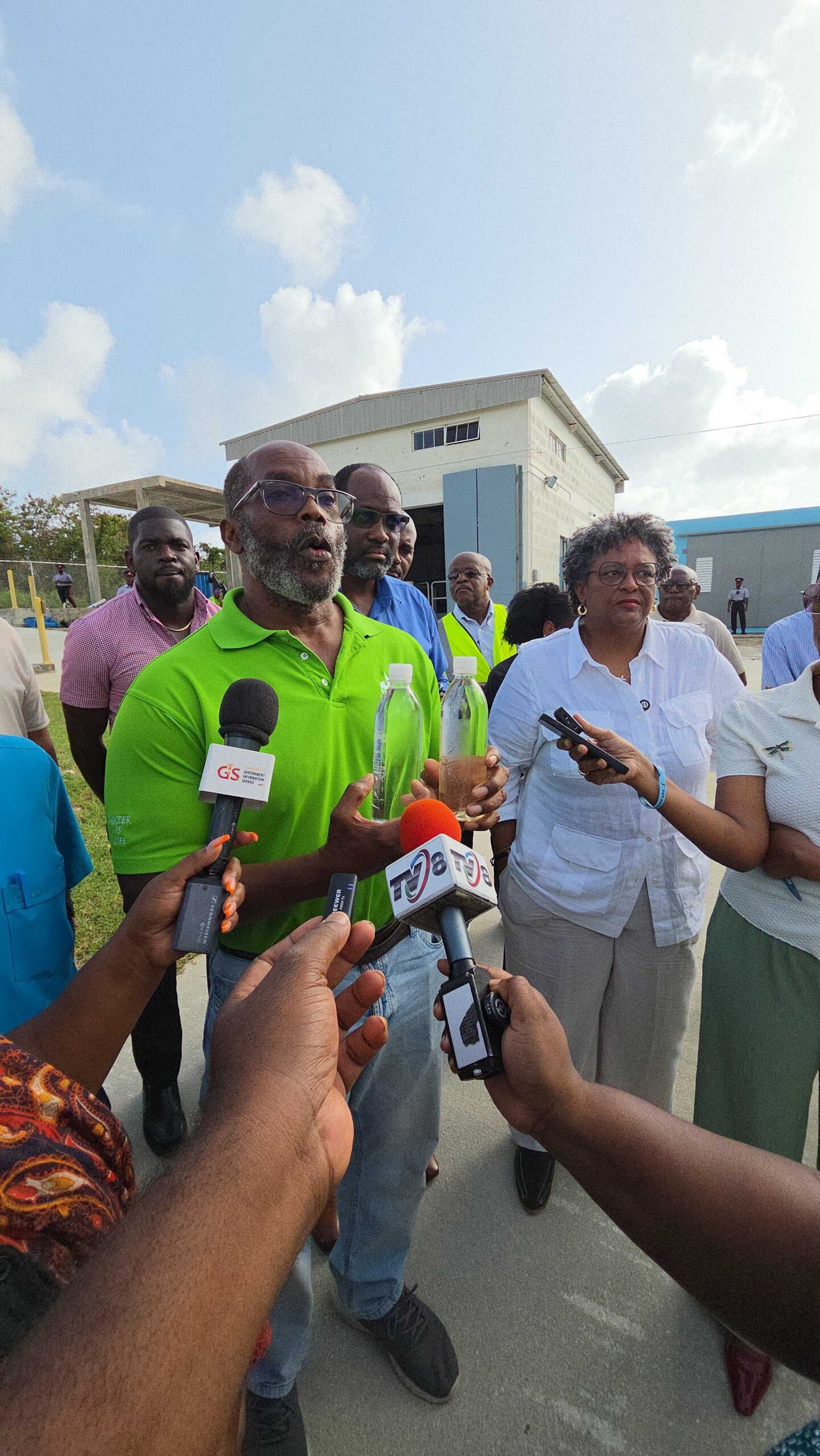
    Residents of Barbados’ St Lucy parish have received formal reassurance from the Barbados Water Authority (BWA) that their tap water remains safe for human consumption and fully compliant with World Health Organization (WHO) health standards, even as persistent discolouration affects portions of the region. During an on-site press briefing at the Alleynedale Pumping Station Tuesday, BWA Water Resources Manager Alex Ifill clarified that the only regulatory threshold being violated relates to aesthetic guidelines for water clarity, not any safety metric that poses a risk to public health.

    “The only standard this breaches is the colour limit,” Ifill explained. “Is it safe? It is absolutely safe to drink… Colour itself is not a health-related standard for drinking water; it is simply an aesthetic standard to ensure consumer comfort.”

    Ifill noted that the water discolouration issue has already improved dramatically thanks to a dual-pronged mitigation strategy rolled out by the BWA. In addition to systematically corroded outdated water mains across the parish, the authority has temporarily re-routed water production for affected zones to the Villa Maria treatment facility in St Joseph. This shift has already delivered clearer water to multiple impacted communities, including sections of Six Mens and Checker Hall.

    The ongoing infrastructure overhaul to resolve St Lucy’s long-running water quality issues has required hundreds of millions of dollars in public investment. BWA Engineering Director Charles Leslie revealed that the authority has already spent roughly $43 million to replace 43 kilometers of aging water mains, working out to an average cost of $1 million per kilometer of pipe. A further $5 million is being invested in a new purpose-built water treatment facility at Alleynedale, designed to permanently resolve the discolouration problem.

    “Just about $5 million covers all the different components, getting the facility set up and integrated into the existing distribution system,” Leslie said.

    As of mid-progress updates, the new custom filtration system for the facility has not yet been fully installed. All equipment for the project is being transported to Barbados in five shipping containers, but global logistical disruptions have pushed back the facility’s launch timeline. Prime Minister Mia Mottley explained that the delays stem from multiple factors: widespread global supply chain holdups affecting shipping, plus an unplanned need to relocate the equipment’s proposed site at the Alleynedale facility. International shipping challenges, including congestion at the Panama Canal and ongoing trade disruptions linked to tensions in the Middle East, have not driven up the contracted cost of the treatment equipment, Leslie confirmed.

    Officials now target commissioning the new treatment facility between late December 2024 and the end of February 2025. To support affected residents during the extended construction period, Prime Minister Mottley announced the government will continue covering basic water rates for all St Lucy households until the filtration project is fully operational. The subsidy was originally scheduled to expire in September, but the extended relief will cost the Ministry of Finance approximately $150,000 each month.

    “Logistical shipping issues, combined with having to move the equipment between locations on site, have led us to decide we will continue carrying the subsidy until this project is finished,” Mottley stated.

    Across St Lucy, there are roughly 4,700 registered residential and commercial water connections. Officials report that a large share of these households are already receiving clear water as incremental upgrades progress, with full resolution expected once the new treatment facility comes online.

  • Probe launched after oil dumped in sensitive water zone

    Probe launched after oil dumped in sensitive water zone

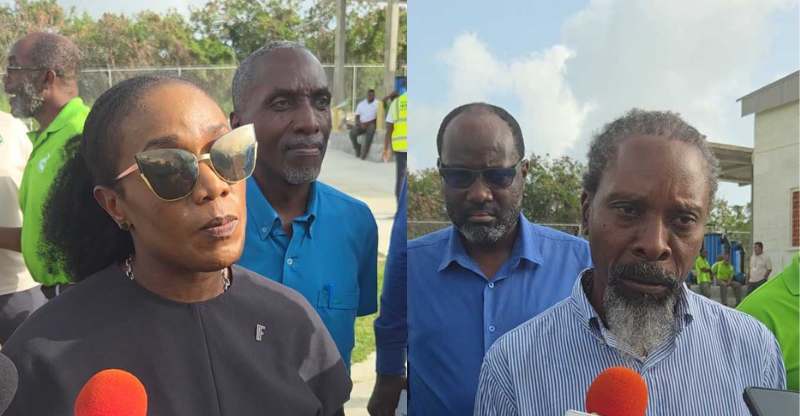
    Barbados authorities have launched a full criminal investigation after dozens of oil-filled barrels were discovered dumped in tall grass in the Belle area, prompting the activation of the country’s national oil spill response protocol over severe threats to the island nation’s drinking water supply. The incident was first publicly revealed by Minister of Economic Affairs and Planning Marsha Caddle during a regularly scheduled site update from the Barbados Water Authority (BWA) this Tuesday, where she condemned the unauthorized dumping as a reckless, dangerous act that puts the entire public at risk.

    “What we actually uncovered is that unidentified actors dumped multiple barrels of crude oil in the Belle region,” Caddle told reporters during the update. “This was a deliberate act: the barrels were hidden in dense high grass, out of public sight, which suggests malicious intent. Everyone needs to understand that this type of action harms every single one of us. It endangers the drinking water our children rely on at school, and it compromises a critical public resource. This is completely irresponsible behavior.”

    Caddle called on anyone engaging in illegal waste dumping in environmentally sensitive areas to stop immediately, noting that law enforcement and environmental agencies are fully committed to identifying and holding those responsible accountable. “We need to put a stop to this kind of reckless activity, and we are confident that the ongoing investigation will deliver answers,” she added.

    Alex Ifill, the BWA’s Manager of Water Resources, confirmed that the national spill protocol was put into effect immediately after the dumped barrels were reported to authorities. “As soon as the incident was confirmed, we activated all provisions of the national oil spill response framework,” Ifill stated. He explained that the island’s Environmental Protection Department (EPD) is leading the investigative phase of the response, with priorities including tracing the origin of the barrels, identifying the parties responsible, and determining whether criminal prosecution will be pursued once the investigation concludes.

    “This incident was far from a minor offense: it could have caused catastrophic, long-lasting damage to Barbados’ entire freshwater supply,” Ifill emphasized. “That is why identifying those responsible and holding them accountable is a top priority for all agencies involved.”

    Following the discovery, the BWA has moved quickly to upgrade security and surveillance across all of its production and pumping facilities, as the dumped barrels were found in an area closely connected to the island’s water distribution network. BWA Chief Executive Officer Peter Thompson told reporters that while the authority already had camera surveillance at most key facilities, additional monitoring equipment has been rolled out across at-risk areas in the wake of the dumping. Not all remote sites have camera coverage yet, but the authority is actively expanding its surveillance footprint.

    Beyond fixed camera systems, Thompson revealed that the BWA is currently evaluating drone surveillance as a low-cost solution to monitor large, remote areas that are hard to cover with ground-based equipment. “Drone technology would allow us to patrol these sensitive areas far more efficiently and at a lower cost than traditional security patrols,” he explained. “It’s an option we’re seriously considering to fill gaps in our current monitoring.”

    Thompson expressed deep frustration with the illegal dumping, stressing that any harm to the island’s water resources affects every resident of Barbados, regardless of where they live. “I want every person in this country to stop and think about what they’re doing when they choose to dump waste illegally. This isn’t dumping in another country that doesn’t affect us—any contamination of our water resources comes right back to our own homes, our own families, and our own friends,” he said. “It was incredibly disheartening to see that instead of using official, regulated waste disposal channels, people chose to dump this hazardous material in an area that is so critical to our water supply.”

    Moving forward, the BWA will implement more frequent patrols of all sensitive facilities and introduce stronger layered security measures to prevent similar incidents from occurring in the future. “We have clear concerns about what happened here, but we’re taking action: more frequent monitoring, better security, and a renewed focus on protecting our most vital natural resource,” Thompson confirmed. As of Tuesday, investigations into the identity of those responsible for the dumping are ongoing.

  • Straughn: Customs on guard against drugs, guns

    Straughn: Customs on guard against drugs, guns

    Barbados is stepping up its efforts to counter increasingly advanced smuggling operations targeting its borders, as the country’s Customs Service works to block the entry of illegal firearms, narcotics and other contraband that threaten public safety and economic order. Finance Minister Ryan Straughn outlined the government’s priorities during a Tuesday press briefing held at the Barbados Customs and Excise Department to mark the agency’s 121 years of operation. During his address, Straughn emphasized that border protection stands as one of the three core mandates of the Customs Service, alongside collecting critical state revenue and enabling the smooth flow of legally authorized cross-border trade. The minister acknowledged that the agency is facing growing, more complex challenges, as smuggling networks continuously develop new, undetectable methods to move prohibited goods into the country. “While we have already rolled out the most advanced detection technology currently available and will continue investing in new tools to upgrade our capabilities, human expertise remains irreplaceable in the fight against smuggling,” Straughn told attendees. “That is why we are pairing ongoing technology investments with continuous skills training for our frontline officers, to strike the right balance between tightening border security and keeping legitimate trade moving efficiently.” Straughn also clarified the strict legal framework governing firearm imports into Barbados, noting that no weapons are produced domestically in the country, nor are any manufactured across the wider Caribbean region. All firearms entering the country require official authorization, he added, which is exclusively issued by the Commissioner of Police. Any unlicensed firearm import is automatically classified as an illegal act, on par with smuggling controlled narcotics including cocaine and crystal meth—substances that have seen a dramatic surge in trafficking across the Americas in recent years. The Finance Minister’s remarks came just one day after newly appointed Comptroller of Customs Lynette Padmore announced the agency’s latest major contraband seizure: 12 unlicensed firearms, 15 ammunition magazines, approximately 900 rounds of ammunition, plus large quantities of cocaine, methamphetamine and other banned items. Straughn also warned that smuggling activities impose broad collateral costs on legitimate business, particularly at the country’s commercial port facilities. He used a hypothetical example to illustrate the disruption: if an illicit weapons shipment is hidden inside a legal cargo consignment at a port shed, law enforcement must halt all adjacent operations to respond, delaying clearances for hundreds of law-abiding traders waiting to process their goods. “This is why these enforcement efforts matter so much,” Straughn explained. “All law enforcement agencies, from Customs to police, must carry out their full duties to ensure every shipment adheres to national regulations, and that protects the vast majority of actors who follow the rules.” The minister also highlighted the critical need for full compliance with import declaration rules, stressing that inaccurate or intentionally misleading filings carry consequences that go far beyond lost government revenue. For example, he noted, hiding crystal meth inside a shipment declared as over-the-counter vitamins creates cascading harms: it risks bringing dangerous illicit substances into local communities, fueling addiction rates, and creating urgent public health crises across the island. “Compliance is non-negotiable, because we refuse to see our communities face a growing addiction crisis driven by illegal drug trafficking. This is a top priority for our country, and proper declaration protocols are the first line of defense against these threats,” he said. In closing, Straughn reaffirmed that the Barbados Customs Service will maintain its balanced approach, continuing to invest in both technology and officer training to improve contraband detection while working to keep regulatory burdens low for legitimate traders moving goods across the border. The agency will also continue its close partnership with other law enforcement bodies to coordinate counter-smuggling operations and stem the flow of banned goods into the country.