Barbados is advancing a transformative $175 million national Health Services Resilience Programme that will deliver four major new and upgraded healthcare infrastructure projects, all scheduled to be fully operational by 2029, senior health officials confirmed during the first public consultation held this week. The event, co-hosted by the Ministry of Health and Wellness and the Inter-American Development Bank at the Lloyd Erskine Sandiford Centre on Monday evening, laid out the full scope of the initiative, which addresses both growing healthcare demand and emerging climate risks facing the island nation.
The four core infrastructure projects under the programme are a new Geriatric Hospital in Waterford, St Michael; the Roseville Halfway House in St Peter; a major expansion of the island’s primary tertiary care facility, Queen Elizabeth Hospital; and the Odle’s Glenn Senior Village in St George. Beyond physical infrastructure, the initiative also includes a full upgrade of Barbados’ digital health ecosystem, with the rollout of a new integrated health information system designed to streamline access to patient medical records and connect primary, secondary and tertiary healthcare facilities across the country.
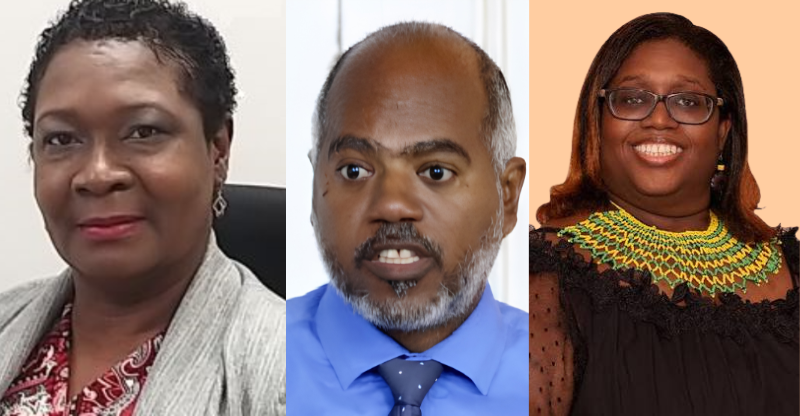
Speaking at the consultation, Permanent Secretary of the Ministry of Health and Wellness Francine Blackman outlined the multi-lateral funding partnership backing the programme, which brings together the Inter-American Development Bank, Caribbean Development Bank, World Bank, and the Development Bank of Latin America and the Caribbean (CAF). Blackman emphasized that the programme is a strategic investment in the long-term development of Barbados’ healthcare system, designed to expand care capacity to meet the evolving needs of the island’s population, with a specific focus on unmet needs in chronic non-communicable disease care, mental health support, disability services, and geriatric care.
“A core goal of this programme is to make high-quality healthcare more accessible to all local communities, while shifting the system toward a stronger emphasis on prevention, early detection of disease, and uninterrupted continuity of care for patients,” Blackman said. She added that the project is part of a broader national effort to reimagine Barbados’ entire healthcare continuum from primary care through to specialized tertiary treatment, noting that a healthier population will deliver significant spillover economic benefits for the island.
“If we can build and maintain a healthier population, we will directly boost national productivity, because local businesses will see lower rates of employee absenteeism linked to preventable poor health,” Blackman explained.
Currently, the entire programme is in the pre-construction planning and design phase, with mandatory environmental and social impact assessments ongoing ahead of the launch of procurement and on-ground project mobilization. Acting Chief Medical Officer Dr Arthur Phillips told attendees that the public consultation phase will run through the third quarter of 2026, after which full implementation will get underway. “We will stand up the dedicated implementation team first, and by the second quarter of 2027, we will move into full implementation, with detailed planning, construction work, and eventually the commissioning of all new facilities,” Phillips said.
Leisa Perch, a leading consultant on the project, noted that construction activities are scheduled to take place between 2027 and 2028, though individual projects will not all break ground simultaneously due to regulatory and logistical requirements. “There are a number of regulatory and procedural steps we have to complete first, but our target remains to have all four facilities fully operational and open to patients by 2029,” Perch confirmed.
A key distinguishing feature of the programme is its explicit focus on building climate and disaster resilience into all new and upgraded facilities, a critical priority for small island developing states like Barbados that face growing climate hazards. Perch explained that the environmental impact assessment evaluated a full range of potential risks to the facilities, including hurricane force winds, storm surge, coastal and inland flooding, drought, extreme heat, seismic activity, and seasonal incursions of Saharan dust. Of these risks, hurricane winds, storm surge, coastal flooding, and extreme heat were rated as high-priority risks across all project sites.
To address these threats, planning includes provisions for backup power systems to ensure care can continue during service disruptions, as well as dedicated infrastructure to guarantee reliable access to clean water and other essential services. Heat-health protocols will be integrated into the design of all elderly care facilities, while upgraded drainage and wastewater systems are being included to boost flood resilience. The assessment also evaluated broader systemic pressures facing the healthcare system, including population ageing, the growing burden of chronic disease, labour compliance risks, digital health cybersecurity vulnerabilities, and the cumulative impact of multiple construction projects across the island. For sites involving rehabilitation of existing buildings, planners are also proactively addressing potential hazards including asbestos, lead paint, mould, and demolition debris.
A full set of environmental and social management measures will be implemented throughout the project, covering disaster and climate risk reduction, traffic management around construction sites, sustainable waste management, and ongoing engagement with local stakeholders. Perch stressed that public input will not end with the initial consultation round; outreach and feedback mechanisms will be in place throughout the planning, construction, and operational phases of the programme. Proposed engagement methods include community town halls, targeted focus groups, mobile outreach to underserved areas, and quarterly public reporting, with all feedback incorporated into project design and construction adjustments as needed.
Monday’s inaugural consultation focused specifically on the Roseville Halfway House project, with four additional public consultations scheduled over the next two weeks to cover the remaining initiatives. Multiple government agencies are collaborating on the broader programme: the Ministry of Economic Affairs’ Project Execution Unit is supporting overall delivery, the Ministry of People Empowerment will lead collaboration on the Odle’s Glenn Senior Village, and the Ministry of Education will partner to strengthen the national school nutrition programme as part of the initiative’s public health focus.