标签: Barbados

巴巴多斯

  • Gear boost for students of Belmont Primary

    Gear boost for students of Belmont Primary

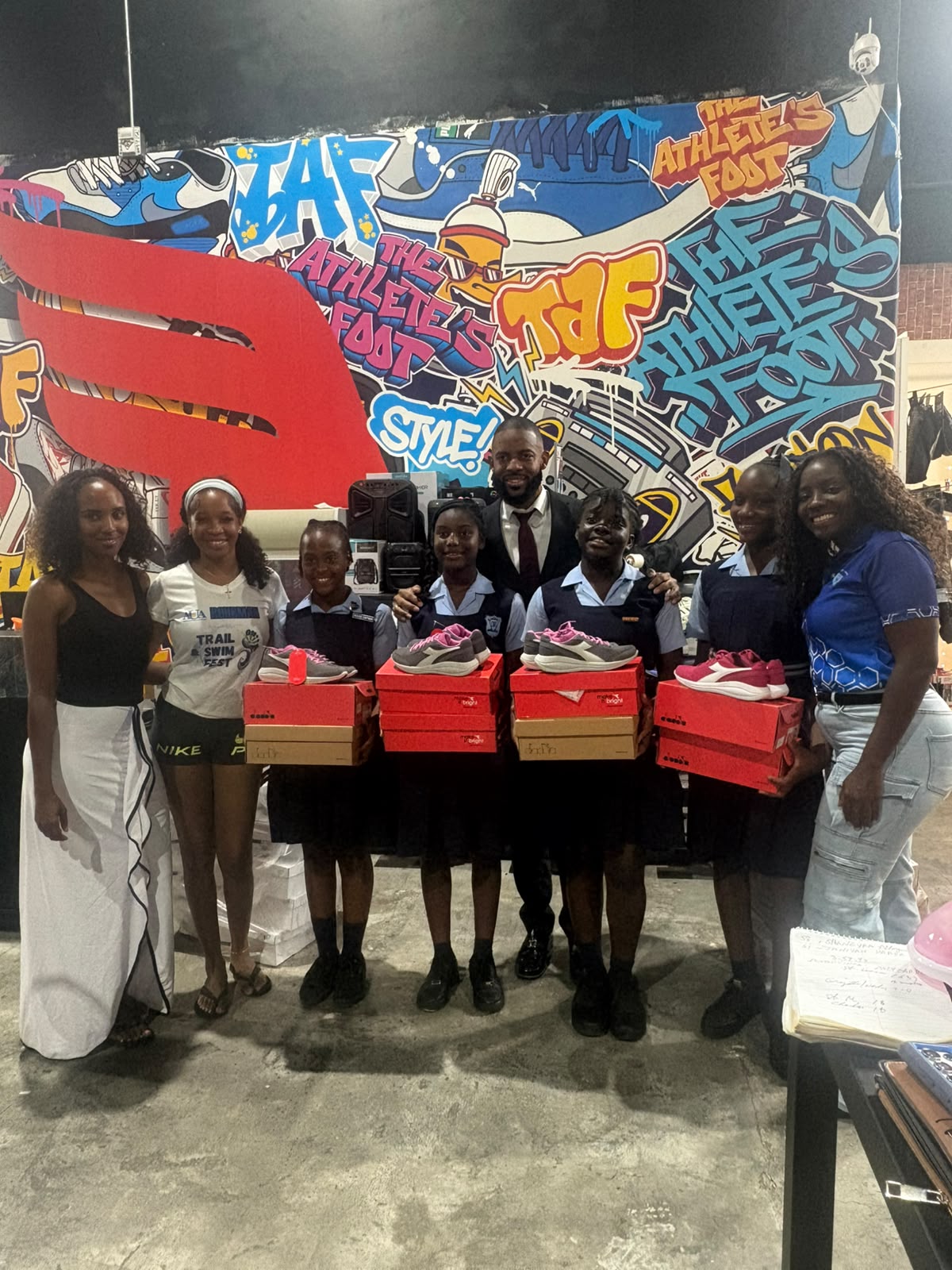
    Student-athletes at Belmont Primary School are gearing up for a critical playoff run with new support from a community partnership that is addressing a persistent gap in school sports resources. A collaboration between local community figure Dr. Janal Browne and popular footwear retailer The Athlete’s Foot has delivered approximately 15 pairs of new athletic shoes to the school’s advancing netball team, with more donations planned for other local schools in the coming months. This contribution marks the second consecutive year that Dr. Browne has stepped up to support Belmont Primary’s athletic programs, after providing branded game bibs and new game balls for the netball team last year.

    In comments following the handover of the new gear, Dr. Browne explained that his outreach grew from a simple observation of unmet needs in local school sports. “So many local schools have eager young athletes and opportunities to compete, but they often lack the basic equipment and gear required to participate at their full potential,” he said. “That’s why we wanted to build long-term partnerships with Belmont Primary and other campuses across the region, to make sure every student has access to the tools they need to succeed on the court.” In total, the initiative is on track to donate more than 100 pairs of new athletic shoes to student-athletes across multiple local primary schools.

    For Belmont Primary, the first batch of donated shoes could not come at a better time. The school’s netball team, made up of 12 Class 3 and Class 4 student athletes, has punched its ticket to the playoff round of the National Sports Council Pedialyte Sport Primary School Netball Competition, one of the largest youth netball tournaments in the region. Shodia Cobham, Belmont Primary’s Information Technology coordinator who also serves as the team’s assistant coach, said the donation has been a huge morale boost for the young players.

    Cobham shared that the team entered the tournament with quiet nerves, as many of the student athletes were competing at the state level for the first time. Those early jitters quickly faded, however, as the team put together an undefeated streak through the preliminary rounds of the competition that earned them their playoff spot. “This new gear is such a thoughtful, generous gesture from Dr. Browne and his team, and we could not be more grateful,” Cobham added. “It gives our girls one less thing to worry about as they head into the most important games of their young athletic careers.”

  • New bill targets illegal drug imports, weak controls

    New bill targets illegal drug imports, weak controls

    A disturbing upward trend in polydrug use among Barbados’ young population, blending over-the-counter medications with unregulated illicit substances, has spurred urgent concern at the highest levels of the island nation’s government, a senior cabinet minister told the House of Assembly this week.

    Speaking on the floor of the chamber Tuesday, People Empowerment Minister Adrian Forde revealed that the growing crisis of mixed-substance abuse—particularly the dangerous combination of legal pharmaceuticals and illicit street drugs among youth—has kept Prime Minister Mia Mottley and the entire cabinet deeply troubled. Polydrug use, defined as the simultaneous or sequential consumption of multiple substances, can span everything from illicit narcotics to legally available products including alcohol, prescription and over-the-counter medicines.

    “This pattern of poly-drug usage is causing sleepless nights for all of us in government, especially as elected representatives and cabinet members,” Forde stated. “That worry extends directly to the prime minister, as we see not just adults but young people experimenting with new, powerful drug combinations that were unheard of here just a few years ago.”

    Forde outlined the key drivers of the growing trend: young people are increasingly skipping regulated pharmacies to source medications from unlicensed vendors, then turning to mobile internet to research and mix potent substances with no medical guidance. “A dangerous culture is creeping into our country where young people obtain over-the-counter medications outside of formal pharmacy channels,” he explained. “They don’t get advice from trained pharmacists—instead, they pull up information on their phones, scroll through internet research, and mix different substances based on what they find online, with zero oversight.”

    One particularly prevalent dangerous combination highlighted by the minister is the so-called “lean” concoction, made by mixing codeine phosphate-containing cough syrups purchased off store shelves with soft drinks and candy. “These young people mix codeine cough syrup with Sprite and Jolly Ranchers to make ‘lean,’ but they’re really leaning straight into trouble,” Forde warned. “Right here in Barbados, we’re seeing young people lose control entirely after using this mixture; they can’t even remember what they did while under the influence. This is one of the greatest fights our country must come together to win: rooting out polydrug use among our population.”

    Forde also drew attention to loopholes in border control that allow illicit synthetic drugs to enter the country hidden as everyday consumer products. Illegal substances including ecstasy and methamphetamine—commonly called “Mollies” among users—are being imported into Barbados mislabeled as dietary or herbal supplements, he confirmed. “These drugs are coming across our borders disguised as vitamins,” he said. “If a shipment is labeled as yohimbe or ginseng capsules, it needs random, rigorous testing. Lab reports must confirm these containers actually hold the herbal supplements they claim to, not methamphetamine, which we’ve found is happening too often. This is where both drug safety monitoring and border vigilance have to be stepped up dramatically.”

    The urgent push for tighter regulation comes as the new Barbados Medical Products Bill was tabled in the House of Assembly Tuesday, following its initial reading in the Senate. The legislation would replace the outdated 1950 Therapeutic Substance Act with a far stricter modern framework for drug regulation and enforcement, updating decades-old drug control rules to address 21st-century threats. Under the new law, authorized inspectors will gain the power to enter and search any premises suspected of involvement in the unregulated distribution of mind-altering substances.

    Forde emphasized that the bill includes stiff penalties for anyone who violates the new regulations, including those who falsify prescriptions or alter drug labels. “Anyone who breaks this law can face summary conviction in magistrate’s court, with fines up to 50,000 Barbadian dollars or five years imprisonment,” he said. “I support these harsh penalties because we’re dealing with human lives—this is a matter of life and death. We cannot afford to lose young lives to people playing Russian roulette with unregulated medications.”

    Beyond addressing the immediate polydrug crisis, Forde framed the new legislation as a response to broader global public health threats, naming antimicrobial resistance as a critical challenge on par with climate change, biodiversity loss, and systemic pollution. He urged Barbadians to avoid unsafe antibiotic practices such as stopping treatment courses early, and to stop disposing of expired medications in gullies, where the drugs can leach into drinking water sources and harm marine ecosystems.

    Crucially, the bill also creates new pathways for sustainable economic development in the pharmaceutical sector, Forde explained. By establishing clear, modern quality standards, the legislation will create a framework that allows Barbadian scientists to research and develop new pharmaceutical products derived from the island’s native natural resources. “Imagine pairing traditional local knowledge with rigorous modern science, building a domestic industry around these resources, and marketing these products globally as a small island developing state,” Forde said. “This bill creates the space to do that with the right technology and regulatory guardrails. Now is the right time to put these mechanisms in place, to build an industry that can help secure this country’s future while protecting public health.”

  • Resilience framed as key to competitiveness, stability

    Resilience framed as key to competitiveness, stability

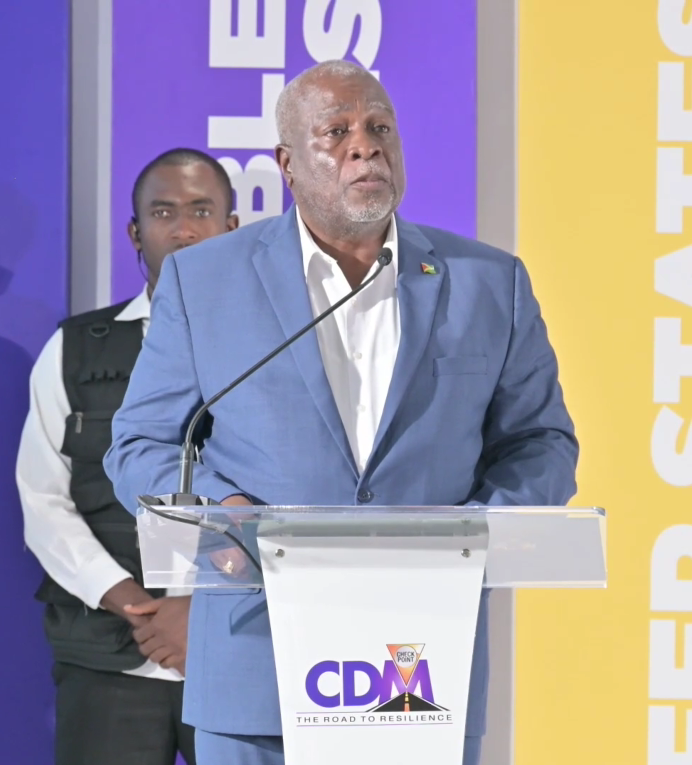
    As Caribbean nations grapple with escalating climate risks and shifting global economic pressures, Guyana’s Prime Minister Mark Phillips has redefined disaster resilience from a reactive emergency tool to a foundational pillar of national competitiveness, governance and investor confidence. Speaking at the official launch of the 14th Caribbean Conference on Comprehensive Disaster Management, Phillips told a gathering of regional disaster managers, government leaders, development partners, private sector stakeholders and financial institutions that outdated, post-event response frameworks are no longer fit for 21st century risk realities.

    Phillips, a retired Brigadier of the Guyana Defence Force, emphasized that resilience has moved to the center of modern governance, shaping everything from national infrastructure planning and public security to long-term development trajectories and economic performance. “To govern well in this environment is to govern at the speed of risk, anticipating threats before they mature, investing ahead of need, coordinating across borders, and acting with resolve when the moment demands it,” Phillips said. He noted that decision windows for mitigating hazards are shrinking rapidly, while the economic and human cost of delayed action grows with each extreme weather season. When approached proactively, he argued, resilience becomes as much a driver of economic competitiveness as it is a tool for protecting communities.

    A nation that can keep critical infrastructure — including ports, power grids and public services — operational through climate shocks builds lasting trust among both investors and citizens, Phillips explained. Climate-resilient infrastructure holds its value over decades, while community-wide early warning systems cut both human casualties and economic losses after a disaster. He added that emerging technologies, from advanced satellite forecasting to data analytics, are giving governments critical extra time to intervene before a threat escalates into a full-blown crisis.

    The launch event, held in Guyana, precedes the full Caribbean Disaster Management Conference (CDM 14) scheduled for December, which is organized by the Caribbean Disaster Emergency Management Agency (CDEMA). Phillips stressed that no single Caribbean nation can build sufficient resilience independently, nor can any national budget cover the full cost of risk reduction alone. Regional collaboration, cross-border risk pooling and pre-arranged disaster financing are critical, he noted, as pre-positioned resilience funding allows far faster response and recovery than scrambling for resources after a disaster strikes.

    CDEMA Executive Director Elizabeth Riley echoed Phillips’ framing, noting that while the Caribbean sits on the front lines of a climate crisis it played almost no role in creating, additional global pressures are reshaping the operating context for regional governments and institutions. Geopolitical instability, post-pandemic supply chain disruptions, rapid technological shifts and growing competition for limited development financing have created new barriers to progress. “This really requires us to think differently about resilience and also to promote self-reliance,” Riley said. “Resilience must be understood as a strategic governance development and economic imperative. It must shape how we plan, invest, and govern.”

    Riley emphasized that this reorientation is increasingly urgent as development financing becomes more constrained and official development assistance declines. “Maximising available resources, strengthening disaster risk financing, and embedding resilience into investment decisions will be critical to safeguarded development gains,” she added. The annual Caribbean Conference on Comprehensive Disaster Management is designed to advance regional dialogue and cross-sector partnerships focused on resilience building, disaster risk reduction and sustainable development across the Caribbean bloc.

  • Medical Products Bill aims to strengthen drug safety, production

    Medical Products Bill aims to strengthen drug safety, production

    Barbados is taking a major step toward reshaping its national healthcare framework, as a transformative new piece of legislation targeting pharmaceutical regulation and supply chain security moves forward through the country’s Parliament. Titled the Barbados Medical Products Bill, the proposed law marks a historic milestone not just for its policy goals, but also for the procedural context in which it was introduced: it was piloted through its second reading in the House of Assembly by Health Minister Senator Lisa Cummins, marking the first time a sitting senator has appeared on the floor of the lower house of parliament following constitutional amendments ratified late last year.

    In her address to lawmakers, Minister Cummins framed the bill as a critical step toward establishing full medical products sovereignty for the Caribbean island, with public safety serving as the core priority. The primary risk the new regulations aim to address is the growing threat of counterfeit pharmaceuticals, which put public health at severe risk through untested ingredients and fraudulent claims of efficacy. Key to the new regulatory structure is Section 6 of the bill, which lays out formal requirements for the registration and marketing authorization of all medical products sold or distributed in Barbados.

    Minister Cummins emphasized that strong, centralized regulation is non-negotiable to protect Barbadians from substandard or fraudulent drugs that are often marketed with false claims about their ability to treat medical conditions. “One of the things that this legislation is meant to do is to protect this community by way of regulation from counterfeiting drugs and drugs that are marketed to do one thing but really are not doing what they’re said to do,” she told assembled lawmakers.

    The push for this new framework grew directly out of disruptions that hit the island during the COVID-19 pandemic, when global supply chain breakdowns and export restrictions left many small nations struggling to access critical medical supplies. Compounding those ongoing challenges are current global supply chain disruptions linked to rising international tensions, which have added new layers of uncertainty to global pharmaceutical trade. Currently, Barbados imports 47 percent of all pharmaceutical products consumed domestically, a level of dependence that left the country extremely vulnerable during recent crises.

    Minister Cummins described the confluence of pandemic-related disruptions, export bans, international supply chain breakdowns, and country-level hoarding of medical supplies as a “perfect storm” – but also a perfect opportunity to build long-term self-reliance. The bill aligns with Barbados’ broader national strategy to secure sovereignty across key strategic sectors, from energy and agriculture to food production, now extending that momentum to health and medical supplies. The goal, she stressed, is to ensure Barbados is never again fully reliant on the goodwill of foreign nations, a vulnerability laid bare during the peak of the COVID-19 pandemic when many countries prioritized domestic access to critical supplies over exports.

    A core complementary initiative tied to the bill is the launch of Barbados Pharmaceutical Inc., a state-backed domestic pharmaceutical production company that will serve as a foundation to transform Barbados from a regional logistics hub into a full-fledged pharmaceutical, distribution, and regulatory hub for the Caribbean and broader global south. Minister Cummins revealed that the new facility is already working with key partners in Nigeria to build collaborative partnerships with pharmaceutical manufacturers across the African continent, opening new avenues for South-South cooperation in pharmaceutical production.

    The bill also formalizes the structure for a new Barbados Medical Products Regulatory Authority, which will operate under the legislation’s framework to oversee both domestic manufacturing and research and development activity carried out at the Barbados Living Lab, the country’s new pharmaceutical R&D facility. Minister Cummins simplified the authority’s role: just as the U.S. Food and Drug Administration provides trusted verification of pharmaceutical safety and efficacy for global markets, the new Barbadian regulator will fill that same role for domestic and regional production. Without a formal, robust regulatory framework, she noted, domestic manufacturing and international collaboration cannot expand.

    The legislation also draws heavily on existing regional regulatory frameworks across both the Caribbean and African regions, where leaders have prioritized expanding domestic pharmaceutical manufacturing and strengthening independent regulatory authorities. Under the new structure, the existing Barbados Drug Service will be separated from the new regulatory authority, which will take on full independent oversight of all medical products. The bill also incorporates formal requirements for pharmacovigilance, including systematic quality monitoring, processes for product recalls, and removal of unsafe products from the market.

    From the moment pharmaceutical products arrive at Barbados’ border, through customs clearance, import licensing, and final placement on retail shelves, multiple government agencies including Customs, the Department of Commerce, the new regulatory authority, and the Ministry of Health will collaborate to maintain extensive regulatory oversight and surveillance, with each institution holding clear defined responsibilities under the law.

    The procedural milestone of a senator presenting legislation to the House of Assembly follows the December 2023 ratification of amendments to the Constitution of Barbados, which explicitly allow sitting ministers from the Senate to attend sittings of the House of Assembly, and vice versa for ministers sitting in the lower house. The first cross-chamber ministerial appearance took place just last week, when two members of the House of Assembly – Criminal Justice Minister Michael Lashley and Attorney General Wilfred Abrahams – presented the Criminal Gangs (Prevention and Control) Bill for its second reading before the Senate.

  • DaSilva, Jangoo earn West Indies recall

    DaSilva, Jangoo earn West Indies recall

    As the opening match of West Indies’ two-Test home series against Sri Lanka draws near, the region’s cricket governing body has announced an updated Test squad that brings four familiar faces back into the fold ahead of the first fixture, kicking off next Thursday at Antigua’s iconic Sir Vivian Richards Stadium.

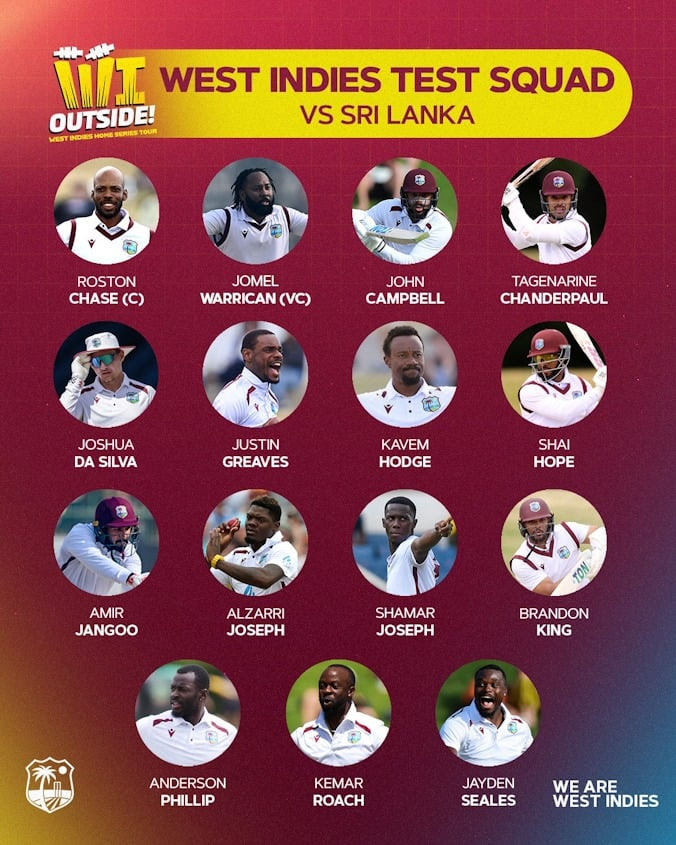
    Wicketkeeper-batter Joshua DaSilva and batter Amir Jangoo have earned recalls to the 15-man squad, joining fast bowlers Alzarri Joseph and Shamar Joseph, who return to Test selection after recovering from long-term injury spells. The pace duo last appeared in a West Indies Test squad during the 2025 home series against Australia.

    DaSilva’s recall comes off the back of devastating run-scoring form in domestic first-class cricket, having piled up 996 runs across the last two seasons of the West Indies Championship. For Jangoo, a left-handed batter, his standout performance in the 2025 edition of the regional tournament earned him his first Test squad call-up since January 2025. Jangoo ended this year’s championship as the second-highest run-scorer across the competition, headlined by a match-winning double century that cemented his case for selection.

    Veteran all-rounder Roston Chase will retain his position as Test captain for the series, with head coach Daren Sammy saying his side is ready to embrace the challenge of facing a high-quality Sri Lankan outfit on home soil.

    “Every Test series is a chance for this group to grow together and solidify what we want this team to stand for,” Sammy said in a statement released by Cricket West Indies. “Sri Lanka are a thoroughly quality side with match-winners across their batting and bowling groups, so we know we have to show up at our very best to compete. That said, the whole group is excited to take on this test.”

    Sammy outlined the core values the side will lean into throughout the series, emphasizing discipline, resilience under pressure, and national pride. “The players have put in the hard work through preparation, and we’re all eager to put on a competitive, strong show for our fans all across the Caribbean,” he added.

    The team is currently wrapping up a high-performance preparation camp in Antigua that runs through June 22, a camp Sammy described as a critical piece of the side’s pre-series planning. “This camp gives players and coaching staff dedicated time to sharpen the specific skills we need to prioritize against this Sri Lankan side, and work on the weaknesses we’ve identified in recent matches,” he explained. “It also lets us lock in clear objectives and game plans not just for this series, but for the conclusion of our summer Test schedule against Pakistan later on.”

    Ahead of the opening Test, Sri Lanka will face a West Indies Select XI in a four-day warm-up fixture from June 18 to 21 at Antigua’s Coolidge Cricket Ground, a fixture Sammy said serves a key purpose for emerging domestic talent. “This warm-up game gives our up-and-coming Test hopefuls a chance to compete at high intensity against a quality international side, and it also fosters healthy competition within the wider squad for places ahead of this series and future fixtures,” he noted. Top-order batter Tevin Imlach will lead the 13-man Select XI side for the warm-up match.

    Full West Indies Test Squad vs Sri Lanka: Roston Chase (captain), Jomel Warrican (vice-captain), John Campbell, Tagenarine Chanderpaul, Joshua Da Silva, Justin Greaves, Kavem Hodge, Shai Hope, Amir Jangoo, Alzarri Joseph, Shamar Joseph, Brandon King, Anderson Phillip, Kemar Roach, Jayden Seales.

    Full West Indies Select XI Squad vs Sri Lanka: Tevin Imlach (captain), Joshua Bishop, Jonathan Drakes, Karima Gore, Alzarri Joseph, Brandon King, Kirk Mckenzie, Keemo Paul, Kemol Savory, Ojay Shields, Nial Smith, Gilon Tyson, Kevin Wickham.

  • Learning co-op helps at-risk boys become young farmers

    Learning co-op helps at-risk boys become young farmers

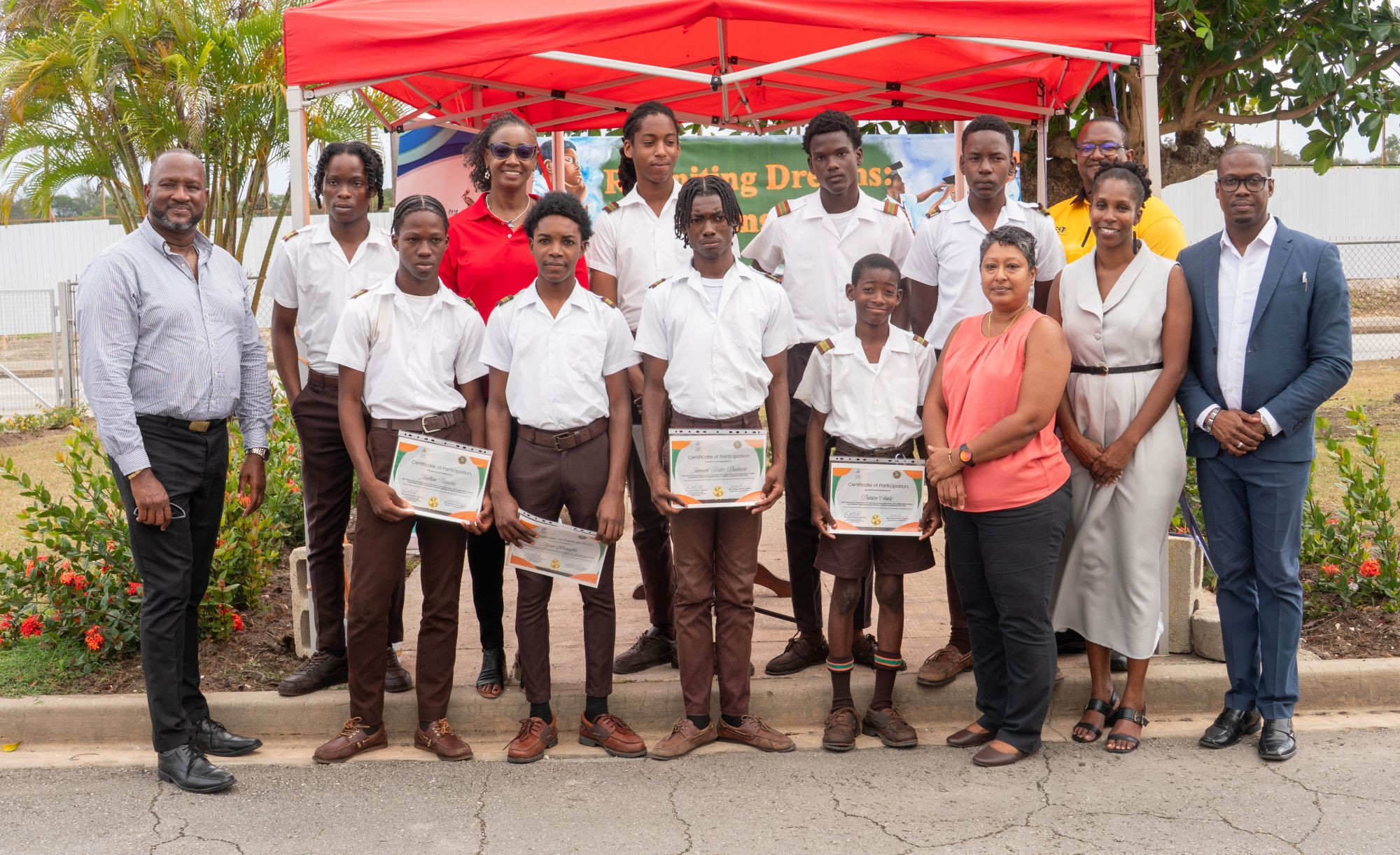
    A ground-breaking seven-week agriculture-focused pilot programme has successfully reconnected 15 disengage teen boys with education at Frederick Smith Secondary School (FSSS) in Trents, St. James, delivering measurable improvements in school attendance, collaborative skills and hands-on technical ability while producing marketable hydroponic farm goods, programme officials confirmed this week.

    The initiative, branded “Learning Cooperative: Securing Futures, Saving Lives,” wrapped up on Monday with a celebratory closing ceremony on the school campus. Co-developed and delivered in partnership with The University of the West Indies (UWI) Cave Hill Campus, the programme moves beyond traditional classroom learning by embedding core academic skills like literacy and numeracy into practical, revenue-generating agricultural and entrepreneurial work.

    Unlike conventional learning models that leave hands-on learners disconnected from static lesson plans, this cooperative model integrates academic theory with tangible, income-producing farm work to boost student engagement, cultivate leadership capabilities, and strengthen critical social and emotional competencies. Over the programme’s duration, participating students built their own soilless hydroponic grow boxes directly on school grounds, operated the full hydroponic system, and cultivated leafy spinach and a range of culinary herbs. The fresh produce was then processed into high-value consumer goods, including handcrafted pesto and homemade mint ice cream — treats that guests sampled during the closing ceremony.

    Dr. Michele Singh, Director of UWI’s Centre for Agricultural Research and Innovation (CAGRI), highlighted the programme’s core mission to reframe secondary education for diverse learning styles. “When we launched this project, we saw a clear opportunity to rewrite the story around what effective education can look like,” Singh explained. “We live in a rapidly changing world, and traditional classroom settings too often leave bright, hands-on learners behind. We believed that tying academic concepts to the practical, revenue-driven reality of modern agriculture could create something truly transformative — and that is exactly what we achieved with the FSSS Learning Cooperative.”

    Singh emphasized that the pilot’s success relied on cross-sector collaboration, crediting the UWI School of Education, FSSS administration, and the Barbados Trust Fund Limited, which donated the programme’s hydroponic infrastructure. “By turning their agricultural work into tangible revenue and contributing to community well-being, these students have proven that agriculture is a viable, respected, and highly profitable career path,” she added.

    The programme was designed specifically as an intervention for 15 boys who had increasingly disengage from traditional classroom instruction. Using sustainable food production as a framework for holistic personal development, the curriculum also embedded training in conflict resolution, emotional self-regulation, and team collaboration. School leaders report that outcomes have far exceeded initial expectations, and the pilot’s model is already being considered to shape future curriculum design across the school.

    Acting FSSS Principal Shanelle Waithe spoke to the unexpected broader impact the small pilot has had on the entire school community. “We did not fully anticipate how far this small intervention would reach,” Waithe noted. “Over seven weeks, these 15 young men planned, built, planted, nurtured, and harvested their own hydroponic operation. They have learned to work through conflict, show up for their teammates, and take pride in something they built with their own two hands. In doing that, they have given our school far more than 15 individual success stories — they have given us a replicable blueprint.”

    What launched as a targeted support programme for a small group of at-risk students has grown into a pilot that now serves as a model for project-based, integrated learning across the entire institution, Waithe added. The initiative also aligns with wider regional education reform efforts, echoing global conversations about student-centered curriculum design and collaborative school governance.

    Dr. Laurette Bristol, Director of the UWI School of Education at Cave Hill, emphasized the critical role of community partnerships and relevant, hands-on curricula in 21st-century education. “The UWI School of Education embodies engaged scholarship and leadership, working directly with schools and teachers to drive authentic education transformation,” Bristol explained. “This is not superficial change: it is about helping school communities identify their unique educational challenges, build cross-sector partnerships, and design education that is sustainable and regenerative. That is what it means to reignite young people’s dreams for the future.” Bristol also extended gratitude to parents, faculty, and school leadership for their ongoing support of participating students throughout the pilot.
  • Govt opens biz funding window to CAF development bank

    Govt opens biz funding window to CAF development bank

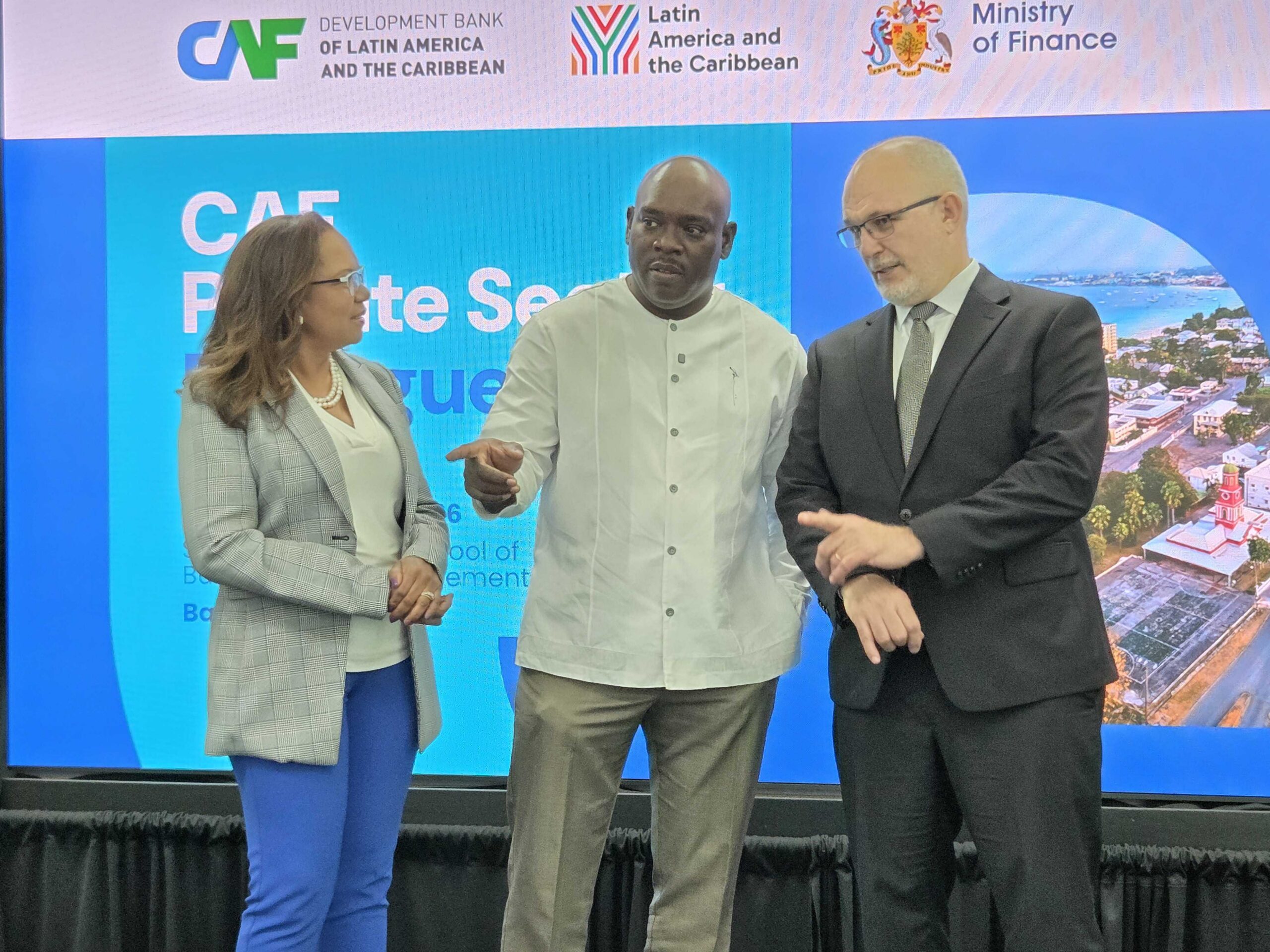
    In a landmark announcement Tuesday that signals a major shift in Barbados’ economic development strategy, Finance Minister Ryan Straughn confirmed that full membership in the Development Bank of Latin America and the Caribbean (CAF) has opened direct access to regional development capital and international export markets for the island nation’s private businesses. For the previous 12 years, only the Barbadian government was eligible to borrow from the Caracas-headquartered regional financial institution — a restriction that is now fully lifted. Under the new framework, Barbadian firms of all sizes can tap low-cost financing, specialized financial advisory services, and cross-border partnership networks that were previously out of reach for private operators. The reform is designed to enable business owners to scale their existing operations, expand product lines, and break into new regional and global export markets.

  • Netball season launches with new structure

    Netball season launches with new structure

    The 2025 Barbados netball league season is scheduled to kick off this Wednesday at the University of the West Indies Cave Hill campus court, bringing with it a newly restructured competition format designed to align with the island nation’s upcoming high-stakes international hosting commitment.

    Nisha Craigwell, president of the Barbados Netball Association, confirmed in an interview with Barbados TODAY that the league’s long-standing seven-division structure has been streamlined into just five divisions for this condensed season. To cut down on the total number of matches required, the organization merged the former Division 1 and Division 2 tiers, leaving the top-tier Diamonds division as the league’s premier competition. Following the Diamonds are four subsequent divisions: Ruby, Sapphire, Emerald, and Opal, the last of which is reserved for under-14 youth competitors.

    Craigwell outlined the multiple key factors that pushed the association to redesign the season structure this year. Traditionally, the netball season opens every year on March 15 to mark the association’s founding anniversary, but the 2025 campaign was pushed back to a June 17 start date. The major catalyst for the condensed format and adjusted timeline is the regional Netball World Cup qualifier tournament, which Barbados is set to host in October this year. Association leadership aims to wrap up all domestic league play before the international qualifier gets underway, to avoid scheduling conflicts and ensure full focus on the elite event.

    Another logistical challenge that shaped the season’s game plan is ongoing renovation work at the main Waterford netball stadium. For the majority of the 2025 season, most lower-division matches will be held on outdoor courts, while the newly installed glass floor at the Wildey Gymnasium will be prioritized exclusively for Diamonds division matches. This arrangement is intended to give the senior national team players competing in the top division critical practice time on a high-quality indoor surface ahead of the October qualifier. Craigwell added that the association currently expects the Waterford stadium renovations to be finished before the domestic season concludes, allowing the league to move all remaining matches to the upgraded facility once work wraps up.

    Last year’s league title was claimed by Brittons Hill United, which enters the new season as the defending champion. Looking ahead to the regional qualifier, where Barbados will face off against top teams from across the Caribbean and the Americas, Craigwell reported that preparation progress has remained on track. “Our players have been training all year round,” she said. “We started out with just physical conditioning, but we’ve transitioned into regular gymnasium sessions now. The girls are looking good, getting fully fit, and we expect a very strong showing from our team.”

  • King receives prestigious Davis Cup Commitment Award

    King receives prestigious Davis Cup Commitment Award

    After more than 15 years of consistent dedication to carrying Barbados’ flag on one of men’s tennis’ biggest global stages, the island nation’s top-ranked player in history Darian King has been recognized with one of the sport’s most prestigious honors for national team commitment: the ITF Davis Cup Commitment Award.

    The 34-year-old veteran accepted the award in-person last weekend, during the 2026 Davis Cup Americas III competition hosted in Costa Rica. Presented annually by the International Tennis Federation, the award distinguishes players who have shown extraordinary, long-standing devotion to representing their home country across decades of Davis Cup competition, the premier men’s international team tennis event worldwide.

    King first stepped onto the Davis Cup court to represent Barbados in 2009, kicking off what would become a historic 15-year run with the national side. Over his career, he has earned 31 caps for Barbados in the tournament, compiling a record that stands as one of the most dominant in the country’s Davis Cup history: 44 wins in singles competition, and more than 70 total victories across singles and doubles play.

    King’s career highlights with the Davis Cup side extend far beyond his win total. In 2014, he was the driving force behind one of the biggest upsets in Barbados Davis Cup history, when the underdog side defeated Mexico to earn promotion to the Americas Zone Group I — a milestone that remains a high point for Barbados tennis.

    Individually, King reached his career-high ATP ranking of world No. 106 in 2017, the same year he qualified for the main draw of the US Open, marking a career-best individual performance for the Barbadian star.

  • Works begin at 13 primary schools ahead of September return

    Works begin at 13 primary schools ahead of September return

    A comprehensive summer infrastructure upgrade programme is now underway at 13 public primary schools, just days after the campuses were closed for the project, the Ministry of Education Transformation has officially confirmed. Launched with the core goal of delivering safer, more functional learning spaces when students and educators return for the new academic term in September, the initiative aims to leave every participating school with modernized facilities fit for 21st century learning, ministry officials shared in a statement released Monday.

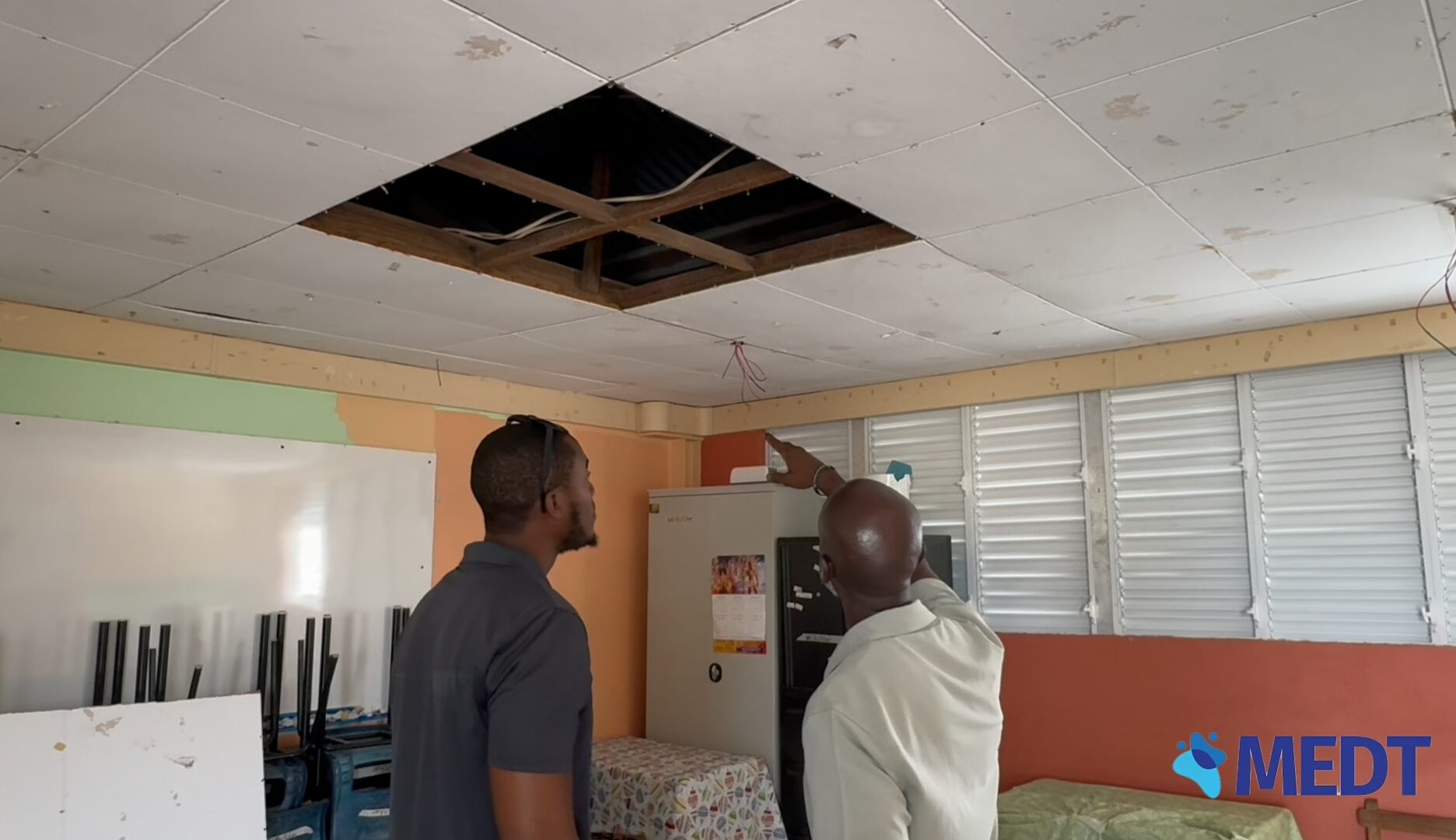
    Wayne Baker, head of the Education Technical Management Unit, which is overseeing the refurbishment works, detailed the targeted upgrades being carried out at individual sites to address long-standing infrastructure issues. At Grantley Prescod Primary School, located in St Barnabas, the school’s original 1954 construction included outdated TenTest fibreboard ceilings across the main hall, all classrooms, and connecting corridors. These decades-old materials are currently being removed and replaced with durable modern PVC ceiling boards, eliminating safety and degradation concerns linked to the obsolete material.

    Over at Deacons Primary School, work teams have prioritized replacing aging louvred windows in the campus’ eastern building, a section that has struggled with chronic water leakage during rain events for years. The faulty windows have allowed moisture to seep into classrooms, damaging interior finishes and creating uncomfortable learning conditions, so the replacement work will resolve this persistent issue.

    Beyond these site-specific fixes, a set of uniform broader upgrades will be rolled out across all 13 schools in the programme. According to Baker, the most impactful campus-wide change will be a full replacement of existing roof sheeting: the standard permaclad sheets currently in place will be swapped out for new white-coated alternatives. “These new sheets cut down on heat buildup inside classrooms, which means we can create much more comfortable learning and working environments for both students and staff,” Baker explained of the energy and comfort benefits of the upgrade.

    In addition to structural repairs, roofing replacements, and targeted fixture updates, all 13 participating schools will receive a full cosmetic refresh: external walls, safety railings, and entry doors will be repainted to boost curb appeal and protect exterior materials from weather damage. The full list of schools joining the programme includes Blackman and Gollop Primary, A. Dacosta Edwards Primary, All Saints Primary, Roland Edwards Primary, St James Primary, St Stephen’s Primary, Hilda Skeene Primary, Bayley’s Primary, Christ Church Girls’ Primary, Hillaby Turners Hall Primary, and St George Primary, alongside the two schools already undergoing site-specific work.