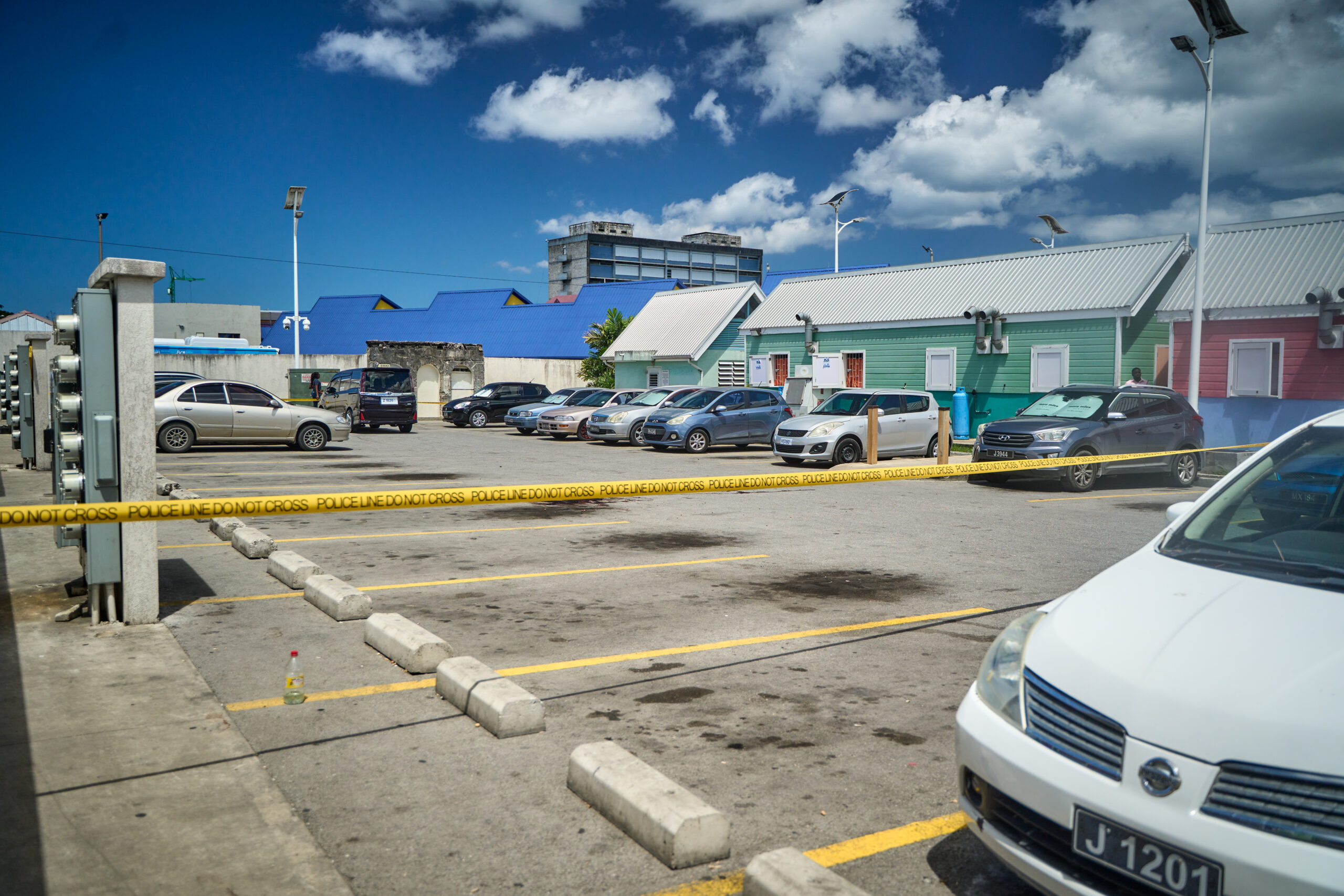
Two brutal fatal stabbings separated by less than a full day have sent shockwaves through the Caribbean nation of Barbados, driving the country’s total homicide count for 2026 to 36. Law enforcement agencies are currently working to untangle the details of the two unrelated attacks, both of which unfolded in the parish of St Michael.
The most recent victim, a street vendor at the busy Fairchild Street Vendors Market widely known to the local community by the nickname ‘Tallman’, lost his life on Wednesday morning following a violent confrontation that erupted in the heart of the city market. Authorities have yet to formally release the victim’s legal name to the public as they continue to notify next of kin.
This killing came just 18 hours after a separate fatal incident that claimed the life of 26-year-old Jamario Omar Holder, a resident of Block 7, Farm Road in Deacons, St Michael. Holder was stabbed in the Fernihurst area of the parish around 4:30 p.m. on Tuesday. According to official police statements, early investigative work suggests Holder got into a verbal dispute that escalated into physical violence with another man before the stabbing occurred. Emergency responders were not called to the scene; instead, Holder was rushed to the island’s primary care facility, Queen Elizabeth Hospital, in a privately owned vehicle, where he was pronounced dead shortly after arrival from his wounds. Investigators confirm that a person of interest is currently cooperating with authorities in their probe into Holder’s killing.
On Wednesday morning, police were dispatched to the Fairchild Street Market just after 9 a.m. following reports of a violent fight breaking out between two men. Like Holder, the injured vendor was transported to Queen Elizabeth Hospital in a private vehicle, but medical teams were unable to save him.
Eyewitnesses who were present at the market during the attack described the confrontation as erupting completely without warning. One witness, who spoke to local outlet Barbados TODAY on condition of anonymity, recalled that after the initial argument, the victim attempted to walk away from the conflict, only to be followed by his attacker.
“The man left from here and walked off, and the other man left from here and followed the man, pulled a knife, and stabbed him in his back. Told the man that he ‘Got this here for you’,” the witness recounted. The attack did not end after the first stab, the witness added. When the victim fell to the ground after the initial blow, the assailant continued the assault while bystanders begged for him to stop.
“When the man got the first stab he jumped forward, fell down,” the witness said. “He flipped the man, got him on his back while the victim was struggling trying to get away, and the assailant sat down on his chest and stabbed the man more times.”
After the sustained attack, the attacker fled the scene on foot before getting into a vehicle and driving away from the market. “After he moved off, we helped the guy, and two more guys put him in the van and took him to the hospital because he was bleeding really bad,” the witness added.
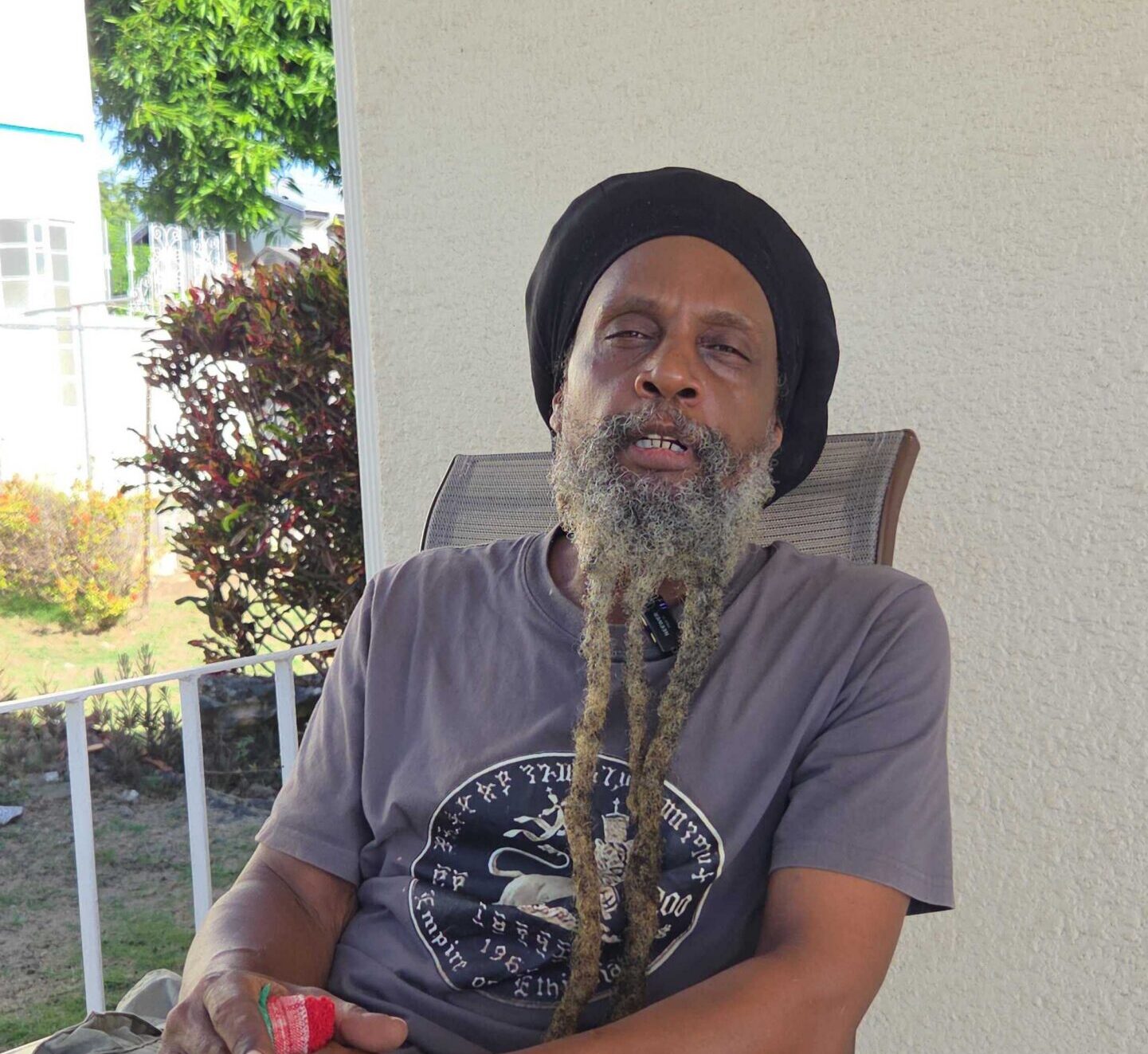
Members of the local community who knew Tallman described the vendor as a warm, friendly person who was well-liked by everyone he interacted with. “Tallman was a very nice person. Everybody will tell you that. When you ask around, you will see other people will repeat the same thing. Cool guy, got along with people… everybody goes through their own problems, but nothing that would cause this,” one acquaintance said.
With Tallman’s death, the total number of homicides recorded in Barbados for 2026 now stands at 36. Police investigations into both stabbings remain ongoing as authorities work to identify and apprehend the suspect in the Fairchild Street Market attack. (With reporting credit to Shamar Blunt of Barbados TODAY)