标签: Bahamas

巴哈马

  • Bahamas certified for ending mother-to-child HIV transmission

    Bahamas certified for ending mother-to-child HIV transmission

    In a landmark public health victory that cements its position as a global leader in HIV response, The Bahamas has officially secured international certification for eliminating mother-to-child transmission (MTCT) of HIV, health authorities announced Wednesday. The Caribbean nation has cut transmission rates to 2% or below — meeting the strict global threshold that classifies MTCT of HIV as no longer a major public health threat, joining just 12 other countries worldwide to achieve this transformative milestone.

    Dr. Nikkiah Forbes, director of The Bahamas’ National Infectious Diseases Programme, clarified that the certification does not mean zero transmission across the country. Instead, it confirms that cases have become so infrequent that they no longer qualify as a public health emergency, a recognition that comes after years of targeted investment and sustained public health action.

    The certification was granted following a rigorous assessment of five core international performance indicators: population-level MTCT rates, perinatal HIV incidence, antenatal care coverage, HIV testing access during pregnancy, and treatment availability for pregnant people living with HIV. Between 2022 and 2024, The Bahamas met or exceeded every required target, according to official public health data.

    Perinatal HIV incidence hit 0.2 per 1,000 live births over the three-year period — well below the 0.3 per 1,000 benchmark set by global health authorities. Antenatal care coverage reached 98.3% of pregnant people across the country, while 97.5% of expecting mothers received HIV testing during pregnancy. More than 95% of pregnant people living with HIV accessed life-saving antiretroviral therapy, a key intervention to prevent transmission to newborns. Out of nearly 10,000 live births recorded in the period, only two cases of perinatal HIV transmission were confirmed.

    A follow-up in-country assessment conducted in October 2024 verified program delivery, cross-checked national data, evaluated laboratory testing capacity, and collected patient feedback to confirm the country’s sustained performance against global standards.

    Forbes emphasized that the milestone is not an endpoint for the nation’s HIV response. Moving forward, public health authorities will prioritize preserving these gains through expanded early antenatal care access, consistent routine testing, strengthened disease surveillance, and targeted outreach to vulnerable populations, including migrant communities that face disproportionate barriers to care.

    Preliminary 2024 data indicates The Bahamas is already on track to meet its 2030 target of eliminating AIDS as a public health threat. This year, 95% of all people living with HIV in the country know their status, 78% of diagnosed people are accessing antiretroviral treatment, and 91% of people on treatment have achieved undetectable viral loads — a marker of successful treatment that eliminates transmission risk.

    Still, Forbes acknowledged persistent gaps in the national response. Work is already underway to decentralize antiretroviral therapy access across more public health clinics, expanding availability for communities outside major urban centers. She also noted that pre-exposure prophylaxis (PrEP), a highly effective HIV prevention medication for at-risk HIV-negative people, remains underutilized across the country, even as uptake has slowly increased in recent years.

    “PrEP use is going up, but I do want to say that PrEP is underutilized everywhere,” Forbes said. “For those that are listening, PrEP is a medication. It is a prevention strategy for people who are HIV negative, who have an increased risk of getting HIV, and that could be someone who’s had an STI in the past six months to a year, someone who may have multiple partners and is not always using condoms, someone who has one partner but thinks that their partner may have multiple partners and is not always using condoms.”

    Health and Wellness Minister Dr. Michael Darville credited the achievement to the hard work of frontline healthcare workers and the resilience of the country’s national health system. “This certification requires not only quality clinical services, but also the ability to monitor performance and verify results. The capacity will remain critical as we maintain this high level of standard across both the public and private healthcare setting,” Darville said.

    He stressed that the certification is not a one-time win, but a standard that requires long-term investment to maintain. “This means continued investment in our workforce, reliable access to diagnostics and treatment and strong supply chains and sustain coverage of services across all of our islands that are inhabited,” he added. Darville also paid tribute to former Health Minister Dr. Perry Gomez, the founding director of the national AIDS program, who passed away in 2023, for laying the groundwork for this achievement.

    Dr. Eldonna Boisson, the Pan American Health Organization/World Health Organization representative for The Bahamas and Turks and Caicos, said the milestone is the product of decades of sustained collaboration and targeted investment between national authorities and global health partners. “It’s an opportunity to reflect on the work that brought us here. The hard long work, and to recognise the systems and the partnerships that sustain progress and to reaffirm our shared responsibility to protect the health of mothers and children. Today, we celebrate lives protected, futures secure, and a nation that has shown what leadership in public health looks like,” Boisson said.

    In a video message marking the announcement, Prime Minister Philip Davis said the achievement reflects a decades-long national commitment to prioritizing the health and well-being of mothers and children across the archipelago.

  • Pintard claims egg project hit $60m amid reports of diseased meat sales

    Pintard claims egg project hit $60m amid reports of diseased meat sales

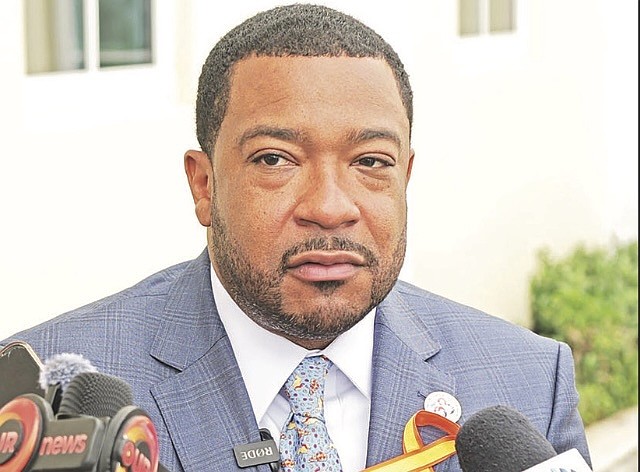
    A brewing political storm has erupted in the Bahamas over the government’s flagship agricultural food security initiative, with the opposition Free National Movement (FNM) leader Michael Pintard launching a fierce attack on the Davis administration over the ballooning cost, alleged mismanagement, and transparency failures of the Golden Yolk egg production programme.

    Speaking at a political rally on the evening of the report, Pintard pushed back against official government claims that programme-produced eggs would hit retail shelves by the end of the month, questioning exactly what tangible progress the country has received for a public investment that has grown from an initial projected $15 million to a total of $50 to $60 million today. “Where the Hell them eggs are today?” Pintard challenged, highlighting that cost estimates have risen steadily from the original $15 million launch budget to $23 million, and now to approximately $60 million.

    Pintard’s criticism is rooted in leaked confidential internal government documents, originating from the Ministry of Agriculture, that outline a series of serious allegations ranging from mismanagement and conflict of interest to public health risks tied to the programme and related government agricultural import policies. The 5 August 2025 report, which was obtained by The Tribune, raises alarms over multiple troubling findings: imported breeding pigs for related agricultural projects carried a reproductive disease, and the infected animals were culled and sold to the public without any disclosure of their health status. No public advisory or internal health warning was ever issued, and the report notes multiple local farmers have confirmed the sales, with full records expected to exist within the Ministry’s Department of Agriculture.

    Additional claims center on the Golden Yolk programme itself: the report alleges that government-owned layer chickens brought into the project in February 2025 began producing eggs shortly after arrival, but the Ministry never publicly announced production. Instead, the report suggests, Golden Yolk eggs have been intermingled with private stock and sold under a private company’s brand, with no public disclosure of the arrangement, raising questions about the misuse of public funds for private gain and unreported conflicts of interest. The report also confirms that government-owned Golden Yolk chickens are housed on a private farm controlled by a programme-affiliated consultant, a hidden arrangement that has never been disclosed to the public.

    A second leaked document, dated 19 February 2026, details requests for additional funding that have driven the programme’s total cost far above the original launch budget. The original construction contract for the BAIC Golden Yolk Egg Production Plant was awarded to Trade Winds Builders Co Ltd for $23.37 million, including VAT, with a 10% contingency bringing the initial total allocation to more than $25.7 million. However, core civil works including excavation, grading, drainage, paving, and site signage were excluded from the original budget, requiring an additional $14.6 million in funding that pushes the total confirmed project cost to more than $40.3 million, with approval currently pending before national tender and procurement boards. Pintard argued that the steady stream of cost overruns and hidden expenditures fits a pattern of opaque governance by the Davis administration, stating: “That’s the kind of government we’re dealing with, and this same Prime Minister want to talk about slush fund. The truth of the matter is, most of what they do is about hiding funds.”

    Launched in 2023 with an initial $15 million budget, the Golden Yolk initiative was framed as a critical step to strengthen the Bahamas’ national food security. Its core goals were to ramp up domestic egg production from just 700,000 eggs per year to 28 million eggs annually when fully operational, cutting the country’s heavy reliance on imported eggs and stabilizing consumer prices during market volatility. Senior government officials have pushed back against the opposition’s claims, defending the programme’s track record and disputing Pintard’s cost estimates.

    Shortly after Pintard’s rally comments, the Bahamas Agricultural and Industrial Corporation (BAIC) confirmed that it has begun harvesting eggs from the programme’s layer chicks, with executive chairman Darron Pickstock reiterating that Golden Yolk eggs will be available in retail stores by the end of the month. In earlier statements from June 2025, Agriculture and Marine Resources Minister Jomo Campbell noted that the Bahamas became the first country in the Caribbean region to offer locally produced eggs for less than $10 per dozen during a regional egg price crisis, and that participating farmers have sold dozens of locally-produced eggs for as little as $7 to $8 per box. Minister of Works and Family Island Affairs Clay Sweeting also refuted opposition cost claims, saying that opposition deputy leader Shanendon Cartwright was “misled” on total expenditure, and confirming that while $15 million was allocated for the full project, the full amount has not yet been drawn down.

    Despite government pushback, Pintard and the FNM remain firm in their calls for full transparency, questioning how many small local producers have actually benefited from the public investment, and demanding clear answers about the misuse of public resources and unaddressed public health risks outlined in the internal government documents. The controversy has turned the once-promising food security initiative into a major flashpoint ahead of upcoming political discourse, with the opposition leveraging the leaked documents to attack the administration’s record on governance and public spending.

  • TikTok mom launches non-profit to help women without support

    TikTok mom launches non-profit to help women without support

    For many first-time mothers, navigating the overwhelming physical, emotional, and financial burdens of new parenthood can feel like an isolating journey — but one 26-year-old Bahamian content creator is turning her own experience and online community engagement into tangible support for women in need. Danille Hanna, who amassed roughly 15,000 followers on TikTok by sharing open, unfiltered updates of her first pregnancy, has officially launched Her Village Foundation, a non-profit organization dedicated to creating a reliable, hands-on support network for mothers without access to robust personal support systems.

    Hanna’s path to launching the non-profit began shortly after she welcomed her first child last month. What started as a personal project to document her own transition into motherhood evolved quickly after she began receiving hundreds of messages from women across the region sharing their own struggles. Before her pregnancy, Hanna had already built a small audience through a popular Christmas-themed series on TikTok, but her pregnancy vlogs — which covered everything from prenatal exercise and medical appointments to travel and delivery preparation — resonated far more deeply with followers. Women began opening up about a wide range of unmet needs, from postpartum recovery complications and strained co-parenting relationships to the overwhelming loneliness that comes with raising a newborn without close support.

    The turning point that pushed Hanna to turn her online community into a formal non-profit came when she offered her unused postpartum supplies to local mothers via Facebook. After giving away her initial items, dozens more women reached out requesting everything from baby clothes to essential feeding and care supplies. The overwhelming response laid bare the gap in existing support services for new mothers, Hanna said. “Sometimes our family members, our partners, they’re busy. Everybody else is still carrying on with their normal life, while we still have to heal and still take care of a baby,” she explained. “That kind of helps me come up with the idea of creating a non-profit, just having a safe community for mothers.”

    Officially launched on April 2, Her Village Foundation operates mostly on self-funding from Hanna, with additional contributions coming from public donations. In just the first weeks of operation, the foundation has already supported 35 local mothers. One of Hanna’s first initiatives, a community food drive, distributed fresh fish boxes to 30 mothers and full grocery and baby supply bundles to five additional families — multiple recipients were so moved by the support that they teared up when receiving their donations, Hanna said.

    A TikTok post announcing the foundation has already earned more than 18,000 views as of press time, with dozens of women reaching out to offer donations and share their own stories of struggle as new mothers. Addressing common misconceptions about maternal support, Hanna emphasized that help extends far beyond financial contributions. “Even women with help, it’s hard. When everybody goes to work and you’re up all night making bottles, and then you’re doing it all day and all night,” she said. “I think they think that help is just financial, and it’s not. I feel like it’s more so hands on. Yes, finance plays a big part in it, don’t get me wrong, but I feel like it’s very time consuming.”

    Looking ahead, Hanna has set her sights on expanding the foundation’s reach across the entire Bahamas, including the remote Family Islands. Women from the Bahamian islands of Andros and Eleuthera have already reached out to request support, confirming the widespread need for the initiative Hanna built from her own personal journey.

  • ‘Rules collapse if no enforcement’

    ‘Rules collapse if no enforcement’

    A growing political firestorm has erupted in the Bahamas after a top-ranking permanent secretary was photographed wearing partisan political gear on Nomination Day, prompting a former cabinet minister to demand formal disciplinary action and warning of systemic damage to the country’s civil service rules if the government fails to act.

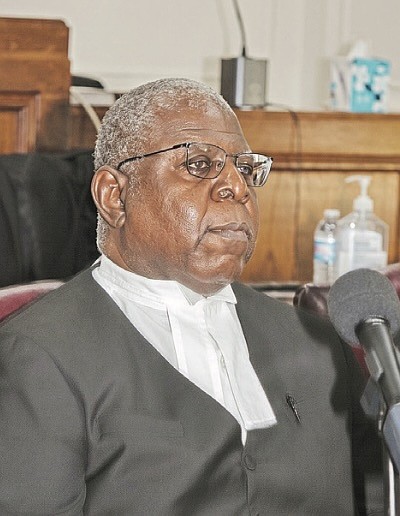
    Brensil Rolle, the former Minister of Public Service, is leading the calls for accountability against Melvin Seymour, Permanent Secretary of the Ministry of Foreign Affairs. The controversy centers on photos published last week showing Seymour in clothing and accessories affiliated with the ruling Progressive Liberal Party (PLP), a move that critics say directly violates the long-standing General Order 949, the regulatory framework that mandates political neutrality for all public servants.

    Rolle emphasized that the dispute is far more than a superficial public relations problem: it strikes at the core of equal enforcement of civil service rules. If the government chooses to ignore Seymour’s violation, he argued, the entire regulatory system designed to govern public officer conduct will become unenforceable. Not only would this set a dangerous precedent for future violations, Rolle said, but it would also expose the administration to legal action from public servants who have already been disciplined for identical infractions under the same rules.

    “While I believe permanent secretaries have a right to their own political persuasion, as long as they’re holding that post as permanent secretary, they cannot violate any aspect of general order,” Rolle told reporters. “Any clear violation of general orders by a permanent secretary, like any other public officer, that person must be disciplined.”

    The timeline of the controversy adds an extra layer of gravity: as recently as February 2, Gina Thompson, Permanent Secretary of the Ministry of Labour and Public Services, issued a formal circular to all senior civil servants explicitly reminding them of the requirements of General Order 949. The circular, titled *POLITICAL ACTIVITIES OF PUBLIC OFFICERS*, laid out the core principle of civil service neutrality clearly: “The character of any public service depends entirely on its loyalty, integrity, ability and impartiality. It follows therefore that public officers should maintain a code of reserve in all political matters and that the public airing of an officer’s own political views may destroy that impartiality which any Government may expect of its own public service. To ensure, therefore, that standards are upheld, it may be necessary in a case of serious indiscretion, to consider action against the public officer concerned.”

    What has amplified public outrage is the revelation that Seymour himself previously disciplined a subordinate foreign affairs officer for the exact same violation. In May 2024, Ivan Thompson, a foreign service officer, received a formal warning letter signed by Seymour for violating General Order 949 over his own public political engagement. After images of Seymour in PLP gear emerged, Thompson publicly shared the warning letter alongside the photos of his superior, calling out the blatant double standard.

    “Imagine being called in by your PS, getting a serious tongue lashing, not giving you any opportunity to respond, then issuing you this said letter. Then today, this picture comes across your phone by the very person demonizing you of the very thing!” Thompson wrote in a public Facebook post. Speaking to reporters, Thompson added: “When you consider that the Permanent Secretary runs the ministry — the minister is not responsible for the ministry — the highest official in any government ministry is the permanent secretary, and when you see the highest official in the ministry doing that, you know we have some serious problems.”

    Hilbert Collie, the attorney representing Ivan Thompson, noted that the incident raises fundamental questions about whether employment rules and disciplinary procedures are applied equally across all levels of the civil service. Rolle echoed that concern, noting that going forward, the government will have no legal or moral standing to discipline any other public servant for political activity violations unless it acts against Seymour first. Worse, he argued, any public servant who has already been disciplined for similar offenses while Seymour avoids consequences has a legitimate legal right to sue the government for unequal treatment.

    “Justice cannot be for some and injustice for everybody else,” Rolle said.

    General Order 949 does not ban public servants from holding private membership in a political party, but it does require all officers to maintain a public “code of reserve” to uphold the impartiality of the civil service. For senior civil servants like permanent secretaries, who earn total compensation packages valued at well over $136,000 annually — including a base salary of around $104,000, a $20,000 responsibility allowance, a $12,000 housing allowance, a car allowance, and full pension benefits for Seymour, who is already retired — the requirement for neutrality is considered especially strict.

    When contacted for comment on Monday, both Seymour and Foreign Affairs Minister Fred Mitchell declined to address the controversy. Observers note that the photos surprised many Bahamian political watchers, given the widespread understanding that the rules around this conduct are clear and non-negotiable. Under standard disciplinary protocol for General Order violations, Rolle said, the process would begin with a formal show-cause letter requiring Seymour to explain why disciplinary action should not be pursued against him.

  • Bain seeks to seal court records in $90,000 dispute

    Bain seeks to seal court records in $90,000 dispute

    As the Bahamas prepares for its upcoming general election, a high-stakes civil financial dispute involving one of the country’s opposition political leaders has moved back into the public spotlight. Lincoln Bain, head of the Coalition of Independents and a candidate in the approaching vote, is pushing to seal court records related to a 16-year-long $90,000 unresolved debt dispute — though his first attempt to secure the sealing order fell short earlier this month over a procedural misstep.

    The initial request for a sealing order was raised orally on April 1, 2026, during a Notice to Attend Examination hearing, with attorney Tanya Wright making the ask on Bain’s behalf. Travette Pyfrom, the attorney representing claimant Zinnia Rolle, immediately objected to the informal move, noting that no formal written application had been submitted to the court and that the proceeding was scheduled to be held in open, public court.

    While justices indicated they held no principled opposition to sealing the records in this matter, they confirmed they could not issue a ruling without a properly filed formal application before the court during the hearing. Court administration officials later confirmed that Bain’s legal team only submitted the formal written application one day after the hearing, on April 2, 2026. As a result, the request was not taken up for consideration during the April 1 proceedings, no sealing order has been granted to date, and all case documents remain accessible as part of the public court record.

    Details included in the submitted application outline Bain’s core arguments for sealing the dispute. As a prominent public figure running for public office, Bain’s legal team argues that confidential information shared during a closed-door chambers hearing held on March 13, 2026, was improperly leaked to the public and shared widely on the social media platform Facebook, despite explicit court warnings against disclosing confidential proceedings. The filing asserts the leak could only have originated from a person in attendance at the closed March hearing, and adds that Rolle has failed to appear at multiple court hearings over the past several years, leaving her potentially unaware of court-imposed confidentiality rules. Beyond the sealing request, the application also asks the court to require Rolle to attend all future hearings in person, unless explicitly exempted by the court or a mutual agreement between both legal teams. Bain has submitted a sworn affidavit in support of his request, court records confirm.

    The underlying dispute stretches back to a failed investment deal first struck in 2010. Rolle secured a Supreme Court judgment against Bain and his company in December 2021, ordering the defendants to repay $64,000 in outstanding funds. The ruling was upheld on appeal by the Bahamas Court of Appeal, and when the Judicial Committee of the Privy Council — the region’s highest court of appeal — declined to hear Bain’s final appeal in October 2025, the court awarded Rolle an additional $26,000 in legal costs, bringing the total unpaid judgment to $90,000.

    To date, the full $90,000 remains unpaid, and court-ordered enforcement actions to collect the outstanding sum have ramped up in recent months. As part of these enforcement proceedings, Bain was previously ordered to appear before Supreme Court Registrar Renaldo Toote to answer questions about his assets and financial status.

    The case has added new scrutiny to Bain’s public financial disclosures, which he submitted as a candidate in the upcoming May general election. In those mandatory declarations, Bain reported a personal net worth exceeding $1.5 million, and listed his total outstanding liabilities at just $85,000 — a figure that nearly matches the $90,000 unpaid judgment at the center of the ongoing dispute.

  • Tourist recounts trauma after husband’s sudden Exuma death

    Tourist recounts trauma after husband’s sudden Exuma death

    For a couple married more than 30 years, a three-day birthday getaway to the idyllic Staniel Cay in the Bahamas was meant to be a quiet celebration of Gerry Martell’s 70th year. What unfolded on that trip in January would leave Ann Martell, Gerry’s wife from Ontario, Canada, grappling with unprocessed trauma that has required ongoing therapy and daily medication, as she continues fighting for answers months after her husband’s sudden death.

    The tragedy struck on the second day of the vacation, as the couple joined a boat tour and swam near a local cave. Ann Martell watched in horror as her husband fell into distress, clinging to a nearby orange buoy thrown by other people on the water. His final words to her were, “help me, I’m dying,” before he lost consciousness.

    The captain of a nearby yacht quickly launched a small dinghy to pull Gerry from the water and rushed him back to shore as fast as possible. During the desperate voyage back, Martell says her husband suffered violent seizures, an episode she now suspects was triggered by a brain bleed related to the underlying heart condition that would later be named as his cause of death. Once on shore, a doctor who happened to be staying at the marina performed cardiopulmonary resuscitation, but the efforts were too late—Gerry could not be revived, and Ann was told her husband had passed away minutes later.

    If the sudden loss was not devastating enough, Ann says the mishandling and callous treatment that followed the death compounded her trauma beyond measure. After Gerry’s body was moved to a medical trailer on the island, Ann was immediately ordered to gather her belongings, withdraw cash, and prepare to leave Staniel Cay before sunset, because the small island had no dedicated cold storage facility to hold a deceased person.

    “I was given almost no time to call my family, to sit with my husband, to say a final goodbye,” Martell shared in an exclusive interview with Tribune. “All I remember is people yelling at me nonstop. First they screamed I had to come up with $60,000 or Medevac wouldn’t come get the body, then the next minute they changed it to $6,000, saying we had to get him out of there immediately because we had nowhere to put him. They told me to grab my husband’s credit card and go get the cash right now.”

    The unprofessional, insensitive treatment extended to the responding law enforcement officer on scene, Martell says. The officer hounded her for an official statement immediately after Gerry’s death, following her around the medical trailer and repeating the demand even as she begged for space to process what had just happened. “I was getting so frustrated,” she recalled. “I just kept asking him to leave me alone, but he wouldn’t listen to anything I said.”

    Breaking the news of her father’s death to the couple’s adult children was equally devastating. Their daughter, who resides in Egypt, collapsed when she received the devastating call.

    The most distressing part of the entire ordeal, Ann says, came when it was time to transport Gerry’s body off the island to Nassau’s New Providence. She watched as staff loaded his body into the plane wrapped in nothing but heavy green garbage bags sealed with red tape, and then she was forced to sit through the entire flight with the wrapped body positioned directly at her feet. No staff member warned her ahead of time how the body would be transported, she says, nor did anyone offer to move her to another seat to avoid the dehumanizing experience.

    “How is it possible that no one had even a little bit of compassion to tell me what was going to happen, to treat my husband like a human being rather than trash?” she asked. Later, a nurse explained to Ann that the garbage bags were only an outer covering, placed over a clear standard body bag because Gerry’s body was wet when it was retrieved from the water. Ann rejects that explanation, pointing out that her husband did not drown, and was only in the water for a matter of minutes before he was pulled out.

    When they arrived in New Providence, Ann waited more than an hour for a mortician to arrive, only to learn he had been delayed by a prior funeral commitment. She and her family then waited for multiple additional hours before they were allowed to formally identify Gerry’s body.

    Though both the Bahamian Coroner and an attending pathologist expressed concern over the handling of Gerry’s body and the circumstances of the aftermath, and pledged to launch a formal investigation into the incident, Ann and her family have yet to receive any updates or official answers more than six months later. Ann has formally requested a full copy of the police report into her husband’s death, to clarify the official timeline of events and identify the doctor who performed CPR—she says she still does not even know his name. She has shared her correspondence with Commissioner of Police Shanta Knowles with the Tribune, and the commissioner had not responded to requests for comment as of press time.

    Gerry Martell’s cause of death was later confirmed by doctors to be a heart blockage. His body was cremated in the Bahamas, and his ashes were returned to Ann and their family in Canada. In the months since, Ann has relied on close friends to get through each day, saying the entire experience has left her disgusted, heartbroken, and deeply angry at how the situation was handled on Staniel Cay. “The way they treated my husband and me that day was completely reprehensible,” she said. “He was a human being, and he was treated with no dignity, no respect at all. I just want answers, and I want people to know what happened to us.”

  • From Nova Scotia to Nassau: Lucky’s extraordinary journey

    From Nova Scotia to Nassau: Lucky’s extraordinary journey

    Against all odds, a tiny, critically endangered Kemp’s ridley sea turtle named Lucky has completed an extraordinary 2,700-mile cross-border journey from an icy Canadian shore to the warm tropical waters of The Bahamas, a groundbreaking conservation success story that arrives just as the world marks Earth Day.

    Lucky’s story began in late autumn last year, when volunteers with the Canadian Sea Turtle Network, who conduct routine cold-weather coastal patrols, stumbled upon the weak, unresponsive juvenile along the rocky outer shores of Halifax, Nova Scotia. The young turtle had wandered far north of his species’ native warm Gulf of Mexico habitat, and plummeting ocean temperatures left him suffering from “cold stunning” — a life-threatening condition that leaves sea turtles immobilized and unable to forage or escape dangerous conditions. Prior to this rescue, no cold-stunned Kemp’s ridley sea turtle had ever been found alive and successfully rehabilitated in Canadian history; survival of such an event in Halifax’s frigid waters was widely considered almost impossible.

    After the turtle was pulled from the shore, he received weeks of specialized veterinary care in Canada, slowly regaining enough strength to move to the next phase of his rehabilitation. Conservation teams began searching for a suitable facility with a natural warm marine environment and experienced veterinary staff to continue preparing Lucky for his eventual release back into the wild. That search ultimately led to Atlantis Paradise Island, a resort in The Bahamas with a dedicated Fish and Turtle Hospital and a long-running marine conservation program.

    The journey south was almost derailed before it even began. Teams were set to depart Halifax on February 24, when a massive winter storm slammed into the region, dumping nearly 12 inches of snow and bringing wind gusts reaching 60 miles per hour. But as his name suggests, fortune favored the young turtle. After rerouting through Toronto, the rescue team and their precious passenger completed the multi-leg trip and touched down in The Bahamas, where Atlantis staff were waiting at the airport to receive him.

    Lucky was immediately transported via the organization’s SeaKeepers rescue vehicle to the Atlantis facility, where he entered a quarantine period to acclimate to his new surroundings. A full health intake was conducted the following day, with Atlantis’s veterinary and aquarist teams completing detailed measurements, a full physical examination, and diagnostic blood work to confirm his stability.

    After six weeks of continuous observation, targeted care, and rehabilitation that allowed Lucky to redevelop natural foraging behaviors and rebuild his strength, he passed a final health assessment led by Atlantis veterinarian Deandra Delancey-Milfort on April 8. Later that day, the Atlantis SeaKeeper team carried Lucky offshore and released him into the clear waters just off Paradise Island, marking the successful end of a months-long collaborative effort that crossed international borders, connected multiple conservation organizations, and united volunteers and experts across two vastly different climates.

    Kemp’s ridley sea turtles, first formally identified in 1906 by Florida fisherman Richard M. Kemp after whom the species is named, are the smallest and most critically endangered of all sea turtle species. Juveniles typically hatch along Gulf of Mexico nesting beaches, then seek shelter in floating sargassum patches to feed and grow before moving to coastal habitats. However, young, inexperienced turtles often get pushed far off course by strong winds and shifting tides, stranding them in far northern waters as autumn transitions to winter, when dropping temperatures lead to life-threatening cold stunning.

    Ahead of this year’s Earth Day, Lucky’s survival and release offers a powerful reminder of the fragility of marine ecosystems and the impact of cross-border collaborative conservation. What began as a near-fatal wrong turn for a tiny juvenile turtle has become a powerful example of what collective action for the natural world can achieve. Even for the smallest, most vulnerable creatures, conservationists note, cross-border cooperation can deliver second chances that make every mile of effort worth it.

  • Environmental advocates target waste from campaign signs

    Environmental advocates target waste from campaign signs

    As the Bahamas approaches its upcoming general election, the proliferation of plastic political campaign signs across public and private landscapes has spurred environmental advocates to call for urgent reform of long-standing campaign traditions, highlighting the lasting ecological damage caused by disposable election materials.

    Most modern campaign signage is constructed from durable synthetic materials, most commonly polypropylene, a petroleum-based plastic that never fully biodegrades when introduced to natural ecosystems. While the exact composition of signs used by local political parties in this election cycle has not been publicly disclosed, environmental researchers warn that the standard production and disposal practices for these materials carry steep, underdiscussed environmental costs that persist long after voting concludes.

    Dr. Ancilleno Davis, a prominent Bahamian environmental scientist, explained that importing large volumes of single-use materials for a temporary political campaign contributes to unnecessary fossil fuel consumption and generates persistent waste that contaminates local ecosystems. Abandoned signs and their metal support stakes are often left littering landscapes for months after election day, with many turning up in remote natural areas half a year after campaigns end. Even when signs are collected after voting, they are typically deposited in municipal landfills, where their non-biodegradable components leach toxic chemicals into groundwater reserves that supply local communities.

    “It’s a high price to pay for this type of campaigning,” Davis emphasized. Beyond the ecological harm, Davis also criticized the massive sums of campaign money diverted to printed signage, arguing that these funds could deliver far greater long-term benefit to Bahamian communities if redirected to public projects like community green spaces and urban gardens, rather than temporary materials destined for waste.

    To address the issue, Davis proposed a multi-pronged reform framework for political groups: cutting reliance on physical signage in favor of lower-waste outreach channels, including social media campaigns, radio advertising, and targeted community engagement. For campaigns that still choose to use physical signs, he urged strict limits on total signage volume, mandates for biodegradable or fully recyclable materials, and mandatory pre-election planning for post-campaign material disposal that accounts for long-term environmental impacts.

    Nikita Shiel-Rolle, founder and CEO of the Cat Island Conservation Institute, echoed Davis’s concerns, framing the problem of campaign signage waste as a entry point for a broader national conversation about sustainable political campaigning and intentional community engagement. Shiel-Rolle noted that the sheer volume of signs deployed during a typical campaign is often unnecessary, and suggested that formal new regulations could help curb overproduction—for example, rules mandating minimum spacing between individual signs to reduce overall quantity.

    She pointed out that current sign deployment practices lack intentional structure beyond basic name recognition: campaign workers are typically hired simply to put up as many signs as possible, with no planning for post-election removal or processing. For Shiel-Rolle, the most critical gap in current practice is the lack of a clear post-election plan for campaign materials.

    “I think as long as there is a plan as to what they’re going to do with the signs, I think that’s the most important thing,” she said. “I think that kind of goes back to even the bigger environmental conversations that we have.”

  • Island grid pulls out of $130m power grid contract

    Island grid pulls out of $130m power grid contract

    The future of New Providence’s $130 million electricity transmission and distribution (T&D) overhaul has been thrown into uncertainty after the project’s lead management firm, Island Grid, formally exited its contract two years into what was originally planned as a 25-year partnership. The sudden departure has prompted Opposition Leader Michael Pintard to call on the Davis administration to deliver immediate clarity and full transparency to the Bahamian public over the project’s trajectory.

    Island Grid, an infrastructure firm founded by principal Eric Pike to pursue utility projects across small island nations, confirmed its withdrawal from the management agreement with Bahamas Grid Company (BGC) — the special purpose vehicle created to own and upgrade New Providence’s energy grid — took effect yesterday. Alongside the firm’s exit, Pike and fellow Island Grid executive Mei Shibata stepped down from their BGC board positions. Anthony Ferguson, chief executive of Bahamas-based investment firm CFAL, has been named BGC’s new chairman, replacing Pike.

    BGC is structured as a public-private partnership, with Bahamas Power & Light (BPL) holding a 40% minority stake and a consortium of private investors controlling the remaining 60% stake. The firm announced the appointment of two new Bahamian senior leaders alongside the leadership transition: Dareo McKenzie, a 30-year energy sector veteran with stints at GE Vernova and Consolidated Edison of New York, as chief executive, and Gladys Fernander, a former Commonwealth Bank CFO and certified public accountant with 20-plus years of regulated finance experience, as chief financial officer.

    In a statement responding to media inquiries, the Bahamian government sought to reassure the public that Island Grid’s exit would not disrupt ongoing infrastructure work. “The management agreement has come to an end. The investment is ongoing and continues to progress as planned,” said Latrae Rahming, communications director for Prime Minister Philip Davis. “The company is now Bahamian-led, and we have full faith and confidence in its leadership, capacity and ability to deliver on its commitments.”

    Ferguson echoed that sentiment in BGC’s official release, framing the transition as a milestone shift to a fully independent, all-Bahamian-led operating model. “Together, Dareo and Gladys bring the operational and financial leadership required to grow a resilient, high-performing utility,” Ferguson said. “Just as importantly, this transition reflects the strength and capability of Bahamian leadership at every level of the organisation. On behalf of the Board, I want to thank Eric, Mei and the entire Island Grid Solutions team for their leadership and expertise in building Bahamas Grid Company into a fully operational utility and strengthening New Providence’s transmission and distribution system. We now move forward as a fully Bahamian-led organisation, focused on delivering long-term performance for our country.”

    Pike also released a brief statement praising the project’s progress to date. “We are honoured to have had the opportunity to set up Bahamas Grid Company and conduct the biggest grid upgrade project for New Providence over the past two years,” he said. “I would like to recognise the dedicated employees of Island Grid, Pike and Bahamas Grid Company, whose hard work and commitment were instrumental to this achievement, and extend our best wishes for Bahamas Grid Company’ continued success.”

    However, the sudden exit of Island Grid, which was contracted to manage the project for an initial 25-year term with an option to extend for an additional 10 years, has left dozens of unanswered questions that remained unaddressed as of press time. Multiple industry observers and political leaders have raised pointed concerns over the implications of the exit for the project, for energy consumers, and for the government’s broader clean energy goals.

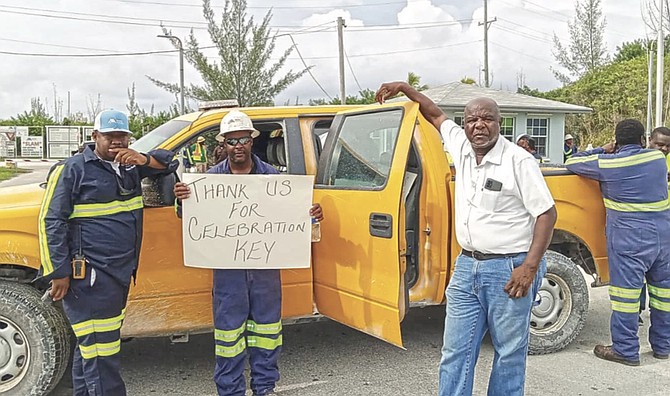
    Tribune Business had reported unconfirmed rumors of growing tensions and potential withdrawal for several weeks prior to yesterday’s announcement. Officials emphasized that Island Grid’s exit is unconnected to last month’s fatal shooting of a Pike Electrical employee, for which a senior Bahamian police superintendent has been charged. Roughly 40 Pike workers left the Bahamas immediately after the shooting to attend the deceased worker’s funeral and support his family, but roughly the same number are expected to return to complete existing contract obligations, meaning Pike Electrical’s on-the-ground work may continue despite Island Grid’s exit. There has been unconfirmed speculation that TPG and La Caisse, the private equity consortium that acquired a majority stake in Pike Electrical in November 2025, may step into Island Grid’s role, but no confirmation of that arrangement has been made public.

    For decades, Pike Electrical — a family-founded firm established in 1945 — has supplied the labor, equipment, technical expertise, and training for the $130m upgrade that has been underway for two years. Original project documents confirm that BGC was structured to rely heavily on Island Grid’s technical and operational capacity: the 2024 Heads of Agreement between the government, BGC, and Island Grid granted Island Grid exclusive rights to develop and manage the entire project, and tasked the firm with assembling a team of global and local experts to oversee all implementation. Financial documents for the project’s $30m equity raise and $111m debt financing show Island Grid was contracted to earn $4.359m in annual management fees for the first five years of the project, with fees sliding gradually as T&D revenues grew.

    One anonymous financial industry insider questioned the logic of Island Grid’s early exit, noting that the entire project was built around a decades-long investment horizon. “To get a return on investment, you aren’t taking over the entire grid for a short period of time. Your investment horizon is decades. They cannot claim this is all done and planned. This wasn’t for the short-term,” the source said. The insider added that BGC will be unlikely to replicate the preferential pricing and supply chain access Island Grid secured through its ties to the Pike network, particularly for large grid equipment that requires months-long lead times. “They [BGC] cannot replicate the Pike partnership. They do not have the reach and expertise, and level of people to pull from,” the source said. The insider also argued that Island Grid’s exit undermines BGC’s core purpose as a special purpose vehicle, noting that the entity already adds an extra layer of costs for taxpayers and energy consumers that could be eliminated by folding BGC’s functions back into BPL.

    The exit also raises concerns for BGC’s investors, who were sold $111m in bonds based on offering materials that promised long-term Island Grid involvement. Bondholders are owed regular interest payments and the eventual return of their principal, and the unplanned transition has created new uncertainty over their returns.

    Opposition Leader Pintard emphasized that the government’s entire energy strategy, including plans to bring 172 megawatts of new utility-scale solar power online via independent power producers (IPPs), hinges on the successful completion of the T&D grid overhaul. Without a fully upgraded grid, IPPs cannot safely connect and deliver their power to New Providence’s 100,000-plus BPL customers, which include both households and businesses.

    “Much of what the Government has forecast depends on the grid,” Pintard told Tribune Business. “If we are talking about solar deals being signed on New Providence, has the grid upgrade work been completed to the extent it can receive power from IPPs? If the T&D system has not been dealt with, how does that impact all the IPPs relying on a stable grid that has the capacity to receive power from them? Everything hinges on this. It’s a fundamental issue.”

    Pintard called on Prime Minister Davis and Energy Minister Jobeth Coleby-Davis to immediately open the process to public scrutiny, noting that Coleby-Davis claimed shortly after the shooting that the project remained on track, a statement that is contradicted by Island Grid’s exit. “Their overall strategic plan relies substantially on what happens with the transmission and distribution system,” Pintard said. “The Government has an obligation to clarify for the public whether or not the grid agreement they put in place, which was supposed to fix deteriorating T&D infrastructure, whether or not they have completed that. If they have not completed that, at what stage are they at in this process, and under what circumstances have Pike and the others transitioned from previous positions they held, and where does that leave Bahamas Grid and the grid contract the Government entered into with them?”

    Pintard added that he had spoken with a senior BPL union leader who confirmed widespread uncertainty among the utility’s 123 T&D staff, the vast majority of whom already opposed plans to transfer or second them to BGC.

    Island Grid’s exit also comes as BGC had previously stated it planned to complete the initial $130m upgrade by late April 2026, reporting that outage frequency had dropped 45% and outage duration had fallen 35% in 2025 compared to 2024. It remains unclear whether the new leadership will be able to hit that completion target.

    The original Heads of Agreement also includes provisions that require parties to negotiate a buyout if the management agreement is terminated early, including granting the Bahamian government a right of first refusal to acquire 100% of BGC’s shares if a termination occurs. As of press time, no requests for comment from Pike, Ferguson, or Coleby-Davis had been returned.

  • FNM promises Abaco upgrades and a larger share of revenue

    FNM promises Abaco upgrades and a larger share of revenue

    On Friday, the Free National Movement (FNM), one of The Bahamas’ major opposition political parties, launched its first campaign rally on the island of Abaco, where it revealed an extensive series of policy pledges tailored to local priorities and launched sharp criticism of the incumbent Davis administration led by the Progressive Liberal Party (PLP).

    Speaking to a gathering of more than 200 FNM supporters in Cooper’s Town, FNM leader Michael Pintard opened his address by arguing that the current national government has systematically neglected Abaco’s needs for years. He pointed to a long list of unaddressed local grievances: crumbling road infrastructure with unfilled potholes and unpaved stretches that have remained unrepaired more than four years after contracts were awarded for projects on other Bahamian islands, strained and underresourced local health systems, and outdated, inadequate recreational sports facilities. Pintard leveraged these gaps to attack the PLP’s spending priorities, contrasting large government outlays for official travel and high-profile party events with the lack of investment in basic Abaco services. “Millions for a trip, but pennies for the port here in Abaco. Millions for a rally, but only promises for your roads. Millions flowing through their slush funds while Abaco waits on a working X-ray machine,” Pintard told the crowd.

    Beyond infrastructure and public resourcing, Pintard also accused the ruling administration of failing to enforce strong protections for Abaco’s critical marine sector, which forms the backbone of much of the island’s tourism and fishing economy. He pledged that if the FNM wins the upcoming election, the party will revise the national Fisheries Act to preserve the country’s fish stocks for future generations of Bahamians.

    One key lingering issue that Pintard addressed head-on during the rally was the FNM’s past response to Hurricane Dorian, a devastating storm that hit Abaco hard and remains a source of widespread community frustration. Acknowledging past missteps, Pintard offered a public apology for the party’s flawed response, noting that the FNM is now under new leadership that has learned from past mistakes.

    The rally featured remarks from multiple FNM candidates vying for seats representing Abaco and surrounding districts. Jeremy Sweeting, the party’s candidate for Central and South Abaco, laid out the most detailed set of local pledges. Among Sweeting’s promises are the creation of a unified digital maritime platform that would cut red tape and speed up processing for boating and commercial fishing permits and licensing, a policy designed to restore The Bahamas’ status as a top global yachting destination. He also pledged to address chronic power outages by upgrading local electricity infrastructure, resurface the entire highway connecting northern and southern Abaco, construct a new public high school in South Abaco, fully reconstruct the damaged Marsh Harbour port, and reactivate Sandy Point as an official port of entry for international vessels. Additional commitments from Sweeting include expanding affordable housing subdivisions across the island, cutting wait times for Crown Land processing, increasing funding and equipment for local fire departments, and upgrading community sporting facilities.

    Terrece Bootle, the FNM’s candidate for North Abaco, emphasized her deep community roots in her address, highlighting the FNM’s past record of delivering progress to Abaco during the previous Ingraham administration. In an impassioned address to attendees, she pushed back against the ruling party’s claims of progress, telling the crowd, “Don’t talk to Abaconions about progress. We know what progress looks like.” Other FNM candidates for regional seats, including Rick Fox running for Garden Hills and Brian Brown vying for Golden Isles, also delivered pledges and fiery campaign messaging to the gathered supporters.

    Closing out the event, Pintard reiterated the party’s core economic pledges for Abaco, promising that an FNM government would roll back the controversial boating fees implemented by the Davis administration and streamline bureaucratic processes to make it easier to start and run a local business. A key policy priority he highlighted is redirecting more locally generated revenue back to Abaco, rather than sending the majority of funds to the national treasury in Nassau. “We’ll make sure that the funds that are earned in Abaco, a larger percentage of those funds remain in Abaco rather than go to the Treasury in Nassau,” Pintard said. He also confirmed that the party would double funding for small and medium-sized enterprise grants and loans from the current $50 million to $100 million to support local business growth.

    Pintard closed his remarks by appealing to undecided voters, framing the FNM as a clear alternative to the long-standing political establishment that has dominated national governance. “You should know all of these fellas are just alike, but we ain’t like them. We are asking you to support a change,” he said.