标签: Antigua and Barbuda

安提瓜和巴布达

  • Forecasters Monitoring Tropical Wave Near Cabo Verde Islands

    Forecasters Monitoring Tropical Wave Near Cabo Verde Islands

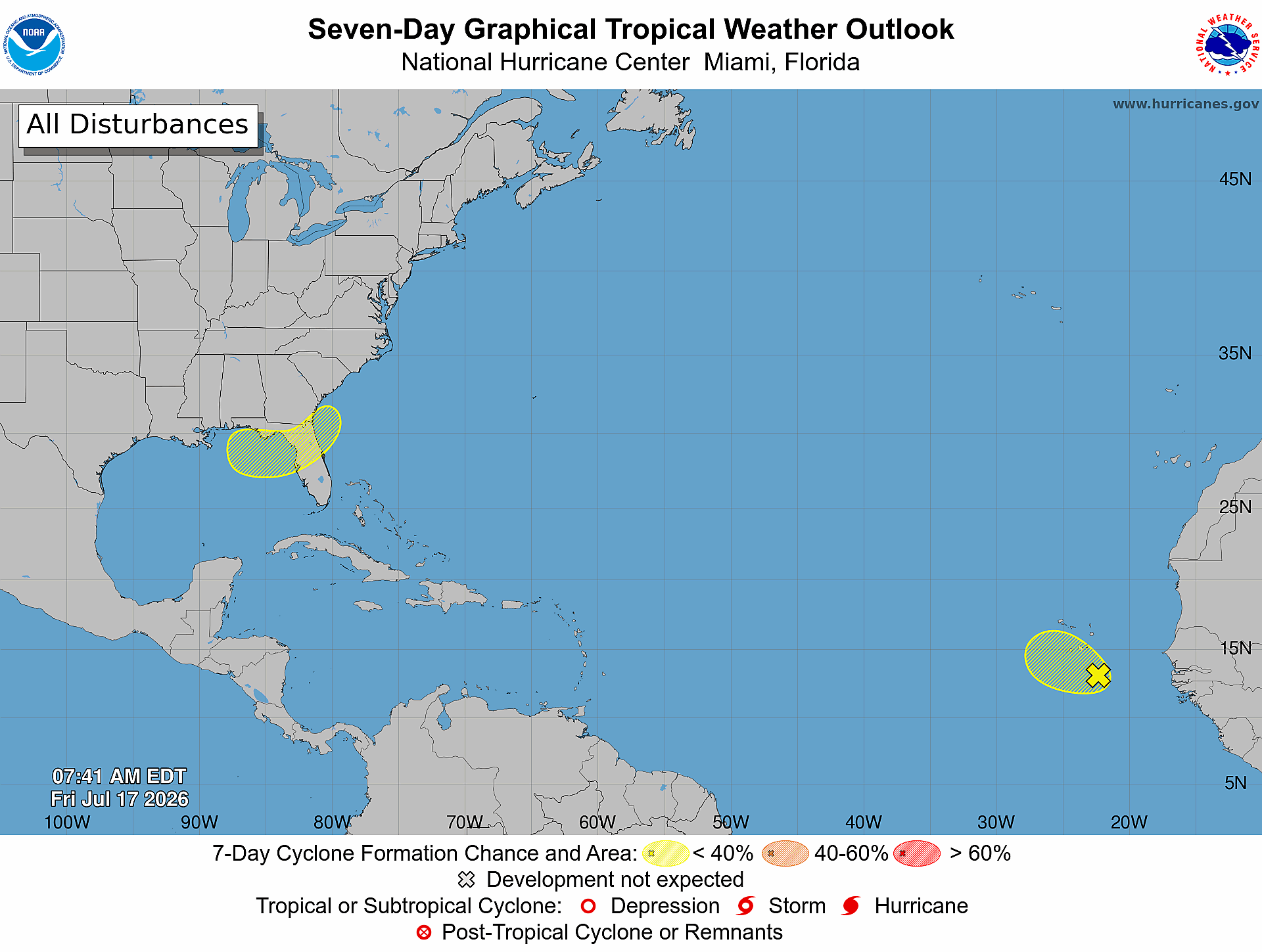
    The U.S. National Hurricane Center (NHC) is currently keeping a close watch on two separate low-pressure weather systems across the Atlantic basin, with official projections showing neither is likely to strengthen into a significant tropical cyclone in the coming days.

    The first system, a broad tropical wave, is located in the eastern Atlantic Ocean roughly 175 miles southeast of the Cabo Verde Islands as of 8 a.m. local time Friday. Right now, the disturbance is producing only scattered, unstructured showers and thunderstorms across the region, and it is tracking west-northwest at a steady pace of between 10 and 15 miles per hour.

    According to NHC forecasters, atmospheric and oceanic conditions around this eastern Atlantic system are set to grow increasingly hostile for tropical development over the coming week. Official probability estimates put the chance of this system organizing into a named tropical cyclone at just 10% across both the next 48 hours and the full seven-day forecast window.

    In addition to the Cabo Verde-area disturbance, forecasters are also monitoring a second unorganized disturbance located in the northeastern Gulf of Mexico. Like its eastern Atlantic counterpart, this Gulf system is also projected to face a very low likelihood of significant tropical development in the coming days.

    Meteorologists across the basin continue to update projections as peak Atlantic hurricane season progresses, urging coastal and oceanic interests to stay updated on the latest official forecasts from the NHC regardless of current low risk estimates.

  • Benjamin Says Government Will Continue Investing in Police Technology and Training

    Benjamin Says Government Will Continue Investing in Police Technology and Training

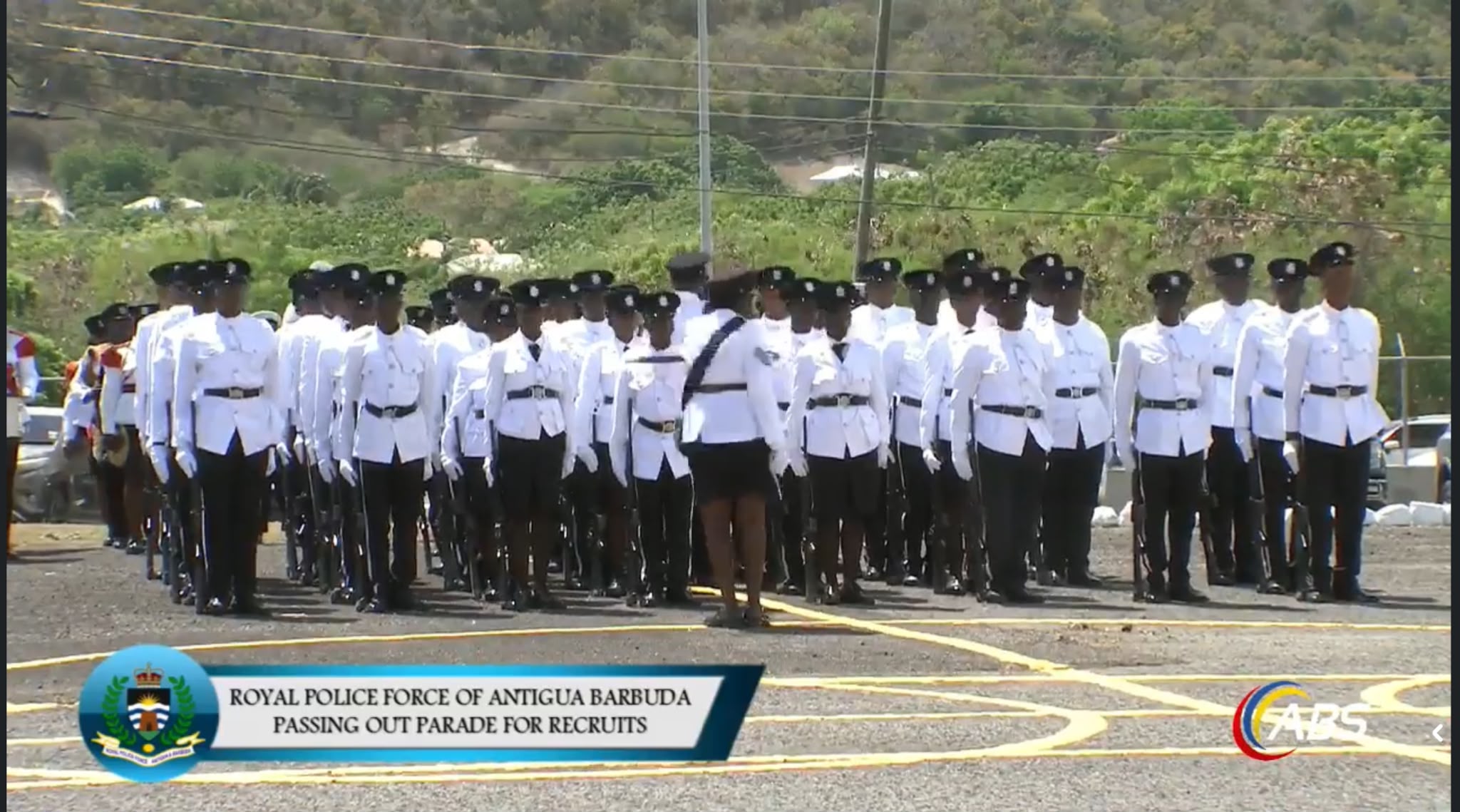
    Against a backdrop of rapidly evolving criminal tactics that leverage cutting-edge technology, the government of Antigua and Barbuda has made a public commitment to sustained investment in law enforcement modernization. Attorney General Sir Steadroy Benjamin outlined the ambitious upgrade strategy during the high-profile 50th graduation ceremony of the Royal Police Force of Antigua and Barbuda’s Recruit Training Course on Thursday, emphasizing that modern policing demands far more than traditional enforcement skills.

    Criminal networks have grown increasingly sophisticated in recent years, shifting toward complex digital and transnational schemes that outpace outdated law enforcement frameworks. Benjamin stressed that to outmaneuver these adaptive threats, policing agencies must prioritize continuous upskilling, technological innovation and cross-sector collaboration to stay one step ahead of bad actors.

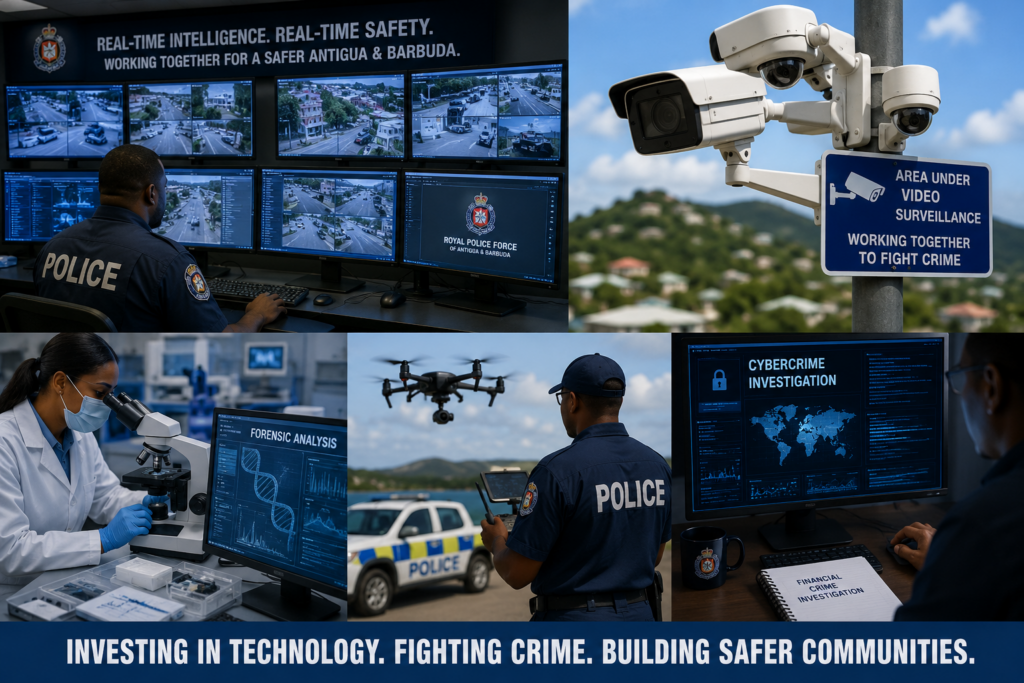
    To date, the administration has already delivered substantial tangible progress in modernizing the Royal Police Force, rolling out upgrades across multiple core capabilities. Key improvements include expanded surveillance infrastructure, enhanced specialist investigative tools, and the growth of the police canine unit—officers now have working dogs trained to detect firearms, explosives, and illicit narcotics.

    Regional and international partnerships have been central to the modernization push, Benjamin confirmed. Through collaborative efforts between CARICOM IMPACS and the U.S. Bureau of International Narcotics and Law Enforcement Affairs, the force has acquired the advanced Integrated Ballistic Identification System (IBIS) and specialized bullet recovery equipment, alongside significant upgrades to its drone operations unit.

    Beyond hardware and infrastructure, the government has also invested heavily in specialized professional development for serving officers. Dozens of personnel have already completed targeted training programs in high-demand areas, including advanced radio communications, unmanned aerial system operation, and white-collar and financial crime investigation.

    All these upgrades are designed to lift overall service quality and equip the entire force to respond effectively to shifting national security risks, Benjamin explained. “These are all welcoming ways to help sharpen the skills of our officers so that we can provide better quality service to the public,” he said.

    Looking ahead, the government remains firmly committed to expanding and refreshing the police force through ongoing recruitment and training cycles. Preparations are already advancing for the next intake of new recruits, with the administration calling for dedicated, service-oriented men and women to join the force’s ranks.

    In closing remarks to the newly graduated recruit cohort, Benjamin noted that while technology and specialized training form a critical foundation for modern policing, retaining public trust depends ultimately on the individual conduct of officers. He urged the new graduates to uphold the highest standards of professionalism, personal integrity, and unwavering commitment to serving the people of Antigua and Barbuda throughout their careers.

  • Jeffers Announces New Police Recruitment Drive, Urges Public-Spirited Men and Women to Apply

    Jeffers Announces New Police Recruitment Drive, Urges Public-Spirited Men and Women to Apply

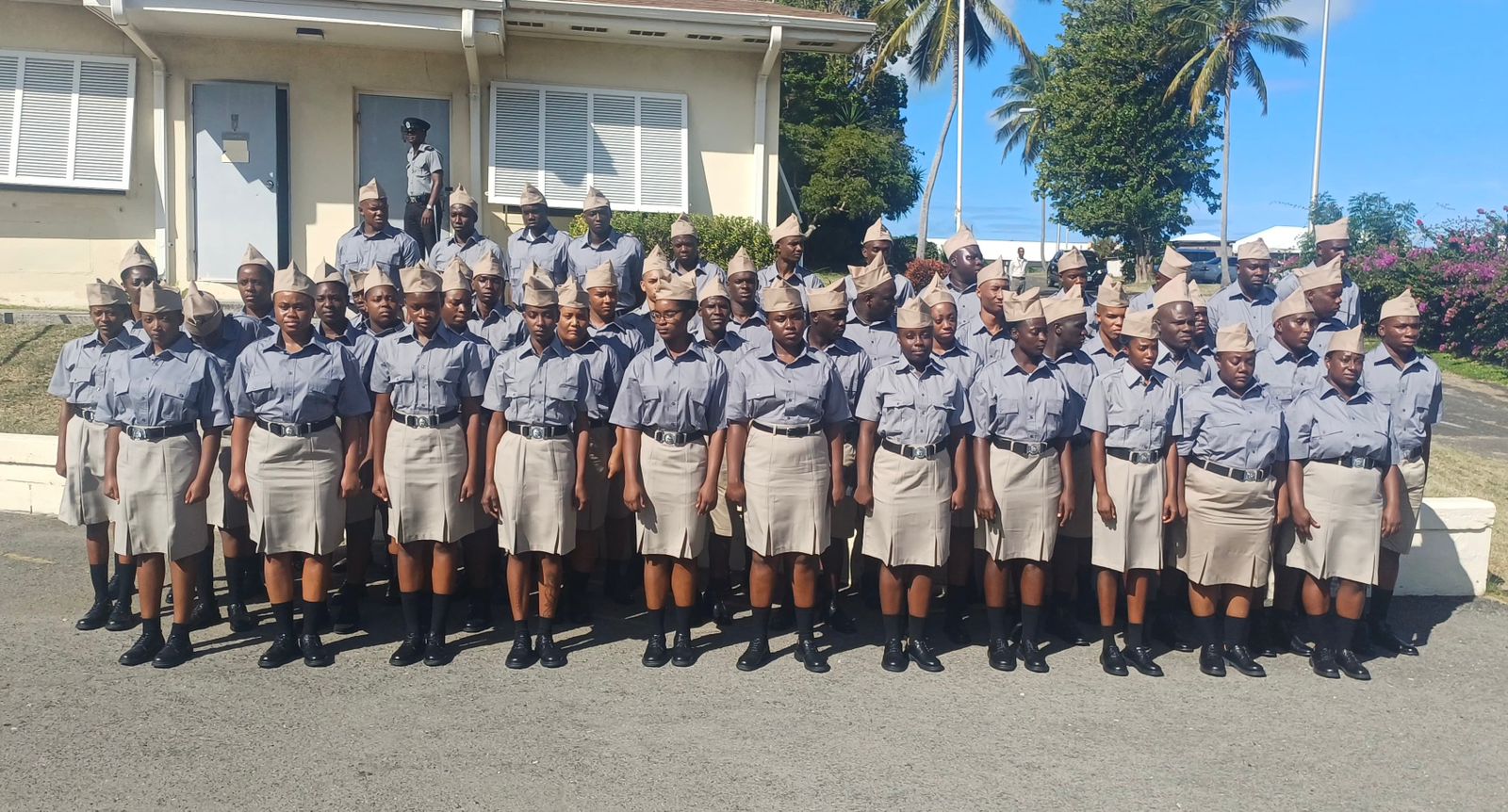
    At the Sir Wright F. George Police Academy’s graduation ceremony for its milestone 50th Recruit Training Course, Royal Police Force of Antigua and Barbuda Commissioner Everton Jeffers made a key announcement: recruitment for the force’s next incoming class of officers is already officially open, and he is calling on public-spirited citizens across the nation to step forward and apply.

    The event marked a major milestone for the local police training system, as 43 dedicated recruits successfully completed the rigorous six-month training curriculum and were formally sworn into the force. This graduating cohort achieved an impressive overall pass rate of 95.6 percent, a result that reflects the high standards of the academy’s training programs.

    As the newly minted officers prepare to begin their frontline careers serving communities across Antigua and Barbuda, Jeffers emphasized that the force is already planning ahead for its next generation of law enforcement professionals. “As we continue to refine and improve our public safety services, we are already looking forward to our next graduation of officers, now that the recruitment process has kicked off,” Jeffers stated during his address to the graduating class. “We have always sought outstanding men and women who feel a genuine calling to serve their country.”

    The commissioner outlined the core qualities the force prioritizes in new applicants, stressing that modern policing is a mission of public service, not just a traditional nine-to-five job. “As your Commissioner, I want to make this clear: policing is far more than an eight-hour shift. It is not a role for people who only count down the clock to the end of their workday or those who are only here for a paycheck,” Jeffers told the graduates. “Today, you are not just walking away with a certificate of course completion. You are accepting a sacred responsibility placed in your hands by the public.”

    New recruits must be prepared to uphold the highest professional ethical standards at all times, Jeffers explained, and work consistently to earn and retain the trust of the communities they serve. “We need people who have the inherent qualities to excel as police officers: dependable, respectful, polite, and empathetic to the needs of all community members,” he said. He added that officers must also be able to maintain calm and professional composure in high-pressure situations, acting as respectful ambassadors for the force even when facing adversity. The attitude and conduct of serving officers, he noted, should always reflect the rigorous, high-quality training they received at the police academy.

    Beyond attracting the right candidates, Jeffers highlighted the ongoing modernization efforts underway across the Royal Police Force. The organization is investing heavily in updated infrastructure, cutting-edge technology, and specialized training to boost its operational capacity. Key upgrades include expanding specialized K-9 units trained to detect firearms, explosives, and illegal narcotics; acquiring a modern ballistic identification system to support criminal investigations; and delivering advanced training in areas including radio communications, unmanned aerial system operations, and white-collar crime investigation.

    While these technological and operational advances are critical to improving public safety outcomes, Jeffers emphasized that the force’s long-term success ultimately depends on the quality and commitment of its people. The force will only thrive if it continues to attract candidates dedicated to serving Antigua and Barbuda with unwavering integrity and professional conduct.

    “We will keep pushing for excellence in every aspect of our work, every step of the way,” Jeffers said. “Our core goal is to remain an inclusive organization that works hand-in-hand with the public and the communities we are sworn to protect.”

  • Benjamin Tells New Officers Integrity Cannot Be Legislated by Government

    Benjamin Tells New Officers Integrity Cannot Be Legislated by Government

    At a landmark graduation ceremony for the Royal Police Force of Antigua and Barbuda’s 50th Recruit Training Course this past Thursday, Attorney General Sir Steadroy Benjamin delivered a stirring keynote address to the nation’s newest law enforcement recruits, centered on a powerful message: institutional investment can only go so far in building public trust, because the integrity that underpins effective policing cannot be manufactured or mandated by government.

    Benjamin stressed that while administrations can allocate millions of dollars in public funding to law enforcement initiatives, fund cutting-edge equipment, roll out modern policing technology, and construct purpose-built facilities to house operations, none of these investments can replace the inherent personal character of individual officers. “Governments can provide equipment, governments can provide technology, governments can provide buildings, but governments cannot manufacture integrity,” Benjamin told the assembled graduates, guests, and police leadership. “Integrity comes from within.”

    The newly minted officers now carry the respected police badge, a symbol that comes with far more than ceremonial significance, Benjamin reminded them. Every choice they make while on patrol, during interactions with community members, and even behind closed doors when no colleague or member of the public is watching, shapes not only their own personal standing but the entire reputation of the national police force. “When no one is looking, that is when your integrity is tested,” he said, urging the new recruits to anchor their careers in doing the right thing for its own sake, not for recognition or reward.

    Public confidence in law enforcement, Benjamin noted, is not earned through catchy public relations campaigns or empty policy statements. It is built gradually, over years of consistent action rooted in professionalism, equal treatment under the law, and unwavering honesty. Echoing a timeless observation, he added, “People may forget what you said, but they will never forget what you did.” That standard of conduct applies at all times, he emphasized: officers must serve as ethical leaders both while on official duty and in their personal lives off the clock.

    As the newest “guardians of the law” in Antigua and Barbuda, these graduates hold the reputation of the entire police organization in their hands, Benjamin said. The public will judge the entire force based on the daily actions and decisions of individual officers, so upholding high ethical standards is a collective as much as a personal responsibility.

    He reaffirmed the government’s ongoing commitment to modernizing policing across the country, with planned investments in upgraded technology, improved infrastructure, and ongoing advanced training for all ranks. But he made clear that these resources will only deliver meaningful results if every officer chooses to uphold the highest possible ethical standards in their work.

    In closing, Benjamin encouraged the graduating class to safeguard the longstanding reputation of the Royal Police Force of Antigua and Barbuda by approaching every duty with humility, moral courage, and unshakable integrity. These core qualities, he noted, cannot be fully taught through classroom instruction alone; they must be cultivated and practiced every day throughout the entirety of an officer’s career.
  • Antigua and Barbuda Considering Pay-Per-View Carnival Streams for 70th Anniversary

    Antigua and Barbuda Considering Pay-Per-View Carnival Streams for 70th Anniversary

    As the twin-island Caribbean nation of Antigua and Barbuda prepares to mark the 70th anniversary of its iconic annual Carnival, event organizers are actively evaluating a proposed pay-per-view streaming model to broadcast the celebration to a global audience. For seven decades, Antigua and Barbuda’s Carnival has stood as one of the region’s most vibrant cultural gatherings, blending colorful parades, calypso competitions, pageantry, and traditional folk performances that draw tens of thousands of in-person visitors to the islands each year. This year’s milestone anniversary, however, has prompted organizers to rethink accessibility, responding to growing demand from international fans and diaspora communities who are unable to travel to attend the landmark event. The proposed pay-per-view model would offer high-definition live streams of the festival’s flagship events, including the Parade of Bands, the Calypso Monarch final, and the Carnival Queen pageant, granting remote viewers access to the full slate of celebration from anywhere in the world. Organizers note that the digital model would not replace in-person attendance, which remains the core of the Carnival experience, but would serve as an additional revenue stream to fund future events, improve infrastructure for attendees, and support local artists and cultural groups that rely on Carnival for income. Early discussions have centered on balancing affordable pricing for remote viewers with fair compensation for the performers and production teams that bring the anniversary event to life, with a final decision on the streaming plan expected to be announced in the coming months. This move reflects a broader trend across Caribbean cultural events, where organizers are increasingly embracing digital distribution to expand their global reach while preserving the authenticity of the region’s most beloved cultural traditions.

  • Government Considers Using CCTV Cameras to Issue Traffic Tickets

    Government Considers Using CCTV Cameras to Issue Traffic Tickets

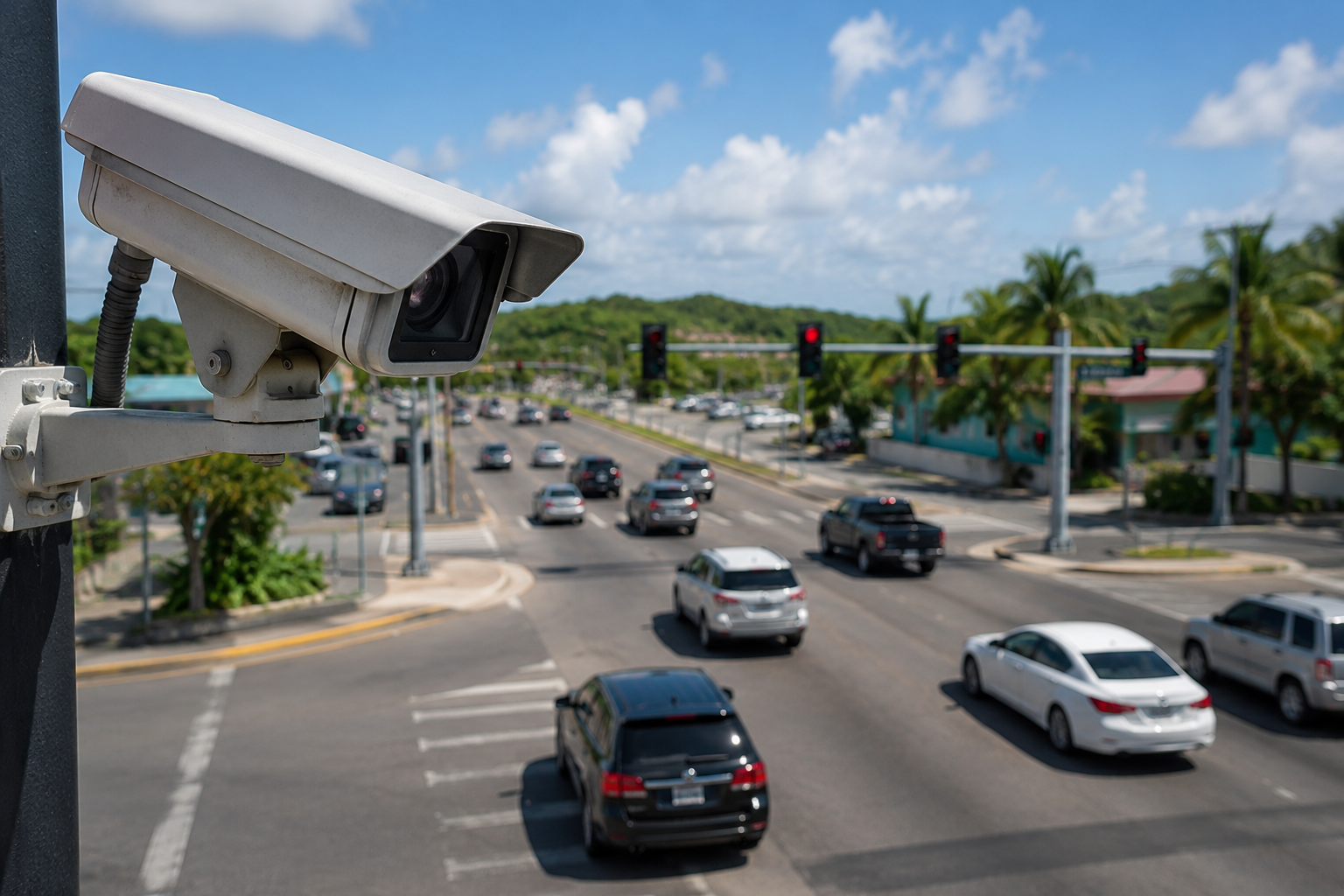
    The twin-island nation of Antigua and Barbuda is exploring a notable expansion of its ongoing national closed-circuit television (CCTV) surveillance initiative, with officials floating the idea of integrating automated traffic enforcement into the existing network. However, government representatives have made clear that multiple critical hurdles — including required updates to national legislation and the development of supporting digital infrastructure — must be addressed before the new camera system can be used to issue official traffic citations to violating motorists.

    The prospect of adopting automated speed and red-light ticketing, a system already in use across dozens of countries worldwide, was brought to public attention during the weekly post-Cabinet media briefing held this Thursday. Communications Director General Maurice Merchant fielded questions from reporters on whether the administration had evaluated the automated enforcement models successfully deployed in other jurisdictions, opening the door to formal discussions of the policy.

    Merchant confirmed that the proposal to add traffic enforcement capabilities to the national CCTV network is currently under active review by government officials, but emphasized that the country has not yet completed the groundwork necessary to launch the program. Beyond technical and regulatory changes, he noted, policymakers are also confronting practical challenges that come with introducing this new form of enforcement. These obstacles include building public acceptance for the expanded surveillance use, as well as establishing the full back-end administrative systems required to process citations and manage cases efficiently.

    One core technical requirement that must be fulfilled before implementation, Merchant explained, is the creation of a comprehensive, fully functional national vehicle database. This system would need to reliably track registered vehicle owners and store time-stamped camera evidence that meets legal standards for supporting traffic enforcement actions in court. Without this foundational infrastructure, the government cannot move forward with issuing ticketing based on camera footage.

    On the regulatory side, Merchant added that amendments to Antigua and Barbuda’s existing body of traffic and surveillance legislation will almost certainly be required. Currently, national law does not allow police to issue formal traffic tickets based solely on CCTV evidence without an officer stopping a motorist directly at the time of the violation. To resolve this legal gap, Merchant pointed to a proven regulatory model already in place in the country’s Development Control Authority legislation. Under that framework, official notices are considered legally valid and served as long as there is documented proof of delivery, even if the intended recipient disputes that they actually received the notice. A parallel regulatory structure could be adapted to govern automated traffic citations, Merchant suggested, creating the legal standing needed for camera-issued tickets.

    This discussion of expanded surveillance capabilities comes as the Antigua and Barbuda government continues the phased rollout of its original national CCTV program. During this week’s Cabinet meeting, officials received an update confirming that 42 high-priority strategic locations across both Antigua and Barbuda have been selected for the installation of new high-definition security cameras. The full installation process is projected to be completed by the final week of August. Once operational, the new cameras will primarily serve to strengthen national crime prevention efforts, and will be fully integrated into the Royal Police Force of Antigua and Barbuda’s existing public surveillance network.

  • Antigua and Barbuda Steps Up Census Drive, Seeks 300 Workers

    Antigua and Barbuda Steps Up Census Drive, Seeks 300 Workers

    The 2025 Population and Housing Census in Antigua and Barbuda is moving into an accelerated implementation phase, with national authorities stepping up coordinated efforts to deliver a complete, timely count of the country’s population and housing stock. A core part of this acceleration drive is an open recruitment drive for 300 additional field enumerators to support the nationwide data collection effort.

    The Census Department, which oversees the national initiative, has made application simple and accessible for all interested candidates: prospective workers can apply either by scanning a QR code published on the official census recruitment flyer or by accessing the dedicated application link posted to the department’s official census platforms. For individuals seeking additional details on role requirements, compensation, or application timelines, the department has also set up a dedicated information hotline at 562-7495.

    First launched late last year under the unifying theme “Mapping the Present, Shaping the Future,” the census operation is set to intensify significantly in the coming weeks. Officials are preparing to roll out a broad national public awareness campaign, which will be scaled up to reach maximum audiences during the upcoming Carnival season, when large gatherings and community events create unique outreach opportunities.

    The multi-channel media outreach initiative is designed to clear up common public confusion, explain the core purpose of the decennial (regular national) count, outline the responsibilities of field enumerators, and inform households of what to expect when census workers visit their residences. Officials stressed that widespread public understanding is a key foundation for a complete and accurate count.

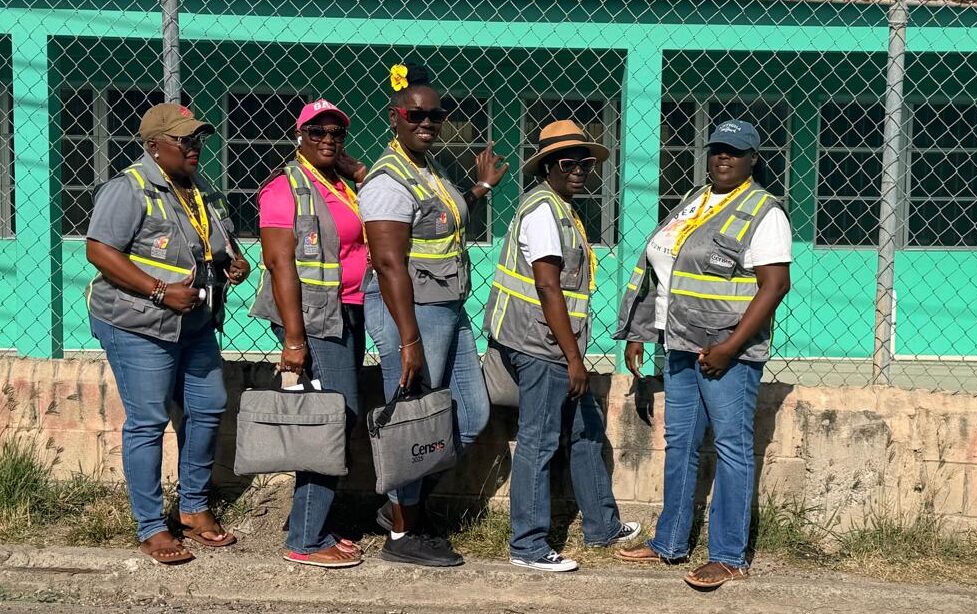
    To help residents verify legitimate census workers and avoid potential security risks, authorities have outlined clear identification protocols: all authorized enumerators will wear official census uniforms, carry a valid photo ID card issued directly by the Census Department, and present a formal letter of authorization for their work. Officials are urging all residents to verify these credentials before granting access, and to cooperate fully with enumerators once they confirm the worker’s legitimacy.

    Addressing widespread public concerns about data privacy, the Census Department has reaffirmed that all individual information collected during the census will remain strictly confidential. All personal data will be used exclusively for aggregate statistical analysis, and will not be shared with any other government agencies or third parties for regulatory, tax, or legal purposes.

    Aggregated census data plays a foundational role in evidence-based national development planning, from the expansion of primary school access and public healthcare facilities to the development of transportation infrastructure, the design of targeted employment initiatives, and the expansion of other essential public services across Antigua and Barbuda. By highlighting the tangible impact of accurate census data on daily life, authorities are working to boost participation rates across all communities.

    As the counting phase gets underway, officials are stressing that every household has a critical role to play in the success of the initiative. A full, accurate count is the only way to ensure that Antigua and Barbuda’s long-term development plans truly align with the evolving needs of its population, they said.

  • Antigua Yacht Club to host the 2026 Caribbean Sailing Association AGM & Conference

    Antigua Yacht Club to host the 2026 Caribbean Sailing Association AGM & Conference

    The Antigua Yacht Club has been officially selected as the host venue for the 2026 Annual General Meeting (AGM) and Conference of the Caribbean Sailing Association (CSA), marking a major milestone for regional sailing collaboration and tourism in the Eastern Caribbean.

    The announcement, made by CSA leadership earlier this month, highlights Antigua’s longstanding reputation as a premier sailing destination in the Caribbean. With its deep-water harbors, world-class regatta infrastructure, and decades of experience hosting international sailing events, the Antigua Yacht Club emerged as the top candidate among several competing venues across the region.

    Industry insiders note that the 2026 gathering will bring together over 150 sailing association representatives, club managers, marine industry stakeholders, and competitive sailing coaches from more than 20 Caribbean island nations. Attendees will participate in a three-day program that includes strategic planning sessions for CSA, workshops on sustainable marine tourism development, discussions on youth sailing development programs, and updates to regional racing regulations for both amateur and professional competitions.

    Local tourism officials have praised the decision, emphasizing that the event will generate significant economic benefits for Antigua’s hospitality and marine sectors. In addition to direct spending on accommodations, venue rentals, and local services, the conference will also boost the island’s global profile as a top yachting destination, attracting more leisure sailors and competitive event organizers in the years leading up to 2026.

    CSA officials added that the selection aligns with the association’s ongoing goal of expanding sailing access across the Caribbean and strengthening collaboration between member clubs. The Antigua Yacht Club’s commitment to upgrading event facilities and supporting youth sailing initiatives was cited as a key factor in the final hosting decision.

  • All Saints West Career Fair to Connect Youth With Training and Job Opportunities

    All Saints West Career Fair to Connect Youth With Training and Job Opportunities

    Young people across All Saints West are set to gain unmatched access to personalized career guidance and diverse training opportunities at a no-cost community career fair scheduled for this Sunday, July 19. Organized to address growing youth interest in clear professional development pathways, the event will operate from 10 a.m. to 6 p.m. at the open-air parking lot directly opposite the All Saints West Branch Office in the heart of All Saints Village, offering ample space for one-on-one networking and interactive demonstrations.

    Unlike generic job events, this fair brings together a cross-border roster of experienced guest presenters hailing from Antigua and Barbuda, the United States, and Canada. This international lineup ensures attendees can connect with professionals from a wide range of industry backgrounds, gaining insights that go beyond local market perspectives. For participants, the day will include opportunities to hold direct conversations with established industry experts, get tailored advice aligned with their personal skills and interests, and map out long-term education and training plans that fit their career goals.

    The event is designed to highlight both skilled trades and white-collar professional pathways, ensuring there is relevant information for every young person regardless of their interests. Skilled technical sectors that will be featured include plumbing, electrical installation and maintenance, heavy machinery operation, barbering, cosmetology, fashion design, custom dressmaking, and construction design – all fields with consistent demand for new trained workers across the region. For those leaning toward academic professional paths, representatives will also be on hand to share details about careers in accounting, law, general medicine, and nursing. To further support attendees as they enter the job market, the fair will also include dedicated sessions and one-on-one guidance on crafting competitive résumés and building confidence for job interviews.

    Harold Lovell, the lead organizer of the fair, emphasized that the event fills a critical gap in local youth development. “This is a great mentorship opportunity for the youth in All Saints West,” Lovell noted, highlighting that the free access removes financial barriers that often prevent young people from accessing these valuable resources. Both registration for the event and general admission are completely free for all attendees, making the opportunity open to any young person looking to explore their next step. For those seeking additional details ahead of the event, organizers can be reached directly: Barbara Coates is available at 727-8617, and Collie Stevenson can be contacted at 774-6513.

  • Antigua and Barbuda Participates in Community Resilience Regional Conference

    Antigua and Barbuda Participates in Community Resilience Regional Conference

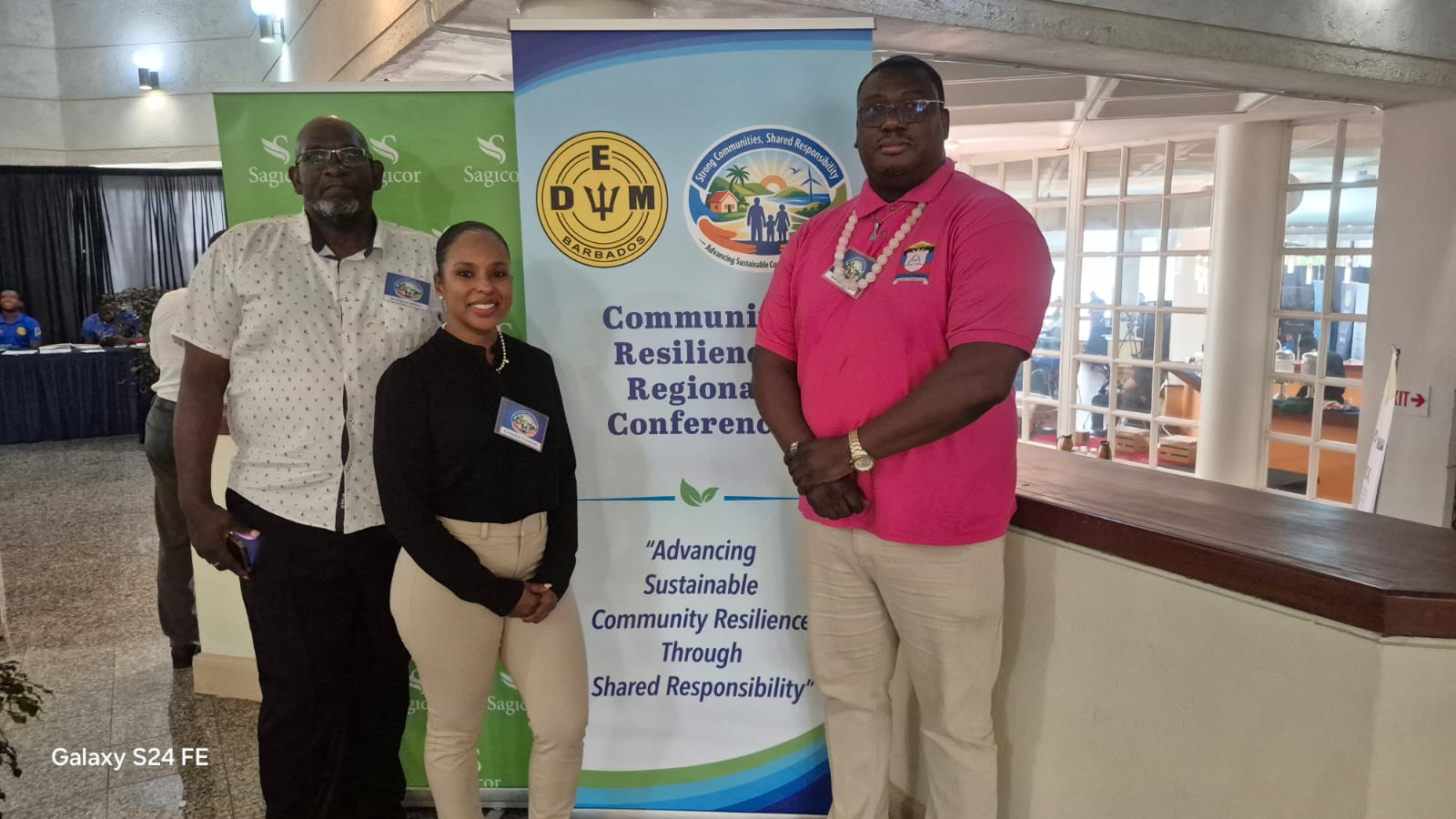
    The second annual Community Resilience Regional Conference kicked off on July 15 in Barbados, gathering stakeholders from across the Caribbean to advance collective action on climate and disaster preparedness under the central theme “Advancing Sustainable Community Resilience through Shared Responsibility”.

    A three-person delegation from Antigua and Barbuda is representing the dual-island nation at the three-day event, led by Sherrod James, Director of Antigua and Barbuda’s National Office of Disaster Services (NODS). James was selected to sit on the conference’s high-level expert panel, where he contributes insights on national disaster management frameworks alongside other senior regional leaders. Joining James on the delegation are Marcus Scott, District Disaster Coordinator for St. John’s City South, and Kimbalie Constant, Strategic Operations and Project Implementation Manager for the Social Policy Unit within Antigua and Barbuda’s Ministry of Social Transformation.

    Unlike many theoretical policy summits, this year’s conference is designed as an action-focused platform that brings together a diverse cross-section of resilience stakeholders. Attendees include disaster management officials from all CARICOM member states, representatives from leading regional institutions, grassroots community leaders, youth delegates, and international development partners. The core agenda centers on collaborative strategies to build more robust, adaptive communities capable of withstanding growing climate and disaster threats across the Caribbean region, a geographic area disproportionately impacted by climate-driven extreme weather events.

    The conference is backed by a coalition of funding and institutional partners, including the European Union, the Caribbean Disaster Emergency Management Agency (CDEMA) through its Building Resilience of the CARIFORUM States to Disaster Risks and Climate Change Impacts (BRICS) project, financial services firm Sagicor, and the government of Barbados. This multi-stakeholder support underscores the broad consensus around the urgent need for coordinated regional action to strengthen community-level resilience amid escalating climate risks.