标签: Antigua and Barbuda

安提瓜和巴布达

  • CXC Details Reformed SBA Framework for CSEC and CAPE Subjects

    CXC Details Reformed SBA Framework for CSEC and CAPE Subjects

    The Caribbean Examinations Council (CXC), the regional governing body that oversees secondary and post-secondary credentialing across the Caribbean, has released comprehensive new details outlining a major overhaul of its School-Based Assessment (SBA) framework for two of its core certification programs: the Caribbean Secondary Education Certificate (CSEC) and the Caribbean Advanced Proficiency Examination (CAPE).

    Under the newly restructured assessment system, all CSEC and CAPE subjects have been sorted into three distinct classification groups based on how internal school-based evaluation will be structured moving forward. The first group consists of subjects that will keep their existing SBA model unchanged, preserving the current balance of in-school assessment and external examinations. For the second group, the SBA component will be expanded significantly, and the separate Alternative Paper 032 — a previous alternative assessment option for private candidates and institutions unable to complete full SBA requirements — will be phased out entirely. The third and final group will eliminate traditional SBA altogether, relying exclusively on the Alternative Paper 032 to measure student competency.

    To bring full transparency to these changes, CXC has published public classification tables that clearly label which subjects fall into each of the three categories. The council has also urged students, classroom teachers, school administrators, parents, and other education stakeholders to review the organization’s updated frequently asked questions (FAQ) resource, which offers a granular breakdown of how the reforms will affect different stakeholders, implementation timelines, and answers to common concerns.

    In a statement accompanying the release of the new framework details, CXC emphasized that these sweeping reforms are not arbitrary changes, but a deliberate step aligned with the organization’s long-standing core mission. The reforms are designed to ensure that CXC-issued qualifications truly capture the full scope of a student’s knowledge, practical skills, and authentic academic achievement, all while upholding the strict standards of integrity and educational excellence that the regional examining body has built its reputation on over decades of operation.

  • We have the tools to eliminate HIV, but gaps in access and coverage remain, says PAHO

    We have the tools to eliminate HIV, but gaps in access and coverage remain, says PAHO

    At the opening session of the 2026 International AIDS Conference (AIDS 2026), Pan American Health Organization (PAHO) Director Jarbas Barbosa delivered a landmark address that balanced celebration of past progress against HIV with a urgent call to address persistent gaps in access to life-saving care across the Region of the Americas.

    Barbosa opened by noting a historic turning point in the global fight against HIV: the Americas now holds more advanced tools for prevention, diagnosis, and treatment than at any other point in history. These innovations range from oral pre-exposure prophylaxis (PrEP) and long-acting injectable PrEP to rapid diagnostic tests and at-home HIV self-testing. To move closer to eliminating HIV as a public health crisis, Barbosa emphasized that expanding broad, equitable access to these tools—paired with investments in early detection and timely treatment initiation—will be non-negotiable.

    The PAHO chief pointed to the region’s long track record of delivering on ambitious public health goals as a foundation for this next chapter of work. Through cross-border collaboration, reliance on scientific evidence, and investment in resilient primary health systems, the Americas has already eliminated polio and rubella, and multiple nations have successfully ended mother-to-child transmission of HIV. These achievements, he argued, prove that coordinated action can deliver transformative results.

    Notably, Barbosa highlighted that Latin America and the Caribbean currently funds 92% of all HIV response investments through domestic resources—one of the highest shares of domestic financing for HIV programs anywhere in the world. This statistic, he emphasized, reflects the region’s unwavering long-term commitment to confronting the HIV epidemic.

    “The question before us is no longer whether we have the tools to end HIV as a public health threat. We do,” Barbosa stated. “The question is whether we can ensure that those tools reach everyone who needs them, regardless of where they live, who they are, or the circumstances they face. Innovation only changes lives when people can access it.”

    Recent public health data underscores how far the region has already come: between 2010 and 2025, AIDS-related deaths across Latin America and the Caribbean dropped by 46%. In 2024 alone, widespread access to antiretroviral treatment prevented an estimated 117,000 fatalities linked to AIDS. Access to PrEP has also grown exponentially, surging from just 35,000 people accessing the prevention tool in 2020 to more than 326,000 in 2025.

    Despite these impressive gains, critical gaps in access and coverage continue to undermine progress. Roughly one in three new HIV diagnoses are still made at a late stage of infection, and nearly 900,000 people living with HIV across Latin America and the Caribbean are not receiving ongoing life-saving treatment. Late diagnosis, delayed treatment initiation, and challenges retaining patients in care all contribute to preventable deaths, and fuel the burden of co-infections such as tuberculosis— which remains the leading cause of death for people living with advanced HIV disease. Reducing HIV-related mortality and addressing advanced HIV disease are core priorities for PAHO at AIDS 2026.

    Against this backdrop, PAHO used the conference’s opening to unveil two new regional initiatives designed to accelerate progress toward HIV elimination by 2030. The first is the Alliance for HIV Elimination in the Americas, a new cross-sector regional platform that will bring together governments, local community groups, international organizations, academic institutions, development partners, and private sector stakeholders to strengthen coordinated action. The Alliance is integrated into PAHO’s broader Disease Elimination Initiative, with core goals of boosting political leadership for HIV response, expanding equitable access to life-saving innovations, and promoting sustainable long-term investment to speed elimination across the region.

    The second new initiative is the Path to HIV Elimination in the Americas, an evidence-based strategic framework that will support individual countries to track their progress toward elimination targets, identify unaddressed gaps in access and care, and document achievements along the way.

    “If we maintain political commitment, protect the investments already made, and place equity at the center of every decision, ending HIV as a public health threat will be within our reach,” Barbosa said. “No country will achieve this goal alone.”

    Barbosa also warned that ongoing risks threaten to reverse decades of hard-won progress, including growing financial pressures, shifting global political priorities, and deep-rooted systemic inequalities that leave marginalized communities behind. He reiterated that achieving elimination will require sustained investment in people-centered health systems, expanded access to PrEP and other new prevention and treatment tools, integrated service delivery that combines HIV care with treatment for tuberculosis, viral hepatitis, and other sexually transmitted infections, coordinated community-led action to reduce HIV-related stigma and discrimination, and continued support for the domestic investments that have driven steady progress to date.

    Over the course of AIDS 2026, PAHO will advance these priorities through a full schedule of high-level events focused on HIV elimination, advancing care for advanced HIV disease, and expanding equitable access to innovative prevention, diagnostic, and treatment tools across the region.

  • Antigua and Barbuda Advances Next Phase of Mental Health Reform with PAHO/WHO Technical Mission

    Antigua and Barbuda Advances Next Phase of Mental Health Reform with PAHO/WHO Technical Mission

    Against a growing global recognition of mental health as a core component of public well-being, the Government of Antigua and Barbuda has kicked off a critical five-day technical collaboration mission with the Pan American Health Organization/World Health Organization (PAHO/WHO), marking a key milestone in the island nation’s ongoing effort to overhaul and strengthen its national mental health services.

    Running from July 27 to 31, the mission brings together a cross-functional group of stakeholders: senior officials from Antigua and Barbuda’s Ministry of Health, Wellness, Environment and Civil Service Affairs, practicing mental health clinicians, community health outreach representatives, and three seasoned PAHO/WHO technical experts—Dr. Soumitra Pathare, Dr. Claudina Cayetano, and Ms. Sonali Kumar. Over the course of the week, the group will conduct a comprehensive review of progress made across the past 12 months of reform work, and map out targeted, actionable next steps to build a more modern, person-first, community-rooted mental health system.

    This mission is not an isolated initiative: it sits at the center of the Ministry of Health’s broader Mental Health Service Reorganization Plan, a long-term strategy designed to expand access to high-quality mental healthcare while ensuring people can receive timely, appropriate support close to their homes. A core pillar of this reorganization is a systemic shift away from institution-centric care toward expanded community-based services. The plan aims to boost continuity of care for people living with mental health conditions, improve the speed and effectiveness of crisis response, and strengthen integrated connections between acute hospital care, primary care providers, and local community support networks.

    Over the past year of partnership between the Ministry and PAHO/WHO, the reform effort has already delivered tangible, foundational progress. Key achievements to date include better aligned coordination between hospital and community mental health services, expanded mental health consultation capacity at the Sir Lester Bird Medical Centre, refined referral and discharge planning protocols, upgraded clinical documentation systems, and ongoing work to update and modernize Antigua and Barbuda’s outdated national mental health legislation. These cumulative gains have laid a solid baseline to build on for the next, more ambitious phase of system transformation.

    Throughout the five-day mission, participants will take part in a structured program of strategic leadership meetings, hands-on technical workshops, and on-site visits to existing mental health facilities. The agenda focuses on identifying unaddressed gaps in current service delivery, co-developing practical, context-appropriate solutions to persistent challenges, and drafting a clear roadmap of actionable steps to further strengthen care. Additional discussion topics include expanding and upskilling the national mental health workforce, building sustainable community partnerships, refining crisis intervention protocols, advancing social inclusion for people living with mental health conditions, and fostering cross-sector collaboration between health, education, and social services agencies to deliver more coordinated, holistic care.

    Hon. Michael Joseph, Minister of Health, Wellness, Environment and Civil Service Affairs, emphasized that the technical mission underscores the current administration’s unwavering commitment to advancing long-term, systemic mental health reform. “Mental health is an essential part of overall health and well-being, and strengthening mental health services remains a top priority for this Government,” Joseph stated. “We recognize that building a modern mental health system requires more than incremental improvements to existing services. It requires a coordinated, people-centred approach and a fundamental shift in how we understand, respond to and support people living with mental health conditions.”

    Joseph added that the long-running partnership with PAHO/WHO has been instrumental in turning the government’s vision for reform into actionable progress: “Through our continued partnership with PAHO/WHO, we are advancing this vision while working to ensure that every individual has access to compassionate, high-quality care. The discussions and technical collaboration taking place this week will help shape the next phase of that transformation as we continue building a stronger, more integrated and responsive mental health system for the people of Antigua and Barbuda.”

    At the conclusion of the mission, the PAHO/WHO team will deliver a set of targeted, evidence-based recommendations to guide the next phase of reform. The Ministry of Health has already expressed its gratitude to PAHO/WHO for its ongoing technical support, and reaffirmed its commitment to working collaboratively with clinicians, community partners, and all relevant stakeholders to implement the mission’s outcomes. These recommendations are expected to shape policy and service delivery changes that will improve mental health outcomes for communities across Antigua and Barbuda for years to come.

  • Antigua and Barbuda Reaffirms Commitment to 30×30 Biodiversity Goals

    Antigua and Barbuda Reaffirms Commitment to 30×30 Biodiversity Goals

    As global efforts to safeguard planetary biodiversity gain increasing momentum, the twin-island nation of Antigua and Barbuda has stood firm in its pledge to deliver on the world’s landmark 30×30 conservation goal — an ambitious initiative designed to protect and sustainably manage at least 30 percent of the planet’s terrestrial and marine ecosystems by the end of the decade.

    In a high-level meeting this week, the country’s top environmental leadership welcomed a visiting delegation from the Campaign for Nature, a global coalition dedicated to advancing coordinated conservation action around the world. Representing Antigua and Barbuda were the Honourable Michael Joseph, Minister with oversight for the environment portfolio, and Ruleta Camacho Thomas, Acting Director of the national Department of Environment. The Campaign for Nature delegation brought together a roster of experienced global leaders: Michael David Rann AC CNZM, former Premier and Climate Change Minister of South Australia and a former Australian senior diplomat; Senator Russ Feingold, one-time United States Senator, former U.S. Special Envoy, and current Chair of the Campaign for Nature Global Steering Committee; and Alice Jay, the coalition’s International Director.

    During the talks, the Campaign for Nature delegation publicly praised Antigua and Barbuda’s longstanding role as a global climate advocate and a leading voice for Small Island Developing States (SIDS), a group of nations that face disproportionate climate and biodiversity risks despite contributing minimally to global emissions. The coalition also emphasized its expectation that the Caribbean nation will continue to steer global progress on biodiversity conservation in the lead-up to 2030.

    Minister Joseph used the meeting to once again cement Antigua and Barbuda’s formal commitment to the 30×30 target, while drawing attention to the mounting threats eroding the country’s unique ecosystems and native wildlife. Climate change, he noted, has emerged as one of the most severe stressors, intensifying coastal erosion, ocean acidification, and habitat loss across the nation’s land and seascapes. To effectively meet conservation goals, he argued, long-term, sustained, and programmatic financial investment is non-negotiable: such funding would strengthen the management of existing protected areas and help the country build greater ecological resilience in the face of ongoing climate disruption.

    Beyond financing, Joseph stressed that successful conservation cannot separate human communities from nature management. He emphasized that healthy ecosystems are not just environmental priorities — they are foundational to local livelihoods, community well-being, and long-term resilient economic prosperity for the people of Antigua and Barbuda. Any effective 30×30 strategy, he argued, must center this interconnectedness and recognize the intrinsic and practical value of intact ecosystems for resident populations.

    By the end of the discussion, both sides reaffirmed shared alignment on a people-centered approach to the 30×30 target. For Antigua and Barbuda, the outcome of the meeting reinforces a national vision that balances robust nature protection with improved community resilience and equitable, long-lasting benefits for all citizens.

  • More Than 800 Food Handlers Trained Ahead of Antigua Carnival

    More Than 800 Food Handlers Trained Ahead of Antigua Carnival

    As one of the most anticipated annual festivities in Antigua approaches, the nation’s Central Board of Health is implementing comprehensive pre-event public health measures to slash the risk of foodborne disease outbreaks, with more than 800 food industry workers already completing mandatory food safety certification. Starting from May this year, the public health agency has carried out structured training sessions for roughly 840 people, a large portion of whom are street vendors and food sellers that will operate throughout the Carnival season. The most recent training workshop wrapped up on Thursday, and health officials have noted a marked uptick in participation compared to past years, as more food handlers recognize the importance of official certification to work legally during the celebrations.

    Julienne Mannix-Galloway, Principal Public Health Inspector at the Central Board of Health, explained that the early start to the training schedule was a deliberate decision. It gives all food-handling personnel enough time to complete the full curriculum, absorb key safety practices, and meet all regulatory requirements to operate during Carnival. The training curriculum is focused on core food safety pillars: proper environmental sanitation, consistent personal hygiene for food preparers, and temperature control for perishable food items. Vendors received clear guidance on maintaining hot dishes at serving temperatures and keeping cold items refrigerated appropriately, a critical step to stopping harmful bacterial contamination that causes food poisoning.

    Beyond temperature rules, training participants also received repeated reminders about regular handwashing throughout food preparation and service, as well as requirements to wear clean work clothing at all times. The programme also included a dedicated module on correct waste management, specifically the disposal of used cooking oil. Mannix-Galloway issued a clear warning to vendors against pouring waste oil into street gutters, noting that pooled oil creates unsanitary conditions that attract rodent and cockroach infestations. Instead, she instructed vendors to store used cooking oil in its original sealed containers and transport it to the official sanitary landfill for proper disposal.

    Alongside pre-event food safety training, the Central Board of Health has put in place post-event cleaning protocols to keep celebration venues sanitary throughout the Carnival schedule. Around 10 dedicated cleaning crews have been deployed to clear Carnival City and adjacent surrounding streets of waste immediately after each major Carnival event. Mannix-Galloway shared that crews started cleaning work early on the Sunday following the Carnival’s Opening Parade and T-Shirt Mas, systematically clearing all discarded materials from Carnival City and its neighboring areas to restore sanitary conditions before the next event.

    The agency also took part in the Opening Parade itself, launching an educational public awareness float focused on vector control. The float carried the theme “Don’t Let Mosquitoes Join the Carnival Celebration,” designed to educate attendees and residents about the importance of mosquito bite prevention and mosquito population control to reduce the spread of mosquito-borne diseases during the large outdoor gathering.

  • Eight Steel Orchestras to Compete in State Insurance Panorama 2026

    Eight Steel Orchestras to Compete in State Insurance Panorama 2026

    The highly anticipated 2026 State Insurance Panorama, a cornerstone competition of Antigua Carnival 2026, is set to welcome eight top steel orchestras to Carnival City on Saturday, August 1, as they vie for the coveted national title.

    Organized under this year’s Carnival theme “Feel the Rhythm,” the Antigua and Barbuda Festivals Commission has now published the full official performance order for the event, offering steelpan fans a first look at what to expect from the night’s lineup. Kicking off the competition will be Harmonites Steel Orchestra, who will take the stage first to perform a rendition of King Swallow’s iconic 1988 classic “Fire in De Back Seat,” arranged by Aubrey “Lacu” Samuel. Closing out the evening of competition will be Halcyon Steel Orchestra, set to deliver a take on Ricardo Drue’s recent hit “Bet,” arranged by Lorenzo Hodge.

    A standout feature of this year’s repertoire is the wide span of Antiguan and Barbudan musical history it covers, stretching nearly 40 full years from King Swallow’s 1988 release to Claudette “CP” Peters’ brand new 2026 track “Pan Man Play,” which will be performed by two competing groups. This year’s event also highlights the growing diversity of voices in the steelpan community: Dr. Zahra Lake, arranger and captain of Pandemonium Steel Orchestra, makes history as the only woman holding both leadership roles across all eight participating groups this year. Another key contributor behind the scenes is noted instrument tuner and builder Veron Henry, who has prepared steelpans for six of the eight competing orchestras.

    Cleofoster Harris, deputy director of the Antigua and Barbuda Festivals Commission, emphasized the unique significance of the annual Panorama event to the nation’s cultural calendar. “Panorama is the one night in the Carnival calendar where the country hears what a full year of work inside a panyard actually sounds like,” Harris explained. Beyond the on-stage performances, the Festivals Commission extended public recognition to every person involved in bringing the competition to life, from lead musicians and arrangers to instrument technicians, captains, and volunteer support teams, thanking them for their year-round dedication to safeguarding and growing Antigua and Barbuda’s beloved steelpan artistic tradition.

    The full official performance order for the 2026 State Insurance Panorama is as follows: 1. Harmonites Steel Orchestra performing “Fire in De Back Seat” by King Swallow; 2. West Side Symphony performing “Stand Up for Antigua” by King Onyan; 3. Panache Steel Orchestra performing “Pan Man Play” by Claudette “CP” Peters; 4. Original Steel Orchestra performing “Pan Man Play” by Claudette “CP” Peters; 5. West Indies Oil Company Gemonites Steel Orchestra performing “Bet” by Ricardo Drue; 6. Pandemonium Steel Orchestra performing “Mad Mad Mad” by Claudette “CP” Peters; 7. Caribbean Union Bank Hells Gate Steel Orchestra performing “Bet” by Ricardo Drue; 8. Halcyon Steel Orchestra performing “Bet” by Ricardo Drue.

    For attendees planning to attend the event, tickets are priced at EC$40, and are currently available for purchase at official ticket outlets across Antigua and Barbuda, as well as through the official event Ticketing App. The full 2026 Antigua Carnival celebration runs from July 25 to August 4, with Panorama marking one of the festival’s most high-profile annual events.

  • Sir McChesney George Student Joins Junior Chef Academy Internship at Galley Bay Resort

    Sir McChesney George Student Joins Junior Chef Academy Internship at Galley Bay Resort

    A young culinary talent from Antigua and Barbuda has earned a coveted spot in one of the region’s most promising youth hospitality training programs, marking a key step forward for the 2026 iteration of the Taste of Wadadli Junior Chef Academy.

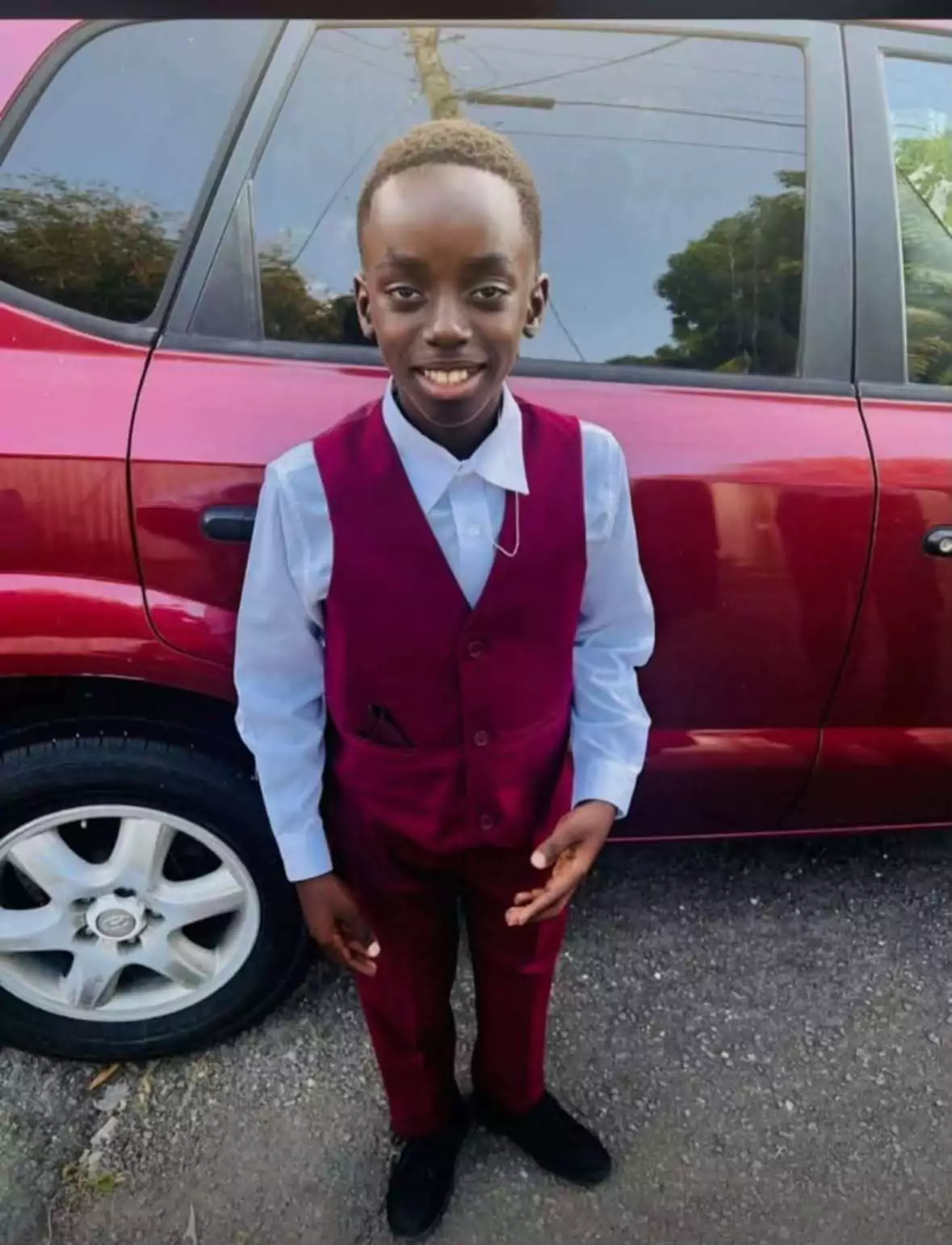
    Justine Griffin, a student at Sir McChesney George Secondary School, has been officially introduced as the eighth participant selected for the academy. Over the coming five weeks, she will complete a structured culinary internship at the acclaimed Galley Bay Resort and Spa, where she will work directly under the mentorship of the resort’s experienced Executive Chef Guven Uyanik.

    The internship period is scheduled to run from July 13 through August 21, giving Griffin more than a month of immersive, on-the-job learning in a fast-paced professional kitchen environment. During this time, she will not only refine her existing cooking techniques but also gain first-hand insight into kitchen operations, food safety standards, and customer service that can only be learned through hands-on practice, all while receiving guidance from seasoned culinary and hospitality professionals.

    The program will wrap up with a high-stakes showcase of the participants’ newly honed skills: a public cook-off competition set to take place between August 25 and 28. This competitive event will be followed by an official closing ceremony on September 3, where achievements will be celebrated and awards will be presented.

    At the end of the entire program, one standout participant will be crowned the academy’s Top Junior Chef. This title comes with a once-in-a-lifetime opportunity: the winner will earn the right to represent Antigua and Barbuda at the 2027 Junior Lit’l Chef Camp hosted in the Turks and Caicos Islands. This international opportunity is made possible through a collaborative partnership between the academy’s organizers and the Turks and Caicos Hotel and Tourism Association.

    Program organizers have emphasized that the core mission of the Taste of Wadadli Junior Chef Academy extends far beyond a single cooking competition. The initiative was created specifically to identify and nurture emerging young culinary talent from local secondary schools, giving participating students access to structured practical training that is rarely available to young learners outside of post-secondary education. It also exposes students to the wide range of career pathways available in the thriving hospitality and tourism sector, a core pillar of Antigua and Barbuda’s national economy.

    The 2026 edition of the Taste of Wadadli Junior Chef Academy is jointly presented by three supporting partners: the Antigua and Barbuda Hotels and Tourism Association, the Ted Isaac Family, and Global Ports Holding, which operates Antigua Cruise Port.

  • MP Congratulates Xclusive Ballaz on Gray’s Green Community League Triumph

    MP Congratulates Xclusive Ballaz on Gray’s Green Community League Triumph

    In a feel-good moment for grassroots football in the region, a sitting Member of Parliament has extended formal congratulations to Xclusive Ballaz, the underdog squad that claimed the top prize at this year’s Gray’s Green Community League.

    The annual neighborhood soccer tournament, which brings together amateur teams from across the Gray’s Green surrounding area, wrapped up its final match over the weekend, with Xclusive Ballaz pulling off a hard-fought victory against a more fancied opponent to take home the trophy. The competition, now in its eighth year, has grown into a beloved local tradition, offering recreational players of all ages a platform to showcase their skills and build connections across the community.

    In a statement released following the final whistle, the MP highlighted the critical role that community-level sports play in fostering social cohesion, encouraging healthy active lifestyles, and nurturing young athletic talent. They praised the entire Xclusive Ballaz squad for their discipline, teamwork, and consistent performance throughout the tournament, noting that their journey from a relatively untested side to league champions serves as an inspiring example for other amateur athletes across the area.

    The MP also extended recognition to the tournament organizers and all participating teams for their work in making this year’s Gray’s Green Community League a success, calling attention to the volunteer effort that goes into running the annual event. Representatives of Xclusive Ballaz have said the team plans to hold a small celebration with local residents in the coming days to share their win with the community that supported them throughout the competition.

  • Catholic Diocese of St. John’s–Basseterre Mourns Death of Barbadian Priest Fr. Leonard Alfonso

    Catholic Diocese of St. John’s–Basseterre Mourns Death of Barbadian Priest Fr. Leonard Alfonso

    The Catholic community across the Eastern Caribbean is united in grief this week, after the passing of veteran Barbadian priest Fr. Leonard Alfonso, who died Monday morning at Barbados’ main public healthcare facility, Queen Elizabeth Hospital. Fr. Alfonso had been managing an ongoing illness prior to his death, bringing to a close a life dedicated to pastoral service that spanned four decades.

    Following the announcement of his death from the Diocese of Bridgetown, the neighboring Roman Catholic Diocese of St. John’s–Basseterre has issued an official statement of condolence, joining in national mourning for the beloved cleric. In the message, Bishop Robert Llanos, alongside all clergy, religious orders, and lay faithful of the St. John’s–Basseterre Diocese, extended heartfelt sympathies to the Diocese of Bridgetown and its leader, the Most Reverend Neil Scantlebury.
    The statement also directed words of comfort to Fr. Alfonso’s extended family, close friends, and all those who held him dear, as they navigate the loss of a spiritual leader and beloved community figure. Closing with a traditional Catholic prayer for the dead, the diocese wrote: “Eternal rest grant unto him, O Lord, and let perpetual light shine upon him. May he rest in peace. Amen. Our Lady, Queen of Heaven, pray for him.”

    Records from the Diocese of Bridgetown confirm Fr. Alfonso was 88 years old at the time of his passing. His four decades of priesthood represented a longstanding commitment to growing and sustaining the Catholic Church’s mission across Barbados, leaving a lasting legacy of service to local faith communities. In its message, the Diocese of St. John’s–Basseterre reaffirmed its full solidarity with the Catholic Church in Barbados throughout this period of mourning.

  • BREAKING: Tattoo Artist ‘Mongoose’ Released from Prison After Firearm Conviction

    BREAKING: Tattoo Artist ‘Mongoose’ Released from Prison After Firearm Conviction

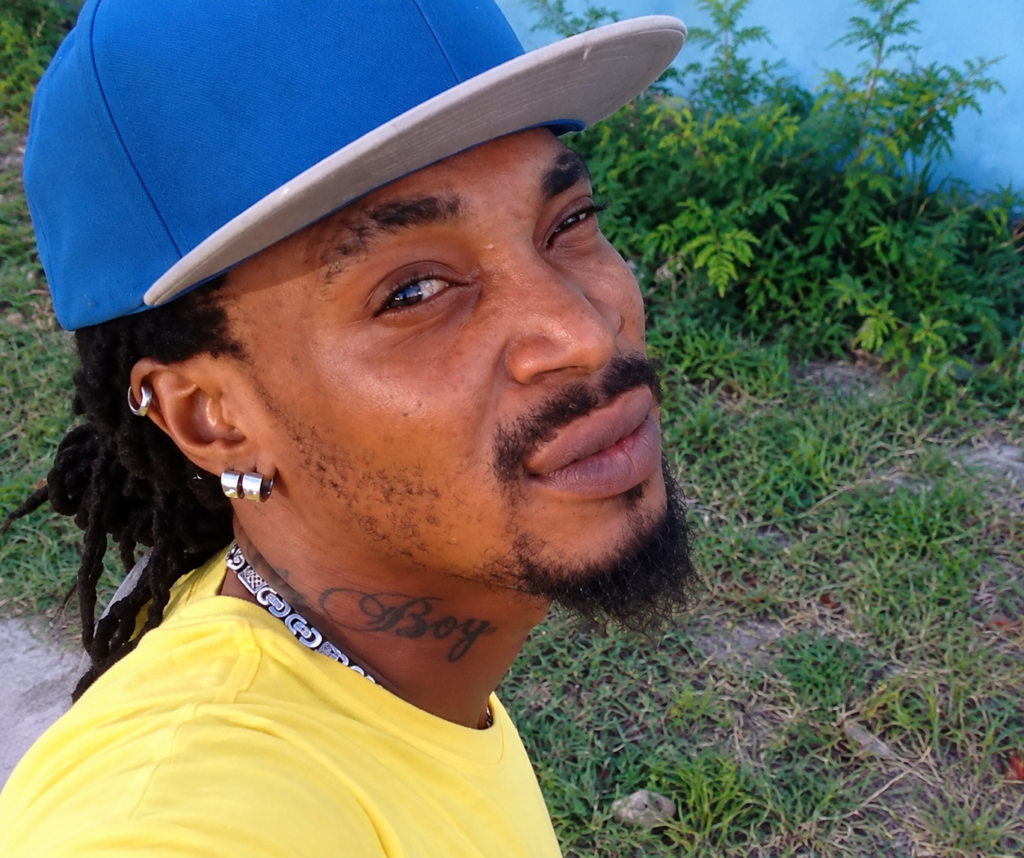
    A well-known public figure in Antigua has returned to civilian life following the completion of his prison sentence for illegal firearms charges. Oszie Kelvin Russell, a 40-year-old tattoo artist who goes by the public nickname “Mongoose,” was discharged from His Majesty’s Prison on Monday, July 27, marking the end of a legal saga that gripped public attention across Antigua and Barbuda over the past several months.

    The case that led to Russell’s imprisonment traces back to a targeted police search operation executed at his private residence in the Lightfoot neighborhood on April 22, 2025. According to official law enforcement accounts, when officers entered the property to carry out the search warrant, Russell attempted to dispose of a prohibited weapon by throwing it out of a second-floor bedroom window. Despite this attempt, law enforcement teams successfully recovered the discarded weapon shortly after the search began.

    In a court proceeding held in April 2025, Russell entered a formal guilty plea to all charges brought against him. The charges included unlawful possession of an unlicensed Glock 80 9mm handgun, 10 rounds of live ammunition matching the weapon’s caliber, and an illegal firearm suppressor, all of which were found in his possession during the search.

    Since news of Russell’s release broke, the case has remained a topic of public discussion across the twin-island nation, with local residents continuing to debate issues surrounding illegal gun possession and public security regulations in Antigua and Barbuda.