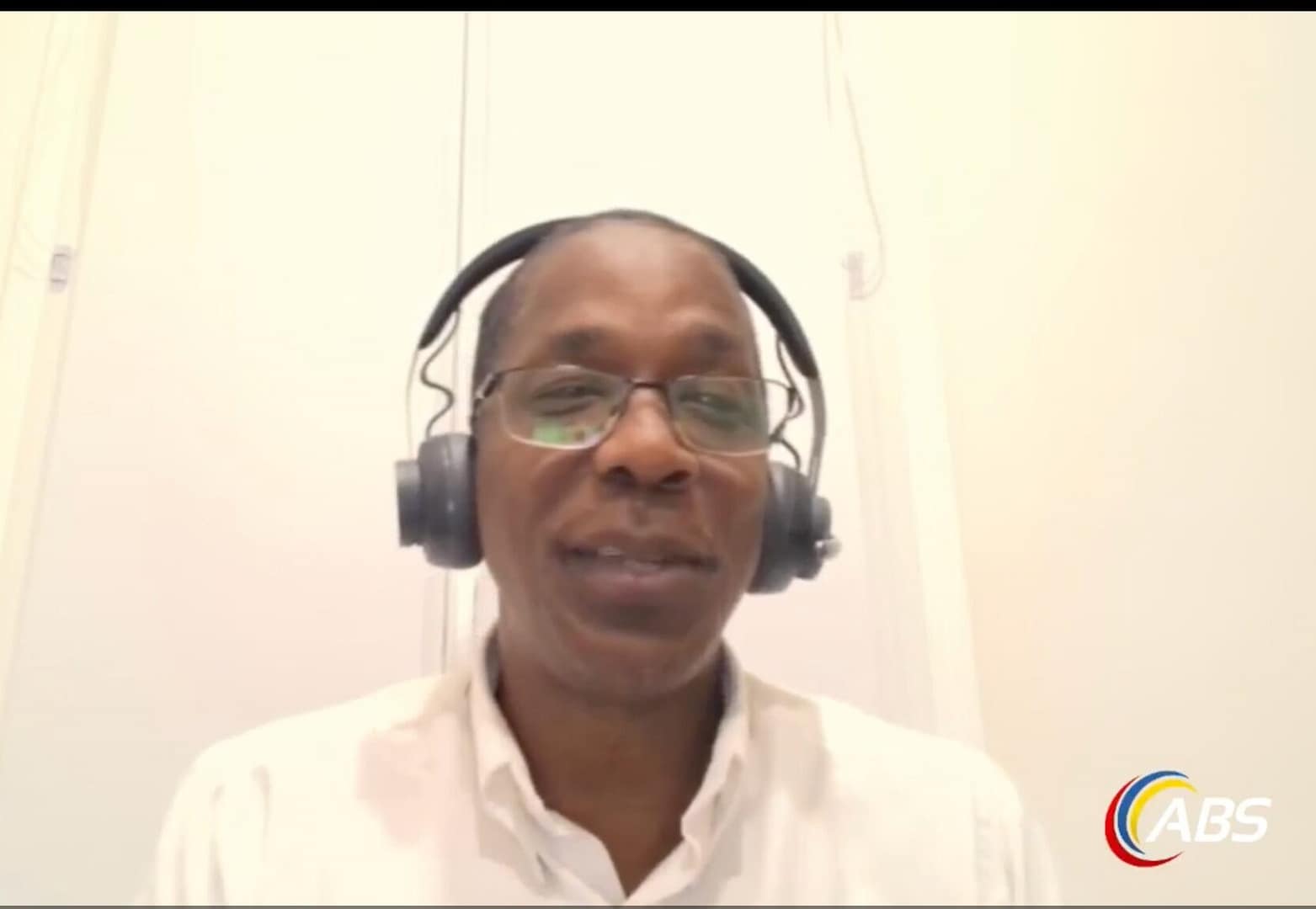
In the wake of a crushing general election defeat that left Antigua’s United Progressive Party (UPP) with just one seat in national parliament, prominent regional pollster Peter Wickham has publicly cast doubt on the long-term future of current UPP leader Jamale Pringle, arguing the party’s membership is unlikely to retain him as the face of the opposition moving forward.
Pringle, who currently serves as the official opposition leader, is the only UPP candidate to retain his parliamentary seat: he held onto his constituency of All Saints East and St. Luke, while every other UPP challenger lost their bids to the ruling party. In his detailed post-election analysis, Wickham emphasized that Pringle’s survival at the polls is a product of unique local constituency strengths, not broad national appeal or strong leadership that can unify the party ahead of the next electoral cycle. The pollster framed Pringle’s current position as opposition leader as little more than a quirk of circumstance — he is simply the “last man standing” after the election rout, not the party’s chosen candidate for long-term leadership.
Wickham pointed to a growing mismatch between Pringle’s parliamentary role and the confidence of rank-and-file UPP members, warning that this gap will likely fuel growing internal friction within the party in the coming months. “This does not mean that you are the best person to be [leader],” he noted in his analysis. To resolve this structural tension, Wickham predicts the UPP will follow a model common across other Caribbean political systems by splitting the roles of parliamentary leader and national party leader, allowing the party to install an extra-parliamentary leader to guide the organization through its rebuilding phase.
“My sense now is that I don’t believe that he will lead the UPP for much longer… I think that they will revert to a situation where they have extra-parliamentary leadership,” Wickham stated. This shift, he argued, would make clear the UPP’s lack of confidence in Pringle’s ability to rebuild the party and lead it to electoral success in future cycles, even despite voters choosing to return him to parliament. For Pringle, Wickham suggested a graceful path forward that would cement his legacy within the party: acknowledge his current limitations, actively facilitate a leadership transition, and clear the way for a younger, more energized candidate to take the reins. A move of that nature, Wickham added, would earn Pringle lasting respect from party members regardless of the outcome of the leadership debate.
The UPP now enters a critical period of organizational rebuilding following its historic election defeat, with key questions hanging over the party’s ideological direction, internal unity, and long-term leadership structure. Wickham called the unfolding situation “fascinating,” drawing parallels to past election cycles across the Caribbean where opposition parties were left with barely any parliamentary representation and were forced to completely reimagine their leadership frameworks to remain competitive.