标签: Antigua and Barbuda

安提瓜和巴布达

  • Satellite Company Joins Alliance Supporting Antigua and Barbuda’s SIDS Agenda

    Satellite Company Joins Alliance Supporting Antigua and Barbuda’s SIDS Agenda

    In a landmark move that strengthens global collaboration for sustainable development, European Earth observation satellite operator GEOSAT has made history as the first European entity to join the SDG Data Alliance — the international coalition dedicated to unlocking data-driven progress toward the United Nations Sustainable Development Goals and the Antigua & Barbuda Agenda for Small Island Developing States (SIDS).

    The formal partnership agreement, signed with the PVBLIC Foundation — the New York-based non-profit that convenes the alliance — was finalized during the high-level week of the 81st UN General Assembly in New York, marking a major step forward in connecting European space technology with the most climate-vulnerable nations on Earth.

    As a member of the alliance, GEOSAT now joins an elite network of partners working alongside the United Nations and global stakeholders to expand access to very high-resolution (VHR) satellite imagery and geospatial data across more than 3,000 islands spanning nearly 40 SIDS, the coalition’s priority focus regions. VHR technology enables the capture of imagery that can distinguish ground objects smaller than one meter, delivering the granular detail needed for precision environmental and development planning.

    Under the partnership framework, the alliance will identify national and regional leaders to spearhead on-the-ground implementation. GEOSAT will contribute raw VHR imagery, which will be transformed alongside other alliance partners into actionable intelligence that supports better policy and operational decision-making. A key innovation of the collaboration is joint procurement of satellite capabilities, a model that allows small island nations to access advanced geospatial tools that most could not afford or implement independently. These capabilities span a wide range of critical use cases, including sustainable land management, agricultural productivity planning, forest conservation, coastal erosion monitoring, and rapid emergency response to climate-driven disasters.

    GEOSAT brings decades of proven operational experience to the alliance, holding recognition from the European Commission and the Copernicus Programme as one of only five accredited VHR satellite operators in Europe. The company has a long track record of delivering satellite coverage to public and private stakeholders across the continent, with a core mission of making space-derived data accessible to communities worldwide. In a notable prior collaboration with Airbus, GEOSAT launched VHR 24, the first complete high-resolution satellite coverage of the entire European landmass. It also contributes thousands of imagery captures annually for emergency response scenarios and is an active participant in the International Charter on Space and Major Disasters.

    The new membership builds on existing work GEOSAT has already completed in SIDS regions. In 2023, the company supported the launch of the Maldives Space Research Organisation (MSRO), contributing technical expertise and data to the organization’s inaugural Goidhoo Earth Observation Pilot. The project was later selected for showcase at the UN Peace Forum held in Paris, highlighting its successful model for local sustainable development. GEOSAT has already begun developing the first two new implementation pilots as part of its SDG Data Alliance partnership.

    “Satellite images and space-based information are critical assets to support populations in climate change adaptation,” said Francisco Vilhena da Cunha, Chief Executive Officer of GEOSAT. “By joining the SDG Data Alliance, GEOSAT commits to continue working to bring space to people, leveraging local knowledge and value chains that can lead to the sustainable use of Earth Observation for social development.”

  • PM Browne Meets EU Commissioner as Caribbean Citizenship Programmes Face 2028 Deadline

    PM Browne Meets EU Commissioner as Caribbean Citizenship Programmes Face 2028 Deadline

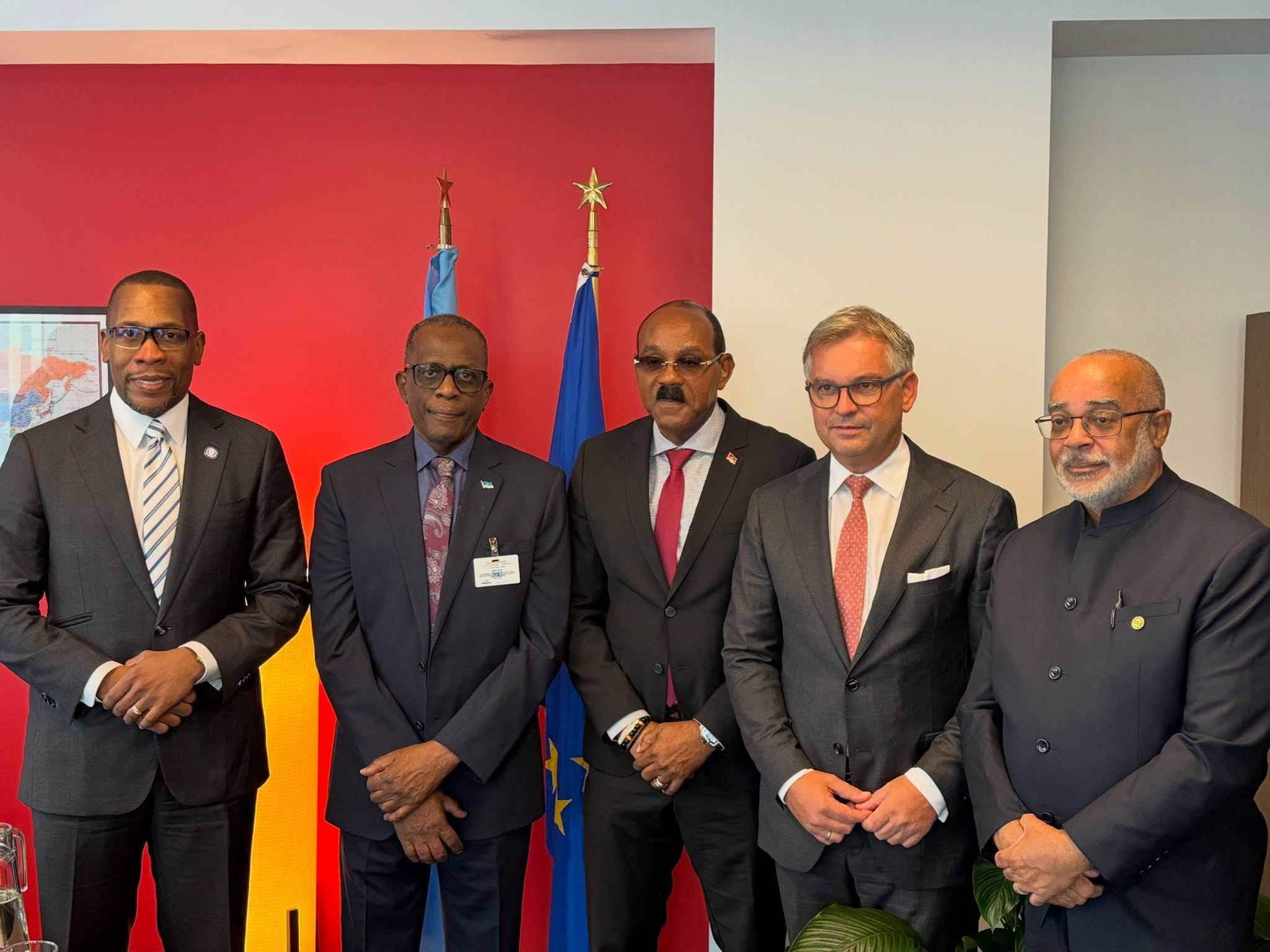
    On the sidelines of this year’s United Nations General Assembly in New York, top political leaders from across the Eastern Caribbean gathered Thursday for high-stakes discussions with a senior European Union official, centered on a contentious mandate to scrap regional citizenship-by-investment programs by 2028.

    The European Commission formally issued the demand earlier, requiring all Eastern Caribbean nations that operate these programs to wind them down entirely by the June 2028 deadline. In response, regional officials organized the closed-door meeting with Magnus Brunner, the EU’s Commissioner for Internal Affairs and Migration, to voice their shared position on the policy.

    Antigua and Barbuda Prime Minister Gaston Browne was among the key regional leaders in attendance, alongside Saint Lucia Prime Minister Philip J. Pierre. Both leaders stressed during the talks that citizenship-by-investment initiatives have long served as a critical lifeline of development funding for small island economies across the Eastern Caribbean. For these nations, revenue generated through the programs has supported critical infrastructure projects, public service expansions, and economic resilience efforts that would otherwise be difficult to fund through traditional tax streams.

    The delegation called for ongoing, constructive negotiations to craft a transition plan that balances two competing sets of priorities: addressing the security concerns that the EU has cited to justify the phase-out, while also protecting the fragile economic interests of Eastern Caribbean states that rely on program revenue.

    Other senior officials participating in the meeting included Timothy Antoine, Governor of the Eastern Caribbean Central Bank, and Didacus Jules, Director General of the Organisation of Eastern Caribbean States. According to an official statement released by the government of Saint Lucia following the talks, no binding agreement was reached, and no adjustment to the Commission’s proposed 2028 phase-out deadline was announced during the gathering. The discussion is expected to pave the way for future consultations between the two blocs as the deadline approaches.

  • India-CARICOM Foreign Ministers meet in New York, discuss deeper cooperation

    India-CARICOM Foreign Ministers meet in New York, discuss deeper cooperation

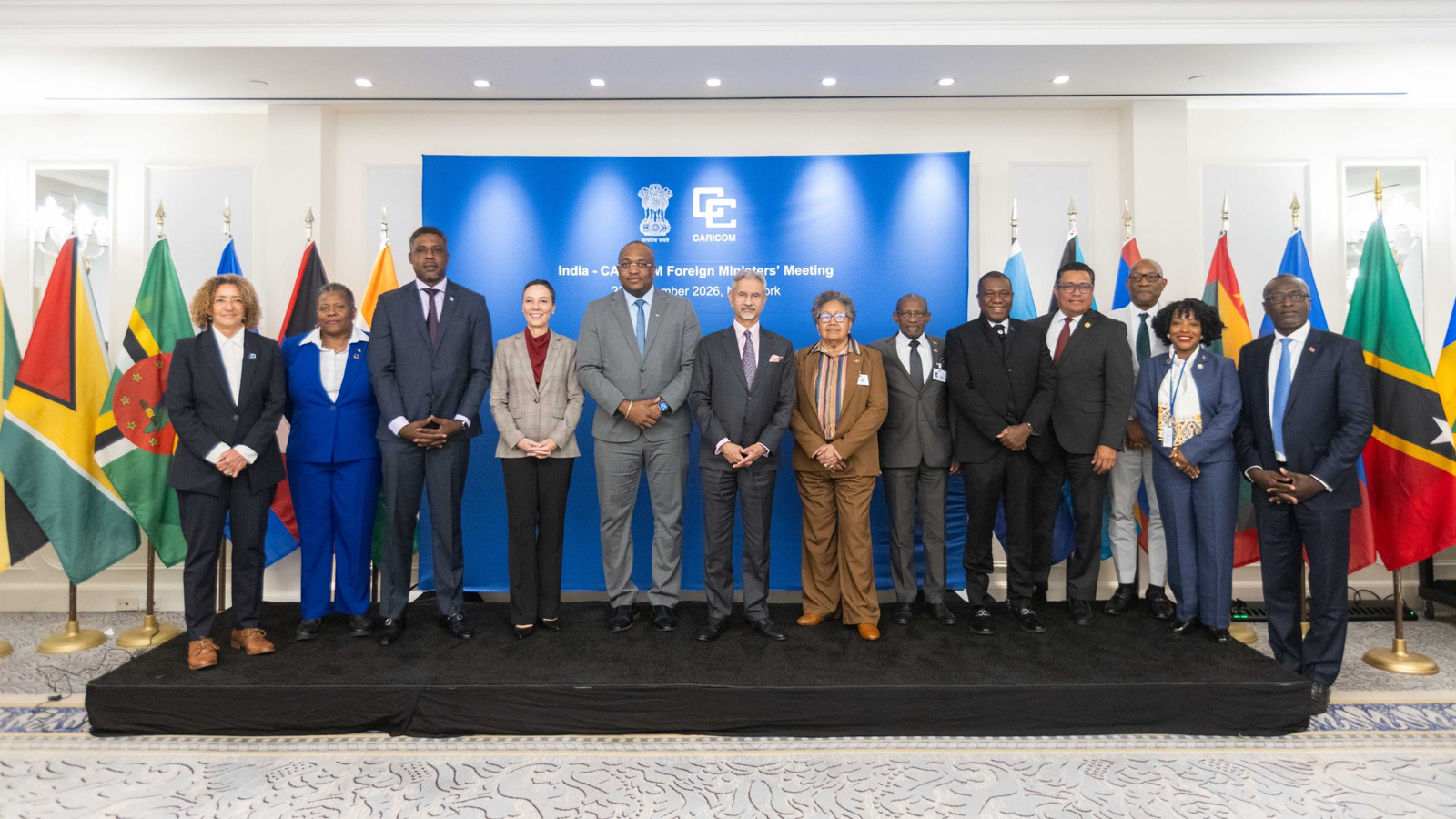
    On September 23, 2026, a high-stakes gathering of the India-CARICOM Foreign Ministers’ Meeting took place in New York, convened on the sidelines of the 81st session of the United Nations General Assembly. Co-chaired by India’s External Affairs Minister Dr. S. Jaishankar and Suriname’s Minister of Foreign Affairs, International Business and Cooperation Melvin W. J. Bouva, the meeting brought together senior diplomatic representatives from 14 CARICOM member states alongside CARICOM Secretary General Dr. Carla Natalie Barnett. Attendees included foreign ministers from Barbados, Dominica, the Bahamas, Guyana, Jamaica, St Vincent and the Grenadines, Trinidad and Tobago, Haiti, St. Lucia, St. Kitts & Nevis, and Antigua and Barbuda, alongside Grenada’s finance minister and the chief executive officer of Belize’s Ministry of Foreign Affairs.

    This diplomatic session was designed as a formal follow-up to the second India-CARICOM Summit, hosted in Guyana in November 2024 and led by Indian Prime Minister Narendra Modi and regional CARICOM heads of government. From the opening of discussions, both sides voiced clear satisfaction with the consistent, steady advancement of collaborative ties between India and the Caribbean Community bloc, laying out a broad agenda to expand partnership across multiple priority areas.

    Dialogue covered multiple pillars of engagement, starting with deepening high-level political exchanges between the two sides. Participants also explored pathways to boost bilateral trade volumes and attract new cross-regional investment, while mapping out cooperative frameworks in critical sectors including agriculture and global food security, digital public governance, climate change resilience, and sustainable energy development.

    CARICOM representatives used the meeting to publicly recognize the meaningful impact of India’s longstanding development partnership across the Caribbean region, and praised New Delhi’s ongoing efforts to strengthen collective South-South cooperation between emerging and developing economies. On the multilateral front, the two blocs aligned on priorities for joint collaboration in international forums, agreeing to continue coordinated action on core global challenges including comprehensive United Nations system reform, collective climate action, counter-terrorism efforts, and the fight against transnational organized crime.

    A key announcement emerged from the session when CARICOM’s co-chair confirmed the bloc’s collective decision to formally back India’s candidacy for a non-permanent seat on the United Nations Security Council for the 2028-2029 term. In response, Jaishankar thanked CARICOM member states for their trust and public support, affirming that if elected, India will serve as a strong, unwavering voice for the entire Global South in the UN’s top security body.

    In closing, the meeting underscored the shared commitment of both India and the CARICOM bloc to deepen their bilateral ties and advance coordinated action on global issues that impact developing nations across the Global South.

  • Azerbaijan, Antigua and Barbuda sign mutual visa exemption agreements at UNGA

    Azerbaijan, Antigua and Barbuda sign mutual visa exemption agreements at UNGA

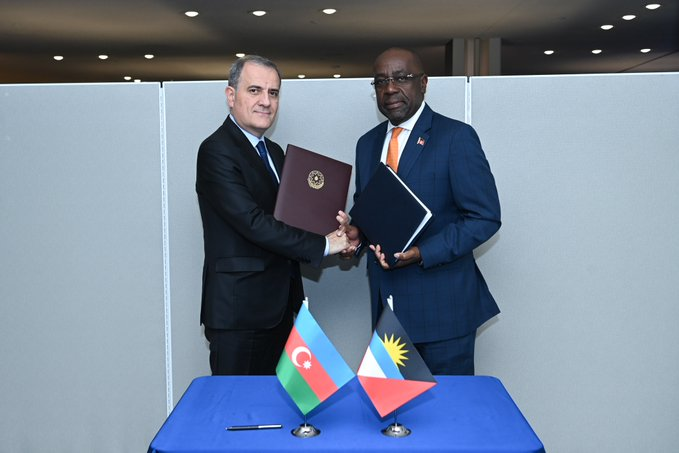
    On the sidelines of the 81st United Nations General Assembly in New York, two nations separated by thousands of miles — Azerbaijan and the Caribbean nation of Antigua and Barbuda — have marked a major milestone in their diplomatic relationship with the signing of two landmark agreements that establish full mutual visa exemption for all passport types. The deals, covering holders of diplomatic, official/service and ordinary passports, were formalized in a signing ceremony between Azerbaijani Foreign Minister Jeyhun Bayramov and Everly Paul Chet Greene, Antigua and Barbuda’s Minister of Foreign Affairs, Trade and Barbuda Affairs.

    During the bilateral meeting leading up to the signing, the top diplomats from both countries conducted a comprehensive review of the current trajectory of Azerbaijan-Antigua and Barbuda relations, and mapped out a strategic path for future cooperation. The talks prioritized two core priorities: deepening high-level political dialogue and increasing the frequency of official and informal mutual visits between the two states. Beyond bilateral collaboration, the pair also explored opportunities to expand joint work outside their existing cooperation frameworks within multilateral bodies, including the United Nations and the Non-Aligned Movement, where both nations hold active memberships.

    The confirmation of the signing was shared publicly by Azerbaijan’s Foreign Ministry via an official post on the social platform X, which clarified that the two agreements were signed as separate documents: one covering diplomatic and official/service passport holders, and a second standalone agreement extending the visa waiver to ordinary passport holders for travel purposes.

    Per official immigration data from Antigua and Barbuda, the Caribbean nation had already unilaterally granted visa-free entry to Azerbaijani citizens prior to the new agreement. The newly formalized mutual arrangement is projected to unlock a wide range of benefits for both countries: it will streamline travel for official government delegations, remove barriers to informal people-to-people exchanges, and create more favorable conditions for growth in bilateral tourism and cultural connections.

    This signing is part of Azerbaijan’s broader diplomatic push during this year’s UN General Assembly session, where the country has prioritized advancing a slate of bilateral agreements and expanding its global diplomatic network. Just days before the deal with Antigua and Barbuda, on September 23, Minister Bayramov also signed a reciprocal visa exemption agreement with Bangladesh that applies to holders of diplomatic, official and service passports, marking another step forward in Azerbaijan’s efforts to deepen its international ties.

  • UAE deputy prime minister Abdullah bin Zayed meets Prime Minister Antigua and Barbuda

    UAE deputy prime minister Abdullah bin Zayed meets Prime Minister Antigua and Barbuda

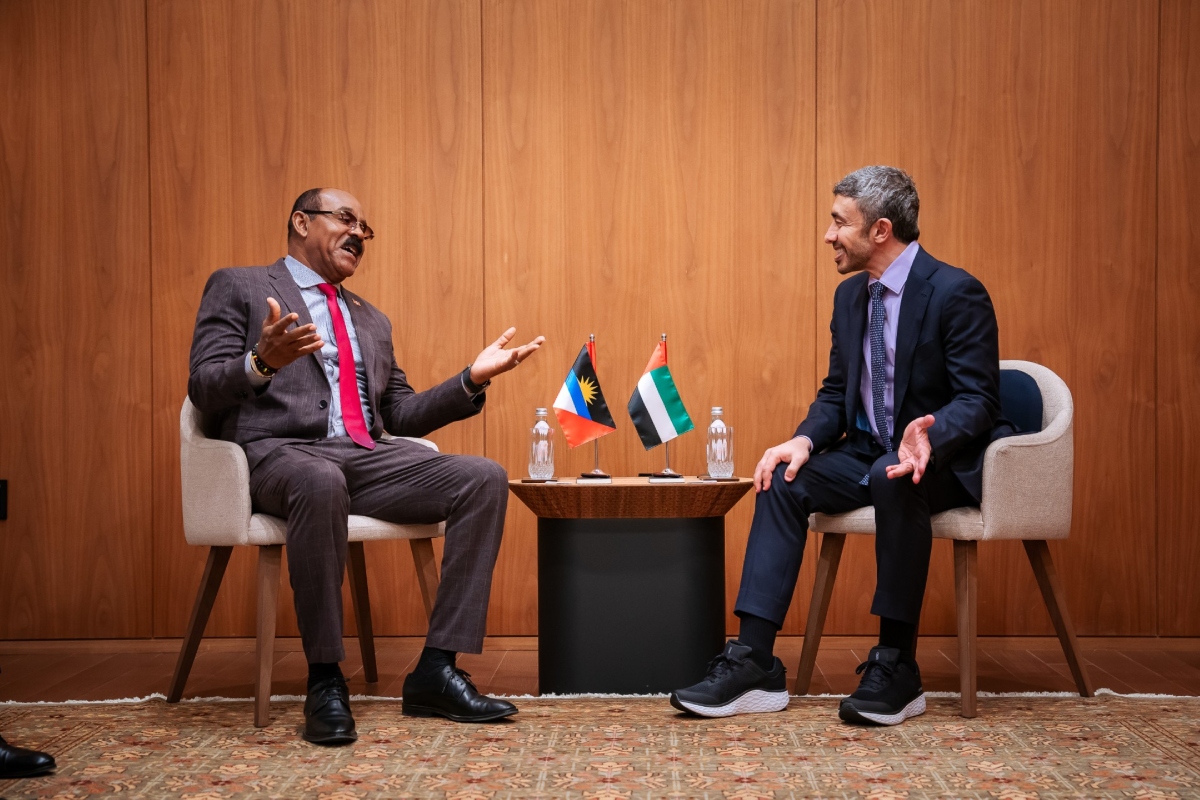
    Diplomatic discussions between the United Arab Emirates and Antigua and Barbuda took place this week on the margins of the 81st United Nations General Assembly session in New York, bringing together top leadership from both nations to advance bilateral ties. His Highness Sheikh Abdullah bin Zayed Al Nahyan, UAE Deputy Prime Minister and Minister of Foreign Affairs, led the UAE delegation in a meeting with Gaston Browne, Prime Minister of Antigua and Barbuda.

    Beyond bilateral cooperation, the two leaders also delved into a range of key priority items featured on the official UNGA 81 agenda, exchanging perspectives on global issues that matter to both small island nations and broader international stakeholders.

    During the meeting, Sheikh Abdullah reaffirmed the UAE’s long-standing commitment to deepening collaborative partnerships with Antigua and Barbuda. He emphasized that the goal of this strengthened cooperation is to advance shared mutual interests for both countries and deliver tangible gains that drive greater prosperity for the people of both nations.

    The high-level meeting included several senior UAE officials in addition to Sheikh Abdullah. Attendees were Reem bint Ebrahim Al Hashimy, Minister of State for International Cooperation; Dr Thani bin Ahmed Al Zeyoudi, Minister of Foreign Trade; and Omar Shehadeh, Envoy of the UAE Minister of Foreign Affairs to the Caribbean and Pacific States.

  • Princess Margaret Secondary School Students Petition for Fairer Discipline, Water and More Chairs

    Princess Margaret Secondary School Students Petition for Fairer Discipline, Water and More Chairs

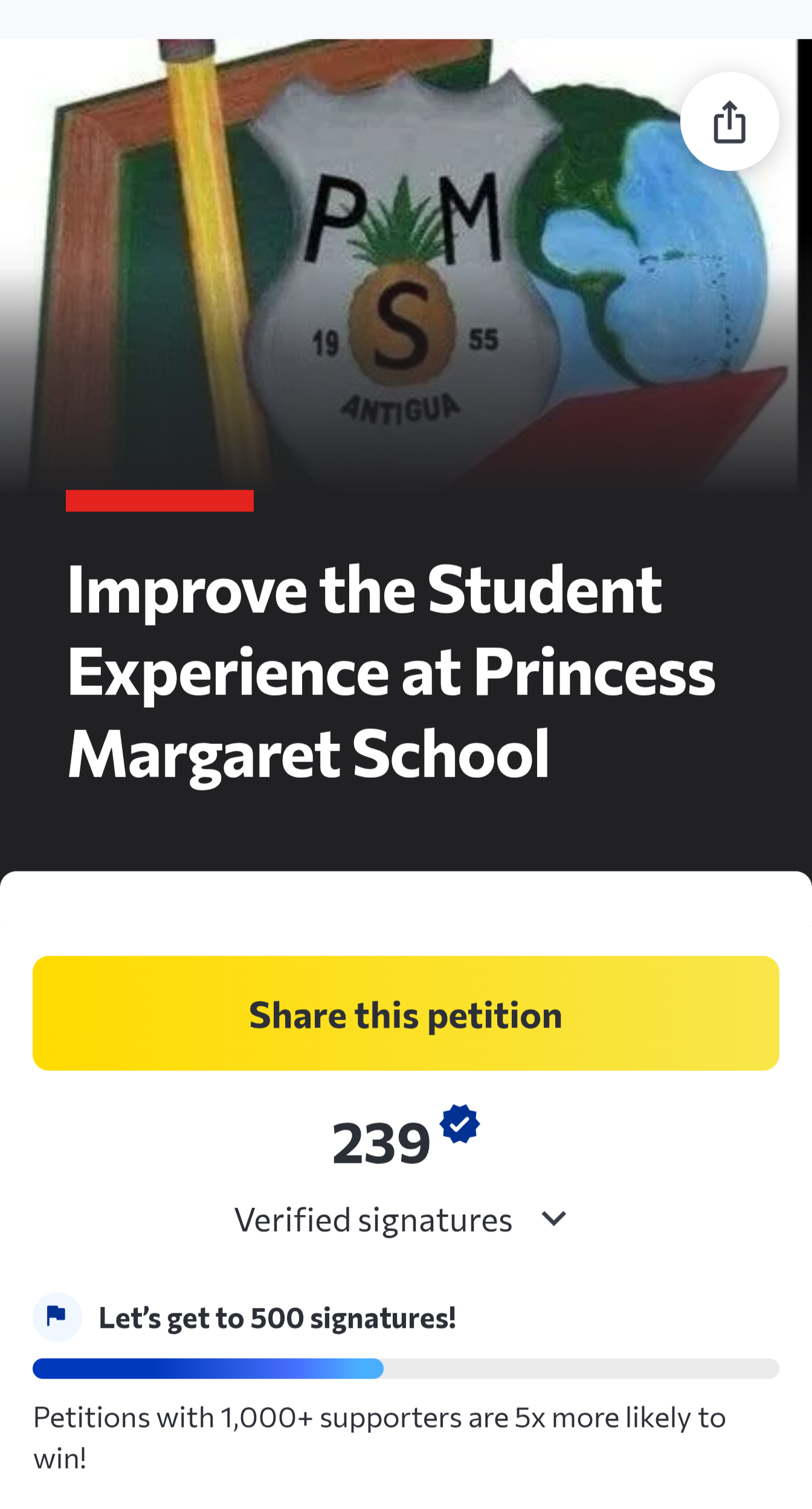
    Student activists at Princess Margaret Secondary School have launched a formal petition pushing for sweeping reforms to the school’s disciplinary policies and campus infrastructure, framing their campaign as a fight for greater student agency in decisions that shape their daily learning environment. At the core of their demands is a call for systemic change to the institution’s approach to discipline, with students arguing that current penalties are often overly harsh and applied unevenly across the student body. A key proposal in the petition requires that students be given a formal opportunity to share their side of events before any major disciplinary ruling is finalized.

    The document highlights one controversial, unconfirmed incident to illustrate their claims: a young student who was allegedly forced to wait crying outside the school entrance after arriving late to class. When observers brought the student’s emotional distress to the attention of the school principal, the administrator reportedly responded with a dismissive “And?”, according to the petition. To date, this account has not been independently verified by third-party sources.

    Beyond disciplinary reform, the petition outlines a long list of unaddressed basic infrastructure and daily facility issues that disrupt students’ educational experience. Students report consistent challenges accessing clean drinking water throughout the school day, as well as a chronic shortage of classroom seating that forces some learners to hunt for open chairs or perch on top of desks during lessons. Additional complaints include inadequate ventilation that creates overheating in classrooms, excessively long wait times in crowded cafeteria lines, overly short lunch breaks, unaddressed flooding in parts of the campus, and delayed maintenance on broken facilities.

    The petition’s formal demands include actionable changes: expanding access to safe, reliable drinking water across campus, adding sufficient classroom and communal seating, upgrading outdated facilities and improving air ventilation, conducting a full review of current lunch period arrangements, expanding after-school and extracurricular activities, and embedding formal mechanisms for greater student input in school governance.

    In a clear statement of the movement’s purpose, the petitioners emphasized that they are not pushing for an unregulated campus without structure. “We are not asking for a school without rules,” the petition reads. “We are asking for fairness, compassion, basic necessities, better conditions, and a school where students feel heard, respected, and proud to belong.” As of the publication of this report, no official comment or response from Princess Margaret Secondary School’s administration has been included in or attached to the petition.

  • Hope Alive Foundation Calls for Action to Protect Children After Bathlodge Shooting

    Hope Alive Foundation Calls for Action to Protect Children After Bathlodge Shooting

    A recent fatal shooting in Bathlodge that left one woman dead and two others wounded has sparked a urgent call for nationwide collective action against gun violence from the head of a prominent local community foundation. The incident claimed the life of Saquania Anthony, who was pregnant with her third child, and left 21-year-old Joshua Meade and an unidentified third person recovering from gunshot wounds.

    Icilma Crump, president of Hope Alive Foundation Inc., who has a personal connection to Meade, released a public statement this week sharing her deep distress over the young man’s condition. Crump described Meade as a vibrant, football-obsessed young person with clear, promising plans for his future, saying it is gut-wrenching to see him fighting for survival in a hospital bed after the senseless attack.

    “Joshua should not be in a hospital fighting for his life. Our children should not have to live in constant fear of being caught in crossfire,” Crump said in the statement, extending heartfelt condolences to Anthony’s children, immediate family and close friends who are now grappling with their devastating loss. She also voiced sincere concern for the third injured victim, who has not yet been publicly identified, as they recover from their injuries.

    Crump emphasized that in tight-knit small nations like the one where the shooting occurred, where generations of children share school campuses and community recreation spaces, violence that starts within a single home or neighborhood does not stay contained. It ripples outward to touch every corner of the wider community, she said, pushing back against the growing normalization of deadly gun incidents that many people have started to accept as an unavoidable part of daily life.

    “We cannot continue to hear about young people falling victim to gun violence or getting tangled up in criminal activity, simply shrug and move on with our lives until the next tragedy strikes,” Crump argued. She called for a full, urgent national conversation around two critical root causes of persistent gun violence: how easily young people can access illegal firearms, and the societal factors that push some youth toward involvement in violent crime.

    The foundation president laid out a shared responsibility for violence prevention, noting that every sector of society has a part to play in reversing the current trend. Parents, educational institutions, religious leaders, community organizations, local business owners, law enforcement agencies and national government bodies all must step up to address the crisis, she said.

    In a direct appeal to young people across the country, Crump encouraged youth to push back against harmful peer pressure, reach out for mental health or community support when they are struggling, and focus on building positive lives centered on education, healthy friendships and personal passions.

    Closing her statement, Crump stressed that the Bathlodge shooting must be a turning point for the nation, not just another tragedy that fades from public memory before action is taken. “Let us refuse to accept violence as normal,” she said. “Let us protect our children, invest in our young people and stand together against the culture of violence that is tearing our communities apart.”

  • More health workers are being attacked on the job, authorities warn

    More health workers are being attacked on the job, authorities warn

    A pressing public health and human rights crisis is unfolding across the Americas, where persistent violence against health care workers is eroding clinician well-being and undermining the functionality of regional health systems, the Pan American Health Organization (PAHO) has warned. The warning came during a landmark regional seminar that gathered nearly 400 stakeholders from 34 nations, including senior health officials, leading specialists, and professional association representatives, who collectively confirmed that the crisis remains drastically underreported and widely normalized across many workplaces.

    In a major push to boost awareness and drive coordinated, systemic solutions to the issue, PAHO debuted a new evidence-based fact sheet titled *Preventing violence against health workers in the Region of the Americas*, designed to guide policymakers, health system leaders, clinical professionals, and other key actors in addressing the crisis. Citing an international systematic review featured in the new publication, PAHO notes that roughly 62 percent of health workers globally have endured at least one form of workplace violence. Verbal abuse, reported by 58 percent of survey respondents, is the most prevalent form of non-physical aggression, followed by threats at 33 percent and sexual harassment at 12 percent.

    A separate multinational study, which surveyed participants across 22 countries including 20 Latin American nations, painted an even grimmer picture for the region: 66.7 percent of responding health workers reported experiencing some form of aggression in the 12 months prior to the survey, with physical violence accounting for approximately one in every 10 recorded incidents.

    “Violence against health workers should not be considered an inevitable part of the job. It is a public health issue, a human rights issue, and a challenge for the effective functioning of health systems,” stated Silvana Luciani, Chief of PAHO’s Noncommunicable Diseases and Violence Prevention Unit.

    Seminar participants emphasized that violence against health workers manifests across a wide spectrum of harm. It ranges from verbal abuse, threats, and physical assaults perpetrated by patients or their family members, to internal workplace harassment, discrimination, sexual violence, and threats tied to generalized community insecurity and organized criminal activity.

    Beyond the immediate harm inflicted on individual workers, violence creates cascading damage that extends across entire health systems. It inflicts lasting physical and mental harm on clinicians, contributes to professional burnout, elevated absenteeism rates, high staff turnover, and persistent challenges in retaining trained, experienced health personnel. Multiple risk factors amplify the likelihood of violence, including excessive workloads, long patient wait times, widespread staff and resource shortages, communication breakdowns between clinical teams and patients, and generally substandard working conditions. The regional study also identified care delays and gaps in critical medical resources as two of the most common triggers for patient and family aggression against staff.

    Broader societal factors, including widespread community insecurity, armed conflict, organized criminal activity, and emergency or crisis settings, further exacerbate risks. Violence can also occur between colleagues, including workplace bullying, discrimination, and sexual violence, behaviors that are often enabled by rigid institutional hierarchies and cultural norms that tolerate or normalize such abuse.

    Frontline clinical staff, particularly nurses, face the highest exposure to violence due to their constant, direct contact with patients and communities. In the Caribbean, for example, seminar experts highlighted that verbal abuse is the most common form of aggression targeting nursing staff, while also noting the disproportionate impact of sexual harassment and the critical unmet need for safe, confidential reporting channels for workers.

    “When a nurse is affected, the health system is affected,” explained Javon Gray, President of the Omega Kappa Chapter of Sigma Theta Tau International Honor Society of Nursing, representing The University of the West Indies (UWI) School of Nursing, Mona. “Violence against nurses and health workers must not be normalized.”

    Women, who make up nearly 70 percent of the global health workforce, face disproportionate risk of gender-based violence, particularly sexual harassment. PAHO emphasized that effective prevention and response strategies must explicitly integrate a gender perspective to address these unequal risks.

    “Violence can be prevented, and preventing it requires comprehensive and sustained action,” said Britta Monika Baer, PAHO Regional Advisor on Violence Prevention and Response, during the seminar.

    Despite the overwhelming scale of the crisis, a large share of violent incidents never get reported, making it impossible to capture the true scope of the problem and design evidence-based interventions. Key barriers to reporting include workers’ fear of employer retaliation, lack of trust in institutional reporting mechanisms, and the widespread normalization of violence as “just part of the job.”

    For these reasons, participants unanimously highlighted the urgent need to strengthen national reporting and monitoring systems, build safe, confidential, and accessible reporting channels, and develop clear, standardized protocols for prevention, response, and investigation of incidents.

    “What is not reported remains invisible,” noted Leidy Villanueva, from the Office of Territorial Management, Emergencies and Disasters of Colombia’s Ministry of Health and Social Protection. “Protection begins before the incident occurs.”

    Colombia’s national experience offers a model for proactive action, demonstrating the value of anticipating risks through targeted staff training, systematic risk analysis, cross-territorial coordination, and the adoption of specialized protection mechanisms for health workers, facilities, and services.

    Seminar attendees also stressed that sustainable prevention requires systemic improvements to working conditions and workplace organization, training for staff in violence prevention, crisis management, and de-escalation techniques, guaranteed medical and psychosocial support for workers who experience violence, and consistent follow-up for all reported incidents.

    Meaningful progress in preventing violence requires coordinated, cross-sector collaboration between national governments, health care institutions, professional associations, worker organizations, academic bodies, local communities, and other key stakeholders. PAHO emphasized that the primary legal and ethical responsibility for preventing and responding to violence rests with national states, health care employers, and health institutions. Individual safety actions taken by workers are complementary and do not replace the core obligation of institutions to provide safe working environments.

    PAHO’s new fact sheet consolidates existing evidence on the different forms of violence against health workers, their far-reaching consequences, and the underlying factors that increase risk. It also outlines actionable measures that authorities and health institutions can implement, including establishing clear legal and policy frameworks and standardized prevention and response protocols; building safe, confidential, and accessible reporting systems; upgrading facility security; providing targeted staff training; guaranteeing medical and psychosocial support for affected workers; and systematic data collection on incidents and follow-up actions.

    At the national public policy level, PAHO also underscores the importance of cross-sector coordination between health, security, justice, education, and labor agencies, as well as the need to allocate sufficient funding and human resources, monitor long-term violence trends, and partner with local communities to reduce risks—especially in settings affected by humanitarian crisis and health misinformation.

    “Violence against those who work in the health sector is not an isolated issue. It is a direct obstacle to the well-being of health workers and to the ability of health systems to fulfill their mission,” said Yoana Díaz, PAHO Regional Advisor on Professional Training in Human Resources for Health. “Caring for those who care for us is not just a slogan, it is a commitment to action.”

    The fact sheet also highlights a stark global gap in protection: only 26 of the 195 Member States of the World Health Organization (WHO) currently have national occupational health and safety policies or programs specifically designed to protect health workers, underscoring the urgent need to scale up protection measures worldwide.

    The seminar closed with a unified, clear message: violence against health workers is not inevitable, and it can be prevented through sustained, coordinated action. Protecting the workers who provide life-saving care is not only a core obligation to the health workforce, but also essential to guaranteeing high-quality care for all populations and enabling health systems to meet community needs.

  • MP Randy Baltimore Donates Football Gear to Glanvilles and Willikies Clubs

    MP Randy Baltimore Donates Football Gear to Glanvilles and Willikies Clubs

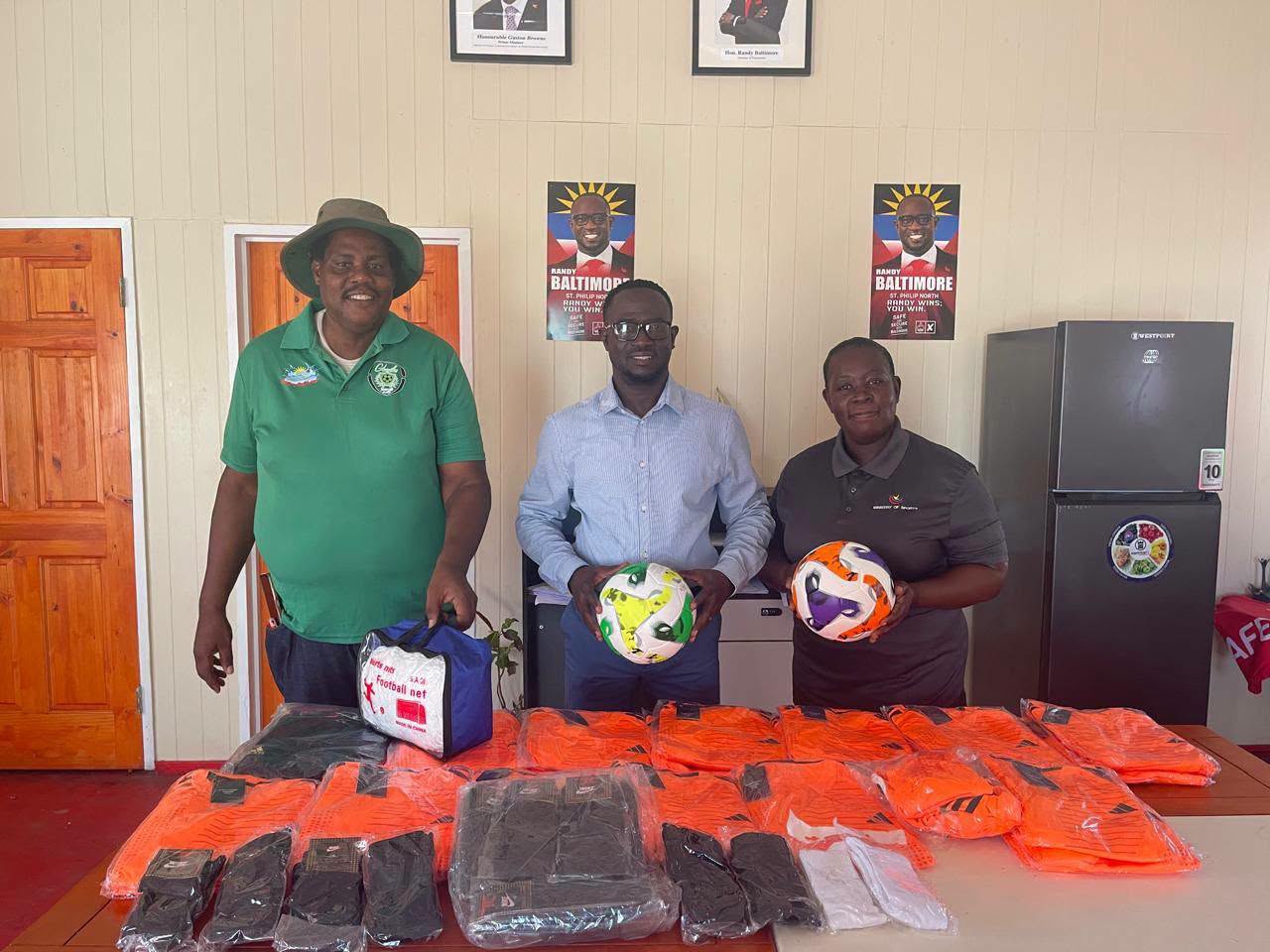
    As local football teams across the region prepare to kick off their upcoming competitive campaigns, two community-based squads have received a timely boost off the pitch. Local supporter and philanthropist Randy Baltimore has delivered a package of essential sporting equipment to both Glanvilles Football Club and Willikies Football Club, addressing key needs the teams faced ahead of pre-season training and opening fixtures.

    The donation includes new matching uniforms for players, regulation-quality footballs for training and match play, and high-visibility training bibs that allow coaches to run structured drills and split squads effectively during practice sessions. These items are often a significant unplanned expense for small community clubs, which typically operate on tight budgets and rely on volunteer support to keep their programs running, especially for youth and amateur divisions.

    In remarks shared following the delivery of the gear, Baltimore framed his contribution as more than just a donation to local sports. He emphasized that investing in the stability and success of neighborhood football clubs is inherently an investment in the young people who fill their rosters, and the broader communities that gather around these teams week after week. “Clubs like Glanvilles and Willikies are more than just groups of players – they are gathering points that bring neighbors together, give young people positive outlets for their energy, and build pride across the area,” he explained.

    As both teams wrap up their final pre-season preparations, Baltimore extended his well wishes to players, coaches, and supporters of both squads, saying he hopes the new equipment helps them compete at their best and secure a successful, rewarding season on the pitch. Community sports leaders have noted that donations like this play a critical role in keeping amateur football accessible for young players from all backgrounds, ensuring that cost barriers do not prevent talented local athletes from participating in the sport they love.

  • Cultural Advisor Meets with Minister Dwayne George

    Cultural Advisor Meets with Minister Dwayne George

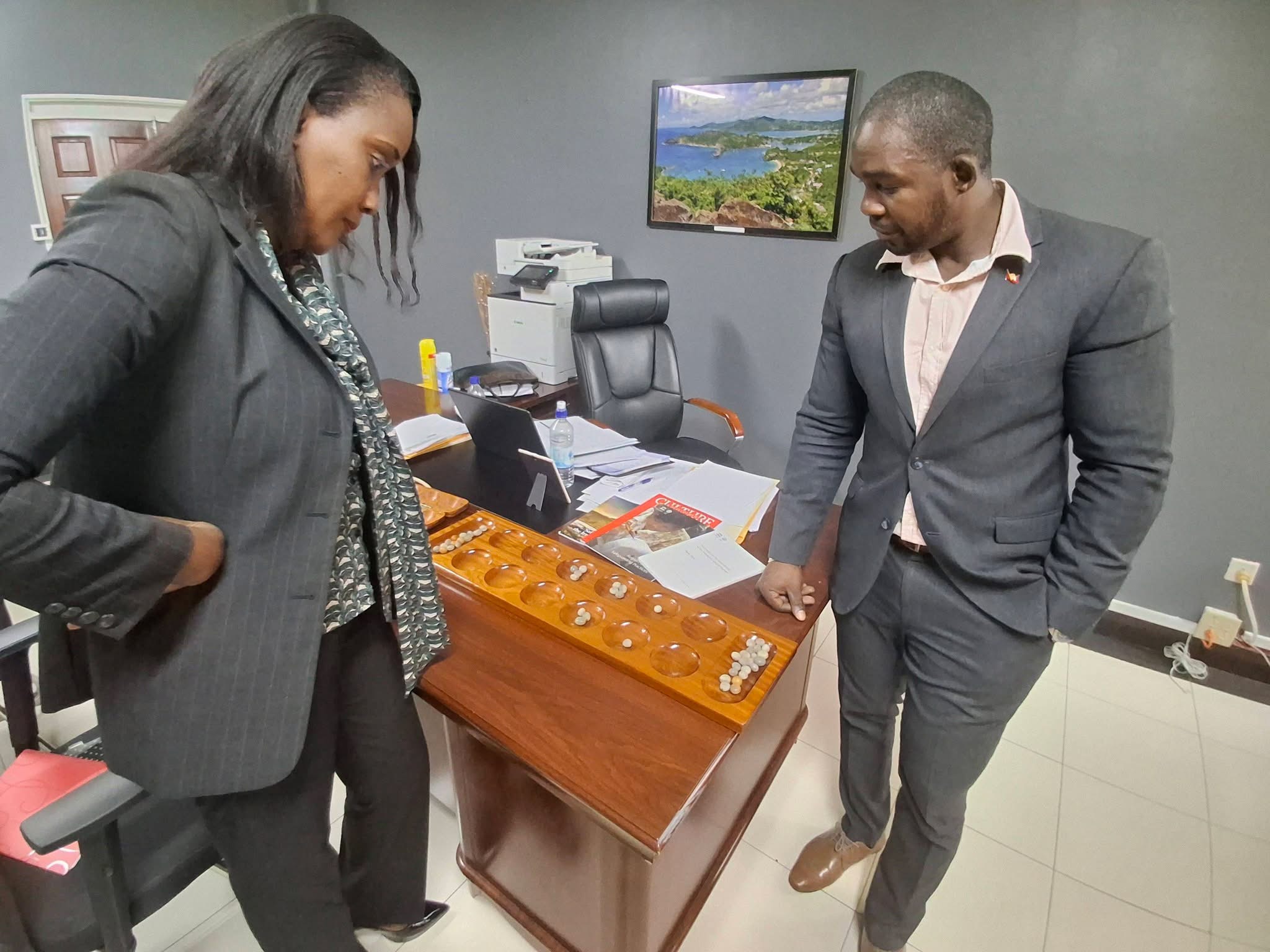
    On September 22, 2026, Dr. Hazra Medica, Cultural Advisor to Antigua and Barbuda’s Minister of Sports and Creative Industries, held a formal working meeting with Minister Dwayne George to share progress updates on two high-priority national cultural initiatives that she currently leads as Project Manager.

    The first initiative is the development of a comprehensive registry mapping all Antiguan and Barbudan creative professionals, a core component of the nation’s newly expanded Cultural Information System. This centralized mapping project is designed to streamline access to creative talent, support industry collaboration, and create a publicly accessible database that highlights the diversity of cultural output across Antigua and Barbuda. It is expected to serve as a foundational resource for cultural policy development and creative industry investment going forward.

    The second, and arguably more high-profile, project is the Warri Revival Programme, an initiative funded through UNESCO’s Intangible Cultural Heritage Fund. Warri, a traditional strategy board game with deep historical roots in Antiguan and Barbudan culture, has experienced declining participation among younger generations in recent decades. The revival program aims to reverse this trend by embedding the game into the curriculum of all public schools across the country. As part of this rollout, the Antigua and Barbuda Warri Academy is currently tasked with training 550 student players to build a new base of competitive and recreational participants.

    Dr. Medica used the meeting to outline her team’s key milestone for the remainder of the year: submitting a formal nomination to UNESCO later in 2026 to secure official recognition of Warri as a unique intangible cultural heritage element of Antigua and Barbudan national identity. This designation would not only elevate the profile of the game globally but also open up additional opportunities for international funding and cultural exchange centered on the tradition.

    During their discussions, Dr. Medica formally requested the minister’s ongoing support to ensure both projects are delivered on schedule and meet their stated objectives. Minister George responded positively to the request, confirming that he would leverage his ministerial authority and influence to remove administrative barriers, connect the project team with relevant stakeholders, and advance the initiatives through all stages of government approval. The minister reaffirmed the government’s commitment to preserving Antigua and Barbuda’s cultural heritage and growing the creative industries as a key driver of national identity and economic development.