标签: Antigua and Barbuda

安提瓜和巴布达

  • Antigua and Barbuda National Olympic Committee prepares for 2026 Central American and Caribbean Games

    Antigua and Barbuda National Olympic Committee prepares for 2026 Central American and Caribbean Games

    As the 2026 Central American and Caribbean (CAC) Games approaches, the Antigua and Barbuda National Olympic Committee (ABNOC) has finalized plans to dispatch a 16-strong delegation to the centennial edition of the tournament, which will kick off in Santo Domingo, Dominican Republic, running from July 24 to August 8 2026.

    Widely recognized as the oldest continuous regional multi-sport event on the globe, this year’s milestone CAC Games is projected to welcome more than 6,500 competing athletes across 40 distinct sporting disciplines, drawing top talent from across the Caribbean and Central American region.

    Leading Antigua and Barbuda’s contingent will be Thomas Greenaway, ABNOC’s First Vice-President, who will take on the role of Chef de Mission. Leveraging decades of hands-on experience organizing and managing regional sporting events, Greenaway will oversee the team competing across six sports: Athletics, Swimming, Table Tennis, Beach Volleyball, Weightlifting, and Sailing.

    The 2026 tournament carries special historic meaning for Antigua and Barbuda: it marks the first time the island nation has entered athletes into Olympic-style weightlifting at the CAC Games. For sailing, the country will field competitors across three separate disciplines, while table tennis continues its upward trajectory as a growing part of Antigua and Barbuda’s national sports development program.

    In a statement on the upcoming Games, ABNOC Secretary General Cliff Williams emphasized the unique value the tournament provides for the nation’s emerging athletic talent. “The CAC Games offer an unmatched platform for our athletes to test their skills and gain critical competitive experience against the top competitors across the region,” Williams explained. “We are incredibly proud to field this focused, dedicated team, which includes athletes making historic first-time appearances for Antigua and Barbuda. We are eager to see strong performances from every competitor and to advance the long-term development of all our national sporting programs.”

    One major hurdle organizers and athletes are currently navigating is a direct scheduling overlap between the 2026 CAC Games and the 2026 Commonwealth Games, which falls during the same mid-year window. The conflict is particularly acute for track and field athletes: CAC Games athletics events are scheduled for August 3 to 8, while the Commonwealth athletics competition is held earlier in the same overall period. While this overlap leaves open the possibility for elite athletes to compete in both tournaments, it requires meticulous advanced planning to manage travel, training, and recovery. To address this challenge, ABNOC has been working in close collaboration with athletes, coaching staff, and event partners to coordinate logistics, finalize team selection, and plan recovery protocols, all with the goal of helping every athlete deliver their best possible performance in Santo Domingo.
  • Government Aims to Produce 200,000 Antigua Black Pineapple Plants

    Government Aims to Produce 200,000 Antigua Black Pineapple Plants

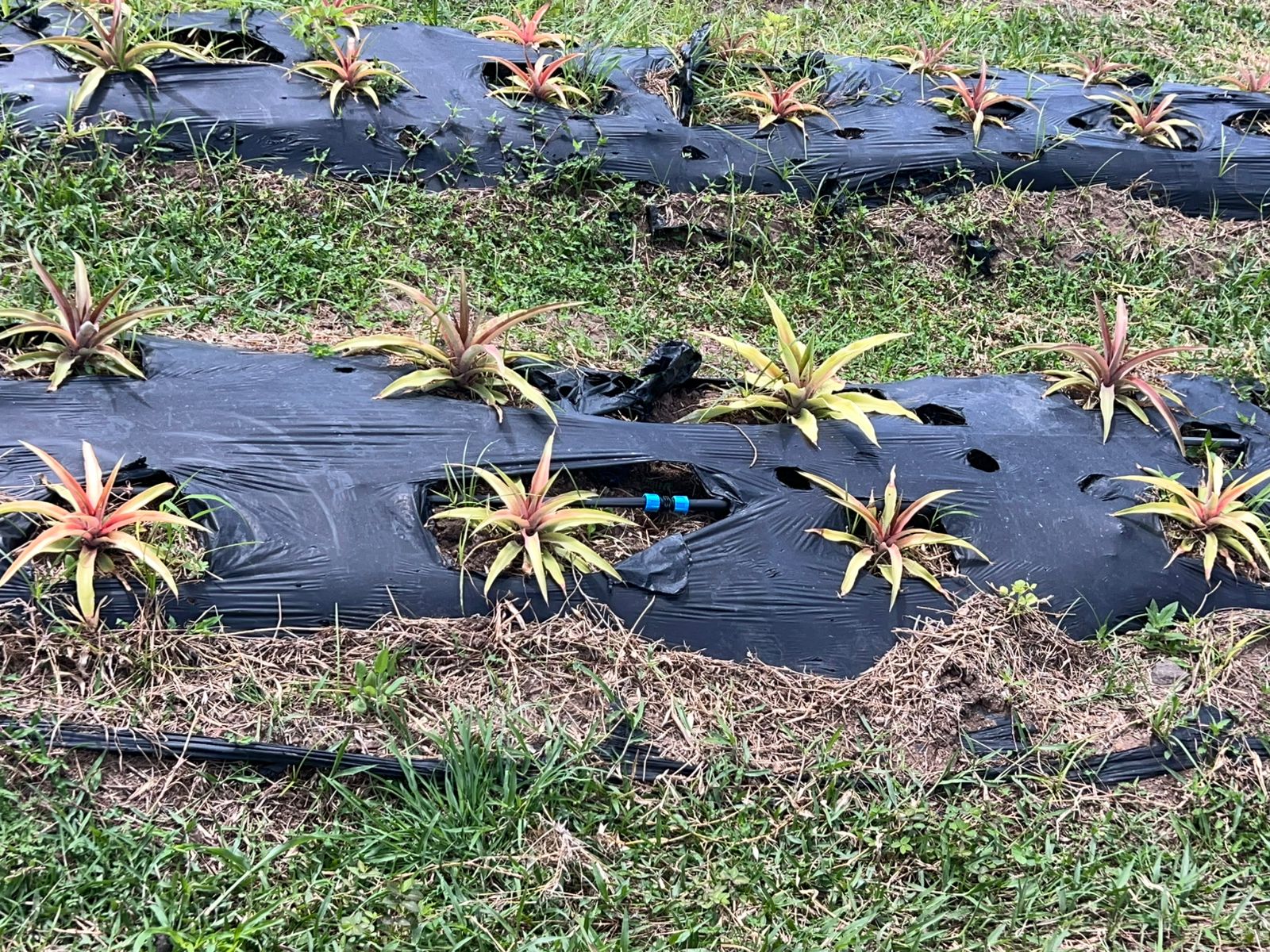
    Antigua and Barbuda’s government is ramping up a strategic long-term agricultural initiative to breathe new life into the country’s legendary Black Pineapple industry, targeting propagation of at least 200,000 genetically improved plants to restore the iconic crop’s legacy.

    Details of the industry revival plan were formally unveiled during this week’s post-Cabinet briefing on Thursday, where government officials confirmed that a new shipment of 15,000 tissue-cultured Antigua Black Pineapple seedlings is scheduled to arrive on the island in the coming days.

    Maurice Merchant, Director General of Communications, explained that the incoming batch of cultivated plants will join an existing 15,000 plants already established at the Cades Bay Agricultural Station, the central hub for the entire propagation project. “Another 15,000 tissue cultures will arrive in the coming days and they will be propagated at the Cades Bay Station,” Merchant stated in his remarks to reporters. “The ultimate aim is to have at least 200,000 Antigua Black Pineapple plants propagated and ready for cultivation at this facility.”

    This large-scale expansion is a core component of a broader national program designed to recover and boost production of the fruit, which has long been celebrated as one of Antigua and Barbuda’s most unique and recognizable agricultural exports. For years, local farmers raised growing concerns that decades of cultivation had eroded the crop’s quality, with the fruit failing to reach its signature large size and delivering lower crop yields than in previous generations.

    To address these challenges, agricultural officials launched a scientific genetic improvement initiative more than 12 months ago, when roughly 50 original Antigua Black Pineapple samples were sent to research facilities in St. Vincent for tissue culturing and genetic refinement. The scientific process has successfully preserved all the distinct characteristics that make the Antigua Black Pineapple famous, while eliminating genetic degradation and producing high-quality starting material for large-scale propagation.

    “The scientific process cleaned up the genetics so it remains the authentic Antigua Black Pineapple,” Merchant emphasized, confirming that the program has achieved its core goal of retaining the crop’s unique flavor and identity while boosting its productivity.

    All propagation work is being conducted at the Cades Bay agricultural facility, where young seedlings are multiplied in controlled conditions before being distributed to local farmers for commercial cultivation across the island. Merchant cautioned that pineapples have a naturally long growing cycle, meaning consumers will not see expanded supply hit local and international markets overnight. Even with this timeline, however, government and agricultural leaders are confident the initiative will deliver significant growth in available Antigua Black Pineapple in the coming years, ultimately reviving an industry that is a key part of the country’s agricultural and cultural identity.

    “It is anticipated that we should have regenerated growth of Antigua Black Pineapple very soon on the market,” Merchant added.

  • Minister Michael Joseph Meets with Executive Director of the Fund for Responding to Loss and Damage)

    Minister Michael Joseph Meets with Executive Director of the Fund for Responding to Loss and Damage)

    Side talks at the 2026 Berlin Climate Mobility Forum have brought critical focus to the disproportionate climate risks facing Small Island Developing States, as senior officials from Antigua and Barbuda and the global Loss and Damage Fund sat down to advance actionable progress for climate-vulnerable nations.

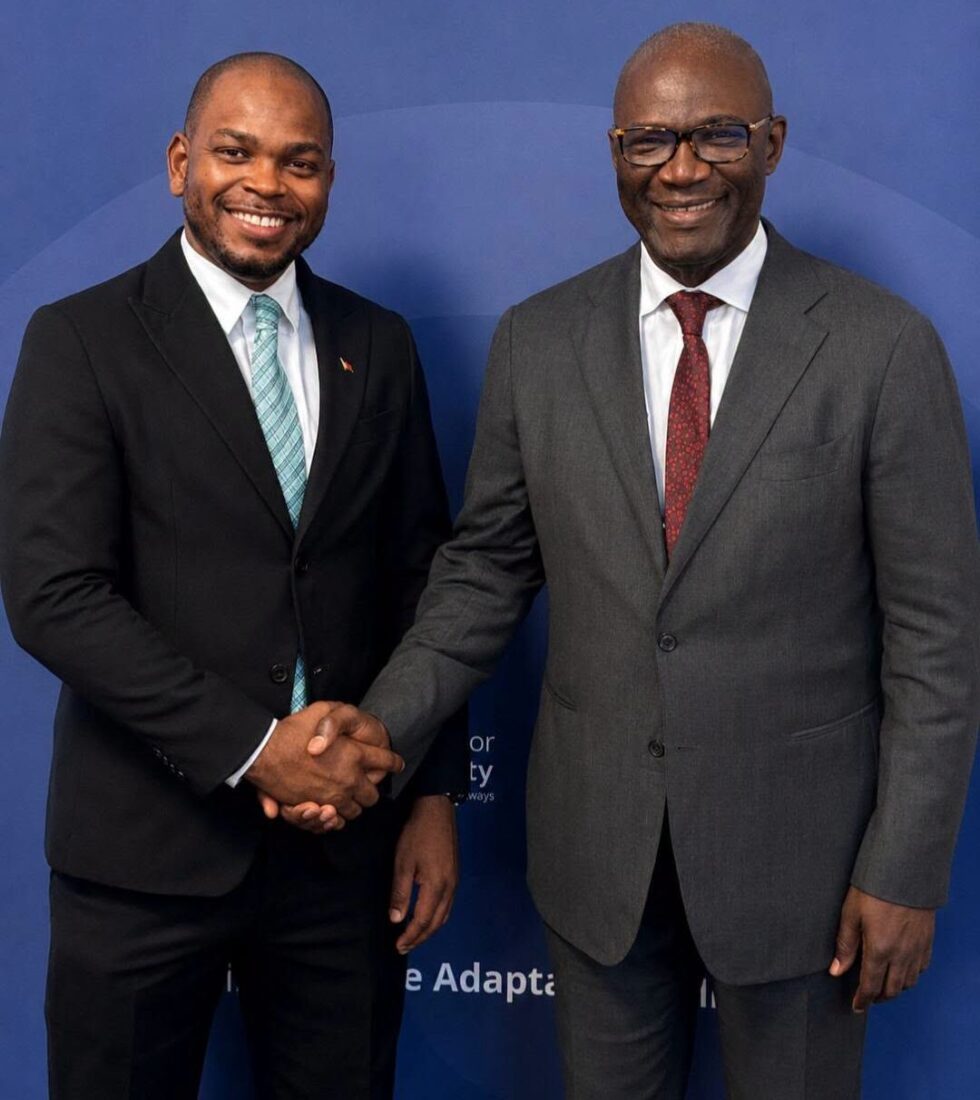
    Michael Joseph, who leads the ministries of Health, Wellness, Environment, and Civil Service Affairs for Antigua and Barbuda, met one-on-one with Ibrahima Cheikh Diong, Executive Director of the Fund for Responding to Loss and Damage, to unpack the cascading challenges that climate change imposes on low-lying island nations. The closed-door discussion zeroed in on the overlapping vulnerabilities SIDS confront across nearly every sector of society: climate impacts are increasingly eroding critical infrastructure, destroying residential housing, straining already stretched public health systems, undermining core livelihoods, and derailing long-term national development plans that many small island states have spent decades building.

    Joseph underscored that Antigua and Barbuda has remained a consistent, unwavering voice in global climate negotiations calling for fair and equitable access to climate finance for frontline nations. For countries that have contributed the least to global greenhouse gas emissions yet face the worst climate outcomes, he stressed, timely and sufficient support to address climate-induced loss and damage is not a favor—it is an existential necessity. The minister went on to outline the unique realities small island states grapple with that are often overlooked in global climate frameworks: even one major extreme weather event can leave long-lasting social and economic scars that stretch far beyond the scope of immediate emergency disaster response. Recovery can take years, if not decades, and derail development gains that communities worked generations to achieve.

    Following the discussion, both Diong and Joseph exchanged constructive perspectives on how to move from global agreement to on-the-ground action. A central point of their talks centered on operationalizing accessible, efficient financing mechanisms that can rapidly meet the needs of countries already experiencing climate loss and damage, ensuring that the most vulnerable populations receive the targeted support they need to recover and rebuild stronger after climate shocks.

    Joseph reaffirmed Antigua and Barbuda’s longstanding commitment to collaborative international climate action, and expressed clear support for ongoing global efforts to strengthen support systems for nations on the frontline of the climate crisis. He was joined at the meeting by Ruleta Camacho-Thomas, Antigua and Barbuda’s Climate Ambassador, who has been a core leader driving the country’s climate advocacy and international engagement on the global stage.

    The 2026 Berlin Climate Mobility Forum serves as a convening point for cross-sector global stakeholders, bringing together heads of government, leaders of international organizations, development finance institutions, and leading climate experts to advance practical, implementable solutions to interconnected challenges including climate-driven human mobility, climate adaptation, community resilience, and inclusive sustainable development.

  • CARICOM Eminent Persons Group | Postponed Visit to Haiti

    CARICOM Eminent Persons Group | Postponed Visit to Haiti

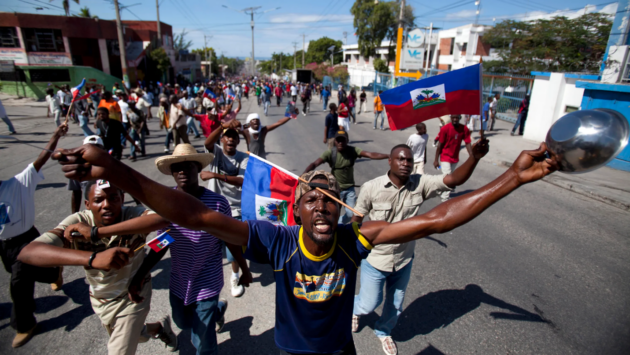
    As the political landscape in Haiti remains fluid and uncertain, the CARICOM Eminent Persons Group (EPG) is maintaining close, real-time monitoring of developments through continuous virtual dialogue with a broad cross-section of Haitian stakeholders. These conversations span across government leadership, opposition political blocs, and grassroots civil society organizations, giving the group a grounded, multi-faceted understanding of the crisis unfolding on the ground.

    Recognizing that digital engagements cannot replace the nuance and trust-building of face-to-face interactions, the EPG has made clear its intention to deploy an on-the-ground delegation to Haiti as soon as logistical and security conditions allow. Once in the country, the group plans to hold direct talks with all major stakeholders to facilitate dialogue and support Haitian-led efforts to resolve ongoing political divisions.

    To provide context, the Caribbean Community (CARICOM) – the regional bloc that convened the EPG – was founded in 1973 following the signing of the Treaty of Chaguaramas, with a major 2001 revision of the accord that paved the way for a single integrated market and economy across the Caribbean. Today, the bloc counts 15 full member states and six associate members, representing a combined population of roughly 16 million people, 60 percent of whom are under the age of 30.

    CARICOM structures its work around four core pillars: deepening economic integration across member states, coordinating collective foreign policy, advancing inclusive human and social development, and strengthening cross-border security cooperation. The bloc’s overarching mission is to build an integrated, inclusive, and resilient regional community powered by innovation, knowledge, and shared productivity. It aims to position the Caribbean as a unified competitive force on the global stage, where every resident has equal access to opportunity, guaranteed human rights, and social justice, and can share in the region’s collective economic, social, and cultural prosperity.

    Widely recognized as one of the most successful regional integration projects among developing nations, CARICOM carries out its day-to-day operations through its central administrative body, the CARICOM Secretariat, which is permanently based in Georgetown, Guyana.

  • Minister Michael Joseph Receives Youth Consultation Findings to Inform Mental Health Reform

    Minister Michael Joseph Receives Youth Consultation Findings to Inform Mental Health Reform

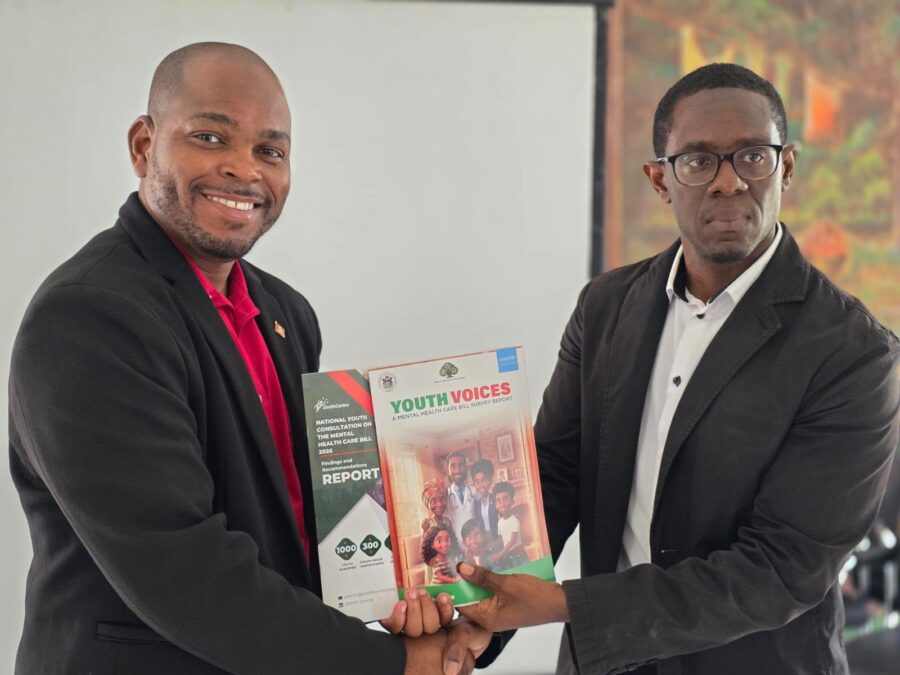
    On June 15, 2026, Antigua and Barbuda’s senior health official took a landmark step toward youth-centered mental health reform, accepting finalized consultation findings that will guide the drafting of new national mental health legislation focused on children and adolescents.

    Honourable Michael Joseph, Minister of Health, Wellness, Environment and Civil Service Affairs, formally received two complementary reports documenting outcomes from months of inclusive national engagement with young people across the country. The documents — *National Youth Consultation on the Mental Health Care Bill 2026: Findings and Recommendations Report* and *Youth Voices: A Mental Health Care Bill Survey Report* — were presented by Jameel Lee, a representative of the local Zenith Centre.

    The consultation initiative is the product of cross-sector and international collaboration, bringing together the Ministry of Health, Ministry of Education, Science and Technology, the Zenith Centre, the United Nations Children’s Fund (UNICEF), and the Pan American Health Organization (PAHO). It grew out of the Antigua and Barbuda government’s long-standing commitment to building a modern, rights-aligned mental health framework, with a deliberate focus on centering the perspectives of the population most affected by new youth-focused rules.

    To gather robust, representative input, organizers reached more than 1,300 young people across the nation: approximately 1,000 participants completed written surveys, while an additional 300 contributors joined 10 targeted focus group discussions. Participants were drawn from a diverse cross-section of youth, including students from primary and secondary schools, as well as learners at the Antigua and Barbuda College of Advanced Studies (ABCAS), ensuring input reflected a wide range of experiences and needs.

    The recommendations and insights outlined in the final reports are designed to advance four core goals: boosting public awareness of youth mental health challenges, expanding equitable access to critical care services, reducing harmful social stigma around mental illness, and ensuring the upcoming legislative framework directly addresses the unique priorities of children and adolescents.

    In his remarks after accepting the reports, Minister Joseph praised the meaningful contribution of Antigua and Barbuda’s young people to the policy process, emphasizing that inclusive, data-driven policymaking is the only path to effective reform. “The perspectives of our children and young people matter,” he said. “Meaningful reform requires that those who will live with the outcomes of our decisions have an opportunity to contribute to them.”

    Joseph added that the consultation findings will be integral to ensuring both the new Mental Health Care Bill and the broader national mental health system adapt to the actual needs and lived realities of young people across the twin-island nation.

    The minister also extended recognition to all partner organizations that supported the initiative, noting that durable, meaningful mental health reform depends on cross-sector cooperation and ongoing, open engagement with local communities. “This work would not have been possible without the shared commitment of every group that brought their expertise and resources to the table,” he noted.

    Moving forward, the government of Antigua and Barbuda reaffirmed its long-term commitment to strengthening national mental health services and advancing legislation that upholds human dignity, protects fundamental rights, and reflects the evolving needs and aspirations of all the people it serves.

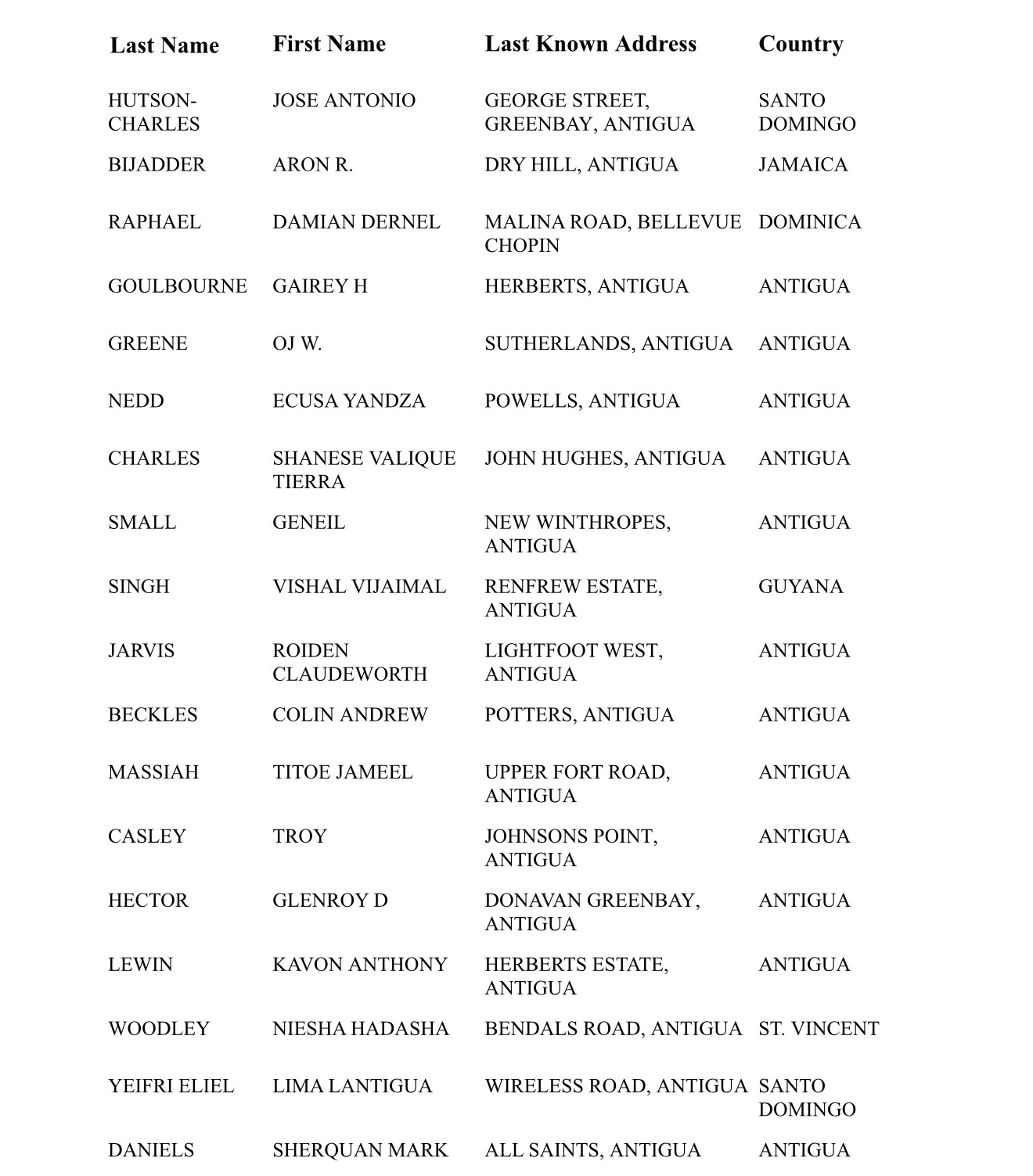
  • We are trying to reach the following persons as a matter of urgency. Are you listed below? Do you have information as to their whereabouts or how to contact these persons?Then contact 464-1977/ 464-1238

    We are trying to reach the following persons as a matter of urgency. Are you listed below? Do you have information as to their whereabouts or how to contact these persons?Then contact 464-1977/ 464-1238

    A pressing public call has been issued by authorities or organizers seeking to urgently locate a group of people that have not been named in the initial announcement. The appeal directly asks two critical questions of anyone reading or hearing the notice: first, whether the individual seeing the message is among the group being sought, and second, whether any member of the public holds details about the current location or accessible contact information for the people the organizers are trying to reach.

    No additional context about why these individuals are being sought, how many people are on the list, or what the nature of the matter requiring contact is has been released alongside the urgent appeal. The notice emphasizes that establishing connection with these people is a time-sensitive matter, meaning a prompt response from anyone with relevant information is requested. It remains unclear whether the search is related to a legal matter, a public safety issue, a family notification, or another type of urgent inquiry, as the originating body has only released the basic appeal for information to date.

  • Sandals Foundation Invests Ec$38,000 In Youth Enterprise Through Entrepreneurship Edge Programme

    Sandals Foundation Invests Ec$38,000 In Youth Enterprise Through Entrepreneurship Edge Programme

    A new push to grow youth-led economic development across Antigua and Barbuda has launched this week, backed by a EC$38,000 investment from the Sandals Foundation into the Department of Youth Affairs’ flagship Entrepreneurship Edge Programme. The official kickoff was hosted at the island nation’s Multipurpose Cultural and Exhibition Centre, marking the second consecutive year of public-private collaboration between the foundation and the youth affairs department to cultivate the next wave of local business leaders, innovators, and founders.

    Over the next six weeks, participants will meet twice weekly for interactive training sessions led by veteran industry professionals, successful established entrepreneurs, and specialized subject matter experts. The program is built to serve a diverse group of young people, from current small business owners looking to scale their operations to aspiring entrepreneurs with early-stage ideas they aim to turn into sustainable, revenue-generating ventures. Training modules are designed to equip attendees with hands-on practical skills, long-term strategic planning capabilities, and the confidence required to navigate the complexities of today’s competitive global market, ultimately building businesses that drive broader national economic growth.

    David Latchimy, General Manager of Sandals, praised the Department of Youth Affairs for its unwavering focus on youth advancement and for building a targeted platform that directly addresses the common barriers young founders face when launching and scaling new enterprises. He emphasized that the partnership extends far beyond one-time financial investment, representing a shared long-term vision to nurture homegrown entrepreneurial talent, spark a culture of innovation across the country, and give young people the concrete tools to turn their creative concepts into viable, long-lasting businesses.

    Dr. Jrucilla Samuel, Director of the Department of Youth Affairs, reiterated her department’s ongoing commitment to embedding entrepreneurship as a core career pathway for Antigua and Barbuda’s young population. “By connecting our participants with proven business leaders and opening access to the critical resources they would otherwise struggle to secure, the Entrepreneurship Edge Programme is helping us build a stronger, more resilient entrepreneurial ecosystem across Antigua and Barbuda,” Samuel explained.

    As the Caribbean nation increasingly prioritizes entrepreneurship, innovation, and youth empowerment as core drivers of inclusive national development, this cross-sector partnership stands as a model for effective public-private collaboration. It demonstrates how aligned cooperation between government agencies and private philanthropic organizations can create clear, accessible pathways for young people to participate meaningfully in the national economy and drive long-term sustainable growth.

    The six weeks of intensive training and mentorship will conclude with the Entrepreneurship Edge Expo, a public showcase where all participants will have the opportunity to present their finished business concepts, finished products, and available services to potential investors, customers, and community partners.

    Founded in March 2009 to expand on the decades of community-focused philanthropic work led by parent company Sandals Resorts International, the Sandals Foundation is a registered nonprofit charity across multiple major jurisdictions: it holds registration with the Department of Co-operatives and Friendly Societies in Jamaica, is a CRA-registered charity in Canada, operates as a 501(c)(3) nonprofit in the United States, and is registered with the Charity Commission for England & Wales. The organization draws on more than 40 years of commitment to supporting the Caribbean communities where Sandals Resorts operates, focusing its investment on three core impact areas: education, community development, and environmental stewardship. Critically, 100% of all public donations to the foundation go directly toward community-focused programs across the region, with no administrative deductions taken from public contributions.

    The Sandals Foundation says it remains dedicated to supporting initiatives that strengthen Caribbean communities through expanded education opportunities, targeted skills training, leadership development, and broad-based economic empowerment for marginalized groups including young people.

  • DOMINICA: UWP Unveils Fresh Faces as Opposition Positions for Major Electoral Breakthrough

    DOMINICA: UWP Unveils Fresh Faces as Opposition Positions for Major Electoral Breakthrough

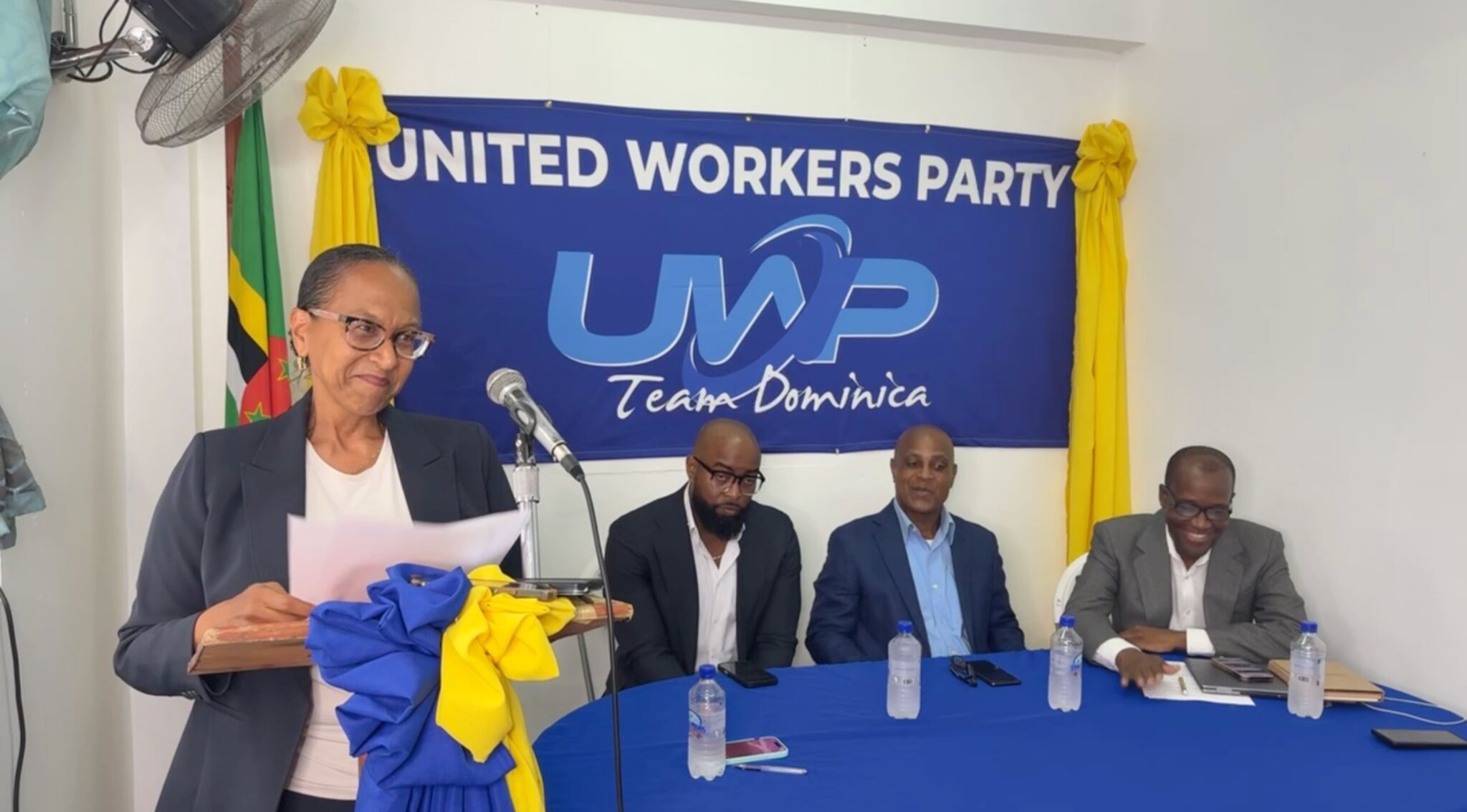
    On a Thursday marked by high political energy, Dominica’s main opposition United Workers Party (UWP) took a decisive step forward in its bid to unseat the long-governing Dominica Labour Party, introducing two fresh candidates and formally locking in former parliamentarian Danny Lugay as its nominee for the widely anticipated Roseau North by-election. Party leaders framed the event as proof of building momentum ahead of what could be the end of nearly three decades of continuous Labour Party control.

    Dubbed the launch of “Team Dominica”, the event brought forward Juliet Schillingford, a seasoned urban planner, as the UWP’s candidate for the Roseau Central constituency, alongside local businessman Delbert Paris, who will stand for the party in Marigot. Lugay, who has previously held the Roseau North parliamentary seat, was confirmed as the opposition’s official representative for the upcoming by-election, which political observers widely expect to be called within the next 90 days.

    Already, this single-seat contest has emerged as a critical early barometer of national sentiment: it will be the first chance for Dominican voters to deliver a formal public judgment on the Labour administration’s performance, and a test of widespread appetite for systemic political change after 27 years in power.

    UWP leader Dr. Thompson Fontaine positioned the upcoming Roseau North vote as the opening salvo of a national campaign to replace the sitting government, urging local constituents to rally behind Lugay’s candidacy. “As we face a potential by-election in the Roseau North constituency, I call upon the constituents to send a strong message to this government,” Fontaine declared to a crowd of cheering supporters. He added, “Twenty-seven years is a long time for this generation of youth to be in the valley of economic depression”—a comment that drew resounding applause from party backers.

    The candidate launch was intentionally structured to showcase the UWP’s vision for a new generation of governance, blending the experience of veteran political hands with fresh perspectives from young professionals and established community leaders. Schillingford, a Roseau native and widely respected urban planning expert, delivered one of the event’s sharpest rejections of the incumbent government’s track record in the capital. “Roseau Central has been neglected. Roseau Central has not been a priority, and the people of Roseau Central deserve better,” she said.

    She outlined a litany of unaddressed issues facing the constituency: crumbling public infrastructure, chronic traffic congestion that has crippled movement, small businesses struggling to stay afloat, and a string of long-promised development projects that have never broken ground. After decades of unfulfilled pledges from the ruling party, she argued, Roseau Central residents have been forced to accept steadily declining quality of life.

    For his part, Paris earned unanimous backing from local UWP supporters in Marigot, framing himself as part of a new wave of leaders committed to upholding the constituency’s long-standing tradition of independent political thought. He called on all Dominicans to reject complacency in the nation’s political life and step up as active participants in building the country’s future.

    The event also put on display a newly consolidated unity within opposition ranks. Fontaine confirmed that veteran Dominican political figures, including former Prime Minister Edison James and former Opposition Leader Lennox Linton, will take on active, prominent roles in upcoming campaign efforts, as opposition factions align to challenge the governing Labour Party.

    Throughout the launch event, speakers repeatedly drew a clear line between the UWP’s policy vision and what they described as a culture of political dependency fostered by the Labour Party. The UWP, by contrast, pledged to deliver sustainable jobs, broad economic opportunity, and national self-reliance.

    Fontaine specifically criticized the incumbent government’s reliance on political patronage and one-off handouts, arguing that Dominicans deserve long-term, stable employment rather than periodic, temporary assistance. “We’ll work to dismantle this red clinic so that the people of Dominica will not expect handouts from us, but they will expect jobs,” he said.

    The party also used the launch to pull back the curtain on its formal policy platform, the “10 Pillars to Shared Prosperity”. The agenda includes commitments to raise national wages, overhaul the country’s tax code, expand support for the agricultural and manufacturing sectors, boost youth entrepreneurship, strengthen government accountability, and gradually reduce Dominica’s heavy economic reliance on its controversial Citizenship by Investment programme.

    The Roseau North by-election is set to pit Lugay against Labour Party candidate Ashma McDougall, and has grown far beyond a race for a single parliamentary seat. For a UWP that has rebuilt its strength after years of internal divides and electoral losses, the contest is a critical opportunity to prove that Dominica’s political landscape is shifting, and that the Labour Party’s decades-long grip on power is no longer unassailable.

    After years on the back foot following internal rifts and poor election results, Thursday’s candidate launch was crafted to deliver one unambiguous message: the United Workers Party is back as a competitive political force, and it intends to contest every parliamentary seat in upcoming elections with the explicit goal of forming the next national government.

  • Antigua Cancer Centre Expected to Open for Treatment Services This Fall

    Antigua Cancer Centre Expected to Open for Treatment Services This Fall

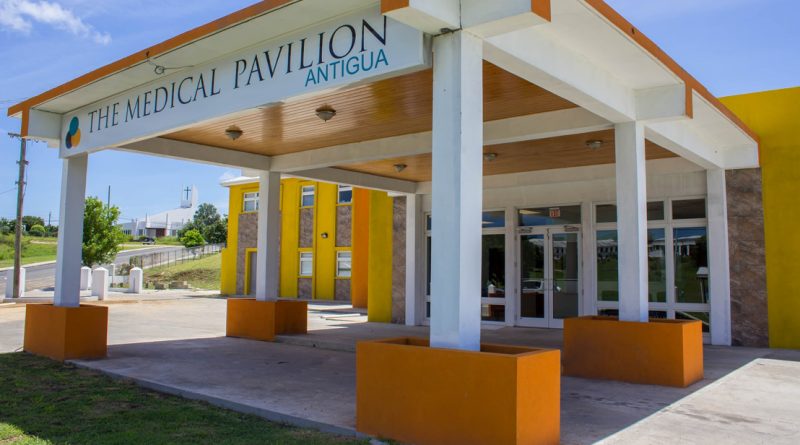
    After years of planning and development, Antigua and Barbuda is moving closer to launching its first local cancer treatment center, with government officials confirming this week that services are on track to launch by early fall this year. The announcement, delivered during the weekly post-Cabinet press briefing by Director General of Communications Maurice Merchant, outlines that final construction, key staffing recruitment, and specialized equipment preparations are all progressing according to schedule.

  • Cricket West Indies Proposes US$6.6 Million Antigua Campus to Drive Cricket Development

    Cricket West Indies Proposes US$6.6 Million Antigua Campus to Drive Cricket Development

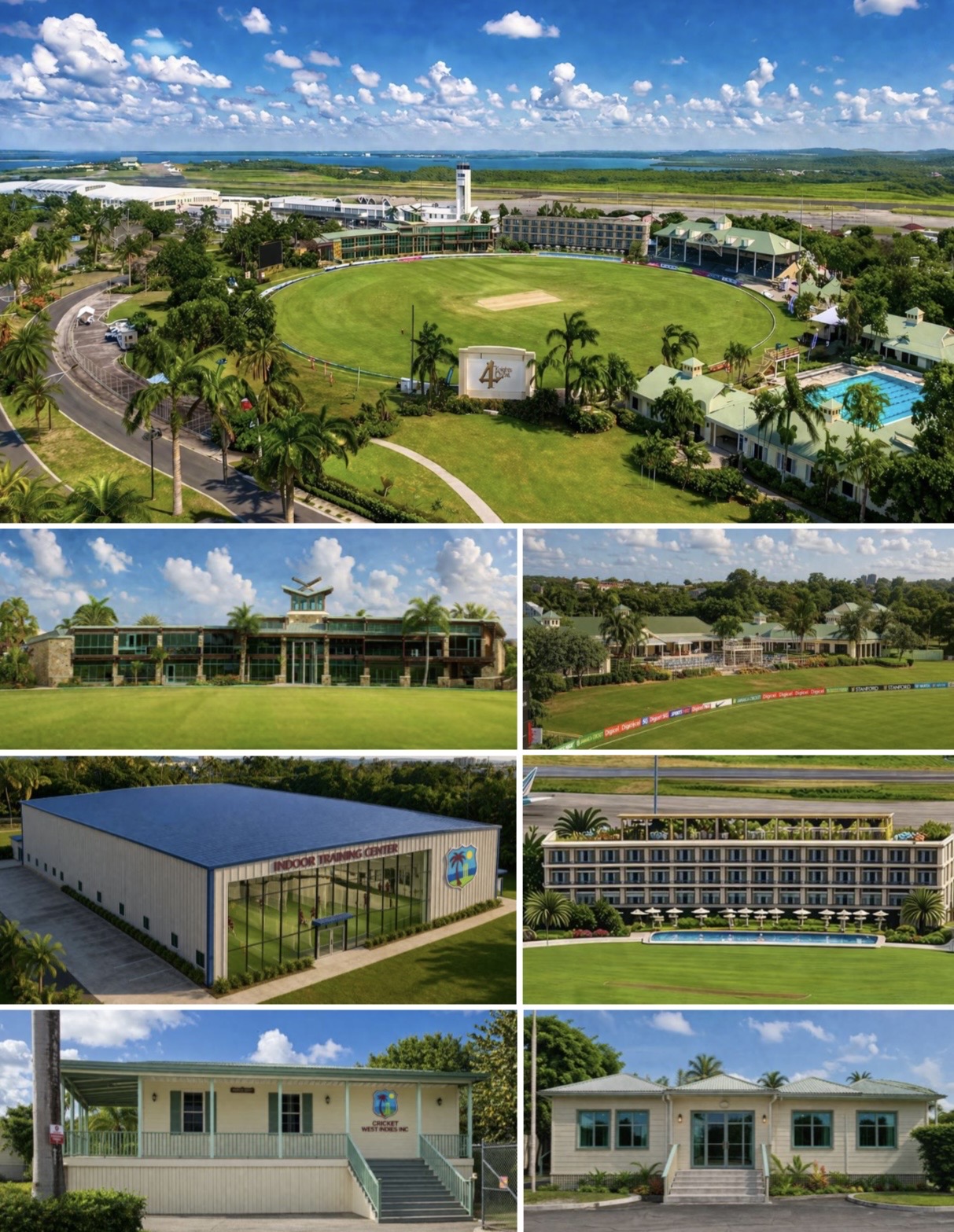
    Cricket West Indies (CWI), the governing body for cricket across the Caribbean region, has formally put forward an ambitious $6.6 million proposal to build a state-of-the-art regional cricket development campus on the island of Antigua. The planned facility is designed to address longstanding gaps in high-performance training infrastructure, grassroots talent identification, and specialized coaching education that have held back the sport’s growth across the Caribbean. If approved, the campus will be constructed on a sprawling plot of government-allocated land in the north of Antigua, a location chosen for its easy access to international travel links, consistent warm climate ideal for year-round training, and existing proximity to several well-established regional cricket grounds. The proposed facility will include multiple full-size match-quality playing pitches, a specialist bowling and batting center with advanced biomechanical analysis equipment, accommodation for up to 80 emerging players and coaching trainees, a sports science and medicine clinic, and classroom spaces for coaching education and governance courses. CWI officials note that the project will not only elevate the standard of high-performance cricket for men’s, women’s, and youth teams across the West Indies, but also position Antigua as a regional hub for cricket tourism, attracting international teams for pre-tournament training camps and generating sustained economic activity for the island’s hospitality and service sectors. The proposal is currently undergoing review by Antigua and Barbuda’s national planning authorities and potential funding partners, with construction expected to break ground in late 2025 if approved, and full completion targeted for 2027.