标签: Antigua and Barbuda

安提瓜和巴布达

  • Caribbean Voices Must Be Heard in Global Climate Talks, Says Minister Joseph

    Caribbean Voices Must Be Heard in Global Climate Talks, Says Minister Joseph

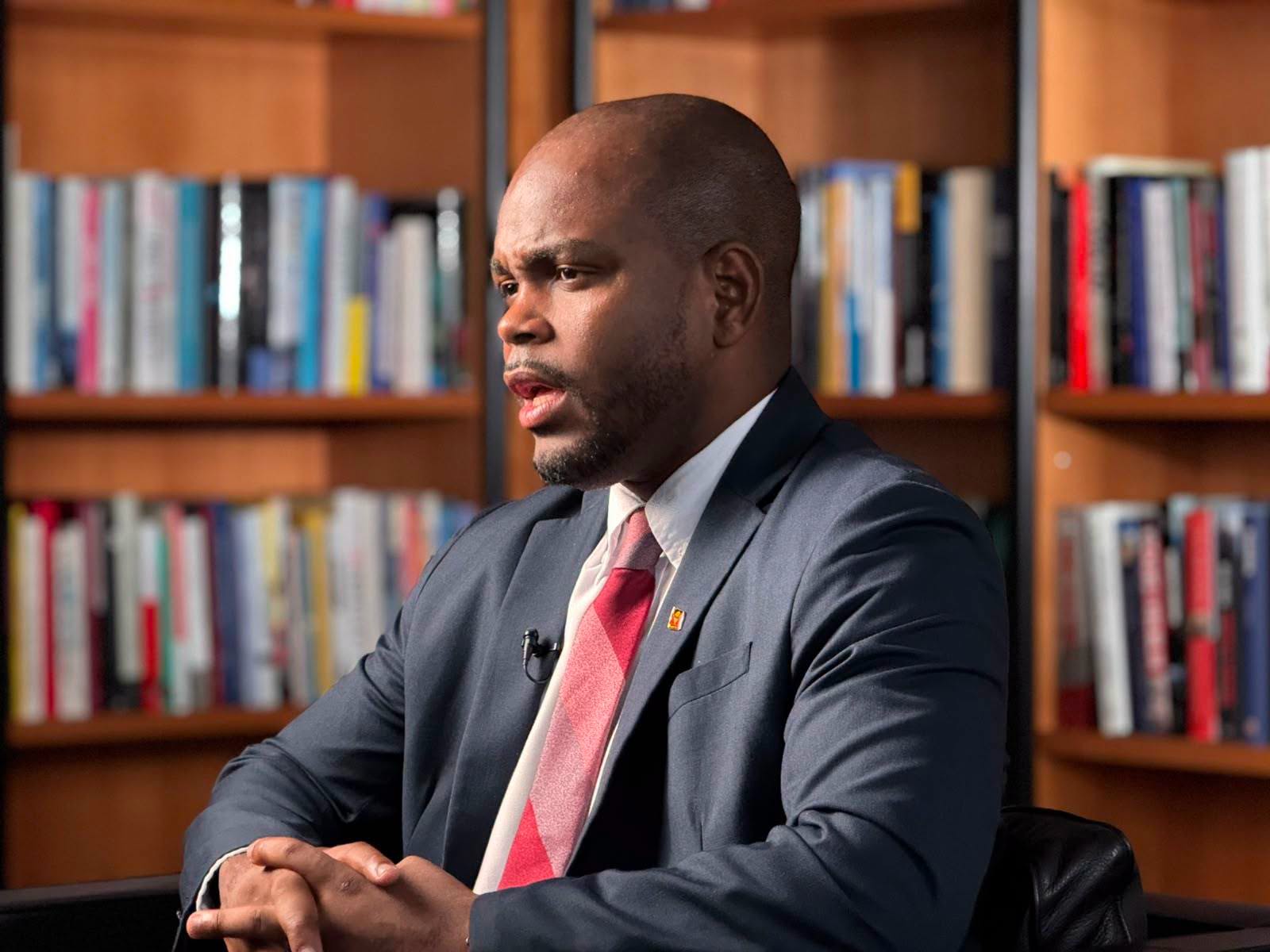
    Against the backdrop of the 2026 Berlin Climate Mobility Forum, a top Caribbean official is amplifying a long-silenced call: Small Island Developing States (SIDS) like Antigua and Barbuda must be granted far greater influence in global climate governance, rather than being sidelined from decisions that shape their very survival.

    In a post-forum interview, Michael Joseph, who serves as Antigua and Barbuda’s Minister of Health, Wellness, Environment and Civil Service Affairs, drew a stark contrast that underscores the injustice at the heart of the global climate crisis. While Caribbean nations collectively contribute less than a fraction of one percent of the world’s total greenhouse gas emissions, they bear a wildly disproportionate share of climate harm, from crippling extreme weather to slow-onset disasters like rising sea levels that threaten to erase entire territories.

    Joseph emphasized that this gap in responsibility is matched by a gap in representation: even as climate-induced displacement and mobility emerge as defining global challenges of the 21st century, Caribbean voices remain drastically underrepresented in international negotiations focused on adaptation and climate-driven migration. “Caribbean voices are diminished even more,” Joseph noted, arguing that the region cannot afford to be an afterthought in policy processes that will directly determine the future of its people and nations.

    The region’s unique vulnerability is on clear display every year, Joseph pointed out: for six months annually, Caribbean communities brace for the destructive force of Atlantic hurricanes, which can wipe out years of development gains in a matter of hours. He cited recent examples across the region, including Antigua and Barbuda and Dominica, where single storm events have caused catastrophic damage to infrastructure, crippled local economies, and reversed hard-won progress in poverty reduction and public service expansion.

    For SIDS across the Caribbean, climate risk is not a distant hypothetical. “For many of us, it is not a matter of if, but who is going to be impacted,” Joseph said, framing the urgency of the region’s demand for a permanent seat at the table when global leaders negotiate climate financing and resilience-building measures. Without a direct voice in these discussions, he argued, policies are often designed that fail to address the unique needs of small island nations, leaving communities more exposed to preventable harm.

    To address the systemic barriers that block SIDS from accessing critical climate support, Joseph renewed calls for the broader adoption of the Multidimensional Vulnerability Index (MVI) by international financial institutions. The minister explained that traditional metrics used to determine eligibility for grants, concessional loans, and other climate-related funding often fail to capture the full scope of small island states’ inherent vulnerability. These outdated frameworks force many SIDS into unfair disadvantage, locking them out of the affordable support they need to prepare for and recover from climate disasters.

    Joseph closed by reiterating the region’s core demands: increased climate finance tailored to the needs of SIDS, formal and meaningful representation in global climate decision-making bodies, and targeted international support to protect the livelihoods, distinct cultures, and traditional ways of life that are now at risk due to rising global temperatures.

    Held in Berlin, the annual Climate Mobility Forum gathers policymakers, academic researchers, and leaders of international organizations to address the rapidly growing challenge of displacement and migration triggered by climate change, a crisis that is projected to displace hundreds of millions of people globally by mid-century if decisive action is not taken.


  • ECAB Advises Customers Visa and Mastercard Cards No Longer Accepted in Cuba

    ECAB Advises Customers Visa and Mastercard Cards No Longer Accepted in Cuba

    Travelers and businesses planning financial activity in Cuba are facing a major shift in payment options, as all Visa and Mastercard branded cards are no longer accepted for transactions across the country. The change stems from a recent United States Executive Order signed into effect on May 1, 2026, which has triggered operational restrictions for the international financial partner that previously handled all credit card processing for Cuban financial institutions.

    After the new executive order entered force, Cuba’s Central Bank issued a formal notification confirming that the third-party processing partner has significantly scaled back its operations in the jurisdiction, leaving no infrastructure to support Visa and Mastercard transactions. This suspension applies to all card types issued by the Eastern Caribbean Amalgamated Bank (ECAB) and other issuing institutions, including standard credit cards, debit cards linked to personal checking accounts, and prepaid cards loaded for travel.

    ECAB and other card-issuing institutions have issued urgent advisories to their customer bases urging anyone with upcoming travel or business plans in Cuba to arrange alternative payment methods well in advance of their departure. Financial leaders note that failing to prepare alternate payment options could lead to significant disruptions to travel plans, business operations, and daily purchases during a stay in Cuba.

    In their advisory, bank management apologized for the unplanned disruption this policy change creates for cardholders, emphasizing that the suspension is a result of external regulatory changes outside of the issuing bank’s control. They expressed gratitude for customers’ patience and understanding as the global financial system adjusts to the new policy framework. Customers with questions about the change or concerns about upcoming travel are encouraged to reach out to their bank’s customer support team for further guidance.

  • Tropical Storm Arthur Causes an Estimated $4-6 Billion in Total Damage and Economic Loss

    Tropical Storm Arthur Causes an Estimated $4-6 Billion in Total Damage and Economic Loss

    In late summer, a relatively weak tropical system has left a staggering mark on the U.S. Gulf Coast, with preliminary assessments from AccuWeather forecasting total damage and economic losses ranging between $4 billion and $6 billion. Tropical Storm Arthur, which spent less than 24 hours officially classified at tropical storm strength after forming off the Texas coast, unleashed catastrophic, life-threatening weather across a multi-state stretch from Texas to the Florida Panhandle, with Louisiana and Mississippi bearing the brunt of the destruction.

    Record-shattering rainfall amounts overwhelmed local infrastructure across the region. In Cottonport, Louisiana, the storm dumped a total of 31.56 inches of rain over just a few days, while nearby Plaucheville and Simmesport recorded 24.47 inches and 20.66 inches respectively. Even in Carriere, Mississippi, totals reached 15.75 inches, far exceeding the capacity of local drainage systems. The extreme precipitation sparked widespread flash flooding that closed dozens of roads, inundated hundreds of homes and businesses, and forced emergency teams to carry out dozens of high-water rescues. As of 7 a.m. Friday, at least two fatalities have been confirmed, two tornadoes have been recorded in Louisiana, and additional twisters are expected to be documented as assessment teams reach isolated areas.

    AccuWeather’s preliminary estimate accounts for every dimension of the storm’s economic footprint, from direct physical damage to homes, businesses and public infrastructure to indirect costs including extended business interruptions, hundreds of flight delays, prolonged power outages, supply chain disruptions, crop losses, emergency evacuation and response expenses, and ongoing recovery costs. AccuWeather experts note the final total could climb even higher, as many hard-hit areas have not yet submitted full damage reports, and lingering impacts continue to disrupt local communities weeks after floodwaters first rose.

    “Flooding, travel disruptions, power outages and business interruptions can quickly add up to billions of dollars in impacts for families, businesses and communities,” said Dan DePodwin, AccuWeather Vice President of Forecasting Operations. “Arthur is another reminder that tropical systems do not need to reach hurricane strength to cause significant, expensive and even deadly damage and economic losses.”

    Flooding was by far the costliest impact of the storm, a pattern DePodwin says is common for weaker tropical systems that move inland. To better communicate the full scope of a storm’s threat beyond just wind speed, AccuWeather used its proprietary RealImpact™ Scale for Hurricanes to rate Arthur a 2, due to its life-threatening flooding. This differs from the traditional Saffir-Simpson scale, which only ranks storms by wind speed and would have classified Arthur as a low-level event before dissipation.

    “Arthur is a clear example of why the AccuWeather RealImpact Scale for Hurricanes is so important. Instead of classifying a storm’s threat by just its wind speed, the scale accounts for the other many threats that are caused by tropical systems. Storm surge, and in the case of Arthur flooding, are typically responsible for more widespread impacts than wind damage alone and more people are killed by water than wind in tropical systems. Some of the most destructive flood events in our nation’s history were caused by tropical storms or unnamed tropical rainstorms,” DePodwin added.

    AccuWeather’s damage estimate uses independent, proprietary methodology that incorporates both insured and uninsured losses, drawing on a wide range of public and proprietary data sources to capture both short-term and long-term economic impacts. The company has been a leading provider of preliminary disaster damage estimates since 2017, when its widely cited early assessment of Hurricane Harvey helped the public and policymakers grasp the full scale of that catastrophic event. Unlike many partial assessments that only count insured property damage, AccuWeather’s methodology includes lost wages and business income, cleanup and emergency management costs, long-term disruptions to tourism and transportation, and even unreported medical and mortality costs that are often omitted from official early estimates.

  • OPINION: Is Extending and Expanding the Windfall Tax the Correct Answer?

    OPINION: Is Extending and Expanding the Windfall Tax the Correct Answer?

    A fresh debate over the future of Antigua and Barbuda’s temporary windfall tax has erupted following a June 2026 opinion piece calling for the policy’s extension and expansion to advance national education goals. Responding to Professor C. Justin Robinson’s argument that the proposal deserves full national deliberation, a veteran policy analyst with over 35 years of decision-making experience has pushed back against the rushed framing of the conversation, while calling for greater transparency and dispassionate cost-benefit analysis before any final policy vote.

    The analyst emphasizes that effective problem-solving does not prioritize being seen as correct, but rather making the right, contextually informed decision. A robust decision-making process requires first defining clear, measurable outcomes, diagnosing why current systems are falling short, evaluating emerging trends and alternative solutions, and only then deliberating on a path forward. In the analyst’s view, the current conversation around the windfall tax has inverted this process: the solution—extending and expanding the levy—has been presented to the public before any clear consensus on the underlying problem has been established.

    While the analyst acknowledges alignment with some of the equity-focused education outcomes Professor Robinson aims to achieve, they reject the windfall tax as the appropriate funding mechanism. They also note a structural conflict of interest: Professor Robinson is affiliated with the University of the West Indies (UWI), the primary beneficiary of the tax revenue, so full objectivity on the policy cannot reasonably be expected.

    For context, the windfall tax was first introduced in 2019 as a three-year temporary measure to fund the construction of UWI’s Five Islands Campus. Levied at a 10% rate on net profits, it applies exclusively to private businesses operating in banking, telecommunications, insurance, and petroleum distribution—on top of the existing 25% corporate tax already paid by these firms. Despite its original temporary mandate, the government has repeatedly extended the tax without public justification, a move the analyst describes as convenient and dishonest.

    Critically, the analyst argues that the sacred cow of public education should not shield the proposal from rigorous scrutiny. Before committing scarce public resources to expanded education funding, policymakers must first answer a fundamental question: what measurable return on public investment do Antiguans and Barbudans expect from expanded education spending? Is the goal to produce more tourism-sector workers, legal professionals, or tech and AI specialists? Without clear outcome metrics, strategic budget allocation is impossible.

    Limiting their critique to the funding components of the proposal, the analyst has laid out nine core questions that demand public answers from the government before any vote to extend and expand the tax. These include: what is the annual revenue yield of the current tax, and how is that money currently spent; how much additional revenue does the new education plan require; what happened to revenue from the existing Education Levy; with a total national budget exceeding EC$2 billion, can funds be reallocated from existing priorities instead of raising new taxes; how is the government addressing widespread public sector waste to free up additional revenue for education; how long can the increased tax burden be sustained before it pushes struggling private firms out of business, particularly when they face unfair competition from tax-exempt state-owned enterprises and ongoing global economic shocks; what is the plan to make new education initiatives self-sustaining after the windfall tax is eventually withdrawn; when will state-owned enterprises operating in the taxed sectors start contributing their fair share to the fund, and is it fair to require private firms to compete against state competitors that do not pay the levy; and finally, how will expanded funding guarantee improved education quality, rather than just more spending with no accountability for outcomes.

    The analyst rejects Professor Robinson’s framing that policymakers should only focus on what new programs the tax can fund, ignoring the concept of opportunity cost and the growing financial strain already faced by private sector businesses. No discussion has yet addressed how expanding the tax net will push up business costs, which will inevitably be passed on to consumers, already strained by a per-capita annual public spending burden of $20,000. The analyst also questions whether the country can afford to expand public spending programs without risking sovereign fiscal instability.

    For the proposal to qualify as a genuine national consideration, the government must first release all relevant data to the public to allow for informed public feedback. Echoing the core principle of democratic governance, the analyst concludes: “No taxation without representation!”

  • Antigua and Barbuda Cabinet Recommends Sir David Harrison to Lead UWI Five Islands Campus Council

    Antigua and Barbuda Cabinet Recommends Sir David Harrison to Lead UWI Five Islands Campus Council

    The Cabinet of the twin-island nation of Antigua and Barbuda has formally approved a recommendation to appoint prominent British business leader Sir David Harrison to two key leadership positions at the University of the West Indies (UWI) Five Islands Campus. Under the proposal, Sir David will serve as both Chairman of the campus’s governing Council and Chairman of its dedicated Campus Endowment Fund.

    Sir David boasts a 40-plus year track record as one of the United Kingdom’s most accomplished entrepreneurs, building his reputation through transformative growth in the financial services and fintech sectors. He currently leads True Potential LLP, a Newcastle-based financial technology and services firm that ranks among the UK’s fastest-growing businesses in the industry. Before taking the helm at True Potential, Sir David founded and scaled Positive Solutions into the United Kingdom’s largest independent financial advisory network.

    Beyond his impressive corporate success, Sir David has long been recognized as a vocal champion for expanded educational access and improved social mobility, causes he has prioritized both through his advocacy and direct philanthropic giving. The Antigua and Barbuda Cabinet specifically highlighted Sir David’s ongoing extraordinary generosity to the country, noting his targeted support for local educational and youth empowerment programs, alongside millions of pounds in pledged investment to advance learning and opportunity for young Antiguans and Barbudans.

    In recognition of his decades of contributions to business, education, and social advancement in the country, Antigua and Barbuda awarded Sir David its highest civilian honor in 2022: Knight Grand Cross of The Most Distinguished Order of the Nation.

    Cabinet officials expressed unwavering confidence in Sir David’s ability to drive the Five Islands Campus forward, noting that his decades of leadership experience, forward-thinking strategic vision, and deeply rooted commitment to educational equity align perfectly with the institution’s growing mission. Launched in 2019 as the UWI system’s fifth permanent landed campus, the Five Islands location was established specifically to expand access to high-quality tertiary education across the Eastern Caribbean. It has since become a central pillar of the Antigua and Barbuda government’s long-term strategy to build national human capital and establish regional leadership in post-secondary learning, serving students across the entire Organisation of Eastern Caribbean States (OECS).

    According to the Cabinet’s statement, Sir David’s stewardship of both the governing council and endowment fund is expected to strengthen the campus’s institutional governance, boost large-scale fundraising capacity, and speed up progress toward the institution’s ambitious, transformative vision for higher education development across Antigua and Barbuda.

  • New Seed Bank and Sweet Potato Projects Aim to Strengthen Antigua and Barbuda’s Food Supply

    New Seed Bank and Sweet Potato Projects Aim to Strengthen Antigua and Barbuda’s Food Supply

    Antigua and Barbuda’s Minister for Agriculture has presented a progress update to the nation’s Cabinet on ongoing collaborative work between the Ministry of Agriculture and the Inter-American Institute for Cooperation on Agriculture (IICA), a longstanding key partner in the government’s strategic push to reframe agriculture as a foundational driver of economic expansion, national food security, and climate adaptive capacity across the twin-island nation.

    Per the Minister’s briefing, multiple development projects are moving forward under IICA’s 2025 Technical Cooperation Programme, with Antigua and Barbuda counted among the primary beneficiaries of region-wide initiatives focused on three core priorities: boosting agricultural output, reinforcing disaster preparedness frameworks, and advancing holistic food and nutrition security across the Caribbean.

    One of the highest-priority flagship initiatives is the Next Generation Sweet Potato Production in the Caribbean Project, delivered through a three-way partnership between IICA, Antigua and Barbuda’s Ministry of Agriculture, and the Caribbean Agricultural Research and Development Institute (CARDI). The project centers on increasing sweet crop yields, expanding the use of diverse sweet potato genetic resources, and directly contributing to stronger national food security.

    Key activities rolled out under the sweet potato initiative include the introduction of genetically improved planting stock, field testing of high-yield varieties bred to withstand extreme climate conditions, hands-on training for smallholder farmers on climate-smart good agricultural practices, and upgrades to regional pest management systems that cut post-planting crop losses.

    Beyond the sweet potato project, the Minister highlighted major advancements in the Mobile Seed Bank Project, another collaborative effort between IICA and CARDI built to strengthen regional disaster preparedness and speed post-disaster agricultural reconstruction across the Caribbean. Antigua and Barbuda, alongside Dominica, has been selected as a core pilot country for the initiative thanks to its existing robust seed production and storage infrastructure.

    The project will roll out a first-of-its-kind mobile seed banking system that enables rapid conservation and distribution of viable seeds during climate and weather emergencies, while also building long-term local technical capacity for seed and germplasm production and conservation. Additional components of the initiative include digitizing regional inventories of seeds and planting materials to improve supply chain traceability and quality control, and creating centralized reserve stocks of planting material to support immediate restart of crop production immediately after hurricanes, droughts, or other climate shocks.

    Already, CARDI has launched on-the-ground seed production activities in Antigua and Barbuda, focused on multiplying pumpkin and eggplant seeds that will be stored in reserve and distributed to local farmers to support recovery following future natural disasters.

    In addition to crop-focused initiatives, the Minister updated Cabinet on regional cooperation to strengthen monitoring and response capacity for African Swine Fever (ASF), a highly transmissible viral pathogen that threatens both commercial and wild pig populations. Through IICA and its network of regional partners, Antigua and Barbuda is taking part in cross-border programs to upgrade national ASF surveillance protocols, improve sample collection and laboratory testing capabilities, and develop coordinated cross-boundary response frameworks to protect both local and regional livestock industries from outbreak.

    Following the briefing, Cabinet members formally welcomed the measurable progress delivered through the ongoing partnership with IICA, and reaffirmed the Antigua and Barbuda government’s unwavering commitment to agricultural modernization, expanded climate resilience, and long-term achievement of full national food security and sustainable agricultural development.

  • Antigua toughens legislation dealing with cybercrime

    Antigua toughens legislation dealing with cybercrime

    In a decisive move to modernize the country’s criminal investigation framework, the Parliament of Antigua and Barbuda has approved sweeping amendments to the nation’s electronic crimes legislation, introducing unprecedentedly harsh financial penalties and potential prison time for individuals and corporate entities that refuse to surrender requested digital data to law enforcement during active criminal probes.

    Attorney General Sir Steadroy Benjamin, the lead sponsor of the Electronic Crimes Amendment Bill, told lawmakers the updated regulatory framework was crafted to resolve a persistent, years-long barrier that has stymied investigators working on cases ranging from financial fraud to violent organized crime. For years, Benjamin explained, service providers have repeatedly stonewalled police requests for critical digital evidence—including cell phone location pings, social media posts, and user activity logs that are essential to tracing the mechanics of criminal activity and building prosecutable cases.

    “Police require this evidence to map out how crimes were committed, but providers have consistently refused to comply with these lawful requests,” Benjamin stated during parliamentary debate.

    The new legislation outlines a tiered system of penalties for non-compliance. For defendants facing summary conviction, any individual or entity that fails to comply with a court-issued production order within the mandated timeframe—without a verifiable reasonable excuse—will be subject to fines reaching as high as 100,000 Eastern Caribbean dollars, alongside potential prison time, or both. For more severe charges brought by indictment, penalties jump to a maximum fine of one million Eastern Caribbean dollars, up to seven years of imprisonment, or both.

    A key targeted provision addresses a common loophole that service providers have long used to delay investigations: passing the buck to overseas corporate headquarters. Benjamin noted that local managers of telecommunication firms and other digital service providers have frequently claimed they lack the authority to comply with information requests, insisting that formal approval must come from executives based outside the country. To close this gap, the amended legislation explicitly holds on-island managers and local executives legally responsible for complying with production orders. Any company operating within Antigua and Barbuda’s borders is now legally required to cooperate with lawful information requests, rather than shifting responsibility to foreign leadership to stall investigative progress.

    The debate around the bill featured a personal testimony from Education Minister Daryll Matthew, who shared that he had recently fallen victim to a sophisticated financial scam, highlighting the urgent need for stronger digital investigation powers. “I was a target of financial crime,” Matthew confirmed, noting that his bank is currently working to resolve the incident.

    Cross-party support for the legislation was widespread, with opposition lawmakers backing the government’s effort to streamline criminal investigations. One opposition legislator praised the initiative, noting that the government’s move to update regulatory powers to enable faster access to digital evidence was a commendable step forward for public safety.

    Government officials emphasized that the amendments are just one component of a broader, long-term strategy to boost Antigua and Barbuda’s capacity to combat evolving criminal threats. As transnational cybercrime, financial fraud, and other modern offenses increasingly depend on digital communications and electronic record-keeping, updating legal frameworks to allow for timely evidence gathering has become a critical priority for national security.

  • LETTER: Mental Health Stigma in the Workplace & the Society

    LETTER: Mental Health Stigma in the Workplace & the Society

    Across workplaces and broader communities, a quiet crisis of unfair treatment toward people living with mental health challenges is gaining long-overdue attention. Multiple informal reports and on-the-ground observations have documented repeated cases of bias and mistreatment targeting individuals who manage mental health conditions or navigate acute mental health crises, often at the hands of their own colleagues.

    Mental health struggles do not discriminate by profession, income bracket, background, or age – they touch every corner of society. Most people can name at least one person, whether a close connection or a distant acquaintance, who is quietly grappling with these challenges away from public view. A wide spectrum of triggers can spark mental health distress, from unmanageable workplace burnout and the grief of personal loss to crippling financial strain and other unexpected life upheavals, many of which remain hidden from outside observers.

    The treatment that many of these individuals face in professional settings is both deeply unjust and alarming. Being met with mockery, harmful gossip, and implicit or explicit bias simply for experiencing a mental health episode does more than erode a person’s sense of dignity at work. It also creates a crippling barrier that stops people from reaching out for the life-saving support and care they need, trapping them in cycles of silence and distress.

    To reverse this harmful trend, workplaces and community institutions must center empathy, intentional understanding, and radical inclusivity as core values. Mental health status must never be used as a justification for discrimination or social exclusion. Instead, all spaces should be cultivated to be safe, supportive environments where every person feels respected, regardless of the mental health challenges they navigate.

    Currently, preliminary discussions are already underway around the development of a dedicated national mental health bill. There is widespread, cautious curiosity about how the proposed legislation will be structured, and whether it will deliver tangible progress on three critical fronts: reducing the persistent social stigma attached to mental illness, strengthening legal protections for the rights of people living with mental health challenges, and expanding access to affordable, accessible support services for all those who need them.

    As a collective society, the time has come to move beyond performative, selective compassion. We have a shared responsibility to extend consistent, unwavering empathy to all members of our communities, especially the most vulnerable among us who are navigating the isolation of mental health distress.

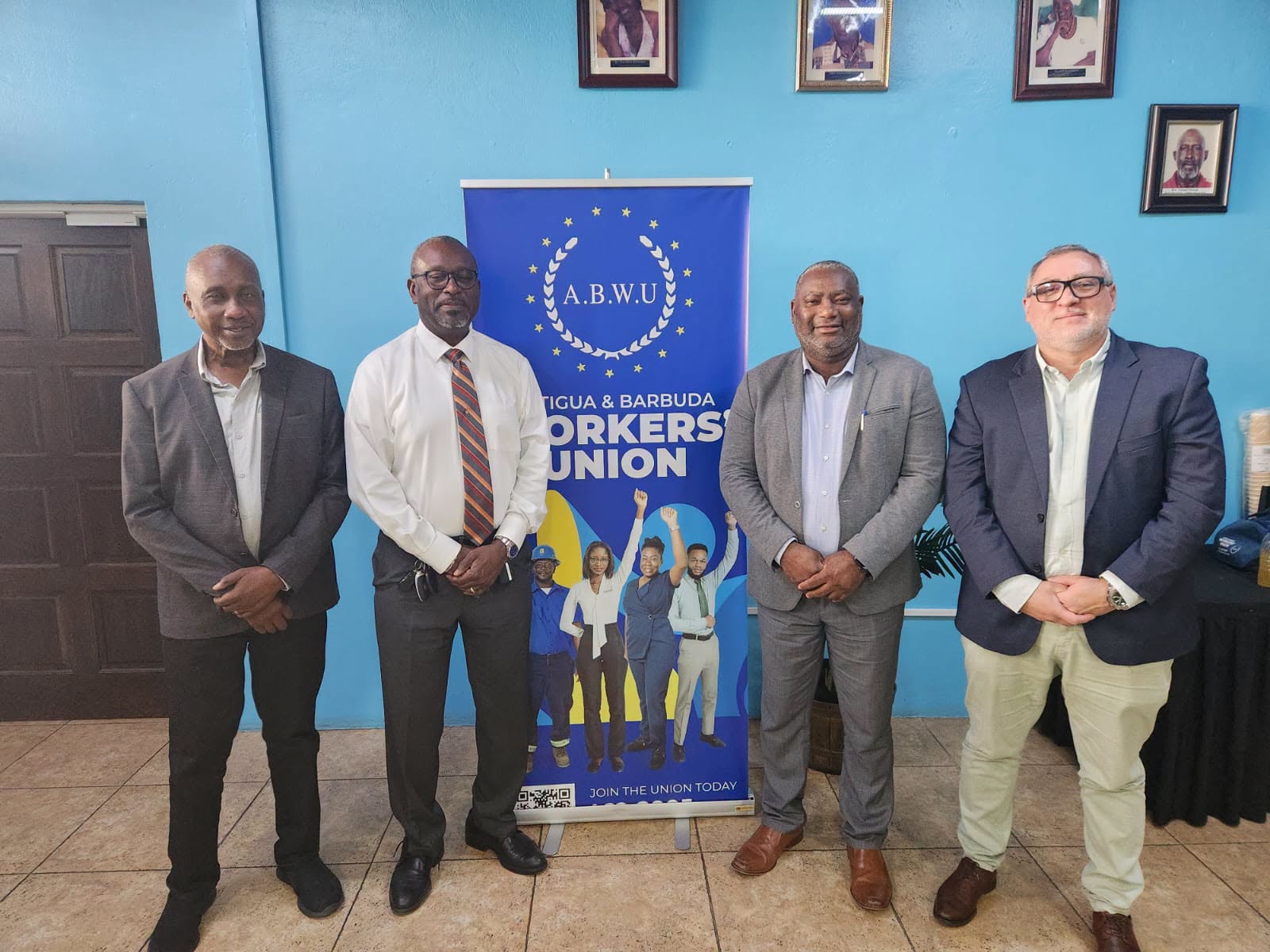
  • UNI Global Union Demands Urgent Talks as US$1.8 Billion CIBC-Butterfield Merger Raises Worker Concerns

    UNI Global Union Demands Urgent Talks as US$1.8 Billion CIBC-Butterfield Merger Raises Worker Concerns

    A proposed $1.8 billion merger between the Canadian Imperial Bank of Commerce (CIBC) and Butterfield Bank has sparked urgent calls from UNI Global Union, the global federation representing service sector workers, for immediate stakeholder talks over mounting concerns about job security and working conditions for frontline employees.

    The merger, which would combine CIBC’s Caribbean banking operations with Butterfield’s existing regional footprint, has been framed by company leadership as a strategic move to strengthen market competitiveness, expand service offerings, and drive long-term growth in the Caribbean financial sector. But labor advocates have warned that industry consolidation of this scale almost always brings sweeping restructuring that puts hundreds of roles at risk, while potentially eroding existing collective bargaining agreements and worker benefits.

    UNI Global Union, which represents more than 15 million workers across 150 countries, has emphasized that it is not opposing the merger outright. Instead, the organization is pushing for binding, good-faith talks between union leadership, CIBC, Butterfield, and relevant regulatory bodies to address worker concerns before any deal is finalized. The federation is calling for clear guarantees that existing jobs will be protected, that collective bargaining rights will be preserved for all staff across the combined entity, and that any future restructuring processes will be carried out with full transparency and input from labor representatives.

    Regional labor groups have echoed these demands, noting that the Caribbean banking sector has already faced a wave of consolidation in recent years that has led to widespread layoffs and reduced access to local banking services in smaller communities. UNI Global Union says that without proactive negotiation, the merger risks repeating these harms, leaving frontline workers bearing the brunt of corporate restructuring while executive leadership and shareholders capture the financial benefits of the deal.

    Regulators in Canada and the Caribbean are currently reviewing the proposed merger to assess its compliance with local financial regulations and competition rules. UNI Global Union is also calling on regulators to require labor impact assessments as part of their approval process, arguing that protecting worker livelihoods should be a core consideration when evaluating whether large corporate mergers are in the public interest.

  • Moroccan footballer Hakimi to be tried in France for rape, appeals court says

    Moroccan footballer Hakimi to be tried in France for rape, appeals court says

    In a development that has rocked the global football community, a French court formally confirmed on Friday that Paris Saint-Germain and Morocco national team captain Achraf Hakimi will face trial on rape charges. The 27-year-old star player, who was preparing for Morocco’s second World Cup qualifying match against Scotland on the same day the ruling was handed down, has repeatedly rejected the accusations against him and says he is ready to clear his name in court. Hakimi took to social media platform X following the court’s announcement to restate his denial, noting that the upcoming proceeding will finally give him the opportunity to present his side of the story directly.

    The case dates back to February 2023, when a 24-year-old woman filed a formal complaint with police in Val-De-Marne, a department southeast of Paris. According to initial police reports, the accuser—who has chosen to speak publicly for the first time under the pseudonym “Jeanne” in a recent article published by Mediapart—says she met Hakimi on Instagram one month before filing the report. She claims she traveled to the footballer’s home via a taxi he ordered, where he allegedly assaulted her sexually without her consent. The accuser says she eventually escaped Hakimi’s residence after pushing him away and alerting a friend via text message, who then picked her up from the location.

    To date, court officials have not set an official start date for the trial, which will be held at the criminal court in France’s Hauts-de-Seine department. Fanny Colin, Hakimi’s defense attorney, emphasized that Friday’s ruling only confirms the case will proceed to trial, and does not indicate any finding of guilt. “This confirmation was expected. Nothing here says that he is guilty of anything, he remains steadfast in his defence,” Colin told reporters.

    For the accuser and her legal team, however, the court’s decision marks a significant milestone in the case. Rachel-Flore Pardo, the plaintiff’s lawyer, stated that the ruling has brought her client “relief and hope.” Speaking to Mediapart in her first public comments on the case this Thursday, the accuser explained why she chose to move forward with the legal process. “I wanted a trial to defend myself, to be heard,” she said, adding, “I want to explain myself. I want people to believe me.”

    As one of the highest-profile active footballers in Europe, Hakimi’s case has drawn intense international media scrutiny, with attention focused on how the legal process will unfold amid his ongoing club and international career.