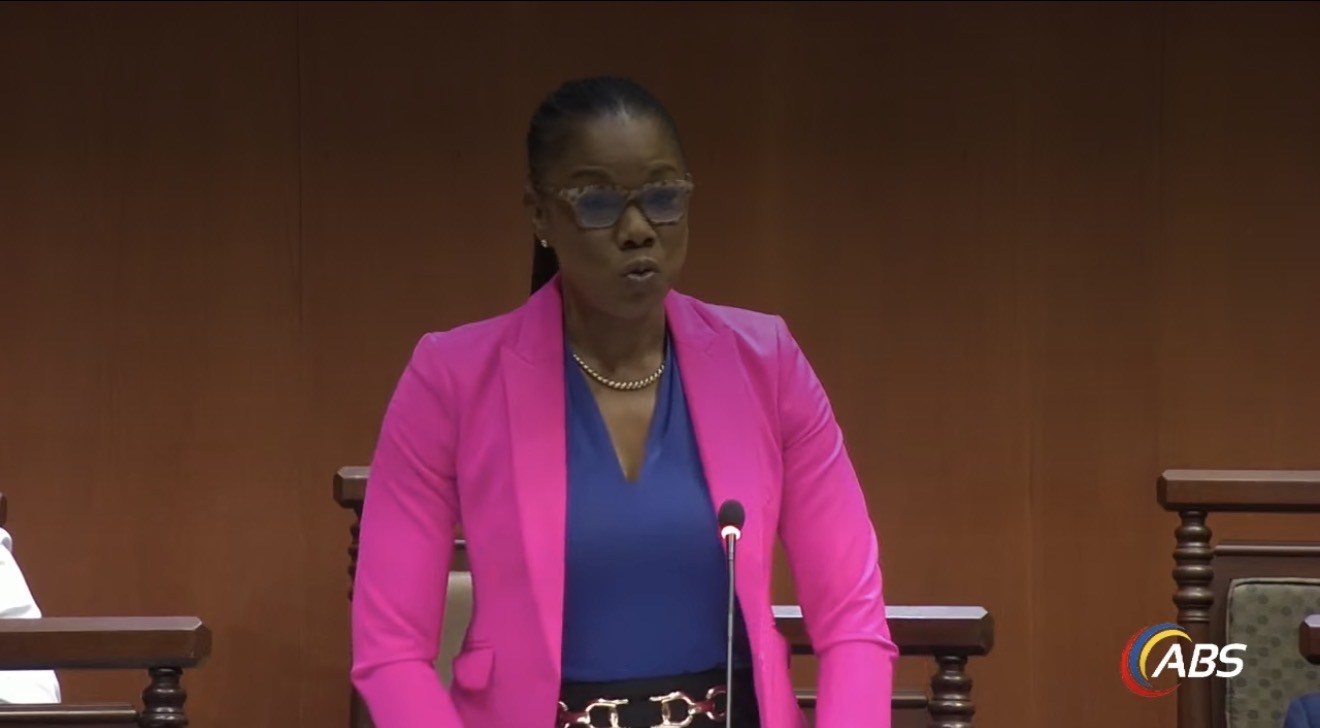
As debate over the 2026 Fatal Accidents Bill unfolds in the national Senate, opposition Senator Malaka Parker is calling on ruling lawmakers to build long-term flexibility into the proposed legislation by ensuring fixed bereavement compensation awards retain their real value over time.
Parker has made clear that she broadly backs the new legislation and does not challenge the $20,000 maximum payout proposed in the draft bill. Her core concern centers on the current plan to lock this fixed amount permanently into law, with no built-in mechanism for future adjustment to match changing economic conditions.
“I have no difficulty with that,” Parker stated publicly during the Senate debate, referring to the $20,000 cap. She went on to warn that if policymakers leave the figure unchanged, inflation will gradually eat away at its purchasing power, leaving grieving families with inadequate support decades from now.
To address this risk, Parker has put forward two potential solutions. First, she argues that Parliament should index the maximum bereavement award directly to inflation, allowing the amount to automatically adjust in line with shifts in the cost of living. This approach, she notes, would eliminate the need for future governments to go through the full legislative process just to update the compensation amount. If automatic indexing is not adopted, Parker proposes granting the Cabinet authority to revise the maximum award on a regular basis through affirmative regulations, a process that would still require formal parliamentary approval to maintain democratic accountability.
Parker points out that even with the current proposed cap, the bill already marks progress from earlier iterations that considered even lower payouts. Still, she stresses that without an adjustment mechanism, the $20,000 award will shrink to a fraction of its current value within a generation. She predicts that without the change she is calling for, Parliament will be forced to revisit the same debate 30 years from now to correct the eroding value of the award.
The opposition senator also acknowledged that the bereavement payment is just one component of the broader compensation framework laid out in the bill, noting that families affected by fatal accidents will still be able to pursue additional damages through other provisions of the legislation. Despite her concerns about the fixed payout, Parker reaffirmed her support for updating the country’s outdated fatal accidents legislation, framing the full repeal of the old law as a welcome step. She closed by urging all lawmakers to strengthen the reforms to ensure they serve the needs of affected families for decades to come.