博客

  • What Does It Take to Build Future Leaders?

    What Does It Take to Build Future Leaders?

    As a Belizean nonprofit organization dedicated to unlocking the potential of young people across the country, Pathlight Belize celebrated a key milestone this week: during its annual awards ceremony, the group awarded full academic scholarships to 17 outstanding students set to enter their first year of secondary school this coming August. The ceremony also highlighted the organization’s nearly 20-year legacy of investing in the next generation of Belizean leaders, dating back to its founding in 2008.

    Unlike many traditional scholarship programs that only provide financial aid, Pathlight Belize stands out for its holistic, wrap-around support model that integrates academic assistance, mentorship, and spiritual development for all recipients. Program Manager Christina Escalante explained in an interview with local outlet News 5 that the organization prioritizes building deep, long-term connections with each student, supporting not just their academic progress but also their personal and spiritual growth.

    Today, Pathlight Belize operates after-school support centers across three major regions of the country: Belize City, Orange Walk, and the capital city of Belmopan. The organization’s footprint has grown steadily over 18 years: at its Belize City center alone, it provides daily after-school programming to approximately 58 secondary students, while also supporting 32 tertiary-level students pursuing higher education degrees across the country.

    For Escalante and the entire Pathlight team, the work goes far beyond helping individual students access education. The organization’s core long-term mission is to cultivate a new cohort of ethical, capable leaders who will go on to hold key positions across every sector of Belizean society. “My hope is for them to be the best version of themselves, for them to embrace the opportunities that they get and to see those dreams come to fulfilment,” Escalante shared.

    Among this year’s group of scholarship recipients is 12-year-old Kareem Gabourel from Belmopan, who will enroll at Edward P. York High School when the new academic year begins in August. Gabourel says the scholarship has lifted a heavy financial strain off his family, bringing him one critical step closer to his lifelong dream of working as a pediatrician.

    Twelve-year-old Christy Engleton, another recipient who will attend St Catherine’s Academy this fall, shared similar excitement. Engleton, who hopes to study science and eventually build a career as a dentist, called the award life-changing. “I’m very excited because this could really help me a lot. I get help from my new mentors. I get to make new friends,” she said.

    As Pathlight Belize approaches its 20th anniversary in 2028, the organization continues to expand its reach, working to ensure that more low-income and high-potential young Belizeans get the support they need to turn their academic and career goals into reality.

  • Govt lab named regional superbug watchdog

    Govt lab named regional superbug watchdog

    The Caribbean island nation of Barbados has marked a major milestone in global public health, as its Best dos Santos Public Health Laboratory (BDSPHL) has been officially designated a Pan American Health Organization/World Health Organization Collaborating Centre, positioning the country as a regional leader in the urgent battle against antimicrobial resistance (AMR).

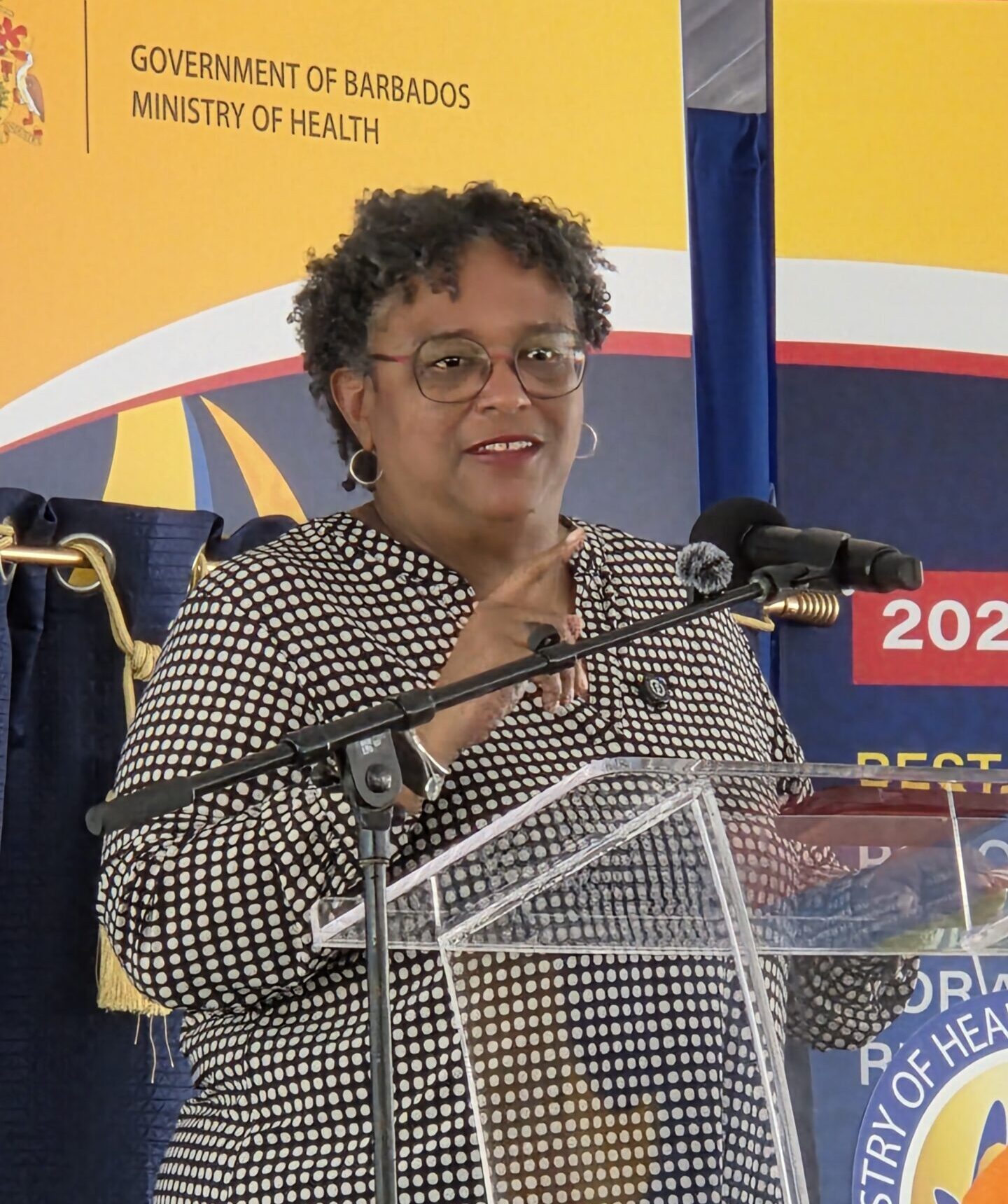
    Addressing the designation ceremony, Prime Minister Mia Mottley — who also chairs the Global Leaders Group on Antimicrobial Resistance — emphasized that the new status will drastically strengthen Barbados’ capacity to identify drug-resistant infection threats early, before they can spread across communities. This enhanced early warning capability comes at a critical time for the island, where an aging, shrinking population already faces high rates of non-communicable diseases, making residents particularly vulnerable to the risks of drug-resistant superbugs.

    Mottley centered her remarks on the non-negotiable role of cross-sector and international collaboration in advancing public health outcomes. “Collaboration is the sine qua non for progress in public health,” she said. “Without collaboration and without partnership, we are not able to contain the spread of diseases. Without collaboration and without partnership, we are not able to expand the body of science and knowledge that we have. Without collaboration and without partnership, we are literally in a position of being a victim of circumstances.” Beyond laboratory diagnostics, Mottley noted that sustained progress requires targeted workforce training, investment in cutting-edge equipment, and coordinated action that integrates on-the-ground contact tracing and detection into a cohesive regional and global response.

    As a designated collaborating centre, BDSPHL will not only lead regional surveillance efforts but also advance critical research into AMR, a public health crisis already ranked as the third leading cause of death globally. Mottley warned that AMR, often described as a “silent slow-motion pandemic,” is on track to become the world’s top cause of human mortality by 2050 if current trends go unaddressed. For decades, she explained, societies have taken the life-saving power of antibiotics for granted, even as overuse and misuse have eroded their effectiveness. Even with the development of new antimicrobial medications, the window of effectiveness these drugs offer is far shorter than that of earlier generations of antibiotics, creating an urgent need for proactive action.

    Last year, world leaders gathered at the United Nations General Assembly adopted a landmark commitment to cut deaths from drug-resistant bacterial infections by 10% — a step Mottley called a meaningful turning point in reversing the AMR trend. Echoing a traditional Barbadian proverb, “one blow does not kill an old cow,” Mottley framed the lab’s new designation as part of incremental, sustained action that will deliver global progress over time. She added that Barbados will continue expanding its scientific public health capacity through initiatives including the Barbados Living Lab, noting that investments in diagnostic infrastructure are ultimately investments in protecting lives. The core mission of the new collaborating centre, she explained, is to deliver fast, accurate diagnostic data to clinicians, enabling them to prescribe targeted, effective treatments when every moment counts in fighting resistant infections.

    BDSPHL director Songee Beckles called the PAHO/WHO designation a formal recognition of the facility’s years of hard work and growing impact, opening doors for the lab to contribute meaningfully to global AMR action. Since 2016, Beckles explained, the facility has evolved dramatically from a basic national diagnostic lab to a respected regional hub for AMR surveillance. Through intentional investment in strategic partnerships, workforce upskilling, technological upgrades, molecular diagnostics, and genomic sequencing, the lab has become a foundational pillar of AMR detection and response for both Barbados and the broader Caribbean region.

    The 2026 designation as a PAHO/WHO Collaborating Centre for Antimicrobial Resistance Surveillance represents the culmination of years of consistent investment and incremental progress. As AMR continues to grow into one of the most pressing global health threats of the 21st century, BDSPHL is now fully positioned to support national, regional, and international efforts to preserve the effectiveness of antimicrobial medications and safeguard public health for generations to come.

  • Derde helft WK 2026: Engeland wint spectaculaire WK-klassieker van Kroatië met 4-2

    Derde helft WK 2026: Engeland wint spectaculaire WK-klassieker van Kroatië met 4-2

    The 2026 FIFA World Cup kicked off its Group L stage with a blockbuster clash between two European heavyweights, England and Croatia, at Dallas Stadium in Texas on 17 June. The encounter marked a long-awaited rematch of the 2018 World Cup semi-final in Russia, where Croatia eliminated England in a devastating defeat for the Three Lions. Eight years on, five of the players who featured in that 2018 match returned to the starting line-up for England, hungry to rewrite history, and they delivered a memorable 4-2 victory in a six-goal thriller.

    The action got off to a blistering start inside the opening 10 minutes. Just five minutes into the game, Kieran Trippier got the packed crowd on their feet with a spectacular free kick that came inches away from breaking the deadlock. Four minutes later, England won a penalty, and captain Harry Kane stepped up to take it. Croatian goalkeeper Dominik Livakovic denied Kane’s first attempt, but a VAR review ordered a retake after an infringement was spotted. Kane made no mistake on his second chance, slotting the ball home to give England an early 1-0 lead. Despite the early advantage, Croatia dominated possession in the opening quarter of the match, but the Three Lions held firm and grew in confidence.

    Croatia leveled the score in the 36th minute, capitalizing on a misplaced pass from Jude Bellingham. Young midfielder Martin Baturina collected the loose ball and fired a precise, powerful shot past England goalkeeper Jordan Pickford to draw the sides level. England quickly recovered from the setback, however, and retook the lead just six minutes before half time. Declan Rice delivered a pinpoint cross into the box, and Kane rose highest to nod a brilliant header into the back of the net, notching his second goal of the game and proving why he remains one of the tournament’s top contenders for the Golden Boot.

    Just before the halftime whistle, Croatia struck again to equalize. Veteran winger Ivan Perisic launched a beautiful attacking move, cutting the England defense open before playing a square pass to striker Petar Musa, who smashed the ball first-time into the net to make the score 2-2 going into the break. The two-goal first half set the stage for a dramatic second 45 minutes that did not disappoint.

    The second half opened with a moment of individual brilliance from Bellingham, who made amends for his earlier error. In the 47th minute, the Real Madrid midfielder went on a stunning solo run down the right flank, cutting inside before unleashing a fierce low shot into the bottom corner to restore England’s lead at 3-2, before celebrating with his iconic trademark celebration. England piled on the pressure after that, creating a string of clear chances, including a close-range effort from Nico O’Reilly from a corner that looked destined to hit the back of the net. But Livakovic kept Croatia in the game with a string of outstanding saves, highlighted by a remarkable triple stop in the 56th minute that denied three successive England efforts.

    Despite England’s dominance – they recorded 18 total shots, 10 on target and six clear big chances – they had to wait until the 85th minute to extend their lead. A quick counter-attack involving Bukayo Saka put Marcus Rashford through one-on-one with Livakovic, and the Manchester United forward coolly slotted the ball home to make the score 4-2, all but sealing the three points for the Three Lions.

    In the fifth minute of stoppage time, Croatia had one final chance to pull back a third goal. From a corner, defender Josko Gvardiol found himself unmarked at the near post, poised to score from close range. In a moment that encapsulated Kane’s all-around contribution to the win, the England captain threw himself in front of the shot to block it, producing a crucial defensive intervention to preserve his side’s two-goal lead.

    When the final whistle blew, England held on for a statement opening victory in Group L. The match was a thrilling showcase of attacking football, world-class individual talent and game-changing defensive moments, putting the Three Lions firmly in the driving seat in their push for group stage progression.

  • Primary Schools Chess Championship set for Wildey Gym

    Primary Schools Chess Championship set for Wildey Gym

    The island nation of Barbados is preparing to host one of its most anticipated youth academic sporting events of the year: the 2024 Primary Interschool Team Chess Championship, scheduled to run across two consecutive days, June 18 and 19, at the well-equipped Wildey Gymnasium. This year’s tournament will bring together school squads from every corner of the country, competing under the widely respected Swiss-system tournament format designed to reward consistent performance without eliminating participants early.

    Organized around a five-round Swiss team structure, this year’s championship sets clear roster rules: each competing team fields five active players per matchup, with up to two alternate reserves allowed to cover absences or rotation. The competition is open to all primary education institutions across Barbados, both public and private, with a cap of three entries per school to ensure broad participation across different campuses.

    Following standard international chess scoring rules, each individual player earns one full point for a win, half a point for a drawn game, and no points for a loss. Final cumulative points from all individual games across rounds will be tallied to determine the overall tournament champion.

    Heading into the competition, all eyes are on defending champions Charles F. Broome Primary School, who are gearing up to defend their crown and chase an unprecedented third consecutive title. The school has dominated primary school chess competitions across Barbados in recent years under the guidance of dedicated head coach Corie Elcock. In last year’s tournament, Charles F. Broome’s A-team secured a nail-biting victory, edging out second-place finishers St Winifreds by just half a cumulative point to claim the top spot.

    This year, however, the tournament field will see two notable absences. A scheduling conflict with end-of-term academic exams has forced St Winifreds to withdraw from the 2024 championship, ending their shot at redemption for last year’s narrow loss. 2023’s third-place team, St Giles, has also confirmed they will not participate in this year’s event. Despite these departures, last year’s fourth-place finishers St Gabriels have formally confirmed their entry, with the squad already targeting an improved ranking after their solid performance in 2023.

    Organizers report healthy growth in youth participation across the board: last year’s championship drew 20 competing teams from 14 different primary schools, and insiders expect that total number of entries to rise this year, reflecting growing interest in chess among young Bajans.

    The event is overseen by the Barbados Chess Federation, which has long prioritized expanding access to and participation in chess within the country’s national school system. Moving forward, the federation announced it is gearing up for deeper collaboration with the Ministry of Education’s upcoming Chess in Education programme, which is scheduled for full implementation in the near future to embed chess into regular school curricula.

  • OWTC Warns Public Urination Could Mean Fines

    OWTC Warns Public Urination Could Mean Fines

    Residents of Orange Walk District are facing a clear reminder from local authorities that public urination is not just a nuisance – it is a criminal offense that can carry steep financial penalties. In a public notice released on June 17, 2026, the Orange Walk Town Council (OWTC) announced that it would be enforcing existing provisions of the Town Councils Act to crack down on unsanitary public behavior.

    The enforcement push draws on Section 26 of the Town Councils Act, a rule designed to protect the cleanliness and public safety of community streets and shared spaces. According to the OWTC’s interpretation of the legislation, the section bans any discharge of dirty, unclean, or harmful substances from private property onto public thoroughfares or rights-of-way. Council officials argue that public urination falls directly into this prohibited category, as urine qualifies as both “filthy” and “noisome matter” under the text of the law.

    Beyond the legal technicalities, the OWTC emphasized the public health risks posed by unregulated public urination. Officials noted that waste left in shared spaces creates unsanitary conditions that can spread illness and create unpleasant living environments for nearby residents and passersby.

    The warning was shared broadly on the council’s official Facebook page, accompanied by photographic evidence of the behavior the agency is targeting. The images published show an unidentified man with his back to the camera, apparently urinating against a public wall near an electric vehicle charging station.

    Offenders convicted of violating Section 26 face maximum fines of $500, in addition to being required to cover any costs associated with cleaning up the scene of the offense or repairing any damage caused by the incident. The public notice marks a renewed push by the Orange Walk Town Council to maintain clean, safe public spaces for all residents and visitors.

  • Girls’ Futsal event sees rising interest

    Girls’ Futsal event sees rising interest

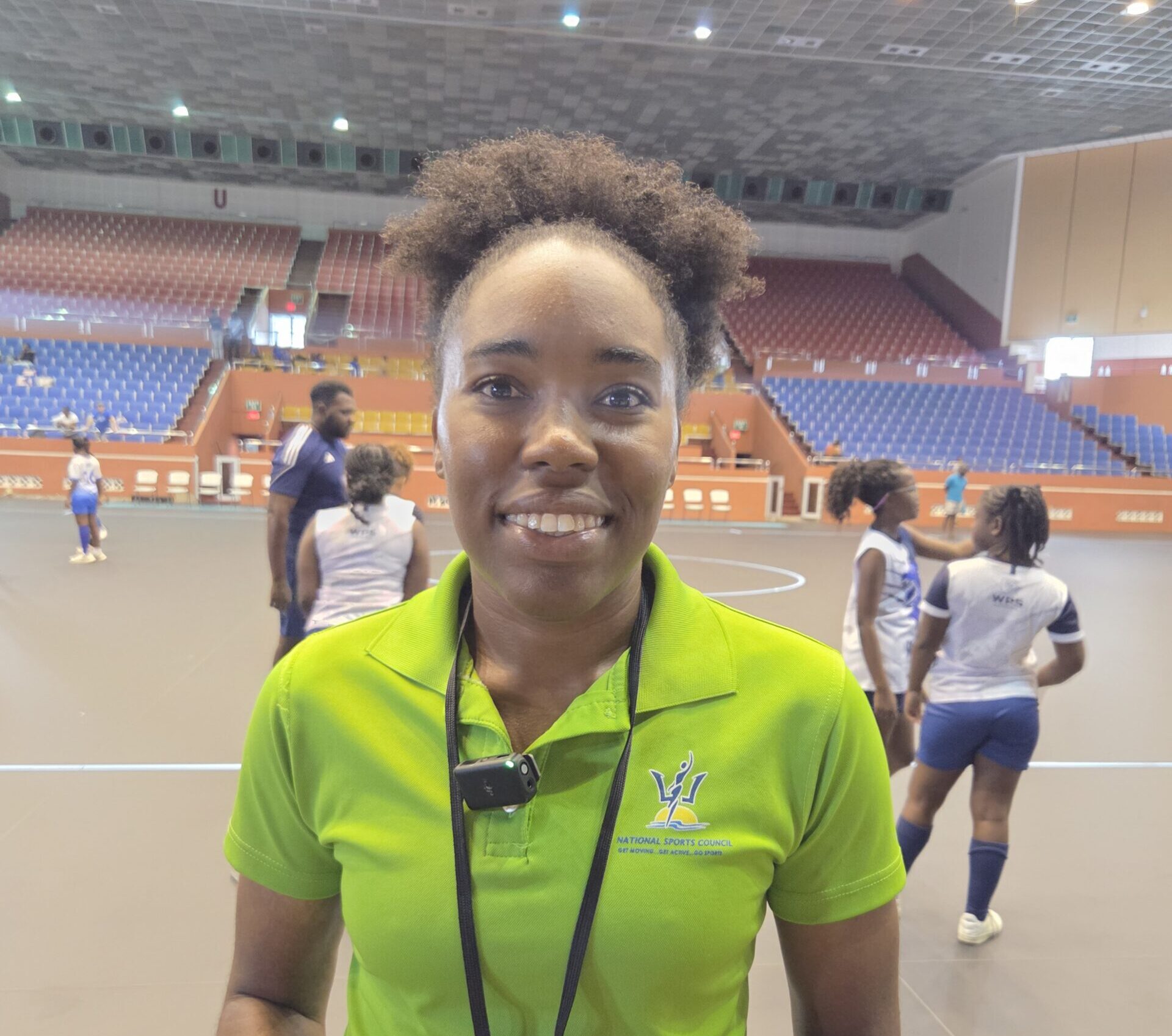
    The Garfield Sobers Gymnasium played host to the second day of the National Sports Council Girls’ Primary School Futsal Championship on Wednesday, drawing robust enthusiasm and participation from eight competing primary school teams across the region.

    As event coordinator Soraya Toppin-Herbert, a former senior national women’s football player and ex-Director of Women’s Football for the Bahamas Football Association, shared, early assessments of the tournament paint an overwhelmingly positive picture of community and institutional buy-in. “So far it’s been going really good. The girls have been enjoying the game, there’s been a lot of excitement and most of the schools have had a full squad,” Toppin-Herbert told reporters.

    The championship did not emerge out of nowhere: it grew organically from a seven-a-side youth football rally hosted at the close of the first school term last year, when organizers first noticed the unmet demand for girls’ competitive futsal opportunities. That early grassroots interest aligned with a core strategic goal of the National Sports Council (NSC): expanding female access to organized sports and keeping young girls engaged in athletic activity year-round, rather than limiting participation to one-off annual events.

    Toppin-Herbert noted that for years, boys have had a steady, high-profile outlet for competitive football through the NSC/BICO Football Competition, commonly known as BICO. While a small number of female players have joined that tournament, the vast majority of girl athletes have been locked out of consistent organized play, a gap this new championship is designed to fill. Already, the response has been strong enough that organizers have received multiple requests to expand roster sizes to accommodate more girls who want to compete.

    Despite the widespread enthusiasm, Toppin-Herbert acknowledged that the tournament has revealed a wide gap in experience and performance across teams, a reality that signals room for growth in the nascent program. Some girls already play regularly in mixed leagues alongside boys, bringing tighter ball control and more physical toughness to the court. For many other participants, this marks the first organized competitive football event they have ever joined, leading to a broad range of skill levels across matches.

    Even with that disparity, Toppin-Herbert framed the mixed skill levels as a win for organizers. The high level of interest from participants and schools alike proves that there is a solid foundation to build on as the NSC works to grow girls’ futsal in the years ahead. The tournament remains on track to complete its schedule in the coming days, with organizers already planning adjustments to meet the unanticipated demand for participation.

  • Can Men Succeed in Belize’s Beauty Industry?

    Can Men Succeed in Belize’s Beauty Industry?

    In Belize City, an 18-year-old young man is challenging long-held gender stereotypes in the country’s beauty sector, turning a spontaneous home experiment into a promising professional path. Allon Pacheco has emerged as one of just a handful of certified male beauticians across Belize, building a growing client base at a local salon after chasing his passion against social pushback.

    Pacheco’s journey into beauty work began with an unplanned, casual moment with his mother. One ordinary morning, he offered to give his mother a pedicure on a whim. When he finished, the result was far neater and more polished than anyone expected. Impressed by his natural skill, Pacheco’s mother encouraged him to pursue formal training and connected him to her friend working in the beauty industry.

    To turn this casual hobby into a legitimate career, Pacheco committed to a rigorous six-month professional certification program. After mastering the core skills of nail care, pedicures, and multiple other beauty services, he landed a full-time position at Deluxe Corner Beauty Bar, one of Belize City’s popular local salons, where he now serves clients on a regular basis.

    Like many people who enter gender-nontraditional fields, Pacheco has not been immune to criticism and bias. Deep-rooted social norms in Belize have long framed beauty services as exclusively women’s work, and Pacheco says many people have questioned his career choice. He recalls facing constant comments that push him to leave the industry and take what is widely labeled as “traditional men’s work” such as manual labor.

    What critics do not know is that Pacheco already has experience in those conventionally male-dominated fields. Before committing to beauty work, he held jobs in mechanics and electrical work, roles that fit the common idea of “male employment.” For Pacheco, however, none of these roles compared to the fulfillment he finds in beauty services. He describes the work as genuinely interesting, notes that it provides a stable, solid income that meets his needs, and most importantly, it is a career he genuinely enjoys.

    As Pacheco continues to build his clientele and advance his career, his full story is set to air in a primetime segment on News 5 Live this evening at 6 p.m., offering audiences a deeper look at his journey breaking into a female-dominated industry.

  • OAS verwerpt beschuldigingen aan adres van secretaris-generaal Ramdin

    OAS verwerpt beschuldigingen aan adres van secretaris-generaal Ramdin

    The Organization of American States (OAS) has issued an official statement pushing back against recent public allegations targeting Secretary-General Albert Ramdin, which center on claims of mismanaged finances and nepotism in senior appointments. The intergovernmental body has categorically dismissed the accusations as baseless, noting they do not align with findings from the organization’s existing internal oversight frameworks.

    Ramdin made history when he was unanimously voted into the role of OAS Secretary-General in March 2025, becoming the first holder of the position to come from the Caribbean Community (Caricom). The OAS emphasized in its statement that Ramdin has carried out all his official duties in full compliance with the OAS Charter and the organization’s established rules and operating procedures. It also reminded stakeholders that all member states are legally bound by the charter to uphold the institutional independence of the Secretary-General and the broader Secretariat staff.

    To clarify institutional responsibilities, the OAS underlined that day-to-day oversight of accounting, financial management, budget implementation and administrative processes falls under the remit of the OAS Executive Director, not the Secretary-General. Additionally, the entire Secretariat is subject to mandatory annual external independent audits, as well as regular internal reviews conducted by the Office of the Inspector General. As of the completion of Ramdin’s first year in office, no evidence of financial irregularities has been documented, the organization confirmed. Until the Inspector General’s office releases formal, substantiated findings, claims of financial mismanagement remain unsubstantiated and politically motivated speculation, the statement added.

    Allegations of nepotism connected to the appointment of Ramdin’s chief of staff were also outright rejected. The OAS clarified that internal rules explicitly grant the Secretary-General authority to make senior personnel appointments for his immediate office, and the hiring in question followed all required procedures. The organization also expressed regret that a sitting staff member has been subjected to unsubstantiated public attacks over the appointment.

    The statement further addressed concerns over staff compensation, confirming that all OAS employee salaries and benefits are not set arbitrarily. Instead, they follow a standardized pay structure approved by all member states that aligns with the United Nations’ common salary system, eliminating any room for improper favoritism in compensation.

    According to the OAS, Ramdin has repeatedly expressed his willingness to have any concerns reviewed through the organization’s official oversight channels. He has also stated he is fully open to a formal independent investigation if OAS member states collectively deem such a step necessary. The organization emphasized that full transparency is a core priority that serves the best interests of both the OAS and all its member nations.

    In the midst of the controversy, OAS leadership confirmed it remains focused on delivering its mandated core tasks and institutional programs, as well as finalizing preparations for the 56th OAS General Assembly, scheduled to be hosted in Panama City.

  • ‘No room for complacency,” says coach ahead of Scotland clash

    ‘No room for complacency,” says coach ahead of Scotland clash

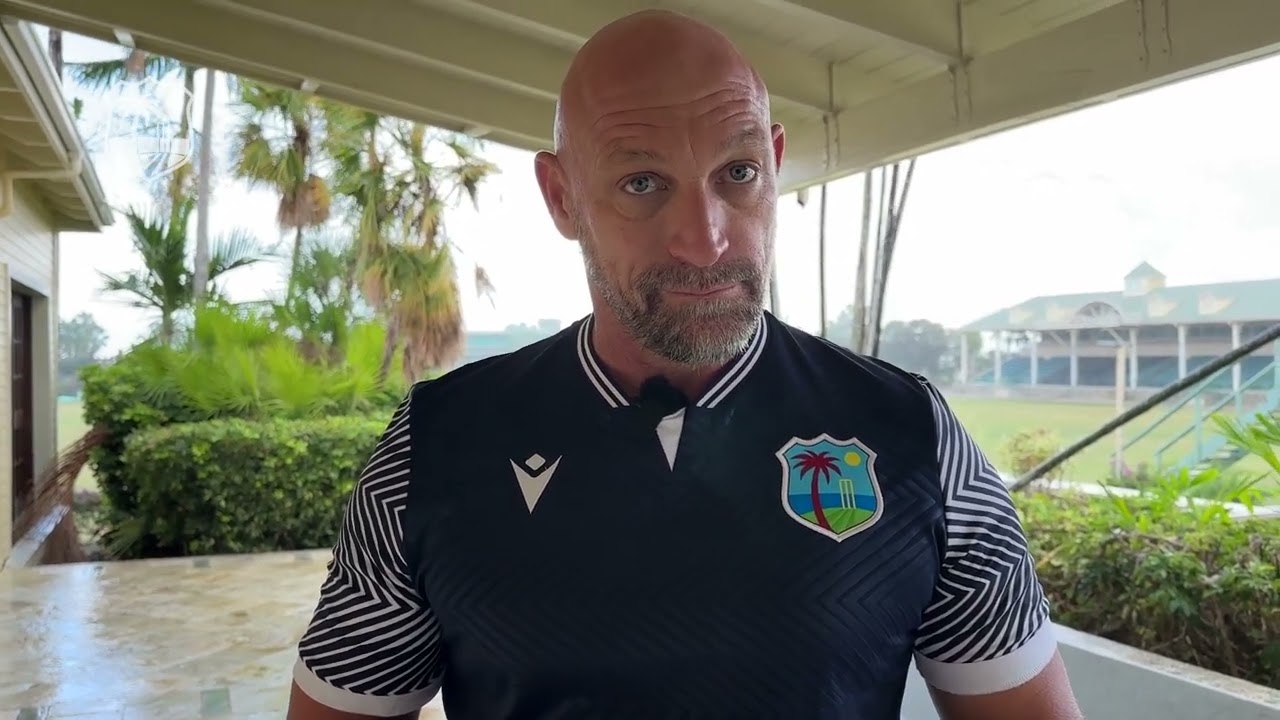
    As the ICC Women’s T20 World Cup 2026 enters its early group stage, West Indies head coach Shane Deitz has issued a blunt, urgent warning to his squad ahead of Thursday’s high-stakes Group B showdown against Scotland at Headingley: any trace of complacency will have no place in his team’s game plan.

    Both sides come into the floodlit encounter riding the high of sensational opening match wins, creating the backdrop for what is shaping up to be one of the most compelling matches of the group phase. The Windies pulled off a dramatic final-over upset to dethrone defending champions New Zealand in their opener, while Scotland notched the first Women’s World Cup win in their program’s history with a historic upset of Ireland.

    Having worked in women’s cricket since 2014 and watched the sport’s rapid, global transformation firsthand, Deitz emphasized that this 2026 Scotland side is a far more dangerous opponent than the team the West Indies defeated in the 2024 tournament. Looking back on that 2024 six-wicket win, Deitz recalled that his side restricted Scotland after bowling first, before Deandra Dottin’s late attacking knock secured the victory and a healthy net run-rate. But he was quick to stress that a similar comfortable result is far from guaranteed this time around.

    “Since that match, we’ve faced them in ODI cricket, they’ve added several talented new players, and more of their squad now features regularly in English domestic cricket,” Deitz explained. “That experience has made them a much tougher test than they were two years ago.”

    Scotland’s landmark win over Ireland has not flown under the radar in the West Indies camp, with Deitz acknowledging that the upset has left the side brimming with confidence heading into the clash. “They put in a fantastic performance to beat Ireland, so they’re going to be flying high,” he said. “They have quality across their batting and bowling lineups, with a well-balanced squad that can exploit different match conditions. We have to be at our absolute best to get the win. We know we can’t afford to be complacent, and we won’t be.”

    The Windies’ opening win over New Zealand was a rollercoaster affair, with veteran Shemaine Campbelle notching her first ever T20I half-century in her 155th appearance to steer the side across the line in the final over. Even so, Deitz warned his team that they cannot rely on opposition errors like New Zealand’s costly dropped catches to secure another win, even though Scotland enters the match ranked 11th in the world – five places below the West Indies.

    Reflecting on the growth of women’s cricket over the past decade, Deitz noted that the gap between the top sides and emerging programs has shrunk dramatically. “Back at the 2014 World Cup, there was a clear gap where three or four sides were miles ahead of everyone else,” he said. “Now, every team brings their best effort every single game, and it makes for a fantastic spectacle. Every side’s players work just as hard, and have just as much passion and energy for the game, as any of the top ranked teams.”

    Deitz reserved particular praise for Scotland’s star sibling pair, the Bryces, describing them as world-class competitors. But he added that the West Indies also boast elite talent of their own, and the squad has prepared thoroughly to neutralize Scotland’s key weapons.

    For their part, Scotland is approaching the match against the multiple World Cup-winning side with calm confidence rather than intimidation. Opening batter Darcey Carter, who set a solid foundation in the win over Ireland before being dismissed for 14, spent the eve of the match studying the West Indies’ upset of New Zealand to prepare.

    “They’re a very good side with a lot of top-quality players, but we just have to focus on playing our own cricket on the day,” Carter said. “Personally, I don’t fixate on the big names of the opposition, because that just distracts you and gets you in your head. If we take the game ball by ball, and adapt to how the opposition plays on the day, we’ll put ourselves in a good position to get another historic win.”

    Scotland also has a recent upset to draw confidence from: the side beat the West Indies by 11 runs in the 2025 ICC Women’s Cricket World Cup Qualifier, a result that ultimately knocked the Caribbean side out of contention for a spot in that tournament’s main draw.

  • STATEMENT: On the passing of Dr. Shelly-Ann Cox, Barbados’ Chief Fisheries  Officer by The Food and Agriculture Organization of the United Nations (FAO) sub-regional office of the Caribbean

    STATEMENT: On the passing of Dr. Shelly-Ann Cox, Barbados’ Chief Fisheries Officer by The Food and Agriculture Organization of the United Nations (FAO) sub-regional office of the Caribbean

    The Food and Agriculture Organization of the United Nations (FAO) team based in Barbados and the wider Caribbean region is mourning the unexpected passing of Dr. Shelly-Ann Cox, Barbados’ top official leading the nation’s fisheries sector. Over the course of her tenure, FAO and Dr. Cox built a robust, productive partnership focused on elevating fisheries and aquaculture development across the island and the broader Caribbean basin. Dr. Cox emerged as an indispensable strategic collaborator in advancing FAO’s Blue Transformation vision, which centers on building a fully sustainable aquatic food economy. In just three years serving as Chief Fisheries Officer, she left an indelible mark on the sector, driven by her sharp technical knowledge, inclusive leadership style, and unwavering dedication to expanding opportunities for young people in fisheries work. Her vision for fishing communities, paired with her unmatched passion and commitment, set her apart as a transformative leader in the region.

    One of Dr. Cox’s most defining contributions came during the final drafting and approval phase of Barbados’ 10-year Fisheries Policy, covering 2023 to 2033, an initiative developed with direct support from FAO. Under her guidance, the policy broke new ground by introducing innovative frameworks to add value to fish by-products, turning material long categorized as fishing waste into new avenues for economic growth and environmental sustainability. Her ability to turn high-level policy goals into tangible, actionable change has since become a model for other Caribbean nations working to advance their own sustainable fisheries development pathways.

    Plans to update and modernize Barbados’ aging fisheries legislation first emerged before the COVID-19 pandemic, when stakeholders identified gaps in the existing regulatory framework. When public health priorities shifted immediate focus to developing the overarching national fisheries policy under the FAO-supported StewardFish Project, Dr. Cox never lost sight of the broader goal of building a resilient, sustainable national aquatic food system. Building on the foundational work from the policy development process, Dr. Cox stepped into a leading role guiding the legislative process that ultimately produced the 2025 Sustainable Fisheries Management and Development Act, a landmark bill spearheaded by the Government of Barbados.

    Her technical expertise and steady leadership shaped every section of the new legislation, which strengthens national fisheries governance, advances ambitious environmental protection targets, expands social protections for workers across the fisheries sector, and ensures Barbados maintains critical access to international markets by meeting the compliance standards of the U.S. Marine Mammal Protection Act. Through these foundational policy and legislative wins, Dr. Cox secured a permanent, positive impact on the sustainable management of Barbados’ fisheries resources and the thousands of livelihoods that depend on them.

    In a 2026 meeting with senior FAO leadership held just months before her passing, Dr. Cox shared her bold, clear vision for the future: that Barbados could reach a target of zero fish waste by 2028. That ambitious goal reflected both her relentless drive for progress and her confidence in the work already underway to build a circular, sustainable bioeconomy for the nation’s aquatic food sector.

    Dr. Cox’s final collaborative projects with FAO further highlighted her lifelong commitment to lifting regional fisheries capacity. At the time of her passing, she was wrapping up work on a new publication focused on anchored Fish Aggregating Devices (aFADs), a common and essential fishing tool across the Caribbean, and had just launched a regional study on dolphinfish maturity. Barbados was selected as the pilot country for this regional research initiative by the Western Central Atlantic Fishery Commission (WECAFC), a decision that reflected the widespread regional confidence in Dr. Cox’s leadership and Barbados’ advanced technical capacity.

    Tributes have continued to flow in from across the region from colleagues, partner organizations, and industry stakeholders who worked with Dr. Cox on FAO-supported initiatives, many of whom have shared how her work impacted their own careers and projects. Beyond her long list of professional achievements, Dr. Cox is remembered for her genuine kindness, contagious enthusiasm for her work, and steady commitment to lifting up other people. Her collaborative approach brought diverse stakeholders together around a shared vision, her leadership inspired confidence and tangible action, and her caring character left a lasting impression on everyone she worked with.

    While the sudden loss of Dr. Cox has left a deep gap across the communities and institutions she served, the impact of her life’s work and the memories she created will continue to shape fisheries development across Barbados, the Caribbean, and beyond for decades to come. On behalf of the FAO Subregional Office and Fisheries and Aquaculture Division, Dr. Renata Clarke, FAO Subregional Coordinator, and Yvette Diei Ouadi, FAO Fisheries and Aquaculture Officer, paid tribute to her life and legacy.