博客

  • 17 Belize City Students are Proud Pathlight Scholarship Recipients

    17 Belize City Students are Proud Pathlight Scholarship Recipients

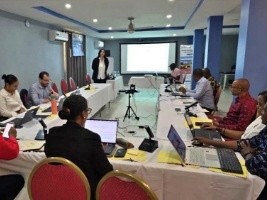
    For nearly 20 years, Belizean non-profit organization Pathlight Belize has worked to break down barriers to quality education for low-income and high-potential young people across the country. In its 2026 annual scholarship cycle, the group has awarded 17 new full scholarships to incoming first-year secondary school students based in Belize City, as part of a national cohort of 42 recipients. Unlike traditional tuition-only financial aid programs, Pathlight’s unique Sponsorship Plus Scholarship Model combines monetary support with holistic development resources designed to set students up for long-term success, not just enrollment.

    Pathlight Belize Program Manager Christina Escalante explained that the initiative’s mission extends far beyond covering school fees. Rooted in faith-based personal development, the program prioritizes spiritual growth for participating students, while also offering a structured leadership curriculum that builds in-demand soft skills rarely covered consistently in standard youth or school programs. Through hands-on interactive experiences across different community and professional settings, students build core competencies including public speaking, interpersonal communication, conflict resolution and adaptive problem-solving—skills that serve them both in secondary school and future careers.

    For many of the young recipients, the scholarship opens doors that once seemed out of reach. Twelve-year-old Christy Ingleton, who will enroll at Saint Catherine Academy this year and dreams of working as a doctor, called the award life-changing. Beyond easing the significant financial strain of her long academic path, Ingleton says she is looking forward to the mentorship support and new community of peers the program provides.

    Fellow 12-year-old recipient Kareem Gabourel shares a similar dream of a medical career, aiming to become a pediatrician. Gabourel, who will attend Edward P. York High School, noted that the scholarship frees up his family’s limited education funds that would have gone to high school tuition, allowing them to save for his future medical school education and bringing him one step closer to his professional goal.

    For returning students like 14-year-old Sameeyah Lamb, who is entering her third year in the Pathlight program at Itz’at STEAM Academy, the benefits go far beyond finance and skill-building. Lamb described her experience in the program as transformative, saying her assigned mentor has supported her through both academic and personal challenges, and the consistent encouragement from the Pathlight team has given her new confidence to pursue her goals.

    Overall, the Pathlight model is built around long-term support that keeps students engaged through their entire secondary school journey. It integrates mentorship, parental engagement, and teacher training to create a holistic support network, with the end goal of nurturing the next generation of responsible, capable community leaders across Belize.
  • Greenidge concedes misstep after criticism over refusal to reveal BiMPay cost

    Greenidge concedes misstep after criticism over refusal to reveal BiMPay cost

    Barbados’ top banking official has issued a public apology for brushing off a reporter’s transparency question, finally releasing the first-phase cost figures for the country’s newly launched national instant payment platform BiMPay.

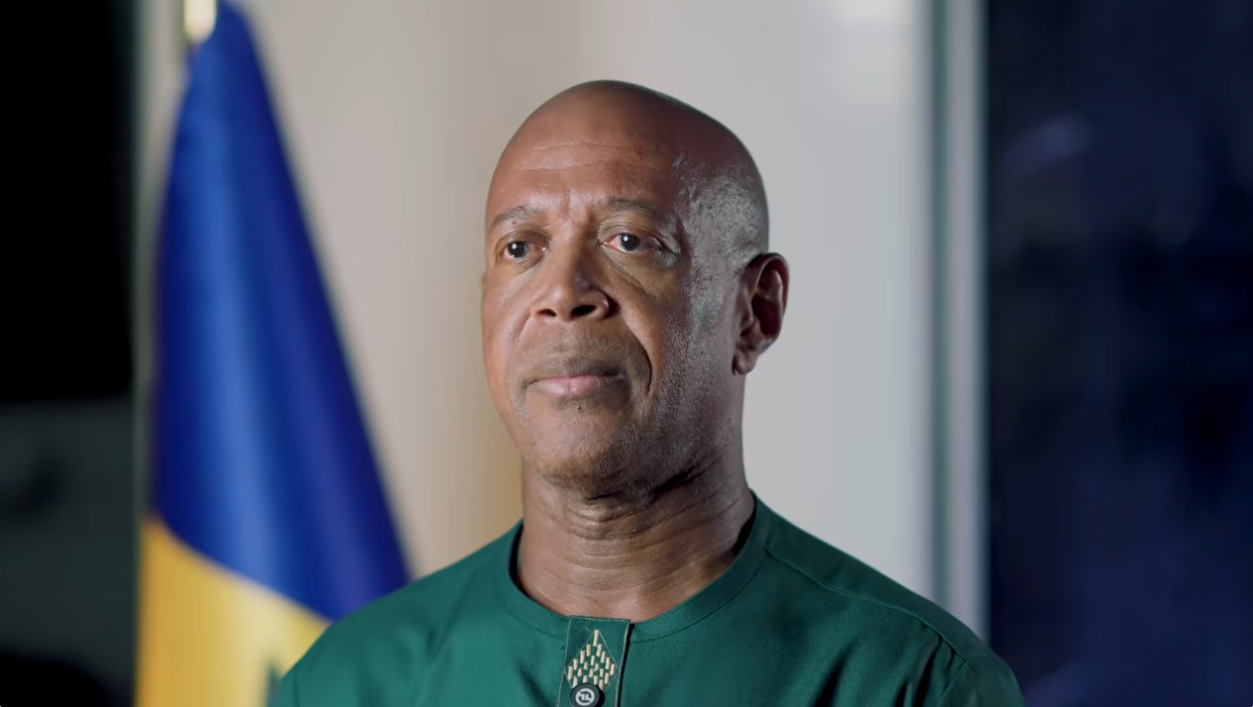
    Central Bank Governor Dr. Kevin Greenidge released an official video statement Wednesday acknowledging his inappropriate response to a journalist’s cost inquiry at a Monday post-launch press conference. At that earlier event, the governor sparked widespread public criticism when he dismissed the question, telling the reporter the cost did not matter and directing them to find embedded figures in existing financial reports rather than providing a direct answer.

    In his Wednesday address, Greenidge took accountability for the misstep, noting the public has a clear right to know how taxpayer-funded public resources are allocated. “A reporter asked me a fair question on the cost of BiMPay, and I should have answered it directly. There is no place for making light of a question like that, and no place for seeming dismissive of the public’s right to know how public resources are being used,” he said.

    The governor extended his apology first to the reporter, who he noted was only carrying out their professional duties, and then to all members of the public who perceived his response as disrespectful, evasive, or unwilling to meet accountability standards. He clarified he never intended to hide information, but acknowledged that his phrasing came across as non-transparent to audiences.

    Greenidge explained his initial hesitation stemmed from a desire to avoid out-of-context discussion of a single cost figure without context on what the spending covered, but emphasized this was not a justification for his evasiveness. He then released the official figures: the entire first-phase payment infrastructure for BiMPay, which launched last Friday, has so far cost approximately $6.7 million, coming in well under the $10 million approved total budget for the phase.

    “You cannot hide expenditure of this kind in public financial reporting to which I have referred. The Central Bank has always been prepared to explain clearly what has been spent, why it has been spent, and what Barbados has been receiving for it,” he added, noting that full final cost figures will be published once remaining works are completed and reconciled through standard public financial processes.

    BiMPay, the Caribbean nation’s first real-time domestic payment system, allows instant, secure money transfers between commercial banks and credit unions 24 hours a day. Early data from the Central Bank shows the platform processed 20,000 transactions totaling nearly $8 million in its first 48 hours of operation.

    Greenidge highlighted the system’s core public benefits, noting it reduces overall business costs: individual users pay no transaction fees, and fee caps have been put in place to protect micro and small businesses. He also addressed early user frustrations with token access, account registration, multi-account linking, and in-app performance, confirming the Central Bank is collaborating closely with participating financial institutions to resolve these growing pains quickly.

    The governor emphasized that public trust is foundational to the success of this major national digital infrastructure initiative, and reaffirmed his longstanding commitment to transparent communication of financial and economic issues to the Barbadian public, pointing to his years of public educational explainer series on complex topics. He closed by promising continued full accountability to citizens and collaborative work to ensure BiMPay delivers maximum public benefit.

  • Vincymas must be culture over ‘a festival of fetes’ – CDC chair

    Vincymas must be culture over ‘a festival of fetes’ – CDC chair

    Ahead of the 10-day launch of St. Vincent and the Grenadines’ flagship annual celebration Vincymas 2026, the top leader of the festival’s organizing body has issued a urgent call to safeguard the event’s deep cultural roots amid growing pressure to prioritize profit-driven, high-cost commercial events.

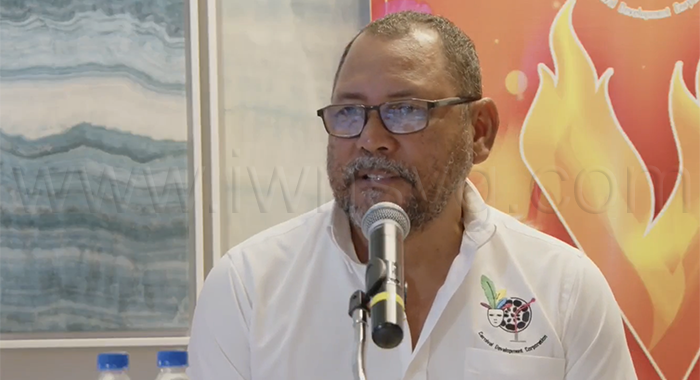
    Ricardo “Ricky” Adams, chairman of the Carnival Development Corporation (CDC), made the remarks Wednesday during the final pre-festival press briefing, laying out his concerns that overcommercialization risks stripping Vincymas of the cultural identity forged by generations of southern Caribbean creators.

    Adams argued that while premium, paid events have a valid role in modern carnival programming, centering the festival exclusively on high-priced all-inclusive fetes — some costing as much as $300 to $400 per night — creates unnecessary barriers for ordinary Vincentians, locking out low- and middle-income residents from participating in a celebration that belongs to the entire community. Beyond exclusion, he warned, this shift weakens the cultural core that makes Vincymas and similar Caribbean carnivals unique globally.

    “Sadly, some stakeholders now believe the future of carnival lies in reducing it to nothing more than a sequence of commercial parties, where only those who can afford the biggest, most expensive events get to enjoy the celebration,” Adams told reporters. “We cannot forget that not everyone can manage those price points. If we abandon our cultural foundation, we will no longer stand out as a distinct cultural celebration — we will just be another generic festival of music and parties.”

    The CDC chairman emphasized that the southern Caribbean is the original birthplace of many of carnival’s most iconic art forms, a legacy that must be actively protected rather than sidelined for short-term commercial gain. He pointed to data that the vast majority of skilled steelpan players, tuners, and arrangers worldwide hail from the southern Caribbean or are descendants of regional creators. The same holds true for mas (costume) band designers across global carnival markets, and soca music itself, the genre that defines modern carnival, originated entirely in the southern Caribbean, Adams noted.

    Without intentional investment and protection of this local creative legacy, he warned, the region risks ceding control of its own cultural tradition to outside forces, reducing Vincentians from creators and stewards to mere consumers of carnival content produced elsewhere. “If we fail to protect this core part of our identity, we will end up just paying to consume music, creativity, and pan that was made in other places,” he said.

    Adams also addressed the emerging influence of artificial intelligence on carnival music, noting that the festival’s planning has centered on prioritizing local Vincentian creativity even as the technology becomes more widespread in the industry.

    Branded “The Great Escape,” Vincymas 2026 is entering its final stretch of preparations, with a full schedule of events balancing new cultural and commercial initiatives, a strong focus on youth participation, and a commitment to broad public access. The festival’s rural segments are already underway, and the official 10-day run of core events will kick off June 26.

    Adams walked reporters through the full remaining calendar, kicking off with a cultural welcome activation at Argyle International Airport this Sunday, a tradition CDC launched last year to greet arriving visitors with local performances, merchandise, and authentic cultural experiences. New this year is a post-festival departure activation called “Promise to Come Back,” which will collect attendee feedback to help organizers refine future programming to match what local and visiting attendees actually want to see.

    The first major core event is Fantastic Friday, the Calypso Semifinals, scheduled for June 26. The last weekend of June will host Junior Festival Weekend, featuring Junior Carnival on June 27, Junior Panorama on June 28, and Junior Calypso and Soca on June 30. During this period, Victoria Park will be transformed into a family-friendly “mini Coney Island” for attendees of all ages.

    Running from July 1 to July 8 at the E.T. Joshua Tarmac, the Flavours of Vincy Mas Food Village will showcase local culinary traditions. July 2 will bring Steel & Glitter, the senior Panorama competition, followed by the return of the popular all-white signature event Evo – A Night in the Clouds on July 3.

    One of the festival’s most anticipated events, the Soca Monarch competition, will take place on July 4, and Adams reported overwhelming interest from artists this year, with 179 preliminary entries. After semifinal judging, 25 finalists were selected, and organizers added a new “Wild Card” slot to tap into public enthusiasm, allowing fans to vote for any additional artist they want to see in the finals. The initiative drew 3,700 votes in just the first 24 hours after opening, a sign of strong public buy-in that Adams said gives young fans more agency over the festival lineup.

    July 5 will see Dimanche Gras, featuring the band king and queen competition alongside the Calypso finals. On July 6, J’ouvert and Monday Jam will take over the streets of Kingstown, with organizers reporting a resurgence of interest in traditional carnival forms. Adams highlighted ongoing work by cultural advocates to revive iconic traditional traditions including the Monkey Band and the Boosy Back. The festival will conclude with the grand Mardi Gras parade on Carnival Tuesday, which will bring the full spectacle of mas back to the streets for the traditional closing celebration.

    Adams closed by reaffirming the festival’s goal: to deliver a safe, culturally rooted event that delivers meaningful economic benefits to St. Vincent and the Grenadines and connects with the wider global Vincentian diaspora.

  • Haiti’s MAST and the WB work together to strengthen the resilience of vulnerable populations

    Haiti’s MAST and the WB work together to strengthen the resilience of vulnerable populations

    On June 17, 2026, senior Haitian government officials and World Bank leadership gathered at Haiti’s Ministry of Social Affairs and Labor (MAST) for a dedicated technical workshop focused on advancing the country’s flagship social protection initiatives. The meeting brought together William Wiseman, head of the World Bank’s Social Protection Division for Latin America and the Caribbean, a delegation from the global financial institution, and Haitian policymakers to review progress, address ongoing challenges, and map the next phase of two core programs: the Adaptive Social Protection Project for Increased Resilience (PSARA, locally known as Kleren Chimen), and the Productive Inclusion of Persons with Disabilities Project (PROPIPED).

    Opening the discussions, MAST Minister Jean Nelson praised the World Bank’s unwavering partnership with Haiti, particularly amid the country’s cascade of overlapping crises that have strained public resources and community stability. He framed modern social protection not as a secondary public policy priority, but as a foundational tool that drives national stability, community resilience, and social cohesion for the Caribbean nation. Facing interconnected challenges of widespread insecurity, economic collapse, repeated climate disasters, and mass population displacement, strengthening the country’s social protection infrastructure has emerged as an urgent national mandate for the Haitian government.

    At the center of this national strategy is the PSARA program, MAST’s flagship initiative first rolled out in March 2022. Designed to deliver direct cash transfers and targeted support to Haiti’s most economically vulnerable households, the program has already established a footprint in all municipalities of Haiti’s Grande Anse department and six municipalities in the country’s southern department. During Wednesday’s meeting, stakeholders centered discussions on three core priorities to expand and solidify Haiti’s national social protection system.

    First, attendees prioritized the full national scaling of the PSARA program, with a focus on deepening territorial integration across all Haitian regions. This expansion is intended to extend the reach of state services to underserved communities, while allowing interventions to be adapted to the unique local needs of different regions across the country. Second, the meeting addressed long-term program sustainability, with plans to fully integrate PSARA into MAST’s permanent institutional structures and invest in expanding the operational capacity of the program’s executive Project Management Unit. Third, stakeholders prioritized expanding coverage to meet the urgent needs of Haiti’s nearly 1.5 million internally displaced persons, with plans to leverage additional funding to integrate this highly vulnerable population into existing social protection frameworks.

    Minister Nelson closed his remarks by expressing optimism that the technical talks would yield clear, actionable policy guidance, formalized commitments from both parties, and tangible on-the-ground actions that will deliver lasting improvements to the daily lives of Haitian citizens. For its part, the World Bank, which has provided critical financing and technical expertise to MAST for both core programs, reaffirmed its long-term commitment to supporting Haiti as it develops context-specific solutions to address its recurring, interconnected crises.

  • Haiti’s Prime Minister engages in dialogue with the Voodoo sector

    Haiti’s Prime Minister engages in dialogue with the Voodoo sector

    In a landmark step toward national unity amid Haiti’s ongoing security and political crisis, Prime Minister Alix Didier Fils-Aimé convened a high-stakes dialogue with leaders of the country’s Voodoo community on Wednesday, June 17, 2026. The meeting, held at the prime minister’s initiative, included Foreign Affairs and Religious Affairs Minister Raina Forbin alongside the Voodoo delegation, centering talks on three urgent national priorities: ending widespread insecurity, consolidating fractured national unity, and advancing lasting reconciliation.

    This historic gathering marks a significant shift in the Haitian government’s approach to inclusive governance, as officials have explicitly recognized Voodoo community leaders as key national stakeholders critical to stabilizing the country. For decades, the Voodoo tradition—one of Haiti’s most widely practiced faiths, deeply intertwined with the nation’s cultural and social fabric—has been marginalized in formal political processes. This meeting signals the administration’s commitment to expanding cross-sector consultations to lay the groundwork for what it calls credible, inclusive, and secure national elections, a long-delayed goal that remains central to restoring democratic governance to the Caribbean nation.

    During the closed-door discussions, Prime Minister Fils-Aimé outlined the executive branch’s roadmap to address Haiti’s acute security challenges, which have displaced hundreds of thousands and paralyzed state functions in recent years. The administration’s plan focuses on three core pillars: gradually expanding the operational capacity of national law enforcement agencies, improving coordination between overlapping security institutions, and mobilizing all available state resources to restore consistent security across every region of the country. Beyond immediate security action, attendees emphasized that long-term stability can only be achieved through open, inclusive dialogue across all segments of Haitian society, a process designed to strengthen social cohesion, expand access to justice, and repair deep divisions that have fueled conflict.

    A core theme of the talks centered on centering victims of gang violence and political unrest in all national reconstruction and peacebuilding efforts. Participants across both delegations agreed that any lasting peace must be rooted in public truth-telling, accountability for perpetrators of violence, and mutual respect between all cultural, religious, and political groups in the country.

    For their part, Voodoo community representatives reaffirmed their willingness to contribute to national recovery efforts, leveraging the faith’s deep roots in local communities to lead social mediation, resolve intercommunal tensions, and expand grassroots outreach to advance peacebuilding. Voodoo leaders have a long history of informal conflict resolution in rural and urban Haitian communities, a resource the government now hopes to formalize as part of its national stabilization strategy.

    By the conclusion of the meeting, both sides reached a concrete agreement to establish a permanent monitoring and coordination mechanism. This body will ensure the dialogue continues beyond the initial gathering and will oversee the implementation of all joint recommendations agreed upon during the talks, creating a sustained channel for collaboration between the government and the Voodoo sector moving forward.

  • Nippes : Surgical caravan, nearly 200 patients already operated on free of charge

    Nippes : Surgical caravan, nearly 200 patients already operated on free of charge

    Three weeks after its official launch at Haiti’s Sainte-Thérèse Hospital in Miragoâne, a public health-led free surgical caravan initiative in the country’s Nippes department has hit a major milestone, with nearly 200 vulnerable patients already receiving no-cost life-changing surgical procedures across two participating facilities.

    Organized under the direction of Haiti’s Ministry of Public Health and Population, the initiative was developed to address widespread unmet demand for specialized surgical care that remains out of reach for many low-income Haitian households. Following a directive from Health Minister Dr. Sinal Bertrand, all components of care — from pre-surgical consultations to post-operative monitoring and the procedures themselves — are provided entirely free of charge, eliminating the crippling cost barriers that have long blocked access to care for the department’s most underserved communities.

    Initially operating out of Sainte-Thérèse Hospital and the Asile Community Referral Hospital (HCR), the program expanded this week with the addition of a third treatment site: Jules Fleury Hospital in Anse-à-Veau. The new site became available after the Nippes Health Directorate, led by Dr. Esther Ceus Dumont, completed urgent repairs to the hospital’s idle operating theater, bringing it back into service to expand the initiative’s care capacity and improve treatment conditions for patients.

    The rollout of the mobile surgical caravan received early support from central government healthcare specialists, who assisted local clinical teams in launching the program. Currently, ongoing care delivery is sustained by a partnership between the Cuban Medical Brigade and Nippes’ local health workforce, who collaborate across all three sites to maintain consistent, high-quality services for patients.

    Framed as a pilot project by Minister Bertrand, the initiative is already being recognized as a model for expanding access to specialized surgical care across Haiti. Early results have positioned Nippes as a trailblazer in rolling out people-centered public health strategies that prioritize the needs of low-income and marginalized populations, laying the groundwork for potential expansion of the free surgical caravan model to other departments in the future.

  • OECS free movement — the wind beneath our wings?

    OECS free movement — the wind beneath our wings?

    Fifteen years after its founding, the Organization of Eastern Caribbean States (OECS) Economic Union has fundamentally redefined conceptions of regional borders and shared citizenship for member states across the Eastern Caribbean archipelago.

    Established under the Revised Treaty of Basseterre, the union’s free movement protocol grants citizens of seven participating member states — including St. Vincent and the Grenadines — unprecedented freedoms: the ability to travel across member borders using only a national identification card, the right to reside indefinitely in any participating nation, and permission to work without the burdensome administrative requirements of a traditional work permit. This framework represents an ambitious, forward-looking vision of a borderless sub-region. But against the backdrop of today’s shifting national and regional economic realities, a critical question demands attention: has this integration project delivered on its promise of shared growth, or is the region navigating unaddressed turbulence that threatens its long-term success?

    There is no question that the right to free movement has become an invaluable lifeline for the region’s small island states. These nations face inherent structural vulnerabilities and constant exposure to external shocks, from extreme climate events to global economic volatility. When catastrophic disasters strike — as seen during Hurricane Maria’s devastation of Dominica, the eruption of the La Soufriere volcano, and more recently Hurricane Beryl — the ability of displaced citizens to relocate immediately to neighboring islands without bureaucratic red tape has allowed them to access safety, emergency shelter, and new livelihoods when their home nations’ infrastructure is destroyed. This represents a landmark step beyond traditional disaster response, reflecting a proactive commitment to regional solidarity from OECS heads of government.

    Beyond crisis response, streamlined labor mobility addresses a long-standing, crippling economic mismatch across the bloc. Many member islands currently face crippling labor shortages in key economic sectors including agriculture, tourism, and construction, while neighboring nations grapple with high rates of underemployment and limited job opportunities. The free movement framework allows surplus workers from labor-glutted states to seamlessly fill gaps in understaffed sectors across the region. More than just a short-term fix, this integration creates a single unified economic space that expands the bloc’s fragmented small local markets, turning a scattered archipelago of small economies into a single, stronger competitive force.

    Still, on-the-ground perspectives reveal that the benefits of integration have not been evenly distributed across all member states and populations. Smaller host nations have voiced quiet but persistent anxiety about the strain that gradual population inflows place on localized public infrastructure. Concerns range from overcrowded primary school classrooms to increased pressure on under-resourced public health systems, and long-term solvency risks for national social safety net programs including national insurance schemes. It is important to note that official data does not support fears of a sudden, unmanageable influx, showing instead a slow, steady pattern of movement across the bloc.

    At the same time, lower-income member states face growing brain drain, an issue that has become a major barrier to national development. Experienced, qualified professionals including teachers, nurses, and skilled technical workers often leave their home nations for higher wages and better benefits in more affluent OECS member states, leaving critical gaps in core public services and private sector development in their countries of origin.

    Compounding these structural challenges, persistent inconsistencies in port of entry processing across the bloc reveal that administrative cultural change lags far behind formal treaty commitments. Even when travelers present valid national identification cards in line with protocol rules, many still face lengthy interrogations and unnecessary delays from immigration officials, meaning the promise of truly hassle-free cross-border movement remains unfulfilled, existing only on paper rather than in practice.

    Fortunately, regional governing bodies have begun taking intentional action to address these systemic gaps. On June 10, the OECS Commission hosted a public webinar focused on “Free Movement of People, Contingent Rights and Border Services,” where leaders pushed for widespread adoption of the proposed Contingent Rights Model Bill. While this landmark piece of legislation does not resolve every challenge facing the union, it establishes critical protections: when an OECS citizen relocates to another member state, their spouse and dependent children will automatically gain equal access to primary healthcare, primary education, and social protection programs across the bloc. True freedom of movement cannot only grant the right to cross a border; it must also grant the right to build a stable, secure life in a new host nation.

    The free movement regime at the heart of the OECS Economic Union carries enormous potential to lift the entire region to unprecedented shared economic prosperity. But to unlock this potential, member state governments must move beyond empty political rhetoric around integration. They need to fully harmonize conflicting domestic legislation, make targeted, substantial investments in public infrastructure to accommodate gradual population movement, and enact the Contingent Rights Model Bill into national law across all participating states.

    Only when the social rights of mobile workers and their families are fully protected will this regional integration framework stop feeling like a volatile crosswind that threatens stability, and become the steady, lifting wind that carries the entire bloc toward shared prosperity. Ultimately, the lessons and progress from OECS integration can serve as a model for the broader Caribbean Community (CARICOM) as it works toward achieving truly seamless, equitable economic integration across the entire Caribbean region.

    *The views expressed in this commentary are those of the author and do not necessarily represent the official editorial position of iWitness News.*

  • NCD deaths at 83 per cent as Govt calls for wider action

    NCD deaths at 83 per cent as Govt calls for wider action

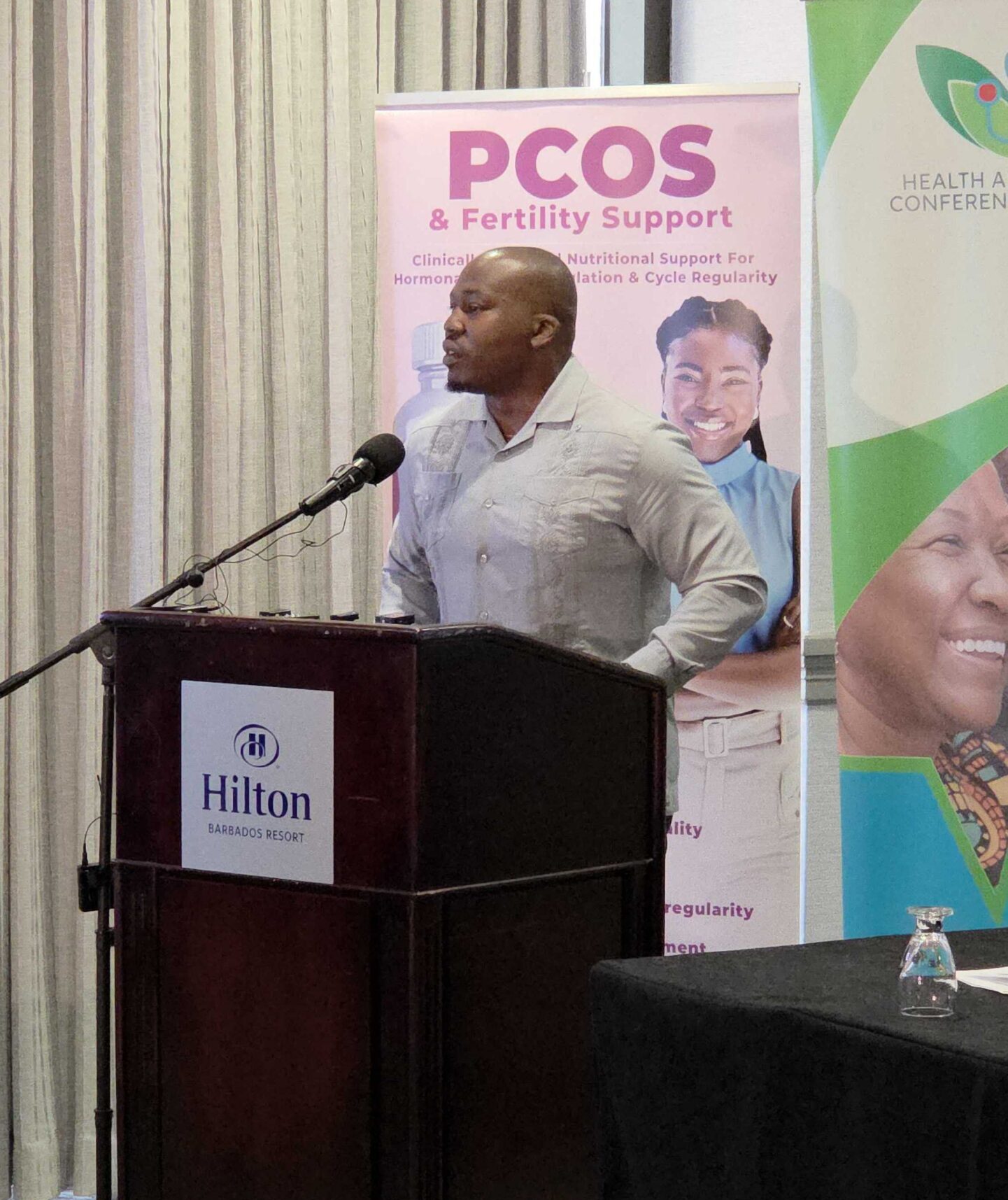
    Barbados is confronting an unprecedented public health emergency driven by non-communicable diseases (NCDs), which are now responsible for 83% of all adult deaths in the Caribbean nation and draining hundreds of millions of dollars from public coffers annually, according to Junior Health Minister Davidson Ishmael. Speaking Wednesday at the opening keynote of the Technical and Vocational Education and Training (TVET) Council Health and Wellness Conference held at Bridgetown’s Hilton Hotel, Ishmael delivered a sobering wake-up call, backed by the latest national health data, that the combined human and economic toll of chronic conditions has pushed the small island developing state to a breaking point.

    “Eighty-three per cent of the adults who die in our country die as a result of a non-communicable disease,” Ishmael told the packed audience of education leaders, business representatives and public health delegates. “And that should startle you. It should also bring sober reflection even as you look at your own self individually, but it should also cause us to reflect on what is happening across the board in our country. These deaths are largely preventable. These are premature deaths that we’re talking about.”

    Ishmael highlighted the growing, visible impact of NCDs across Barbadian society, pointing to the frequent streams of bereavement announcements on local social media platforms that have become a grim reminder of the crisis. He expressed particular grief over the early loss of productive members of the community: entrepreneurs, skilled workers, and community leaders who are dying years before reaching their projected life expectancy, leaving gaps in families and the national economy.

    Beyond the devastating human cost, the minister outlined the crippling financial burden NCDs place on Barbados’ taxpayer-funded healthcare system. Annual direct medical costs for treating diabetes, hypertension, cancer, cardiovascular disease and other chronic conditions range from $375 million to $825 million, with $325 million allocated specifically to core NCD treatments alone. “That is money that is coming out of our pockets every single month to help us to fund the affairs of our country,” Ishmael explained. “If we have a healthier population, we can therefore, one would argue, see a reduction in the amount of money that we spend to treat NCD-related illness.”

    Compounding direct medical expenses is an additional major hit to the national economy from lost workplace productivity. The latest national health survey data shows Barbados loses more than $147 million each year because workers living with untreated or poorly managed NCDs are unable to perform at full capacity. This strain is only projected to worsen as the country undergoes a major demographic shift: more than 25% of Barbadians are currently over the age of 60, and projections indicate that by 2050, one in three residents will be aged 65 or older.

    As older Barbadians increasingly opt for active encore careers and semi-retirement rather than full exit from the workforce, Ishmael emphasized that a foundation of good health is non-negotiable to sustain this new model of active ageing. Preserving population wellness, he argued, is essential to maintaining quality of life, reducing healthcare costs, and ensuring older residents can continue contributing meaningfully to national development.

    Ishmael stressed that the government cannot bear the full cost and responsibility of addressing the NCD crisis alone, issuing a direct challenge to the TVET Council, private businesses and community organizations to step in as partners in prevention. While the government will continue to allocate substantial funding to treat people already living with NCDs, he noted that the current reactive treatment-focused model is holding back national progress. “I posit to you that this is not sustainable for us as a small island developing state,” he said. “We need to be able to re-allocate the funds that we spend towards treating illness, towards helping our country to be far more productive, building new industries, building new sectors. We need to be able to invest more in ensuring that we create a firm framework and a foundation that allows our country to be able to produce more and thrive. And that cannot happen if we have our people battling with disease.”

    To kickstart cross-sector action, Ishmael called on all conference attendees to act as champions of change, encouraging every organization to implement low-cost or no-cost workplace health and wellness initiatives immediately. He noted that effective programs do not require expensive equipment or specialized staff, pointing to simple ideas such as streaming free fitness classes on office conference room screens for employees at the end of the work week. He also reminded business and education leaders that the Ministry of Health offers free on-site mobile screening services, which can be coordinated through the Chief Nursing Officer to bring care directly to workplaces and schools.

    At the national level, the Ministry of Health and Wellness is currently collaborating with the Pan American Health Organization (PAHO) to develop a unified National Wellness Policy. The new framework will consolidate fragmented existing strategies for NCD prevention and cancer reduction into a coordinated approach that addresses wellness across individual, community and organizational levels.

    Closing his address, Ishmael expressed cautious optimism that collective small actions will add up to large-scale national change. “If all of us do our part, if each of you play our small part in our small area of Barbados, I believe that we will see a cumulative change in our circumstances as a country,” he said. “Let us turn these conversations into actionable habits that transform our daily efforts into sustained social interventions and lasting positive change.”

  • AdeKUS-docent promoveert in België

    AdeKUS-docent promoveert in België

    On Friday, 34-year-old Dr. Shonimá Gangaram-Panday officially earned her doctorate in Psychology from KU Leuven in Belgium, capping years of groundbreaking work focused on addressing a critical gap in global stroke care. A lecturer and researcher at the Department of Psychology, Faculty of Social Sciences at Anton de Kom University of Suriname (AdeKUS), Dr. Gangaram-Panday completed her doctoral dissertation focused on screening for post-stroke neurocognitive disorders in Suriname’s culturally diverse population, bringing much-needed context to neuropsychological testing for low- and middle-income nations.

  • Oscar Mira Finally Speaks to the Media on Allegations

    Oscar Mira Finally Speaks to the Media on Allegations

    After weeks of public silence and growing public pressure, Home Affairs Minister Oscar Mira has addressed long-circulating allegations that his close relatives secured millions of dollars in unfair, improperly awarded government contracts. The high-profile controversy has raised significant questions about ethical governance and transparency in public procurement, prompting the minister’s first on-the-record response to the claims.

    Mira, who had been unavailable for media comment for multiple weeks, pushed back against claims of personal involvement in the controversial contract awards. He emphasized that all public procurement committees are formally administered and overseen by the Ministry of Finance, not individual cabinet ministers, and stated he has never held a seat on any such committee — nor has he ever attempted to interfere in their decision-making processes.

    “All open tenders are publicly advertised in national newspapers,” Mira explained to reporters. “Any eligible interested party can submit an application and complete the required processes to bid. Those bids then go through a lengthy, formal evaluation process. I had no decision-making authority, and I was never part of any of these committees.” He stressed that any contracts awarded to members of his family were secured through independent, legitimate processes, with no input or influence from him at any stage.
    When questioned about reports that contract payments were deliberately structured to stay below a $10,000 reporting threshold — a tactic that would allow the deals to bypass formal Treasury oversight, and a common red flag for potential financial misconduct — Mira did not dismiss the validity of public concern. “I do not think that anyone wouldn’t be concerned,” he acknowledged. “But was anything illegally done? I do not know.”
    The minister admitted that even without proven wrongdoing, the situation creates an unflattering public perception that erodes trust. “I believe that it is probably something that, in every crisis, you learn from, and I myself am trying to make sure that I learn from this,” he said.

    Throughout his first media briefing on the controversy, Mira repeatedly clarified the scope of his role as Home Affairs Minister, noting his portfolio is focused exclusively on broad policy development and daily ministry operations, not financial management or public procurement. He reiterated that he has never served on a procurement committee during his tenure in any government ministry. Full additional details of the briefing and on-the-record comments will be broadcast in a special segment on News 5 Live at 6 p.m. this evening.