As a record-breaking summer heatwave continues to grip the nation, widespread power outages have reemerged as a top public grievance, forcing energy sector leaders to detail the roots of the crisis and lay out a multi-year roadmap to upgrade the country’s aging electrical infrastructure.
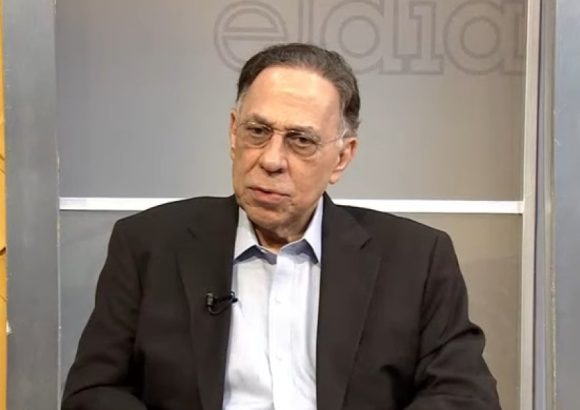
In a recent interview on the current affairs program *El Día*, Celso Marranzini, president of the Unified Council of Electricity Distribution Companies (CUED), broke his silence to offer an unfiltered assessment of the ongoing energy challenges facing the country. Marranzini confirmed that the current crisis stems from two overlapping factors: unprecedented extreme heat that has sent consumer electricity demand soaring to a historic peak of 4,330 megawatts, and decades of systemic neglect of preventive maintenance across the national grid.
Marranzini acknowledged that unplanned and scheduled power outages are universally frustrating, particularly amid sweltering temperatures that make extended loss of cooling unbearable for households. He emphasized that current planned interruptions are tied to critical preventive maintenance work, a necessary step to avoid far more catastrophic, longer-lasting system collapses that would result if overdue upgrades were delayed further. “If we skip maintenance, we don’t get scheduled outages — we get full system breakdowns, and that outcome is far worse,” he argued. He also clarified that unplanned nighttime outages are almost always the result of unexpected equipment failures, as scheduled maintenance work is not conducted after hours.
The CUED president added that the ongoing Central American Games have contributed modestly to elevated overall consumption, though the event is not a primary driver of the current outage crisis. He also noted stark regional disparities in grid health: the Eastern distribution zone has historically been the most under-maintained, suffering from a staggering 54% energy loss rate, in sharp contrast to the far more stable Central Polygon region.
Looking ahead, Marranzini outlined a suite of short- and long-term initiatives to stabilize and expand the national electrical system. Currently, distribution companies are conducting aggressive vegetation pruning to eliminate the risk of tree branches coming into contact with exposed power lines, a common cause of unplanned outages. Starting next year, the sector will roll out “hot pruning” — a technique that allows maintenance crews to trim vegetation near live lines without shutting down power to local communities.
A key ongoing modernization effort is the mass deployment of smart meters across the grid. Marranzini explained that these devices automatically detect faulty metering and allow officials to crack down on widespread energy theft, a practice often linked to the so-called “meter mafia” that has siphoned billions in revenue from the sector. He noted that full buildout of a fully functional smart meter network will take approximately eight years to complete.
Major infrastructure investments are already scheduled for this year, with additional large-scale projects set to be financed via partnerships with international development banks starting in 2025. Among the flagship upcoming projects is a plan that will bring upgraded electrical service to roughly 324,000 households across underserved regions. In collaboration with the Ministry of Energy and Mines, distribution companies are also developing a smart public lighting system that will allow remote monitoring of street lamps, automated status checks, and adjustable brightness based on time of day to cut down on unnecessary energy waste.
Another high-priority project set for tender in the near term is the installation of 200 megawatts of grid-scale battery storage capacity, paired with the country’s existing solar energy farms. The storage system will store excess solar energy generated during daylight hours for deployment during peak evening demand periods, helping to reduce strain on fossil-fuel powered generation capacity after sunset.
Marranzini also addressed the ongoing financial challenges facing the national electricity sector, confirming that the government provides $930 million in annual operating subsidies, even as the sector still faces an annual structural operating deficit of $500 million. He also clarified recent public controversy over summer tariff increases, and addressed public concern around the viral case of a local baker facing crippling accumulated energy debt.