博客

  • Primary Schools Chess Championship set for Wildey Gym

    Primary Schools Chess Championship set for Wildey Gym

    The island nation of Barbados is preparing to host one of its most anticipated youth academic sporting events of the year: the 2024 Primary Interschool Team Chess Championship, scheduled to run across two consecutive days, June 18 and 19, at the well-equipped Wildey Gymnasium. This year’s tournament will bring together school squads from every corner of the country, competing under the widely respected Swiss-system tournament format designed to reward consistent performance without eliminating participants early.

    Organized around a five-round Swiss team structure, this year’s championship sets clear roster rules: each competing team fields five active players per matchup, with up to two alternate reserves allowed to cover absences or rotation. The competition is open to all primary education institutions across Barbados, both public and private, with a cap of three entries per school to ensure broad participation across different campuses.

    Following standard international chess scoring rules, each individual player earns one full point for a win, half a point for a drawn game, and no points for a loss. Final cumulative points from all individual games across rounds will be tallied to determine the overall tournament champion.

    Heading into the competition, all eyes are on defending champions Charles F. Broome Primary School, who are gearing up to defend their crown and chase an unprecedented third consecutive title. The school has dominated primary school chess competitions across Barbados in recent years under the guidance of dedicated head coach Corie Elcock. In last year’s tournament, Charles F. Broome’s A-team secured a nail-biting victory, edging out second-place finishers St Winifreds by just half a cumulative point to claim the top spot.

    This year, however, the tournament field will see two notable absences. A scheduling conflict with end-of-term academic exams has forced St Winifreds to withdraw from the 2024 championship, ending their shot at redemption for last year’s narrow loss. 2023’s third-place team, St Giles, has also confirmed they will not participate in this year’s event. Despite these departures, last year’s fourth-place finishers St Gabriels have formally confirmed their entry, with the squad already targeting an improved ranking after their solid performance in 2023.

    Organizers report healthy growth in youth participation across the board: last year’s championship drew 20 competing teams from 14 different primary schools, and insiders expect that total number of entries to rise this year, reflecting growing interest in chess among young Bajans.

    The event is overseen by the Barbados Chess Federation, which has long prioritized expanding access to and participation in chess within the country’s national school system. Moving forward, the federation announced it is gearing up for deeper collaboration with the Ministry of Education’s upcoming Chess in Education programme, which is scheduled for full implementation in the near future to embed chess into regular school curricula.

  • OWTC Warns Public Urination Could Mean Fines

    OWTC Warns Public Urination Could Mean Fines

    Residents of Orange Walk District are facing a clear reminder from local authorities that public urination is not just a nuisance – it is a criminal offense that can carry steep financial penalties. In a public notice released on June 17, 2026, the Orange Walk Town Council (OWTC) announced that it would be enforcing existing provisions of the Town Councils Act to crack down on unsanitary public behavior.

    The enforcement push draws on Section 26 of the Town Councils Act, a rule designed to protect the cleanliness and public safety of community streets and shared spaces. According to the OWTC’s interpretation of the legislation, the section bans any discharge of dirty, unclean, or harmful substances from private property onto public thoroughfares or rights-of-way. Council officials argue that public urination falls directly into this prohibited category, as urine qualifies as both “filthy” and “noisome matter” under the text of the law.

    Beyond the legal technicalities, the OWTC emphasized the public health risks posed by unregulated public urination. Officials noted that waste left in shared spaces creates unsanitary conditions that can spread illness and create unpleasant living environments for nearby residents and passersby.

    The warning was shared broadly on the council’s official Facebook page, accompanied by photographic evidence of the behavior the agency is targeting. The images published show an unidentified man with his back to the camera, apparently urinating against a public wall near an electric vehicle charging station.

    Offenders convicted of violating Section 26 face maximum fines of $500, in addition to being required to cover any costs associated with cleaning up the scene of the offense or repairing any damage caused by the incident. The public notice marks a renewed push by the Orange Walk Town Council to maintain clean, safe public spaces for all residents and visitors.

  • Girls’ Futsal event sees rising interest

    Girls’ Futsal event sees rising interest

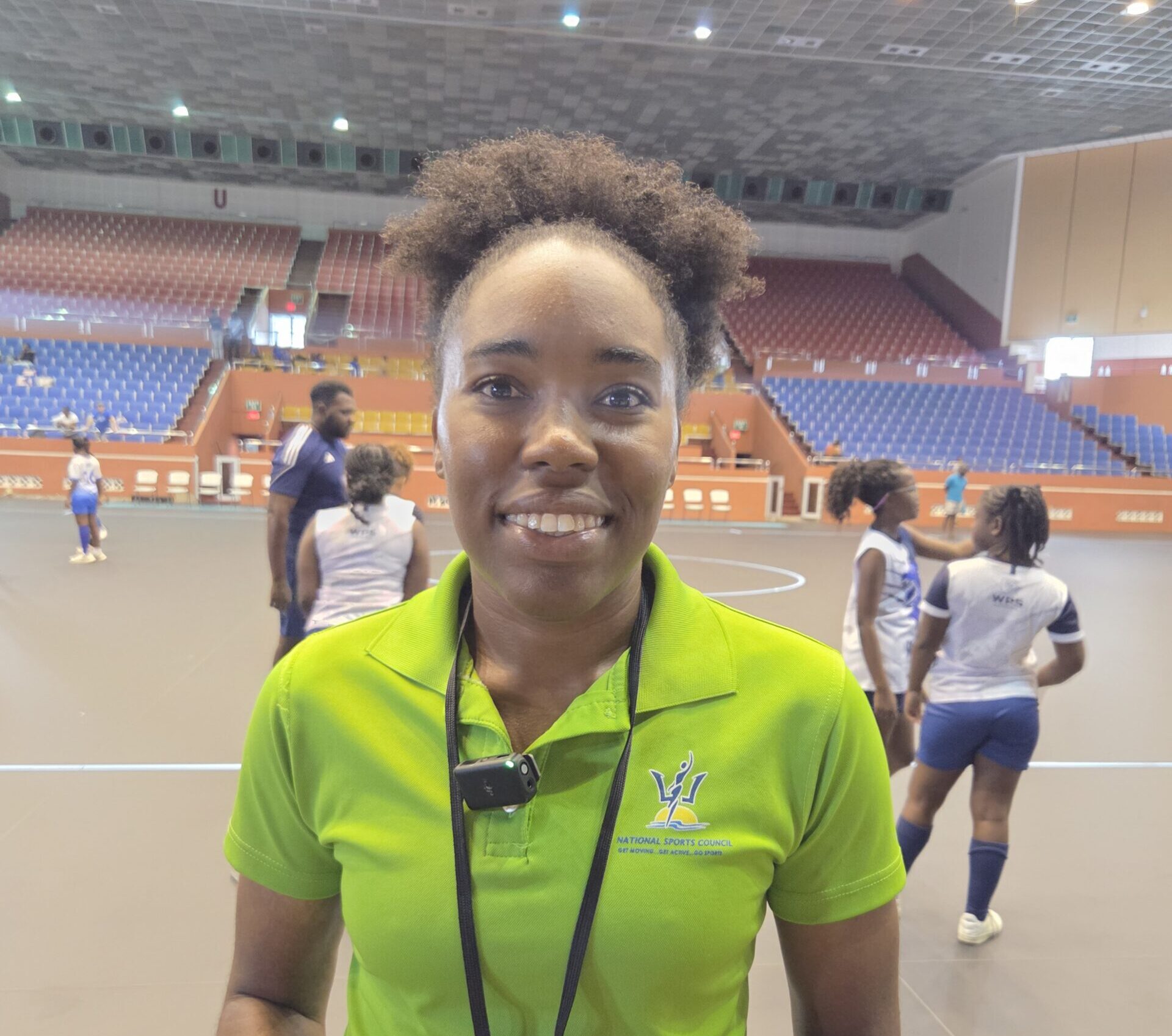
    The Garfield Sobers Gymnasium played host to the second day of the National Sports Council Girls’ Primary School Futsal Championship on Wednesday, drawing robust enthusiasm and participation from eight competing primary school teams across the region.

    As event coordinator Soraya Toppin-Herbert, a former senior national women’s football player and ex-Director of Women’s Football for the Bahamas Football Association, shared, early assessments of the tournament paint an overwhelmingly positive picture of community and institutional buy-in. “So far it’s been going really good. The girls have been enjoying the game, there’s been a lot of excitement and most of the schools have had a full squad,” Toppin-Herbert told reporters.

    The championship did not emerge out of nowhere: it grew organically from a seven-a-side youth football rally hosted at the close of the first school term last year, when organizers first noticed the unmet demand for girls’ competitive futsal opportunities. That early grassroots interest aligned with a core strategic goal of the National Sports Council (NSC): expanding female access to organized sports and keeping young girls engaged in athletic activity year-round, rather than limiting participation to one-off annual events.

    Toppin-Herbert noted that for years, boys have had a steady, high-profile outlet for competitive football through the NSC/BICO Football Competition, commonly known as BICO. While a small number of female players have joined that tournament, the vast majority of girl athletes have been locked out of consistent organized play, a gap this new championship is designed to fill. Already, the response has been strong enough that organizers have received multiple requests to expand roster sizes to accommodate more girls who want to compete.

    Despite the widespread enthusiasm, Toppin-Herbert acknowledged that the tournament has revealed a wide gap in experience and performance across teams, a reality that signals room for growth in the nascent program. Some girls already play regularly in mixed leagues alongside boys, bringing tighter ball control and more physical toughness to the court. For many other participants, this marks the first organized competitive football event they have ever joined, leading to a broad range of skill levels across matches.

    Even with that disparity, Toppin-Herbert framed the mixed skill levels as a win for organizers. The high level of interest from participants and schools alike proves that there is a solid foundation to build on as the NSC works to grow girls’ futsal in the years ahead. The tournament remains on track to complete its schedule in the coming days, with organizers already planning adjustments to meet the unanticipated demand for participation.

  • Can Men Succeed in Belize’s Beauty Industry?

    Can Men Succeed in Belize’s Beauty Industry?

    In Belize City, an 18-year-old young man is challenging long-held gender stereotypes in the country’s beauty sector, turning a spontaneous home experiment into a promising professional path. Allon Pacheco has emerged as one of just a handful of certified male beauticians across Belize, building a growing client base at a local salon after chasing his passion against social pushback.

    Pacheco’s journey into beauty work began with an unplanned, casual moment with his mother. One ordinary morning, he offered to give his mother a pedicure on a whim. When he finished, the result was far neater and more polished than anyone expected. Impressed by his natural skill, Pacheco’s mother encouraged him to pursue formal training and connected him to her friend working in the beauty industry.

    To turn this casual hobby into a legitimate career, Pacheco committed to a rigorous six-month professional certification program. After mastering the core skills of nail care, pedicures, and multiple other beauty services, he landed a full-time position at Deluxe Corner Beauty Bar, one of Belize City’s popular local salons, where he now serves clients on a regular basis.

    Like many people who enter gender-nontraditional fields, Pacheco has not been immune to criticism and bias. Deep-rooted social norms in Belize have long framed beauty services as exclusively women’s work, and Pacheco says many people have questioned his career choice. He recalls facing constant comments that push him to leave the industry and take what is widely labeled as “traditional men’s work” such as manual labor.

    What critics do not know is that Pacheco already has experience in those conventionally male-dominated fields. Before committing to beauty work, he held jobs in mechanics and electrical work, roles that fit the common idea of “male employment.” For Pacheco, however, none of these roles compared to the fulfillment he finds in beauty services. He describes the work as genuinely interesting, notes that it provides a stable, solid income that meets his needs, and most importantly, it is a career he genuinely enjoys.

    As Pacheco continues to build his clientele and advance his career, his full story is set to air in a primetime segment on News 5 Live this evening at 6 p.m., offering audiences a deeper look at his journey breaking into a female-dominated industry.

  • OAS verwerpt beschuldigingen aan adres van secretaris-generaal Ramdin

    OAS verwerpt beschuldigingen aan adres van secretaris-generaal Ramdin

    The Organization of American States (OAS) has issued an official statement pushing back against recent public allegations targeting Secretary-General Albert Ramdin, which center on claims of mismanaged finances and nepotism in senior appointments. The intergovernmental body has categorically dismissed the accusations as baseless, noting they do not align with findings from the organization’s existing internal oversight frameworks.

    Ramdin made history when he was unanimously voted into the role of OAS Secretary-General in March 2025, becoming the first holder of the position to come from the Caribbean Community (Caricom). The OAS emphasized in its statement that Ramdin has carried out all his official duties in full compliance with the OAS Charter and the organization’s established rules and operating procedures. It also reminded stakeholders that all member states are legally bound by the charter to uphold the institutional independence of the Secretary-General and the broader Secretariat staff.

    To clarify institutional responsibilities, the OAS underlined that day-to-day oversight of accounting, financial management, budget implementation and administrative processes falls under the remit of the OAS Executive Director, not the Secretary-General. Additionally, the entire Secretariat is subject to mandatory annual external independent audits, as well as regular internal reviews conducted by the Office of the Inspector General. As of the completion of Ramdin’s first year in office, no evidence of financial irregularities has been documented, the organization confirmed. Until the Inspector General’s office releases formal, substantiated findings, claims of financial mismanagement remain unsubstantiated and politically motivated speculation, the statement added.

    Allegations of nepotism connected to the appointment of Ramdin’s chief of staff were also outright rejected. The OAS clarified that internal rules explicitly grant the Secretary-General authority to make senior personnel appointments for his immediate office, and the hiring in question followed all required procedures. The organization also expressed regret that a sitting staff member has been subjected to unsubstantiated public attacks over the appointment.

    The statement further addressed concerns over staff compensation, confirming that all OAS employee salaries and benefits are not set arbitrarily. Instead, they follow a standardized pay structure approved by all member states that aligns with the United Nations’ common salary system, eliminating any room for improper favoritism in compensation.

    According to the OAS, Ramdin has repeatedly expressed his willingness to have any concerns reviewed through the organization’s official oversight channels. He has also stated he is fully open to a formal independent investigation if OAS member states collectively deem such a step necessary. The organization emphasized that full transparency is a core priority that serves the best interests of both the OAS and all its member nations.

    In the midst of the controversy, OAS leadership confirmed it remains focused on delivering its mandated core tasks and institutional programs, as well as finalizing preparations for the 56th OAS General Assembly, scheduled to be hosted in Panama City.

  • ‘No room for complacency,” says coach ahead of Scotland clash

    ‘No room for complacency,” says coach ahead of Scotland clash

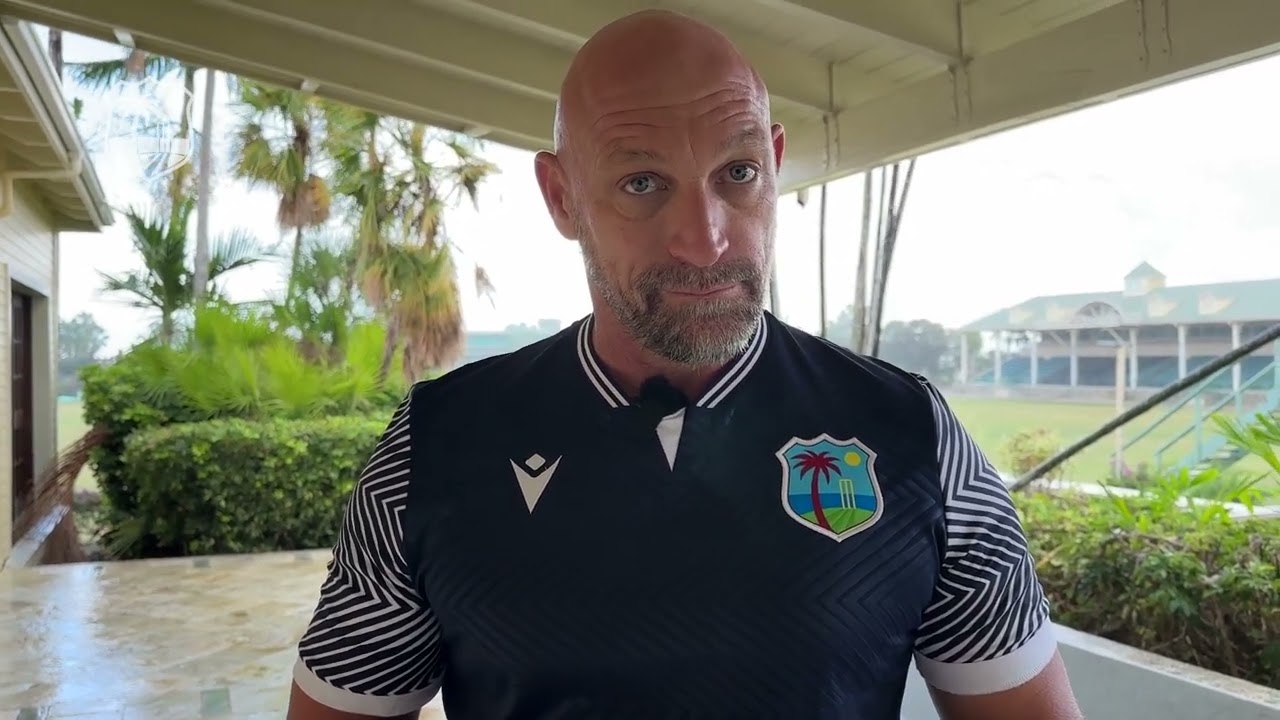
    As the ICC Women’s T20 World Cup 2026 enters its early group stage, West Indies head coach Shane Deitz has issued a blunt, urgent warning to his squad ahead of Thursday’s high-stakes Group B showdown against Scotland at Headingley: any trace of complacency will have no place in his team’s game plan.

    Both sides come into the floodlit encounter riding the high of sensational opening match wins, creating the backdrop for what is shaping up to be one of the most compelling matches of the group phase. The Windies pulled off a dramatic final-over upset to dethrone defending champions New Zealand in their opener, while Scotland notched the first Women’s World Cup win in their program’s history with a historic upset of Ireland.

    Having worked in women’s cricket since 2014 and watched the sport’s rapid, global transformation firsthand, Deitz emphasized that this 2026 Scotland side is a far more dangerous opponent than the team the West Indies defeated in the 2024 tournament. Looking back on that 2024 six-wicket win, Deitz recalled that his side restricted Scotland after bowling first, before Deandra Dottin’s late attacking knock secured the victory and a healthy net run-rate. But he was quick to stress that a similar comfortable result is far from guaranteed this time around.

    “Since that match, we’ve faced them in ODI cricket, they’ve added several talented new players, and more of their squad now features regularly in English domestic cricket,” Deitz explained. “That experience has made them a much tougher test than they were two years ago.”

    Scotland’s landmark win over Ireland has not flown under the radar in the West Indies camp, with Deitz acknowledging that the upset has left the side brimming with confidence heading into the clash. “They put in a fantastic performance to beat Ireland, so they’re going to be flying high,” he said. “They have quality across their batting and bowling lineups, with a well-balanced squad that can exploit different match conditions. We have to be at our absolute best to get the win. We know we can’t afford to be complacent, and we won’t be.”

    The Windies’ opening win over New Zealand was a rollercoaster affair, with veteran Shemaine Campbelle notching her first ever T20I half-century in her 155th appearance to steer the side across the line in the final over. Even so, Deitz warned his team that they cannot rely on opposition errors like New Zealand’s costly dropped catches to secure another win, even though Scotland enters the match ranked 11th in the world – five places below the West Indies.

    Reflecting on the growth of women’s cricket over the past decade, Deitz noted that the gap between the top sides and emerging programs has shrunk dramatically. “Back at the 2014 World Cup, there was a clear gap where three or four sides were miles ahead of everyone else,” he said. “Now, every team brings their best effort every single game, and it makes for a fantastic spectacle. Every side’s players work just as hard, and have just as much passion and energy for the game, as any of the top ranked teams.”

    Deitz reserved particular praise for Scotland’s star sibling pair, the Bryces, describing them as world-class competitors. But he added that the West Indies also boast elite talent of their own, and the squad has prepared thoroughly to neutralize Scotland’s key weapons.

    For their part, Scotland is approaching the match against the multiple World Cup-winning side with calm confidence rather than intimidation. Opening batter Darcey Carter, who set a solid foundation in the win over Ireland before being dismissed for 14, spent the eve of the match studying the West Indies’ upset of New Zealand to prepare.

    “They’re a very good side with a lot of top-quality players, but we just have to focus on playing our own cricket on the day,” Carter said. “Personally, I don’t fixate on the big names of the opposition, because that just distracts you and gets you in your head. If we take the game ball by ball, and adapt to how the opposition plays on the day, we’ll put ourselves in a good position to get another historic win.”

    Scotland also has a recent upset to draw confidence from: the side beat the West Indies by 11 runs in the 2025 ICC Women’s Cricket World Cup Qualifier, a result that ultimately knocked the Caribbean side out of contention for a spot in that tournament’s main draw.

  • STATEMENT: On the passing of Dr. Shelly-Ann Cox, Barbados’ Chief Fisheries  Officer by The Food and Agriculture Organization of the United Nations (FAO) sub-regional office of the Caribbean

    STATEMENT: On the passing of Dr. Shelly-Ann Cox, Barbados’ Chief Fisheries Officer by The Food and Agriculture Organization of the United Nations (FAO) sub-regional office of the Caribbean

    The Food and Agriculture Organization of the United Nations (FAO) team based in Barbados and the wider Caribbean region is mourning the unexpected passing of Dr. Shelly-Ann Cox, Barbados’ top official leading the nation’s fisheries sector. Over the course of her tenure, FAO and Dr. Cox built a robust, productive partnership focused on elevating fisheries and aquaculture development across the island and the broader Caribbean basin. Dr. Cox emerged as an indispensable strategic collaborator in advancing FAO’s Blue Transformation vision, which centers on building a fully sustainable aquatic food economy. In just three years serving as Chief Fisheries Officer, she left an indelible mark on the sector, driven by her sharp technical knowledge, inclusive leadership style, and unwavering dedication to expanding opportunities for young people in fisheries work. Her vision for fishing communities, paired with her unmatched passion and commitment, set her apart as a transformative leader in the region.

    One of Dr. Cox’s most defining contributions came during the final drafting and approval phase of Barbados’ 10-year Fisheries Policy, covering 2023 to 2033, an initiative developed with direct support from FAO. Under her guidance, the policy broke new ground by introducing innovative frameworks to add value to fish by-products, turning material long categorized as fishing waste into new avenues for economic growth and environmental sustainability. Her ability to turn high-level policy goals into tangible, actionable change has since become a model for other Caribbean nations working to advance their own sustainable fisheries development pathways.

    Plans to update and modernize Barbados’ aging fisheries legislation first emerged before the COVID-19 pandemic, when stakeholders identified gaps in the existing regulatory framework. When public health priorities shifted immediate focus to developing the overarching national fisheries policy under the FAO-supported StewardFish Project, Dr. Cox never lost sight of the broader goal of building a resilient, sustainable national aquatic food system. Building on the foundational work from the policy development process, Dr. Cox stepped into a leading role guiding the legislative process that ultimately produced the 2025 Sustainable Fisheries Management and Development Act, a landmark bill spearheaded by the Government of Barbados.

    Her technical expertise and steady leadership shaped every section of the new legislation, which strengthens national fisheries governance, advances ambitious environmental protection targets, expands social protections for workers across the fisheries sector, and ensures Barbados maintains critical access to international markets by meeting the compliance standards of the U.S. Marine Mammal Protection Act. Through these foundational policy and legislative wins, Dr. Cox secured a permanent, positive impact on the sustainable management of Barbados’ fisheries resources and the thousands of livelihoods that depend on them.

    In a 2026 meeting with senior FAO leadership held just months before her passing, Dr. Cox shared her bold, clear vision for the future: that Barbados could reach a target of zero fish waste by 2028. That ambitious goal reflected both her relentless drive for progress and her confidence in the work already underway to build a circular, sustainable bioeconomy for the nation’s aquatic food sector.

    Dr. Cox’s final collaborative projects with FAO further highlighted her lifelong commitment to lifting regional fisheries capacity. At the time of her passing, she was wrapping up work on a new publication focused on anchored Fish Aggregating Devices (aFADs), a common and essential fishing tool across the Caribbean, and had just launched a regional study on dolphinfish maturity. Barbados was selected as the pilot country for this regional research initiative by the Western Central Atlantic Fishery Commission (WECAFC), a decision that reflected the widespread regional confidence in Dr. Cox’s leadership and Barbados’ advanced technical capacity.

    Tributes have continued to flow in from across the region from colleagues, partner organizations, and industry stakeholders who worked with Dr. Cox on FAO-supported initiatives, many of whom have shared how her work impacted their own careers and projects. Beyond her long list of professional achievements, Dr. Cox is remembered for her genuine kindness, contagious enthusiasm for her work, and steady commitment to lifting up other people. Her collaborative approach brought diverse stakeholders together around a shared vision, her leadership inspired confidence and tangible action, and her caring character left a lasting impression on everyone she worked with.

    While the sudden loss of Dr. Cox has left a deep gap across the communities and institutions she served, the impact of her life’s work and the memories she created will continue to shape fisheries development across Barbados, the Caribbean, and beyond for decades to come. On behalf of the FAO Subregional Office and Fisheries and Aquaculture Division, Dr. Renata Clarke, FAO Subregional Coordinator, and Yvette Diei Ouadi, FAO Fisheries and Aquaculture Officer, paid tribute to her life and legacy.

  • ‘No room for complacency,” says coach ahead of Scotland clash

    ‘No room for complacency,” says coach ahead of Scotland clash

    As anticipation builds for Thursday’s high-stakes Group B clash at the ICC Women’s T20 World Cup 2026 at Headingley, West Indies head coach Shane Deitz has delivered a firm wake-up call to his squad, emphasizing that overconfidence will have no place in their game plan.

    Both sides enter the match riding a wave of momentum from unforgettable opening-round wins, turning the under lights encounter into one of the most compelling matches of the tournament so far. The Windies pulled off a dramatic final-over upset to knock defending champions New Zealand off their throne, while Scotland notched a historic milestone, securing their first-ever victory at a Women’s T20 World Cup with a clinical performance against Ireland.

    Despite a comfortable six-wicket win over Scotland at the 2024 tournament, where Deandra Dottin’s aggressive late innings sealed the result and boosted the side’s net run rate, Deitz is quick to stress that today’s Scottish side is a vastly different and far more dangerous opponent.

    Since that 2024 meeting, Scotland has added several talented new players to their roster, and a growing number of their core squad now compete regularly in England’s competitive domestic cricket circuit, raising their overall level of play dramatically. The coach also noted that Scotland’s landmark opening win over Ireland has injected the side with massive confidence, a factor that makes them even more of a threat.

    “They had a great win, so they’ll be flying high and full of confidence,” Deitz said. “They’ve got some good players all around, a good mix, they hit different areas. We’re going to have to be at our absolute best to beat them. We definitely can’t be complacent, and we won’t be.”

    The Windies’ opening match against New Zealand was a true rollercoaster of emotions, with veteran Shemaine Campbelle delivering a career-defining performance: her first T20I half-century across 155 appearances, which guided the side across the line in the final over. Even so, Deitz warns his team cannot count on repeated mistakes from their opponents, nor can they rely on their higher world ranking – West Indies sits 6th, five places above Scotland – to carry them to victory.

    Reflecting on the transformation of women’s cricket since he first joined the sport in 2014, Deitz noted that the gap between top-tier sides and emerging nations has shrunk dramatically. “Back then, it was clear those three or four sides were miles ahead of everyone else. But now, you have to bring your best every single day, and it’s just a great spectacle. The girls work hard and have got as much passion and energy for the game as anyone you’ll ever see.”

    Deitz did not hold back when praising Scotland’s standout players, calling dynamic sibling duo Kathryn and Sarah Bryce true world-class talents, while adding that his own side boasts elite match-winners ready to rise to the challenge.

    For Scotland, however, the team is approaching the match with calm confidence rather than intimidation, despite facing a side that has claimed multiple World Cup titles in the past. Opening batter Darcey Carter, who set a solid foundation for Scotland’s win over Ireland before being dismissed for 14, spent the eve of the match studying West Indies’ win over New Zealand and says her side is unfazed by their opponent’s reputation.

    “They’re a really good side. They’ve got some great players in their team as well, but I think we just have to play the team on the day,” Carter explained. “Personally, I don’t try to look at the names too much because then you just get caught up in that. If we can just take the game as it comes and adapt to how the opposition plays, then I think we will be in good stead.”

    Scotland also has a recent upset over the Windies to draw confidence from: the side claimed an 11-run win over West Indies in the 2025 ICC Women’s Cricket World Cup Qualifier, a result that ultimately eliminated the Caribbean side from contention for the tournament. That history only adds another layer of intrigue to Thursday’s must-win clash, leaving cricket fans around the world waiting to see which side will carry their opening momentum forward.

  • Driver Convicted in Fatal Crash Walks Free After Sentencing

    Driver Convicted in Fatal Crash Walks Free After Sentencing

    On June 17, 2026, a High Court in Belize handed down a controversial sentencing that has laid bare the difficult balancing act judges face between legal accountability and human compassion: a 29-year-old Hattieville truck driver convicted of manslaughter for a 2023 fatal highway crash will serve no additional prison time beyond the 47 days he has already spent in custody.

    The defendant, Marvin Cal, stood trial after pleading not guilty to the death of his coworker Oscar Rodas, rejecting a pre-trial plea deal. The collision that killed Rodas occurred on June 12, 2023, along the Hattieville-Burrell Boom Road. According to prosecution evidence, Cal was behind the wheel of his white Ford Ranger when he pulled out from behind a stopped bus to overtake. As the truck hit loose gravel along the roadside, it spun out of control, crashed into an oncoming vehicle, and became entangled in the vehicle’s towed trailer. The impact crushed the dashboard into Cal’s lap, trapping him until emergency responders cut him free with hydraulic cutting tools. Rodas, who was riding in the passenger seat of Cal’s truck, did not survive the crash.

    Throughout the trial, Cal maintained his innocence, insisting he had never been behind the wheel that day and had been sitting in the passenger seat. He told the court that law enforcement never checked his identification at the crash scene or the hospital where he was treated, and did not contact him to press charges until nearly a full year after the collision. His defense team argued that the prosecution’s narrative of the crash was implausible, but after deliberations, the jury rejected the defense’s argument and returned a guilty verdict.

    The aftermath of Rodas’s death has shattered the life of his long-term partner Rosa Reyes. Reyes, who shared eight years with Rodas, was three months pregnant when she received the news of his death. The devastating shock triggered a miscarriage just two days later, requiring an emergency hospital stay for life-threatening heavy bleeding. With Rodas’s steady income gone, Reyes’s teenage daughter was forced to drop out of school to bring in income for the household. Remembering Rodas as a generous man who regularly stopped to help stranded strangers with flat tires or dead batteries on the side of the road, Reyes said the loss has left an unfillable void in every part of her life, from emotional well-being to financial stability.

    On the defense side, Cal’s family painted a portrait of a devoted breadwinner facing desperate circumstances. Cal’s common-law wife Catalina told the court that the couple’s two young children, including a five-year-old daughter with a disability, cry every night asking for their father. While Cal has been in custody, the family has had no source of income, and Catalina said she cannot figure out how to pay for their son’s upcoming school fees, which are due when he starts classes in September. Catalina described her partner as a hardworking, loving father who does not fit the description of a criminal.

    A court-ordered pre-sentence background report added critical context to Cal’s personal history. Raised in poverty as one of 13 children, Cal left school at a young age to help support his younger siblings, and had held a steady job at a local Hattieville trucking company for five years leading up to the crash. Investigators found no prior criminal record and no evidence that Cal posed a public danger or was likely to reoffend. The report also noted that Cal’s employer provides the family’s housing, meaning a lengthy prison sentence would not only take the children’s father away, but could also leave them homeless.

    In handing down his ruling, High Court Justice Derick Sylvester started with a standard six-month prison term for this class of manslaughter offense. He reduced the sentence to four months after accounting for two mitigating factors: Cal and Rodas were close coworkers traveling together for work, and Cal himself sustained serious injuries that required hospitalization in the crash. No standard plea deal sentencing discount was applied, as Cal never entered a guilty plea. After subtracting the 47 days Cal had already served in pre-sentence custody, Sylvester ruled that Cal had completed his sentence and ordered his immediate release. The judge also declined to suspend Cal’s driver’s license, noting that driving is the only source of income Cal has to support his family.

    As a condition of his sentence, Cal is required to pay Rosa Reyes $5,000 in restitution, via monthly installments of $300 starting in July 2026. If Cal misses any single payment, the full outstanding amount will become due immediately, and he will be ordered to serve a six-month prison sentence.

  • Minister Daryll Matthew Encourages Greater Support for Young Entrepreneurs at Caribbean Youth Entrepreneurship Summit

    Minister Daryll Matthew Encourages Greater Support for Young Entrepreneurs at Caribbean Youth Entrepreneurship Summit

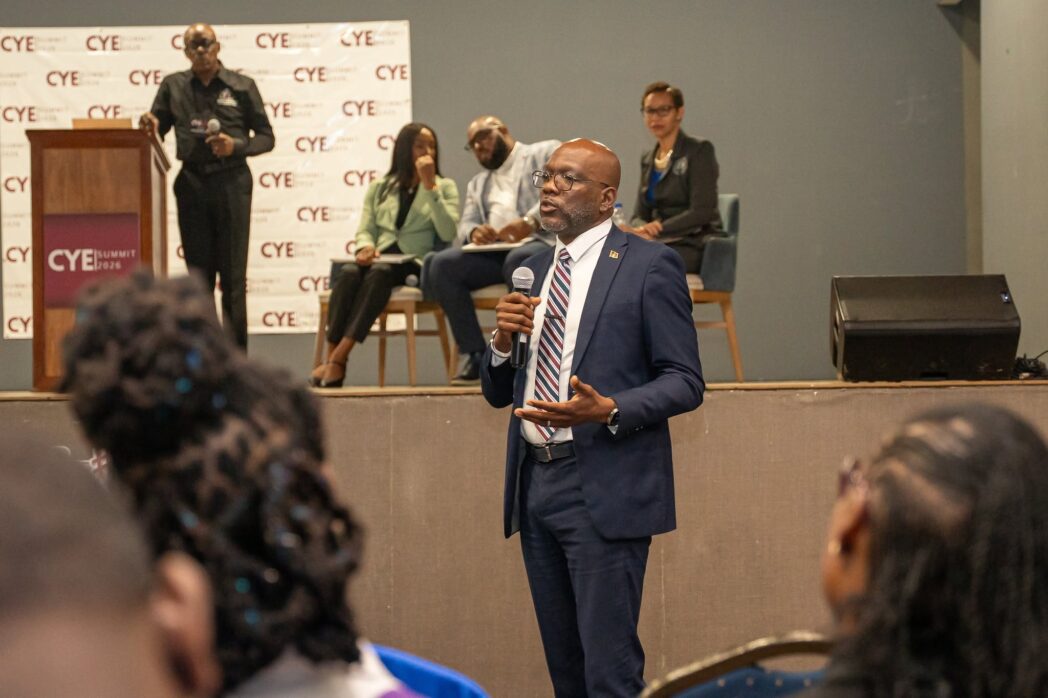
    The 2026 Caribbean Youth Entrepreneurship (CYE) Summit, hosted at the Royalton Antigua Resort, has emerged as a critical gathering for stakeholders working to unlock the potential of young business leaders across the Caribbean region. At the center of this year’s event was a high-profile panel discussion focused on strengthening regional entrepreneurial ecosystems, bringing together a diverse set of voices from public policy, banking, cooperative finance, and enterprise development initiatives. Among the panelists was Minister Matthew, who joined representatives from the banking sector, the regional credit union movement, and the Prime Minister’s Entrepreneurship Development Programme to explore actionable solutions for growing youth-led business across Antigua and Barbuda and the broader Caribbean.

    Designed to break down silos between different stakeholder groups, the 2026 summit centered its agenda on three core pillars: cross-regional collaboration, helping young founders build investment readiness, and scaling innovative approaches to youth enterprise. By convening public sector leaders, financial industry decision-makers, and private sector stakeholders in one space, event organizers aimed to turn conversation into tangible progress for emerging young entrepreneurs who often face systemic barriers to accessing capital, mentorship, and market connections.

    In reflections shared following the panel discussion, Minister Matthew highlighted the transformative value of the summit itself, praising organizers for establishing a dynamic platform that facilitates open dialogue, cross-sector collaboration, and actionable change. The minister emphasized that no single group can build a thriving, inclusive entrepreneurial ecosystem on its own. Long-term, sustainable economic growth driven by young innovators, he argued, depends entirely on intentional, enduring partnerships between government bodies, regulated financial institutions, and private sector organizations. These collaborations, Matthew noted, are key to addressing the gaps that hold back youth enterprise, from limited access to startup capital to lack of targeted business development support for first-time founders.

    The summit comes as Caribbean nations increasingly recognize youth entrepreneurship as a core driver of economic resilience, job creation, and inclusive growth across the region. With many small island developing states facing economic uncertainty and high youth unemployment, initiatives like the CYE Summit are positioning cross-sector collaboration as a proven pathway to unlocking young people’s economic potential.