博客

  • Simons en Mitchell zien kansen voor nauwere samenwerking binnen Caricom

    Simons en Mitchell zien kansen voor nauwere samenwerking binnen Caricom

    On the sidelines of the 6th annual Suriname Energy, Oil & Gas Summit and Exhibition (SEOGS), top leaders of Suriname and Grenada have held high-level talks focused on expanding bilateral and regional collaboration across multiple priority sectors, laying new groundwork for strengthened ties within the Caribbean Community (Caricom).

    Suriname’s President Jennifer Simons hosted Grenada’s Prime Minister Dickon Mitchell for the closed-door meeting at the Surinamese presidential palace on Tuesday, during the energy conference that has drawn regional and global industry and government leaders this year. This meeting marked Mitchell’s first participation in a major regional energy-focused conference, after he accepted a personal invitation from Simons to attend the 2026 SEOGS.

    In statements released by Suriname’s Communication Service following the meeting, President Simons emphasized the fundamental value of robust bilateral partnerships among Caricom member states as small island and developing Caribbean nations navigate shifting global economic conditions and shared cross-border challenges. “As nations working to unlock new economic opportunities while confronting pressing global challenges, it is essential that we continue exchanging expertise and exploring pathways for closer collaboration, particularly in energy development, sustainable growth, climate resilience, and economic diversification,” Simons said. She added that Mitchell’s attendance at the 2026 SEOGS created an ideal opportunity to deepen bilateral relations and advance aligned policy goals shared by the two countries.

    For his part, Prime Minister Mitchell commended Suriname’s approach to developing its emergent oil and gas sector, noting that the South American Caribbean nation has emerged as a responsible model for resource development. “We look to Suriname as an example of a country that pursues oil and gas exploration in a responsible manner while advancing the core economic interests of its people,” Mitchell said. Like Suriname, Grenada is currently working to develop its own domestic oil and gas industry, making knowledge-sharing and collaboration in this sector a top talking point for the bilateral meeting.

    Beyond energy development, the two leaders covered a wide range of shared regional priorities, including renewable energy expansion, food security, improved regional connectivity, and the growing impacts of climate change. Mitchell noted that these cross-cutting issues form a strong foundation for deeper collective action across all Caricom member states. He also highlighted that small island developing states (SIDS) like Grenada remain disproportionately vulnerable to climate change, and require increased international financial support to build resilience and recover from climate-linked disasters.

    The Grenadian prime minister also extended praise for Suriname’s longstanding environmental leadership, noting the country has maintained its status as one of the world’s few carbon-negative nations through the conservation of its vast tropical forest landscapes. Both leaders reaffirmed their commitment to continued high-level engagement to advance collaborative projects that deliver mutual benefit and support shared regional development goals within Caricom.

  • BUT blames funding gap, closures for private schools outperforming public

    BUT blames funding gap, closures for private schools outperforming public

    Following the release of 2025 Common Entrance examination results that placed private schools clearly ahead of their public-sector counterparts, the Barbados Union of Teachers (BUT) is pressing the nation’s Ministry of Education Transformation for urgent answers about the growing performance divide between the two education systems.

    BUT President Rudy Lovell is pushing for full transparency from the ministry, arguing that any direct comparison of outcomes between private and public schools is inherently unfair given the stark, well-documented gaps in resourcing, parental participation and operational stability that separate the two sectors. The results released Monday made headlines for one key data point: St Gabriel’s, a private Anglican institution, produced both the top-performing boy and top-performing girl in this year’s Common Entrance examination. Notably, the ministry did not release any additional granular data breaking down top-scoring student distribution between private and public schools, leaving broader trends unconfirmed.

    “There are multiple external factors that could drive this performance gap between public and private education institutions,” Lovell stated in his address to reporters. “We need the ministry to share its own analysis of what factors are leading to private schools consistently outperforming public ones.”

    While Lovell was quick to affirm that teaching staff in both sectors hold equally high qualifications, he outlined three key structural advantages that benefit private schools, starting with funding and resource allocation. This point comes despite Barbados consistently allocating roughly 5% of its gross domestic product to public education, a share that ranks among the highest for North American and Caribbean nations. Even with this substantial government investment, Lovell claims that public school teachers are frequently forced to spend personal funds to cover basic classroom needs that go unmet by public budgets.

    “From our perspective, private schools operate with far more robust resourcing than public institutions,” Lovell explained. “Public school teachers already contribute a huge amount of personal funding to keep their classrooms running, purchasing essential learning materials out of their own pockets. We have yet to see whether private school teachers face the same financial burden, and we want clarity on that.”

    A second key disparity Lovell highlighted is the level of parental engagement. While public schools do receive support from caregivers, he noted that this involvement pales in comparison to the consistent, heavy participation seen in most private school communities, a gap that directly impacts student outcomes.

    The third and most disruptive disadvantage facing public schools, Lovell argued, is ongoing infrastructural and environmental challenges that repeatedly force campus closures. These unplanned shutdowns have severely disrupted the academic calendar for public school students, a crisis that almost never impacts private school operations.

    “Any head-to-head comparison of results is unfair when both sectors follow the exact national curriculum set by the Ministry of Education, but operate in completely different conditions,” Lovell emphasized. “When can anyone remember the last time a private school was forced to close for environmental or infrastructural reasons? This year alone, public schools have faced repeated closures tied to these issues, interrupting learning week after week.”

    Beyond the private-public performance divide, Lovell also raised alarm over the persistent downward trend in male student performance relative to female peers. When asked whether current government efforts to support male learners are sufficient, Lovell replied that far more action is needed, and called on the ministry to implement a full overhaul of public school staffing frameworks.

    A core demand from the BUT is the introduction of specialized teaching roles in core subject areas across public primary schools. “We want to see public schools bring on specialized teachers focused specifically on high-priority subjects like mathematics, English, and reading,” Lovell urged. “This targeted expertise would help address performance gaps and support all learners, including our male students who have been falling behind in recent years.”

  • 40+ Belize Responders Now Ready for Regional Disaster Deployments

    40+ Belize Responders Now Ready for Regional Disaster Deployments

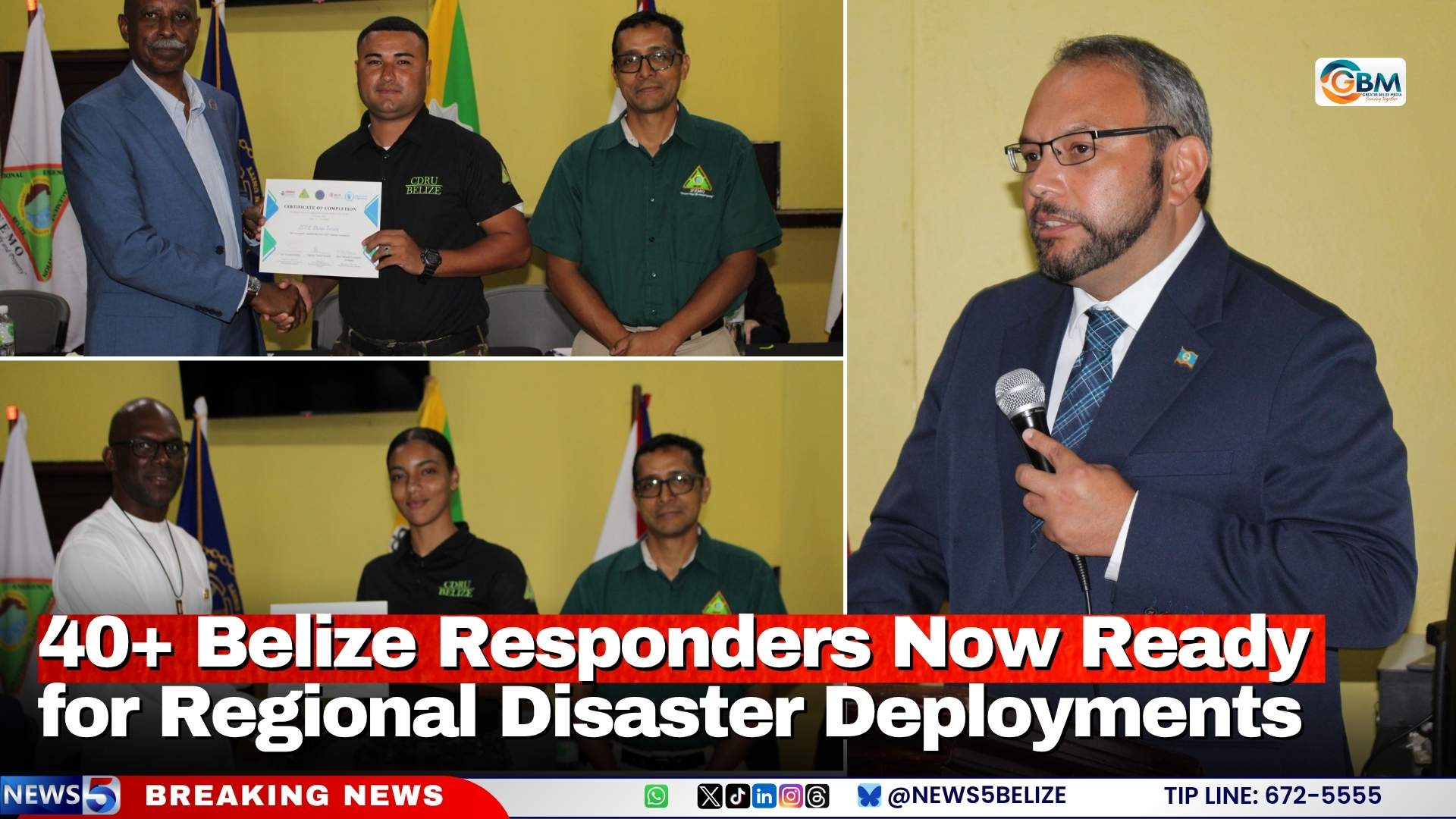
    On June 20, 2026, a week-long intensive disaster response training program hosted for Belizean emergency personnel wrapped up with an official certification ceremony, bringing more than 40 newly qualified responders into the Caribbean’s regional rapid deployment disaster relief network.

    Organized as the 2026 iteration of the CARICOM Disaster Relief Unit (CDRU) National Training Programme, the initiative ran from June 13 to 20, drawing participants from four of Belize’s key emergency response agencies: the Belize Defence Force, Belize Coast Guard, National Fire Service, and Belize Search and Rescue Institute. Over the seven-day program, trainees underwent a blended curriculum of theoretical classroom instruction and hands-on field drills, all crafted to replicate the high-stress conditions of real disaster scenarios.

    Training modules centered on four core competencies critical to effective disaster response: cross-agency relief operation coordination, logistics and supply chain management for crisis situations, establishment of robust emergency communications networks, and cohesive team performance under extreme pressure. These skills are designed not only to boost Belize’s domestic disaster preparedness but also to enable the country’s responders to contribute to regional humanitarian efforts across the Caribbean.

    The CDRU is the primary coordinated humanitarian response mechanism for the Caribbean Community (CARICOM), pooling pre-vetted, trained personnel from military, fire, and law enforcement agencies across member states. When large-scale disasters such as hurricanes, floods, or seismic events strike the region, this network can be rapidly mobilized to support affected member states that lack sufficient local response capacity. With the completion of this training, Belize’s 40+ newly certified responders have formally joined this regional standby deployment pool.

    The collaborative training program is a joint initiative between the Caribbean Disaster Emergency Management Agency (CDEMA) and Belize’s National Emergency Management Organization (NEMO), with additional logistical and technical support from the Regional Security System (RSS) and Belize’s Ministry of the Public Service and Disaster Risk Management. During the closing certification ceremony, each participant received official documentation recognizing their successful completion of the rigorous program, confirming their qualification to serve both domestic and regional response missions. Officials noted that the expansion of Belize’s trained responder pool will strengthen both the country’s own disaster resilience and the overall capacity of the Caribbean’s collective disaster response system.

  • Setting the record straight – a response to falsehoods

    Setting the record straight – a response to falsehoods

    In response to widespread public speculation and misleading media reports surrounding her appointment and impending departure from the top role at the St. Vincent and the Grenadines (SVG) Tourism Authority, former chief executive Annette Mark has stepped forward to set the record straight, pushing back against unfounded rumors and detailing her years of results-driven public service to the country.

    Mark notes that she rarely engages with public commentary about her professional work, but recent inaccurate claims about her hiring process left her with no choice but to provide clarity for the SVG public. Addressing widespread claims that she was improperly “handpicked” for the CEO role by political actors, Mark confirms that she competed for the position alongside other candidates through a formal recruitment process led by a local SVG firm, contradicting rumors that a foreign recruitment firm led the process. The interview panel, she explains, was composed primarily of local stakeholders, with just one consultant brought in from Barbados. After the initial January interview round, Mark did not receive any update for six months until she was contacted in July about the role, and she had no insight into internal deliberations during that waiting period. At the time of the offer, she was already preparing to leave SVG to pursue professional opportunities abroad, but turned that down to serve her home country, driven by her belief in the untapped potential of SVG’s tourism sector.

    Mark outlines the timeline of her resignation, confirming she formally submitted her resignation on December 29, 2025, with an original effective date of February 28, 2026. Following the swearing-in of the new administration after the recent change in government, Mark met with the new Minister of Tourism roughly one week into his tenure. The meeting was described as cordial and professional, with Mark delivering a full briefing on the Tourism Authority’s ongoing operations, strategic priorities, and ongoing challenges.

    During that meeting, the pair discussed Mark’s pre-planned exit strategy: she had always intended to step down by August 2026. They also explored a potential arrangement where she would remain in the role longer to support a smooth leadership transition while the government sourced a permanent replacement. The minister stated the plan was practically sound, pending approval from his Cabinet colleagues, and asked Mark to formally withdraw her resignation. Mark, who had anticipated the request, already had a withdrawal letter prepared and submitted it during the meeting. Mark emphasizes that the minister explicitly stated during this conversation that he had no objections to her continuing in the role, and that he did not consider an individual’s political party affiliation a relevant factor for the position. The minister’s core expectation, Mark says, was that public office holders deliver professional, effective performance, a statement that led Mark to believe any future decision about her tenure would be based on professional rather than political considerations.

    Before the Cabinet could issue a formal response, Mark was on scheduled vacation leave from December 22, 2025, to January 6, 2026. During this break, she reflected on her long-term plans, and ultimately sent a second letter to the minister on or around December 30, 2025, requesting that she be allowed to remain on vacation until her original February 28 resignation effective date. She committed to remaining available to support a full, organized handover of responsibilities, and during this period, she continued to fulfill key professional commitments – including several requests from the minister herself – and spent significant time compiling a comprehensive handover document detailing all ongoing projects, institutional priorities, and outstanding pending matters.

    Mark stresses that her decision to issue this public clarification is not driven by personal self-interest, but by a commitment to upholding factual public discourse. She argues that public conversation about governance should be rooted in verifiable facts rather than unfounded assumptions or incomplete, politically motivated narratives, adding that holders of public office have a responsibility to uphold the truth.

    Throughout her decades of public service, Mark says she has prioritized professionalism and integrity, and has always centered what is best for SVG regardless of which political party holds office. “Public service is larger than any individual or political party,” she emphasized. What troubles her most, she says, is the growing trend of personalizing public debate to undermine the contributions of public servants who have dedicated decades of their careers to advancing the country. She raised concerns about the example this sets for young Vincentians, questioning what message it sends when public figures advance their own standing by attacking the character, motives and achievements of fellow public servants.

    Rather than engaging in petty personal attacks, Mark has chosen to let her track record of results speak for itself, a step she says she would not normally take. She details a series of landmark wins for SVG’s tourism sector during her tenure: in 2024, despite industry projections that stay-over tourist arrivals would stay below 100,000, SVG exceeded expectations to record more than 101,000 arrivals. In 2025, the country outperformed forecasts once again, hitting approximately 120,000 stay-over arrivals, ranking it among the top-performing tourism destinations in the Caribbean according to regional industry data.

    Major initiatives launched during her leadership include the Diamond Rewards Programme, an incentive scheme designed to encourage international travel advisors to prioritize SVG as a destination; the ongoing conceptualization of a digital transformation of SVG’s tourism sites to deliver more immersive, interactive experiences for visitors; the rebranding and expansion of the popular Bequia Easter Regatta into SVG Sailing Week, which positioned the country as a top regional sailing destination; the development of new plans to upgrade and expand national tourism attractions and visitor experiences; the successful hosting and expansion of the first Emancipation Cricket Festival and Masters Cricket Festival; representation of SVG at key regional and global tourism forums, including her election as Vice Chair and Director of the Caribbean Tourism Organization’s Board; targeted engagement with major international airline partners including Virgin Atlantic and Delta Air Lines to improve air access and connectivity for visitors, including a successful 2025 adjustment to Virgin Atlantic’s summer arrival time from 5:00 pm to 2:00 pm that allows for same-day connections to the outer Grenadines islands; and the creation of the Tourism Ambassador Programme, which recruits high-profile international public figures with Vincentian heritage to promote the destination, including Raja Caruth, Skinny Fabulous, Problem Child, Kevin Lyttle, and Devale and Khadeen Ellis.

    Before taking on the role of CEO at the Tourism Authority, Mark served as executive director of Invest SVG, the country’s investment promotion agency, where she led a series of transformative institutional and economic development projects. Key achievements from that tenure include leading the drafting of SVG’s proposed new Investment Act; expanding the local Everything Vincy business support programme from just 40 participants to more than 120; facilitating SVG’s six-month national participation in Expo 2020 Dubai; developing the first comprehensive five-year strategic plan in Invest SVG’s history; supporting and facilitating major foreign direct investment projects including the new Sandals, Holiday Inn, and Marriott resort developments; and serving as the elected President of the Caribbean Association of Investment Promotion Agencies from 2020 to 2022, a position she won via vote from her regional peers.

    Mark concludes by noting that she has never run for public office, and has never measured her success by public recognition. Her core focus throughout her career has always been to deliver meaningful contributions to the institutions and country she has been privileged to serve. While other actors may choose to push politically motivated narratives about her tenure, Mark says she remains proud of her track record, deeply grateful for the opportunities to serve, and confident that history will judge her contributions based on facts, results, and commitment to public service.

    In closing, Mark extended her sincere congratulations to the SVG Tourism Authority and its incoming new management, wishing them every success in their future work advancing the country’s tourism sector through hard work and dedication.

    Disclaimer: This is an opinion piece, with views belonging solely to the author, and does not necessarily represent the official editorial stance of iWitness News.

  • Sports minister pays tribute to basketball ‘icon’ Dwight Rouse

    Sports minister pays tribute to basketball ‘icon’ Dwight Rouse

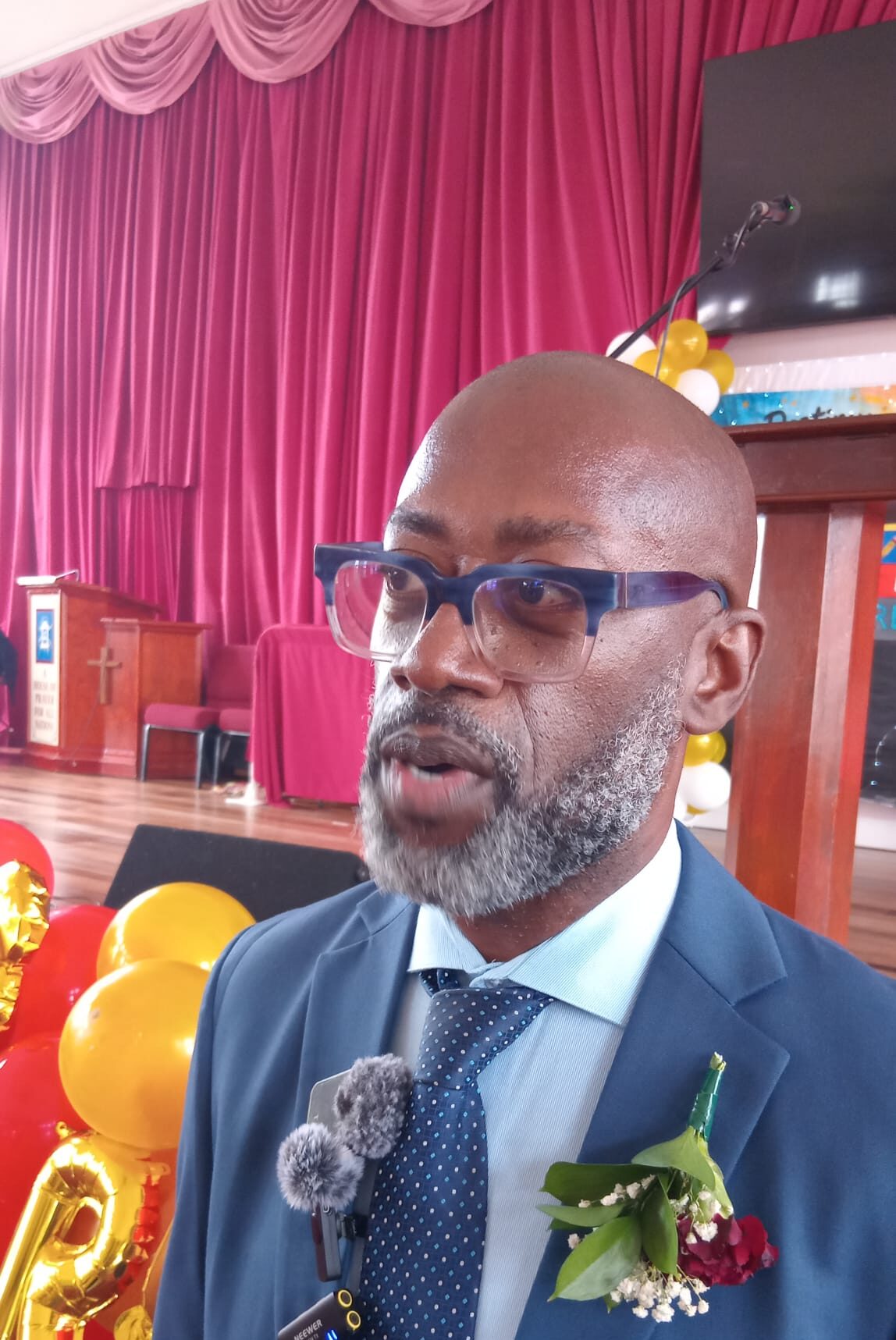
    The global basketball community and Barbadian sports sector are continuing to flood in with heartfelt tributes for Dwight Rouse, the former national men’s basketball captain and veteran coach who left an indelible mark on the nation’s sporting landscape over more than 50 years. Rouse, who also enjoyed a long tenure representing the Senators Club and served as a senior coach with the National Sports Council, passed away on June 20 after a short battle with illness.

    In an official statement mourning the loss of the legend, Barbados’ Minister of Sport and Community Empowerment Charles Griffith emphasized that Rouse’s standing as a trailblazer for Barbadian basketball would not be forgotten. “I firmly believe that his contributions to the growth of basketball across Barbados and his enduring legacy will be celebrated for generations to come,” Griffith said. “Barbados will remain eternally grateful for this icon of our national game.”

    Standing at six feet seven inches tall, Rouse built a reputation as one of the most dominant defensive forces in Barbadian basketball history during his decorated playing career. He holds the record as the most capped player in Barbados’ national men’s team history, first earning his national cap in 1978. One of the crowning achievements of his on-court career came in 1994, when he led the Barbados national side as captain to claim the Caricom Basketball Championships title. The following year, he was part of the selected squad that traveled to Argentina to compete in pre-Olympic qualifying tournaments. Rouse retired from international competitive play in 1996, but continued competing at the club level until hanging up his boots for good in 2014.

    Yet many across the sporting community agree that Rouse’s most profound and lasting contributions came off the hardwood, where he dedicated decades to nurturing young basketball talent across primary school, secondary school and local club levels. For more than 25 years, he served as a coach with the National Sports Council, and worked tirelessly as a grassroots mentor for emerging athletes, playing a pivotal role in the development of hundreds of Barbadian players who went on to compete at regional and national levels.

  • Family Alleges Autistic Kids Were Discriminated During Graduation Ceremony

    Family Alleges Autistic Kids Were Discriminated During Graduation Ceremony

    A preschool graduation ceremony held at Belize City’s ACC Church has sparked heated accusations of ableism and exclusion, after three young autistic graduates were allegedly pushed out of public view during Friday’s event.

    Relatives of the children, who attend Anglican Diocesan Preschool, say the three students were intentionally separated from their peer group, placed in a hidden seating section far behind the main graduating class block. This positioning left the children completely out of sight for family members, no matter whether relatives were seated in the front rows at the venue or the back sections.

    The aunt of one of the autistic graduates told local reporters that the unusual seating arrangement triggered immediate alarm and frustration among the families. “Right away, I was upset. What are you trying to do here? What message are you sending to parents who have worked so hard to get their children to this milestone? Yes, it is just preschool, but for our families, this is a huge achievement worth celebrating,” she explained in an interview.

    The situation worsened during the traditional graduation march, when other parents stood in the venue aisles to take photos of their own children, creating an additional physical barrier that completely blocked any view of the three separated students. By the time the ceremony reached the seating portion, the children’s positions at the far edge of the venue meant no one in the audience could see them, the aunt added.

    Beyond the problematic seating arrangement at the graduation, the families are also raising broader questions about whether educational institutions in Belize are doing enough to accommodate and support neurodivergent students on the autism spectrum.

    The aunt noted that public discourse has appeared to shift toward greater inclusion in recent years, as autism diagnoses have become more common across the country. But she argues that most schools have failed to keep up with this shift, failing to provide staff with the proper accessibility and neurodiversity training needed to support autistic students.

    What is more, the family claims that the Anglican Diocesan Preschool has repeatedly ignored repeated requests for accessibility accommodations for their child throughout the school year, long before the graduation ceremony controversy.

    Local outlet News 5 has confirmed that it reached out to leadership at Anglican Diocesan Preschool to request a response to the allegations, and as of this reporting, no official statement from the school has been released.

  • The “Ants Nest” That Minister Mira Stirred

    The “Ants Nest” That Minister Mira Stirred

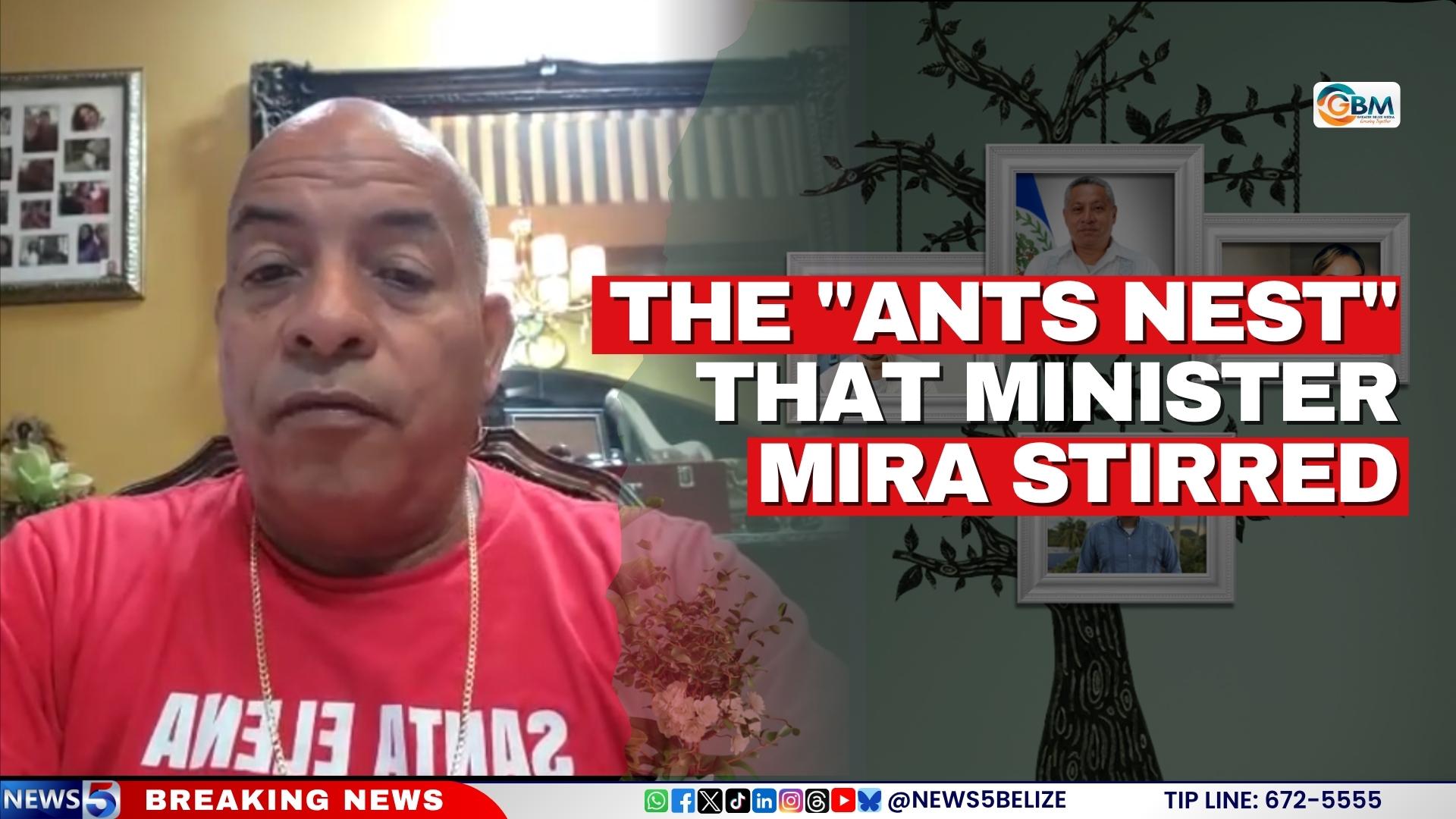
    Nearly one month has passed since Belizean law enforcement seized two mobile phones from former United Democratic Party (UDP) chairman Alberto August during a court-authorized search of his Santa Elena residence, and the former party leader is still waiting for authorities to return his property. August is now publicly questioning the justification for holding the devices, which he maintains contain no evidence of criminal activity.

    The search operation, carried out on May 30, was initiated under a High Court warrant that granted police permission to seize electronic devices from August’s home. The operation took an unplanned turn when officers located a firearm on the property; at the time of the search, August was temporarily unable to present the required license for the weapon. This discovery shifted the entire focus of the raid: officers departed the residence with August’s two personal mobile phones and the firearm, opting to leave all other electronic equipment on-site.

    Following the seizure, August’s legal representative, Michael Peyrefitte, submitted a formal letter to the Director of Public Prosecutions calling for the immediate return of the phones. To date, no action has been taken on that request, leaving August without access to critical personal and professional data.

    Notably, August has never attempted to deny authorship of the Facebook post that sparked the entire investigation in the first place. In a recent statement, he reaffirmed his position: “I told them yes, that I made the post and I will stand by that.” This open admission, he argues, makes the continued retention of his devices entirely unnecessary.

    The prolonged absence of his phones has already caused tangible harm to August’s professional operations. All of his business contracts, digital payment systems, and financial receipts are stored on the devices, meaning every additional day the phones remain in police custody creates new losses for his work.

    Beyond the financial harm, August has raised significant constitutional concerns over a growing rumor that authorities have sought technical support from the U.S. Embassy to unlock the encrypted devices. He pointed to a separate high-profile recent investigation in which Belizean police publicly acknowledged requiring American technical assistance to bypass device security, making the prospect of external involvement in his case far from speculative.

    August pushed back hard against any implication of criminal ties, challenging authorities to produce even the smallest shred of evidence of wrongdoing. “There is absolutely nothing of a criminal nature in my phone,” he said. “If the police or the US Embassy can show me even an iota of evidence that I have been in communication with a cartel, a drug trafficker, a plane lander, human trafficking, kidnapping…then I will freely open the phone for them to examine it.”

    In a striking political turn, August argued that the entire investigation stemmed from actions by Minister Mira, and that more thorough pre-raid investigation would have prevented Mira’s current political predicament: Mira has been sidelined from the Cabinet pending the outcome of an official audit into the matter. August summed up the situation bluntly, saying “the honorable minister stirred an ants nest.”

    Despite the political upheaval, August framed the ongoing controversy as a beneficial moment for the people of Belize, calling the revelations a “blessing in disguise.” He closed with a direct appeal to the officials leading the Cabinet audit, urging them to prioritize uncovering the full truth, no matter what political fallout may follow.

  • Credit union leaders hail deposit insurance ‘fairness’

    Credit union leaders hail deposit insurance ‘fairness’

    After 15 years of persistent advocacy from the credit union sector, Barbados has enacted a historic piece of financial reform that will level the playing field for cooperative savings institutions by extending government-backed deposit insurance to credit union members, industry leaders have confirmed. The Protection of Depositors Bill, which cleared the House of Assembly this week, marks a fundamental shift in the country’s financial landscape, ending a decades-long discrepancy that offered full deposit protection only to customers of commercial banks.

    Kemar Cumberbatch, president of the Barbados Co-operative and Credit Union League, the umbrella body representing the nation’s credit unions, called the new law a long-awaited victory for millions of ordinary savers. Speaking to reporters outside the legislative chamber, he emphasized the far-reaching impact of the reform, noting that the sector already counts more than 200,000 members across the island – a figure that makes up over 90 percent of Barbados’ total population and manages $1.7 billion in assets under management.

    For more than a decade, credit union stakeholders have lobbied successive governments to close the protection gap that left members’ savings without the same government-backed safety net enjoyed by commercial bank account holders. “It’s been 15 years of advocacy to get deposit insurance and parity with commercial banks, and we and our membership are extremely happy with this outcome,” Cumberbatch said. While regulators from the Financial Services Commission and Barbados Deposit Insurance Corporation work through the final logistics of onboarding participating institutions, the exact number of credit unions joining the scheme is still being finalized, and Cumberbatch declined to share further details on that process until preliminary administrative work is complete.

    The core benefit of the reform, Cumberbatch explained, is that it creates a fair savings ecosystem for all Barbadians, and adds a critical layer of security for both domestic members and the large Barbadian diaspora community that sends remittances and investment capital back to the island. In the event of a credit union failure or sudden bank run, members’ deposits will now be fully protected, a guarantee that has long been standard for the commercial banking sector. “This is absolutely pivotal for our membership,” he said. “It gives diaspora members and anyone sending money home peace of mind that their funds are protected, just as they would be if they held them in a commercial bank.”

    Cumberbatch moved to address lingering concerns that the new regulatory requirements tied to deposit insurance could disproportionately harm smaller credit unions or lead to mass closures of community-focused institutions. He stressed that any future sector consolidation would be voluntary, with small institutions encouraged to partner with larger peers to better serve their local communities, rather than being forced out of the market. “Our core mantra is people helping people, and regardless of deposit insurance rules, we are always focused on becoming stronger to meet our members’ needs,” he said. “We do not anticipate any negative fallout, and any restructuring that does happen will ultimately benefit all members of the sector.”

    Beyond just protecting existing savings, the new law unlocks new opportunities for credit unions to invest in key national development priorities, including renewable energy projects and affordable housing. The legislation includes provisions that allow credit unions to allocate capital to sectors they were previously barred from investing in, a change that Cumberbatch says will draw more investment from the diaspora, who now have the security of knowing their funds are protected.

    Early signs already point to growing diaspora interest in returning capital to Barbados following the reform, Cumberbatch revealed, after a recent international roadshow found significant appetite for investment among overseas Barbadians. “We’ve already seen interest, because when we held our diaspora roadshow recently, many people there were willing to send significant sums back home,” he said. “Now that deposit insurance is in place, we expect it will be much easier to convince them to follow through.”

    For domestic savers, the law opens new pathways to build long-term, generational wealth by participating in green and climate-focused investment projects. Cumberbatch noted that two of the country’s largest credit unions are already developing green bond loan programs to help members invest in renewable energy initiatives, and the sector stands ready to support any legally compliant opportunity that benefits its membership. “Our purpose is to serve our members, help them save, and enfranchise them to build wealth,” Cumberbatch added. “Now that this reform is in place, we are ready to deliver even more value for every one of our members across Barbados.”

  • EC$1,500 Stolen From Fort Road Business Office

    EC$1,500 Stolen From Fort Road Business Office

    A local business located on Fort Road has become the target of a theft incident, where perpetrators made off with a total of 1,500 Eastern Caribbean dollars in cash from the establishment’s office space. Local law enforcement agencies have confirmed that they received the official report of the incident recently, and have launched an ongoing investigation to identify and apprehend the culprits behind the burglary.

    According to preliminary information released by authorities, the break-in occurred at some point when the office was closed and unoccupied, which gave thieves the opportunity to gain unauthorized access to the premises. The stolen funds were being held at the business for daily operational purposes, and the loss has created unexpected financial disruption for the small commercial operation.

    Local police are currently reviewing any available security camera footage from the surrounding area and interviewing potential witnesses who may have seen suspicious activity near the Fort Road location around the time of the incident. Investigators are also asking anyone in the community with relevant information about the theft to come forward and assist with their inquiry, to help recover the stolen money and hold those responsible accountable.

    This incident has drawn attention to security concerns among local business owners in the Fort Road area, with many considering stepping up their own workplace security measures to prevent similar incidents from occurring at their establishments.

  • Semifinal lineup decided in four-hand domino tournament

    Semifinal lineup decided in four-hand domino tournament

    The dust has settled on the quarterfinal round of the Barbados National Dominoes Association’s (BNDA) four-hand knockout tournament, and the four teams vying for a spot in the grand final have officially been confirmed. Two thrilling semifinal matchups are now on the calendar: Carlton & A1 Braves will lock horns with Peace & Love, while French Village Piranhas will go head-to-head against 37 Family KC Joint.

    Peace & Love delivered one of the weekend’s most dominant performances to secure their semifinal place, turning in an emphatic display at the BDF venue on Sunday to overpower Police by a decisive 75-52 margin. The win was anchored by extraordinary individual contributions from the full four-person squad: Colton “Cc” Crichlow, Thomas “Beardy” Clarke, Duane “Duice” Johnson, and Keithley Boyce each notched 17 points apiece. Their consistent, high-pressure play kept Police on the back foot for nearly the entire match, leaving no room for a comeback from their outmatched opponents.

    In a tighter, more back-and-forth contest, 37 Family KC Joint held off a late push to edge past BNECL 68-60. BNECL controlled the scoreboard for most of the match and looked poised to advance, but fell short in the game’s critical closing moments, allowing 37 Family KC Joint to claim the semifinal spot.

    Carlton & A1 Braves also punched their ticket to the next round with a solid win over longstanding rivals HIV Commission Hillside, securing a 72-54 victory. Key scorers Carolin “Chihuahua” Harbin-Goddard and Siebert Saunders-Jordan each put up 17 points to lead their team to victory and eliminate their fellow competitors from the tournament.

    The final semifinal berth went to French Village Piranhas, who put on a clinic to demolish RM Cleaners 82-58. Mirroring the standout squad performance from Peace & Love, the Piranhas’ four-person team – Adrian Hinds, Sabrina Walcott, Alvin Cox, and Donna Scantlebury – each hit 17 points individually to power the lopsided win.

    Alongside the four-hand tournament’s quarterfinal results, BNDA has also released results from other recent competitions. On June 19, Becky’s Bar played host to the Mixed Pairs Final, where Adrian Hinds and Sabrina Walker of French Village claimed the top title. David Braithwaite and Sherrol Redman finished as runners-up, while the pairings of Michael Griffith and Tracey Ann Hunte, and Johnaton Grandison and Sharon Lynch took third and fourth place respectively.

    In separate three-hand knockout tournament action, semifinal matches held at Thelma’s Bar in River Land St Philip saw Police, RM Cleaners, and Central Bank advance to the final round of that competition. The three-hand final is scheduled for June 25 at the James Bryan Pavilion in Market Hill St George, where the three teams will compete for the tournament title.