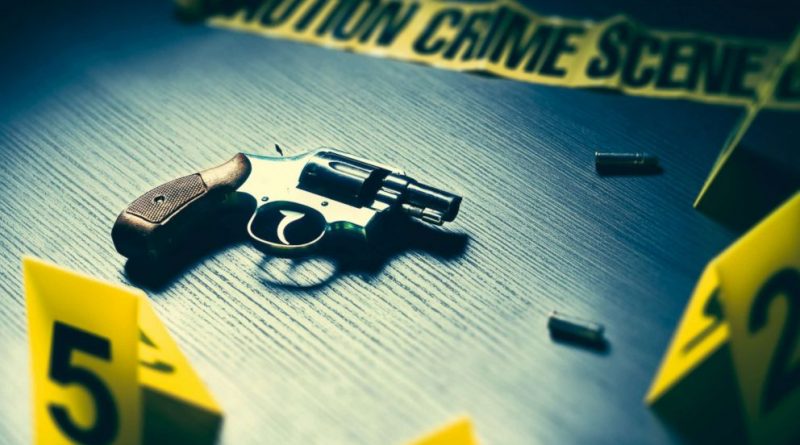
Against a backdrop of falling overall crime rates across Antigua and Barbuda, a troubling 33 percent annual jump in firearm-related offenses has emerged as a critical public safety threat, the nation’s Prime Minister Gaston Browne has publicly confirmed.
Speaking during an appearance on the locally broadcast Browne and Browne Show this past Saturday, Browne laid out the stark new data: from January to the current point of 2026, the country has recorded 24 incidents involving firearms, a sharp rise from the 18 such incidents logged across the full year of 2025. That 33 percent increase marks an alarming shift for a small Caribbean nation that has historically not experienced high levels of gun-related violence.
“We are confronting a major problem with the rapid escalation of illegal firearms in our communities,” Browne told listeners, emphasizing that the uptick in gun incidents is deeply unsettling for a country unaccustomed to this level of violent gun activity. Browne added that illegal firearms are increasingly being deployed to carry out armed robberies and fatal attacks, turning the spread of unregistered weapons into one of the most urgent public safety challenges the country currently faces.
Even as law enforcement agencies have made progress in removing illegal guns from circulation, with 44 unregistered firearms seized from public streets over the first eight months of this year alone, Browne noted that the large volume of recovered weapons actually deepens concerns about the total number of illegal guns still unaccounted for and circulating across the twin-island nation.
The growing gun violence crisis was recently added to the agenda of the country’s National Security Council, where top officials gathered to assess the scope of the problem. During that meeting, representatives reviewed potential sources of the illegal weapons entering the country and drafted targeted counterstrategies to block smuggling and curb the underground circulation of unregistered firearms. Browne confirmed that the council has developed concrete operational plans, but he declined to share sensitive tactical details to avoid undermining ongoing enforcement efforts.