博客

  • Israeli troops block construction in Palestinian village

    Israeli troops block construction in Palestinian village

    In a latest development in the occupied Palestinian territories, Israeli military forces have intervened to stop ongoing civilian construction work in the village of Al-Walaja, according to local municipal leadership. Al-Walaja Mayor Khader al-A’raj, in an interview with Palestine’s official news agency WAFA, confirmed that the soldiers arrived on site in military tanks, carrying loaded assault rifles, and immediately ordered construction crews to suspend all their activities.

    Following the forced stoppage, al-A’raj added that the military personnel issued formal cease-work orders to the project developers and workers, justifying the action by stating that the construction team had not secured the required building approvals from Israeli occupying authorities.

    This incident unfolds against a long-running controversial backdrop: the Al-Walaja region, which falls under Israeli occupation, has been repeatedly used as a site for the establishment of unauthorized Israeli settler outposts and full residential settlements. The establishment of these settlements by an occupying power on captured foreign territory is explicitly prohibited under international humanitarian law, which sets clear rules governing the behavior of occupying forces in territories held outside their own sovereign borders. Human rights groups and most of the international community have repeatedly condemned the continued expansion of Israeli settlements as a violation of international law and a major barrier to reaching a two-state solution to the Israeli-Palestinian conflict.

  • China condemns US escalation against Cuba

    China condemns US escalation against Cuba

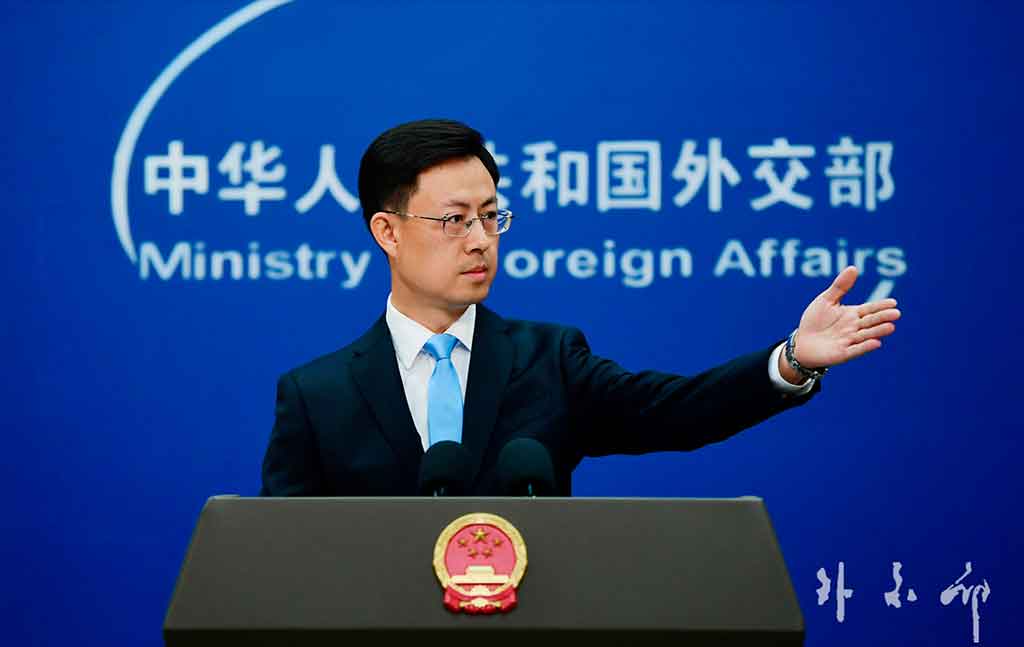
    In a formal statement delivered at a regular press briefing, Chinese Foreign Ministry spokesman Guo Jiakun has issued a clear rebuke of unlawful unilateral sanctions, reinforcing Beijing’s long-standing position that such coercive measures lack any grounding in international legal frameworks.

    Guo’s comments came in direct response to new restrictive measures unveiled by the U.S. State Department on June 23, which targeted five Cuban entities and one individual over unsubstantiated claims that they generate illicit revenue for the Cuban government.

    Against this backdrop, the spokesman urged Washington to take immediate action to terminate its decades-long economic blockade of Cuba, as well as halt all other forms of coercive pressure targeting the island nation. He emphasized that the long-running U.S. embargo has systematically undermined the fundamental rights of the Cuban people to access basic resources, sustain livelihoods, and pursue long-term development, calling on U.S. authorities to end these violations immediately.

    Beyond addressing the latest sanctions, Guo reaffirmed China’s unwavering support for Cuba’s sovereign right to chart its own developmental path. Specifically, Beijing backs Cuba’s efforts to pursue a socialist development model tailored to its unique national circumstances, and stands firmly with the island in defending its territorial integrity, national sovereignty, and domestic security. The spokesman also reiterated China’s consistent opposition to any form of external interference in Cuba’s internal affairs.

    This latest statement from Beijing aligns with China’s long-held public stance on the U.S. embargo. For decades, China has repeatedly condemned Washington’s more than 60-year economic blockade of Cuba— which has been accompanied by growing coercive measures and heightened military threats in recent years—across multiple international forums and in official government communications.

  • SVG gets resident psychiatrist after 10-year absence

    SVG gets resident psychiatrist after 10-year absence

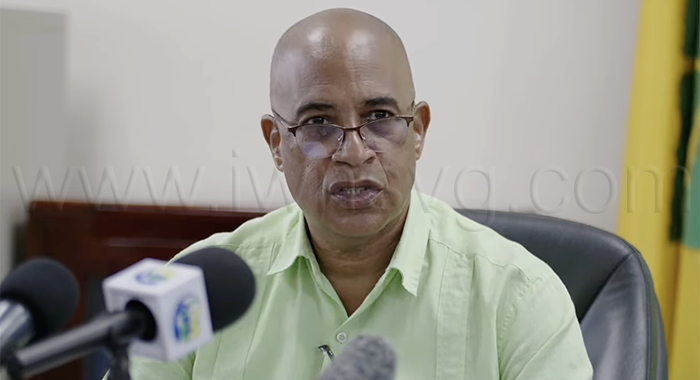
    After nearly a decade of unmet demand for specialized psychiatric care, St. Vincent and the Grenadines (SVG) has marked a turning point for its public mental health system with the appointment of seasoned Cuban psychiatrist Dr. Eloy Asanza Castillo to the country’s Mental Health Rehabilitation Centre (MHRC). The long-awaited hire closes a critical staffing gap that health officials have struggled to resolve for 10 years, and anchors a sweeping government plan to transform mental healthcare across the island nation.

    Health Minister Daniel Cummings, who took office in December following the New Democratic Party’s victory in November’s general election, made the official appointment announcement during a press briefing held in Kingstown on Thursday, June 25, 2026. Cummings framed Castillo’s arrival as a core milestone in the new administration’s three-pronged mental health strategy: destigmatizing mental illness, decentralizing care services away from centralized institutional settings, and moving away from long-term dehumanizing institutionalization for patients.

    “Today we are privileged to welcome a very competent, deeply experienced physician to the MHRC who will guide our work in this critical public health space,” Cummings told reporters. He emphasized that what makes this hire particularly meaningful is that Castillo has relocated to SVG permanently with his entire family, not just taken a temporary posting. With decades of practice across the Caribbean and sub-Saharan Africa, Castillo brings a wealth of global and regional expertise that fits perfectly with SVG’s reform goals, the minister added. “He has chosen to settle here, work here, and become part of our community – that makes him one of us, and I could not be happier to have Dr. Castillo on our team,” Cummings said.

    For his part, Castillo described himself as a “simple guy” with 33 years of hands-on psychiatric experience spanning multiple countries. His first overseas posting brought him to neighboring St. Lucia as part of a bilateral government cooperation agreement, followed by roles in Venezuela and, most recently, a 10-year practice in South Africa. The psychiatrist noted that he had been in discussions with SVG’s Ministry of Health for roughly three years before personal circumstances aligned to allow him to accept the permanent post. “I’m very happy it finally worked out, and I’m thrilled to be part of this important effort to improve mental health care here,” he said.

    Castillo also praised the existing local MHRC team for their ongoing community-focused outreach work, noting that he was particularly impressed to see young care providers traveling directly into communities, learning patients by name, tracking their needs, and delivering consistent ongoing care including critical medication services. “I’m really happy to be here, and I will put all my effort into supporting this wonderful team of mental health professionals and serving the people of SVG,” he added.

    Alongside the celebratory announcement of Castillo’s appointment, Cummings used the press conference to push back against recent critical media coverage that he said falsely painted MHRC staff as uncaring and unqualified, without any substantive investigative work. The minister argued that these unsubstantiated reports are not just dishonest – they also erode public trust in the government’s ability to deliver essential mental health services and harm the morale of care providers.

    “These kinds of uninvestigated claims have a serious impact on public confidence. If people believe the government runs an institution staffed by incompetent providers, that undermines everything we’re working to build, and this is far too serious an issue for political games,” Cummings said. He specifically highlighted Dr. Alisa Alvis, the MHRC’s administrative head and lead psychologist, as an example of the highly trained, dedicated local staff already serving the institution. Alvis, who holds a doctorate in psychology, has been carrying dual administrative and clinical responsibilities for years amid the staffing gap, and Cummings praised her extraordinary commitment and expertise.

    The defense of local staff comes after a high-profile court proceeding in April, when Chief Magistrate Colin John rejected mental fitness reports prepared by Alvis and two local non-psychiatric physicians, ruling they did not hold the required medical qualifications to assess a defendant’s fitness to plead. Alvis, in her role as head of mental health services, and the Ministry of Health’s Permanent Secretary have also been summoned to court over the MHRC’s failure to complete a required mental health report for an accused defendant with a documented history of mental illness.

    Cummings made clear that Castillo’s appointment is just the first step in a broader overhaul of SVG’s mental health system. The government’s reform agenda includes expanding early intervention programs in schools, rolling out community-based decentralized care services across the country, and adding a dedicated acute mental health wing to SVG’s new public hospital.

    The minister also shared that a recent visit to the existing MHRC facility in Glen was one of the most difficult experiences of his early tenure, confirming longstanding reports of severely dilapidated conditions for both patients and staff. For decades, Cummings said, the facility has functioned more as a holding cell than a rehabilitation center, keeping patients in a segregated, resource-poor captive environment with little support to transition back to community life as healthy, independent people. But that status quo is changing rapidly, he emphasized.

    Alvis told reporters that the MHRC currently cares for roughly 150 inpatients at any time, including around 120 long-term patients, many of whom have no other housing or support outside the facility. She noted that through early outreach and improved care planning, the facility has already reduced inpatient numbers from a peak of around 190, and further cuts to unnecessary long-term hospitalization are planned. The reform strategy focuses on stronger discharge planning, deeper engagement with patients’ families, and expanded community-based care that allows patients to receive treatment in their own homes instead of requiring institutional admission. “When people can access care close to home, they stay connected to their communities and have far better outcomes,” Alvis explained. “That’s the core of our decentralization effort, and it’s already delivering results.”

  • Coast Guard Details Search and Recovery of Man at Pigeon Point Beach

    Coast Guard Details Search and Recovery of Man at Pigeon Point Beach

    A multi-agency search operation carried out by Antigua and Barbuda’s maritime law enforcement teams ended in tragedy Thursday morning, when divers recovered the body of a 56-year-old male swimmer from the waters off Pigeon Point Beach. According to official timelines, the incident began on the afternoon of Wednesday, June 24, when the victim entered the marked swim area for a recreational swim.

    Witnesses on the shore told first responders that they spotted the man struggling in the water close to the edge of the designated swimming zone before he vanished beneath the surface, with no further sightings after that point. Immediately after receiving the missing person report, the Antigua and Barbuda Defence Force Coast Guard mobilized its search and rescue assets, launching a coordinated operation with three partner groups: the Antigua Barbuda Search and Rescue unit, the Royal Police Force of Antigua and Barbuda, and experienced local recreational divers based in the surrounding area.

    Search teams carried out an extensive sweep of the seabed near the last reported location of the swimmer, but progress was severely hampered by extremely low underwater visibility. With conditions making it impossible to safely continue the operation on Wednesday afternoon, rescue commanders made the call to suspend the search, scheduling it to resume at first light the next day.

    When divers returned to the site shortly after 6:00 a.m. on Thursday, June 25, they quickly located and recovered the victim’s body. The remains were transferred to the Coast Guard’s main headquarters at Deep Water Harbour, where a district medical official officially pronounced the man dead at 8:22 a.m. In the aftermath of the recovery, senior leadership of the ABDF Coast Guard released a statement offering heartfelt condolences to the victim’s family and loved ones, expressing the service’s hope that the family would find the resilience and comfort needed to navigate this devastating loss.

  • Government Backs EC$40 Million Public-Private Hotel Project at Yepton’s

    Government Backs EC$40 Million Public-Private Hotel Project at Yepton’s

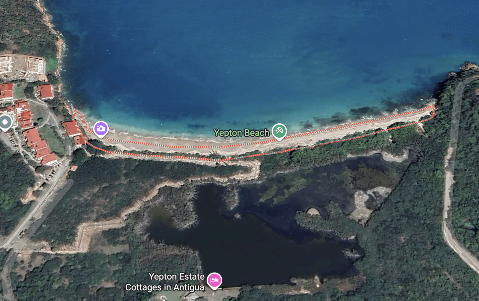
    Antigua and Barbuda’s government has given the green light to an innovative public-private partnership initiative that will develop a new beachfront hotel at Yepton, marking a strategic policy shift to expand domestic ownership of the country’s critical tourism sector. The government will commit up to EC$40 million to the project alongside local private investors and funding from the nation’s well-established Citizenship by Investment Programme, in a framework officials are framing as a new template for inclusive tourism growth.

    Maurice Merchant, Director General of Communications, unveiled the Cabinet’s approval during a post-Cabinet media briefing held Thursday. He detailed that the 4-star-caliber hotel development will occupy roughly 15 acres of prime beachfront real estate at the Yepton location, a site positioned to draw both international leisure travelers and regional visitors.

    Under the agreed investment structure, the national government, in partnership with select state-owned enterprises and statutory corporations, will contribute the maximum EC$40 million public sector allocation. Local private investors will supply additional private capital, with one domestic backer already having finalized a commitment of EC$20 million to the project. Merchant highlighted this early commitment as a powerful vote of confidence in Antigua and Barbuda’s long-term tourism growth trajectory, even as global travel markets continue to evolve post-pandemic.

    Additional project financing will be sourced from the Citizenship by Investment Programme, a longstanding government mechanism that channels external investment into high-priority national development projects across the twin-island nation. Merchant emphasized that expanding local ownership and grassroots participation in the tourism industry stands as a core enduring policy objective for the current administration.

    As the backbone of Antigua and Barbuda’s national economy, tourism contributes the largest share of annual GDP and employment to the country. However, Merchant explained that the government has long prioritized shifting the current market dynamics to ensure a greater portion of the billions in annual tourism revenue stays within the domestic economy, delivering direct, tangible benefits to all citizens of Antigua and Barbuda, rather than flowing exclusively to external stakeholders.

    Following the formal announcement, Merchant addressed questions from reporters, clarifying key details of the investment structure. He confirmed that all capital contributions from state-owned entities and statutory corporations will be held as assets by those public institutions, mirroring the structure used for previous government-supported tourism development projects across the country. He also pushed back against early misinterpretation, noting that the EC$40 million figure solely reflects the public sector’s total contribution. The entire project will be funded through a blended mix of public investment, local private capital, and Citizenship by Investment Programme funding, creating a diversified financial foundation that spreads risk across stakeholders.

    Industry analysts note that the new model could serve as a blueprint for future tourism developments across the Caribbean, where increasing domestic ownership of key tourism assets has emerged as a shared policy goal across many small island developing states looking to maximize economic benefits from their natural coastal assets.

  • Public urged to use licensed pharmacies for weight‑loss drugs

    Public urged to use licensed pharmacies for weight‑loss drugs

    Public health officials in Saint Lucia have issued an urgent safety advisory urging residents to exercise extreme caution when accessing prescription medications, particularly in-demand GLP-1 products such as Ozempic, a drug approved both for type 2 diabetes management and clinical weight regulation.

    Speaking on behalf of the Ministry of Health, Wellness and Nutrition, Chief Pharmacist Astrid Mondesir outlined growing official anxiety over rising reports of unlicensed vendors, including unregistered pharmacies, marketing and selling GLP-1 treatments and their compounded alternatives directly to consumers.

    “We understand that countless people are actively searching for evidence-based treatments to boost their physical health and overall quality of life,” Mondesir noted. “But sourcing any prescription medication from unapproved channels exposes buyers to severe, avoidable health hazards. These risks include receiving counterfeit formulations, contaminated doses, improperly stored products, expired medications, or incorrectly prepared compounded versions that do not meet clinical safety standards.”

    Health authorities are reinforcing a core public health message: all prescription medications must only be used under the direct supervision of a qualified physician or other legally authorized prescriber. Prior to starting any new prescription treatment, patients must complete a full medical evaluation to confirm that the therapy is safe, effective, and tailored to their specific health condition and needs.

    Under Saint Lucia’s existing Pharmacy Act CAP 11.21, patients are required to consult a licensed medical provider before initiating any GLP-1-based treatment, and may only obtain their prescription from state-registered pharmacies. The ministry specifically warned against purchasing GLP-1 or other prescription drugs from unlicensed street sellers, retail beauty shops, social media platforms, and any other outlet not formally authorized to distribute prescription medications.

    The Ministry’s core goal in issuing this advisory is to protect patient safety and guarantee that all local residents can access consistent, high-quality, clinically tested medications that meet national safety standards.

    Mondesir summed up the ministry’s key guidance for residents considering GLP-1 treatment: “The single most critical step to protect your health is to speak with your personal physician first, and only obtain your medication through a registered, licensed pharmacy.”

    Going forward, the Ministry of Health reaffirmed its commitment to ongoing regulatory work that guarantees all people in Saint Lucia have access to safe, effective, tightly regulated healthcare services and pharmaceutical products.

  • Tsang wil 170 zandwegen verharden bij 170-jarig bestaan van OWRO

    Tsang wil 170 zandwegen verharden bij 170-jarig bestaan van OWRO

    During budget deliberations held in Suriname’s National Assembly, Minister Stephen Tsang of the country’s Ministry of Public Works and Spatial Planning (OWRO) has announced a landmark, symbolically charged infrastructure target: by the 170th anniversary of the founding of Suriname’s public works service, the department will complete paving work for a minimum of 170 unpaved sand roads across the nation.

    Tsang emphasized that targeted upgrades to national infrastructure sit at the core of his ministry’s current policy agenda, with particular focus placed on residential communities where residents regularly face impassable sand roads, widespread flooding, and limited access to essential services during rainy seasons. “As a symbolic milestone tied to our department’s legacy, we have set the goal of paving at least 170 roads in time for our 170th anniversary,” the minister told the assembly.

    The anniversary target forms one key component of a broader long-term strategy to overhaul and expand Suriname’s national road network. Currently, the country counts roughly 5,000 kilometers of public roads, combining both paved and unpaved routes, with a large share of that network classified as being in fair to poor condition, according to ministry data. Beyond the immediate 170-road target, Tsang outlined the government’s broader ambition to systematically reduce the number of unpaved sand roads across the country. “Our end goal is to see every sand road in Suriname paved,” he stated.

    At the same time, Minister Tsang openly acknowledged the enormous scale of the challenge ahead. The ministry estimates that the total backlog of required road maintenance and rehabilitation work amounts to tens of billions of Surinamese dollars, and current available public funding is only sufficient to address a small fraction of this unmet need. Regardless of the funding constraints, the department has committed to continuing targeted investments in both major arterial highways and local residential streets in the coming years, pursuing a mixed approach that combines rehabilitation of existing paved roads with new paving projects in areas still only accessible via unpaved routes.

    OWRO officials note that road upgrades deliver far more benefits than improved transportation alone. Paved roads directly boost quality of life for local communities, improve access to schools, healthcare facilities and commercial hubs, and catalyze inclusive economic development in underserved residential areas. Additionally, the ministry projects that upgraded infrastructure will cut vehicle maintenance costs for ordinary residents, while also allowing emergency response services to reach remote, outlying neighborhoods faster and more safely.

    As one of Suriname’s oldest continuously operating government institutions, the approaching 170th anniversary of the public works service represents a natural moment to deliver tangible, visible improvements to the Surinamese public, Tsang explained. Whether the 170-road target will be met on schedule will depend in large part on the fiscal space the ministry is allocated in coming national budgets, but the minister reaffirmed that the broader ambition remains unchanged: to steadily increase the share of paved roads and systematically reduce the number of unpaved sand routes across Suriname.

  • St. Eustatius reimagines Emancipation Day with focus on history, education and community dialogue

    St. Eustatius reimagines Emancipation Day with focus on history, education and community dialogue

    For decades, Emancipation Day, locally known as July Day, on the Caribbean island of St. Eustatius has followed a traditional celebratory framework. This year, however, a coalition of local cultural and historical organizations is reinventing the annual commemoration, shifting priorities from surface-level festivities to deep community engagement, critical historical education, and intentional collective reflection on the island’s fraught legacy of chattel slavery.

    For the first time in the island’s history, this year’s July 1 activities are being led by the St. Eustatius African Burial Ground Alliance, in partnership with multiple local non-governmental organizations. The new steering group has designed the full schedule of events to upend long-standing dominant narratives about emancipation, pushing attendees to develop a more nuanced understanding of the generations of struggle that forged freedom for enslaved people on the island. At the core of the initiative is a goal to build sustainable, community-centered learning opportunities and leave behind permanent educational resources that centering local ancestral history for future generations.

    A key ideological shift framing this year’s observance is a rejection of the common myth that emancipation was simply granted to enslaved people by Dutch colonial powers on July 1, 1863. Instead, organizers are centering the active resistance, repeated uprisings, and unyielding determination of generations of enslaved Africans and their descendants as the true driving force behind the end of chattel slavery on the island.

    The full day of programming will kick off with a spiritual procession across the island, a quiet tribute to the ancestors who were enslaved and died on St. Eustatius. After the opening procession, a full slate of afternoon and evening educational and cultural events will unfold across the island. The centerpiece of the educational programming will be presentations from two prominent Caribbean scholars: Guyana-born Afrikologist Professor Kimani Nehusi, based in Philadelphia, and Dr. Artwell Cain, a cultural anthropologist from St. Vincent and the Grenadines who resides in Aruba. The pair will tackle critical topics including the enduring historical and cultural connections between the Caribbean and West Africa, and the urgent importance of preserving and honoring collective cultural memory of slavery. Dr. Cain will also celebrate the official launch of his latest book, *St. Eustatius: Restoring Our Ties. The Voices of Statians Making A Difference*, scheduled for June 30, just ahead of the main Emancipation Day events.

    Additional featured contributors to the day’s programming include acclaimed St. Maarten storyteller Papa Umpo (born Garfield Young), and Derrick Simmons, an Island Council member, anthropologist, and Alliance steering member who will lead a discussion on the underrecognized role of music as a tool of resistance for enslaved ancestors on St. Eustatius. The evening will close with a community cultural showcase directed by Taro Merkman of the Statia Roots Festival, featuring live performances from local favorites including the Statia String Band, Rebel Band HD, Encore Band, Statia Roots Band, spoken word artists, DJ Sense, and multiple local dance collectives: the Aloei Dancers, Inspired Dancers, and Perlies Dancegroup.

    This year’s reimagined observance is also deeply tied to a long-planced landmark cultural event: the upcoming reburial of 69 sets of ancestral African remains, excavated by an international archaeological team from the Golden Rock burial ground in 2021. The formal reburial ceremony is scheduled for November 13, 2026, and organizers are using Emancipation Day to update the community on plans for the historic occasion. As part of the morning’s activities, attendees will visit three key African burial sites across the island: Godet, Congo, and Golden Rock. During the visit, Xiomara Balentina, chairperson of the Statia Cultural Heritage and Implementation Committee (SCHIC), will walk attendees through the finalized logistics and community input process for the upcoming reburial.

    Kenneth Cuvalay, president of the St. Eustatius African Burial Ground Alliance and moderator for this year’s Emancipation Day program, shared that additional community-focused events with Professor Nehusi and Dr. Cain will be held in the weeks before and after July 1 to extend the educational reach of the initiative. Two educators from the Broos Institute, an Afrocentric academic organization focused on Black Caribbean history, will also travel to the island to support the educational programming.

    “Our shared history remains incomplete and distorted, and we want to center what the community actually wants to learn about their own ancestry,” Cuvalay explained in a press statement. “Our goal is to turn this year’s July Day conversations into long-lasting educational resources that belong to the people of St. Eustatius.” Cuvalay added that he encourages all island residents to participate actively in on-site discussions during the observance, or share their perspectives with organizers via phone, email, or social media if they cannot attend in person.

    The 2026 reimagined Emancipation Day programming is funded through partnerships with the St. Eustatius Government and the Slavery Memorial Committee. Organizers have confirmed that all future updates to the event schedule will be posted to the Alliance’s official website and social media channels for public access.

  • Ten to represent Saint Lucia at OECS bridge tournament

    Ten to represent Saint Lucia at OECS bridge tournament

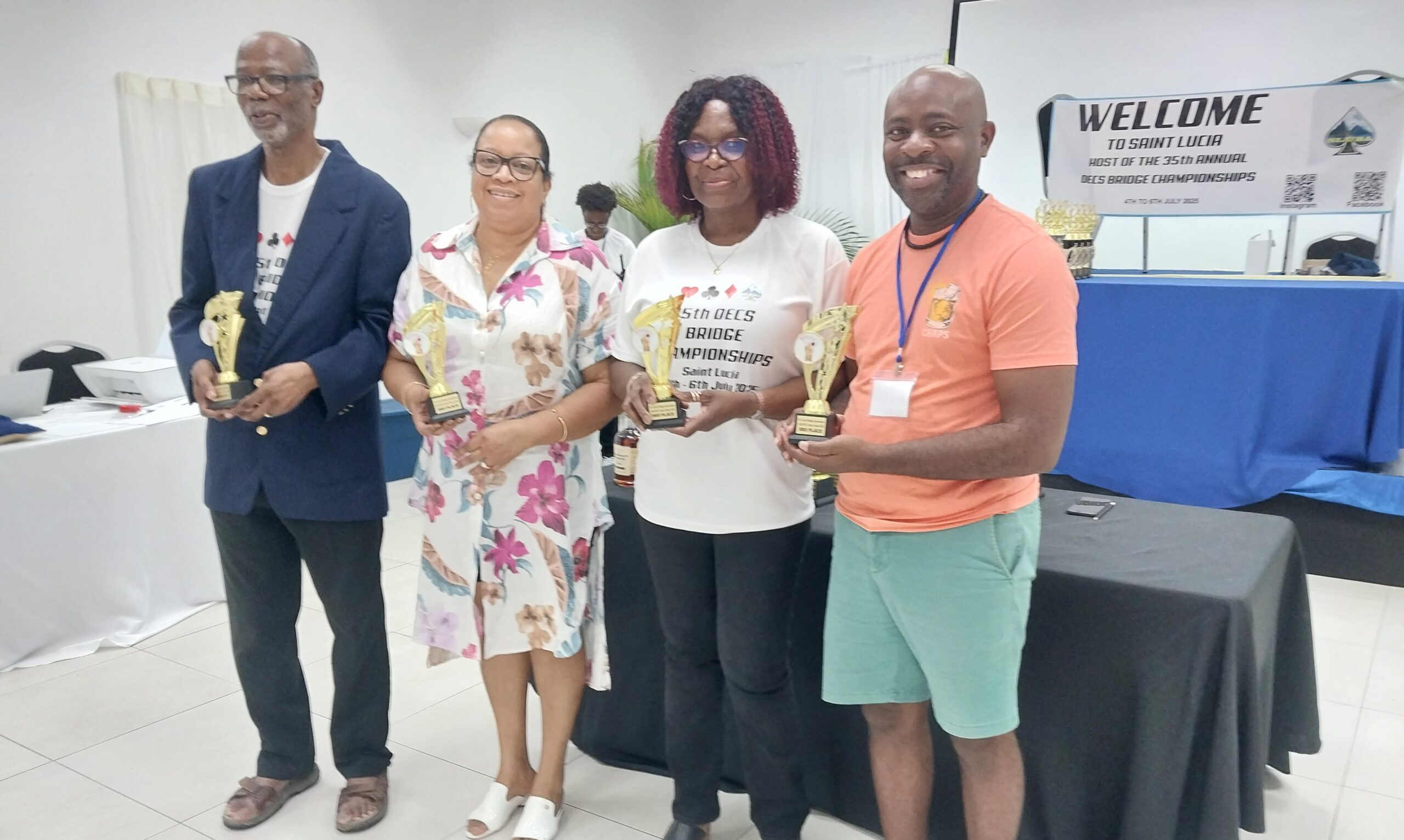
    The 36th annual Organization of Eastern Caribbean States (OECS) Bridge Championships is set to kick off later this month, and Caribbean island nation Saint Lucia has announced a 10-person delegation set to compete at the tournament, which will run from June 26 to 28 at Dominica’s iconic Fort Young Hotel in the capital city of Roseau.

    Leading the official Saint Lucian national squad selected by the Saint Lucia Bridge Association are two pre-ranked competitive pairs. The first pairing matches experienced competitors Irvin Smith and Victor Theodore, while the second brings together Naomi Patrick-Smith and John Lewis. This core team already has a strong track record of high-stakes tournament performance: in last year’s championship, Smith and Theodore claimed the second-place spot in the national pairs division, finishing just behind the leading team from Anguilla. All three core athletes — Theodore and both Smiths — also played a critical role in securing Saint Lucia’s third-place finish in the overall national teams event in 2024. Across all divisions of last year’s tournament, Saint Lucia’s squad put on an impressive overall showing, taking silver in both national pairs and Swiss pairs, bronze in open teams, and splitting gold and bronze in the Swiss teams competition, finishing the tournament with a total of six podium medals.

    Beyond the official national team entries, three additional competitor pairs will travel to Dominica — nicknamed the “Nature Isle” for its lush tropical landscapes — to join the tournament. These additional pairs are Nancy Gomez paired with Monica Perreira, Monique Devaux-Lovell partnered with Nannette Reyes, and Michelle Theodore competing alongside Ian Hippolyte.

    For local residents of Saint Lucia who are curious about learning to play bridge or seeking more information about the association’s activities, the Saint Lucia Bridge Association maintains multiple public outreach channels. Interested parties can reach the organization through its official website at sluba.lc, via its social media profiles on Facebook and Instagram, or by phone at 730-6122.

  • Beyond academics: Students urged to master life skills

    Beyond academics: Students urged to master life skills

    A decade-old youth workforce development initiative in Barbados has celebrated its latest milestone, with more than 300 secondary school students from 16 institutions successfully completing the transformative Preparing Today for Tomorrow’s Challenges – Transforming Children’s Lives (PTFTC-TCL) programme at a recent graduation ceremony.

    Hosted at Sandals Royal Barbados on Wednesday, the event recognized the six-month skills training effort, a collaborative venture between the University of the West Indies (UWI) Global Campus and Barbados’ Ministry of Education, with core financial backing from the Sandals Foundation. This year’s graduation marks the programme’s tenth year of operation, a milestone that education leaders say reflects the long-standing shared commitment to equipping young people for a shifting global job market.

    Speaking at the ceremony, Acting Chief Education Officer Julia Beckles emphasized that academic excellence alone is no longer sufficient to prepare young people for successful careers. “Across industries, employers and community leaders consistently prioritize candidates who can communicate with clarity, collaborate effectively in teams, resolve conflict constructively, maintain professional standards, and build lasting positive connections with others. That is exactly the competency set this programme has cultivated for participants over the past six months,” Beckles explained.

    Beckles framed the initiative as a critical investment that aligns with Barbados’ current national development trajectory, noting that preparing the next generation for 21st century challenges requires coordinated effort across government, academia, and private sector partners. “We have reached a pivotal juncture in our national growth that demands a whole-of-nation approach to youth development. The fact that this partnership has sustained this work for a full decade is clear proof that all stakeholders understand how critical investing in our young people is to our collective future,” she said.

    To guide students as they advance their personal and professional goals, Beckles outlined the Ministry’s SAVE framework, which centers four core principles: skills, attitudes, values, and excellence. She pushed back on the common label of these competencies as “soft skills”, arguing that their growing importance in a changing labor market makes them far more critical than the name implies. “There is ongoing debate about whether we should even call these soft skills, because many observers correctly note they are far more important than many traditional hard skills in the long run. Even as the job market transforms rapidly with new technologies, the value of these core interpersonal and professional competencies will not fade – it will only grow,” she added.

    Beckles also previewed a major new education initiative from the Ministry’s Education Transformation division: a national Community Service Learning Programme set to launch in September 2026. The new programme will encourage students to engage with extracurricular opportunities including school organizations, community service groups, athletic teams, and special interest clubs to build practical experience and social connection.

    Dr. Francis Severin, Pro Vice-Chancellor and Principal of the UWI Global Campus, used a powerful metaphor to encourage graduates to prioritize character development alongside academic and professional growth. He urged students to “build dignity in the bank” the same way they would build financial savings, arguing that long-term personal and professional success depends on consistent, ethical choices that preserve self-worth.

    “Dignity – the quality of being worthy of honor and respect, rooted in self-respect, self-esteem, and self-control – is something you build over time, just like a savings account. If you have a ‘balance of dignity’ that you’ve nurtured through consistent good choices, you can enter job interviews and professional spaces without fear that past poor decisions or compromising content will derail your progress. You can have a full bank account financially, but if you have no dignity to draw on, you will struggle to succeed,” Severin explained. He added that no academic degree or material possession can repair damage to a person’s character caused by reckless or unethical choices, and that a strong sense of self-worth is the foundation for making good life decisions.

    The PTFTC-TCL programme’s expansion over the past decade has been supported by additional investment from the Rock Hard Foundation, which has contributed more than $130,000 to support programme delivery. Patrick Drake, Resort Manager of Sandals Barbados, told graduates that the skills they gained through the programme prepare them for more than just careers – they prepare them for all of life. He encouraged students to leverage digital technology to access opportunities far beyond Barbados’ borders.

    “Barbados may be a small island, but modern technology has opened up the entire world to young people today. The world really is your oyster if you are willing to seize the opportunities available,” Drake said. Echoing Beckles, he emphasized that the core soft skills graduates mastered will remain irreplaceable even as technology reshapes the global economy. “No matter how much technology changes how we work, your skills in communication, collaboration, negotiation, teamwork, and self-confidence will always be central to your success,” he added.

    In closing, Beckles challenged graduates to continue nurturing the skills and values they gained through the programme, urging them to act as ambassadors for the initiative’s mission and embrace a lifelong commitment to growth. “Continue to strive for excellence, embrace lifelong learning, and carry forward the values this programme has instilled. Remember that ‘tomorrow’ is just the day after today – you will need these skills much sooner than you might expect,” she told the graduating cohort.