博客

  • Matthews given out controversially as Windies fall to England

    Matthews given out controversially as Windies fall to England

    At the 2024 Women’s T20 World Cup hosted on home soil at Lord’s Cricket Ground in London on June 24, England pulled off a commanding victory over previously undefeated West Indies, locking in their own place in the tournament’s knockout stage and leaving their Caribbean rivals fighting for semifinal qualification in their final group match.

    West Indies entered the showdown at cricket’s most iconic venue riding a wave of momentum, having opened their campaign with back-to-back wins against Scotland and Sri Lanka. A second victory would have all but secured their spot in the final four, setting up a high-stakes clash that drew widespread attention from global cricket fans.

    England got off to a rocky start in their batting innings, losing opening batters Amy Jones and Sophia Dunkley within the first six overs. But against expectations, the hosts delivered their most dominant powerplay of the entire tournament, posting 57 runs despite the early dismissals. A steady, high-scoring partnership between Danni Wyatt-Hodge and Alice Capsey for the third wicket turned the tide firmly in England’s favor, with the pair adding 66 runs to the total. Wyatt-Hodge led all batters with an impressive 65 runs, while captain Heather Knight chipped in with a quickfire 43 to push England to a formidable total of 186 at the end of their 20 overs.

    Chasing a target of almost 10 runs per over, West Indies needed a fast start from their top order to keep up, but instead got off to a sluggish start that put them on the back foot from the first over. The match turned even more sour for the Caribbean side when captain Hayley Matthews was given out caught behind following a controversial review. Though the on-field umpires originally ruled the delivery not out, the third umpire upheld the appeal based on Snickometer data indicating a faint edge, despite clear visual evidence of a gap between Matthews’ bat and the ball. A clearly frustrated Matthews left the pitch early, leaving her side without their key leader in the run chase.

    Even with the setback, West Indies attempted to rally, and found a bright spot in all-rounder Chinelle Henry, who scored a fighting half-century off just 30 deliveries and picked up one wicket for 25 runs with the ball. But the batting line-up ultimately could not make up the ground required, with the Maroon Warriors finishing their innings 38 runs short of the target.

    After the match, Matthews attributed the loss to her side’s inconsistent line and length with the ball, noting that missed opportunities in key periods of the England innings let the hosts build a match-winning total. Speaking on her controversial dismissal, the West Indies captain acknowledged the finality of umpiring decisions in international cricket, saying “Not everything goes your way when you get those occasions. I certainly felt that I definitely did not hit it. At the end of the day, the umpire’s decision was final. Clear gap between bat and ball. But got to respect the umpire’s decision.”

    Despite the upset defeat, West Indies remain in a strong position to advance to the knockout stage. They will face winless, bottom-placed Ireland in their final group match, needing just one more win to lock in their place in the tournament’s semifinals.

  • Venezuela’s interim President welcomes Ali’s offer of earthquake relief

    Venezuela’s interim President welcomes Ali’s offer of earthquake relief

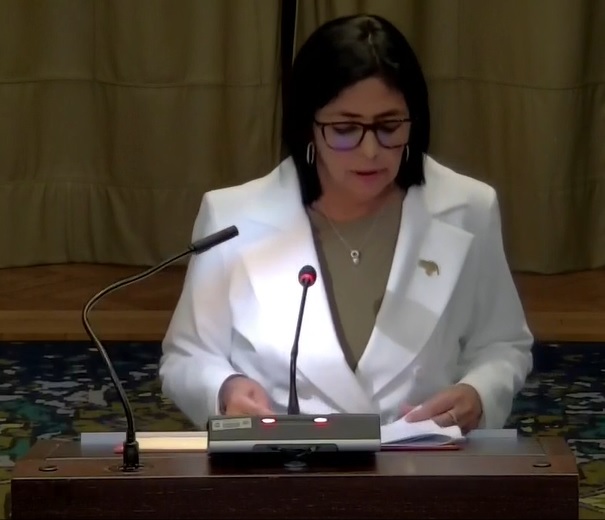
    On Thursday, June 25, 2026, Venezuela’s interim President Delcy Rodriguez publicly extended gratitude to Guyanese President Irfaan Ali for his rapid expression of solidarity in the wake of a catastrophic earthquake that devastated parts of Venezuela the previous day.

    Posting to X, the platform formerly known as Twitter, Rodriguez highlighted Ali’s proactive willingness to extend aid to the Venezuelan people amid one of the nation’s darkest recent moments. She noted that the message from the Guyanese head of state carried strong tones of solidarity, mutual respect, and regional neighborliness, cutting through longstanding geopolitical tensions between the two neighboring South American nations.

    As of Thursday’s update, the human cost of the powerful earthquake has climbed to 164 confirmed fatalities, with more than 970 people recorded as injured. The disaster, already classified as the most destructive seismic event to hit Venezuela since 1900, has left hundreds of structures collapsed and thousands more critically damaged across affected areas.

    The outreach marks a notable shift in diplomatic tone between the two leaders. For years, Rodriguez has been known for sharp, confrontational rhetoric against Ali and his administration as Venezuela pushes its longstanding territorial claim to Guyana’s resource-rich Essequibo Region. However, following the removal of former Venezuelan President Nicolas Maduro by United States forces in January 2026, Rodriguez has softened her public stance toward Guyana, the U.S., and energy giant ExxonMobil — a shift that holds even as Venezuela continues to formally assert its territorial claim.

    Guyana is not alone in offering support to crisis-struck Venezuela. Regional neighbors Cuba, Trinidad and Tobago, and Barbados have also extended offers of assistance to support rescue, recovery and relief efforts in the wake of the disaster.

  • $20bn regional integration fund announced for Caribbean, Latin America

    $20bn regional integration fund announced for Caribbean, Latin America

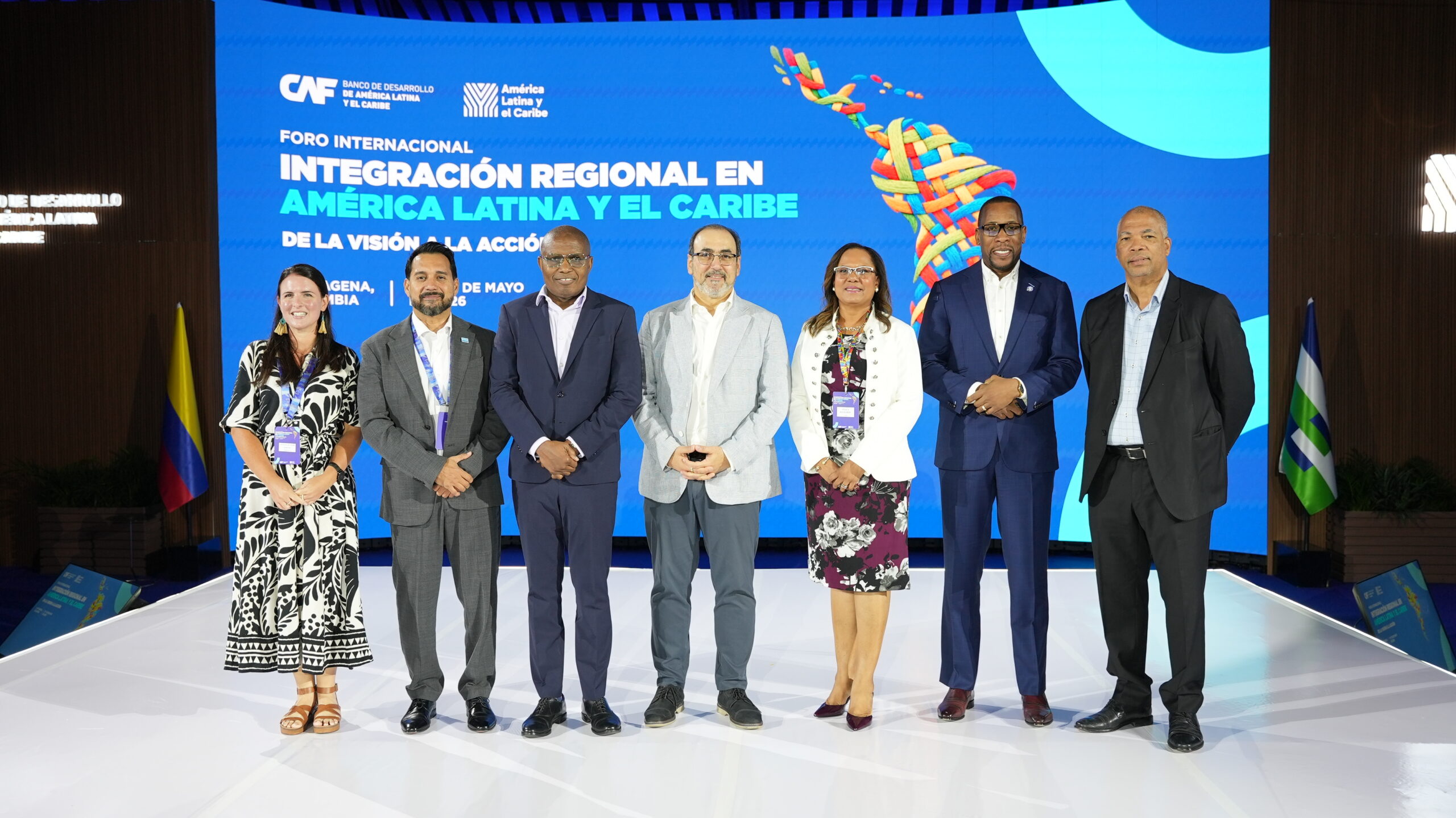
    Against a backdrop of shifting global geopolitics and rising economic fragmentation, the Development Bank of Latin America and the Caribbean (CAF) has unveiled a landmark $10 billion investment pledge set to run through 2031, designed to speed up cross-regional integration and strengthen collective economic resilience across the bloc. The announcement was delivered by CAF Executive President Sergio Díaz-Granados at the conclusion of the high-profile International Forum on Regional Integration, hosted in the Colombian coastal city of Cartagena.

    The multi-billion-dollar investment package will target seven high-priority sectors that are widely seen as foundational to deeper interconnectedness: cross-border physical and digital infrastructure, the global energy transition, expanded intra-regional trade, food system security, sustainable tourism development, and streamlined regional logistics. At its core, the initiative seeks to close persistent socio-economic gaps between member nations and elevate the entire region’s global competitive standing at a time when global trade systems are increasingly fractured.

    In his address to forum attendees, Díaz-Granados emphasized that deeper integration is not an optional policy goal, but a non-negotiable imperative for advancing development, boosting competitiveness, and strengthening Latin America and the Caribbean’s position in the global economy. He called on member nations to deepen cross-border collaboration to counter growing global trade fragmentation and widespread financial market volatility. “Regional integration has already delivered important progress across the region, but it must now enter a far more ambitious phase of tangible implementation,” Díaz-Granados said. “Fewer barriers, more infrastructure. Fewer diagnoses, more tangible projects.”

    The forum drew robust participation from senior Caribbean political and institutional leaders, reflecting a growing unified commitment to cross-regional development cooperation. High-level keynote contributions and insights came from a roster of top regional figures, including CARICOM Assistant Secretary-General Ambassador Wayne McCook, Eastern Caribbean Central Bank Governor Timothy Antoine, and Ian Durant, Director of Economics at the Caribbean Development Bank. Additional key dialogue participants included Martín Portillo from the Caribbean Catastrophe Risk Insurance Facility Segregated Portfolio Company (CCRIF SPC), the regional development insurer specializing in climate disaster risk, and Natalie McGuire of the Barbados Museum & Historical Society, all of whom joined discussions to map out practical, actionable pathways for greater regional alignment.

    In a parallel move to streamline overlapping development efforts across the region, 15 leading regional institutions signed a historic “Declaration on the Convergence of the Processes and Mechanisms of Integration of Latin America and the Caribbean” during the forum. The agreement is designed to coordinate institutional capabilities, align long-term strategic priorities, and eliminate costly duplication of efforts across existing regional bodies. High-profile signatories to the declaration include the Economic Commission for Latin America and the Caribbean (ECLAC), the Amazon Cooperation Treaty Organisation (OTCA), the Organisation of Ibero-American States (OEI) and the Latin American Energy Organisation (OLADE).

    This new $10 billion pledge builds on CAF’s 30-year track record of investment in regional integration. Over the past three decades, the bank has approved 118 dedicated credit operations totaling $16.73 billion for cross-regional integration initiatives across the bloc. This new investment envelope marks a major scaling up of CAF’s operations over the next eight years, with a clear focus on shifting from long-term policy dialogue to concrete deployment of infrastructure projects, ecosystem preservation initiatives, and broad-based digital transformation across the region.

  • APUA Head Office Temporarily Closed Due to Emergency

    APUA Head Office Temporarily Closed Due to Emergency

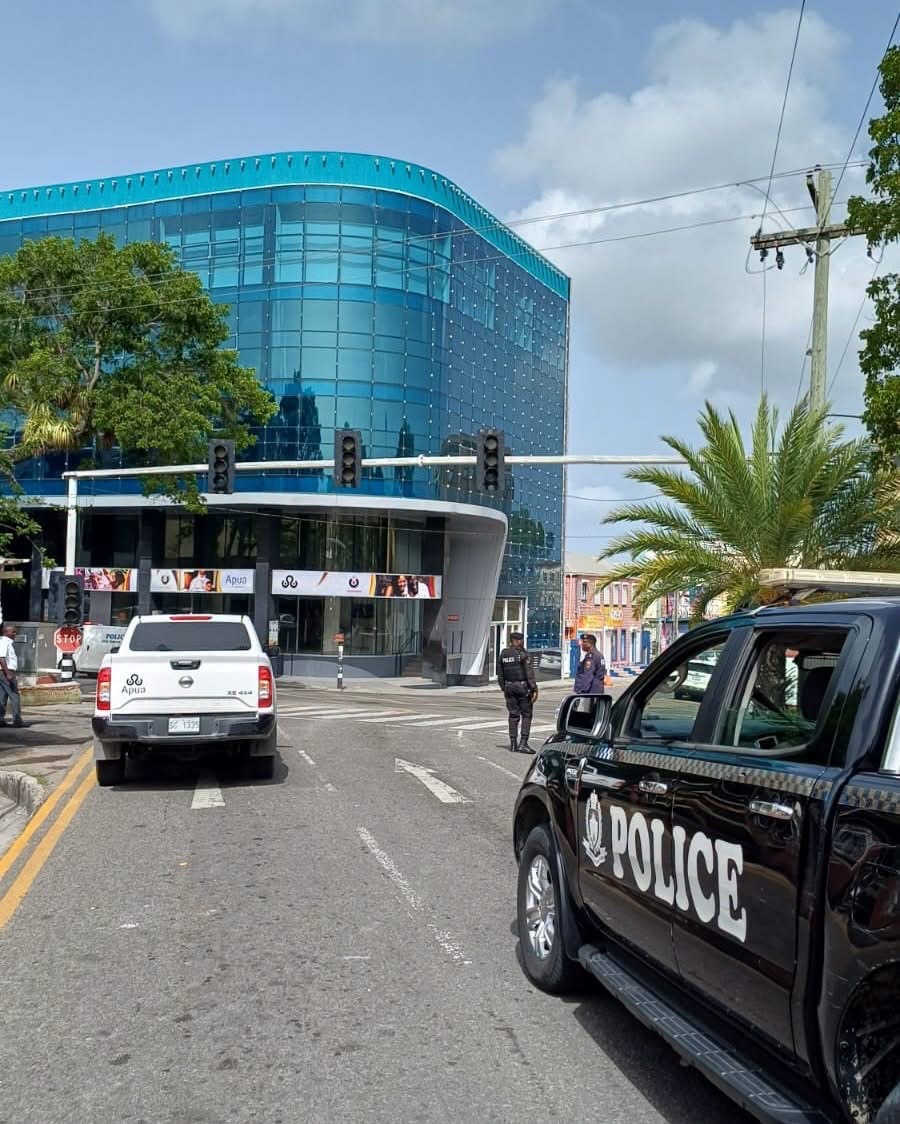
    The Antigua Public Utilities Authority (APUA) has issued a formal public apology to its customer base after unforeseen emergency conditions forced the immediate closure of its core administrative hub, the ABC Centre Head Office.

    This sudden shutdown has triggered cascading disruptions to key public services that the authority provides. Both in-person customer support operations and on-site bill payment facilities are currently out of service, with no immediate timeline for their full restoration. Compounding the inconvenience for consumers, the authority’s centralized Information Centre is also grappling with overlapping technical and operational disruptions that have taken popular consumer hotlines offline. The widely used 211, 311, and 411 consumer assistance lines are currently inaccessible, leaving consumers with limited options to get answers to urgent queries during the outage.

    APUA’s technical and operations teams have been mobilized to address the emergency circumstances that caused the shutdown and resolve associated issues as expediently as possible. In its public statement, the authority repeated its sincere regret over the disruption to daily consumer access to critical services, noting that it will release timely follow-up updates to the public as more details about the restoration timeline become available.

  • Krachtige aardbeving in Noord-Japan, tien gewonden

    Krachtige aardbeving in Noord-Japan, tien gewonden

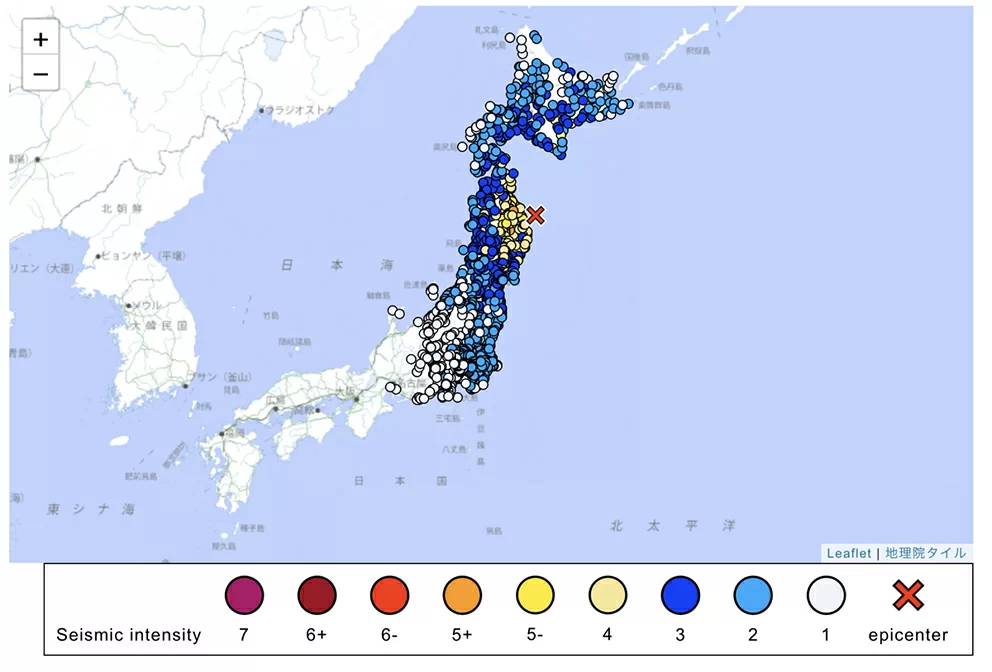
    On Thursday morning, a powerful 7.2-magnitude earthquake hit off the northern coast of Japan, leaving at least 10 people injured and triggering widespread strong shaking across the region’s northern prefectures. The disaster comes just one day after two devastating earthquakes struck Venezuela Wednesday night, which have already claimed at least 164 lives and left the South American nation grappling with a deepening humanitarian crisis.

    The epicenter of Japan’s latest seismic event was located off the shore of Iwate Prefecture, at a depth of roughly 44 kilometers below the ocean surface. Seismic monitoring data from the Japan Meteorological Agency recorded an exceptionally high intensity reading of over 6 on Japan’s 7-point domestic scale in Hashikami, a city located in neighboring Aomori Prefecture. An intensity reading at this level indicates extreme shaking: most people are unable to stand or walk steadily during the tremor, and unsecured furniture and household items frequently topple over.

    As of Thursday afternoon, official reports confirm that at least 10 people have sustained minor injuries, most caused by falling debris and toppled objects during the quake. No fatalities or reports of severe structural damage have been confirmed so far. Critical rail services, including operations on the high-speed Tohoku Shinkansen line, were temporarily suspended immediately after the quake to allow for mandatory safety inspections of tracks and infrastructure, but all services have since resumed normal operations.

    Japanese Prime Minister Sanae Takaichi reassured the public that no tsunami warning was issued for the event, but urged residents across northern Japan to remain alert for potential aftershocks in the coming days and weeks. All major nuclear facilities in the region, including the Fukushima Daiichi Nuclear Power Plant, reported no abnormal operations or radiation leaks following the tremor.

    Japan sits along the Pacific Ring of Fire, a geologically active zone that circles the Pacific Ocean basin and is responsible for roughly 90% of the world’s annual earthquakes. Seismologists have noted that northeastern Japan has seen a surge in major seismic activity in recent months, including a 7.7-magnitude quake that struck the same region in April 2026. Researchers say Thursday’s quake may be linked to afterslip movement of tectonic plates, a post-major-quake phenomenon where plates continue to shift gradually weeks or months after an initial large seismic event. Experts have warned that the risk of an even larger earthquake in the region cannot be ruled out at this stage, making sustained public preparedness and vigilance a critical priority.

  • 2 Da Max, LFX cruise into Coast to Coast netball final

    2 Da Max, LFX cruise into Coast to Coast netball final

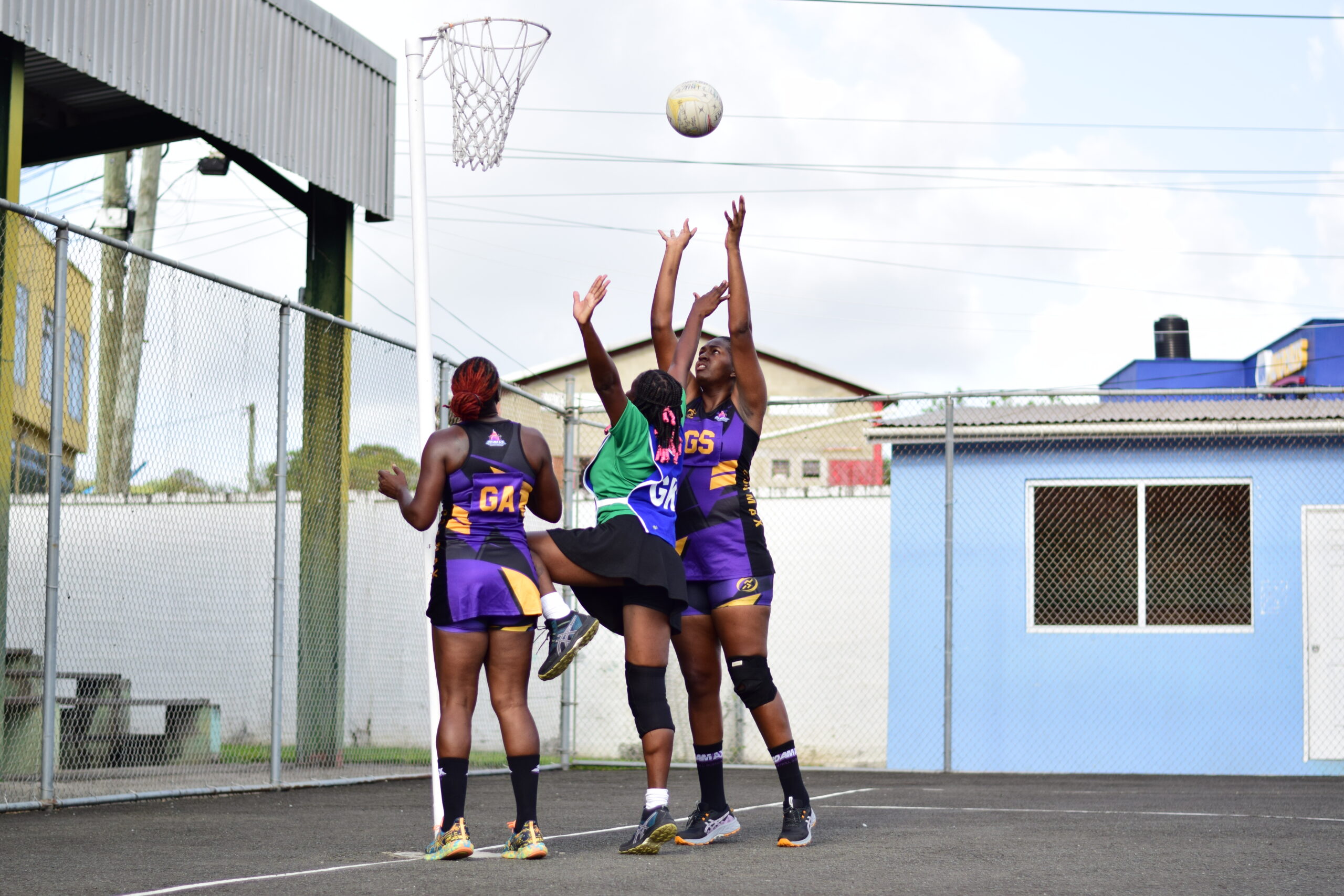
    After more than a month of intense competition across youth and adult divisions, the highly anticipated Coast To Coast Netball Tournament is set to conclude this Saturday, June 27, at Micoud Court, with four action-packed final-stage clashes scheduled to determine this year’s champions. Organizing body Netball Saint Lucia has officially confirmed the four finalists across both junior and senior divisions, following a dramatic round of semifinal matches held last weekend at the Beausejour Gymnasium.

    In the senior competition bracket, 2 Da Max delivered a commanding repeat performance, overpowering the Windward Islands Secondary Games (WISG) side by a final score of 49-26 to secure their spot in the title decider. The road to the final for the other senior title contender, LFX Netballers, began with a walkover victory after Shamrock was forced to forfeit their preliminary matchup. Building on that bye, the pink-clad LFX squad carried their momentum into the semifinal, crushing their opponent with a lopsided 56-20 win to book their place in the championship game.

    The junior division also saw impressive displays of skill and determination from the island’s rising netball talent. Little Sisters put on a masterclass of defensive pressure and offensive precision to secure a dominant 35-6 victory over Shamrock Juniors, earning their place in the junior final. In the other junior semifinal, Ruby Red Darlings engaged in a tight, low-scoring battle with White Blazers, ultimately edging out their opponents by three points to win 11-8 and claim the second final spot.

    The full day of final-stage action gets underway at 1:00 p.m. local time at Micoud Court. The opening match will see White Blazers go head-to-head with Shamrock Juniors in the junior third-place playoff, followed immediately by the junior championship decider between Ruby Red Darlings and the undefeated Little Sisters. Starting at 3:00 p.m., the senior division’s closing matches will kick off with Shamrock Seniors facing off against WISG to claim third place, before 2 Da Max and LFX Netballers clash for the 20XX senior Coast To Coast title.

    Saturday’s concluding matches will bring to an end more than five weeks of community-focused netball competition across Saint Lucia. Beyond the domestic tournament, the event has served as critical preparation for Saint Lucia’s senior national netball team, which is currently gearing up for two major upcoming international fixtures: the Central American and Caribbean Games, set to take place in Santo Domingo, Dominican Republic, this coming August, and the Netball World Championship Qualifiers scheduled for October in Barbados.

  • Antigua to Raise Passenger Head Tax on International Travellers by US$10

    Antigua to Raise Passenger Head Tax on International Travellers by US$10

    In a post-Cabinet press briefing held Thursday, Director General of Communications Maurice Merchant has unveiled a new policy initiative from the government of Antigua and Barbuda: a $10 increase to the international passenger head tax, designed to establish consistent, sustainable funding for critical regional governing bodies.

    Under the approved plan, the head tax levied on international visitors entering Antigua and Barbuda will rise from its current rate of $40 to $50. All additional revenue generated by this adjustment will be specifically allocated to covering the Caribbean nation’s outstanding and future financial commitments to two foundational regional agencies: the Eastern Caribbean Civil Aviation Authority (ECCAA) and the Eastern Caribbean Supreme Court (ECSC).

    Merchant emphasized that both organizations deliver core public functions that deliver direct benefits not only to Antigua and Barbuda, but to all member states across the Eastern Caribbean. The ECCAA, he noted, bears responsibility for upholding rigorous aviation safety standards across the entire region – a function that is critical to supporting the Caribbean’s tourism-dependent economies. Meanwhile, the ECSC serves as the backbone of the Eastern Caribbean’s judicial framework, guaranteeing consistent and effective administration of justice across multiple island nations.

    Cabinet made the decision to move forward with the tax adjustment after concluding that Antigua and Barbuda must uphold its obligation to contribute its fair share to the operations and long-term stability of these organizations, given the substantial, ongoing benefits the country derives from their work. “Adequately funded regional institutions are essential to safeguarding the interests of citizens, supporting economic growth and preserving regional integration,” Merchant stated in his briefing.

    Officials have structured the revised tax rate to create a steady, predictable revenue stream to meet existing and upcoming financial commitments, while deliberately minimizing the direct financial burden placed on international visitors. The tax increase is also framed as part of the Antigua and Barbuda government’s broader commitment to responsible, prudent fiscal management, and to honoring its treaty and financial obligations within the Organisation of Eastern Caribbean States and other inter-island governing bodies.

    The new tax rate will not go into effect immediately. It will only be implemented after all required legislative and administrative procedural steps are completed, with additional details on the rollout timeline set to be released to the public at a later date.

  • Missing Swimmer Terry Tonge Found Dead at Pigeon Point

    Missing Swimmer Terry Tonge Found Dead at Pigeon Point

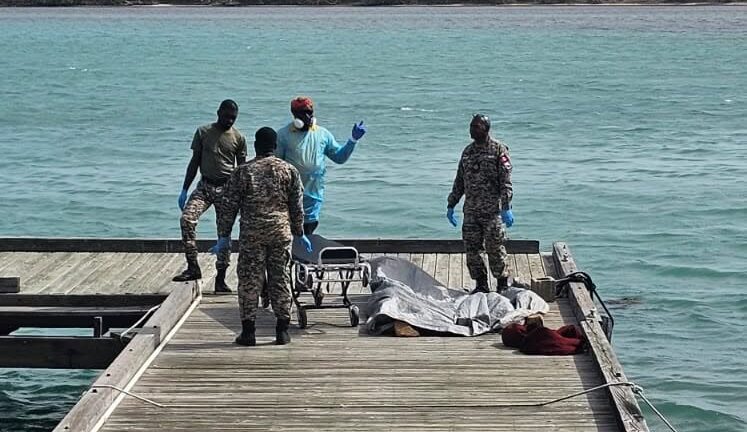
    On the morning of June 25, 2026, law enforcement and defense teams in Antigua and Barbuda recovered the remains of a man who had been reported missing during a recreational swim at Pigeon Point Beach, according to an official media release from the Strategic Communications Office of the Royal Police Force of Antigua and Barbuda.

    At roughly 6:55 a.m. that same Thursday, crews from the Antigua and Barbuda Defence Force Coast Guard spotted the 56-year-old victim’s body floating in near-shore waters. The man was formally identified as Terry Tonge, a resident of the Antiguan community of Swetes.

    Just over an hour and a quarter after the discovery, at approximately 8:22 a.m., a licensed medical doctor officially pronounced Tonge dead at the recovery site.

    As of the release of the public announcement, official investigations are still ongoing to determine the full sequence of events and exact circumstances that led to the incident. The Royal Police Force of Antigua and Barbuda has issued a statement of heartfelt sympathy to Tonge’s family and close friends, acknowledging the profound loss they are navigating in this challenging period.

  • Mottley offers Barbados’ support after Venezuela earthquakes

    Mottley offers Barbados’ support after Venezuela earthquakes

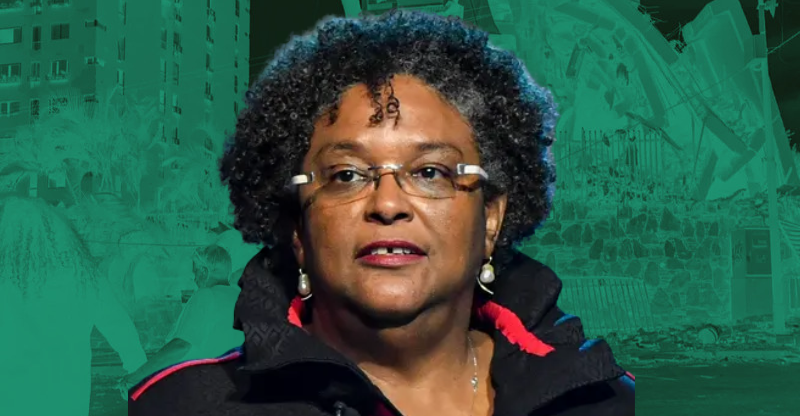
    A devastating pair of earthquakes struck multiple regions of Venezuela on Wednesday, leaving a confirmed death toll of at least 164 people and widespread destruction in their wake. In the aftermath of the disaster, Mia Amor Mottley, Prime Minister of Barbados, has extended formal condolences on behalf of her nation and made a public offer of assistance to the crisis-stricken South American country.

    In an official statement shared across major social media platforms, Mottley confirmed that she had held a telephone conversation with Venezuela’s Acting President Delcy Rodríguez. During the call, the Barbadian leader conveyed deep sympathy to all Venezuelans impacted by the seismic event, on behalf of both the Barbadian government and the island’s general population.

    Mottley reflected on the nature of the disaster in her remarks, noting that many would frame the destructive quakes as an unforeseen natural disaster, or an “act of God”. But she emphasized that the global response to the tragedy must be rooted in shared human values: “What happens next must be acts of humanity, acts of kindness, acts of solidarity, acts of courage, and acts of practical love.”

    Framing Venezuela as a valued member of the broader Caribbean regional community, Mottley stressed that geographic borders do not contain shared suffering in the Americas. “Venezuela is our neighbour, and in this Caribbean family, pain does not stop at a border. Barbados stands ready to assist in whatever way we can,” she added.

    Beyond offering support to the Venezuelan people, the Prime Minister extended personal condolences to every family that has lost loved ones in the disaster. She also publicly recognized the tireless work of first responders and emergency crews, who have continued search and rescue operations despite dangerous conditions and extreme fatigue.

    “To every family grieving, to those waiting for word of loved ones, and to the first responders working through fear and exhaustion, please know that you are not alone. Barbados stands with you in prayer, in compassion and in resolve,” Mottley said.

  • Regional meeting in Mexico strengthens fight against New World screwworm and food safety risks

    Regional meeting in Mexico strengthens fight against New World screwworm and food safety risks

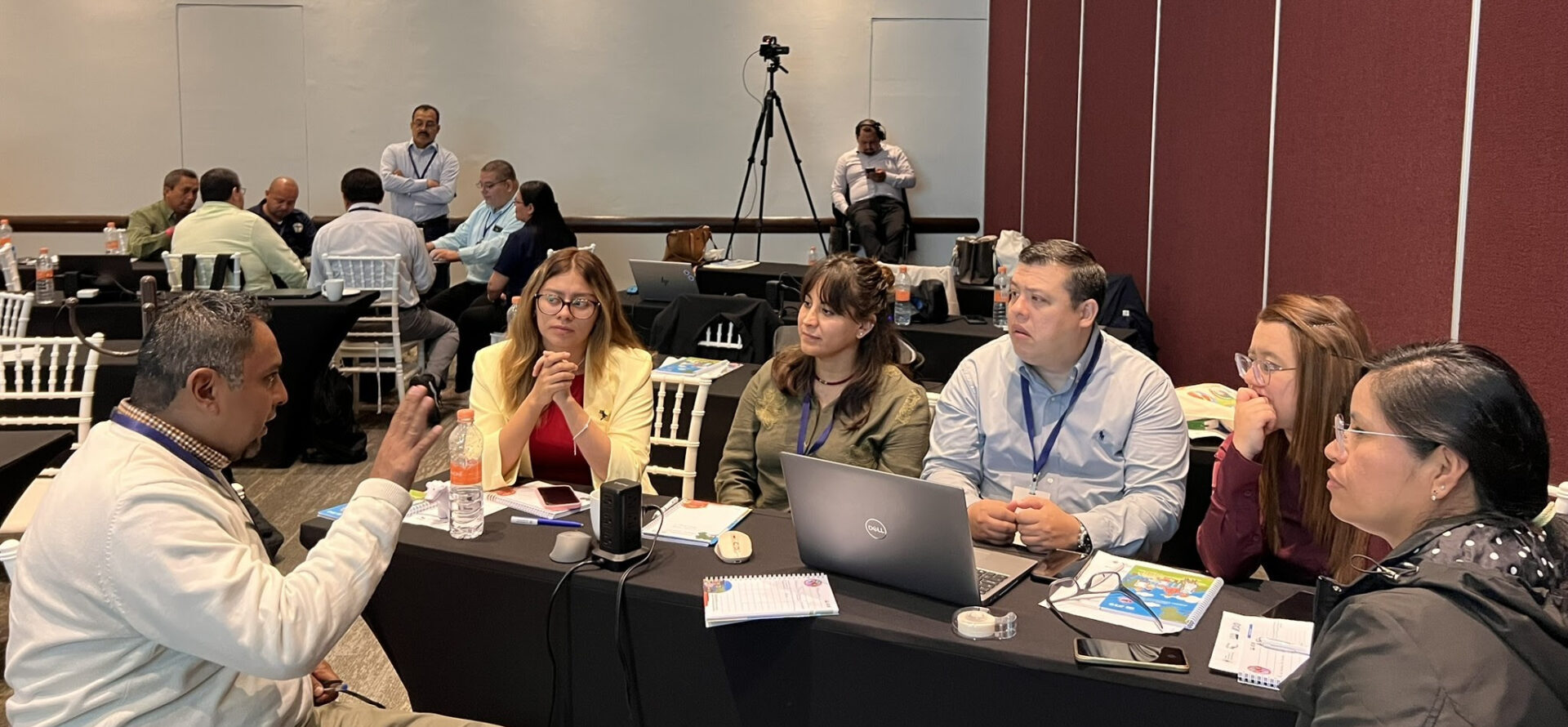
    A dangerous parasitic pest, the New World screwworm (NWS), has driven seven nations across Central America and Mexico to unify in a historic regional collaboration aimed at controlling the invasive species while upholding strict food safety standards for milk and meat supplies. The three-day landmark gathering, held in Mexico City, was organized through a joint partnership of the Inter-American Institute for Cooperation on Agriculture (IICA), the Central American Dairy Federation (FECALAC), and the Executive Secretariat of the Central American Agricultural Council (SECAC), bringing 36 cross-sector stakeholders to the table to address overlapping challenges in animal health and food safety.

    Attendees spanned a diverse range of expertise, including national NWS control program coordinators, food residue monitoring officials, technical specialists from the Panama–United States Commission for the Eradication and Prevention of New World Screwworm (COPEG), government animal health and food safety regulators, and private-sector representatives from regional livestock and dairy production sectors. This meeting marked the first time that NWS control leaders and food residue monitoring professionals have convened in a single regional forum, a deliberate step reflecting the growing interconnectedness of threats to animal health and food security in the region.

    The New World screwworm is a devastating parasitic pest spread by a species of fly whose larvae consume the living tissue of host animals. While cattle are the pest’s primary target, it can also infect other domestic animals, wildlife, and in rare, dangerous cases, humans. Recent re-emergence of the pest across multiple parts of the region has spurred a sharp increase in veterinary medicine use to treat resulting myiasis and animal wounds, which in turn has created an urgent need for more robust monitoring of drug residues in milk and meat products for human consumption.

    Over the course of the conference, delegates shared critical data on national epidemiological trends, currently deployed treatment protocols, unmet regulatory needs, and the existing capacity of national systems to track residues in animal-derived food products. Delegates centered discussions on enhancing cross-border risk management, expanding structured information sharing, and building scientifically grounded regional surveillance systems. A core consensus emerged from the gathering: prevention remains the single most effective strategy to contain the pest. Early detection and treatment of animal wounds, paired with widespread adoption of standardized Good Livestock Practices, was agreed to drastically reduce NWS infection rates, cut unnecessary reliance on veterinary medications, and ultimately support the production of safe, marketable food products.

    Conference attendees outlined a clear set of priority actions to guide regional collaboration moving forward. These key initiatives include promoting responsible, evidence-based use of veterinary medicines across the livestock sector, developing a unified regional guide for Good Livestock Practices, strengthening risk-focused residue monitoring programs, expanding cross-border collaboration between official testing laboratories, generating shared technical data to guide policy, and establishing permanent, open channels for ongoing information exchange between member nations.

    Private sector representatives emphasized their unwavering commitment to advancing these collective goals. “As the private sector, we are committed to supporting joint action, contributing technical and financial resources, and analyzing gaps in our regional capacity to manage contaminants and residues in milk and meat amid the NWS challenge,” explained Ramiro Pérez, FECALAC’s delegate to the meeting. Octavio Hernández, General Director of the Mexican Association of Milk Producers (AMLAC), highlighted the transformative value of cross-national knowledge sharing: “These exchanges allow us to learn from the experiences of other countries and strengthen our prevention efforts. The end goal is full containment and eventual eradication of the pest through coordinated regional action.” Juan Ramón González, representing Mexico’s National Confederation of Livestock Organizations (CNOG), underscored that regional solidarity is non-negotiable to address the transboundary threat: “We are facing an emergency that requires solidarity and coordination. Countries are joining efforts and sharing experiences because we understand this is a common challenge, one we can only solve by working together.”

    Beyond plenary discussions, the conference program included a technical site visit to the Residue Laboratory of Mexico’s National Service for Agrifood Health, Safety, and Quality (SENASICA), where delegates gained hands-on insight into Mexico’s advanced analytical capabilities, cutting-edge detection methodologies, and decades of practical experience monitoring residues in animal-sourced foods.

    Regional agriculture leaders emphasized that this gathering marks a critical turning point in collective action against the pest. José Luis Ayala, Technical Coordinator of IICA Mexico, noted that a coordinated regional approach is the only sustainable way to address transboundary animal health emergencies: “Bringing producers, technical specialists, researchers, program managers and authorities together in the same space makes it possible to build more comprehensive and sustainable solutions to confront the pest and protect livestock production across the region.” Oswaldo Segura, SECAC Regional Specialist in Agricultural Competitiveness, echoed this call for sustained collaboration, stating: “We need to continue building cooperation mechanisms among countries and institutions. Coordination across the agriculture, health, food safety, and production sectors is essential to respond effectively to the challenges posed by the New World Screwworm.”

    In closing, Alejandra Díaz, IICA Technical Specialist in Agricultural Health, Food Safety, and Food Quality, emphasized that long-term success depends on integrated, cross-sector collaboration: “Animal health, food safety, and public health are closely intertwined. This meeting demonstrated that the exchange of experiences and regional cooperation are fundamental for strengthening countries’ response capacities and protecting consumer confidence in the food we produce.” Participants reaffirmed that sustained, integrated cooperation between veterinary services, surveillance programs, testing laboratories, and producer groups is the only path to long-term NWS control and prevention of food safety risks linked to veterinary medicine residues.