博客

  • Liberty Caribbean Returns as Headline Sponsor of CANTO’s 41st Annual Conference & Trade Exhibition

    Liberty Caribbean Returns as Headline Sponsor of CANTO’s 41st Annual Conference & Trade Exhibition

    For the fifth straight year, regional telecommunications leader Liberty Caribbean has locked in its role as headline sponsor for the 41st CANTO Annual Conference & Trade Exhibition, extending a long-running partnership that supports digital and economic progress across the Caribbean.

    Slated to run from August 9 to 12, 2026, the landmark industry gathering will be hosted at the Hard Rock Hotel & Casino Punta Cana, located in the Dominican Republic, bringing together a diverse cross-section of key stakeholders from across the region and beyond. Centered on the forward-looking theme ‘Elevate the Caribbean – From Connectivity to Global Competitiveness’, the 2026 conference will convene cabinet-level government leaders, top regulatory officials, senior policymakers, pioneering technology innovators, and leading telecommunications providers. The collective goal of attendees is to examine actionable strategies that will help the Caribbean region speed up its digital transformation, build up its global competitive edge, and unlock inclusive, long-term sustainable economic growth.

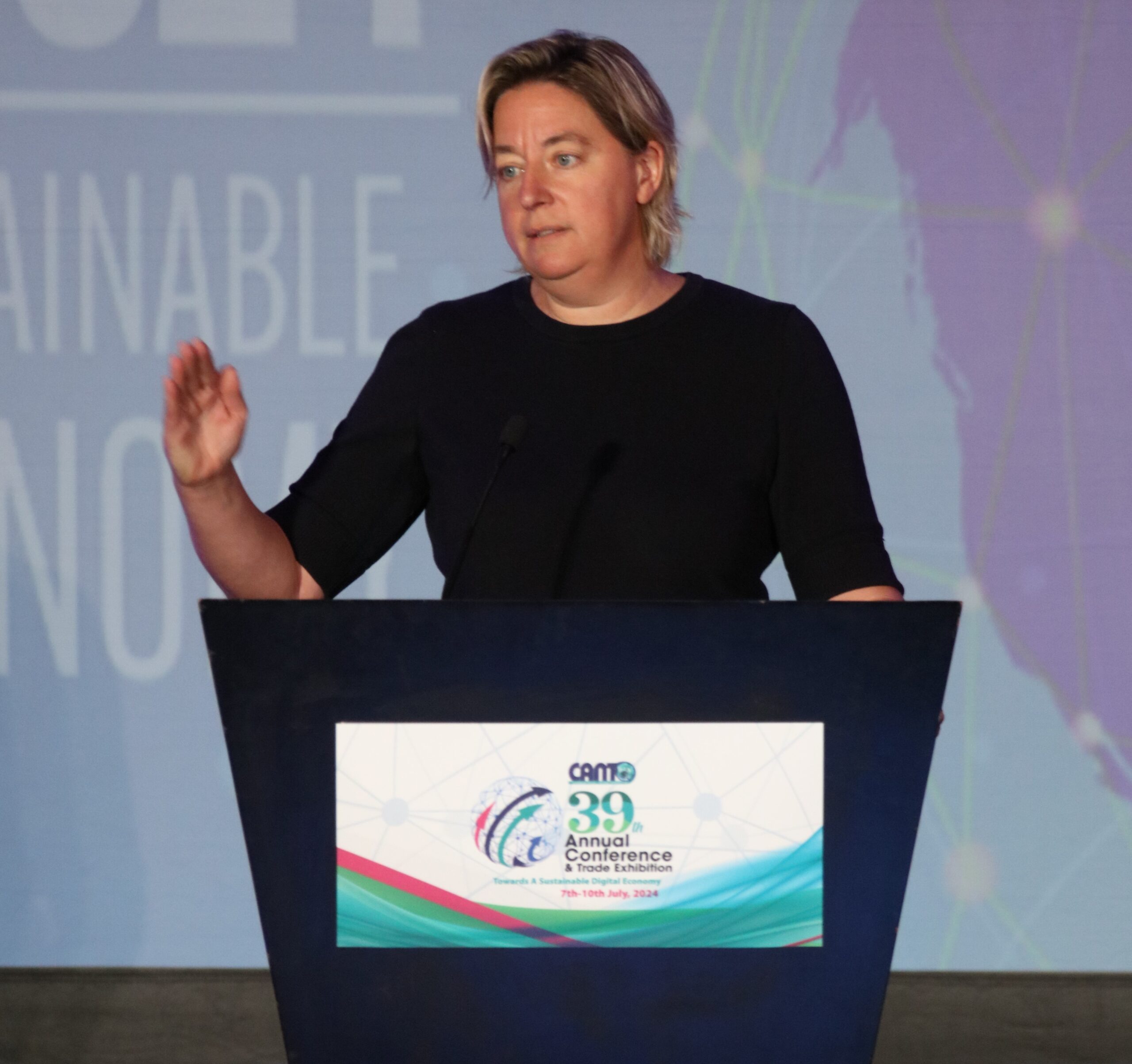
    In comments on the renewed sponsorship, Liberty Caribbean Chief Executive Officer Inge Smidts emphasized the transformative potential of emerging technology for the region. ‘The rapid evolution of artificial intelligence is redefining how economies compete, businesses grow, and societies connect. For the Caribbean, this presents an unprecedented opportunity to leap forward,’ Smidts noted.

    Over the course of the four-day event, Liberty Caribbean will lead and contribute to high-priority discussions focused on four core pillars: expanding affordable, reliable connectivity across underserved communities, advancing meaningful digital inclusion to close the regional digital divide, shaping forward-thinking policy and regulatory frameworks that support innovation, and deepening cross-regional collaboration to accelerate the development of the Caribbean’s digital ecosystem.

    Industry analysts note that Liberty Caribbean’s repeated commitment to headline sponsorship of the CANTO conference is far more than a branding move: it underscores the company’s long-standing dedication to partnering with public and private sector stakeholders across the region to build a more connected, economically resilient, and globally competitive Caribbean digital economy. As the event’s principal sponsor, Liberty Caribbean will hold direct engagements with regional government ministers, top ICT regulators, leading industry executives, and private sector delegates to help guide the trajectory of Caribbean digital development for years to come. Beyond policy discussions, the conference also serves as a critical platform for strengthening strategic cross-sector partnerships, advancing collaborative solutions to shared regional challenges, and cementing Liberty Caribbean’s reputation as a trusted leader in driving digital transformation and sustainable growth across the Caribbean.


  • ABAVA Announces Departure of National U20 Beach Volleyball Delegation to St. Kitts & Nevis

    ABAVA Announces Departure of National U20 Beach Volleyball Delegation to St. Kitts & Nevis

    A new chapter of regional sporting collaboration is set to unfold this summer, as Antigua & Barbuda’s national under-20 beach volleyball delegation prepares to depart for St. Kitts & Nevis to take part in a week-long development program and regional championship hosted between July 7 and 12, 2026. The trip has been organized through a coordinated partnership between the Antigua & Barbuda Amateur Volleyball Association (ABAVA), the Association of National Olympic Committees of the Eastern Caribbean (ANOCES), and the Antigua and Barbuda National Olympic Committee (ABNOC).

    The entire week of programming is rooted in a larger regional initiative spearheaded by ANOCES, which aims to unite National Olympic Committees across the Eastern Caribbean to advance athlete development, strengthen cross-border ties, and celebrate shared passion for competitive sport. To expand on this vision, the Eastern Caribbean Volleyball Association (ECVA) has arranged a full schedule of activities beyond the main championship, including specialized educational and training development programs for coaches and game officials from across the region.

    Four young promising athletes will carry Antigua & Barbuda’s flag at the 2026 ECVA Under-20 Beach Volleyball Championship: Miguel Peña Lugo, George Freeland, Philisha Burnette, and Faith Gibson. Their participation has been made possible through the ongoing financial and organizational support from ANOCES and ABNOC, which have prioritized nurturing young sporting talent across the twin-island nation.

    Guiding the national contingent throughout the event are head coaches Jamarie James and Rosemarie Simon, who will provide on-court strategy, mentorship, and support as the team goes head-to-head with some of the most talented rising beach volleyball players from across the Eastern Caribbean region.

    Leaders of ABAVA have publicly extended their gratitude to ANOCES for its ongoing work to build meaningful, long-lasting sporting partnerships across the Eastern Caribbean. As the delegation prepares for travel to St. Kitts & Nevis, officials from all three organizing bodies have extended well wishes to the team, wishing athletes and coaches safe travels and competitive success at the championship.

    Organizers have noted that beyond competition, the week is designed to deliver valuable skill-building opportunities, foster friendly spirited rivalries between young athletes, and create lasting cross-regional connections, as Antigua & Barbuda’s young talent showcases their abilities on the regional sporting stage.

  • WISH Extends Condolences Following the Sudden Death of 24-Year-Old Cody Gomes

    WISH Extends Condolences Following the Sudden Death of 24-Year-Old Cody Gomes

    The sudden, unexpected passing of 24-year-old Cody Gomes has left family, friends and communities across Antigua and Barbuda in mourning, as local law enforcement continues to probe the circumstances of his death. The Wadadli Initiative for Self-care and Healing (WISH), a leading local organization focused on mental wellness and community support, has issued an official statement extending its deepest condolences to all those affected by Gomes’s death.

    Per official police accounts, Gomes was discovered unresponsive at his private residence in the early hours of Monday. Personnel from the All Saints Police Station were dispatched immediately to the location, and medical personnel later confirmed he had passed away. As of press time, no definitive details surrounding the cause of his death have been released, and the active investigation remains ongoing.

    WISH is joining the Royal Police Force of Antigua and Barbuda in an urgent appeal to the public: respect the Gomes family’s right to privacy as they navigate overwhelming grief, and approach this moment with compassion and empathy. This unanticipated loss has sent shockwaves through Gomes’s closest circle and the wider Swetes community, leaving countless people grappling with shock, profound sadness and unanswered questions about what led to his passing.

    In its statement, the organization stressed the importance of avoiding unfounded speculation, harmful unsubstantiated commentary, and the unauthorized spread of sensitive details related to the case. Instead of engaging in irresponsible discussion, WISH is urging community members to center kindness: check in on friends, family and neighbors who may be struggling with this loss, and offer non-judgmental support to anyone processing grief.

    The tragedy also serves as a critical reminder of the ongoing, urgent need to expand safe, open spaces for community dialogue around mental health, emotional distress, grief and collective care, WISH noted. The organization offered guidance for community members who may be concerned about someone in their life who is struggling: if a friend or loved one shows signs of withdrawal, persistent overwhelm, hopelessness, unusual emotional shifts or visible distress, do not ignore these red flags. Reach out to them, offer a non-judgmental listening ear, maintain consistent connection, and encourage them to reach out to a trusted person, whether that is a family member, friend, religious leader, medical provider, educator or licensed mental health professional. For anyone facing an immediate threat to personal safety, the organization emphasized that emergency assistance should be sought without delay.

    Local law enforcement is also asking for public cooperation to advance the investigation. Anyone with information that could help detectives clarify the circumstances of Gomes’s death is asked to contact the Criminal Investigations Department directly at 462-3913 or 462-3914. For those who wish to share information anonymously, tips can be submitted through Crime Stoppers by calling 800-TIPS (8477).

    WISH closed its statement by reiterating its sympathy for the Gomes family, all of Cody’s loved ones, and the entire Swetes community, noting that the organization holds them in its thoughts through this devastating period. The organization also reaffirmed its long-term commitment to its core missions: expanding mental health education across Antigua and Barbuda, raising public awareness of suicide prevention, and building a national culture where people feel safe and comfortable sharing when they are struggling emotionally, rather than suffering in silence.

  • Cody Gomes Identified as Man Found Dead at Swetes Home

    Cody Gomes Identified as Man Found Dead at Swetes Home

    Local law enforcement has opened an active investigation into the unexpected passing of 24-year-old Cody Gomes, who was discovered unresponsive at his private residence during the early hours of Monday. A relative of Gomes made the grim find between 5:30 a.m. and 6:00 a.m., and immediately placed an emergency call to alert official authorities to the situation. First responding officers from the All Saints Police Station traveled promptly to the scene to launch an initial assessment, and Gomes was formally pronounced deceased at approximately 7:45 a.m. that same morning. As of the latest update, no definitive details have been released to clarify the exact circumstances leading to Gomes’ death, and the investigative process remains ongoing as detectives work to piece together a clear timeline of events leading up to the tragedy. In an effort to speed up the inquiry and gather critical evidence that may be held by members of the public, police have issued a formal public appeal for information. Anyone who may have relevant details related to Gomes or his death is asked to reach out directly to the Criminal Investigations Department via the dedicated phone lines 462-3913 or 462-3914. For community members who wish to share information without revealing their identity, anonymous tips can also be submitted through the regional Crime Stoppers program by calling the toll-free hotline 800-TIPS (8477).

  • Pierre says CARICOM must deliver tangible benefits for Caribbean people

    Pierre says CARICOM must deliver tangible benefits for Caribbean people

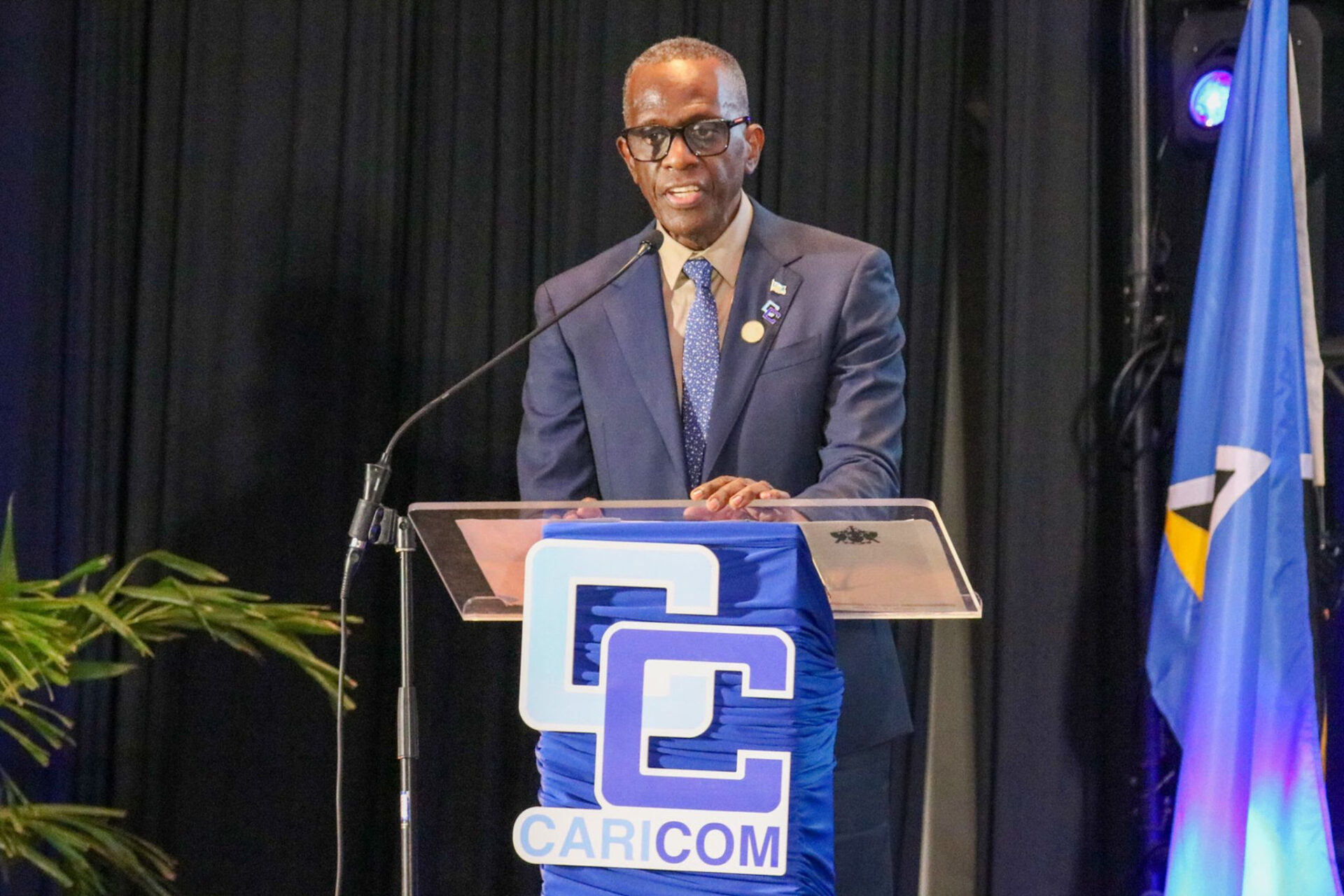
    On July 1, Saint Lucian Prime Minister Philip J. Pierre officially took over the rotating chairmanship of the Caribbean Community (CARICOM), and just days later, he laid out a bold, people-centered vision for his tenure at the opening of the bloc’s 51st Regular Conference of Heads of Government, held at Sandals Grande Saint Lucian on July 5. In his opening address, Pierre emphasized that the regional integration project that has long defined CARICOM must now deliver tangible, visible improvements to the daily lives of ordinary Caribbean citizens, responding to a widespread, sincere question he says is on the lips of people across the region: “What more can CARICOM do for me?”

    Pierre stressed that this question is not an attack on the 50-plus-year-old regional bloc, but rather a genuine call for action to address the most pressing challenges facing Caribbean communities today. These pressing issues include soaring global food and energy costs that have strained household budgets, increasingly intense and frequent hurricane seasons amplified by climate change, erratic rainfall patterns that disrupt agricultural production, lasting climate impacts on small-scale farming and fishing communities, and growing public anxiety over rising violent crime.

    Against this backdrop, the new chairman argued that CARICOM must shift its focus from abstract policy debate in conference rooms to on-the-ground implementation that directly improves community well-being. In a memorable framing of his approach, Pierre said: “It must move from conference rooms to communities; from rhetoric to reality; from communiqués to results.” He outlined a vision for a CARICOM that prioritizes people over procedure and results over rhetoric, noting that his chairmanship will be accountable not just to member state governments, but to the ordinary citizens that CARICOM was founded to serve.

    For Pierre, policy agreement is no longer sufficient—every major decision made by the bloc must be measured by the concrete difference it makes in daily life, and all commitments must be followed through. “It is not enough for our decisions to be recorded. They must be acted upon, measured, and followed through. My mantra is simple: Integration that our people cannot feel will not last,” he told assembled leaders.

    Strengthening regional unity sits at the top of Pierre’s priority list during his tenure, as he argued that collective action gives the Caribbean far more global clout than individual small island states can wield alone. He also committed to building a more inclusive CARICOM, ensuring that every member state, no matter its size, has an equal voice in the bloc’s work. “Every voice counts. Every nation matters. Every citizen must be able to see themselves reflected in the work of CARICOM,” he said.

    Beyond unity and inclusion, Pierre laid out a broad policy agenda for his term that touches on nearly every facet of Caribbean life. Key priorities include boosting citizen security by addressing crime and violence, advancing global climate justice for small island developing states that bear the brunt of climate change despite contributing the least to emissions, driving post-pandemic and post-energy crisis economic renewal, strengthening regional food and nutrition security to reduce dependence on imports, and expanding representation for young people, women, and vulnerable groups in regional development processes.

    A core institutional priority for Pierre will be deepening implementation of the CARICOM Single Market and Economy (CSME), a longstanding integration goal that has been held back by persistent cross-border barriers. His plan to advance CSME includes upgrading regional transportation infrastructure, expanding support for smallholder agriculture and artisanal fisheries, and helping member states capitalize on emerging technologies such as artificial intelligence to drive inclusive growth.

    Youth engagement will also be a central pillar of Pierre’s chairmanship, as he warned that the long-term survival of the regional project depends on winning the buy-in of younger generations. Young people across the region are asking whether CARICOM can deliver a better future for them, Pierre said, and the bloc must answer that question with tangible action rather than empty slogans.

    Finally, Pierre called for increased investment in and public awareness of CARICOM’s existing institutions, which he described as critical pillars of regional development and resilience. These institutions already deliver essential public goods across the region, from public health coordination and cross-border disaster response to educational collaboration, security information sharing, and economic development support, but greater public understanding of their impact is needed, he argued.

  • IMA Grenada Symposium at Gouyave

    IMA Grenada Symposium at Gouyave

    Against a backdrop of growing global interest in Caribbean citizenship-by-investment programs, Grenada’s Investment Migration Agency (IMA) brought industry leaders, local entrepreneurs, and community representatives together recently for its latest symposium, held at the St John Anglican Pastoral Centre in Gouyave. The event, themed “Grenadian Innovation: Creating Local Opportunities Through Investment Migration,” centered on one core goal: expanding the role of domestic stakeholders in the country’s fast-growing investment migration sector.

    At the heart of the day’s discussions was the newly amplified Enhanced Local Developers Participation (ELDP) Initiative, a policy framework designed to break down two longstanding barriers for Grenadian-led projects: limited access to growth capital and low domestic participation in the country’s high-profile Citizenship by Investment (CBI) Programme. Under the initiative, local developers gain structured access to international investment flowing into Grenada through the CBI program, opening doors across seven priority sectors that align with the country’s long-term development goals: tourism and hospitality, agribusiness, manufacturing, renewable energy, health and wellness, information and communications technology, education, and the creative industries.

    Senior representatives from three key governing bodies – IMA Grenada, the Grenada CBI Committee, and the Grenada Investment Development Corporation (GIDC) – took the stage to outline available support for aspiring local developers, clarifying that GIDC serves as the primary entry point for entrepreneurs looking to get involved. The agency offers end-to-end support for projects at every stage, from refining initial business concepts and conducting independent feasibility assessments to navigating regulatory approvals and packaging proposals that meet international investment standards.

    GIDC Chief Executive Officer Ronald Theodore emphasized that while unprecedented opportunity exists for local developers, preparation is the key to unlocking it. “The opportunity is real, but opportunity must meet readiness,” Theodore told attendees. “Our role is to help entrepreneurs develop well-structured, bankable projects through sound planning, financial preparation, and the necessary approvals. The ELDP Initiative provides a pathway, but preparation will determine success.”

    IMA Grenada CEO Thomas Anthony expanded on the unique value that the investment migration framework brings to domestic innovators, noting that it offers an alternative to the restrictive traditional debt financing that often locks small and medium-sized local projects out of growth. “Rather than relying solely on traditional debt structures, investment migration creates an opportunity for local innovators and developers to attract equity partners,” Anthony explained. “The capital is already flowing into Grenada. Our challenge is to ensure Grenadian entrepreneurs are positioned to access it and transform strong ideas into investment-ready projects.”

    Attendees also explored the broader community impact of increasing local participation in the CBI sector. Discussions highlighted how locally led investments in community tourism, sustainable agriculture, and climate-smart infrastructure can create more stable local jobs, strengthen marginalized rural communities, and drive inclusive, long-term economic growth that benefits all Grenadians, rather than just external stakeholders.

    Richard Duncan OBE, Chairman of the Grenada CBI Committee, reaffirmed the country’s commitment to maintaining the high standards that have made its CBI program globally competitive. “Grenada competes on the integrity and quality of its due diligence,” Duncan noted. “Maintaining that credibility is essential to attracting responsible investment while creating more opportunities for Grenadians.”

    The symposium is part of IMA Grenada’s ongoing Symposium Series, an outreach effort designed to demystify the investment migration sector for local communities across the island. By bringing these conversations directly into regional hubs like Gouyave, the agency aims to fulfill its dual commitments to public education and inclusive stakeholder engagement, ensuring that the benefits of Grenada’s investment migration industry extend beyond major urban centers and international investors to domestic creators and developers.

    This report is sourced from contributor content hosted by NOW Grenada, which does not take responsibility for contributor opinions or statements. Individuals can report abusive content through platform reporting channels.

  • Asonahores warns higher airfare fees could hurt Dominican tourism

    Asonahores warns higher airfare fees could hurt Dominican tourism

    SANTO DOMINGO — The Dominican Republic’s leading tourism industry body is pressing public officials to reevaluate a series of recent increases to passenger transport fees, sounding the alarm that steadily climbing travel costs could erode the Caribbean nation’s standing as a competitive global tourism destination.

    Speaking at the 2026 Americas Investment Forum, Aguie Lendor, executive vice president of the Dominican Republic Hotel and Tourism Association (known locally as Asonahores), outlined the sector’s growing concerns. Lendor noted that already, airfares for travel to and from the Dominican Republic lag behind those offered by peer destinations across the Caribbean and Latin America when it comes to price competitiveness. While each individual fee adjustment may seem small and insignificant on its own, Lendor warned that the compound cumulative effect of multiple hikes adds significant cost that could shift the decisions of budget-conscious international travelers when they select their next vacation spot.

    The tourism sector is the backbone of the Dominican Republic’s national economy. Current data estimates that it contributes between 16% and 18% of the country’s total gross domestic product, and sustains more than 800,000 jobs across direct, indirect and induced categories. Lendor emphasized that he recognizes the government’s legitimate need to generate additional public revenue through fee adjustments. Even so, he stressed that regulatory bodies must conduct a thorough, data-driven assessment of how higher passenger charges will impact the country’s core tourism industry, which drives growth across nearly every other economic segment.

    Asonahores is pushing for a full, comprehensive review of all existing taxes and fees tied to air travel to the Dominican Republic. The association says this broad review is a critical step to protect the nation’s reputation as an affordable, attractive getaway for international visitors and safeguard the long-term stability of its largest economic driver.

  • Santo Domingo and Punta Cana host Dominican Week 2026

    Santo Domingo and Punta Cana host Dominican Week 2026

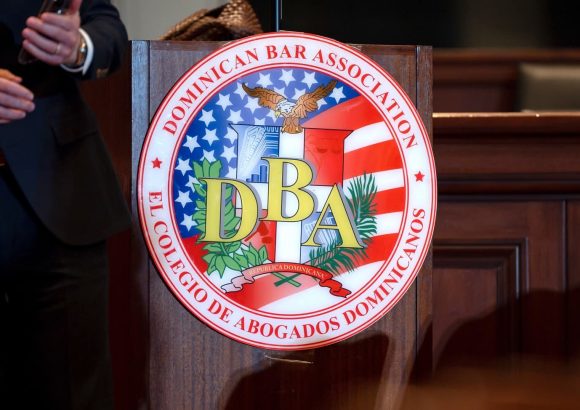
    A major new initiative aimed at deepening collaboration between the United States and the Dominican Republic is taking shape, after the New York-based Dominican Bar Association (DBA) officially announced the launch of Dominican Week 2026. Scheduled to run from July 7 to 10 across two host locations — Santo Domingo and Punta Cana — the four-day gathering is set to bring together a diverse cross-section of leaders from both nations, including legal practitioners, sitting judges, academic legal scholars, C-suite business executives, and public sector officials.

    Unlike previous iterations of the event, Dominican Week 2026 will expand its footprint outside of the capital city of Santo Domingo for the first time, adding a dedicated track of activities in Punta Cana. This geographic expansion is designed to unlock new opportunities for strategic dialogue and high-impact business networking across a broader landscape of Dominican stakeholders.

    The 2026 event agenda centers on the most pressing topics shaping the modern global economy. Attendees will dive into discussions covering artificial intelligence and its regulatory implications, cross-border investment frameworks, inclusive economic development strategy, and the shifting responsibilities of legal professionals in an increasingly interconnected international business environment.

    Over the course of the event, participants will hold scheduled meetings with representatives from leading Dominican institutions across public and private sectors. Key participating entities include the Dominican Chamber of Commerce, the Superintendency of Banks, tourism and development leader Grupo Puntacana, and top academic institutions such as Universidad Iberoamericana (UNIBE), the Pontifical Catholic Mother and Teacher University (PUCMM), and Universidad del Este (UDE).

    Per DBA leadership, the core mission of Dominican Week extends far beyond a simple professional gathering. The initiative is structured to strengthen long-term collaboration between the legal, business, and public sectors of both the U.S. and the Dominican Republic, while fostering emerging leadership, advancing professional development, and building durable international cooperation. Over the years, organizers note, the event has evolved into a foundational platform for building strategic cross-border partnerships, facilitating interdisciplinary knowledge exchange, and unlocking inclusive economic opportunities that reach well beyond the legal community.

    Founded and headquartered in New York City, the Dominican Bar Association is a mission-driven organization dedicated to advancing the legal profession for Dominican and Dominican-American practitioners. Its core priorities include promoting diversity and inclusion within the legal field, mentoring the next generation of legal professionals, and strengthening civic and professional ties for Dominican communities across the United States and the Dominican Republic. For the Dominican Republic specifically, the event also aims to shine a spotlight on the country’s rapidly growing profile as a regional hub for investment, innovation, and sustainable economic development.

  • Metal gate on border bridge linking Dominican Republic and Haiti collapses

    Metal gate on border bridge linking Dominican Republic and Haiti collapses

    In the border city of Dajabón, a critical cross-border link connecting the Dominican Republic and Haiti is facing growing risk of catastrophic failure, as widespread structural decay has triggered urgent alarms from daily users. The international crossing spanning the Massacre River has been grappling with years of unaddressed degradation that has steadily worsened, leaving merchants, motorists and local communities on edge over its safety.

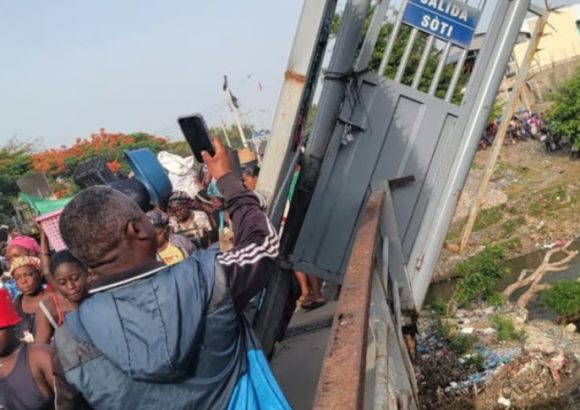
    Extensive rust and corrosion have eaten away at nearly all of the bridge’s core metal infrastructure, from its primary load-bearing beams to the protective railings that line its driving surface. The situation escalated recently when a metal access gate on the Dominican side of the crossing collapsed unexpectedly. The sudden failure has amplified long-simmering fears that the entire structure could be at risk of a major collapse if interventions are not made quickly.

    Daily commuters and cross-border traders who rely on the crossing say the steady decline of the bridge is a direct result of persistent neglect from relevant authorities. They warn that a full or partial structural failure of the span would not only put lives at risk but also deliver a major shock to cross-border movement and bilateral trade between the two neighboring nations.

    In response to the growing crisis, local stakeholders and frequent users have issued a formal call for the Dominican Republic’s Ministry of Public Works and Communications (MOPC) to step in immediately. They are demanding that the ministry deploy a team of technical experts to conduct a full, thorough structural assessment of the bridge, followed by immediate rehabilitation work to shore up the decaying span. This intervention, they argue, is critical to protecting one of the most important border crossings in the Dominican Republic and halting further damage that could lead to irreversible closure.

  • Abandoned suitcase at Las Américas Airport found with 29 pounds of marijuana

    Abandoned suitcase at Las Américas Airport found with 29 pounds of marijuana

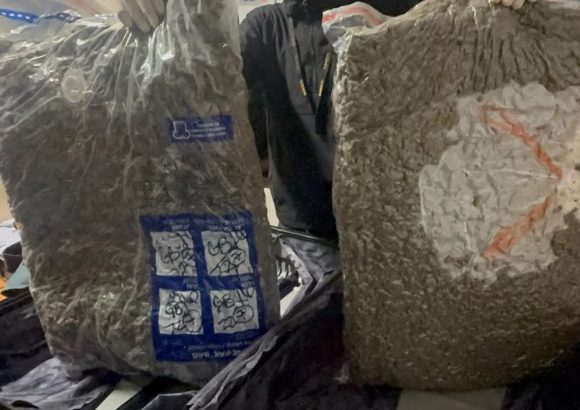
    In a joint anti-narcotics operation at one of the Dominican Republic’s busiest international air hubs, law enforcement agencies have intercepted a large shipment of marijuana, marking another significant step in the country’s ongoing fight against cross-border drug trafficking.

    The operation was carried out by personnel from three key institutions: the National Drug Control Directorate (DNCD), the Specialized Airport Security Corps (CESAC), and the country’s Public Ministry. During a routine security inspection conducted at Las Américas International Airport, teams spotted an unclaimed black hard-shell suitcase left unattended in the airport’s international arrivals zone. The bag had been left behind by a passenger who had disembarked from an incoming flight originating from New York.

    Acting in accordance with official protocol and under direct orders from a prosecuting attorney, law enforcement officers opened the abandoned luggage to conduct a full search. Inside, hidden between layers of everyday clothing, they discovered two separately wrapped packages containing marijuana. Following the seizure, the contraband was transferred to the National Institute of Forensic Sciences (INACIF) for formal processing and weight verification. INACIF’s official analysis confirmed the illegal drugs had a total weight of 28.98 pounds, just under the 29-pound threshold reported by initial responding teams.

    As of the latest update, investigators have already completed preliminary identification work on the passenger believed to be connected to the seized drugs. Law enforcement teams are currently actively pursuing leads to track down, apprehend, and prosecute the suspect connected to this smuggling attempt. In the wake of this seizure, senior Dominican authorities have reaffirmed their unwavering commitment to expanding and intensifying anti-drug enforcement operations across all entry points to the country. These operations cover airports, maritime ports, land border crossings, and other high-risk locations used by drug trafficking networks to move illegal narcotics into and through the Dominican Republic.