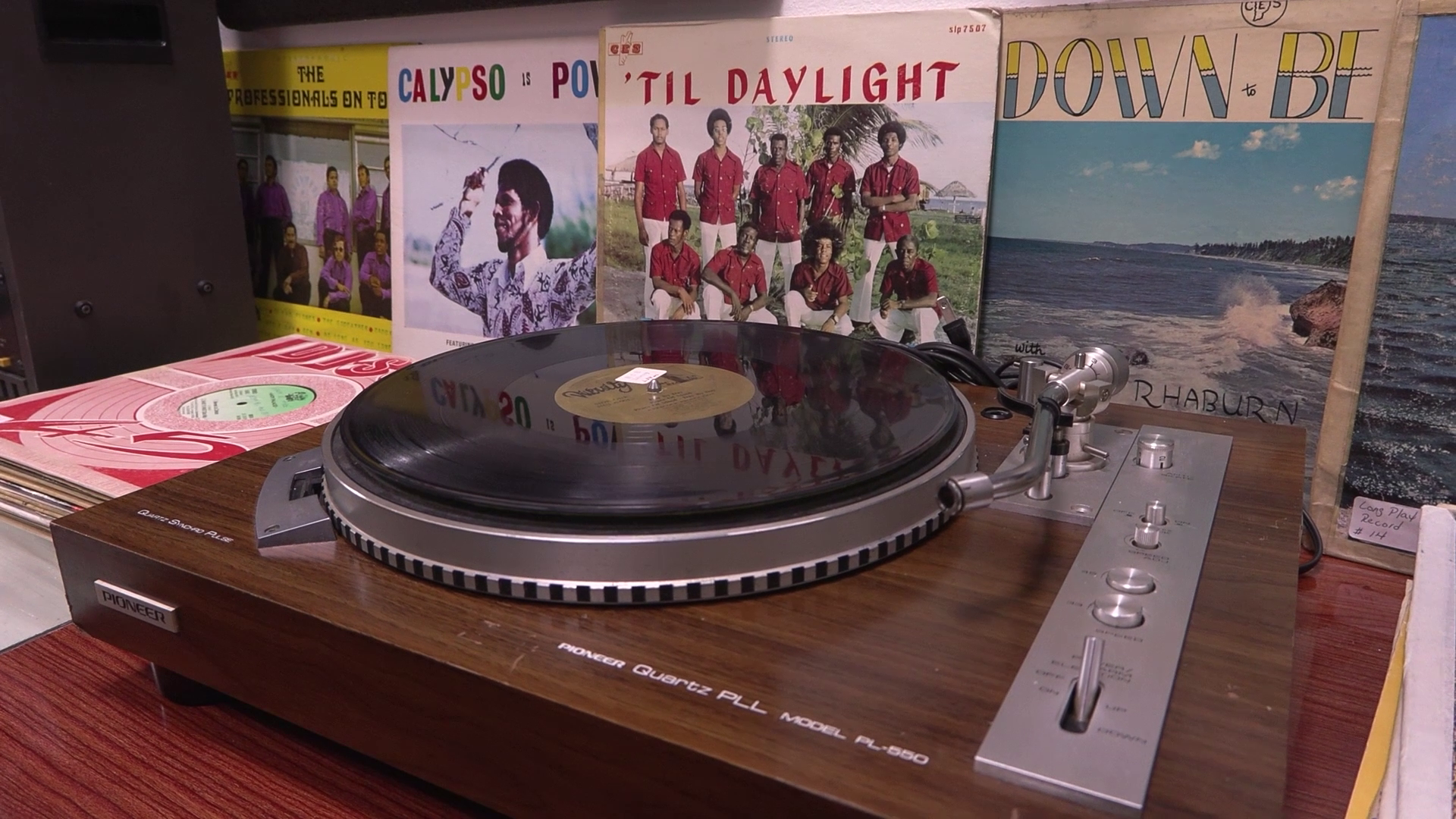
Belize’s rich, centuries-old musical legacy — which spans iconic local genres from brukdong to punta rock and holds the cultural identity of generations of Belizeans — is on the brink of being lost forever, as decades-old analog tapes and physical recordings slowly degrade, while many early recordings were never preserved at all. In response to this growing cultural crisis, the Belizean government has launched a landmark national initiative: the Belize Music Archive and accompanying Music Archive Lab, a project dedicated to rescuing these fading sounds, documenting the stories behind the music, and safeguarding them for future generations.
For Belize, music is far more than casual entertainment. It is a living repository of collective memory, a celebration of indigenous and community traditions, and a core pillar of the nation’s shared identity. Much of this irreplaceable history has already vanished, and what remains continues to face the dual threats of physical degradation and long-standing underdocumentation. Officials emphasize that proactive intervention is critical to halting further loss.
“Belize’s recorded music is an essential pillar of our national cultural heritage, history, and collective memory,” stated Francis Fonseca, Belize’s Minister of Education and Culture, during the official launch. “For generations, Belizean artists and musicians have captured our people’s languages, traditions, lived experiences, and creativity through their work. In recognition of how vital this legacy is to protect, the government of Belize — through the Ministry of Culture, the National Institute of Culture and History, and the Belize Archives and Records Service — is formally establishing the Belize Music Archive, a national initiative focused entirely on preserving and protecting our recorded musical heritage.”
As part of the project, archival researchers are working to digitize existing recordings held across a wide range of aging analog formats, from vintage reel-to-reel tapes to decaying broadcast cassettes. Beyond digitization, the team is also conducting active field work to track down undocumented artists and unarchived recordings that have never been cataloged or stored properly.
Ivan Duran, director of the Belize Music Project, which is leading the on-the-ground work for the archive, explained the urgent motivation behind the initiative. “All Belizeans recognize that music has always been central to Belizean society, and it shapes who we are as a people more than almost anything else,” Duran said. “Tragically, much of this history has already been lost: some musical traditions were never recorded at all, and many early broadcast recordings were never saved after airing on radio stations. This initiative exists to make sure we do not lose any more of our shared cultural story.”
One of the earliest and most important contributions to the new archive comes from Clifton Hall, a former audio engineer who spent decades working behind the scenes at Radio Belize, carefully curating and preserving the recordings that helped unify the nation. Hall spent years refining his craft to deliver the highest quality sound of Belizean musicians to radio audiences across the country, but his work was always driven by a larger goal: to make sure the music of his era would outlive him.
“My priority was always to deliver the best possible listening experience to audiences, which meant working closely with musicians to refine their recordings until they were as strong as possible,” Hall explained. “Through all that work, I always believed we needed to preserve the music and art that Belize creates, so that future generations would be able to understand and learn what life was like in our time.”
Despite these early individual efforts, much of Belize’s mid-20th century recorded music has already disappeared. Gina Scott, a research specialist with the Belize Music Project, noted that many older recordings were deliberately erased and tapes reused, simply because decision makers at the time did not recognize the long-term historical value of the recordings.
“For a long time, we as a community did not fully recognize the inherent value of our own cultural work, so we did not treasure the recordings and materials we had the way we should have,” Scott explained. “That means we no longer have access to a lot of irreplaceable content. For example, I spoke with a former director about The Blue Notes, a popular group that recorded at Radio Belize every week in the 1950s. They would record on the same tape every Wednesday, erasing the previous week’s recording to make space. When you multiply that practice across decades of groups and hundreds of tapes, you lose huge chunks of history. One of our biggest challenges now is filling in as many of those gaps as possible with what we have left.”
Today, archivists are in a race against time to rescue what remains before more recordings degrade or are lost permanently. As part of its public outreach, the Belize Music Archive is calling on all private individuals who hold old Belizean recordings in their personal collections to come forward and contribute to the archive, so that these sounds, personal stories, and voices can be preserved for generations of Belizeans to come. Shane Williams, reporting for News Five.