博客

  • Bella Vista Man Charged Over Buried Cocaine

    Bella Vista Man Charged Over Buried Cocaine

    A months-long targeted police surveillance operation in a Bella Vista neighborhood has concluded with the arrest of a 40-year-old local man on major drug trafficking charges, law enforcement officials confirmed this week. Roman Gamboa was taken into custody on Thursday after officers caught him in the act of burying packages of suspected crack cocaine in an undeveloped open lot, an area that had been monitored closely by authorities in the wake of a sharp spike in drug-linked violent crime throughout 2025.

    Assistant Superintendent of Police Stacy Smith, the lead officer on the operation, detailed that plainclothes surveillance personnel first spotted Gamboa digging in the lot’s soil, prompting tactical units to move in to make an arrest. As officers closed the distance on the suspect, he attempted to slip away and discarded a sealed plastic bag he had been holding.

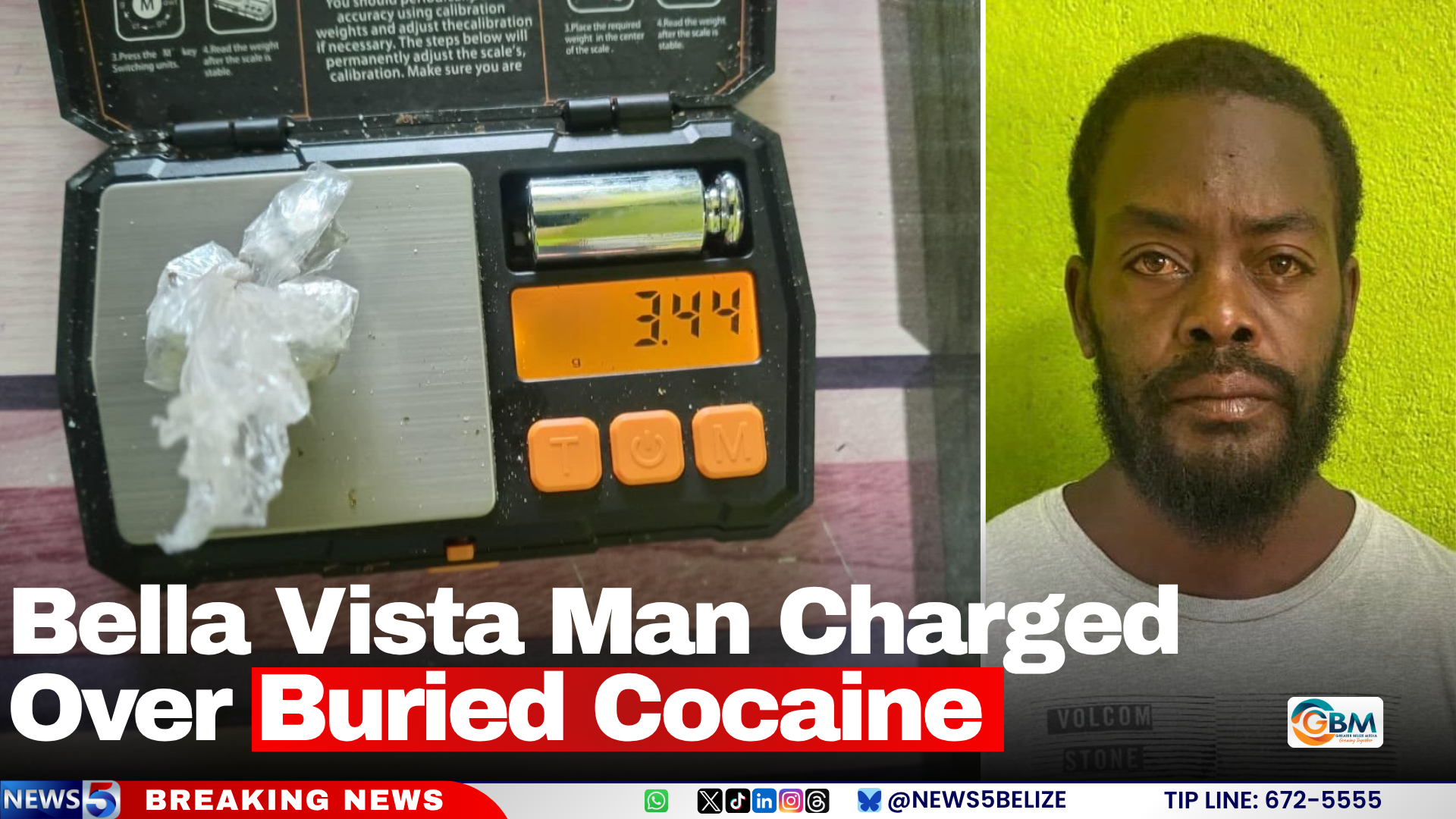
    Law enforcement quickly recovered the discarded bag, which investigators found held 15 individually wrapped aluminum foil parcels, each containing a quantity of suspected crack cocaine. Once Gamboa was detained, officers escorted him back to the digging site to conduct a systematic search of the surrounding area. Roughly 10 feet from where Gamboa had been working, officers uncovered a second cache of 15 additional foil-wrapped parcels that had already been buried underground.

    Forensic testing preliminary results put the total seized crack cocaine at just over 6.36 grams: 2.92 grams from the discarded bag, and 3.44 grams from the buried cache. Gamboa now faces two separate felony counts of possession of a controlled dangerous substance with intent to distribute, a charge that carries significant criminal penalties under local narcotics laws. The ongoing investigation is expected to lead to additional questioning of potential associates connected to the local drug trade operating in the Bella Vista area, officials added.

  • Greaves leads Windies fightback with career-best 180

    Greaves leads Windies fightback with career-best 180

    On the penultimate day of the second Test between West Indies and Sri Lanka at Sir Vivian Richards Stadium, a career-defining, eight-and-a-half-hour innings from batter Justin Greaves dragged the match firmly toward a inevitable draw heading into the final day on Tuesday. Greaves’ dogged, run-filled knock of 180 from 325 deliveries drained all momentum from Sri Lanka’s bid to secure an outright victory, helping the host side post a competitive first-innings total of 499 from 165.5 overs that gave the visitors a narrow 50-run lead at the end of the first innings. By the close of Monday’s play, West Indies had fought back to take two key second-innings wickets, leaving Sri Lanka stranded on 92 for two with an overall lead of just 142 runs.

    The day began with West Indies holding a solid position at 318 for four, with experienced opener Shai Hope on 86 and Greaves not far behind on 85. Greaves moved past his batting partner early in the session with a beautifully timed cover drive for four off pace bowler Asitha Fernando, but Hope quickly responded with a boundary off Milan Rathnayake to climb to 98. Moments later, Hope reached a historic milestone: he notched his first Test century on home Caribbean soil, and his fifth overall in international red-ball cricket, by clipping a single through cover off Rathnayake that pushed West Indies to 349 for four. A single from Hope off the first delivery of the next over also ensured West Indies cleared the follow-on margin, eliminating any immediate pressure on the home side.

    Not long after, Greaves, who had been stuck on 99 for several overs, reached his third career Test century — and his second at the Antigua-based Sir Vivian Richards Stadium — with a quick single to mid-on. The two batters adopted a steady approach of rotating the strike for singles and doubles as the lunch break approached, but a bizarre dismissal cut their partnership short just minutes before the interval. With the score at 386 for four, Hope attempted to pad away a delivery from left-arm spinner Sonal Dinusha that drifted down the leg side. The ball missed Hope’s bat and pads, ricocheted off wicketkeeper Kusal Mendis’ glove onto the stumps, and dislodged the bails while Hope was out of his crease, ending his innings at 112 from 243 deliveries after more than six hours at the crease.

    West Indies captain Roston Chase joined Greaves in the middle, and the pair carried the home side to lunch at 406 for five with no further damage. Their sixth-wicket stand added 52 crucial runs, but Chase, who had already been struck several times by short-pitched bowling from Fernando, finally edged another bouncer behind to the keeper to be dismissed for 23. Fernando followed up by dismissing Anderson Phillip for a golden duck, while Rathnayake claimed the wicket of Alzarri Joseph, caught at fine leg for 13, dropping West Indies to 465 for eight with just two wickets remaining. Greaves batted on with the lower order, adding 34 vital runs alongside tailenders Shamar Joseph and Jayden Seales, before he became the last man out. His marathon innings included 14 fours and two sixes, and it bled nearly all the remaining time out of Sri Lanka’s bid to force a result.

    Fernando finished as Sri Lanka’s leading bowler with impressive figures of five wickets for 130 runs, while Oshada Jayasuriya claimed three wickets for 131 to round out the visitors’ bowling performance. Chasing the opportunity to push for a win, Sri Lanka needed to score quickly in their second innings, but they stumbled into early trouble. Shamar Joseph trapped opener Lahiru Udara lbw with just two runs on the board, and the situation worsened when Nishan Fernandez fended a short delivery from Alzarri Joseph straight to slip, where John Campbell took a spectacular full-stretch catch to leave the visitors at 32 for two.

    However, experienced batter Dinesh Chandimal and Kamindu Mendis steadied the innings for Sri Lanka with an unbroken 62-run third-wicket partnership, scoring at a rate of more than five runs per over to see their side through to the close of play. At stumps, Chandimal was unbeaten on 40 and Mendis remained not out on 30, setting up a low-stakes final day that is widely expected to end in a draw.

  • Three Officers Detained After Raccoon Street Shooting

    Three Officers Detained After Raccoon Street Shooting

    On a Sunday night in the Raccoon Street Extension area, a report of sudden gunfire has triggered a major law enforcement investigation, with three active police officers among five people taken into custody following the incident.

    Local law enforcement officials confirmed that patrol units were dispatched to the location at approximately 9:10 p.m., after emergency communications received multiple civilian reports of shots being fired in the neighborhood. Acting on actionable intelligence passed along from the regional Crime Centre, responding officers quickly located a vehicle suspected of being linked to the incident and intercepted it before it could leave the area. All five people inside the vehicle were taken into custody for questioning immediately after the stop.

    A systematic search of the intercepted vehicle turned up two unregistered 9-millimeter pistols, while crime scene investigators working the area also recovered four expended bullet casings from the location where the gunfire was reported. Assistant Superintendent Stacy Smith, the lead official overseeing the case, told reporters that forensic preliminary analysis has already linked two of the five detained individuals as the registered owners of the seized firearms.

    As of the latest update, investigators have not received any official reports of civilian or officer injuries connected to the gunfire, and no victims have come forward to report being struck by bullets. At this stage of the probe, law enforcement has classified the incident as a case of illegal discharging of a firearm in a public area.

    Forensic teams are preparing to send the recovered expended casings out for ballistic comparative testing, which will help investigators confirm whether the rounds were fired from the two seized handguns. All five detainees remain in police custody as investigators work to piece together the full sequence of events, and authorities have not yet released any additional details about what led to the gunfire or the background of the individuals involved.

  • Put crime at top of new police commissioner’s agenda, say Barbadians

    Put crime at top of new police commissioner’s agenda, say Barbadians

    Barbados has entered a new chapter for its national law enforcement with the swearing-in of Sonia Boyce, the first woman to ever lead the Barbados Police Service. As Commissioner Boyce settles into her new role, members of the public have shared clear priorities they want her administration to prioritize, starting with an urgent crackdown on rising criminal activity, alongside long-overdue action on the social factors driving offending. Boyce officially took office during a ceremony at State House Thursday, where she outlined a leadership agenda centered on institutional reform, increased accountability for officers, more robust criminal investigations, greater on-the-ground police presence, and repairing fractured public trust in the police force.

    In interviews with Barbados TODAY, local residents universally ranked crime reduction as the top issue requiring Boyce’s immediate attention. Longtime Barbadian resident Wyville Callender argued that crime must sit at the very top of the new commissioner’s policy agenda, noting that the issue remains one of the most pressing threats to public quality of life. Callender added that Boyce, a veteran established officer with decades of experience in the service, has already proven she is fit for the role, and deserves full backing from rank-and-file officers to succeed in her new position. Beyond high-profile violent offenses, Callender also urged the service to prioritize cracking down on petty and property theft that erodes daily public confidence in safety.

    Matthew Smith, a Barbadian who has personally felt the impact of rising violent crime, echoed these calls. Smith shared that gun violence, in particular, has touched his own family, after a cousin suffered severe life-altering injuries in a gun-related incident several years ago. He also pointed to the illegal drug trade as a key root catalyst for much of the violent conflict on Barbados’ streets, noting that turf wars over drug trafficking are responsible for much of the current instability. Smith added that unaddressed crime poses a direct threat to Barbados’ economic backbone, tourism – the main source of national income not just for Barbados, but for many small island developing states across the Caribbean. Lower crime rates, he emphasized, will benefit the entire country by preserving its appeal to international visitors.

    Local resident Abraham Sealy echoed these concerns, stressing that out-of-control crime has left many residents feeling unsafe in their own communities, and restoring that sense of safety must be Boyce’s first mission. Sealy noted that protecting Barbados’ global reputation as a safe, welcoming tourist destination is critical to the nation’s long-term survival, emphasizing that visitors should be able to ride public transit, walk through downtown Bridgetown, and explore public spaces without fear of robbery. Like Smith, Sealy highlighted the illegal proliferation of unregistered firearms as one of the most urgent public safety challenges facing the island today.

    While violent crime and immediate public safety dominated discussions with older residents, younger Barbadians pushed the new commissioner to also address the underlying social issues that push people into criminal activity, to create long-term, sustainable reductions in offending. Nazaria Jordan-Mayers, a young Barbadian, pointed to rising violence in schools as a growing problem that requires urgent intervention, arguing that unaddressed school disorder creates patterns of violence that spill into communities later in life. She also called on Boyce to lead a public conversation challenging harmful stereotypes about young Barbadians, noting that unfair assumptions that all young people are unruly and uninterested in work can become a self-fulfilling prophecy that harms both youth prospects and national economic growth.

    Fellow young resident Shania Husbands echoed this focus on root causes, arguing that expanding economic opportunities for young people is one of the most effective crime prevention measures the government can invest in. Husbands noted that high youth unemployment and a lack of access to entry-level work leaves many young people with no legitimate income, pushing many into street activity and criminal offending. She called for the expansion of long-term employment programs for school leavers and out-of-work youth, providing targeted opportunities for young people to earn income legally so they do not turn to crime to get by.

  • Former Ombudsman Questions Delay in Naming Successor

    Former Ombudsman Questions Delay in Naming Successor

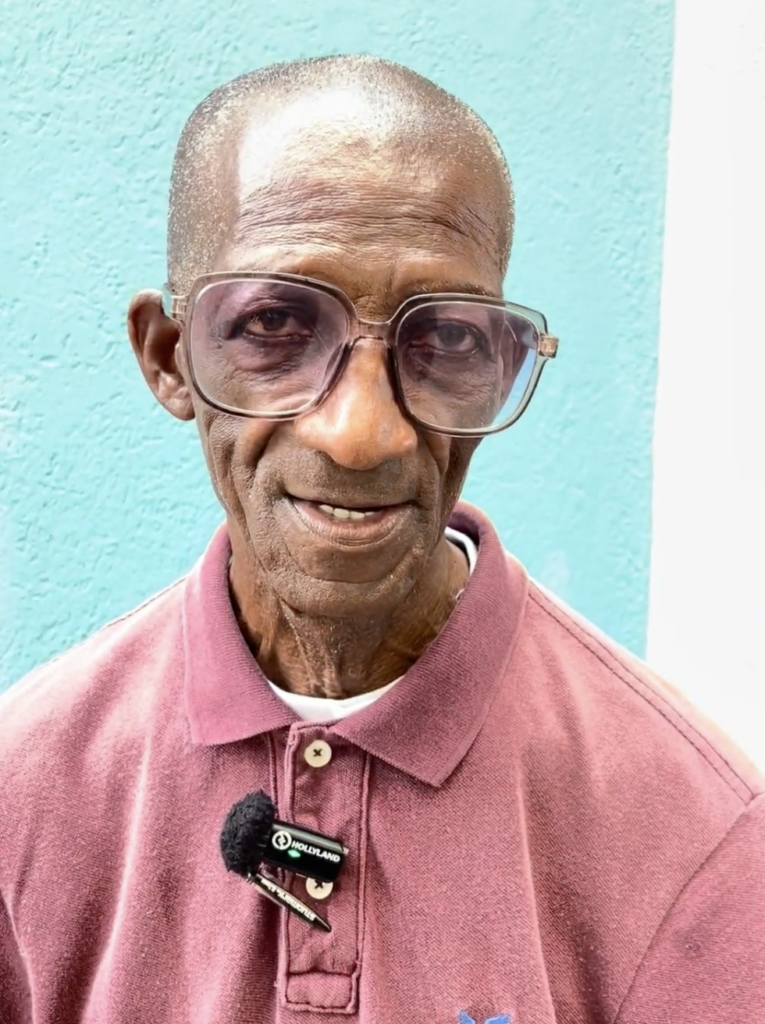
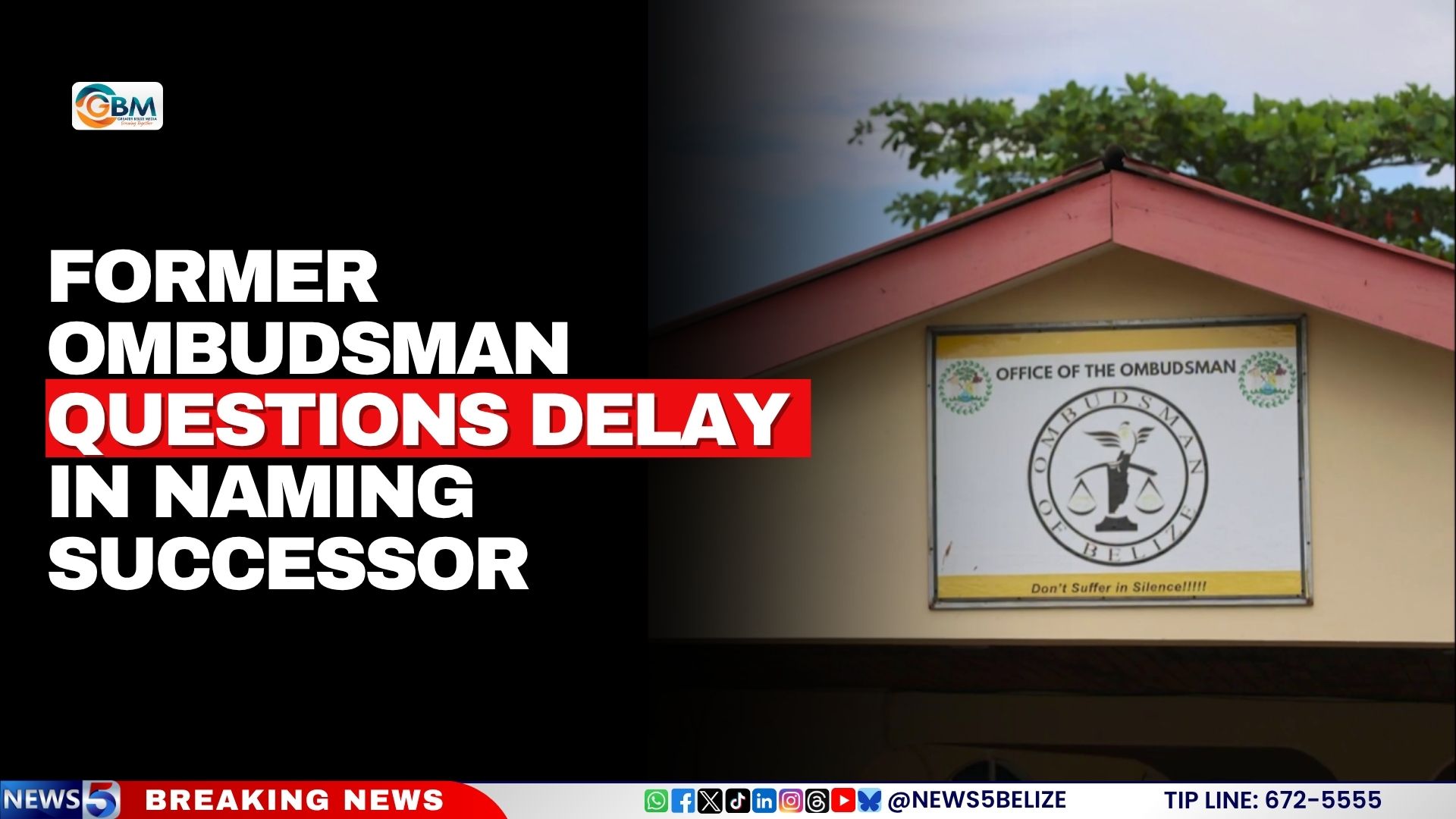
    Six months have passed since Belize’s Office of the Ombudsman was left without a permanent leader, and the retired former head of the institution is now publicly questioning what has caused the crippling delay in naming a successor.

    Retired Major Gilbert Swazo, who previously served as Belize’s Ombudsman, is sounding the alarm over the extended vacancy, warning that the unaddressed gap undermines government accountability and leaves marginalized, vulnerable citizens without the critical oversight the institution was designed to provide. The national Ombudsman’s Office is tasked with investigating complaints of maladministration, protecting human rights, and holding public bodies accountable to the public it serves, making a permanent leadership vacancy a critical vulnerability for the country’s governance framework.

    In response to public calls for clarity, the Government of Belize has framed the delay as a necessary side effect of an ongoing institutional overhaul: the transformation of the existing Ombudsman’s Office into a formal National Human Rights Institution. This planned reform is backed by 400,000 euros in international funding earmarked to support the transition and expansion of the institution’s human rights mandate.

    But Swazo argues that the government’s justification falls flat. The core problem, he emphasizes, is that the entire reform project cannot credibly move forward without the very leader who is meant to oversee the transition, serve as custodian of the new institution, and protect the human rights of Belize’s population. In his remarks, Swazo questioned the logic of advancing a project designed to strengthen the national human rights body without putting the key leadership in place first.

    “The question is, if it is then that the Office of the Ombudsman will be the beneficiary on behalf of the government of Belize who made that declaration, then in my humble view, what is the purpose of ensuing or continuing such a project without the key stakeholder for and on behalf of the country or who will be the custodian of such a project?” Swazo told reporters.

    He added that without a sitting Ombudsman at the helm, the transformation process lacks direction, and the Belizeans who stand to gain the most from the strengthened institution—particularly vulnerable groups across the country—are being left without the protections they are owed. The public questioning from the former Ombudsman has renewed pressure on the Belizean government to move forward with the appointment process, amid growing concerns that the delay is eroding public trust in both the reform effort and the country’s governance accountability systems.

  • The UWI and the Caribbean Telecommunications Union Formalise Strategic Partnership to Advance Regional Digital Development

    The UWI and the Caribbean Telecommunications Union Formalise Strategic Partnership to Advance Regional Digital Development

    On May 28, 2026, two leading Caribbean regional institutions — the University of the West Indies (UWI) and the Caribbean Telecommunications Union (CTU) — took a landmark step to deepen their decades-long collaborative relationship, signing a formal Memorandum of Understanding (MoU) at the Sagicor Cave Hill School of Business and Management, located on UWI’s Cave Hill Campus in Barbados.

    The new agreement codifies a strategic shift in the partnership, moving beyond the ad hoc cooperation that has defined the two organizations’ work for years to a structured, long-term framework aligned with the Caribbean’s most pressing digital priorities. Both institutions were founded to advance the collective interests of Caribbean nations, and the MoU reflects their shared commitment to more deliberate, coordinated action on digital development, regulatory policy, and regional digital resilience.

    Under the terms of the partnership, the two organizations will work together across a broad portfolio of focus areas, including digital policy design and regulatory frameworks, evidence-based research to inform decision-making, workforce and institutional capacity building, multi-stakeholder engagement, policy advocacy, joint resource mobilization, and turning high-level regional digital strategies into tangible, on-the-ground implementation. The agreement builds on a long history of successful collaboration: UWI’s world-class academic expertise has already supported multiple CTU-led policy development and capacity building initiatives, including recent work on artificial intelligence governance and regional digital policy harmonization.

    CTU Secretary-General Rodney Taylor emphasized the unique value of the combined strengths brought to the partnership. “This partnership brings together The UWI’s academic excellence and the CTU’s regional policy leadership to strengthen digital transformation across the Caribbean,” Taylor explained. “As we navigate emerging issues such as artificial intelligence, data governance, cybersecurity, and digital resilience, this collaboration will help ensure that the region not only responds to global developments but actively shapes them. Most importantly, this MoU moves us from dialogue to action, delivering tangible outcomes that advance sustainable development and benefit Caribbean people.”

    The signing comes at a pivotal juncture for the Caribbean, where digital transformation has emerged as a core driver of economic growth, improved public service delivery, enhanced climate resilience, and regional global competitiveness. By aligning UWI’s deep pool of regional academic expertise with CTU’s established policy leadership across the Caribbean, the partnership aims to ensure that the benefits of digital transformation are shared inclusively and advance long-term sustainable development for all Caribbean people.

    As a regional university with a physical presence across five campuses spanning the Caribbean — Mona in Jamaica, St. Augustine in Trinidad and Tobago, Cave Hill in Barbados, Five Islands in Antigua and Barbuda, and its distributed Global Campus — UWI holds a unique position to support CTU’s mandate through cutting-edge research, specialized training, evidence-based policy support, and global stakeholder engagement. The MoU formalizes the transition from occasional, project-based cooperation to a forward-looking strategic alliance designed to proactively shape the evolving global digital landscape, rather than merely react to external changes.

    Work on implementation began immediately following the signing, with four clear initial priorities already outlined. First, the partners will co-host a regional Artificial Intelligence Forum in Trinidad, scheduled for July 23–24, 2026. Second, they will advance work on regional digital governance and policy harmonization during CTU ICT Week 2026, set to take place September 20–24 in French Guiana. Third, the partnership will support the operational launch of UWI’s new Institute for Intelligent Systems, Governance and Human-Centred Technology (INSIGHT). Fourth, the alliance will address unmet regional capacity development needs through the UWI–ITU Academy Training Centre, UWI’s existing collaborative initiative with the International Telecommunication Union. These early action items make clear that the partnership is moving directly from agreement to delivery, with all work anchored in shared regional priorities and a focus on measurable outcomes.

    For additional media inquiries, contact Lois St Brice at the UWI Office of Global Affairs.

    Notes to editors: Accompanying photos are available with the following captions:
    – Image 769A6138: Ms. Sandrea Maynard, Pro Vice-Chancellor, Global Affairs, The University of the West Indies and Mr. Rodney Taylor, Secretary-General, Caribbean Telecommunications Union
    – Image 769A6140: Ms. Sandrea Maynard, Pro Vice-Chancellor, Global Affairs, The University of the West Indies and Mr. Rodney Taylor, Secretary-General, Caribbean Telecommunications Union
    – Image 769A6147: Mr. Rodney Lewis, Business Development Specialist, Caribbean Telecommunications Union; Ms. Sandrea Maynard, Pro Vice-Chancellor, Global Affairs, The University of the West Indies; Mr. Rodney Taylor, Secretary-General, Caribbean Telecommunications Union; and Professor Clive Landis, Pro Vice-Chancellor and Campus Principal, The University of the West Indies, Cave Hill Campus

    ### About the University of the West Indies
    For more than 75 years, UWI has been a cornerstone of Caribbean development, focused on advancing the well-being of all people across the region. Founded in 1948 as a small university college of the University of London in Jamaica with just 33 medical students, UWI has grown into an internationally respected global higher education institution serving nearly 50,000 students across five campuses and multiple international partnership centers across North America, Latin America, Asia, Africa, and Europe.

    UWI offers more than 1,000 certificate, diploma, undergraduate, and postgraduate programs spanning a wide range of fields, from the arts, agriculture, engineering, education, and law to medical sciences, technology, social sciences, and sport. As the Caribbean’s leading higher education institution, it hosts the region’s largest concentration of academic expertise dedicated to solving the most critical challenges facing the Caribbean and the world. UWI has been consistently ranked among the top global universities by Times Higher Education (THE) since 2018, and is the only English-speaking Caribbean institution featured across four of THE’s prestigious ranking lists: the World University Rankings, Golden Age University Rankings, Latin America and Caribbean Rankings, and Impact Rankings, which assess contributions to the UN Sustainable Development Goals. This global recognition supported the launch of UWI’s International School for Development Justice, a global online graduate business school training next-generation leaders for sustainable development. More information is available at www.uwi.edu.

    ### About the Caribbean Telecommunications Union
    CTU is an inter-governmental organization focused on supporting the sustainable development of the Caribbean information and communications technology (ICT) sector. It works to coordinate regional ICT action, identify and remove barriers to ICT growth, track industry progress, and respond to the evolving needs of the regional ICT ecosystem. CTU’s core mission is to build a cohesive regional ICT agenda that centers the needs of all stakeholders, expand affordable access to digital tools, and help Caribbean citizens use ICT to improve their lives and livelihoods.

  • Baby green monkey sale sparks animal welfare alarm

    Baby green monkey sale sparks animal welfare alarm

    A disturbing online advertisement offering a weeks-old infant green monkey for sale at $500 has ignited widespread condemnation from tourists and animal welfare advocates, who warn that the growing trade of baby primates for tourist photo opportunities is tarnishing Barbados’ global reputation as an idyllic paradise and relies on violent practices that harm or kill adult primates to separate infants from their families.

    This latest controversy has pulled back the curtain on a hidden, cruel trade that has become increasingly common across Barbados’ popular coastal areas: wild primates are systematically captured, torn from their social groups and families, and exploited for quick profit, with handlers parading the infants on busy beaches and even public transit to charge tourists for photos. For long-time visitors and tour operators who bring thousands of travelers to the island each year, this explicit commercial listing has pushed frustration over unaddressed animal exploitation to a breaking point.

    Speaking on condition of anonymity, a frequent Barbados visitor who organizes regular group tours to the island shared that the visible escalation of animal cruelty has caused deep distress among travelers who arrive expecting a peaceful, ethical tropical getaway. “I come to Barbados constantly, I bring hundreds of tourists here every year, and I love this island deeply,” the source explained. “But I have grown more and more disturbed by the open animal exploitation that visitors see everywhere now. The most shocking example is this listing for a baby monkey only a few weeks old, being sold for $500. An infant that young should still be with its mother. The only way this seller got this baby is by killing or forcibly separating the mother to take her child for profit. This is not conservation—it’s blatant exploitation, and it’s becoming far too common.”
    The source added that while some casual tourists may not recognize the violence behind the photo opportunities, many returning visitors and industry professionals are well aware of the abuse, and the practice is starting to change how people view the island as a travel destination.

    These concerns are echoed by Lalu Hanuman, a Barbadian attorney and prominent animal rights activist, who called the ongoing primate exploitation “horrendous and totally unacceptable.” Hanuman echoed the anonymous source’s assessment of the capture process, noting that obtaining an infant primate that young almost always requires killing or permanently displacing the mother. “I see these baby monkeys on the beaches all the time, leashed and forced to sit for photos with tourists all day in the hot sun, with no water, stolen from their families,” he told local outlet Barbados TODAY. “This is abuse, plain and simple, and it has to stop.”

    Hanuman emphasized that while existing legislation has gaps, law enforcement already has the legal authority to crack down on this practice—if policymakers and enforcement agencies demonstrate the political will to act. “The online ad had contact information, so police can easily track down the person who posted it and bring charges,” he said.
    Hanuman explained that Barbados’ animal welfare legal framework has evolved in recent years, but key flaws remain that have allowed exploitation to continue. The century-old Prevention of Cruelty to Animals Act, passed under the Owen Arthur administration, only extends legal protection to “tame animals or animals that exist for human benefit,” which explicitly excludes wild primates like green monkeys. Instead, authorities should use the 2023 Animal Health and Veterinary Public Health Act, which uses a far broader definition of protected animals that includes all terrestrial wildlife.

    Even the new law has a notable drafting error that creates confusion: the legislation lists two different fine amounts for the same offense, $50,000 and $100,000, both paired with a maximum two-year prison sentence. Despite this ambiguity, Hanuman noted that even the lower penalty carries enough weight to serve as a deterrent and prosecute offenders aggressively.
    When asked whether the open practice of primate exploitation on beaches and public transport means the activity has become normalized in Barbados, Hanuman pushed back on the idea that it is accepted by local communities, drawing a parallel to similar abusive tourist practices in other global destinations. “This is not normal here in Barbados, but it is a problem we see in many tourist spots around the world,” he explained. “I saw the exact same thing in Marrakesh, Morocco, where they dress baby monkeys up in clothes and charge tourists for photos. It’s abuse everywhere, and it’s illegal here under the 2023 law, so there’s no excuse for failing to prosecute.”
    Hanuman added that recent setbacks for the animal rights movement have compounded the problem of institutional inaction. Leading local animal advocacy group Be Their Voice was forced to withdraw a High Court appeal over the drowning of a dog at Pebbles Beach after the state threatened the group with crippling legal costs. “It’s a real shame that Be Their Voice had to pull out of that appeal, because it was a critical opportunity to push for stronger enforcement of our animal welfare laws,” Hanuman said. “That setback makes it even more important that authorities act now on this primate exploitation case to send a clear message that animal cruelty will not be tolerated in Barbados.”

  • Aid continues to flow to Venezuela as death toll from quakes exceeds 3,500

    Aid continues to flow to Venezuela as death toll from quakes exceeds 3,500

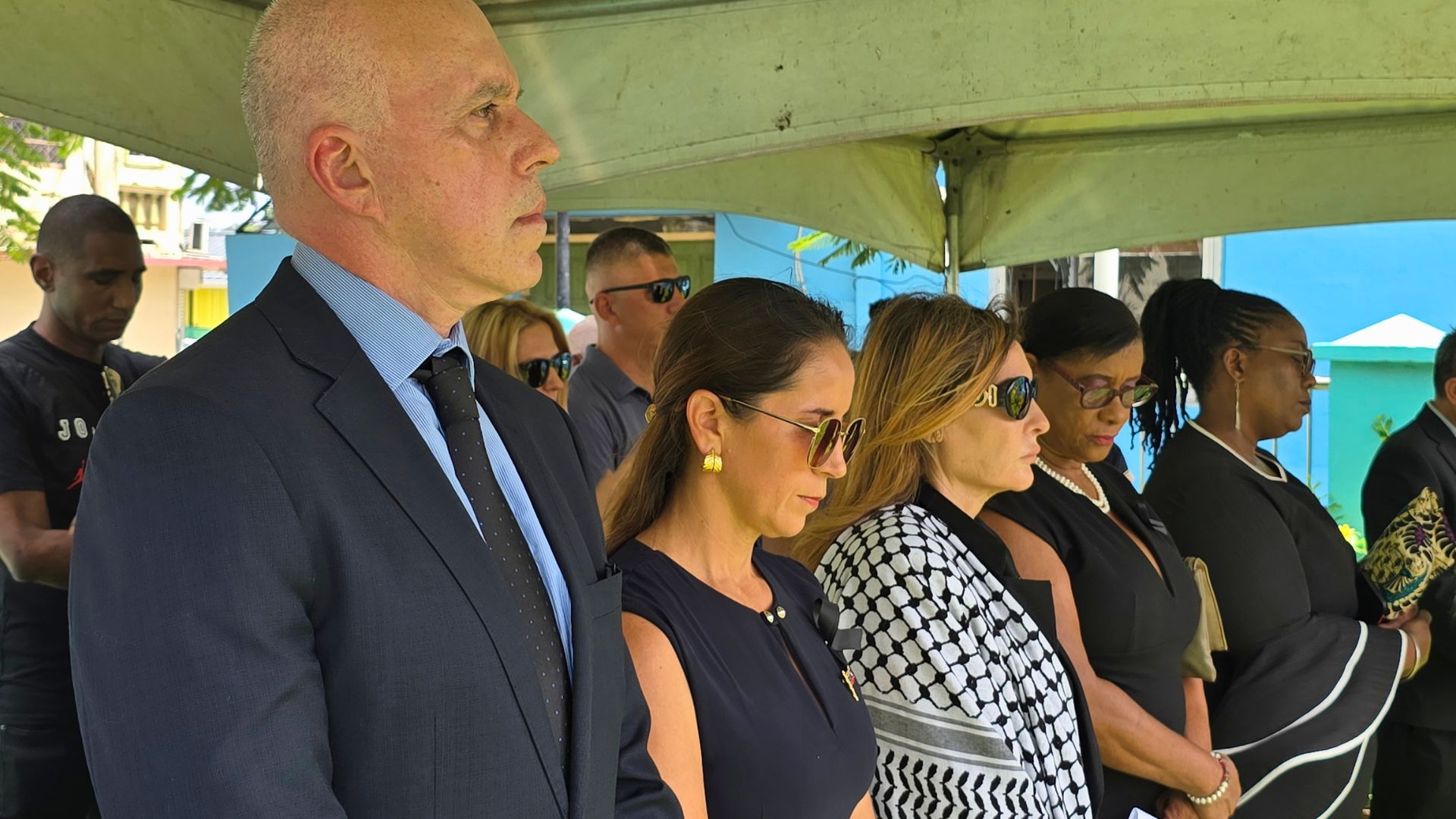
    Weeks after a pair of deadly earthquakes claimed more than 3,500 lives across Venezuela, the South American nation celebrated its 215th anniversary of independence on July 5 with a solemn, solidarity-focused commemoration hosted in neighboring Saint Lucia. The event, held at Castries’ Bideau Park, brought together diplomatic representatives from across the region to honor Venezuela’s independence legacy and stand with the disaster-stricken nation as it continues to recover from the June 24 disaster. What makes Bideau Park a particularly meaningful site for the gathering is the proximity of two historic statues: one of Simon Bolívar, the iconic Venezuelan independence leader, and a second of Jean Baptiste Bideau, a Saint Lucian national who once saved Bolívar from drowning.

    Venezuela’s Ambassador to Saint Lucia Leiff Liubliana Escalona Barrueta and Saint Lucia’s Ambassador to Venezuela Peter Lansiquot led the official proceedings, laying a ceremonial wreath at the foot of Bolívar’s statue, with a second wreath placed beside Bideau’s monument to honor the historic bond between the two nations. Attendees, including a cohort of career diplomats and supporters of Venezuela, also signed a formal book of condolences for the lives lost in the recent earthquakes. Even ahead of the ceremony, Saint Lucia’s top political leaders—Prime Minister Philip J. Pierre and External Affairs Minister Alva Baptiste—had already extended official condolences to Venezuela in the wake of the tragedy.

    As international humanitarian aid continues to flow into Venezuela following the disaster, participating nations used the commemoration to reaffirm their commitments to supporting the country’s rescue and recovery efforts. Karla Ornelas, Chargé d’Affaires for Mexico’s Embassy in Saint Lucia, confirmed Mexico has maintained steady aid deliveries since the earthquakes struck, with cargo ships carrying critical first-need supplies departing for Venezuela every 48 hours. Ornelas added that Mexico has also deployed approximately 100 personnel to support on-the-ground operations, including military rescue teams, K9 search units, Red Cross workers, and civil society volunteers.

    Brazil similarly reiterated its solidarity, with Brazilian Ambassador to Saint Lucia Colbert Pinto describing his country’s assistance as a small but meaningful token of regional brotherhood. Pinto confirmed Brazil has already dispatched four fully loaded cargo planes carrying aid supplies to Venezuela, in addition to deploying specialized firefighters, urban search and rescue teams, K9 units, and life-saving medical equipment to support response efforts.

    Addressing the gathered diplomatic delegation, Ambassador Escalona Barrueta expressed profound gratitude to all nations that have stepped forward to support Venezuela in its time of need. “To the representatives of brotherly nations present today, we express our deepest gratitude for every message of condolence, every extended hand and every gesture of technical and humanitarian cooperation,” she said.

    When asked about the risk of Saint Lucian casualties in the disaster, Ambassador Lansiquot noted that no official reports of affected Saint Lucians had been released as of the ceremony. He added that a large Saint Lucian community does not reside in Venezuela, making casualties unlikely, but officials would continue to monitor updates as more complete casualty statistics are released.

    Reflecting on the unique symbolism of holding the commemoration at Bideau Park, Escalona Barrueta drew a powerful connection between Bolívar’s historic legacy of resistance and Venezuela’s current battle against the aftermath of the earthquakes. She recalled that when old order elites attempted to exploit national misfortune centuries ago to spread fear and force submission, claiming disaster was divine punishment, Bolívar issued a defiant declaration that remains just as resonant today: “if nature opposes us, we shall fight against it and make it obey us.” That declaration, she emphasized, is the perfect embodiment of the unbreakable will and resilience that the Venezuelan people are demonstrating in the face of this national tragedy.

  • Women’s football hub at YMCA, fields being readied for PM’s Cup

    Women’s football hub at YMCA, fields being readied for PM’s Cup

    Barbados is making landmark strides in growing domestic football, with the government announcing a transformative plan to build a purpose-driven dedicated home for women’s football at the island’s YMCA complex. The initiative forms a core pillar of a broader national push to expand the prestigious Prime Minister’s Cup and roll out specialized football infrastructure across the country, Youth and Sports Minister Charles Griffith confirmed during the competition’s official launch.

    A historic first for the 2026 iteration of the tournament, scheduled to kick off in September, will be the addition of a standalone women’s competition – one that carries the same $100,000 top prize as the long-standing men’s draw, marking a major step forward for gender equity in Barbadian sport.

    Griffith outlined the steady progress of the country’s football infrastructure upgrade, noting that 12 purpose-built football pitches have already been delivered under the scheme tied to the Prime Minister’s Cup. Several venues, including Blades Hill, Parish Land, Checker Hall, Speightstown and Hilda Skeene Primary, are already fully prepared for upcoming matches. Works are ongoing at the Belleplaine site to bring it up to standard, while installations of new floodlights are planned for the Sweet Vale location to enable evening matches. Critically, all these venues will be permanently converted to full-time football facilities, a shift driven by ongoing challenges facing local cricket that has opened up new space for football development. The YMCA venue, in particular, will be reserved exclusively to serve the growing women’s football community, Griffith added.

    Prime Minister Mia Mottley used the launch event to reinforce the administration’s long-term commitment to growing football across all age groups, announcing a planned new youth division that will be added to the competition structure in the near future. While the junior tournament will operate under different rules and scheduling than the senior event, Mottley confirmed it will conclude its schedule in November, running two weeks ahead of the main senior Prime Minister’s Cup.

    The prime minister emphasized that expanding youth access to organized football is about more than competition: it is about building a long-term national football culture that could eventually rival Barbados’ historic love of cricket. By giving young athletes structured pathways to compete and improve from an early age, the government aims to foster a lasting national affinity for the sport. “Sports and culture create global citizens,” Mottley noted. “Nobody is going to ask you about a visa if you’re the best in your sport,” she added, underscoring the life-changing opportunities elite sport can open up for young Barbadians.

  • Ten jobs to go at BESCO after harvest as cost pressures mount

    Ten jobs to go at BESCO after harvest as cost pressures mount

    Facing ongoing financial challenges that have put the island nation’s sole sugar production facility at risk, Barbados Energy and Sugar Company (BESCO) announced Monday it will eliminate 10 positions following the 2026 sugar harvest in a targeted cost-cutting move designed to safeguard the business’s future.

    The layoffs form the core of a narrow restructuring initiative intended to align the firm’s headcount and operating expenses with its current market conditions, company leaders confirmed. In an official statement, BESCO framed the personnel cut as an “extremely difficult” call that was not made lightly, emphasizing full awareness of the profound personal disruption the decision will bring to impacted workers and their households. “This is a painful decision for the company because it affects people who have contributed to BESCO and to Barbados’ sugar industry,” the statement read. “At the same time, BESCO has a responsibility to make decisions that protect the viability of the business and preserve the possibility of continued operations in future crop years.”

    BESCO officials noted the restructuring is a direct response to long-running operational and financial headwinds that have impacted not just the firm, but the entire Barbadian sugar sector. Following the government’s divestment of public sugar operations, BESCO has operated as an entirely private entity with no access to state subsidies. Unlike its publicly run predecessor, the firm must cover all expenses—from factory maintenance and cane processing to sugar and molasses production, payroll, and other core obligations—exclusively through commercial revenue. This operating model has forced a full review of staffing levels and overall cost structures to build a more financially sustainable operational foundation, the company explained.

    “The decision is not a reflection on the value of the individuals affected,” the statement clarified. “It reflects the commercial reality facing BESCO and the need to ensure that the company is not carrying cost structures that it cannot sustain. Our priority is to handle this process respectfully, lawfully, and with as much care as possible.”

    All impacted employees have already been notified of the company’s decision, and BESCO’s management team and human resources department will walk affected workers through all required next steps. The firm will also work directly with displaced staff to finalize severance packages and resolve administrative matters, in full compliance with local labor laws and established human resources best practices.

    Even as it reduces its workforce, BESCO has reaffirmed its long-term commitment to cane processing and the development of a resilient, sustainable business model for sugar and its derivative by-products. The company will continue collaborating with local sugarcane farmers, suppliers, industry regulators, remaining staff, and other key stakeholders to boost operational efficiency, stabilize production, and shore up the long-term viability of the entire Barbadian sugar sector.

    “We understand the national significance of sugar and the concern that any workforce decision will create,” a BESCO spokesperson said. “BESCO’s objective is not simply to reduce costs, but to make the adjustments required to give the business a stronger chance of continuing to serve farmers, customers, workers, and Barbados in the years ahead.”

    The announcement aligns with broader national efforts to strengthen Barbados’ agricultural sector, as the government advances its Agriculture 2030 agenda—a strategic plan focused on modernizing national agriculture, boosting industry-wide efficiency, attracting new private investment, and building commercially sustainable operations across all agricultural subsectors.

    Moving forward, BESCO says it will release regular factual updates and maintain direct communication with key stakeholders to reduce uncertainty and prevent the spread of misinformation about the restructuring process.