博客

  • “$1 Turned Into $5,000”, Says Latest Winner of Scratch and Win

    “$1 Turned Into $5,000”, Says Latest Winner of Scratch and Win

    An ordinary work break in Belmopan turned into a life-changing moment of luck for a local man, who walked away with a $5,000 grand prize from a $1 scratch-and-win lottery ticket, in what has become a feel-good story of unexpected good fortune.

    The winner, who prefers to keep his identity private, shared his experience with local outlet News 5, recalling that the spontaneous win came about when he sent one of his employees to pick up the ticket during the crew’s mid-shift break around 3 p.m. the day before the announcement. When the worker made his way back from the retail outlet, he decided to scratch off the ticket’s coating on a whim, after getting the go-ahead from his employer. It was then that he spotted the winning combination, immediately calling out the surprising news to his boss.

    “I was completely shocked – I said, ‘You’re kidding me, right?’” the winner recalled in his interview. Still disbelieving of the sudden windfall, he rushed back to the retail location where the ticket was sold to confirm the win with the store staff, still reeling from the fact that a $1 impulse purchase had netted him 5,000 dollars. “It still doesn’t feel quite real – it’s just amazing,” he added.

    As of the public announcement of the win, the lucky Belmopan resident has not yet settled on how he will use the unexpected prize money. Despite his big win, he is quick to offer a measured piece of advice to casual lottery players: he does not encourage frequent or habitual lottery play, but notes that an occasional flutter can bring a little excitement and just might pay off. For context, the winner shared that he is not a regular lottery buyer, making this spontaneous purchase an extraordinary stroke of luck that he never saw coming.

    The winning $1 ticket was confirmed to have been purchased at a retail location in Belmopan, marking the city’s latest unexpected lottery success story.

  • Commonwealth officials finalise draft on partnerships, investment ahead of leaders’ summit

    Commonwealth officials finalise draft on partnerships, investment ahead of leaders’ summit

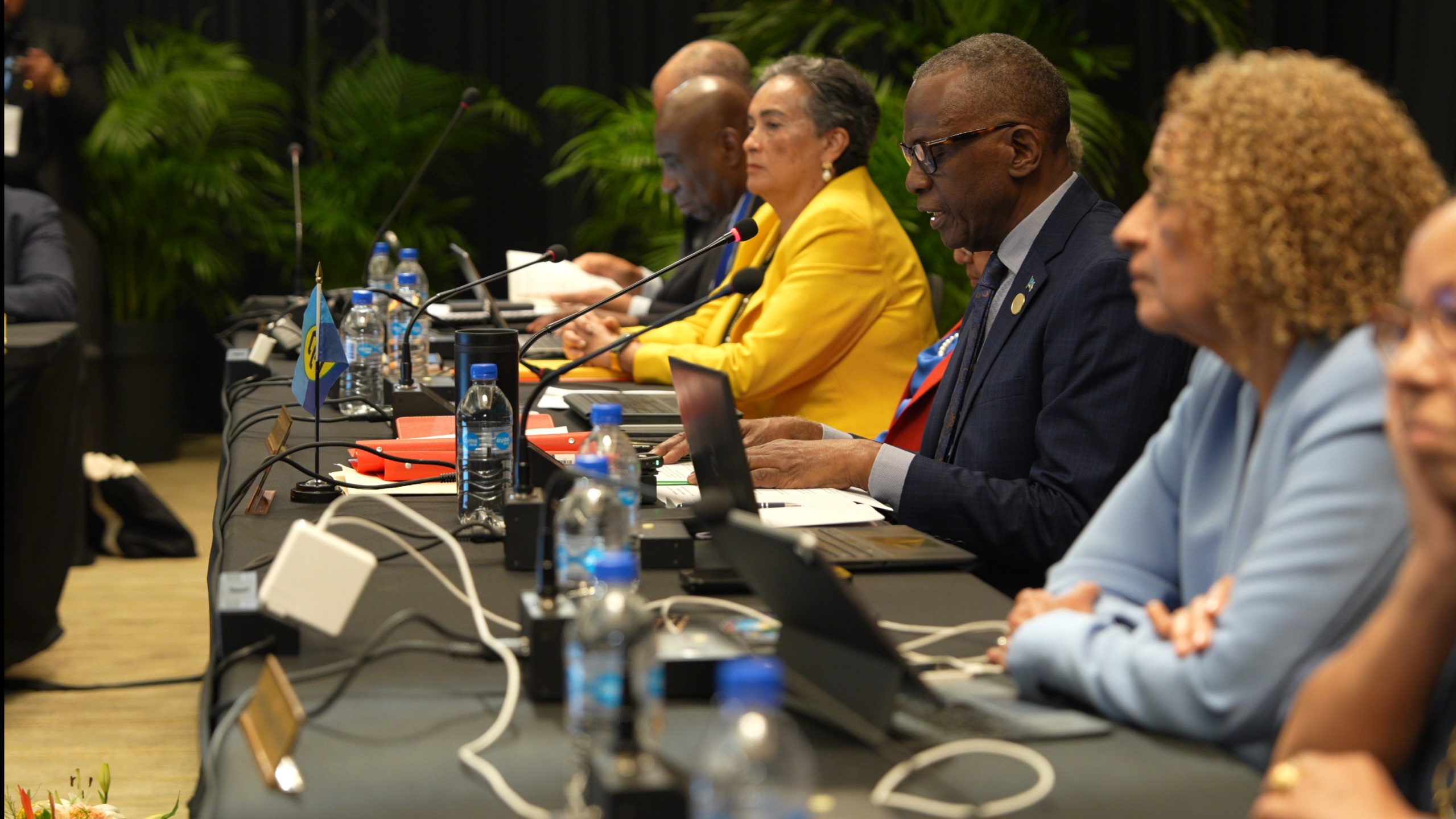
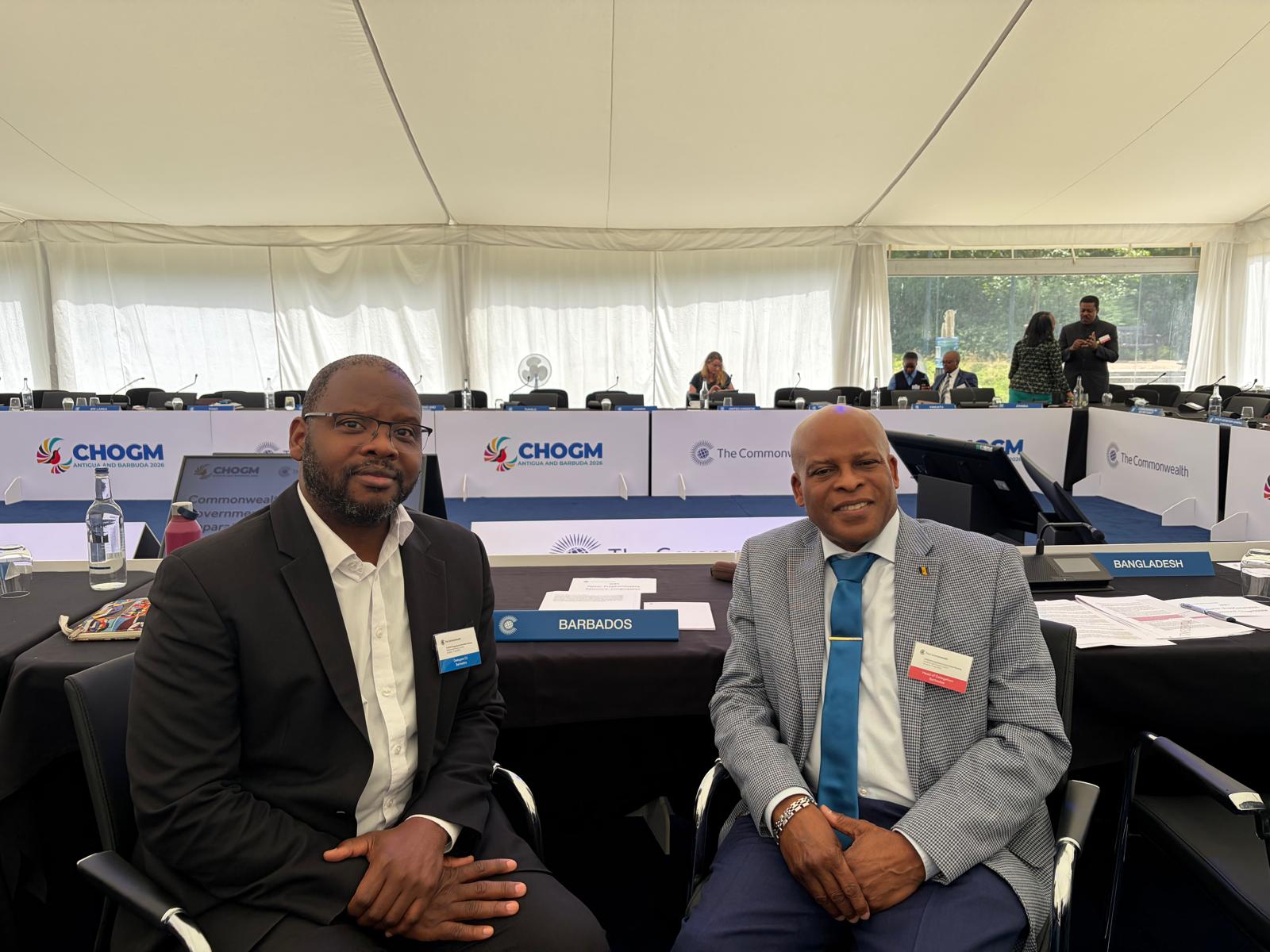
    As the 2024 Commonwealth Heads of Government Meeting (CHOGM) approaches, senior representatives from the bloc’s 56 member states — most of which are former British colonies — have finalized a draft framework aimed at accelerating global investment and overhauling outdated international financial systems. The gathering, held at the Commonwealth Secretariat in London, marked a key milestone in negotiations, with the government of Barbados leading a push to secure formal official recognition for its landmark Bridgetown Initiative ahead of the November 1–4 summit in Antigua.

    Barbados’ top diplomatic representatives in London, High Commissioner Edmund Hinkson and Minister-Counsellor Dr. Ricardo Kellman, took a central role in shaping the draft document during the preparatory talks. According to Hinkson, Barbados’ core priority in the negotiations is securing a public reaffirmation of the Commonwealth’s commitment to the Bridgetown Initiative, which is framed as a critical multilateral platform to address longstanding gaps in the global financial order. The proposal is specifically designed to center the unique economic and climate vulnerabilities faced by small island developing states (SIDS) and low-income less developed countries (LDCs), groups that have long been sidelined in global financial governance.

    The draft agreement reached by representatives lays out a coordinated agenda for collective action across member states. It commits all Commonwealth nations to continuing collaborative work to dismantle deep-rooted structural barriers that have blocked vulnerable countries from accessing critical climate finance. To better respond to growing climate shocks, the framework backs the expansion of innovative financial tools including sustainability-linked financing, disaster-risk insurance and financing instruments, which are intended to deliver fast, predictable liquidity for crisis response, climate adaptation, and addressing irreversible climate loss and damage.

    Additionally, the draft encourages widespread scaling up of a broad suite of climate-resilient and innovative financing and insurance mechanisms. These include sovereign guarantees, sustainable development bonds, cross-border risk-sharing frameworks, blended public-private finance, low-interest concessional loans, dedicated climate resilience provisions, and debt-pause clauses that allow vulnerable nations to suspend debt repayments in the wake of climate disasters.

    On one high-profile issue — demands for reparatory justice for the historic harms of slavery and the transatlantic slave trade — officials agreed to delay a final decision for the bloc’s foreign ministers, who will take up the matter at the opening of the upcoming CHOGM. The campaign for reparatory justice first emerged in Barbados before spreading across former British colonies in the Americas, making it a key priority for many small Caribbean member states of the Commonwealth. Once foreign ministers review the full draft package at the start of the summit, they will vote on final adoption before it is put forward for endorsement by attending heads of government.

  • Central Bank warns public about fraudulent WhatsApp calls

    Central Bank warns public about fraudulent WhatsApp calls

    The Central Bank of Barbados has issued an urgent public warning regarding a coordinated fraudulent scam operating via WhatsApp, where bad actors are using the bank’s official branding to trick individuals into disclosing sensitive financial data. According to the bank’s official advisory, the deceptive calls originate from international phone numbers carrying the Pakistani country code (+92), and falsely claim affiliation with both the Central Bank of Barbados and its digital payment service BiMPay.

    In a clear statement released to the public, the institution emphasized that these unsolicited communications never came from the Central Bank of Barbados. The bank further clarified that it has a strict policy against reaching out to members of the public out of the blue to discuss BiMPay or any of its other services, eliminating any possibility that legitimate bank representatives would initiate such contact.

    To help the public avoid falling victim to the scam, the Central Bank is urging all individuals to exercise extreme caution when receiving unexpected communications asking for personal information. Specifically, officials warned against sharing any sensitive financial details, including account passwords, personal identification numbers (PINs), and one-time security codes, regardless of how legitimate the caller’s claim of affiliation may appear.

    For those who have already shared confidential information with the scammers, the bank outlined immediate steps to mitigate harm. Affected individuals are instructed to contact their respective financial institutions right away through official, verified contact channels. Recommended protective actions include changing all account passwords and PINs, and monitoring account activity closely for any unauthorized transactions.

    The advisory also notes that community members who receive these suspicious calls should report the incident to the Barbados Police Service in appropriate cases, to help law enforcement track and disrupt the scam operation. For anyone needing to verify information or reach the Central Bank directly, the bank provided its official contact details: the main PBX line at 436-6870, and the dedicated BiMPay hotline at 424-2729.

    To further protect the public, the Central Bank encouraged individuals to only seek information about the bank and its programs through its verified official digital channels. These include the bank’s official website at centralbank.org.bb, and the dedicated BiMPay website at BiMPay.bb, which serve as the only authoritative sources for up-to-date, accurate information about the institution’s work.

  • Educational Testing and Examinations Unit: Certification of documents

    Educational Testing and Examinations Unit: Certification of documents

    Grenada’s Ministry of Education has released an official public notice outlining adjusted and upcoming schedules for two key educational document services, offering clarity for applicants waiting to process official paperwork. The department’s Educational Testing and Examinations Unit has confirmed that two special dedicated sessions for document certification will be held at the Ministry of Education headquarters on Thursday, July 9, 2026, and Friday, July 10, 2026. Alongside this certification service, these two days will also open for pre-notified applicants to collect their official Statements of Qualification, a critical document for education and employment purposes. Only individuals who have already received direct communication from the Educational Testing and Examinations Unit confirming their documents are ready for pickup will be able to access the collection service during these special dates. After the conclusion of these two special sessions, both document certification and Statement of Qualification collection services will shift to a regular weekly schedule. Moving forward, members of the public will only be able to access these services between 9 a.m. and 12 p.m. on Tuesdays, Wednesdays, and Thursdays each week. This notice comes as part of the ministry’s ongoing effort to help residents plan ahead for official educational document processing, reducing wait times and confusion around service availability. As a standard publishing note, NOW Grenada, the outlet that carried the original announcement, has clarified that it does not take responsibility for opinions, statements, or third-party contributed content published on its platform. The platform also invites users to report any content that violates its community guidelines via an online reporting portal.

  • CARICOM seeks CCJ guidance on secretary general reappointment

    CARICOM seeks CCJ guidance on secretary general reappointment

    A long-simmering dispute over the reappointment of CARICOM’s top leader has pushed the regional bloc to turn to its judiciary for clarification, marking a test of the Caribbean integration project’s commitment to rule-based conflict resolution.

    The impasse emerged after the government of Trinidad and Tobago formally raised objections to the procedural framework used to reappoint Dr. Carla Barnett to the post of CARICOM Secretary-General. Following a two-day heads of government retreat held this week, regional leaders announced a unified agreement to formally request an advisory ruling from the Caribbean Court of Justice (CCJ) to resolve the deadlock.

    In an official public statement released Tuesday, CARICOM confirmed it will initiate proceedings under Article 212 of the Revised Treaty of Chaguaramas, the core legal document that underpins the 15-nation regional bloc. The statement explicitly acknowledged Trinidad and Tobago’s call for judicial review, noting that the CCJ was established specifically to serve as the authoritative body for interpreting the founding treaty of CARICOM.

    Until the CCJ delivers its formal advisory opinion, regional leaders have agreed to maintain the current status quo around Barnett’s reappointment. The bloc emphasized that this negotiated approach will allow the dispute to be resolved peacefully, without disrupting the day-to-day operations of CARICOM’s core institutional functions or prejudicing the legal position of any involved party.

    Beyond addressing the immediate reappointment dispute, CARICOM leaders used the retreat to reaffirm their commitment to a wider, ongoing review of the bloc’s governance architecture. This review was first mandated at the previous CARICOM conference held in St. Kitts and Nevis, with the explicit goal of strengthening institutional governance and boosting the overall effectiveness of the regional body.

    Heads of government stressed that the ongoing governance review does not call into question the professional or personal integrity of any member state or individual involved in the current dispute. Instead, they framed the process as a reflection of the bloc’s collective commitment to continuous institutional improvement and upholding the highest standards of good governance across the region.

    In closing, the statement reaffirmed all participating leaders’ continued dedication to the founding ideals and core objectives of CARICOM. Despite current divisions over the reappointment process, leaders reiterated their intention to maintain collaborative work to advance shared regional interests and address the common challenges facing Caribbean nations.

  • Che Brothers Found Guilty of Attempting to Murder Man

    Che Brothers Found Guilty of Attempting to Murder Man

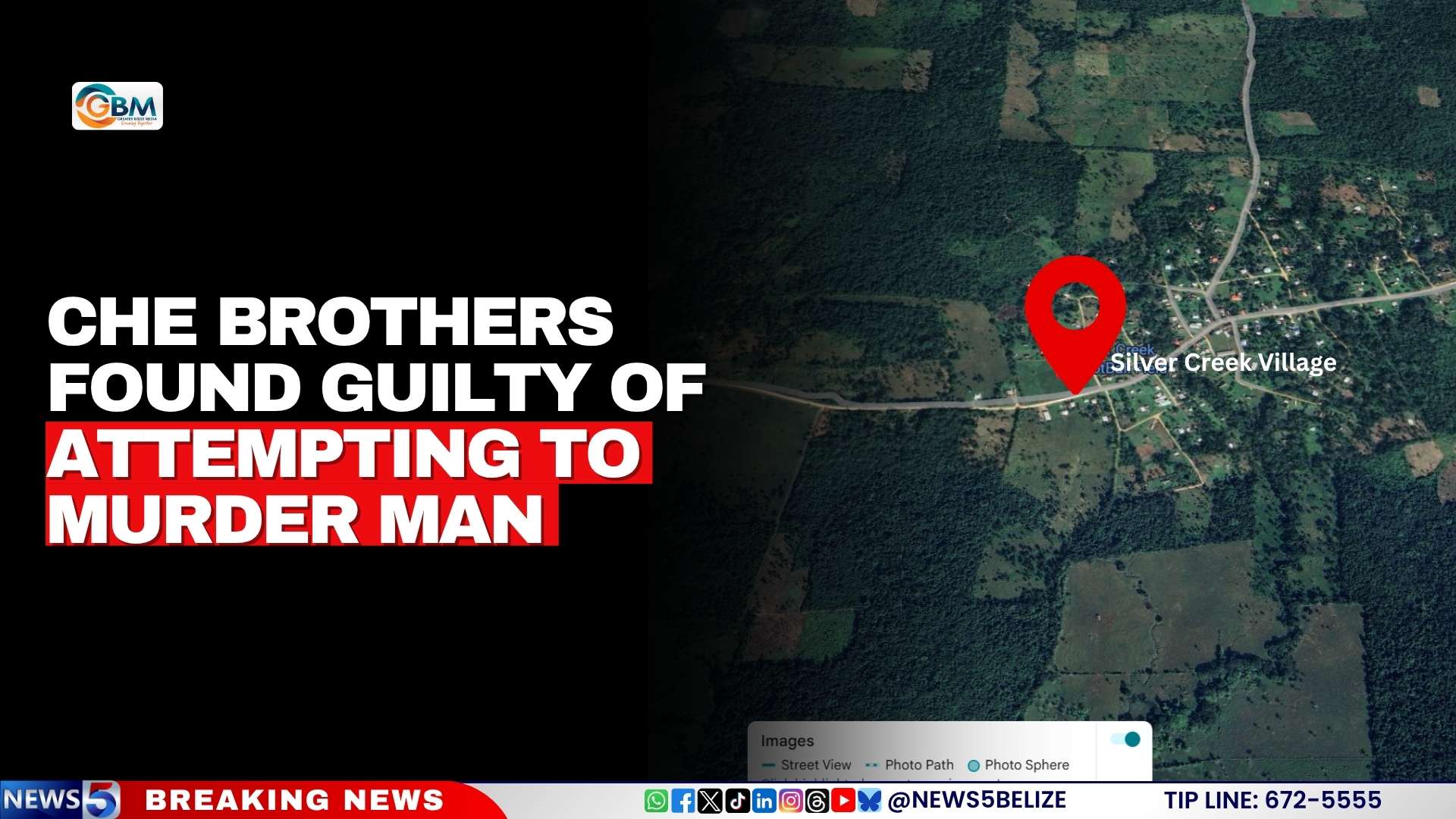
    Nearly five years after a brutal late-night home attack left a Belizean man permanently disabled, a Supreme Court justice has delivered a guilty verdict in one of the country’s high-profile violent crime cases. On Monday, Justice Natalie Creary-Dixon found Toledo District residents Orville Che and Fredrick Che guilty of attempted murder for the early morning assault on Alanberto Teul in Silver Creek Village on May 9, 2021.

    Court documents outline a premeditated attack rooted in longstanding local tension. The violence began just before 11:30 p.m. on May 8, when an unidentified person knocked loudly on Teul’s front door calling his name. Teul, assuming the visitor was his own brother, opened the door and was immediately rushed by two armed assailants who used a machete, a wooden stick, and a claw hammer to inflict life-threatening damage. The victim’s then-14-year-old son, Edvin Teul, who was in the home at the time, intervened to stop the attack and suffered a hand wound and blunt force trauma from the hammer when he was struck by one of the brothers.

    In a testimony that would become the backbone of the prosecution’s case, Edvin confirmed he had no trouble identifying both attackers, as he had grown up in the same small community and was familiar with both men. Even though one of the brothers briefly wore a face covering during the attack, Edvin told the court the home’s interior lighting was bright enough for him to clearly see both men’s faces, confirming Fredrick Che carried the machete that inflicted the worst injuries, while Orville Che wielded the wooden stick.

    Law enforcement moved quickly to apprehend the suspects, arresting both brothers less than 24 hours after the attack at a residence in nearby Big Falls Village. Officers recovered key physical evidence from the arrest site, including a damp camouflage outfit, rubber work boots matching descriptions from the scene, and the yellow-and-black hammer used to strike the victim and his son.

    Medical testimony during the trial painted a grim picture of the long-term harm caused by the attack. Treating physicians confirmed Teul suffered a catastrophic skull fracture that exposed brain tissue, requiring emergency surgery and an urgent blood transfusion to save his life. Subsequent medical evaluations confirmed Teul has been left with permanent brain damage, partial paralysis, and chronic seizure disorder; he now relies on a wheelchair for most mobility and is unable to work or live independently.

    Due to Teul’s severe cognitive impairments from the attack, the court allowed a statement he gave to investigators three months after the incident to be entered into evidence, though Justice Creary-Dixon ultimately assigned little weight to the document, noting Teul may not have been coherent enough to provide a full, accurate account of the attack so soon after his injury. Instead, the guilty verdict rested almost entirely on Edvin’s eyewitness account, which the judge praised as consistently credible and unwavering even through intense cross-examination by the defense.

    The legal team for the Che brothers attempted to argue the pair were asleep at their home during the timeframe of the attack, presenting an alibi witness to support their claim. However, the witness was unable to definitively confirm the brothers’ whereabouts during the specific hours of the assault, leading the judge to reject the entire defense narrative.

    During the trial, prosecutors and legal observers pointed to a potential motive tied to local folklore: the attack took place on Mother’s Day 2021, and witnesses raised unconfirmed claims that Teul had been accused of practicing obeah, a Caribbean traditional spiritual practice, against the brothers’ recently deceased mother. The judge referenced this context in her verdict notes.

    Sentencing for Orville and Fredrick Che has been scheduled for a separate upcoming hearing, and no further details on the hearing date have been released to the public as of press time.

  • COMMENTARY: Kiswahili Language Day 2026

    COMMENTARY: Kiswahili Language Day 2026

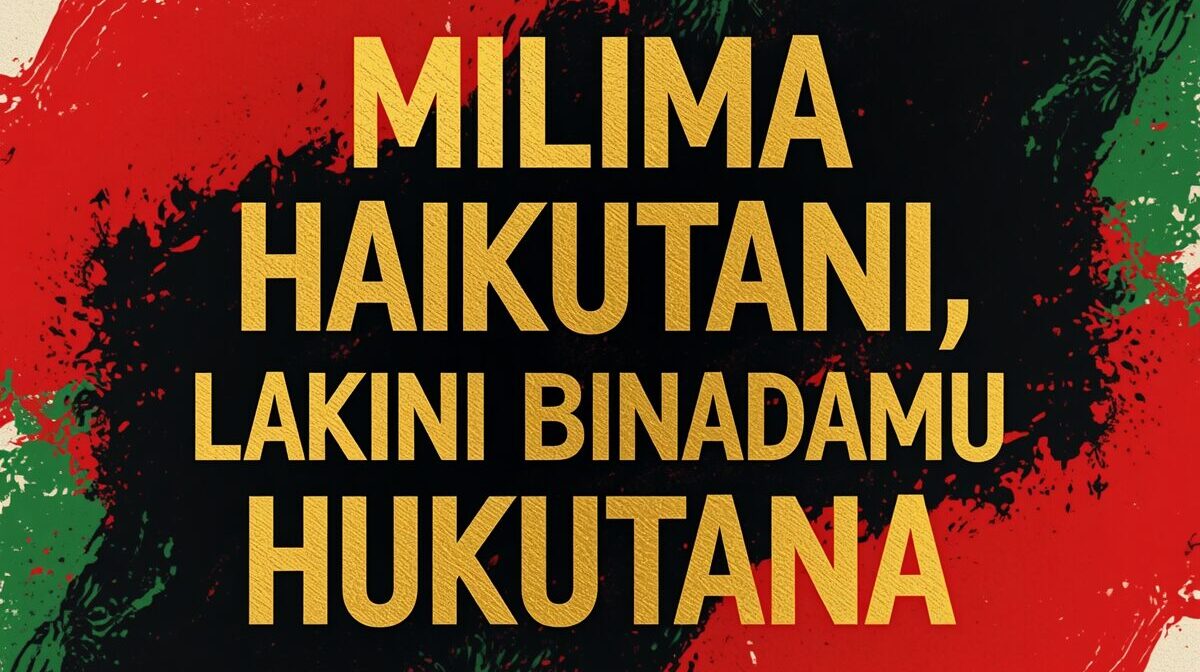
    Across cultures, proverbs capture timeless truths about human connection. For East Africa and the broader African continent, the old Kiswahili saying *“Milima haikutani, lakini binadamu hukutana”* — translated as “Mountains do not meet, but humans do” — perfectly encapsulates the core purpose of Kiswahili itself: bringing diverse people together across divides. As the world marks annual World Kiswahili Language Day on July 7, the 2026 observance centers on the theme “Kiswahili for Peace, Solidarity and Global Economic Diplomacy,” shining a brighter spotlight than ever on this transcontinental language’s expanding global influence and cultural significance.

    UNESCO data estimates that of roughly 8,324 documented languages worldwide, only around 7,000 remain actively used today, making the preservation and growth of widely spoken indigenous African languages like Kiswahili all the more critical. More than a mere communication tool, Kiswahili is a living vessel of African identity, collective unity, and centuries of shared cultural heritage. Today, it counts more than 200 million speakers globally, ranking it among the most widely used languages across Africa and the world.

    Kiswahili has long served as a critical unifying communication medium across East, Central, and Southern Africa. It holds official language status for three major regional blocs: the African Union (AU), the Southern African Development Community (SADC), and the East African Community (EAC). As of November 2025, it gained a new marker of global recognition when it joined Arabic, Chinese, English, French, Russian, and Spanish as the seventh official language of UNESCO’s General Conference — a milestone that cements its status beyond African borders.

    This year’s theme is intentionally designed to highlight Kiswahili’s unique strengths: it bridges cultural divides, fosters cross-border dialogue, and creates new pathways for global economic collaboration. It also emphasizes the language’s underrecognized contributions to peacebuilding, sustainable development, and modern economic diplomacy, particularly as Africa deepens its regional integration and expands its global influence. Economic diplomacy relies on strong cross-country relationships to boost national competitiveness and global influence, and language is the foundational tool for building and sustaining those partnerships. Kiswahili’s neutral, unifying structure makes it uniquely suited to this role.

    The history of Kiswahili reflects its long tradition of bringing different cultures together. Two prevailing theories shape academic understanding of its origins. The first frames Kiswahili as a primarily Bantu language that emerged along the East African coast between 100 and 500 CE. It developed organically as a lingua franca to enable communication between Bantu-speaking communities and traders from Arabia and Asia, gradually growing into a central language for trade, diplomacy, and cultural exchange. The second theory centers the profound influence of Arabic on the language’s evolution: the name “Swahili” itself derives from the Arabic word sawāḥilī, which translates to “of the coast,” a nod to centuries of deep trade and cultural ties between the region and Arab traders. Over centuries, Arabic vocabulary, grammatical structures, and writing systems shaped Kiswahili, especially in coastal communities, helping it evolve into a robust both spoken and written language that could serve local and international communication needs alike.

    Today, Kiswahili’s global footprint continues to grow, driven in part by its accessible structure: its logical, phonetic construction makes it one of the easiest African languages for new learners to master. Universities across every inhabited continent now offer Kiswahili courses, opening new doors for academic collaboration, cross-cultural exchange, and mutually beneficial economic cooperation between global partners and African communities. For millions of native and second-language speakers, this growing global visibility represents long-overdue recognition of the immense intellectual and cultural value of African languages. Today, it is already the most widely spoken language in sub-Saharan Africa and acts as a shared lingua franca across 14 African nations.

    On this 2026 World Kiswahili Language Day, leaders and language advocates are calling for renewed global commitment to preserving and promoting Kiswahili. In an era marked by rising division and conflict, advocates argue that Kiswahili offers a model for how language can foster peace, unity, and open dialogue. Dr. Caroline Asiimwe, Executive Secretary of the East African Kiswahili Commission, notes that Kiswahili fills a unique role as a symbol of unity, peace, and shared understanding. “It belongs to no single ethnic community; it creates a neutral space where different cultures can meet without linguistic hierarchy,” Asiimwe explains. That neutral, connecting role makes it the perfect bridge between diverse communities across the continent and the world — living out the ancient proverb that says, even when mountains stand apart, humans always find a way to meet.

  • Jiu-jitsu camp aims to steer youth from violence

    Jiu-jitsu camp aims to steer youth from violence

    A groundbreaking six-week jiu-jitsu summer camp officially opened its doors on Monday in St. Michael, Barbados, built around a unique mission: to equip young people aged 8 to 18 with critical emotional management skills, anger control, and lifelong discipline through structured martial arts training. Running through to August 14, the initiative is hosted at the Israel Lovell Foundation on My Lord’s Hill and organized by the SWC Ryu-Jiu Jitsu Organisation School of Martial Arts.

    In an interview with Barbados TODAY, SWC Ryu-Jiu Jitsu Organisation spokesman Shane Lynton explained that the camp was developed in response to growing challenges young people face with peer pressure, emotional regulation, and exposure to community violence. Unlike common misconceptions that link martial arts to aggression, Lynton emphasized that the program’s core philosophy actively pushes back against violence by teaching calm decision-making and conflict avoidance.

    “The entire purpose of this camp is to create a space where we can support young people to master their emotional responses,” Lynton said. “That is the central goal of our system, alongside building consistent discipline and focused attention that translates to every area of their lives. That’s what this summer initiative is all about.”

    Addressing the common misperception that martial arts encourage violent behavior, Lynton clarified: “I understand why people might assume martial arts promote violence, but our system works to achieve the exact opposite. Even though we teach physical techniques, our first rule is that these skills are never to be used to harm anyone unnecessarily. The core skill we teach is staying calm when you are under pressure. When students head back to school, they will inevitably face situations where others try to provoke them or push them into poor choices through peer pressure. This program trains them to stay centered and make smart choices instead of reacting impulsively.”

    The organization’s core principle holds that self-defense techniques should only ever be used as a last resort. Lynton explained that the philosophy taught to all young participants centers on humility and respect: “We drill into our students that our mindset is, ‘I am humble, I care about you. I do not want to fight, but I will defend myself, my honor, my principles, and my family if I have no other choice.’ Fighting is never the goal here.”
    Beyond the summer camp, the SWC Ryu-Jiu Jitsu Organisation has broad expansion plans for community programming across all age groups. Later this month, the group will launch new evening jiu-jitsu classes for adults, designed to address unmet mental health needs that many adults, particularly men, face. “We know that when it comes to mental health, men often don’t feel comfortable opening up about their emotions, so a lot of us bottle those feelings up,” Lynton noted. “This training system gives them a healthy, constructive outlet to process those emotions while building valuable skills.”

    Lynton also highlighted the practical real-world value of the self-defense training the organization provides, pointing to a recent incident that proved the program’s effectiveness. “Earlier this year, one of our students was targeted in a robbery attempt, and she was able to use the techniques she learned here to escape the attack and protect herself,” he said. “We live in a time where everyone needs to know how to keep themselves and their loved ones safe, and that’s a core part of what we offer.”

    The organization’s next community-focused addition will be a specialized jiu-jitsu and self-defense program designed specifically for senior citizens. Lynton explained that the program was developed in response to high-profile crimes targeting older residents, where elderly people have been attacked and robbed of their jewelry and personal property while out in their neighborhoods. The techniques taught in the senior program will be simplified and adapted for older bodies, but remain highly effective for self-protection. “Even though the moves are straightforward, with consistent training, senior participants will be able to confidently execute them to defend themselves if they are confronted,” Lynton said. “We want to give older members of our community the same chance to feel safe and protected that we give young people.”

  • High Court Rejects Bulk of Businessman’s Claims Against Police

    High Court Rejects Bulk of Businessman’s Claims Against Police

    In a recent judicial ruling that clarifies procedural boundaries for civil claims against law enforcement in Belize, a High Court justice has thrown out nearly all of a prominent businessman’s sweeping lawsuit against the country’s police force, which alleged unlawful detention, physical assault, and years of systematic extortion. The decision, delivered by Justice Rajiv Goonetilleke in late June 2026, centers on a case brought by Omar Avelar against both the Commissioner of Police and the Attorney General of Belize.

    Avelar first submitted his formal claim to the court on February 9, 2026, more than 20 months after the incident that forms the core of his most serious allegations. The events in question date back to May 5, 2024, when Avelar was arrested and charged with three criminal offenses: failing to provide a breath or blood specimen for impaired driving testing, possession of a firearm while intoxicated, and possession of a loaded pistol containing 18 rounds of ammunition. In his civil claim, Avelar alleged that the arrest and detention were unlawful from the start. He further detailed claims of excessive force during the encounter, stating that officers choked him, stomped on his chest, left him with bruising and a split lip, and that his wallet and iPhone were never returned after the arrest.

    Beyond the 2024 arrest, Avelar’s claim outlined a years-long pattern of targeted harassment and extortion by members of the police force stretching back to 2021. He specifically alleged that two named officers extorted BZD $1,200 from him via check in June 2021. He also added four additional claims of extortion: unspecified officers extorted BZD $800, BZD $650, and BZD $1,500 from him and his family members on unrecorded dates, for a total of five alleged extortion incidents. In total, Avelar sought BZD $193,250 in special damages, plus additional general damages to compensate for the emotional distress and diminished quality of life he claimed resulted from the alleged police misconduct.

    Lawyers for the Commissioner of Police and the Attorney General moved to have the entire claim struck from the court docket immediately, advancing two core procedural arguments. First, they noted that Belize law imposes a strict one-year limitation period for all civil actions brought against public officials acting in their official capacity, and Avelar had filed his claim far outside that window. Second, they argued that the majority of the extortion allegations were too vague and lacked the specific factual details required to meet the court’s pleading standards, making it impossible for the defense to prepare a proper response.

    In his carefully structured ruling, Justice Goonetilleke split Avelar’s claims into two distinct groups to address each set of arguments separately. For the first group—covering the 2024 arrest, unlawful detention charges, alleged assault, and lost property—the justice ruled that all claims were unequivocally time-barred under existing law. Citing Section 27 of Belize’s Limitation Act, he noted that all claims against public officials acting in the course of their official duties must be filed within 12 months of the incident. He rejected Avelar’s legal argument that the alleged misconduct should be classified as an ongoing wrong that extends the limitation period, ruling that the cause of action was fully crystallized on the date of the 2024 arrest.

    For the second group of claims, the extortion allegations dating back to 2021, the ruling produced a mixed outcome. All but one of the extortion claims were struck down: Justice Goonetilleke ruled that allegations involving unnamed officers and unspecified dates of extortion failed to meet the standards laid out in Civil Procedure Rule 8.7(1), which requires claimants to clearly lay out all specific facts supporting their claims. These vague allegations were therefore struck from the record.

    However, one specific allegation survived both legal challenges: the 2021 extortion claim naming two individual officers, a confirmed date of the offense, and a specific amount of money extorted. Justice Goonetilleke ruled that this claim contained all the specific factual detail required by pleading rules. On the limitation issue, he further reasoned that extortion—unlike official police action taken under color of law—does not qualify as an act carried out in the execution of statutory or public duty. As such, it falls outside the scope of the one-year limitation protection that applies to official conduct. To support this reasoning, he cited a prior Privy Council decision holding that legal protections for public authorities must be interpreted narrowly, and only apply to official obligations owed to the general public, not to criminal conduct that could occur between any two private individuals.

    As part of the ruling’s next steps, the defendants have been ordered to submit their formal defense to the remaining single claim by July 9, 2026, and Avelar has been granted leave to file his reply by July 24. A further case management hearing is scheduled for July 29 to set the timeline for any future trial. The justice also ordered that Avelar is responsible for covering all legal costs stemming from the successful strike-out application, with the total amount to be agreed by both parties or assessed by the court if no agreement is reached.

  • After Public Backlash, Isabella Zabaneh Says: “I Do Not Defend Corruption”

    After Public Backlash, Isabella Zabaneh Says: “I Do Not Defend Corruption”

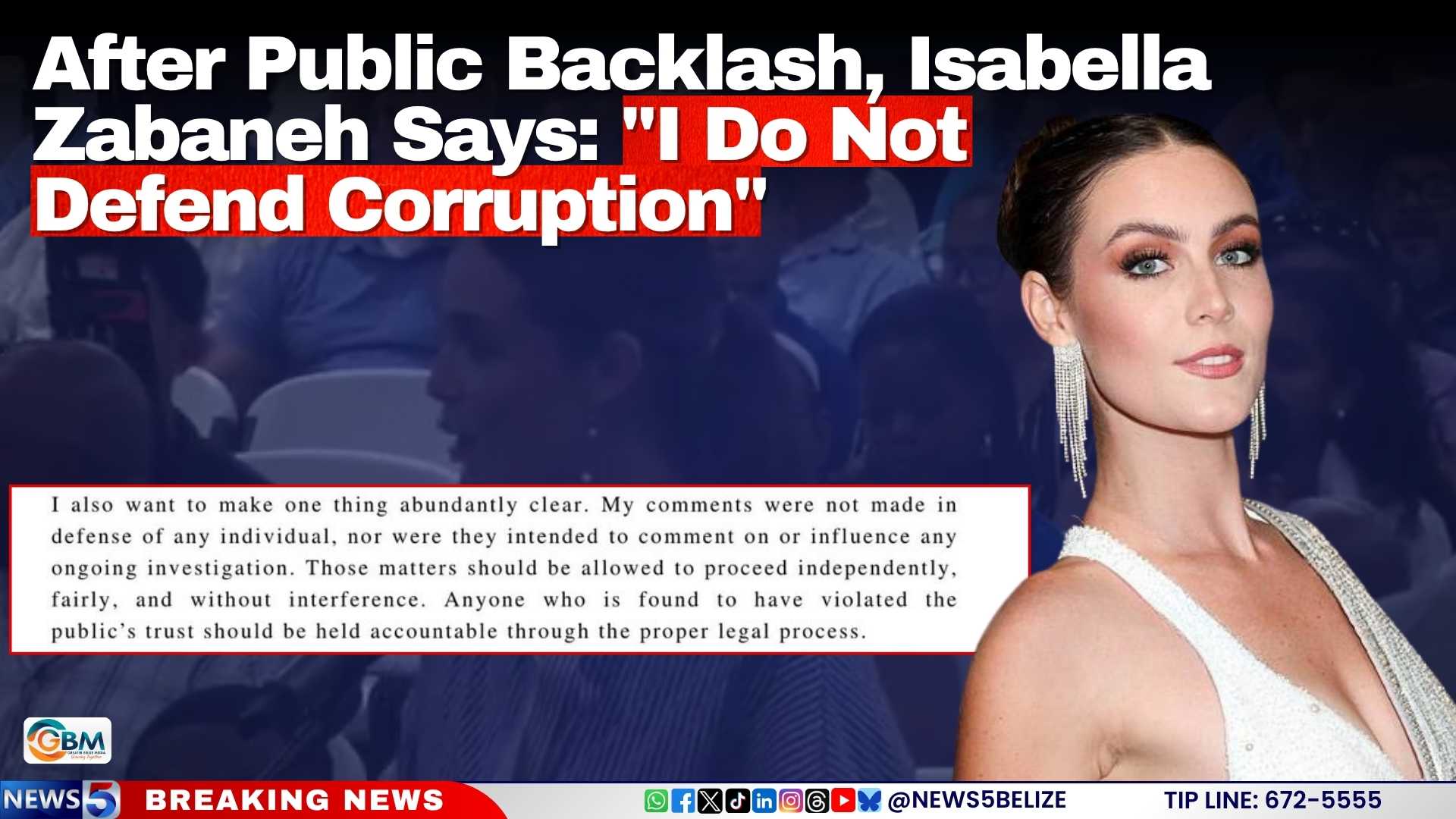
    In the wake of days of widespread public criticism over her proposal to increase the Belizean government’s $10,000 public procurement threshold, former Miss Universe Belize Isabella Zabaneh has issued a formal public statement distancing herself from any association with corruption, emphasizing that she does not support corrupt practices under any circumstances.

    Released on Monday, the lengthy statement clarifies a key context for Zabaneh’s earlier remarks: her one-year tenure as Miss Universe Belize officially concluded on June 29, meaning her comments delivered at the People’s United Party (PUP) National Party Council meeting in Dangriga were not made in her capacity as a pageant titleholder. Instead, Zabaneh frames her intervention as an exercise in civic engagement by a private citizen, voter, and proud Belizean exercising her fundamental right to contribute to national public debate.

    The former pageant winner also addressed the ongoing corruption investigation into the so-called “Mira Millions” scandal at Belize’s Ministry of Defence, stressing that her comments were never intended to defend any individuals connected to the inquiry. She acknowledged that her original remarks were open to misinterpretation by segments of the Belizean public, noting, “If my remarks gave anyone the impression that I was suggesting transparency should be weakened or accountability should be compromised, then I understand why that caused concern.”

    Despite walking back the potential misreading of her initial intervention, Zabaneh has not fully retreated from her core position. She reaffirmed her call for a government review of public procurement thresholds, arguing that any adjustment should balance alignment with current economic conditions and the retention of robust, appropriate oversight mechanisms to prevent mismanagement and corruption.

    Zabaneh’s clarification comes as her political allies have rallied to her defense: the United Women’s Group of the PUP has dismissed the widespread criticism against her as a “malicious backlash,” framing the public pushback as an unfair attack on a young woman’s constitutional right to participate in public discourse.