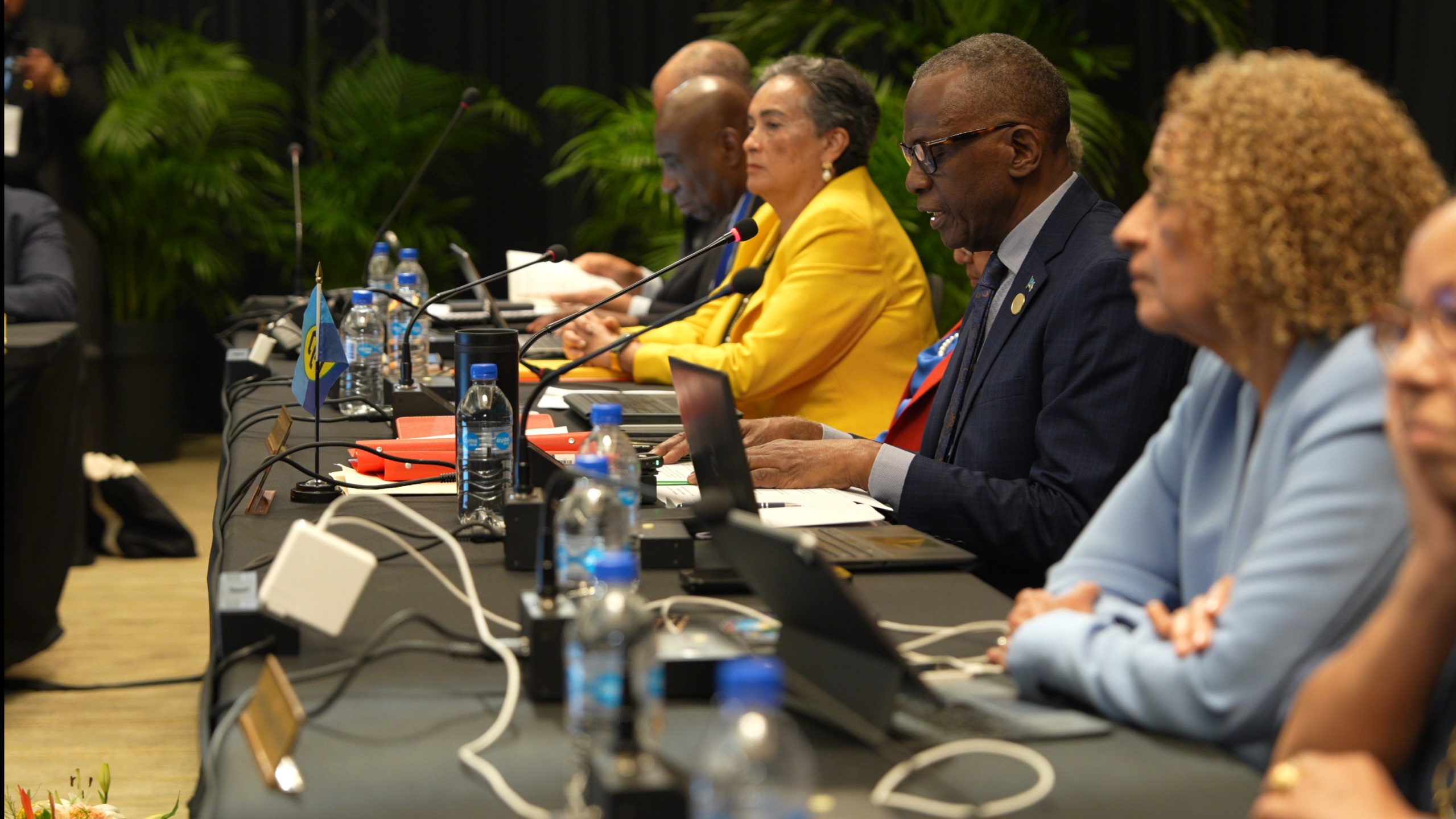
A long-simmering dispute over the reappointment of CARICOM’s top leader has pushed the regional bloc to turn to its judiciary for clarification, marking a test of the Caribbean integration project’s commitment to rule-based conflict resolution.
The impasse emerged after the government of Trinidad and Tobago formally raised objections to the procedural framework used to reappoint Dr. Carla Barnett to the post of CARICOM Secretary-General. Following a two-day heads of government retreat held this week, regional leaders announced a unified agreement to formally request an advisory ruling from the Caribbean Court of Justice (CCJ) to resolve the deadlock.
In an official public statement released Tuesday, CARICOM confirmed it will initiate proceedings under Article 212 of the Revised Treaty of Chaguaramas, the core legal document that underpins the 15-nation regional bloc. The statement explicitly acknowledged Trinidad and Tobago’s call for judicial review, noting that the CCJ was established specifically to serve as the authoritative body for interpreting the founding treaty of CARICOM.
Until the CCJ delivers its formal advisory opinion, regional leaders have agreed to maintain the current status quo around Barnett’s reappointment. The bloc emphasized that this negotiated approach will allow the dispute to be resolved peacefully, without disrupting the day-to-day operations of CARICOM’s core institutional functions or prejudicing the legal position of any involved party.
Beyond addressing the immediate reappointment dispute, CARICOM leaders used the retreat to reaffirm their commitment to a wider, ongoing review of the bloc’s governance architecture. This review was first mandated at the previous CARICOM conference held in St. Kitts and Nevis, with the explicit goal of strengthening institutional governance and boosting the overall effectiveness of the regional body.
Heads of government stressed that the ongoing governance review does not call into question the professional or personal integrity of any member state or individual involved in the current dispute. Instead, they framed the process as a reflection of the bloc’s collective commitment to continuous institutional improvement and upholding the highest standards of good governance across the region.
In closing, the statement reaffirmed all participating leaders’ continued dedication to the founding ideals and core objectives of CARICOM. Despite current divisions over the reappointment process, leaders reiterated their intention to maintain collaborative work to advance shared regional interests and address the common challenges facing Caribbean nations.