博客

  • French Guiana becomes CARICOM’s eighth Associate Member

    French Guiana becomes CARICOM’s eighth Associate Member

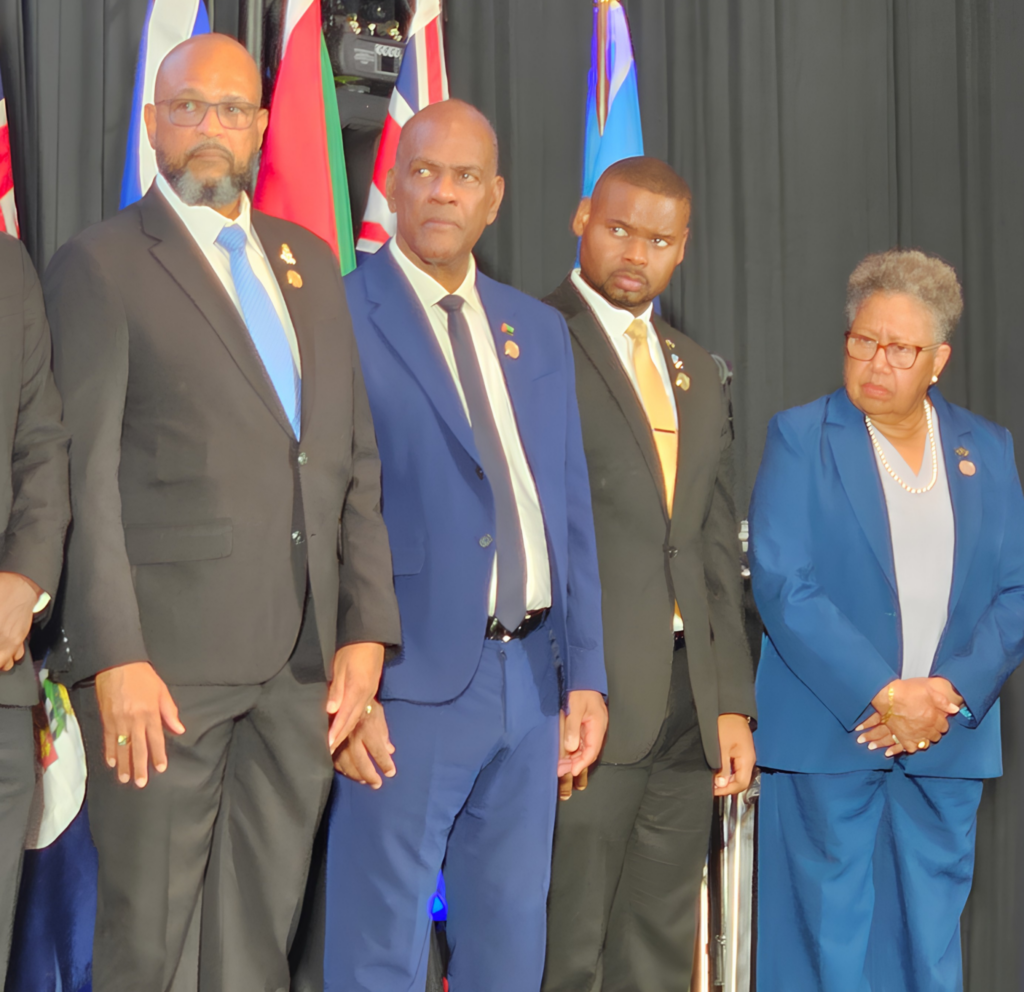
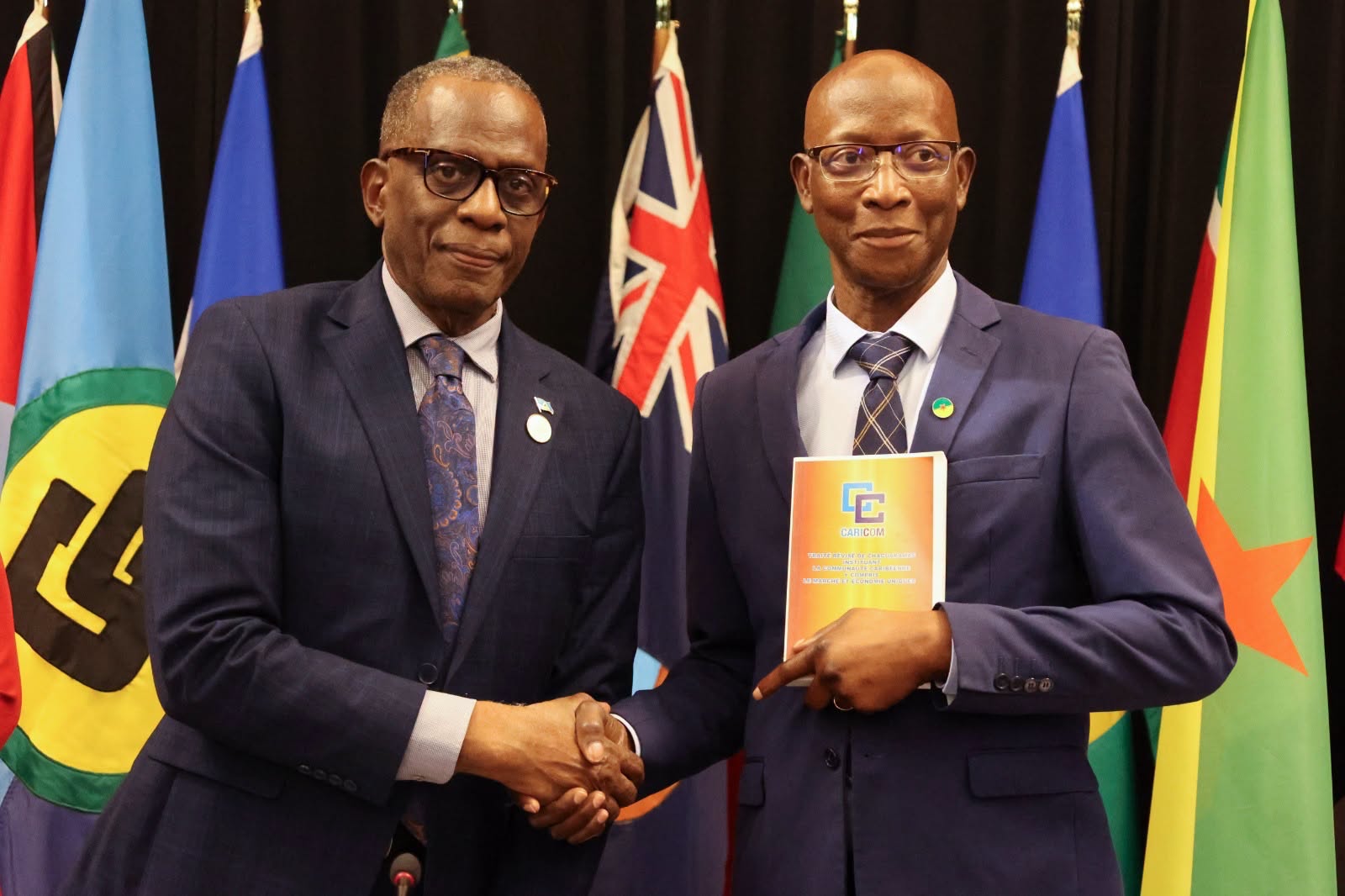
    In a historic double expansion for the Caribbean Community (CARICOM), French Guiana has officially become the regional bloc’s eighth Associate Member, marking the second new admission to the organization in just 48 hours. The milestone accession was formalized on Tuesday during the 51st Regular Meeting of CARICOM’s Conference of Heads of Government, which is currently being hosted in Saint Lucia.

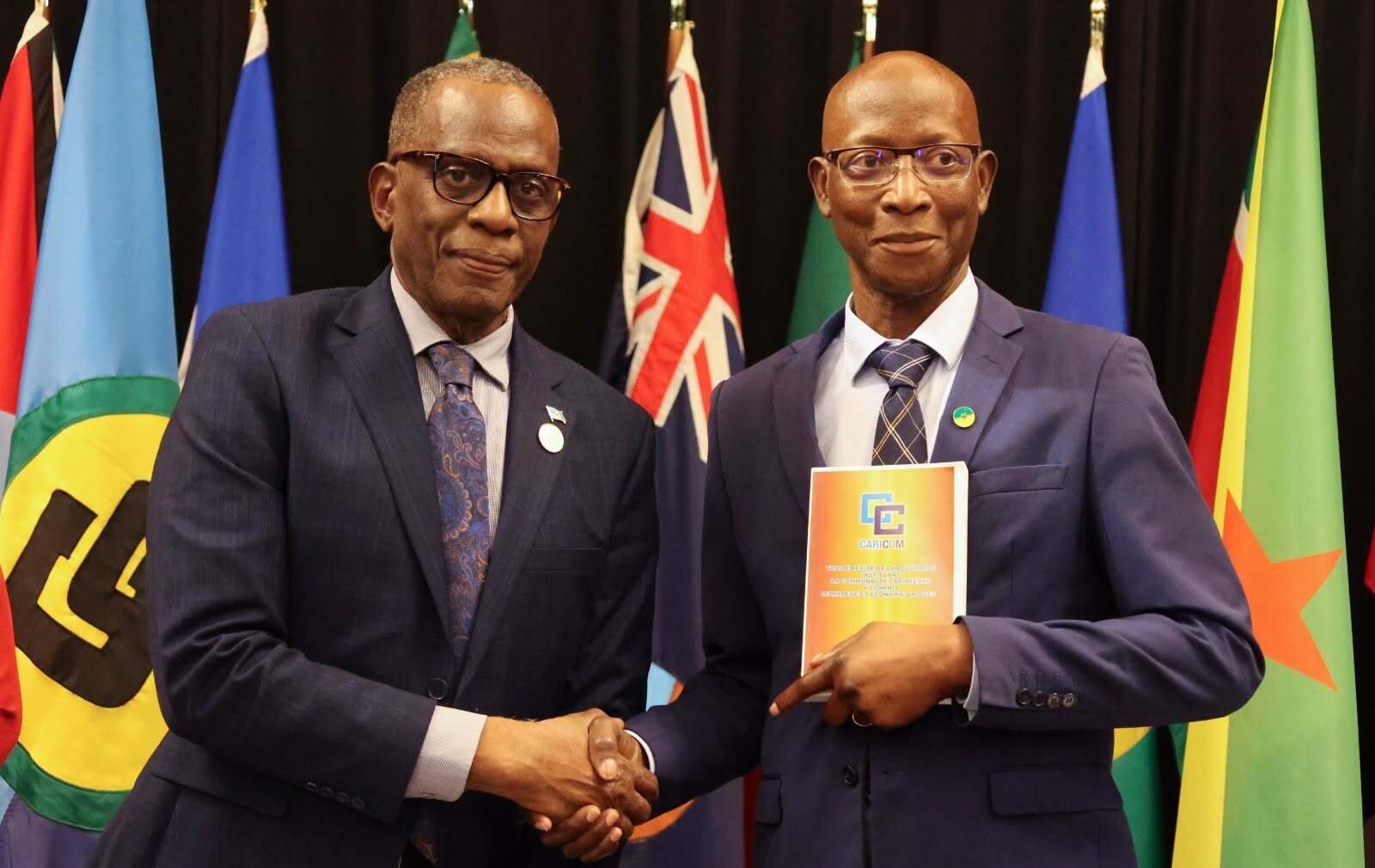
    The accession agreement was signed by two key officials: Philip J. Pierre, CARICOM Chairman and Prime Minister of host nation Saint Lucia, and Gabriel Serville, President of the Territorial Collectivity of French Guiana. Photographic documentation of the signing ceremony was provided by CARICOM, capturing the formal moment of the bloc’s expansion.

    With the completion of the signing process, French Guiana immediately gains the right to participate in the ongoing Heads of Government Conference, unlocking opportunities for deeper engagement on regional Caribbean issues. The addition of French Guiana comes on the heels of a similar admission for another French overseas territory in the region: Martinique, which officially took up its position as CARICOM’s seventh Associate Member just two days before French Guiana’s accession.

    Martinique’s path to Associate Membership concluded when its membership status entered into force on June 16, 2026. The process began with the signing of its own accession agreement in February 2025, followed by the completion of ratification of the Agreement on the Privileges and Immunities of CARICOM, clearing the final procedural hurdle for its admission.

  • Haiti sends a major medical mission to Venezuela

    Haiti sends a major medical mission to Venezuela

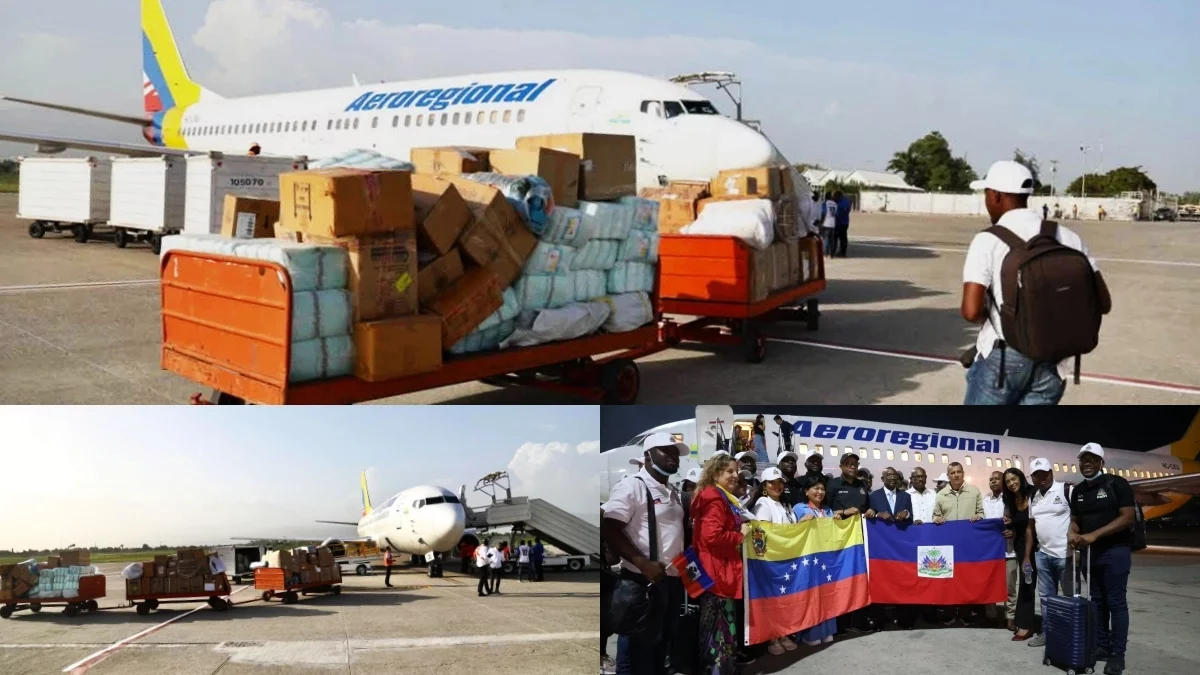
    In an extraordinary display of cross-border solidarity that defies widespread domestic challenges, the government of Haiti launched a large-scale medical and humanitarian mission to earthquake-stricken Venezuela on Tuesday, July 7, 2026. The deployment comes in response to the devastating pair of earthquakes that struck Venezuela on June 24, leaving a staggering trail of destruction that has been tallied as at least 3,685 dead, over 16,700 injured, and an estimated 20,000 to 50,000 people missing, according to provisional data updated July 8.

    Heading the Haitian mission is Dr. Sinal Bertrand, the country’s Minister of Public Health and Population (MSPP), who leads a team of 29 top-tier specialists covering critical care specialties: orthopedics, general surgery, anesthesiology, gynecology and internal medicine. Alongside the medical team, the delegation carries 5.5 tons of life-saving essential supplies, including portable ultrasound machines, oxygen concentrators and specialized pediatric care equipment, all bound for communities impacted by the seismic disaster.

    Unlike many symbolic aid missions that bring only advisory support, this Haitian delegation is structured to deliver direct, frontline care for as long as Venezuelan authorities require it. “We did not come here to deliver leftovers, but to share what little we have with the Bolivarian people of Venezuela, as a sign of solidarity and fraternity,” Dr. Sinal told reporters on arrival at Simón Bolívar International Airport. “We did not send a consultative delegation; we came with specialists ready to make themselves available to the Venezuelan government for 15, 20, or 30 days, or even as long as necessary.”

    At the airport, the Haitian delegation was formally welcomed by senior Venezuelan officials, including Vice Minister of Outpatient Care Networks Dr. Noly Fernández and Major General Manuel Castillo Rengifo, Venezuela’s ambassador-designate to Belarus.

    In remarks following the reception, Dr. Fernández expressed profound gratitude on behalf of the Venezuelan government and public, underscoring how meaningful the Haitian support is at a moment of national crisis. Venezuela’s Ministry of People’s Power for Health has already begun coordinating deployment of the Haitian medical team through its internal Observatory of Strengths and Weaknesses, with the specialists set to be sent to the hardest-hit regions, primarily the capital district of Caracas and the coastal state of La Guaira.

    “Venezuela welcomes them with great love, solidarity, and respect for Bolivarian ideals. We share a common history that will allow us to move forward together,” Dr. Fernández said. “Thanks to these specialists, we will be able to support our citizens both spiritually and physically, demonstrating that Venezuela is not alone.”

    Beyond delivering immediate care, the mission carries broader symbolic weight: as Haiti continues to navigate its own persistent social and economic challenges, the decision to share its limited resources reflects longstanding fraternal ties between the two nations. The Haitian government extended formal condolences to families who lost loved ones in the quakes, conveyed wishes for a swift recovery to all injured people, and affirmed its full confidence in Venezuela’s ability to rebuild and recover from the disaster.

  • Lending bottlenecks, short-term rentals targeted to ease pressure on homebuyers

    Lending bottlenecks, short-term rentals targeted to ease pressure on homebuyers

    Barbados’ luxury property sector has experienced rapid growth in recent years, driven by strong foreign investment, large-scale high-end development projects, and a series of policy wins that have boosted the island’s global appeal. But this expansion has come at a cost: growing concerns that young professionals and middle-income local families are being locked out of home ownership, pushing the Mia Mottley administration to roll out a multi-pronged plan to expand access to affordable housing for Barbadian citizens.

    Housing Minister Chris Gibbs recently laid out the full scope of the government’s intervention in an interview with Barbados TODAY, acknowledging that first-time buyers and middle-income earners now face unprecedented barriers to entering the property market. Chris Hassell, president of the Barbados Estate Agents and Valuers Association (BEAVA), confirmed that the island currently operates as a clear seller’s market, a trend fueled by residual demand from the popular Welcome Stamp remote work visa program, the country’s successful removal from international financial crime watchlists, and its longstanding political and economic stability.

    While Hassell noted that there is strong unmet demand for properties priced between $250,000 and $500,000 – a range that aligns with the needs of most middle-income Barbadians – available inventory in this bracket remains extremely limited. Gibbs echoed this assessment, describing the current market landscape as an overwhelming challenge for young people trying to gain their first foothold in property ownership.

    “The truth is, our young people are seeing a market where the prices seem out of reach. I can remember my dad bought his first piece of land for $18,000. Our young people today would be asking, ‘In what universe?’” Gibbs said. “The ministry has to play a role in allowing our young people to participate in what they see as a booming economy, and it is our responsibility to make sure that they can also take part in the tremendous growth that we are seeing in the country.”

    One key factor squeezing long-term housing supply, Gibbs explained, is the rapid growth of short-term vacation rentals, particularly platforms like Airbnb. Many property owners have shifted long-term residential units to the short-term market to capitalize on far higher rental yields, a trend visible even in the minister’s own neighborhood. To ensure policy is tailored to actual community needs, the ministry is currently analyzing anonymized data from roughly 7,000 internal citizen housing records to map unmet demand and identify priority groups for support.

    At the core of the government’s plan is a shift to industrialized, cost-effective construction techniques. The administration is pushing to adopt modern building technologies – including prefabricated steel-frame construction sourced from South American suppliers – that cut development timelines and reduce overall building costs. “We are looking to obviously increase the supply of affordable homes using technologies such as steel-frame technology,” Gibbs explained. “We are also engaged in a number of joint ventures so that we can find partnerships where we can build large-scale developments faster.”

    Beyond expanding supply, the government is targeting longstanding financial barriers that prevent qualified buyers from securing home loans. Gibbs identified two critical bottlenecks: lengthy mortgage processing times and strict lending criteria that exclude many middle-income and first-time buyers from accessing full financing. To address this, the government is exploring regulatory and policy adjustments to reduce lender risk, making it possible for more borrowers to qualify for 100% mortgages. Senior government stakeholders including the Ministry of Finance, the Ministry of Housing, and the Office of the Prime Minister are all collaborating to streamline approval processes, cutting down wait times and ensuring capital recirculates faster to support new development.

    A formal, mandatory social housing policy is also in the works, which will require a fixed percentage of all new large-scale residential developments to be subsidized units priced between $100,000 and $200,000. This price range is targeted at what Gibbs called the market’s “sweet spot” – lower-middle income buyers and vulnerable households who need support to transition out of rental housing and into ownership. The policy will not only address immediate demand, the minister noted, but also prioritize knowledge transfer to local construction workers and developers to build long-term capacity in Barbados’ building sector.

    “Whatever partnerships we engage in to bring technologies here, we will most certainly be transferring that knowledge to Barbadians as well,” Gibbs said. “If anybody is desirous of building a factory here that can print homes – because that is where it is going – we will have that expertise transferred here.”

    The all-encompassing strategy also includes a long-term wealth-building component called “land to legacy,” which will support citizens to save for property purchases in interest-bearing long-term accounts over 15 to 20-year timelines. The program is designed to address the structural economic shifts that have put home ownership out of reach for a generation of young Barbadians, ensuring they can build intergenerational wealth alongside the country’s growing property sector. Gibbs emphasized that the plan centers data-driven, citizen-focused policy, noting that the ongoing analysis of 7,000 household records ensures interventions will match the actual needs of the population, leaving no vulnerable groups behind.
  • Black belly sheep strategy under review as national flock stalls

    Black belly sheep strategy under review as national flock stalls

    Barbados’ iconic indigenous Black Belly sheep industry has hit a decades-long stagnation, prompting the island’s Ministry of Agriculture and Food and Nutritional Security to draft a comprehensive new growth strategy aimed at reversing the sector’s stalled progress, Agriculture Minister Dr. Shantal Munro-Knight has confirmed. The development comes as a striking contrast to neighboring Guyana, which has grown its own Black Belly sheep population fivefold using breeding stock originally imported from Barbados under a bilateral cooperation agreement.

    In an interview with local outlet Barbados TODAY on Tuesday, Munro-Knight revealed that official population data shows the size of Barbados’ domestic Black Belly flock has remained largely unchanged for an extended period, despite years of scattered initiatives to grow the breed. This stagnation has triggered a full-scale review of the industry, covering economic viability, production sustainability, feed infrastructure, and opportunities for value addition that go beyond simply exporting breeding stock.

    “The ministry is developing a plan going forward in terms of how we scale the Black Belly sheep in a more sustainable way,” the minister explained. “We’re looking not only at expanding the domestic flock here in Barbados, but also addressing pressing gaps like feed access, and mapping out what added value we can derive from the breed locally.” This new strategy marks the government’s most targeted effort to revitalize the breed in recent years, coming after public concerns were raised in 2023 that unregulated exports of high-quality breeding stock were straining the domestic population while doing little to grow local output.

    Guyana’s rapid success with the Barbadian breed dates back to August 2022, when the first shipment of 132 Black Belly sheep arrived under the St. Barnabas Accord bilateral trade and cooperation agreement. By 2024, total exports to Guyana under the deal have reached 1,003 head, and local authorities there have recorded a fivefold increase in their national flock. Munro-Knight confirmed that Barbadian agricultural officials have already traveled to Guyana to study the program, which incorporates cross-breeding of Black Belly sheep with local adapted breeds while maintaining a separate population of pure Barbados Black Belly stock. The ministry will now evaluate whether elements of Guyana’s model can be adapted to support growth in Barbados’ domestic industry.

    Top agricultural industry leaders in Barbados have echoed the government’s focus on revitalizing the domestic sector. James Paul, chief executive officer of the Barbados Agricultural Society (BAS), argued that the island remains uniquely positioned to lead the development of the breed, which evolved locally over 400 years from African hair sheep and European stock brought to the island in the 1600s. “The Black Belly sheep is native to Barbados, and it has acclimated perfectly to our climate — we have always been and will always be the best breeders of this animal,” Paul said. “We need to refocus on our domestic breeding practices, get back to the genetic development work we did in the past, and return the program to the heights it once reached.”

    Munro-Knight emphasized that the new strategy will be rooted in empirical research and full industry analysis, with no final decisions to be announced until the review is complete. “I know we’ve had multiple plans for the Black Belly sheep over the years, but this time it’s getting real, focused attention from the ministry,” she said. “We’re examining every pillar of the industry, from feed production to breeding systems to value addition, and I hope to present a fully fleshed-out, actionable plan very soon.”

    Asked to comment on the political controversy surrounding Guyana’s Black Belly sheep program, where opposition leader Azruddin Mohamed has alleged administrative irregularities and lack of contract transparency, Munro-Knight said she was unfamiliar with the details of the dispute. Guyana’s Agriculture Minister Zulfikar Mustapha has already dismissed the claims as “false, malicious and entirely without merit.”

    Barbados has a long history of exporting Black Belly sheep, with shipments dating back to the early 1900s when breeding stock was sent to Texas, and continuing through 1992, when a shipment of rams and ewes was delivered to Malaysia. Valued globally for its hardiness, high-quality meat production, and ability to adapt to tropical climates, the Barbados Black Belly has been used to develop both pure and cross-bred lines across the world, but its domestic home has struggled to grow its own flock in recent decades.

  • Windies break 23-year drought with Test series win over Sri Lanka

    Windies break 23-year drought with Test series win over Sri Lanka

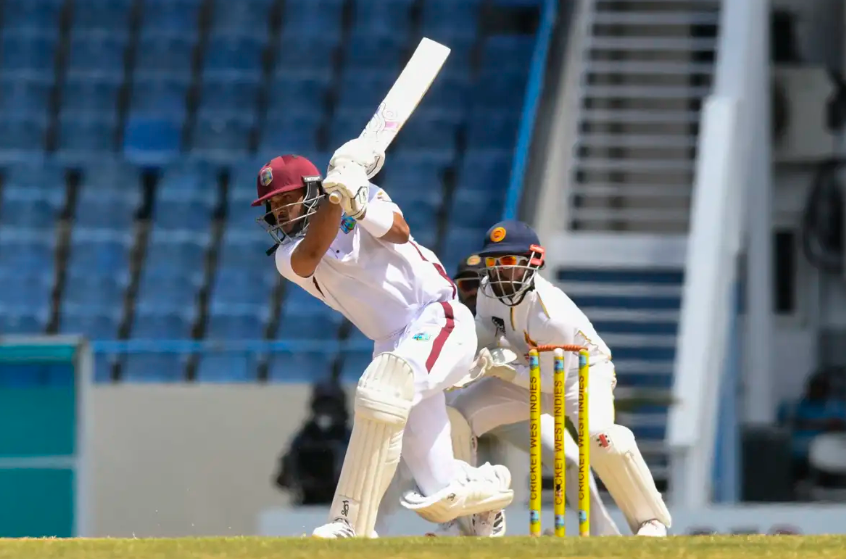
    On Tuesday, the West Indies secured a place in their cricketing history books, claiming their first Test series victory against Sri Lanka in over two decades after a predictable tame draw closed out the second Test at Antigua’s Sir Vivian Richards Stadium. The 1-0 series triumph marks the Caribbean side’s first win over Sri Lanka in a Test series since 2003, following their dominant innings-and-217-run victory in the opening match of the tour.

    Chasing an unlikely win that would have levelled the series, Sri Lanka came out of the gates batting aggressively on the final day of play. Resuming their second innings at 92 for two with an overall lead of just 142 runs, the visitors faced an uphill battle from the first ball. Overnight batters Dinesh Chandimal and Kamindu Mendis pushed the score along by 26 additional runs in six overs before West Indies pace bowler Jayden Seales broke the partnership, with Anderson Phillip pulling off a juggling catch at mid-off to dismiss Mendis for 44.

    Chandimal continued to lead the charge for quick runs, notching his 37th Test half-century along the way. However, his innings came to an end on 71 from 107 balls, courtesy of a spectacular diving catch by Kavem Hodge at backward point off Alzarri Joseph’s bowling, leaving Sri Lanka 156 for four. Skipper Dhananjaya de Silva added a rapid 34 runs off as many balls before he was caught at long off attempting to clear the boundary off offspinner Roston Chase. Nine runs later, paceman Anderson Phillip claimed another wicket, Kusal Mendis caught at gully, pushing the visitors to 197 for six.

    Sonal Dinusha compiled a brisk 28 off 26 balls before being run out, and Hodge followed up with the wicket of Isitha Wijesundara for 10, leaving Sri Lanka reeling at 227 for eight as the lunch break approached. In a surprising tactical move, the visitors chose not to declare their innings at lunch, when they stood at 231 for eight for an overall lead of 281 runs. Instead, they batted on to extend their lead to 301 runs, eating up valuable overs in the process before finally declaring shortly after lunch at 251 for nine.

    That set the West Indies a nominal target of 302 runs from 60 overs to win, but the home side had no incentive to chase the victory: a draw would be enough to lock in their historic series win. Openers John Campbell and Brandon King showed no interest in pursuing the challenging target, instead prioritising solid defence to avoid losing wickets. The pair carried the West Indies to 65 without loss by the tea break, effectively confirming the match would end in a draw.

    A brief rain shower after tea further delayed play, wiping an hour off the scheduled playing time, and when play resumed at 4:30 p.m., the outcome was already certain. Once both Campbell and King reached unbeaten half-centuries, the two captains agreed to call the game off, with the West Indies closing on 109 for no loss. Following the match, all-rounder Justin Greaves was named both Player-of-the-Match and Player-of-the-Series for his consistent performances across the two Tests.

  • Martinique takes seat at CARICOM for first time

    Martinique takes seat at CARICOM for first time

    On Sunday, during the opening ceremony of the 51st Regular Meeting of the Conference of Heads of Government of the Caribbean Community (CARICOM) hosted in Saint Lucia, Martinique made history by formally taking its seat as an associate member for the first time. This landmark moment caps a years-long accession process that concluded after multiple key milestones: the French overseas territory signed its accession agreement in Bridgetown in February 2025, ratified the CARICOM Privileges and Immunities Agreement, and its associate membership officially entered into force on June 16, 2026, making Martinique the seventh associate member of the regional bloc.

    Geographically, Martinique holds a strategic position in the eastern Caribbean, sitting just 20 miles north of Saint Lucia — close enough that the island can be seen from the Sandals Grande resort, the venue of this year’s heads of government meeting, on clear days. CARICOM Secretary-General Carla Barnett formally extended a warm welcome to the new member during the opening proceedings, marking the start of Martinique’s formal participation in the regional organization.

    Serge Letchimy, President of the Executive Council of Martinique, framed the occasion as the opening of a entirely new chapter for the island’s regional engagement. Reflecting on the multiyear journey to membership, he noted the unique challenges of integrating into the Caribbean regional framework while remaining part of French and European institutional structures. “It took many years for us to be accepted into CARICOM. This shows how difficult it can be to belong to two institutional frameworks at once. But today, we are here,” Letchimy stated.

    Emphasizing that accession itself is just the starting point rather than the final goal, Letchimy called for rapid concrete action to turn membership into tangible benefits. “This should not be seen as an end in itself. It is only the beginning. We must now move into action. Businesses, financing and investment must now come on board,” he added.

    Outgoing CARICOM Chairman and Prime Minister of Saint Kitts and Nevis Dr. Terrance Drew aligned with this view, noting that Martinique’s accession reflects the core founding purpose of the regional bloc. “We believe that together we are stronger. We have a number of institutions that benefit us, and that would be difficult for each country to establish on its own, but together we are able to make them a reality for the benefit of our people,” Drew explained.

    For Martinique, formal associate membership provides a structured, institutionalized framework to deepen engagement with its immediate Caribbean neighbors, a shift from past informal cooperation. Letchimy laid out an ambitious agenda for the island’s tenure in CARICOM: he plans to leverage Martinique’s new positioning to deliver tangible cross-border projects, expand bilateral and regional economic exchanges, strengthen policy coordination, boost people’s mobility across the region, and attract increased investment. His long-term vision positions Martinique as a strategic connectivity hub linking the Caribbean region to the Americas, Europe, and Africa.

    Closing his remarks, Letchimy emphasized the cultural and geographic roots of Martinique’s integration: “We are reconnecting with our common home: the Caribbean. A door has been opened. It truly exists. We must now use it.”

  • Martinique takes seat at CARICOM for first time

    Martinique takes seat at CARICOM for first time

    In a landmark moment for Caribbean regional integration, Martinique formally assumed its seat as an associate member of the Caribbean Community (CARICOM) for the first time on Sunday. The historic induction took place during the opening ceremony of the 51st Regular Meeting of the CARICOM Conference of Heads of Government, hosted this year in Saint Lucia.

    This milestone caps a years-long accession process that concluded when Martinique’s membership as CARICOM’s seventh associate member entered into full legal effect on June 16, 2026. The pathway to membership was set in motion back in February 2025, when the accession agreement was signed in Bridgetown, Barbados, and was finalized after Martinique completed ratification of the Agreement on the Privileges and Immunities of CARICOM.

    Addressing delegates at the opening ceremony, CARICOM Secretary-General Carla Barnett extended an official welcome to the new member. Geographically, Martinique holds a close proximity to the host nation of this year’s summit: it sits just 20 miles north of Saint Lucia, and on clear days, the island is visible from the Sandals Grande resort where the 51st heads of government conference is being held.

    Speaking on behalf of Martinique, Serge Letchimy, President of the Executive Council of Martinique, framed the induction as the opening of an entirely new chapter for the French overseas territory. “It took many years for us to be accepted into CARICOM. This shows how difficult it can be to belong to two institutional frameworks at once. But today, we are here,” Letchimy told assembled leaders.

    Letchimy emphasized that membership itself is not the final goal, but rather a starting point for deeper collaboration. “This should not be seen as an end in itself. It is only the beginning. We must now move into action. Businesses, financing and investment must now come on board,” he said.

    Outgoing CARICOM Chairman Dr. Terrance Drew, who also serves as Prime Minister of Saint Kitts and Nevis, noted that Martinique’s accession aligns perfectly with the core mission of the regional bloc. “We believe that together we are stronger. We have a number of institutions that benefit us, and that would be difficult for each country to establish on its own, but together we are able to make them a reality for the benefit of our people,” Drew explained.

    Per CARICOM’s official statement, Martinique’s associate membership grants the territory a formal, structured framework for deepening engagement with its Caribbean neighbors. Letchimy outlined his administration’s plan to translate this new standing into tangible outcomes: targeted cross-border projects, expanded economic exchanges, broader regional cooperation, freer movement of people, and increased foreign investment. His long-term vision positions Martinique as a central connectivity hub bridging the Caribbean, the wider Americas, Europe, and Africa.

    Closing his remarks, Letchimy emphasized the cultural and geographic reconnection the membership represents. “We are reconnecting with our common home: the Caribbean. A door has been opened. It truly exists. We must now use it,” he said.

  • French Guiana Becomes CARICOM’s Eighth Associate Member

    French Guiana Becomes CARICOM’s Eighth Associate Member

    In a landmark move that expands regional cooperation across the Caribbean, French Guiana formally entered the Caribbean Community (CARICOM) as its eighth Associate Member this Tuesday. The historic accession was sealed during the opening session of CARICOM’s 51st Regular Meeting of the Conference of Heads of Government, hosted this year in Saint Lucia. The official membership agreement was signed by two key figures: Philip J. Pierre, who currently serves as both CARICOM Chairman and Prime Minister of Saint Lucia, and Gabriel Serville, President of the Territorial Collectivity of French Guiana. The signed document clearly lays out the operational terms and conditions that will govern French Guiana’s participation and engagement in all activities of the regional bloc. Immediately after the signing ceremony concluded, French Guiana’s representative joined fellow regional leaders for the ongoing plenary sessions of the heads of government conference, marking its first official participation in a major CARICOM governing gathering as an Associate Member. With this addition, CARICOM has extended its network of affiliated territories across the Caribbean region, growing its influence and collaborative reach. Established on July 4, 1973, through the signing of the foundational Treaty of Chaguaramas, CARICOM underwent a critical institutional revision of its founding document in 2001, which paved the way for the creation of a unified single market and economy to deepen economic integration across member states. Today, the bloc counts 15 full Member States and 6 Associate Members, representing a combined population of roughly 16 million people—nearly 60 percent of whom are under the age of 30, making the community a distinctly young and dynamic regional entity. CARICOM organizes its work around four core strategic pillars: coordinated economic integration across member territories, collective foreign policy coordination, targeted human and social development, and cross-border security cooperation. The organization’s shared vision is to build a regionally integrated, inclusive, and resilient community, driven by knowledge sharing, a commitment to excellence, innovative problem-solving, and enhanced productivity. Its goal is to emerge as a unified, competitive force in the global economy, where every resident enjoys security, equal opportunity to reach their full potential, guaranteed human rights and social justice, and broad access to the community’s growing economic, social, and cultural prosperity. Widely recognized as one of the most successful examples of regional integration among developing nations, CARICOM maintains its central administrative body, the CARICOM Secretariat, headquartered in Georgetown, Guyana.

  • Derde helft WK 2026: Zwitserland overleeft Colombia in strafschoppenreeks

    Derde helft WK 2026: Zwitserland overleeft Colombia in strafschoppenreeks

    VANCOUVER, July 7 – In a tense, dramatic 2026 FIFA World Cup round of 16 clash that tested every ounce of both teams’ mental fortitude, Switzerland pulled off a memorable penalty shootout victory over Colombia on Wednesday, booking their spot in the tournament’s quarterfinals for the first time in 72 years. After 120 minutes of cagey, goalless soccer that showcased starkly contrasting game plans, the European side held their nerve from the spot to secure a 4-3 shootout win, setting up a highly anticipated quarterfinal clash with Argentina on July 12 in Kansas City.

    From the first kickoff, Colombia controlled the tempo of the match, deploying smooth, technically sharp passing to consistently press Switzerland’s organized defensive block. Veteran playmaker James Rodriguez, widely expected to be making his final World Cup appearance, dominated the midfield, constantly probing for openings and driving his side forward. However, the South American side struggled to turn their territorial and possession advantage into clear-cut scoring chances, thanks largely to Switzerland’s disciplined, well-drilled defensive structure that cut off creative passing lanes and neutralized Colombia’s attacking threats.

    Swiss goalkeeper Gregor Kobel delivered a standout performance, making several crucial saves to keep his sheet clean, including a spectacular stop on a close-range strike from Gustavo Puerta that would have put Colombia ahead. The match remained intensely physical but fragmented throughout regulation time, with both sides reluctant to commit too many players forward for fear of conceding a decisive late goal, as the noise of thousands of cheering Colombian supporters filled the Vancouver stadium.

    Extra time opened up the game slightly, with both sides creating their best opportunities of the night. Colombia came closest to breaking the deadlock when Jaminton Campaz found himself one-on-one with Kobel, only to miscontrol the ball completely and waste the golden chance. Switzerland brought on substitute Zeki Amdouni, who had just returned from a long-term injury, to inject fresh energy into their tiring side, helping the European outfit withstand Colombia’s late pressing offensive. Neither side could find a winner in the additional 30 minutes, sending the clash to a nerve-wracking penalty shootout to decide who advanced.

    The shootout became a test of mental strength, and it was Switzerland who showed unflappable calm under extreme pressure. Ruben Vargas opened the scoring with a cool finish, before Luis Diaz equalized for Colombia with a confident strike. After Manuel Akanji missed Switzerland’s third penalty, the side’s subsequent takers converted all their attempts, while Colombia squandered their own opportunity when defender Davinson Sanchez sent his shot wide of the post. Vargas stepped up to take the decisive final penalty, rolling the ball calmly into the back of the net to seal the historic win for Switzerland.

    The final whistle sparked jubilant celebrations among the Swiss squad and their supporters, while Colombia was left heartbroken, with players and fans openly devastated by the early exit. For James Rodriguez, the result likely brings a bittersweet end to his World Cup career, after a tournament that saw the playmaker deliver a series of standout performances. This result also makes tournament history: six of the eight 2026 World Cup quarterfinalists are European nations, marking the highest number of European quarterfinalists at a World Cup hosted outside of Europe since 1994. Argentina remains the only South American nation still in the competition, and will now face Switzerland in their quarterfinal showdown.

    While Colombia produced the more attractive, attacking soccer and created more dangerous opportunities over 120 minutes, Switzerland’s win was a testament to the power of tactical discipline, mental resilience, and cohesive teamwork. Not the most high-scoring or spectacular match of the tournament, but certainly one of the most memorable for its tension and dramatic finale, Switzerland’s victory writes a new chapter in the nation’s World Cup history, as they continue their unlikely deep run in the 2026 tournament.

  • Jairam biedt geloofsbrieven aan president van India aan

    Jairam biedt geloofsbrieven aan president van India aan

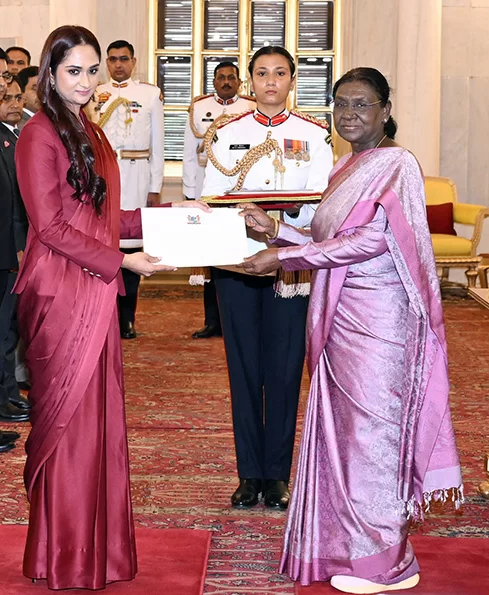
    On a formal ceremonial day at New Delhi’s iconic Rashtrapati Bhavan on Monday, Hanisha Jairam, the newly appointed Ambassador Extraordinary and Plenipotentiary of Suriname to India, officially submitted her letter of credence to India’s President Droupadi Murmu, formally launching her diplomatic posting in the South Asian nation.

    The credential presentation ceremony was attended by senior representatives from India’s Ministry of External Affairs, alongside core diplomatic staff from the Surinamese Embassy based in New Delhi. Alongside Jairam, five other newly appointed envoys from Gabon, Mongolia, Mozambique, Nicaragua, and The Bahamas also presented their credentials to President Murmu during the same event.

    Following the formal presentation, Jairam held a bilateral meeting with President Murmu, where she underscored the longstanding friendly and strategic partnership binding Suriname and India. She also took the opportunity to mark the 50th anniversary of formal diplomatic relations between the two countries, noting that existing frameworks for bilateral, multilateral, and South-South cooperation create extensive opportunities to deepen collaboration across priority areas.

    Jairam highlighted that the upcoming ninth meeting of the India-Suriname Joint Commission will serve as a critical platform to advance concrete cooperation in key sectors including culture, agriculture, energy, public health, information and communications technology, and institutional capacity building.

    In her welcoming remarks, President Murmu extended warm greetings to Jairam on her appointment, and expressed deep appreciation for the close, people-centered bonds between the two nations. She recalled her 2023 state visit to Suriname, and asked the new ambassador to convey her personal regards to Suriname’s President Jennifer Geerlings-Simons. Murmu also noted the special significance of Jairam’s appointment, pointing to the ambassador’s Indian ancestral roots as a reflection of the deep historical and cultural connections between the two countries.