
Barbados is celebrating a major public health milestone: life expectancy for its citizens has reached an all-time high, a tangible reflection of decades of advances in medical care, rising living standards and consistent social progress. Yet this achievement comes with pressing new challenges that demand a fundamental shift in how the nation approaches health and wellness. While extending lifespan is a victory to be proud of, the ultimate goal must be extending healthy, active years of life, not just adding time to a person’s later years. Today, the island nation confronts a rapidly growing burden of non-communicable chronic diseases, including type 2 diabetes, hypertension, cardiovascular disease, stroke and multiple forms of cancer. Alarmingly, these conditions are now being diagnosed in younger populations than ever before, creating cascading strain on families, local employers, and Barbados’ public healthcare infrastructure. The long-term fiscal implications for the country’s National Insurance and Social Security Service are equally stark: as more retirees require ongoing expensive medical care at a time when their personal income drops sharply, the system faces mounting unsustainable pressure. The encouraging news, however, is that the vast majority of these chronic conditions are preventable, can have their onset delayed, or can be managed successfully if caught in early stages. This reality makes a new collaborative initiative between three leading local organizations – the Barbados Association of Retired Persons (BARP), Urgent Care Barbados, and Beacon Insurance – a particularly important development worthy of national recognition. The partnership marks a decisive cultural and practical shift away from the traditional reactive model of treating illness only after symptoms emerge, toward a proactive approach that prioritizes keeping people healthy from the start. For far too long, common medical practice has encouraged patients to only consult a physician when they experience clear discomfort or noticeable health issues. Many people wait until persistent headaches become debilitating, until blood pressure spikes to dangerous levels, or until diabetes has already caused irreversible damage to vital organs like the eyes, kidneys and heart. By that point, intervention is almost always more complex, far more costly, and far less effective in restoring full health and function. Preventative care upends this reactive cycle. Simple routine screenings – annual full body check-ups, continuous blood pressure monitoring, blood glucose testing, cholesterol panels, and age-appropriate cancer screenings – can flag emerging health risks long before any symptoms appear. In most cases, early intervention can stop serious complications from developing entirely, allowing people to maintain active, productive lifestyles well into their later years. This proactive focus is especially critical for Barbadians between the ages of 40 and 59, a demographic that often faces overlapping financial and caregiving responsibilities. Most people in this age group work full-time, support children through secondary or tertiary education, manage mortgage payments, and care for their own elderly parents. A sudden serious illness in this life stage can trigger devastating financial strain that impacts every member of a household. Prioritizing preventative care is therefore as much about protecting long-term financial security as it is about protecting physical health. The broader economic benefits of a prevention-first model extend well beyond individual households as well. Treating advanced, late-stage chronic disease is exponentially more expensive than preventing it. A single routine screening test costs only a tiny fraction of what is required for emergency surgery, ongoing dialysis for kidney failure, an extended inpatient stay at the Queen Elizabeth Hospital, or long-term rehabilitation following a life-altering stroke. Every illness prevented or caught early reduces healthcare spending for individuals, private insurance providers, and the public health system alike. As one of the countries with the oldest population demographics in the world, Barbados is already grappling with the fiscal and logistical pressures of an ageing citizenry. As the number of retirees drawing pensions grows, the share of working-age people contributing to the national social safety net shrinks. While public healthcare spending is administered separately from National Insurance, poor health among older adults has a measurable ripple effect: it drives higher disability claims, reduces workforce participation, leads to more early retirements, and increases demand for social support services. A healthier population, by contrast, allows more people to remain active, independent, and contributing to the economy for far longer. These realities make a clear case: national wellness must be elevated to a top policy priority for Barbados. A culture of prevention needs to be embedded into everyday life, through accessible education that encourages healthier eating, regular physical activity, routine preventative check-ups, up-to-date vaccinations, evidence-based stress management, and public health campaigns that discourage tobacco use and excessive alcohol consumption. Even small, consistent adjustments to daily habits today can eliminate the risk of major, life-altering health crises down the line. BARP has long been a leading advocate for healthy ageing in Barbados, and this new initiative is the latest reinforcement of that longstanding commitment. Through the programme, BARP health plan members receive a free annual physician-led wellness consultation, designed to encourage people to take proactive control of their health before illness develops. This model is not just a public health intervention: it is a practical, high-return investment that will save lives while reducing the crippling financial burden of advanced chronic disease across the system. The cross-sector collaboration between BARP, Urgent Care Barbados and Beacon Insurance is equally notable as a blueprint for future public-private partnerships to address population health challenges. The true measure of a successful healthcare system should not only be how many people it treats after they become ill, but how many illnesses it prevents from ever occurring. Data from the World Health Organisation confirms that stroke, heart disease, diabetes and cancer have consistently ranked as the leading causes of death in Barbados for decades. The vast majority of these conditions are linked to modifiable risk factors that can be identified and managed through routine screening and widespread adoption of healthier lifestyle habits. Shifting the nation’s entire health culture from reactive to proactive will not happen quickly. It will require sustained public health education, ongoing encouragement for individuals to prioritize their wellness, and expanded, affordable access to preventative screening services for all communities. It also requires every Barbadian to accept personal responsibility for their own long-term wellbeing. Good health is one of the most valuable assets a person can have, and it deserves consistent, regular attention – not just occasional concern when a crisis arises. As Barbados continues to adapt to the demographic reality of an ageing population, expanding access to preventative healthcare must be treated as one of the nation’s most important long-term public investments. A prevention-first approach improves quality of life for all age groups while easing the persistent systemic pressures that come with an ageing society. The ultimate goal for the nation is clear: enable all Barbadians to live longer, in full, good health. Initiatives like BARP’s prevention-first partnership serve as a critical reminder that quality healthcare begins long before a person ever becomes a patient.
博客
-
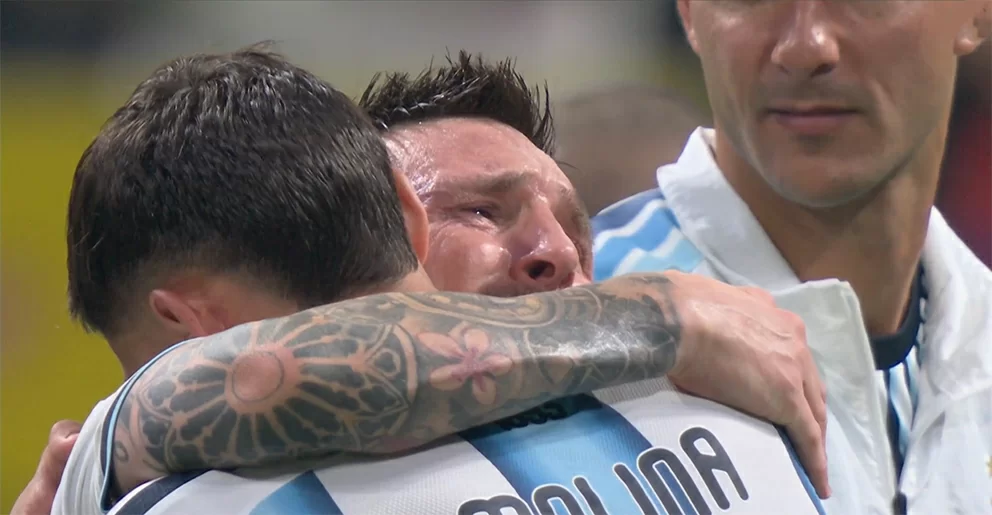
Derde helft WK 2026: Messi leidt wereldkampioen door bloedstollende comeback
The 2026 FIFA World Cup delivered one of its most iconic knockout round matches on a tense Tuesday at Atlanta Stadium, where defending champions Argentina pulled off a stunning last-minute comeback to beat underdog Egypt 3-2 and secure a spot in the quarterfinals. The clash was billed as more than just a fixture for a spot in the next round: it was a cross-generational showdown between two of the game’s greatest modern talents, both nearing the end of decorated international careers. At 39, Lionel Messi, the tournament’s all-time leading goal scorer and appearance holder who entered this match as a joint-top goal scorer in 2026, had already confirmed this would almost certainly be his final World Cup. For 34-year-old Mohamed Salah, this run marked a historic milestone for Egypt, the first time the North African side had ever advanced to the World Cup knockout round in his third appearance at the tournament. It was a match that pitted legacy against history, experience against relentless underdog ambition, and it delivered on every bit of its pre-match hype.
Egypt got off to a shock start that left the sell-out crowd stunned. Just 15 minutes in, defender Yasser Ibrahim rose to meet a short corner and directed a perfectly timed header into the back of the net, putting the unheralded underdog ahead against the reigning world champions. Egypt, which had not won a single World Cup match before the 2026 tournament, pressed high, disrupted Argentina’s rhythm, and denied the star-studded attack the space to create. The momentum shifted even further in Egypt’s favor seven minutes later, when Messi was handed a chance to equalize from the penalty spot. In one of the tournament’s most impressive saves, Egyptian goalkeeper Mostafa Shobeir dived full-stretch to push Messi’s effort away, a world-class stop that sent waves of energy through the Egyptian bench and fan section. Shobeir continued his standout performance through the first half, turning away a powerful header from Alexis Mac Allister and multiple other dangerous attempts to keep his clean sheet intact.
Despite the growing pressure and two-goal deficit, Argentina kept pushing forward. Messi, playing his 14th World Cup knockout match to equal Miroslav Klose’s all-time record, carved out chance after chance, including a well-struck free kick that narrowly missed the target, but luck eluded the defending champions through the first 45 minutes and five minutes of added time. Egypt held firm with ironclad defensive discipline, absorbing wave after wave of attack and going into halftime holding onto their surprising 2-0 lead, with the entire world watching as they closed in on the biggest upset in recent World Cup history.
As the second half wore on, Egypt adopted a deep defensive block with nearly six players camped in their own half, ceding possession to Argentina in the final 15 minutes of regulation. That tactical choice would prove to be their undoing, as Argentina’s relentless pressure finally broke through. In the 79th minute, Messi found a sliver of space between Egypt’s defenders and played a pinpoint assist to Cristian Romero, who powered a header past Shobeir to cut the deficit to 2-1, reigniting Argentina’s hopes of a comeback. Just five minutes later, Messi completed the turnaround with a spectacular volley that clipped the bottom of the crossbar and bounced into the net, leaving the goalkeeper with no chance and sending the Atlanta Stadium into absolute delirium.
The most dramatic moment came in second-half stoppage time, when Lautaro Martinez drove a cross toward the far post, where Enzo Fernandez rose above two Egyptian defenders to head home the match-winning goal in the 92nd minute. What had looked like a guaranteed historic upset for Egypt just 13 minutes earlier turned into one of the most remarkable comebacks in World Cup history.
Disappointment washed over the Egyptian side after the final whistle, with frustration boiling over into late red cards and emotional outbursts from players who had come so close to making history. For Argentina, the win was a testament to the team’s unbreakable team spirit and never-say-die attitude, as much as it was a showcase for Messi’s undeniable genius. The Argentine captain could not hold back his tears after the final whistle, extending what was meant to be his final World Cup run into at least one more match. Messi was named Man of the Match for his match-winning performance, but he was quick to credit the entire squad for the comeback, a sentiment that echoed through the stands.
This match will go down in World Cup history as one of the tournament’s all-time classic knockout encounters, a perfect example of everything that makes global football’s biggest event so captivating: high drama, relentless tension, and stories of both legendary greatness and valiant underdog effort. For Argentina, the win keeps their title defense alive and sets up a quarterfinal clash, while Egypt can hold their heads high after a historic run that captured the hearts of football fans around the world.
-

Best Friend Remembers Cody Gomes, Speaks of Private Struggles and Importance of Mental Health
In the wake of the sudden passing of 24-year-old Cody Gomes, one of his closest confidants has shared a moving, intimate reflection on his life that doubles as a urgent call for greater empathy and public awareness around the silent crisis of mental ill health.
Writing of the battle Gomes waged for years, James, Gomes’ closest friend, pushed back against common misconceptions about mental illness, noting that the young man was surrounded by abundant love and support from his inner circle. “If you thought he didn’t have love and support around him, you’re wrong. He was deeply loved. The problem was that he couldn’t see himself the way everyone else saw him,” James explained.
She opened up about the internal turmoil Gomes carried, revealing that he often felt trapped in a cycle of stagnation, hiding the full weight of his emotional pain from even the people closest to him. This experience led James to highlight a dangerous, widespread pattern: many people conceal crippling psychological suffering behind a calm, functional exterior. She urged communities not to fall into the trap of assuming that anyone who appears to be handling life well is free from deep inner struggle.
“The person you speak to every day, the one who seems okay because they carry their burdens so well, could be silently fighting a battle you know nothing about,” she emphasized.
Through her tribute, James delivered a message of hope to those currently grappling with depression or emotional distress, urging anyone in crisis to reach out for help instead of giving in to despair. She reminded people struggling with low moments that difficult phases are temporary, and no permanent choice should be made to escape passing pain.
“Don’t make a permanent decision during a temporary season of depression,” James wrote. “As long as there’s breath in your body, there’s still hope. Every new day is another chance to make different choices and hold on a little longer.”
Closing her tribute, James asked the public for compassion rather than criticism over Gomes’ death, stressing that he fought harder against his inner demons than most people could ever understand. “Please forgive my best friend. He fought harder than most of us will ever know,” she said.
Gomes was found unresponsive at his residence in Swetes in the early hours of Monday morning. Local law enforcement confirmed that the circumstances surrounding his death are still active under investigation, and have requested that the public respect the Gomes family’s right to privacy as the inquiry moves forward.
Public health officials and mental health advocates echo James’ call for action, reminding anyone struggling with emotional distress that reaching out is a sign of strength, not weakness. Trusted confidants, including close friends, family members, licensed counselors, medical providers, faith leaders and other mental health professionals are available to provide support. For anyone facing an immediate crisis where personal safety is at risk, emergency medical assistance should be contacted without delay.
-
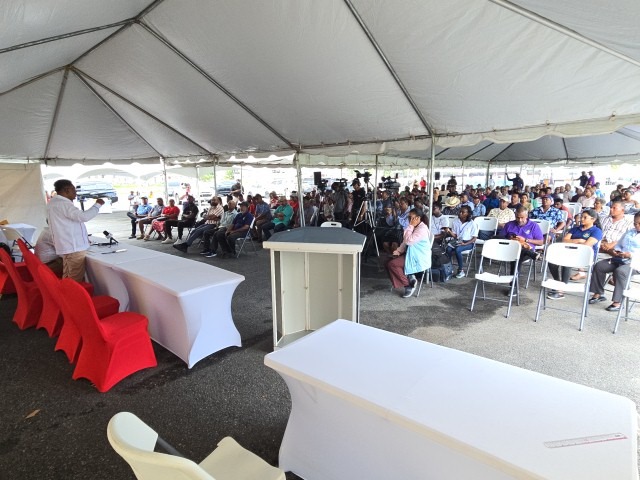
Guyana searching aggressively for new rice markets
Against a backdrop of oversupplied global rice markets and persistently depressed international prices, Guyana is actively pursuing new export destinations to absorb a projected 2026 domestic rice output expected to hit 820,000 tonnes, the country’s Agriculture Minister Zulfikar Mustapha announced Tuesday. Speaking at a farmer subsidy distribution event held at the National Track and Field Facility in Leonora, West Coast Berbice, Mustapha outlined the government’s multi-pronged strategy to shore up the key national agricultural commodity sector, which has faced growing pressure from expanded production from major global rice exporters.
Currently, Guyana’s largest regional export customers are member states of the Caribbean Community (CARICOM), with Jamaica and St. Lucia purchasing more Guyanese rice than any other Caribbean markets, the minister told Demerara Waves Online News in a post-event interview. To diversify its customer base, the government is actively negotiating access to three new key markets: Mexico, Haiti, and Cuba. Talks with Mexico’s ambassador to Guyana are already in an advanced stage, while a small initial shipment of paddy has already been sent to Haiti, with expectations for much larger volumes following the country’s 2026 second harvest, Mustapha added. The country will continue existing rice exports to Europe, though Mustapha acknowledged that prices on the continent remain unprofitably low due to global market conditions.
As of mid-2026, Guyana has already harvested 414,000 tonnes of rice, putting the country on track to meet its full-year output target, according to the minister. The global rice glut, driven by increased production from large exporting nations including India, Indonesia, and Malaysia, has driven down farmgate prices dramatically: millers currently pay farmers just GY$2,500 per bag of paddy, down from GY$4,000 per bag in 2023. To offset this drop and keep the sector viable, the Guyanese government has rolled out an extensive package of subsidies and support measures totaling GY$2.763 billion.
Under the support scheme, the state-owned Guyana Rice Development Board (GRDB) has waived the annual GY$650 million to GY$700 million export commission that millers are required to pay, with the government covering the resulting revenue shortfall. So far in 2026, the government has already transferred GY$430 million of the GY$807 million total required funding to GRDB. Additional direct support includes a GY$300 per bag subsidy paid to farmers for paddy sold to millers, plus one free bag of fertilizer per cultivated acre. For Region Three (West Demerara-Essequibo Islands) alone, 560 farmers who planted 15,636 acres in the last growing cycle will receive a total of GY$401,696,055 in support. Payments are tiered to prioritize smaller operations: farmers cultivating 50 acres or less receive GY$15,000, while operations over 50 acres receive GY$10,000.
In addition to direct price supports, Mustapha called on private landowners to roll back what he described as exorbitant land rental rates that are driving up production costs for already strained farmers. While public land providers – the Mahaica-Mahaicony Abary Agricultural Development Authority (MMA/ADA) and the Guyana Lands and Surveys Commission – charge between GY$1,000 and GY$3,500 per acre including drainage and irrigation services, some private landowners are charging as much as GY$30,000 per acre in rent. Mustapha urged private owners to lower these rates to help reduce the overall cost burden on rice producers.
To improve long-term sector productivity, the government is also investing heavily in agricultural infrastructure for key growing regions. Region Three has recently received seven new irrigation pumps, and plans are moving forward for construction of a large-scale drainage canal modeled after a successful existing facility on the East Coast Demerara, alongside upgrades to farm-to-market road networks. The government is also supporting producers to adopt more efficient practices including drone fertilizer application, and encouraging diversification by integrating paddy cultivation with livestock rearing and high-yield alternative crops. “We don’t want to see you only depend on rice,” Mustapha told farmers.
Despite the market challenges, Guyana has seen consistent growth in rice output over the past five years, rising from 550,000 tonnes in 2020 to 825,000 tonnes in 2025. Unlike 2025, when Essequibo Coast farmers resorted to paddy dumping due to lack of off-take, Mustapha confirmed that no unprocessed paddy has been discarded this year. All surplus paddy has been purchased by the government, with some currently stored in Essequibo awaiting milling and future distribution. To expand national storage capacity, the government is constructing a new public storage facility in Onderneeming, Essequibo, to complement existing privately owned storage sites.
-
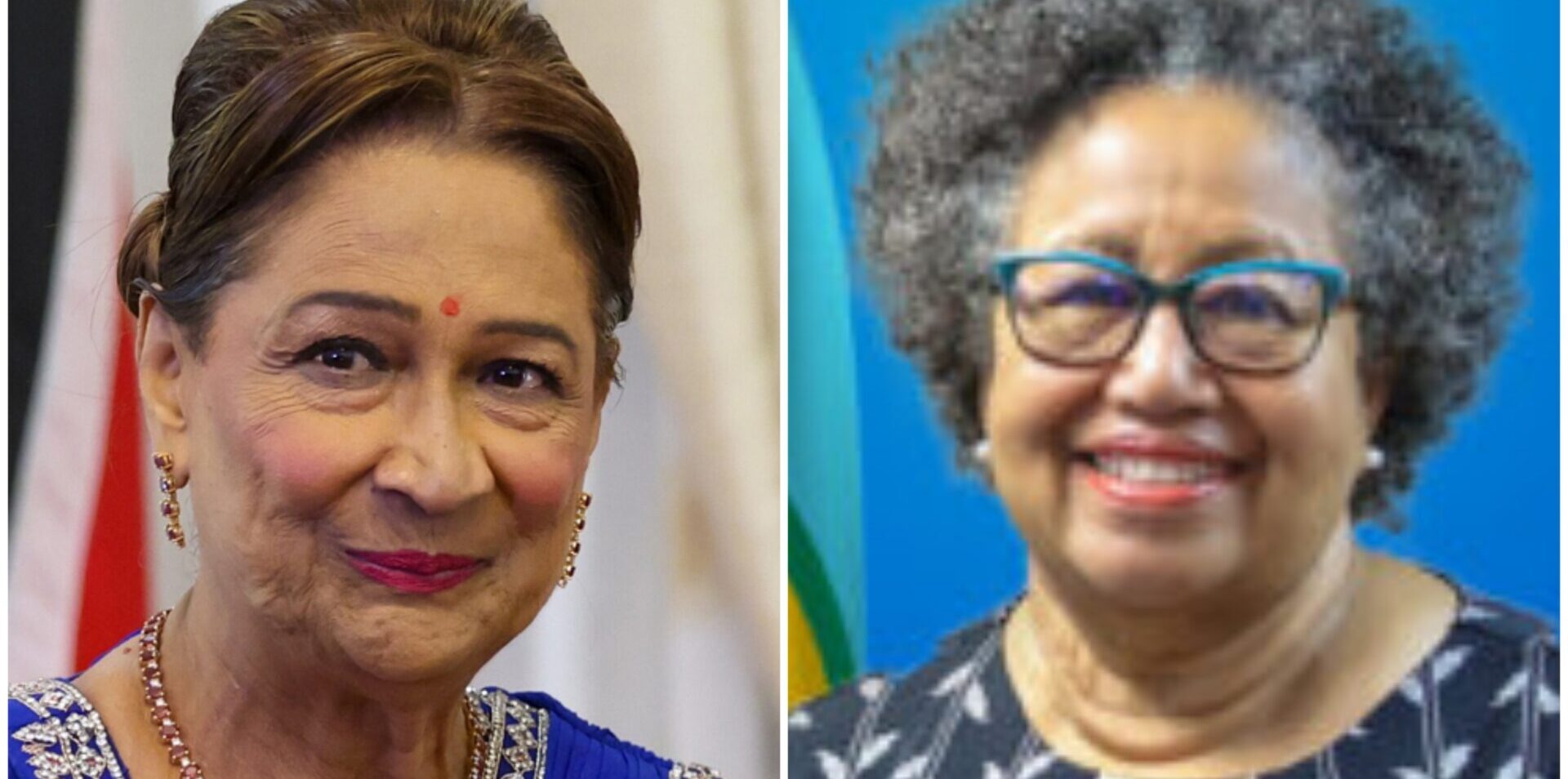
CARICOM to seek CCJ advisory opinion on Secretary-General reappointment following Trinidad & Tobago objection
A long-simmering dispute over the reappointment process of CARICOM Secretary-General Dr. Carla Barnett has led regional heads of government to approve a legal path forward, agreeing to request an official advisory opinion from the Caribbean Court of Justice (CCJ) to resolve the impasse. The decision was finalized on July 6, 2026, at a closed-door leadership retreat hosted in St. Lucia, following formal objections raised by the government of Trinidad and Tobago that the existing reappointment procedure violated the Revised Treaty of Chaguaramas, the foundational legal document governing the regional bloc.
Trinidad and Tobago Prime Minister Kamla Persad-Bissessar had laid out her administration’s formal position in a comprehensive 22-page letter circulated to all CARICOM heads on July 3. In the correspondence, Persad-Bissessar argued that the dispute should not be settled through behind-the-scenes political negotiation, but instead through the formal legal mechanisms laid out in the founding treaty. She additionally proposed that all heads commit in advance to abiding by the CCJ’s interpretation of the relevant treaty provisions. Jamaica’s Prime Minister Andrew Holness also added his voice to calls for a formal resolution, penning a July 5 letter to CARICOM Chairman and St. Lucia Prime Minister Philip J. Pierre to express concern over the ongoing lack of resolution for the impasse. “It has become clear that we were not all on the same page. Therefore, it is important that any concerns be addressed in a meaningful manner to restore cohesion, if not unity, which is indispensable to the effective functioning of Caricom,” Holness wrote. According to local outlet T&T Guardian, deliberations over the dispute extended the closed-door retreat by several hours beyond its scheduled adjournment, highlighting the significance of the issue for regional governance.
Per the official joint statement released by CARICOM on July 7, the bloc will initiate formal proceedings under Article 212 of the Revised Treaty of Chaguaramas to request the CCJ’s advisory opinion. The statement notes that interpreting the terms of the founding treaty is one of the core mandated functions of the regional court, making it the appropriate body to resolve the disagreement. Until the CCJ delivers its opinion and CARICOM leaders have time to review the ruling, the current status of Barnett’s reappointment will remain unchanged. CARICOM emphasized that the agreed-upon process offers an amicable route to resolution that will not disrupt the bloc’s ongoing work to address regional challenges.
The dispute resolution process is framed as part of a broader ongoing initiative to strengthen CARICOM’s institutional governance, a mandate that leaders approved during a previous heads of government conference held in St. Kitts and Nevis. In their statement, regional leaders stressed that referring the matter to the CCJ does not call into question the professional or personal integrity of any member state or individual involved in the process. Instead, the move reflects a collective commitment to upholding the rule of law within the bloc, strengthening regional institutions, and maintaining rigorous standards of good governance. Closing the statement, CARICOM heads reaffirmed their shared commitment to the founding ideals and objectives of the regional community, pledging to continue working collaboratively to advance the interests of Caribbean nations and populations amid the multiple complex challenges facing the region.
-
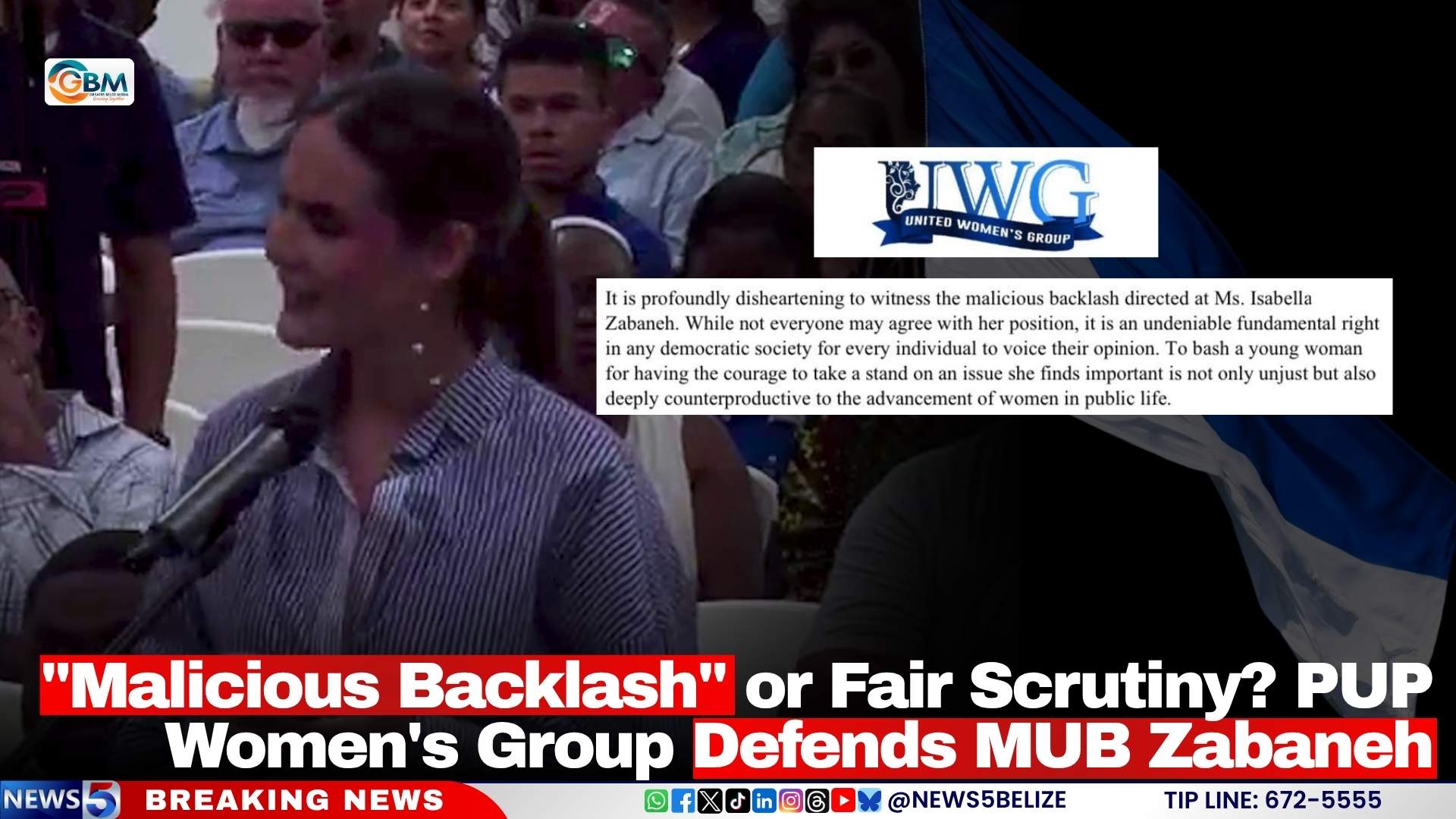
“Malicious Backlash” or Fair Scrutiny? PUP Women’s Group Defends MUB Zabaneh
A political controversy in Belize has erupted into a heated debate over free speech and gender equity after Miss Universe Belize Isabella Zabaneh faced widespread public pushback for her comments on a high-stakes government procurement scandal tagged the “Mira Millions” case.\n\nZabaneh shared her unfiltered views on the controversy during the People’s United Party (PUP) National Party Council meeting held in Dangriga over the weekend, putting herself at the center of a growing national debate. At the heart of the scandal is a $10,000 procurement threshold that senior government officials have flagged as a tool to bypass formal treasury oversight.\n\nIn her remarks, Zabaneh argued that the long-standing $10,000 threshold is outdated, noting that while the limit may have made sense three decades ago, it currently places unnecessary administrative burdens on the office of the financial secretary and amounts to excessive top-down micromanagement across all levels of government. Her comments align with observations from Financial Secretary Joseph Waight, who previously labeled the repeated pattern of processing payments just under the $10,000 threshold tied to Minister Oscar Mira’s family as suspicious, with clear indications of willful intent to dodge official oversight.\n\nIn the wake of Zabaneh’s comments, a wave of public criticism circulated across social media platforms. But the PUP’s United Women’s Group (UWG) has stepped forward forcefully to defend the beauty queen and political commentator, dismissing the public criticism as a “malicious backlash” that targets a young woman’s fundamental right to engage in political discourse.\n\n“It is profoundly disheartening to witness the malicious backlash directed at Ms. Isabella Zabaneh,” the UWG said in an official statement. “Such attacks are precisely why young females, and women in general, are often wary of entering the political arena.” The group added that it unequivocally condemns all attempts to silence a young, articulate female voice contributing to national political conversation.\n\nCritics pushed back against the UWG’s framing, however, taking to Facebook to clarify that their scrutiny of Zabaneh has nothing to do with her gender. Online commentators emphasized that their criticism centers exclusively on her stance regarding the controversial threshold, which remains at the core of the unfolding “Mira Millions” corruption investigation. The debate has now drawn new attention to both the procurement scandal and the ongoing challenges women face when entering political spaces in Belize.
-
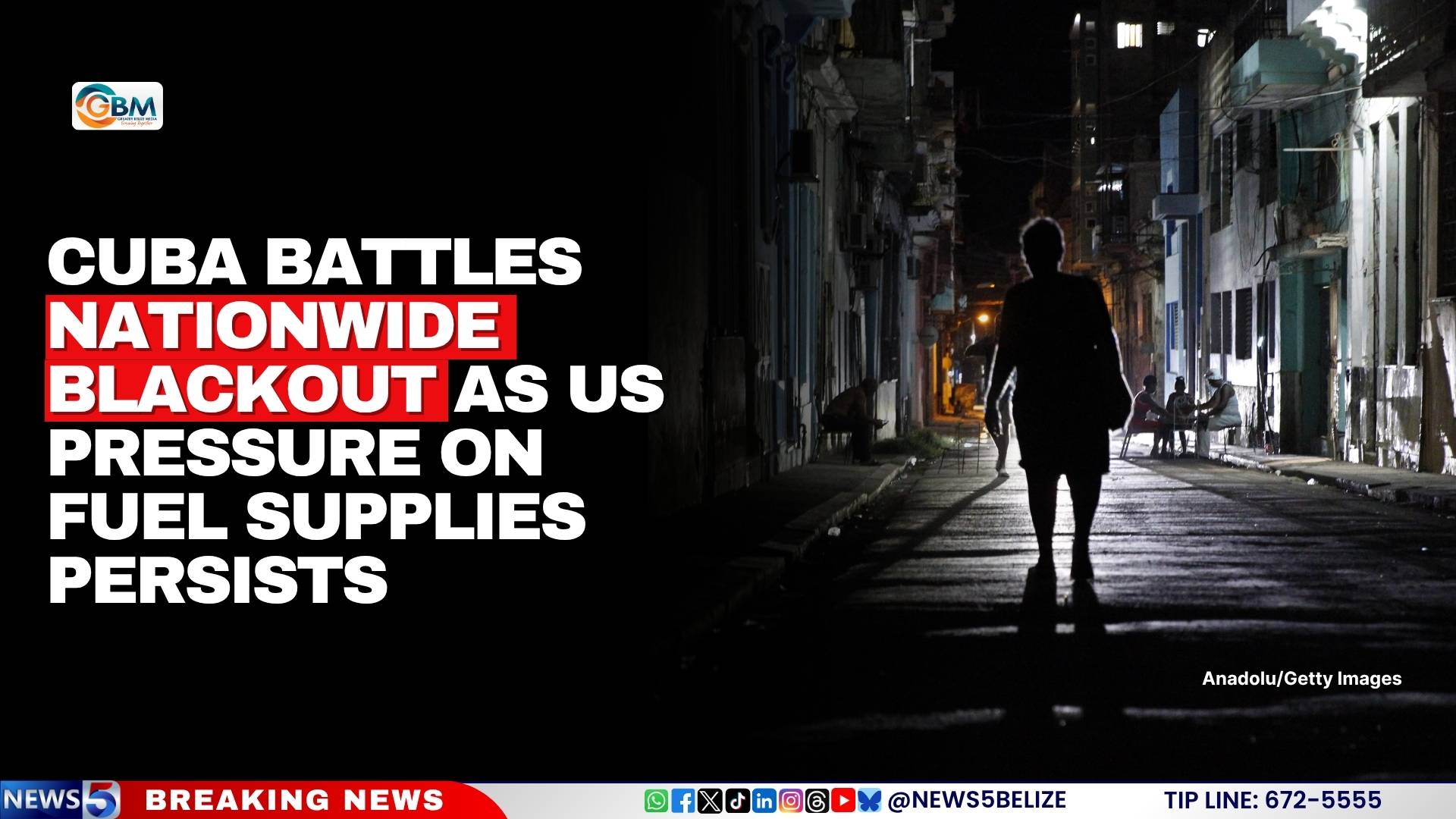
Cuba Battles Nationwide Blackout as US Pressure on Fuel Supplies Persists
On a Monday in July 2026, Cuba entered an unprecedented national crisis when its entire interconnected power grid shut down completely. This total collapse amplified the long-simmering energy crisis that Cuban authorities have repeatedly pinned on sustained pressure from the United States, which has targeted the island nation’s fuel import networks for years.
Cuba’s Ministry of Energy and Mines officially confirmed the full grid failure on Monday morning. Energy Minister Vicente de la O Levy released a statement confirming that utility teams had immediately activated emergency backup power generators to maintain critical operations for hospitals, water treatment facilities, government communication hubs and other essential services while repair crews worked to restore the system. As of Tuesday, gradual restoration efforts were underway across the country, with the capital Havana’s main utility provider reporting that approximately 33 percent of customers in the city had regained access to electricity.
Officials have not yet released a final determination on the root cause of the collapse, with investigations still ongoing. Even so, the incident is far from unprecedented for Cuba, which has grappled with rolling blackouts and full-grid failures for years. Two core challenges have fueled the ongoing crisis: decades of aging power generation and transmission infrastructure that has not received sufficient upgrades to meet growing domestic demand, and intensifying U.S. pressure that has cut off most of the country’s regular oil shipments.
The crisis reached a similar breaking point earlier this year, when two separate nationwide blackouts hit the island within the span of a single week in March 2026. Cuban President Miguel Díaz-Canel publicly addressed the collapse via the social platform X on Monday, leveling a sharp accusation against Washington: he claimed the U.S. is deliberately attempting to force a “social explosion through asphyxiation” by strangling the country’s energy supplies.
The ripple effects of the chronic energy shortage have already devastated key sectors of Cuban society. Public schools have faced repeated closures, public transportation systems have been grounded or scaled back dramatically, and hospitals have struggled to maintain care for patients with reduced access to power for medical equipment. On top of the energy pressure, broad U.S. economic sanctions have dragged down overall economic performance and sharply reduced international tourism, a critical source of revenue for the Cuban government.
For its part, the U.S. government has framed its pressure campaign as an effort to push Cuban leaders to relax centralized political control over the economy and open the country to increased foreign direct investment. Last month, Cuba’s National Assembly passed a sweeping package of economic reforms aimed at stabilizing the country’s struggling economy. Cuban Foreign Trade Minister emphasized that the reforms were not a reactive concession to outside pressure, but a domestically driven adjustment to address economic challenges. A spokesperson for the U.S. State Department quickly pushed back on the reforms, dismissing them as superficial changes that were long overdue.
-

Dominica names senior men’s team for historic FIBA AmeriCup Caribbean Pre-Qualifiers debut
After a decade of steady grassroots growth, Caribbean island nation Dominica is poised to reach a new landmark in its basketball development: the Dominica Basketball Association (DABA) has officially unveiled the 12-member senior men’s national delegation that will make history as the country’s first senior squad to compete in an official International Basketball Federation (FIBA) tournament at the 2029 AmeriCup Caribbean Pre-Qualifiers.
Dominica’s only prior appearance in any FIBA-sanctioned competition dates back to 2016, when a junior national side took the international court. A full 10 years of incremental progress later, the country’s top senior players will get their first chance to compete on FIBA’s global stage, a milestone that DABA frames as a transformative leap forward for the sport across the island.
For the selected athletes and coaching staff, the pre-qualifier tournament offers far more than just a chance to win games. DABA’s official announcement emphasizes that the international exposure gained from competing against other Caribbean and Atlantic national sides will strengthen the entire national basketball program. It will also create a clearer, more robust development pipeline for young domestic talent aiming to represent Dominica in future international competitions, laying the groundwork for long-term growth of the sport.
The association extended public gratitude to the Dominica Olympic Committee, whose critical financial and logistical support made the team’s historic participation possible. Without the committee’s backing, the milestone debut would not have been achievable, DABA noted.
Leading the delegation is head coach Donnie Robinson, supported by assistant coaches Abdulaziz Sanderson and Yannick Regis. Curlyn Luke will serve as team manager to handle off-court operations, while Carl Munro will fill the role of team physician to care for players’ health throughout the tournament. Dr. Darroux PSC Falcons standout Kijuan Thomas has been appointed team captain to lead the 12-man squad on and off the court.
The full roster, pulled from top domestic club teams across Dominica, includes: Andell Olivacce and Jacob Barry of the Happi 767 Sports Club Dominators; Ethan Boland of Marigot Sunrise; Jaiden Scotland of the BAA Sharks; Karim Daniel, Kijuan Thomas, Ramal Carbon and Yawani Regis of the Dr. Darroux PSC Falcons; Maxwell Birmingham and Zack Bastien of the D Treads Blazers; Nathan Sebastien of the Police Sports Club; and Shamar Felicite of the Happi 767 Sports Club Dominators.
Dominica’s match schedule for the pre-quualifiers sees the side open its historic tournament run against the Turks and Caicos Islands at 5:30 p.m. on the second day of competition. Following that opening matchup, the team will face Guyana at 8:00 p.m. on day three, take on Antigua and Barbuda at 5:30 p.m. on day four, and close out the group stage against Bermuda at 5:30 p.m. on day five.
In its official statement, DABA framed the tournament as an unprecedented new chapter in Dominica’s national basketball history. The association noted that the selected players and staff have earned the once-in-a-generation opportunity to put Dominican basketball on the map by competing on a brand-new international platform.
DABA officially congratulated all 12 players and supporting staff on their selection, acknowledging the months of relentless training and dedication that earned them the honor of representing their country. The association also issued a call to action, encouraging Dominicans living on the island and in the global diaspora to rally behind the team throughout the competition.
Looking back on a decade of progress, DABA highlighted that the jump from 2016’s junior FIBA participation to 2026’s senior debut reflects the consistent, sustained growth of basketball across the island. As they prepare to take the court, Team Dominica is set to represent the “Nature Island” of the Caribbean with pride, discipline, and unwavering determination.
-
VACANCY ANNOUNCEMENT: Chief Wale Reserve Officer
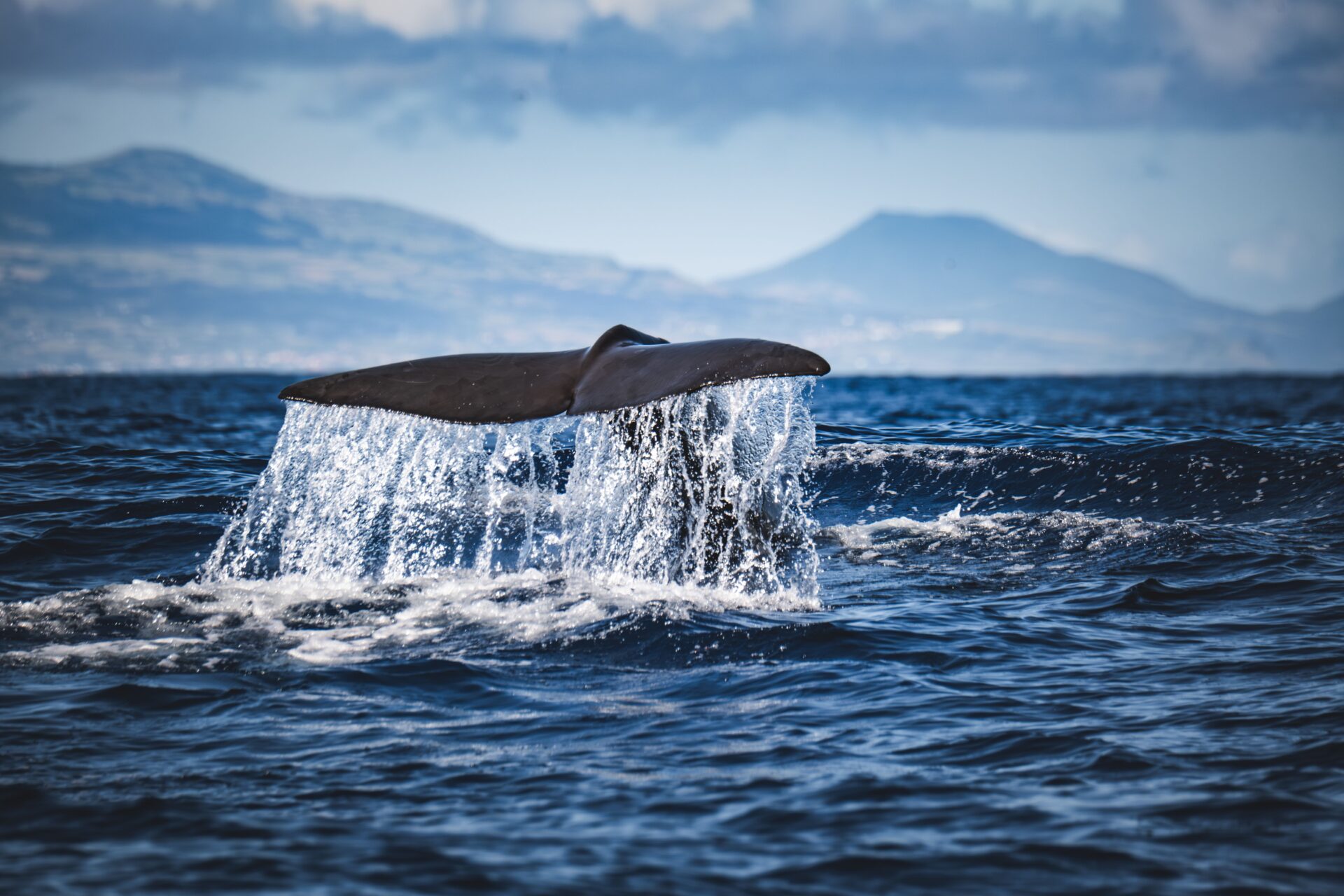
The Commonwealth of Dominica’s Ministry of Agriculture, Fisheries, Blue and Green Economy has launched a call for applications for a newly established key leadership position: Chief Whale Reserve Officer. This role comes as the island nation works steadily toward the targets laid out in its National Resilience Development Strategy (NRDS) 2030, a long-term plan that prioritizes the sustainable growth of interconnected blue and green economic sectors.
At the core of this opportunity is a chance to shape the future of Dominica’s unique Sperm Whale Reserve, a critical conservation area that supports both marine biodiversity protection and the country’s growing sustainable whale tourism industry. The person selected for the position will take end-to-end ownership of all reserve management activities, from high-level strategic planning to day-to-day operations.
Among the extensive list of core responsibilities, the successful candidate will lead the development, budget alignment, and rollout of the reserve’s official long-term management plans. They will also oversee all human resources operations for the reserve, including recruiting new team members, delivering targeted skills training, and providing ongoing supervision for all on-site and administrative staff. Regular progress reporting to ministry leadership, as well as providing expert technical guidance on cetacean conservation and reserve management matters, will also make up a key portion of the role.
Beyond internal operations, the Chief Whale Reserve Officer will lead all public outreach initiatives to raise awareness of the reserve’s conservation mission, and coordinate engagement with a wide range of local and international stakeholders. They will also collaborate closely with the Dominica Police Force and national Coast Guard to organize coordinated monitoring, surveillance, and enforcement activities across the reserve’s protected boundaries to prevent illegal activities that threaten whale populations and their habitats. A key strategic goal for the role will also be pursuing external grant funding, building conservation-focused partnerships, and leading fundraising initiatives to secure long-term financial and institutional support for the reserve’s work.
Applications from qualified, environmentally passionate candidates are open until the deadline of Wednesday, July 15, 2026. Interested individuals may submit their application materials through three approved channels: hand delivery to the ministry’s offices, submission via traditional post, or email. All applications should be addressed to the Permanent Secretary of the Ministry of Agriculture, Fisheries, Blue and Green Economy, located at Government Headquarters on Kennedy Avenue in Roseau, the capital of Dominica. Electronic applications can be sent directly to the official ministry email address [email protected].
-
Saint Lucia, Finland strengthen diplomatic ties as consulate reopens
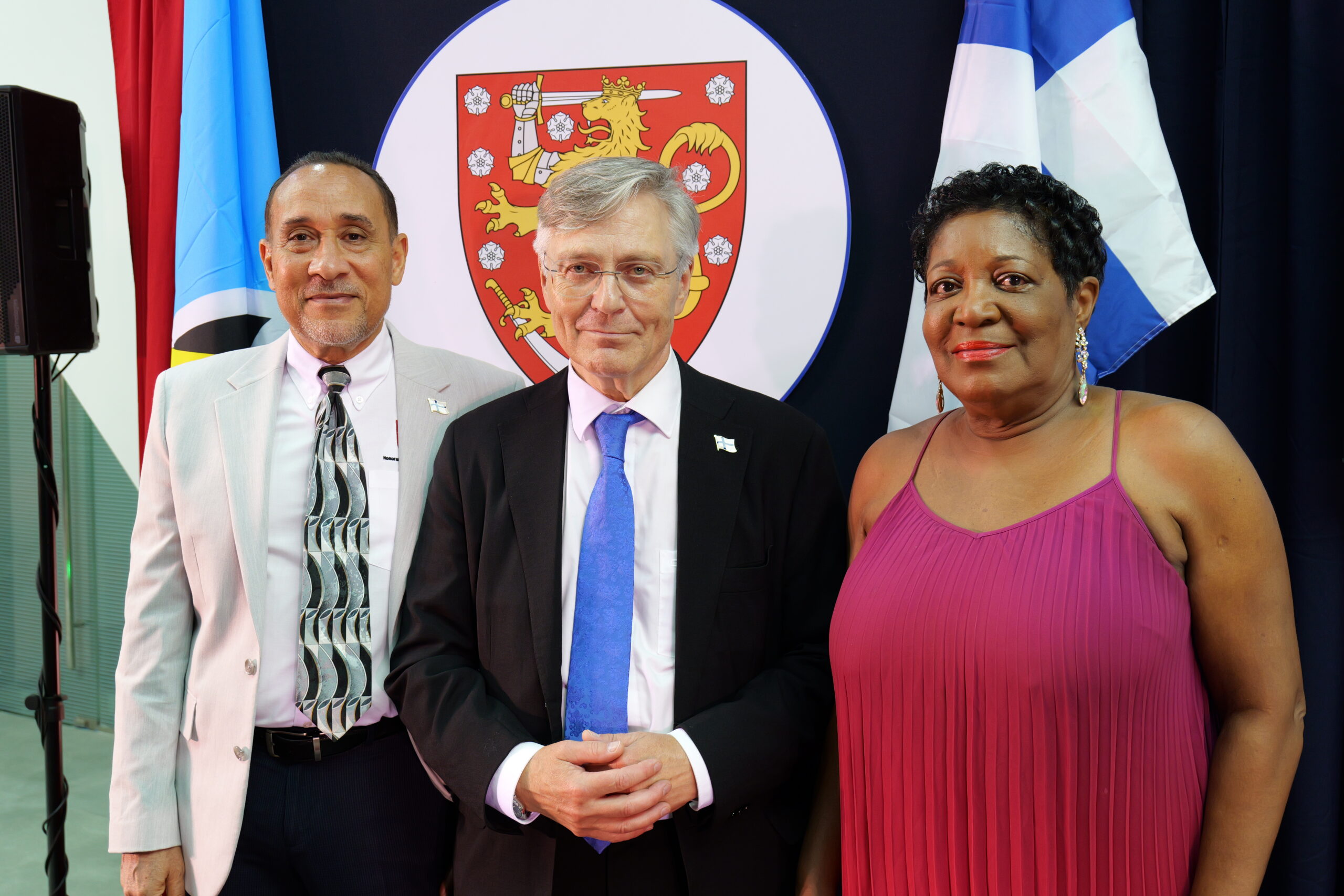
After a period of dormant diplomatic representation, Finland has formally reopened its honorary consulate on the Caribbean island nation of Saint Lucia, launching a new era of deepened cooperation between the two governments and peoples. The milestone event was marked by a formal cocktail reception held last Friday, drawing a cross-section of high-profile attendees including senior Saint Lucian government officials, representatives of the international diplomatic corps based in the country, leading regional business executives, and other specially invited guests.
The ceremony operated under the official patronage of His Excellency Pertti Ikonen, Finland’s ambassador to the Caribbean region. At the event, Gordon Charles, chief executive officer of the prominent local enterprise JQ Group of Companies, was formally sworn in and introduced as the Nordic country’s new honorary consul to Saint Lucia.
In his acceptance remarks following the appointment, Charles extended gratitude to the government of Finland for extending trust in his leadership, outlining his commitment to forging stronger bonds between the two nations through expanded bilateral collaboration and increased two-way trade. Central to his strategic vision for the consulate is a push to help Saint Lucian stakeholders leverage the existing EU-CARIFORUM Economic Partnership Agreement (EPA), a landmark trade deal that grants all CARIFORUM signatory states – including Saint Lucia – duty-free and quota-free access to export goods to the 27-member European Union. Charles emphasized that the arrangement opens untapped avenues for expanded trade, attracted foreign direct investment, and inclusive economic growth for the small island nation.
“We look forward to these opportunities and the growth of our relationship between the two nations,” Charles added in closing his remarks.
Ambassador Ikonen echoed the new honorary consul’s optimistic outlook, affirming that the EPA serves as a critical structural framework to expand bilateral trade and economic cooperation between Finland and Saint Lucia. Echoing Charles’ call to action, he urged local Saint Lucian businesses to capitalize on the preferential access the agreement provides. In a light-hearted moment during his formal address, Ikonen even quipped that he may soon start importing Saint Lucia’s famous banana ketchup, praising the unique local product that remains unavailable to consumers in Finland.
The ambassador also took the opportunity to honor the contributions of Berthia Parle, the previous honorary consul for Finland in Saint Lucia. Parle, a well-respected leader in Saint Lucia’s tourism sector and former president of the Saint Lucia Hospitality and Tourism Association, served in the role for more than 10 years, with Ikonen describing her tenure as defined by “exemplary” service to advancing bilateral ties.
Also in attendance at the reopening ceremony was Alva Baptiste, Saint Lucia’s Minister for External Affairs, International Trade, Civil Aviation and Diaspora Affairs. Baptiste emphasized that for small developing island states such as Saint Lucia, building targeted strategic alliances and sustaining robust diplomatic relationships remain core pillars of long-term national development. He framed the bilateral partnership with Finland as a key example of the type of collaboration that advances the island’s development goals.
“We are determined to pull through with strategic alignments. With good friends like Finland, we are going to continue that journey to the palace of victory and development. Our foreign policy posture will always encourage unity, peaceful resolutions to conflict, and for us to use diplomacy as a tool to resolve problems,” Baptiste stated.