博客

  • Derde helft WK 2026: VAR-beslissing bij Argentinië-Egypte zorgt voor controverse

    Derde helft WK 2026: VAR-beslissing bij Argentinië-Egypte zorgt voor controverse

    A contentious late Video Assistant Referee (VAR) decision that disallowed a second Egyptian goal has reignited fierce debate over procedural integrity and potential outside influence at the 2026 World Cup, coming just weeks after a separate controversy involving political interference rocked the tournament. The drama unfolded following Argentina’s dramatic 3-2 comeback win over Egypt in their round of 16 clash in Atlanta, a result that sent Mohamed Salah’s side packing from the competition and left Egyptian officials and football analysts questioning the motives behind the call. This latest row comes on the heels of a previous scandal that saw former U.S. President Donald Trump successfully lobby FIFA to reverse a red card suspension for American striker Folarin Balogun – a move that left lingering questions over how political pressure can shape tournament outcomes, even after Belgium’s 4-1 win over the U.S. did little to fully extinguish those concerns.

    In the aftermath of the knockout defeat, Egypt’s head coach Hossam Hassan has directly alleged that tournament organizers prioritized keeping defending champion Argentina and star forward Lionel Messi in the competition through biased refereeing. “Maybe they wanted Messi to stay in the race,” Hassan told beIN Sports. “The world champion got support at every level.” Hassan’s claims have been echoed by a number of high-profile football figures, with former Chelsea and Tottenham manager José Mourinho famously describing the result as “daylight robbery” across his social media channels.

    Sports industry experts warn that growing overlap between political interests and top-tier football is making it increasingly difficult to distinguish legitimate refereeing calls from biased decision-making. Simon Chadwick, a professor at Emlyon Business School and leading scholar on sports geopolitics, notes that the close political alignment between Argentina’s President Javier Milei and former U.S. President Trump has added an extra layer of sensitivity to the controversy. Chadwick also points out that Hassan’s very public advocacy for the Palestinian people may have created implicit bias among some tournament officials, noting that the coach dedicated a significant portion of his post-match press conference to calling for support for Palestinians, a stance that is unlikely to have gone unnoticed by governing body stakeholders.

    Beyond broader questions of bias, Chadwick highlights clear inconsistencies in how VAR was applied during the critical moments of the match. The disallowed Egyptian goal in the 58th minute came after an unusually delayed VAR review that ultimately ruled out the score for a marginal offside. At the same time, a clear foul by an Argentine player in the build-up to the Egyptian attack was completely overlooked by VAR. Additional inconsistencies abound: Salah appeared to be impeded by Argentine defenders in the build-up to Argentina’s match-winning third goal, but no review was called. A minor shirt pull by Egypt’s Marwan Attia on Lisandro Martinez was heavily scrutinized to invalidate the Egyptian goal, despite far more impactful fouls going unpunished at the other end of the pitch. “Refereeing standards were inconsistent,” Chadwick summarized.

    Not all analysts have backed Egypt’s claims of outright match-fixing, however. Egyptian football analyst Ali El Garni offered a more nuanced take, acknowledging that the disallowed Egyptian goal met the letter of the law for being ruled out, but questioned whether the same level of scrutiny would have been applied if the goal had been scored by Argentina. “50/50 calls went Argentina’s way across the board,” El Garni noted.

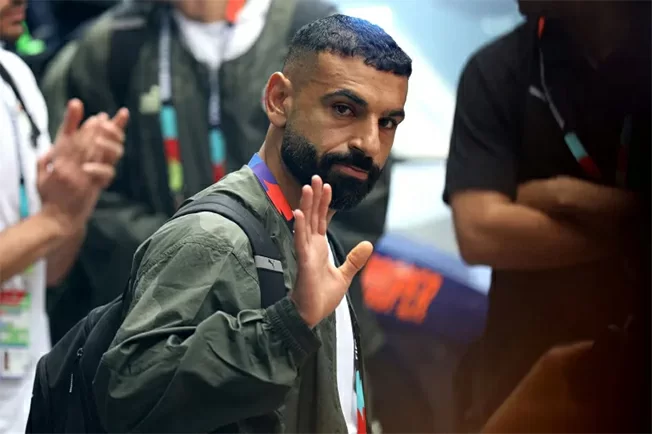
    Chadwick stopped short of confirming deliberate match-fixing to keep Messi in the tournament, but acknowledged the star forward’s unrivaled commercial draw for global football’s governing body. “There is no doubt that Messi is a box office draw that the World Cup cannot afford to lose,” he said. He has called for sweeping reforms to increase transparency around VAR decisions, arguing that the technology was designed to eliminate doubt and deliver consistent outcomes, but has instead eroded fan trust and created unintended psychological and competitive disruptions for players. In the wake of the controversy, Egyptian captain Mohamed Salah was photographed waving to hundreds of distraught fans who gathered outside the team’s Atlanta hotel after the elimination, capping a night of disappointment that has left one of the World Cup’s biggest upsets instead mired in debate over the tournament’s legitimacy.


  • From pathways to investment: Tackling the US$6 billion food challenge for the Caribbean

    From pathways to investment: Tackling the US$6 billion food challenge for the Caribbean

    For decades, Caribbean nations have grappled with a deep-seated structural crisis that extends far beyond agricultural policy: a food system that leaves the region among the most food import-dependent on Earth, draining more than $6 billion annually from regional economies while failing to deliver basic food security and public health for local populations. As Small Island Developing States (SIDS), Caribbean countries face overlapping cascading risks that have turned food system fragility into a core barrier to long-term sustainable development. Persistent food insecurity, sky-high rates of diet-related non-communicable diseases, extreme climate vulnerability, and constant exposure to global supply chain shocks that can send food prices soaring overnight are not isolated issues – they are interconnected symptoms of a system in need of wholesale transformation.

    Today, regional leaders have redefined food security as a cross-cutting priority that touches every pillar of national progress: it is no longer simply an agricultural concern, but a foundation of economic resilience, public health, climate adaptation, and inclusive sustainable growth. Recognizing this urgent reality, Caribbean governments through the Caribbean Community (CARICOM) have elevated food systems transformation to a top regional agenda via the 25 x 25 Plus Five Initiative, which targets reduced reliance on food imports while bolstering domestic production, cross-regional food trade, and overall system resilience. Individual nations across Barbados and the Eastern Caribbean have followed this with tailored National Food Systems Pathways, mapping out the specific investments, cross-sector partnerships, and policy overhauls required to realign local food systems with global Sustainable Development Goals.

    But for all this policy progress, one critical bottleneck has continued to block large-scale change: accessible, sufficient financing. Faced with historically high public debt levels and severely constrained fiscal space, Caribbean governments cannot bear the full cost of transformation alone – even as public investment remains an indispensable anchor for the work. Scaling up systemic food system change requires a massive influx of new capital that combines public resources, development finance, and dramatically expanded private sector investment. This gap was the core impetus for a landmark investment forum recently convened in Barbados, which brought together a diverse coalition of stakeholders: national governments, institutional investors, multilateral financial bodies, private sector leaders, regional governance groups, and United Nations agencies, all united around a single groundbreaking premise: food systems should be framed not just as a global development priority, but as a viable, high-impact investable asset class.

    What set this gathering apart from traditional development conferences was its unwavering focus on unlocking private capital – specifically private equity, impact investment, and blended finance structures designed to support small and medium enterprises and build critical infrastructure across every segment of regional food value chains. By connecting growth-starved local food businesses with patient capital and matching investors to scalable, bankable opportunities, the initiative aims to unlock new financing that complements rather than replaces public investment, avoiding further strain on overstretched government balance sheets.

    A landmark deliverable from the forum was the launch of a regional investment Deal Book, which aggregates roughly $320 million in ready-to-explore investment opportunities across seven Caribbean countries. Opportunities span the full food system: from traditional agriculture and artisanal fisheries to value-added agro-processing, cold storage and distribution logistics, and strategic climate-resilient food system infrastructure. The Deal Book serves as a tangible, practical bridge between investors searching for high-impact emerging market opportunities and Caribbean food sector projects searching for the capital to scale, while creating structured pathways for direct engagement between governments, local enterprises, and global and regional investors.

    Initial outcomes from the forum have already exceeded expectations, with tangible progress recorded across four sector-specific deal rooms. Participants dove deep into investment-ready and near-investment-ready projects, collaboratively designing blended finance structures, risk-sharing agreements, and cross-stakeholder partnerships to move projects from planning to implementation.

    Beyond immediate transaction progress, the forum marked a critical shift in regional and global perspective: food systems are now increasingly recognized as strategic drivers of economic diversification, national resilience, global competitiveness, and inclusive growth. Targeted investments across production, processing, logistics, and last-mile distribution will not only strengthen regional supply chains and reduce exposure to external price shocks – they will also spawn new small businesses, generate much-needed formal employment, and improve public health outcomes across the region.

    For the United Nations, the forum reinforced a key lesson about driving systemic change: transforming food systems cannot be achieved through siloed technical work from individual UN agencies. It requires integrated, cross-sector solutions that connect agriculture, nutrition, public health, climate resilience, trade policy, private sector development, and financing into a unified effort. The UN Resident Coordinator System plays a uniquely valuable role in this kind of collective work, uniting disparate capabilities across the UN development system around a shared regional priority.

    In Barbados and the Eastern Caribbean, the UN Resident Coordinator Office (RCO) has already aligned the full range of UN system expertise behind the regional food systems transformation agenda. Working closely with the Food and Agriculture Organization (FAO), the World Food Programme (WFP), the UN Food Systems Coordination Hub, and a range of local and international partners, the RCO has helped align policy support, technical assistance, cross-sector partnerships, and financing pipelines with the priorities that national governments have identified themselves.

    The Barbados forum showcased the power of this integrated, convening-led approach, bringing all relevant stakeholders around the table toward a shared goal. It also highlighted the UN’s unique comparative advantage as a trusted, neutral broker that can bridge gaps between national development priorities and global investment capital.

    As stakeholders emphasize, the true success of the forum will not be measured by the number of dialogues held, but by the volume of investment ultimately mobilized, the number of local food businesses expanded, and the progress delivered toward building resilient, competitive, and food-secure systems across the entire Caribbean. Its most important legacy may therefore be the work that unfolds in the months and years ahead. The hard work of turning commitments into impact starts now.

    This commentary is written by Kenroy Roach, Head of the UN Resident Coordinator Office for Barbados and the Eastern Caribbean.

  • LIVE on DNO from 7PM: Alwin Bully Foundation panel discussion on – Building Sustainable Arts & Culture Industries in Dominica

    LIVE on DNO from 7PM: Alwin Bully Foundation panel discussion on – Building Sustainable Arts & Culture Industries in Dominica

    When attempting to process and rewrite the submitted news content, no actual news text was included alongside the image link and social sharing buttons. This leaves no core journalistic information, event details, contextual background, or stakeholder quotes to analyze, reconstruct, and rewrite into a structured news article. Without the full written content of the original news report, it is impossible to carry out the required in-depth analysis of core points, narrative restructuring, or accuracy verification that the task demands. Anyone seeking a complete processed result will need to provide the full text of the original news story alongside any accompanying links or media references.

  • You Are Invited to Wear Blue Fridays to Fight Against Human Trafficking

    You Are Invited to Wear Blue Fridays to Fight Against Human Trafficking

    In a collective push to turn public attention to the pervasive crisis of human trafficking and child exploitation, Belize’s National Commission for Families and Children (NCFC) has issued a nationwide call for residents, local organizations, and private businesses to participate in Blue Fridays throughout the month of July. The initiative forms a core outreach arm of the ongoing Blue Teddy Bear Campaign, a multi-stakeholder effort dedicated to strengthening protections for vulnerable communities across the Central American nation.

    Unlike large-scale policy-driven campaigns, this effort centers on a small, accessible act of solidarity: wearing blue clothing every Friday. Organizers note that this simple visible gesture is designed to create natural openings for community conversations, break down silence around the topic of human trafficking, and push the public to recognize that ending exploitation cannot be left to government agencies alone. Collective action from every corner of society, they emphasize, is required to keep children and other at-risk groups safe from abuse and exploitation.

    To amplify the campaign’s reach, participants are invited to document their participation by taking photos with friends, colleagues, or family members, then share their posts on popular social media platforms using two official hashtags: #BlueTeddyBear and #WearBlueFriday. Tagging the NCFC in posts also helps organizers track public engagement and highlight community participation across the country.

    The Blue Teddy Bear Campaign itself launched earlier in 2026 as a partnership between NCFC, UNICEF Belize, and Belize’s Ministry of Human Development, Family Support and Gender Affairs. The initiative’s core mission extends beyond basic awareness-raising: it seeks to equip local communities with the tools to identify, prevent, and report violence and abuse against children. At the heart of the campaign’s branding is a distinctive symbol: a blue teddy bear wrapped in a bandage, which stands as a visual representation of the comfort, healing, and targeted protection that the movement aims to deliver to children who have experienced harm. Rather than stopping at raising public consciousness, the campaign prioritizes empowering local institutions including families, schools, community associations, and workplaces to take tangible action against exploitation and trafficking.

  • Education Ministry Congratulates Top 10 Performers in 2026 Grade Six National Assessment

    Education Ministry Congratulates Top 10 Performers in 2026 Grade Six National Assessment

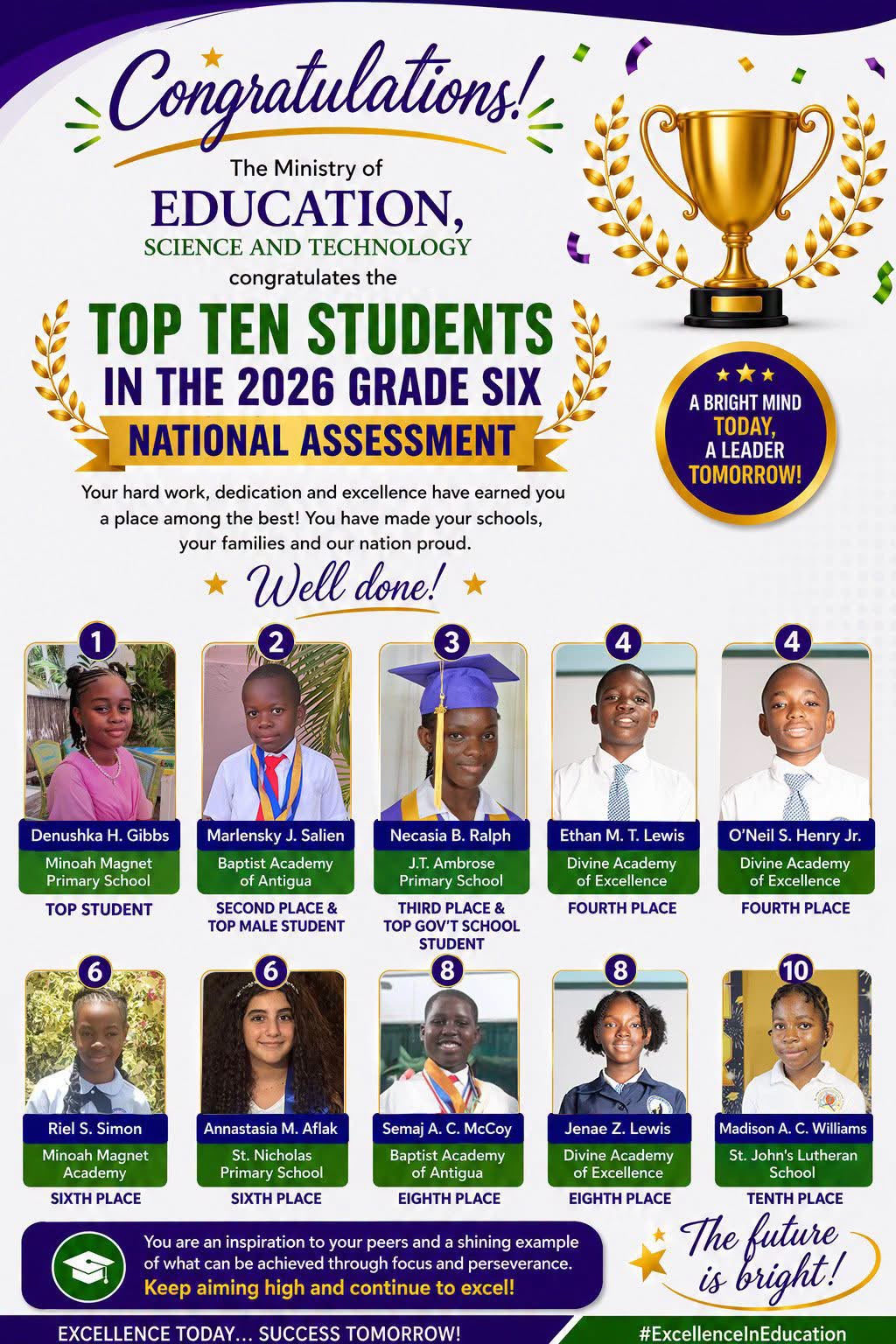
    Officials from the Ministry of Education, Science and Technology have extended formal congratulations to the 10 highest-achieving students across the country following the release of results for the 2026 Grade Six National Assessment, highlighting the outstanding academic rigor and consistent dedication that brought the cohort to their impressive milestones. In an official statement circulated to media and education stakeholders this Wednesday, the ministry emphasized that the standout results posted by these young learners are not accidental, but a direct reflection of months of intentional hard work, steady perseverance, strict personal discipline, and an unwavering commitment to meeting high academic standards. Beyond celebrating the students themselves, the government body also took the opportunity to acknowledge the critical behind-the-scenes support system that helped pave the way for these successes, giving public recognition to school principals, classroom teachers, and the students’ family members and guardians who offered guidance, encouragement, and resources throughout the entire primary school journey. “This outstanding achievement is a testament to your hard work, perseverance, discipline, and commitment to excellence,” the ministry noted in its official message to the honorees. “You have made your families, schools, teachers, and the entire nation proud.” Looking ahead to the next phase of the students’ academic careers, the ministry extended well wishes for continued growth and success as the group prepares to transition from primary education to secondary school, a key milestone that will set the foundation for their future professional and personal pursuits. The full list of top 10 performers, along with their affiliated institutions and special distinctions, has been released to the public alongside the official congratulatory statement. Claiming the overall top spot in the national assessment was Denushka H. Gibbs, a student at Minoah Magnet Primary School. Securing second place and the title of top-performing male student nationwide was Marlenky J. Salien of Baptist Academy of Antigua. Third place went to Necasia B. Ralph from J.T. Ambrose Primary School, who also earned recognition as the highest-scoring student from a government-run primary campus. Fourth place was awarded jointly to Ethan M. T. Lewis and O’Neil S. Henry Jr., both enrolled at Divine Academy of Excellence. Two students tied for sixth place: Riel S. Simon of Minoah Magnet Academy and Annastasia M. Aflak of St. Nicholas Primary School. Eighth place was another tie, claimed by Semaj A. C. McCoy of Baptist Academy of Antigua and Jenae Z. Lewis of Divine Academy of Excellence. Rounding out the top 10 at tenth place is Madison A. C. Williams from St. John’s Lutheran School.

  • Public Urged to Cooperate During Next Phase of Exercise STRONGHOLD on Friday

    Public Urged to Cooperate During Next Phase of Exercise STRONGHOLD on Friday

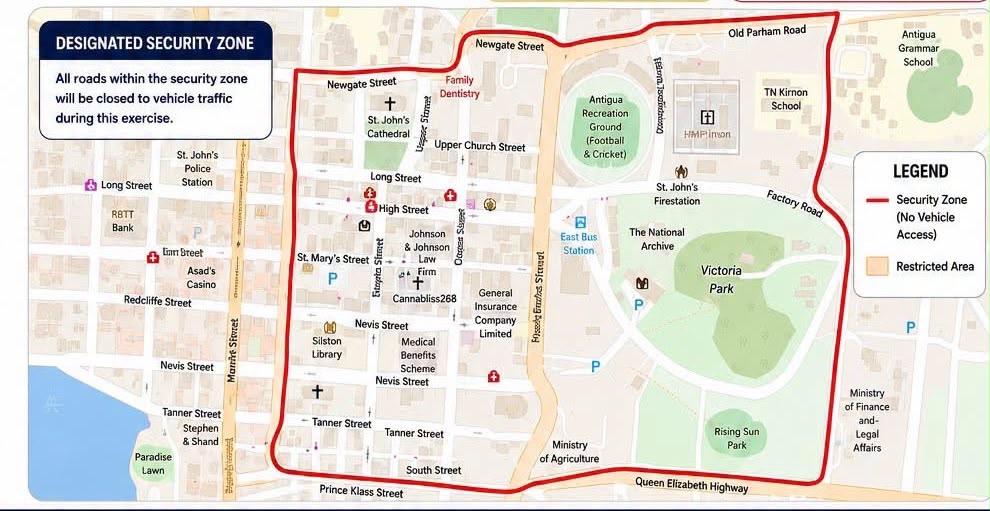
    As Antigua and Barbuda gears up to host the upcoming Commonwealth Heads of Government Meeting (CHOGM) later this year, national security authorities are pressing forward with coordinated preparedness drills, urging the public to remain engaged as the next phase of the major security exercise gets underway this week.

    The initiative, known as Exercise STRONGHOLD, marked a key milestone on Wednesday when the first phase of operations wrapped up successfully. During that initial round, combined security forces and critical response agencies executed coordinated training scenarios across the area surrounding the Antigua and Barbuda National Performing Arts Centre. Officials have confirmed that all objectives for the opening phase were met without disruption.

    In a public statement following the successful first phase, the CHOGM National Security Planning Committee extended its gratitude to local residents and motorists for their understanding and collective cooperation. Committee representatives emphasized that the public’s patience and support played an indispensable role in allowing the drill to proceed smoothly, avoiding unnecessary interruptions to the exercise’s workflow.

    Now, focus has turned to the third scheduled phase of Exercise STRONGHOLD, which is set to take place on Friday, July 10, running from 6 a.m. through 12 noon. In advance of the drill, authorities are issuing clear guidance to the general public: all community members must follow any instructions issued by on-site police officers and other officially authorized personnel. Additionally, members of the public are reminded to stay clear of marked restricted security zones during the drill period, unless they hold official approval to enter these areas.

    At its core, Exercise STRONGHOLD is a central component of Antigua and Barbuda’s broader preparation framework for the upcoming CHOGM summit. The multi-phase exercise is purpose-built to evaluate and strengthen the island nation’s overall security readiness, test the speed and effectiveness of its emergency response protocols, and refine coordination and communication protocols between different government agencies and security bodies ahead of the high-profile international gathering.

  • EU ambassador presents credentials to OECS Director General, reaffirms commitment to regional partnership

    EU ambassador presents credentials to OECS Director General, reaffirms commitment to regional partnership

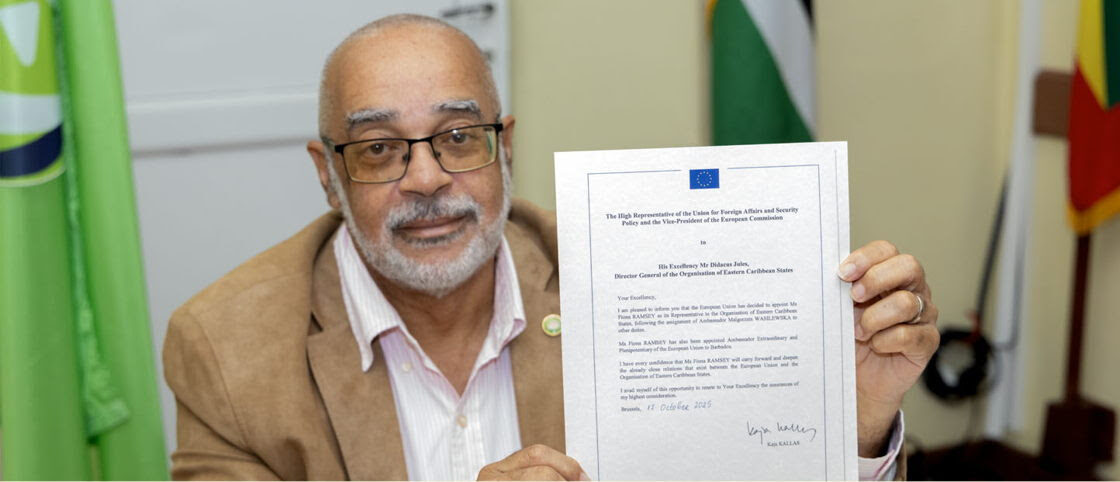
    In a formal virtual diplomatic ceremony held on July 2, 2026, Her Excellency Fiona Ramsey, the newly appointed European Union Ambassador to Barbados and the Eastern Caribbean, officially presented her credentials to Dr. Didacus Jules, Director General of the Organisation of Eastern Caribbean States (OECS), marking a new chapter in the long-standing collaboration between the two blocs. The event, detailed in an official OECS press release, not only signaled the formal launch of Ramsey’s tenure working with the regional integration body but also reinforced the European Union’s unwavering commitment to advancing shared priorities across the Eastern Caribbean.

    Welcoming Ramsey to her new post, Dr. Jules extended his congratulations and reflected on the decades-long collaborative bond between the OECS and the EU. He emphasized that the European Union stands as one of the OECS’ most steadfast development partners, with a relationship rooted in mutual respect, shared democratic values, and a joint dedication to advancing sustainable development, multilateralism, and improved quality of life for the people of the Eastern Caribbean.

    In her remarks, Ambassador Ramsey celebrated the OECS’ 40-plus year track record of driving regional integration and cooperation across its 11 member states. She also offered a unique perspective on the geographic and strategic closeness of the EU and the Caribbean region, noting that Europe is not merely a distant transatlantic partner. Through French overseas territories of Martinique and Guadeloupe, as well as other EU-affiliated overseas countries and territories in the region, Europe is an immediate neighbor sharing the same maritime space, facing many of the same transboundary challenges, from climate impacts to maritime management. This proximity, Ramsey argued, makes deep, coordinated cooperation between the EU and OECS both a natural alignment and a strategic necessity.

    The ambassador brought official greetings from two of the European Union’s top leaders: European Council President António Luís Santos da Costa and European Commission President Ursula von der Leyen. She used the occasion to reaffirm the EU’s commitment to expanding its partnership with the Caribbean bloc through the bloc’s flagship Global Gateway Investment Agenda, a strategic infrastructure and development investment initiative rolled out across the globe.

    Ramsey outlined the broad scope of existing collaboration between the two sides, spanning a wide range of priority areas critical to the Eastern Caribbean’s long-term stability and growth: renewable energy development, climate disaster resilience, water security, biodiversity conservation, sustainable tourism growth, food sovereignty, expanded digital connectivity, sargassum seaweed management, and accessible climate finance. She also highlighted new educational mobility and learning opportunities for Caribbean students opened through the EU’s Erasmus+ programme, a long-running initiative that supports cross-border education and training across the globe.

    In a key institutional announcement during the ceremony, Ramsey confirmed that starting in September 2026, the existing EU Delegation to Barbados will be upgraded to an enhanced regional delegation. This expanded mandate will task the delegation with leading and coordinating implementation of the EU’s Global Gateway Strategy across the entire Caribbean region, streamlining delivery of development projects and investment initiatives.

    Following the formal credential presentation, Ambassador Ramsey and Director General Jules held closed working discussions focused on expanding the scope and impact of EU-OECS cooperation. The talks centered on priority areas including climate resilience, renewable energy scale-up, sustainable ocean governance, digital transformation, expanded educational access, technological innovation, deepened regional integration, and cross-border infrastructure development.

    Both leaders underlined the need for a more strategic, coordinated approach to development cooperation that aligns the OECS’ own long-term Development Strategy with the EU’s Global Gateway Investment Agenda. They closed the meeting by reaffirming their shared commitment to unlocking new economic and social opportunities for the people of the Eastern Caribbean through strengthened collaboration, targeted innovation, and responsible, sustainable investment.

  • Cuba achieves diplomatic victory at United Nations

    Cuba achieves diplomatic victory at United Nations

    In a bold rebuke of decades of unilateral U.S. policy, the United Nations General Assembly voted 136 in favor to greenlight a long-sought debate on the U.S. economic, commercial and financial blockade against Cuba, overcoming strenuous lobbying efforts by Washington to block the discussion. The overwhelming vote outcome reaffirms the deep global rejection of the U.S. policy, leaving Washington increasingly politically isolated on the global stage while validating Havana’s decades of denunciations of the punitive measures.

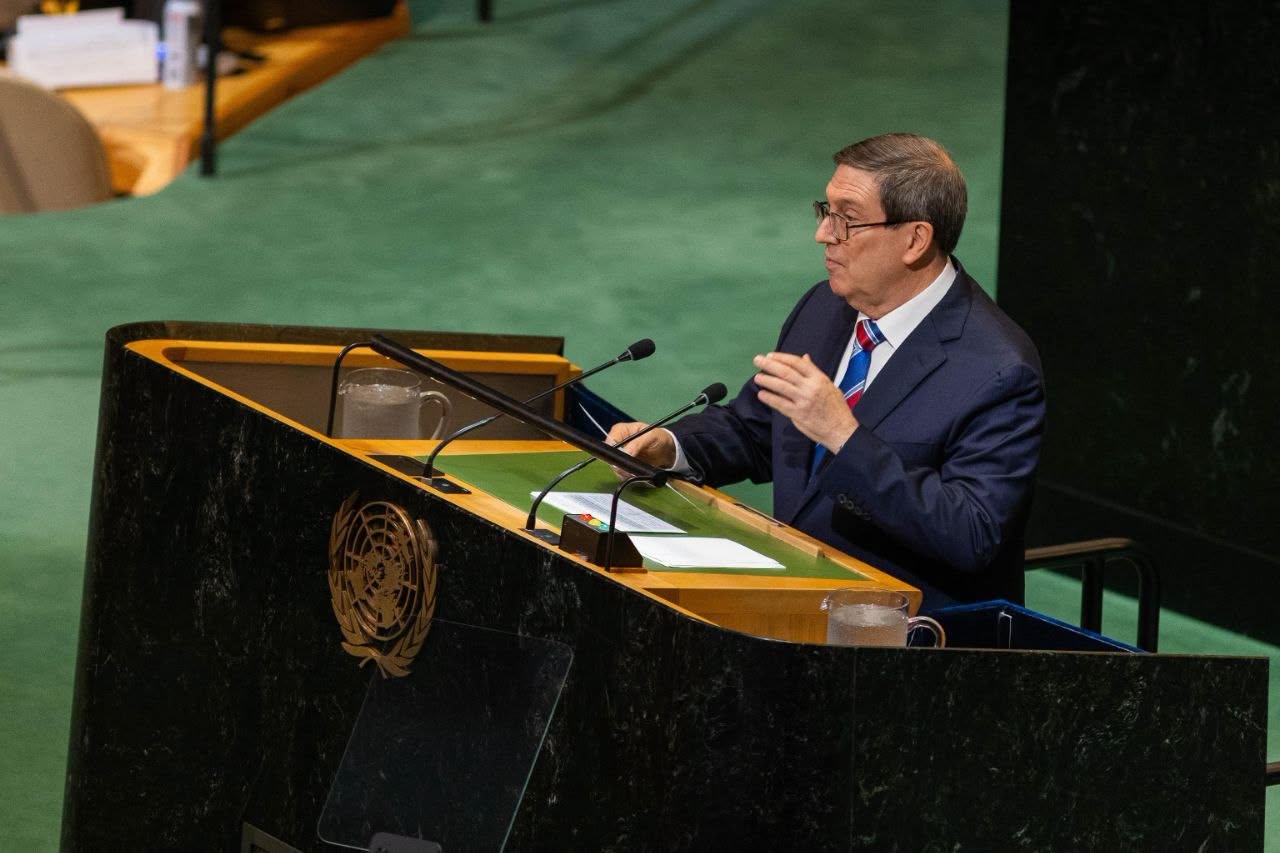
    Cuba’s Foreign Minister Bruno Rodríguez opened the debate with a scathing condemnation of the decades-long blockade, framing it as a multi-dimensional act of aggression that has escalated in recent years into a full-scale energy siege functionally equivalent to a traditional naval blockade. Rodríguez stressed that the coercive unilateral measures are intentionally designed to cripple Cuba’s economy, inflict widespread hardship on the island’s 11 million residents, and hide the true humanitarian cost of the sanctions from the international community.

    Beyond its direct harm to Cuban civilians, Rodríguez noted the blockade imposes sweeping extraterritorial sanctions that penalize third-party countries and businesses for maintaining normal trade ties with Havana, forcing many to cut off economic relations against their will. He emphasized that this long-running policy systematically violates core tenets of international law and foundational principles of the UN Charter, qualifying as an act of collective punishment and genocide against the Cuban people.

    Closing his opening remarks, Rodríguez extended gratitude to the vast majority of UN member states that defied U.S. pressure to support the debate, and reiterated that Cuba poses no security threat to any nation. Instead, he emphasized, it is the blockade that constitutes a direct threat to the lives and well-being of millions of Cubans, calling on the global community to unite in defense of national sovereignty and global social justice.

    The UN debate was marked by an outpouring of cross-regional support for Cuba from dozens of countries and major regional blocs. Russia’s representative told the assembly that fuel shipments to Cuba are no longer a routine commercial transaction, but an urgent humanitarian issue. Speaking on behalf of the 120-member Non-Aligned Movement, Uganda’s delegate called on the General Assembly to mobilize collective action to prevent any form of military aggression against Cuba.

    Mexico’s representative affirmed that the right to determine Cuba’s political and economic future belongs exclusively to the Cuban people, free from external interference or coercive impositions. Major regional and national groups including the African Group, China, the Association of Southeast Asian Nations, and Pakistan joined the chorus of condemnation, warning that the blockade is pushing Cuba toward a severe humanitarian crisis and noting that it has devastated critical public sectors including health care, education, and energy infrastructure.

    The debate laid bare the catastrophic daily human toll of the decades-long siege across Cuban society. Delegates detailed widespread, prolonged power outages that have disrupted daily life for millions of Cubans, brought public transportation systems to a standstill, and created severe challenges to preserving critical food supplies. Hospitals and community health centers across the island have been forced to rely on emergency backup generators amid crippling shortages of life-saving medications and essential medical supplies.

    The successful vote to hold the debate marks a major diplomatic victory for Cuba, which successfully rallied global support to open the issue for formal UN discussion despite intense opposition from Washington. The outcome of the vote confirms broad, cross-regional consensus in the international community that all peoples have the inherent right to live free from coercive unilateral sanctions imposed by foreign powers. As Rodríguez emphasized in his closing remarks, “Cuba is not a threat; the blockade is.”

  • Agriculture ministry hosts disaster damage assessment training to strengthen sector resilience

    Agriculture ministry hosts disaster damage assessment training to strengthen sector resilience

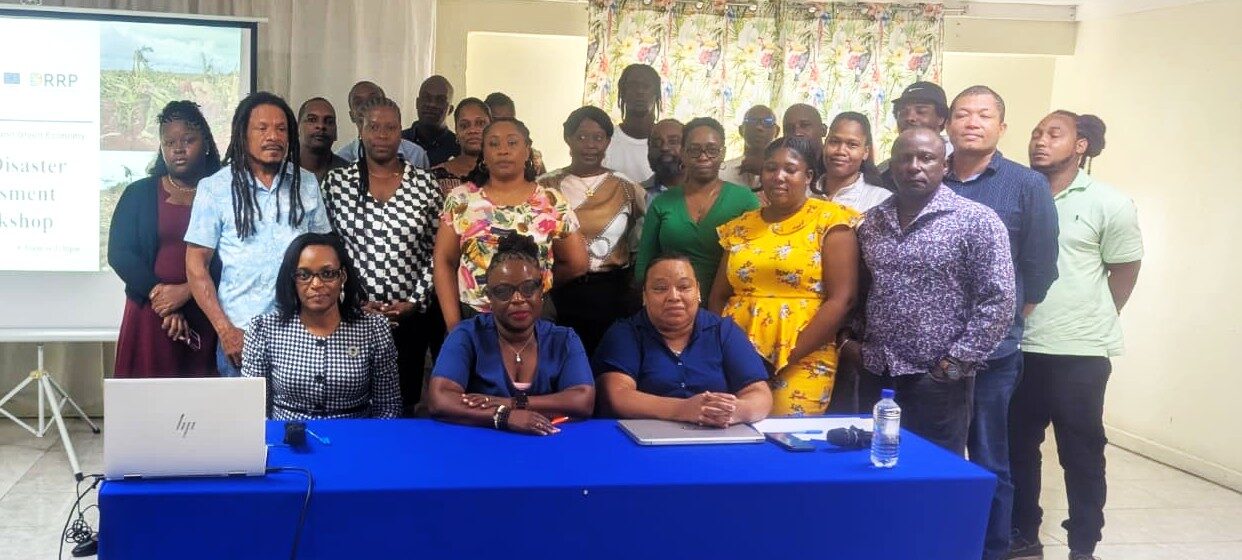
    As a small island developing state highly vulnerable to the growing frequency and intensity of climate-driven natural disasters, Dominica is taking a proactive step to reinforce its agricultural sector’s ability to withstand and recover from extreme weather events. The nation’s Ministry of Agriculture, Fisheries, Blue and Green Economy has launched a two-day specialized training initiative focused on building technical capacity for agricultural damage assessment before and after disaster events.

    Held on July 7 and 8 at Prevo Cinemall in the capital city of Roseau, running from 8:30 a.m. to 3:30 p.m. daily, the Pre- and Post-Disaster Damage Assessment Training Programme forms a core component of the government’s long-term strategy to shore up disaster preparedness and boost long-term resilience across the country’s agricultural landscape. According to an official press release from the Ministry, the training is delivered under a broader technical assistance project titled ‘Enhancing the Sustainability and Resilience of the Agriculture Sector in the Commonwealth of Dominica.’

    This larger resilience-building project receives financial backing from the Caribbean Development Bank (CDB) through the bank’s Caribbean Action for Resilience Enhancement (CARE) Programme. The CARE Programme itself is funded by the European Union, operating under the African, Caribbean and Pacific–European Union Disaster Risk Reduction Programme, a regional framework designed to reduce climate and disaster vulnerability across participating nations.

    The core objective of the training is to upskill technical officers who lead disaster preparedness, emergency response, and post-disaster recovery work across the agricultural sector. Participants drawn from a wide cross-section of national stakeholders have been invited to take part, including representatives from multiple government ministries, statutory organizations, national emergency response agencies, private sector actors, local farmer organizations, and other entities involved in Dominica’s national disaster risk management ecosystem.

    Over the course of the two-day program, attendees receive hands-on, practical training in standardized industry methodologies for assessing disaster-related agricultural damage and production losses. The curriculum also covers critical skills including field data collection and analysis, compilation of formal damage assessment reports, and application of assessment data to develop evidence-based post-disaster recovery plans. Beyond individual skills development, the initiative is designed to strengthen institutional preparedness and improve inter-agency coordination between government bodies and non-government partners.

    Ministry officials emphasized that improved coordination and standardized assessment practices will enable more timely, data-driven decision-making in the aftermath of natural disasters, a key improvement that will ultimately support faster, more effective recovery for farming communities and the broader sector. In the long term, the capacity building is expected to contribute to systemic, sustained improvements in the agricultural sector’s ability to adapt to and withstand disaster shocks.

    The Ministry reaffirmed its ongoing commitment to strengthening the country’s national capacity to anticipate, prepare for, respond to, and recover from natural climate hazards. It noted that continuous investment in targeted training and strategic multi-stakeholder partnerships is a critical driver of progress toward building a more resilient, sustainable, climate-smart agricultural sector for all of Dominica.

  • Dominica tops Caribbean rankings, places ninth globally in Travel + Leisure World’s Best Awards

    Dominica tops Caribbean rankings, places ninth globally in Travel + Leisure World’s Best Awards

    The Caribbean island nation of Dominica has added another prestigious international accolade to its growing collection of tourism honors, landing the number one position among Caribbean islands and claiming the ninth spot globally in the 2026 *Travel + Leisure* World’s Best Awards. The ranking is determined by votes cast by the magazine’s global readership of travel enthusiasts and industry experts.

    Unlike many of its regional competitors that have built their tourism industries around traditional beach-centric getaways, Dominica has carved out a distinct niche as a global leader in nature-focused tourism. *Travel + Leisure* specifically highlighted the country’s long-standing commitment to environmental conservation as the core driver of its growing global appeal, confirming that the island’s widely used nickname, “the Nature Island,” is fully deserved.

    Visitors to Dominica are drawn not by crowded resort coastlines, but by the island’s unspoiled natural treasures: vast, biodiverse rainforests, dramatic volcanic terrain, striking black-sand beaches, cascading waterfalls, and geothermal hot springs. These nature-based experiences have become the defining characteristic of Dominica’s tourism brand, setting it apart from more commercialized Caribbean destinations.

    Denise Charles Pemberton, Dominica’s Minister for Tourism, welcomed the new recognition in an official statement, framing the award as the payoff for years of intentional, strategic investment across the country’s tourism sector. “I am delighted to share some wonderful news for Dominica. Once again, our nature island is being recognised on the international stage, this time by the world-renowned *Travel + Leisure* magazine,” she said.

    Pemberton explained that the ranking reflects ongoing cross-sector efforts to strengthen Dominica’s tourism industry, including expanded international air access to the island, development of new sustainable accommodation properties, infrastructure upgrades at key tourism sites, targeted support for local industry stakeholders, and sustained global marketing outreach.

    She noted that this latest honor joins a growing list of international recognitions for Dominica’s tourism model, adding that the endorsement from a globally respected travel publication delivers two key benefits: it elevates Dominica’s profile among millions of potential international travelers and reinforces the country’s reputation as a leading sustainable nature destination.

    The minister extended gratitude to all contributors to the island’s tourism success, including the Discover Dominica Authority, local hoteliers, tour operators, tour guides, taxi drivers, small business vendors, community tourism groups, and every stakeholder that contributes to the visitor experience. Looking ahead, Pemberton called for continued collective effort to promote Dominica’s unique natural offering, noting that the world is increasingly taking notice of the Nature Island. “Let’s keep telling our story. The world is paying attention and together we will rise to make Dominica the number one island destination in the world,” she said.