
For Caribbean island nations whose economies and coastlines depend on pristine sandy shores, the annual influx of massive sargassum blooms has grown into an increasingly urgent environmental and economic crisis. Now, the government of Barbados is pursuing a multi-pronged, forward-thinking strategy to combat this persistent problem, moving far beyond outdated manual cleanup methods to explore prevention, structured management, and even economic opportunities from the invasive seaweed.
博客
-

Official platform for FIHAV-2026 unveiled
On September 17, 2026, the Organizing Committee of the Havana International Fair (FIHAV) made a key announcement: the official digital platform for the 42nd edition of the annual event, FIHAV-2026, is now live ahead of the fair’s opening.
Scheduled to run fully virtually from November 24 to 26 this year, the exhibition will be hosted exclusively at the dedicated web address www.cuba.feriahabana.cu, giving global and local business participants accessible access to connect and trade despite ongoing challenges.
Organizers framed the 2026 fair as a tangible demonstration of Cuba’s commitment to advancing its economic and social development, even amid a complex economic landscape defined by external multidimensional pressure and widespread systemic challenges. By opening its market to the global business community through a virtual format, Cuba maintains its openness to international trade and collaboration at a time when cross-border connectivity remains critical.
For registered exhibitors, the custom-built platform offers a full suite of digital features: participants can showcase their full range of products and services, compete for the fair’s annual industry awards, and access the full scheduled program of FIHAV-2026 events. This year’s edition will expand its thematic focus to cover high-priority global and local sectors, including Artificial Intelligence, global Energy Transition, international Tourism, and a dedicated showcase for Cuban-made goods under the “Made in Cuba” banner.
In addition to the sector-based thematic areas, the 2026 fair will include two distinct types of exhibition pavilions: one dedicated to representing all of Cuba’s individual subnational territories, and the traditional country-partnered pavilions that host both international and domestic Cuban business owners.
While the core exhibition is fully virtual, FIHAV-2026 will blend digital and in-person engagement to maximize business outcomes. A physical update session for the national Portfolio of Business Opportunities with Foreign Capital will be held in person, and the event’s signature business roundtable will operate in a hybrid format, welcoming both in-person and remote participants. The fair will also facilitate connections between Cuban business leaders based on the island and those living abroad, as well as with international entrepreneurs currently present in Cuba. Business meetings organized by Cuban diplomatic and consular missions stationed around the world will also be featured and accessible via the official platform, expanding the reach of networking opportunities for all participants.
Organizers confirmed that all prospective participants must complete their registration for the 42nd FIHAV by November 10, 2026, to secure their spot at the event.
-
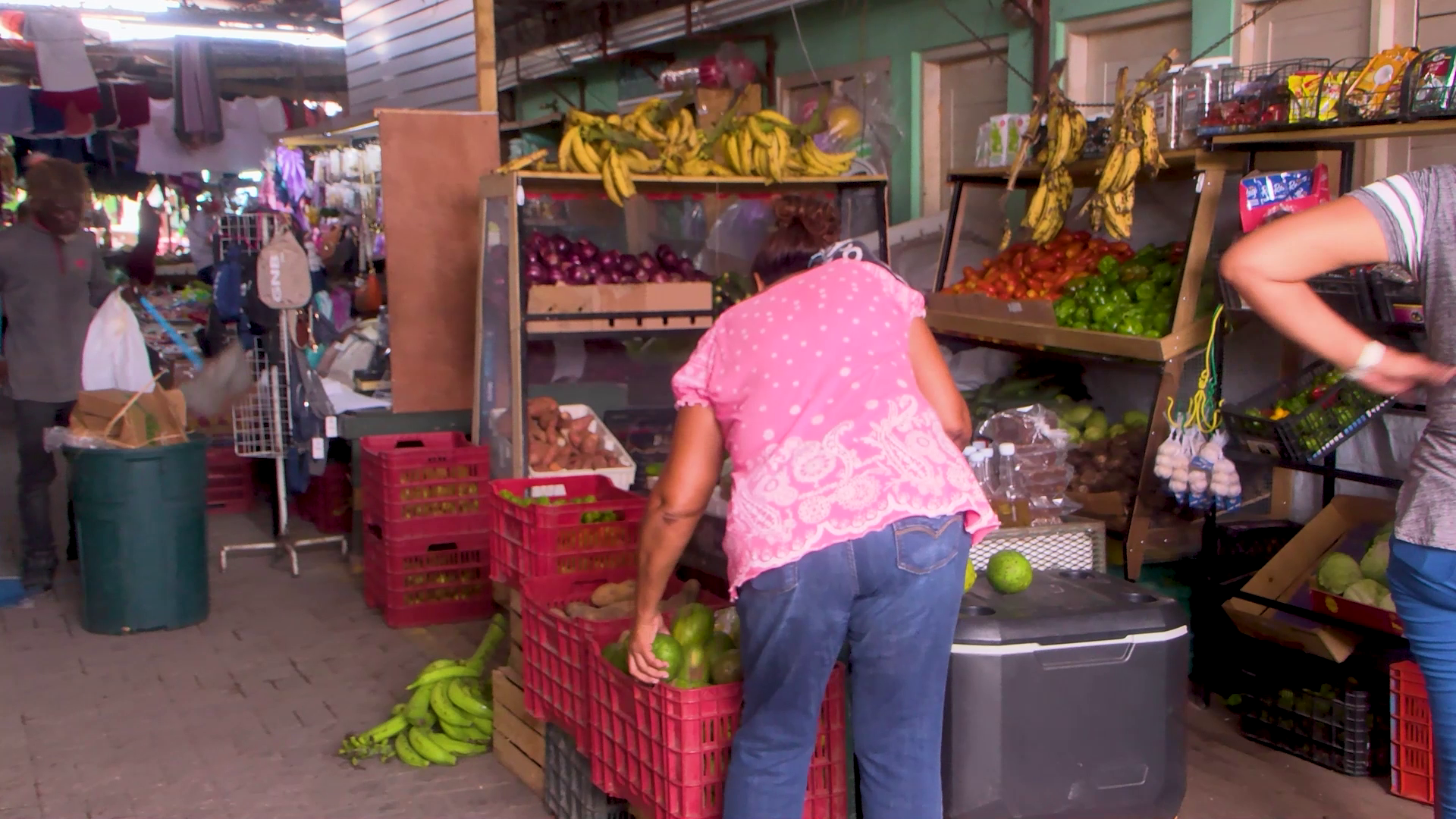
Are Wholesalers Breaking the Market Rules?
By 2026, small-scale retail vendors at Belize’s iconic Michael Finnegan Market are facing mounting economic pressure that threatens their ability to make a living, with many pointing to unfair practices from Mennonite wholesalers that are upending long-standing market rules. For decades, the market has operated on a clear division of labor: wholesalers supply bulk goods to on-site retailers, who then sell smaller quantities to everyday consumers. Now, vendors say this unwritten agreement is breaking down, leaving them squeezed between rising wholesale costs and unfair direct competition.
Vendors already face steeply increased input costs from the Belize Marketing and Development Corporation (BMDC), the state agency that oversees regional produce supply. Many now say their profit margins have been all but erased after wholesalers began cutting them out entirely, selling small retail portions directly to shoppers at prices below what local vendors can match. On-site reporting from the news team caught multiple direct-to-consumer transactions that align with these vendor complaints.
Edith Brakeman, a long-time vendor at the market, described a dramatic shift in business conditions in recent years. “Market day used to be good, but now it is terrible, because the Mennonites come, they buy out the stuff and they sell it cheaper than we who buy big,” Brakeman explained. She emphasized that the practice directly violates the terms set by city authorities, who granted wholesalers access to the market under the condition they only sell bulk orders of 10 pounds or more. Today, Brakeman says wholesalers routinely sell 1- and 2-pound portions directly to customers, emptying the retail stalls of shoppers. “You see anybody in here? Nobody right, everybody is outside,” she noted.
Beyond violating the no-retail rule, some vendors also accuse Mennonite farmers of manipulating supply to drive up produce prices. One anonymous vendor explained that producers intentionally withhold stock, particularly popular items like potatoes, until existing market supplies run low, then hike costs dramatically. “Like last year, the big potato was being sold for a hundred dollars a sack. What they start to do was put the potatoes in containers and hold back on it. Then the potatoes went up to two hundred,” the vendor recalled. At that inflated price point, retailers cannot turn a profit when selling to consumers, leading to repeated conflicts between vendors and wholesalers. “Me and a lot of people get into a lot of conflicts with the Mennonites, because when they bring it we tell them to take it back. I don’t want to pay you for it. The whole thing about Belize, it needs a price control,” the vendor added.
When presented with these complaints, BMDC administrator Valentin Carrillo acknowledged the dynamic but said he does not fault producers for responding to market forces. “At the end of the season, I don’t blame them either, because it is a business sense they have. If there is no product on the market and the demand is high, they will increase their prices. Any business would do it. Even you, if you have a product and there is an opportunity to sell it higher, they are the only one that has it, they will increase it, I don’t blame them,” Carrillo stated.
While he stopped short of criticizing the Mennonite producers’ pricing strategy, Carrillo acknowledged that the current system creates unfair outcomes for both retailers and end consumers. To address ongoing supply volatility and price spikes, he said BMDC has moved to enter into direct purchasing agreements with Mennonite producers, covering staple crops like potatoes, and will import additional supplies to cover any domestic deficit. The agency’s goal is to maintain consistent market supply to prevent extreme price hikes that hurt both vendors and shoppers, Carrillo explained.
This report is a transcribed version of an evening television newscast, with Kriol language dialogue transcribed using a standardized spelling system.
-
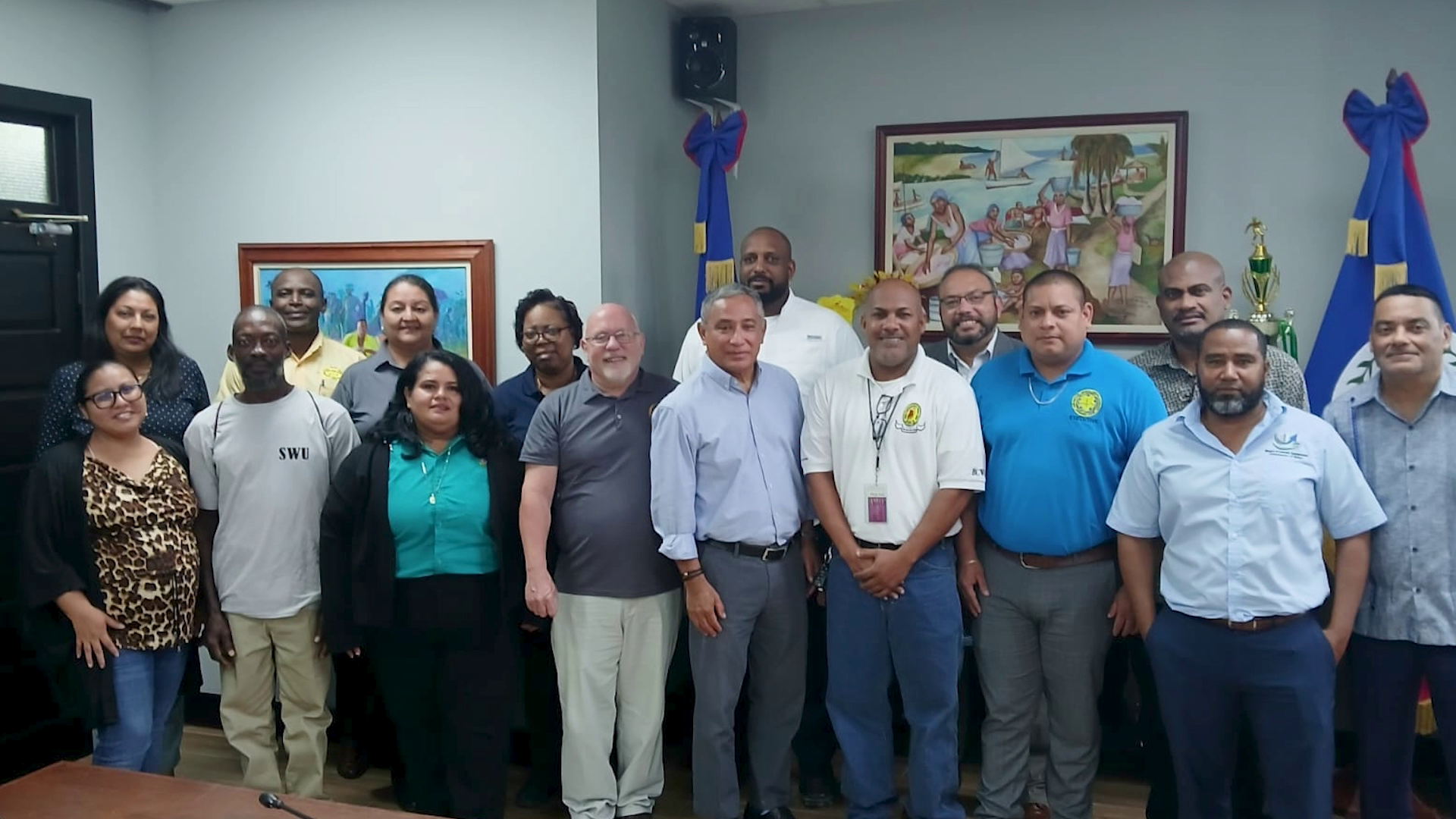
KHMH CBA Negotiations Are Finally Underway, Again!
After more than three years of repeated deadlocks and missed deadlines, long-stalled collective bargaining agreement (CBA) negotiations between Belize’s flagship Karl Heusner Memorial Hospital (KHMH) and its workers’ union have officially resumed, driven by a new hospital management team and a freshly elected union executive.
-

Can Sports Tourism Reverse Belize’s Slowdown?
Against a backdrop of stalling visitor arrivals that has left Belize’s key tourism sector searching for solutions, the Central American nation is turning to a high-potential niche: sports tourism. New data shows overnight tourist arrivals dropped 5% in June 2026, and Tourism Minister Anthony Mahler confirms the slowdown persisted through the subsequent months. With traditional drawcards like coastal beaches and heritage attractions failing to fill hotel rooms at pre-slowdown levels, officials are hunting for strategies to drive visitation during the industry’s typically low-demand “soft” months, even as stakeholders pin some hope on the upcoming high season and expanded flight routes for a broader rebound.
As Belize’s first minister to hold combined oversight of both tourism and sports, Mahler is uniquely positioned to advance this new agenda, which centers on upgrading local sports infrastructure and actively bidding to host international competitions. Fresh off his participation as a panelist at the UN Tourism Sports Tourism Summit held in Mexico City, the minister has already secured promising new connections with global tourism leaders to turn the sports tourism plan into tangible growth opportunities.
In remarks transcribed from a national evening television broadcast, Mahler outlined the massive economic potential of the global sports tourism market, which currently generates roughly $1 trillion in annual revenue—compared to a $12-13 trillion overall global tourism market and a $2.5 trillion global sports industry. “What we want to do is to continue to push forward in terms of improving our facilities, whereby we can host more and more events here in Belize,” Mahler said. “I think we can carve out a niche that can help boost tourism, especially in the softer months especially if we have more indoor facilities.”
The summit yielded unplanned high-level engagement that could accelerate Belize’s ambitions. After Mahler presented the country’s sports tourism profile to attendees, an unscheduled two-hour one-on-one meeting with UN Tourism’s Secretary General sparked plans for an official exploratory visit to Belize. The minister also met with UN Tourism’s regional director based in Brazil, who has committed to supporting Belize’s sports tourism development efforts. Beyond global leadership connections, Mahler brought representatives from Belize’s national sports federations to the summit to meet with their international counterparts, forging direct industry partnerships that are expected to deliver tangible outcomes in the coming months.
While the concept of leveraging sports tourism to grow visitation is not new to Belize, the combination of combined ministerial leadership, new global backing, and urgent pressure to reverse the current sector slowdown has put the strategy at the forefront of the government’s tourism growth agenda.
-
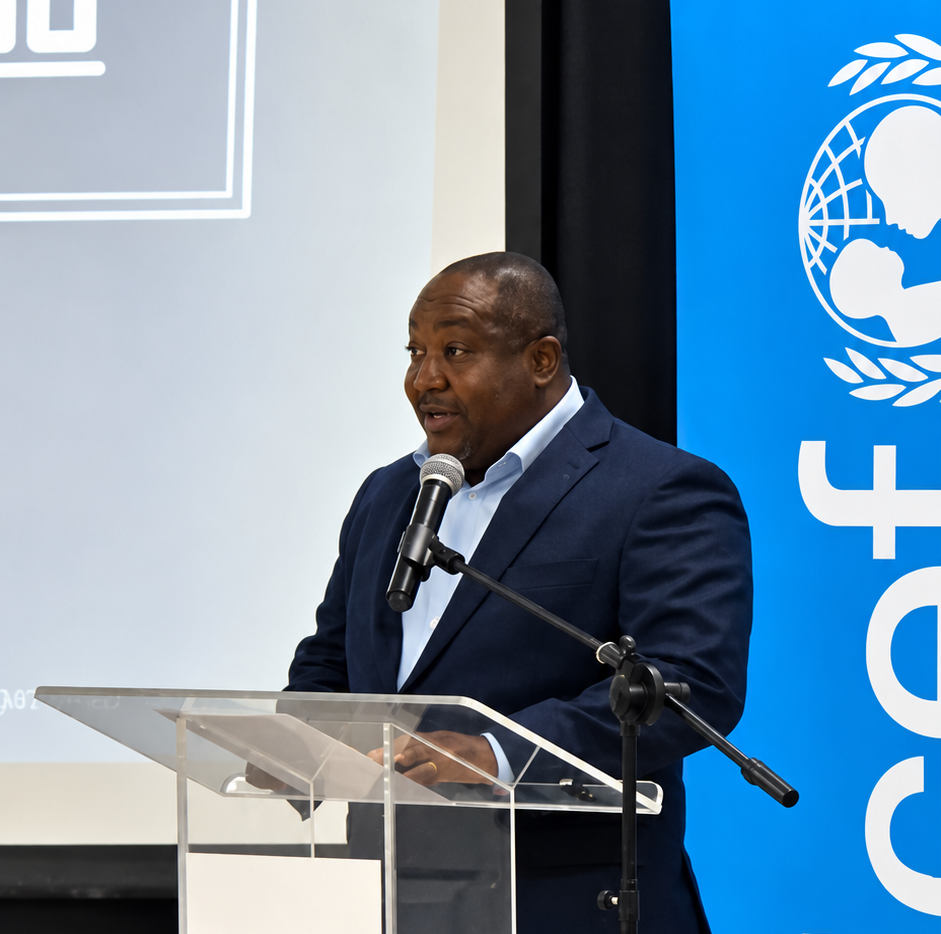
Study: 80 more days a year above 30 C by mid-century
A landmark climate analysis commissioned by UNICEF has delivered a stark warning for Barbados and other Eastern Caribbean nations: by the middle of this century, prolonged, frequent moderate to severe drought could become an expected annual reality, lasting up to four months every year and putting critical systems from water access to food production and childhood development at severe risk. The landmark study, carried out by environmental consultants Meru Labs across six Eastern Caribbean nations – Barbados, Dominica, Grenada, St Kitts and Nevis, Saint Lucia and St Vincent and the Grenadines – delivers the most targeted assessment to date of how climate change will specifically impact children across the region. When presenting the findings at an event in Saint Lucia this week, lead researcher Irina Bird Reddiar highlighted the dramatic shift from current baseline conditions. At present, drought accounts for roughly 21% of annual conditions across the region, but by 2050 that figure will jump to nearly 33%, with Barbados and Grenada facing the most severe increases. The projections already align with the dry and hot conditions Barbados has experienced throughout 2024. After an unusually dry first five months of the year that saw most of the year’s total rainfall fall in just a handful of days in January and March, the Barbados Meteorological Services issued persistent drought warnings from June through July, extending drought watches through October. Even the official start of the wet season in June did not bring the sustained rainfall needed to replenish depleted freshwater reserves, with forecasters noting that short, heavy bursts of rain do not effectively replenish underground aquifers the way prolonged steady rainfall does. Low water reserves have already disrupted access for many communities across Barbados. Last month, the Barbados Water Authority (BWA) warned that low levels at the critical Bowmanston catchment in St John, which supplies large swathes of rural Barbados, would lead to intermittent low pressure and temporary outages across sections of St John, St George and St Philip, prompting the deployment of water tankers to affected areas. While the BWA has not directly linked current low reservoir levels to long-term climate change, the new study warns that increasingly frequent dry conditions will place permanent, growing strain on three core systems: potable water supplies, agricultural production, and school sanitation. Beyond water access, agriculture – a sector central to many local household economies across the region – faces massive output losses: research cited in the report finds drought can cut local food production by between 20% and 40%. For families that rely on farming or other climate-sensitive livelihoods, this drop in output translates directly to lower household incomes and rising rates of food insecurity. Water shortages also create major sanitation challenges, particularly at schools, which serve as a central community hub for tens of thousands of children across the Eastern Caribbean. What makes these impacts particularly concerning, researchers emphasize, is that their harm to children extends far beyond the duration of the drought itself. Repeated climate shocks, the study notes, contribute to higher rates of childhood malnutrition, force widespread school interruptions, and create long-term developmental setbacks that persist for years after the dry spell ends. Beyond drought, the report also highlights rising temperatures as a growing threat. Under a high greenhouse gas emissions scenario, average temperatures across the six study countries are projected to rise by 1.4°C by mid-century. That shift will add more than 80 extra days per year where temperatures top 30°C, and more than 10 extra days above 32°C. These extreme heat days make outdoor work dangerous, worsen public health risks, and severely disrupt in-person learning for students. Compounding this risk is the overlapping timing of peak heat, hurricane season and the start of the school year between August and October, creating a perfect storm of overlapping threats for communities and children at the start of every academic year. In response to the findings, regional leaders have called for a fundamental shift in how governments budget for climate adaptation. Saint Lucia’s Minister of Agriculture, Fisheries, Food Security and Sustainable Development Lisa Jawahir argued that governments cannot delay investing in resilience until climate impacts are already catastrophic, comparing proactive planning to packing an umbrella before a rainstorm. “We cannot wait until the rain is falling to buy the umbrella,” Jawahir said, urging finance ministries across the region to incorporate annual climate resilience spending into regular budget cycles, to protect current and future generations of children from preventable harm. The study outlines a clear roadmap for action, recommending a mix of interventions including climate-smart agricultural practices, expanded water storage and conservation infrastructure, livelihood diversification for climate-dependent households, and nature-based solutions that leverage natural ecosystems to reduce climate risk. It also calls for investment in improved early-warning systems, pre-positioning of emergency supplies, and flexible financing that can be activated before a forecast drought or heatwave hits, rather than only responding after a crisis develops. However, the research also identifies critical barriers to progress: consultations with regional stakeholders found that proactive, anticipatory climate measures remain chronically underfunded compared to long-term structural infrastructure projects. Limited national budgets and a lack of capacity to develop competitive climate funding proposals are among the most common barriers holding back action. Crucially, lead researcher Reddiar stressed that these risks are not a distant problem for future generations to solve. “This is not a future scenario. It’s already happening,” she said, pointing to the ongoing drought and heat conditions already impacting communities across Barbados today.
-

Mahler Touts New Momentum for Belizean Sports
In September 2026, Belize hosted its first-ever National Sports Summit, a landmark gathering that brought together leaders from local sporting federations and high-ranking government officials to map out a new future for the country’s athletic sector. The summit centered on three core pressing priorities: upgrading underdeveloped sports infrastructure, building more robust pathways for athlete development, and forging stronger synergies between the sports industry and Belize’s key tourism economy.
In post-summit remarks, Minister of Tourism and Sports Anthony Mahler expressed that the event far outstripped his initial expectations, highlighting the unprecedented sense of unity and shared purpose it fostered across Belize’s scattered sporting community. Mahler, who compared the Belizean summit favorably to a recent sports congress he attended in Mexico, noted that all participating stakeholders left the table aligned on a shared long-term vision for growing sports and sports tourism across the country. He predicted that the collaborative groundwork laid at the summit would deliver tangible benefits for Belize in the years ahead.
Among the emerging areas Mahler identified as having high growth potential is aquatics. Currently, Belize only has two competitive swimmers, both of whom train and reside permanently in the United States, a gap the minister is eager to close. Mahler stressed that as a coastal nation with an extensive network of rivers, Belize has unique natural advantages for aquatics development, but the country lacks both the infrastructure and a widespread domestic swimming culture. Many local residents do not even know how to swim safely, he noted. To address this, the government is prioritizing the construction of public swimming pools to lay the foundation for growing the sport and helping more Belizeans feel confident and safe in the water.
The high-profile summit also drew participation from influential regional sports leaders, including Jimena Saldaña, Secretary General of Panam Sports, adding international weight to Belize’s domestic sports reform efforts. While stakeholders have celebrated the momentum generated by the inaugural summit, the big open question that remains is whether this newfound collaboration and enthusiasm will translate into long-lasting, tangible improvements for Belize’s athletic sector, rather than just short-term engagement.
-

Pringle Meets New French Ambassador, Discusses Climate, Security and Regional Cooperation
In a high-profile diplomatic meeting held in St. John’s, Antigua, Jamale Pringle, leader of Antigua and Barbuda’s parliamentary opposition, sat down with Marie-Noëlle Duris, France’s newly appointed ambassador to the dual-island nation, to explore avenues for deepening bilateral and regional partnership. The productive talks touched on a broad spectrum of priority areas where both sides share common goals, ranging from climate action and climate resilience to cross-border security, educational exchange, public health collaboration, and further regional integration across the Caribbean bloc.
For small island developing states across the Caribbean, climate resilience has emerged as one of the most pressing policy priorities in recent decades. As rising sea levels, more frequent extreme weather events, and growing climate-related economic disruptions threaten the long-term sustainability of Caribbean communities, regional governments have increasingly pushed for stronger international collaboration to access funding, technical expertise, and coordinated policy frameworks to mitigate and adapt to climate impacts. This meeting placed this critical issue at the top of the bilateral agenda, reflecting both sides’ recognition of the urgent need for collective action.
Beyond climate action, the two diplomats also highlighted security, education, and health as key sectors where deeper engagement could deliver tangible benefits for both nations. Closer security cooperation could help address shared transnational challenges facing the Caribbean, while expanded educational and public health ties would open opportunities for knowledge sharing, capacity building, and improved access to resources for local communities.
At the conclusion of the meeting, both Pringle and Ambassador Duris reaffirmed their shared commitment to nurturing stronger diplomatic ties and advancing future collaborative projects not only between France and Antigua and Barbuda, but across the broader Caribbean region. The meeting marks one of Duris’ first high-level bilateral engagements since she recently took up her diplomatic post, signaling France’s continued interest in deepening its diplomatic and cooperative footprint across the Caribbean. For Antigua and Barbuda, the discussion opens new doors to expanded international partnerships that align with the nation’s key policy priorities, regardless of domestic political divisions.
-
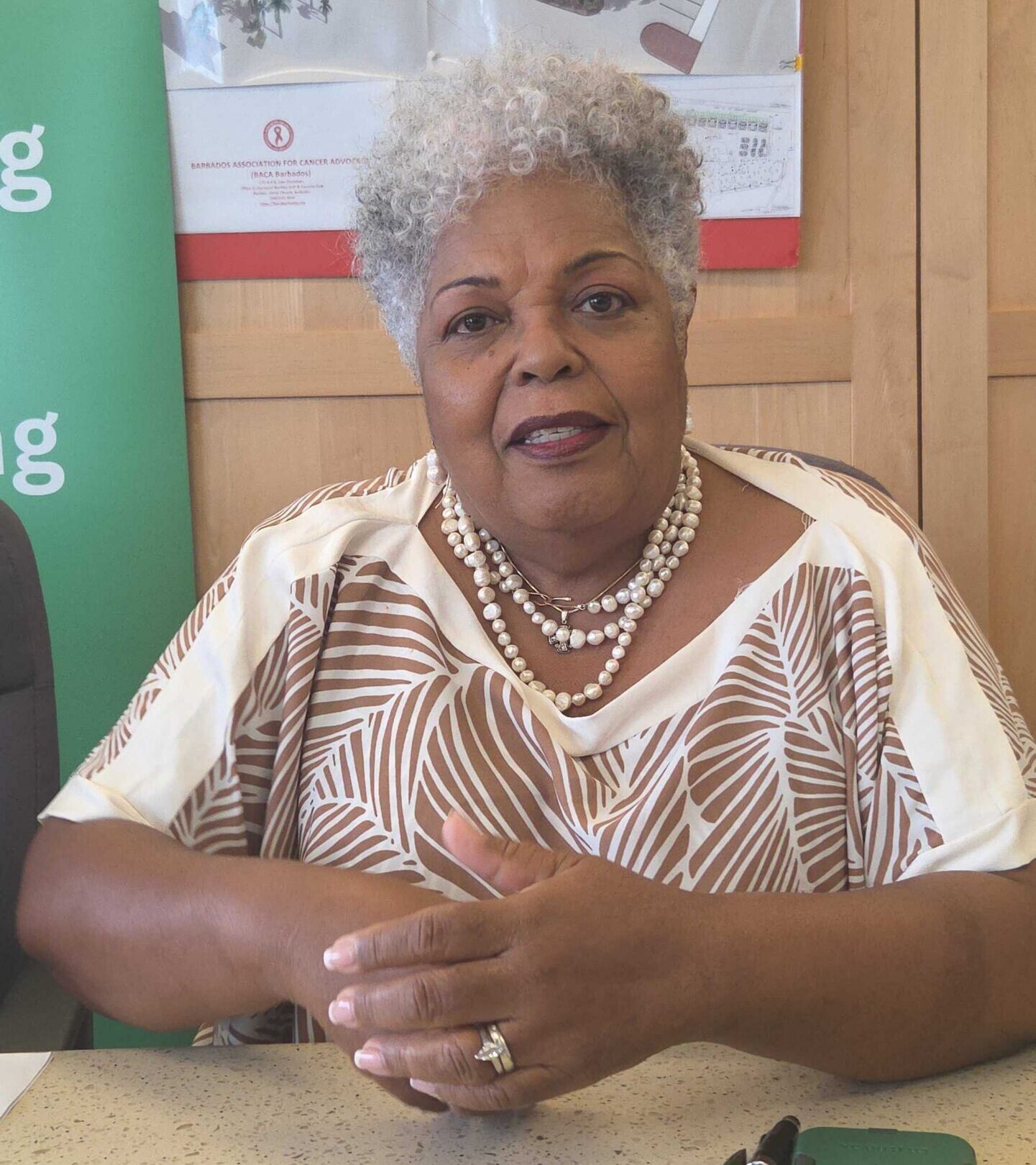
Cancer advocacy group targets $3.8m for 14-bed hospice
Against a backdrop where most terminally ill cancer patients on the island rely entirely on private home-based care, the Barbados Association for Cancer Advocacy (BACA) has launched an ambitious capital campaign to construct the country’s first dedicated 14-bed inpatient hospice, setting an initial fundraising target of $3.8 million. So far, the organization has secured $250,000 in seed funding to kickstart the project, though leadership warns that final construction costs could climb higher amid sustained regional inflation and rising building material prices.
BACA Chairperson Jessica Odle-Baril shared details of the plan in an interview with Barbados TODAY, explaining that the original preliminary estimate for the build was $3.8 million, drawn from standard construction calculations for a facility of that size. But persistent monthly increases in local construction costs have cast uncertainty over the final budget, with Odle-Baril noting that projections could shift as the project moves forward. “We started with a $3 million baseline based on average square footage for a 14-bed facility, but building costs in Barbados keep going up every month,” she said. “Our accountant will adjust the final figure once all inputs are calculated, and I’m hopeful we won’t need to push the target as high as $5 million.” The $3.8 million target currently in place only covers construction of the physical building shell, not full interior outfitting and medical equipment. Odle-Baril explained that the organization has already secured key donations of medical equipment, including two hospital beds and a cutting-edge modern wheelchair, which will be allocated to the facility once construction is complete. These donations are not included in the current fundraising target, as the group’s immediate priority is raising enough capital to break ground on the structure.
The project timeline also faces headwinds from tight labour market conditions currently impacting Barbados’ booming construction sector. Odle-Baril noted that high demand for skilled construction workers across the island means the build will likely take at least two years to complete, with the organization targeting a groundbreaking at the start of the coming year. Alongside navigating construction challenges, the organization has recently undergone leadership changes to accelerate fundraising efforts. Odle-Baril confirmed that BACA’s co-chairman recently passed away from cancer while receiving treatment in the United States. In his place, the group has added two new trustees, bringing fresh energy and new strategic perspectives to expand fundraising channels and speed up the capital campaign.
Right now, palliative and end-of-life care for most terminally ill Barbadian patients is delivered through in-home services run by the partner organization the Barbados Association for Palliative Care, which is chaired by Deiann Sobers, who also serves as a trustee on BACA’s board. Odle-Baril emphasized that BACA fully supports the work of the in-home care program, and the existing network of partner groups is already meeting immediate patient needs while the hospice is being developed, including lending donated equipment like hospital beds to families currently caring for loved ones at home.
However, in-home care is not a sustainable or accessible solution for all families, Odle-Baril stressed. While most patients express a preference to pass away at home, many households lack the physical space to accommodate medical equipment like hospital beds, and 24/7 private in-home palliative care is financially out of reach for most families. A dedicated inpatient hospice solves both problems: care costs are spread across multiple patients, the facility relies heavily on volunteer staff to keep overhead low, and all patients have access to the space and specialized support they need to remain comfortable in their final days.
Beyond the new hospice build, BACA is also launching a broader patient mapping initiative to assess gaps in cancer care across Barbados’ public health system, including the specialized cancer wards at the country’s main Queen Elizabeth Hospital. The project will track the full care journey of patients to identify bottlenecks and unmet needs, from diagnosis through end-of-life care. Odle-Baril noted that public health services often face delays accessing critical supplies and services due to fixed budget constraints, not negligence, and the mapping data will help the organization advocate for targeted improvements to support patient comfort and outcomes.
The group is also working to expand support for cancer survivors, who often face long-term physical side effects from aggressive life-saving treatments like chemotherapy. Odle-Baril highlighted that many survivors struggle to adjust to post-treatment bodily changes, and BACA aims to raise public awareness that recovery is possible and help survivors access the ongoing support they need to regain quality of life.
-
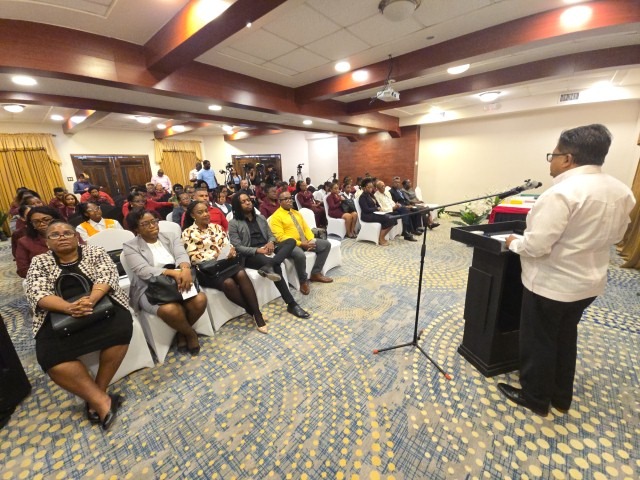
NIS must not push around the public- Finance Minster
GEORGETOWN, Guyana – September 16, 2026 – Speaking at a commemorative session marking the 57th founding anniversary of Guyana’s National Insurance Scheme (NIS) at Herdmanston Lodge on Wednesday, Finance Minister Dr. Ashni Singh has called for an urgent overhaul of customer service standards at the country’s primary social security agency, demanding an end to the longstanding practice of redirecting members of the public between branches and ignoring pending queries.
Founded in 1969, just three years after Guyana secured full independence from British colonial rule, the NIS has long served as the backbone of the country’s social safety net for retirees and benefit claimants. Dr. Singh opened his address by honoring the vision of the agency’s original architects, but pulled no punches in criticizing remaining gaps in frontline service delivery. “This kind of conduct is simply unacceptable: being rude, uncooperative, or unhelpful, pushing people from pillar to post and telling them ‘we cannot locate your records, come back next week,’” he told attendees.
Dr. Singh urged NIS employees to put themselves in the shoes of the pensioners and benefit claimants who rely on the agency for critical financial support. He noted that while NIS General Manager Holly Greaves has already made significant progress in addressing customer service complaints, the small share of poor experiences that persist have no place in a well-functioning public service. “It is true that complaints of this nature have dropped dramatically in recent months, but they have not been rooted out entirely. That end goal is what we must work toward,” he emphasized.
The Finance Minister was careful to balance criticism with praise for the agency’s overall performance, confirming that more than 60,000 NIS pensioners currently receive their monthly benefit payments on schedule. Even so, he acknowledged that a small minority of claimants still face delays, stressing that their frustration is entirely justified. “We cannot fault people for being upset when they do not receive the benefits they have paid into and are entitled to on time,” he said. “The public is right to expect reliable, consistent service from this institution.”
Per a directive from President Irfaan Ali, Dr. Singh told NIS leadership and staff that all members of the public approaching the agency deserve sensitive, caring, and compassionate interaction. “I publicly recognize and congratulate the entire NIS team for the major strides that have already been made to improve service delivery. But that progress does not mean we can stop working – we must keep pushing until all bad service experiences are eliminated,” he added.
Beyond frontline customer service, Dr. Singh also outlined three key procedural improvements the NIS must prioritize. First, he urged all NIS contributors to proactively review their contribution records regularly, rather than waiting until they approach retirement age, when former employers may have ceased operations and historical records can no longer be verified. Second, he reminded all Guyanese employers of their legal obligation to maintain accurate contribution records for their workers, a requirement that avoids triggering costly investigations and potential prosecution for non-compliance. Finally, he reaffirmed the NIS’s ongoing responsibility to provide employers with annual end-of-year statements clearly detailing all employees for whom contributions have been submitted, as well as the total value of contributions paid.